Every activity on this page can be a Falkor event. Create it, invite your people, and let the community find it.
Create a Home Event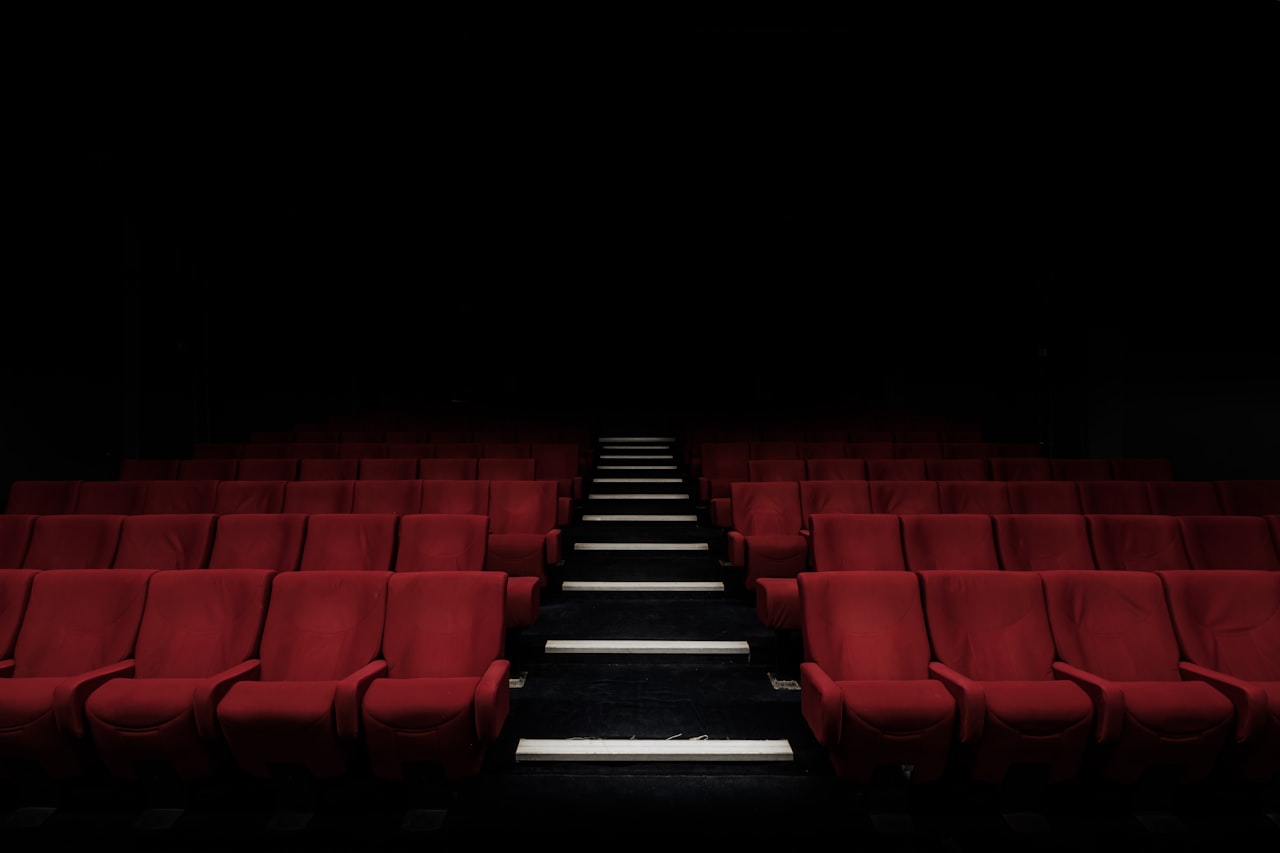
-
Watch parties hit different with the right people. The running commentary, the shared reactions, the debate after the credits roll — that's what makes it a moment, not just a movie.
Pick a director, a franchise, or a year and commit. The best marathons have a thesis, not just a queue.
Where to look
- Rotten Tomatoes — Movies at Home — ranked by audience score, filtered by platform
- Letterboxd — Popular This Week — what actual cinephiles are watching right now
- JustWatch — search any title, see which service has it
- IMDB Top 250 — for filling gaps in the essentials
Formats worth hosting
- Franchise order: Release vs. chronological — pick one, set the rule, defend it.
- Director retrospective: One filmmaker's full catalog. Great conversation starter.
- Year anchor: Everything from a specific year — see how a cultural moment felt from inside it.
- Remote watch party: Teleparty (Netflix), Disney+ GroupWatch, or Kast for cross-platform groups.
Tip: Have a backup ready. The first pick doesn't always fit the mood — that's fine. Tell your guests that's part of the format.
-
Game night is the oldest community ritual in pop culture. Pick the right game and a group of strangers becomes a crew by midnight. The key is choosing a format that matches your group's energy — not just your own taste.
In person
- Jackbox Games — everyone plays from their phone, one screen runs the game. Best for groups of 4–8, no gaming experience needed.
- BoardGameGeek — top-rated tabletop games ranked by community, with rule summaries and player counts
Online / remote
- Drawasaurus — free browser Pictionary, no download, supports custom word lists for pop culture rounds
- skribbl.io — similar to Drawasaurus, widely used, reliable
- Sporcle — thousands of free trivia quizzes by genre, fandom, and era — run them as a group
- Escape the Review — Virtual Rooms — curated list of online escape rooms by difficulty and theme
Tip: For remote groups, share your screen on Discord and use push-to-talk. It keeps audio clean during drawing rounds and makes the whole thing feel more like a shared space.
-
Building something physical with other people creates a different kind of bond than watching something together. The craft is the excuse — the conversation is the point. Props, fan art, custom wearables, cosplay pieces — pick a shared project and set a night.
Project starting points
- Prop builds: EVA foam, Worbla, and craft paint cover most replica armor and weapon projects under $40.
- Fan art: Watercolor, gouache, or digital (Procreate on iPad). Pick the medium that matches your patience level — not the most impressive one.
- Custom wearables: Heat transfer vinyl on plain shirts. A Cricut cutter makes it clean. No Cricut — stencils work fine.
Resources
- Adro of the Wild (YouTube) — EVA foam builds for beginners, well-paced and beginner-friendly
- Pinterest — Pop Culture DIY — reference images and project breakdowns by franchise
- Instructables — step-by-step builds with materials lists and photos
- Etsy — specialty materials and pre-cut components
Tip: Play the soundtrack of whatever you're building. The Mandalorian theme hits different when you're sanding armor at midnight.
-
A book club is a recurring reason to think deeply about something with people you trust. That's rarer than it sounds — and more valuable than most community formats. It doesn't need a formal structure to work. It needs one good first pick and a group that shows up.
Finding good picks
- Goodreads Listopia — community-curated lists by genre, fandom, and era
- The StoryGraph — mood-based filtering, better recommendations than Goodreads for genre fiction
- NYT Bestsellers — fiction and nonfiction lists updated weekly
Running it as a community
- Discord — create a server with channels per book. Async discussion works better than scheduled calls for most groups.
- Goodreads Groups — shelf tracking, reading progress, and threaded discussion in one place
Tip: Start with two or three people who will actually finish the book. Expand once the rhythm is established. A small group that finishes is more valuable than a large group that doesn't.
-
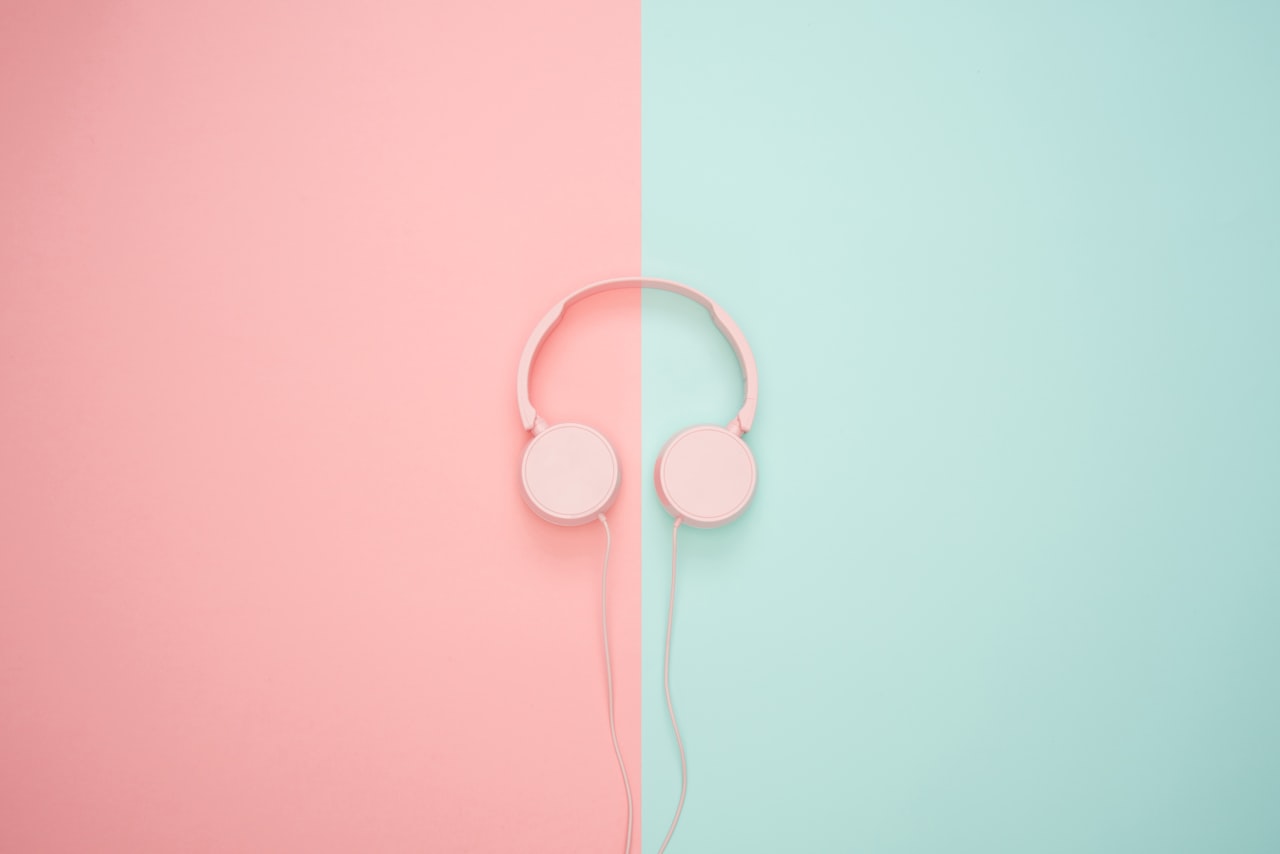
Solo rituals become community moments when they're shared — everyone does their spa night on the same evening, checks in on Discord or group chat, shares setups. The synchronization makes it feel together even when it's separate.
Pick a franchise, build a playlist, make something for your face, and watch an episode. The theme is the signal that this was intentional.
Setting it up
- Playlist first: The soundtrack sets the atmosphere before anything else. Pull a score-only playlist for your theme — no lyrics keeps it ambient.
- DIY treatments: Honey, oats, and yogurt cover 80% of basic face masks. Pinterest has ratios for every skin type.
- Lighting: One candle or a warm-white lamp. Overhead lights off.
Resources
- Spotify — Film Score / Ambient — search by franchise for official or fan-curated score playlists
- Pinterest — DIY Face Masks — natural ingredient recipes sorted by skin type
- Amazon — Themed Bath Products — licensed and fan-made options for most major franchises
Tip: Queue something you've seen enough times that you don't have to watch it. It becomes ambient — a familiar world running in the background while you decompress.
-
Karaoke is a trust exercise. The night when everyone commits fully — no ironic detachment, no holding back — is the night people don't forget. Theme it. A themed playlist gives people a creative constraint that makes the performances better and the night more memorable.
Setup options
- Karaoke.com — large catalog, browser playback, no hardware required
- YouTube — Karaoke Tracks — free, wide coverage including anime and video game tracks
- Singa — modern karaoke app, Chromecast and Apple TV support, strong J-pop and K-pop catalog
Remote options
- Zoom — screen share the karaoke track, everyone sings from their space
- Discord Stage Channel — lower latency than Zoom for music, better for larger groups
Tip: "Only songs from animated films" or "villain songs only" — a tight theme gives people something to work with and makes the curation feel intentional.
-
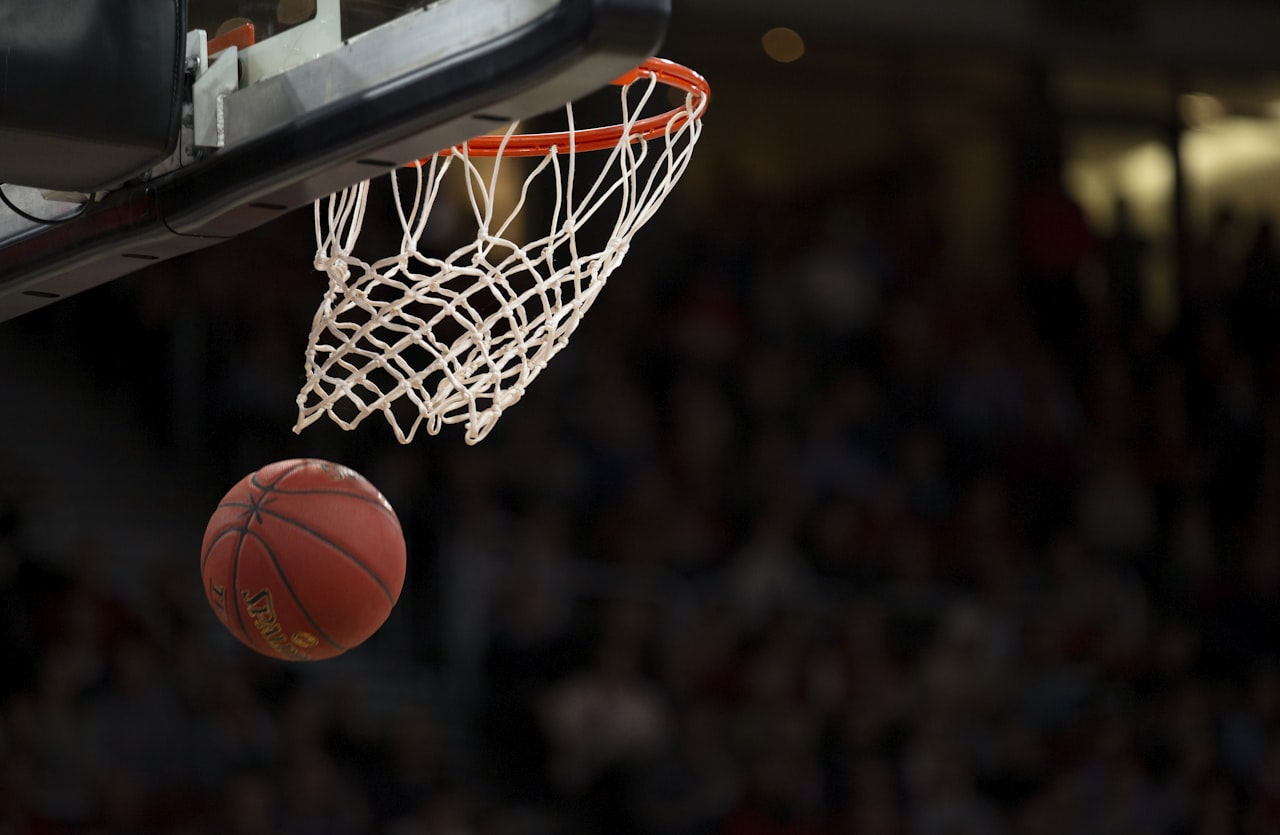
The people you watch with determine whether you remember the game. The watch party is the event inside the event — food, predictions, group reactions, the debrief after the final whistle. Get those right and the result almost doesn't matter.
Finding what to watch
- ESPN+ — live sports across most major leagues including international fixtures
- NFL on YouTube — full game replays and condensed versions free on YouTube
- Peacock Sports — Premier League, WWE, and select Olympics coverage
Making it a real party
- Predictions bracket: Write down score predictions before kickoff. No prizes needed — being right is enough.
- Snack assignment: Assign food by team allegiance. Winning team's food gets eaten first.
- Pre-game classic: Pull a legendary match from YouTube before the live game. Context makes the live event land harder.
Tip: Group text beats a dedicated app. Lower friction means more people actually participate in the running commentary.
-
Exploring something new with another person changes what you see in it. A virtual tour becomes a conversation, not just a browse. What they stop at, what they skip, what they explain — that's the experience. Do it together.
Pop culture and genre collections
- Comic-Con Museum — rotating exhibits on comics, animation, film, and gaming history
- The Strong — National Museum of Play — video game and toy history via Google Arts & Culture
- Science Museum Group — technology and invention history, surprisingly relevant for sci-fi fans
Art and world collections
- Google Arts & Culture — virtual tours of 2,000+ museums including the Louvre, Uffizi, and Smithsonian
- MoMA Collection Online — browse the full permanent collection with high-resolution zoom
- The Met — Online Features — themed online exhibitions updated regularly
Tip: Pick one exhibit and go deep rather than skimming three. The best conversations come from spending 20 minutes on a single piece you wouldn't normally stop at.
-
Themed food is the detail that tells your guests this wasn't accidental. It signals: you put thought into tonight. It doesn't have to be elaborate — matching a color or a shape to your movie is enough to change how the night feels.
By effort level
- Low: Food coloring in popcorn oil, shaped cookie cutters, themed napkins from a party store.
- Medium: Decorated cookies with royal icing, themed mocktail built around a color (Butterbeer, Blue Milk, Pandora Punch).
- High: Bento-style snack boxes with miniature versions of in-universe foods — recipes exist for almost every major franchise.
Recipe sources
- r/FanFood — community recipes based on fictional food, organized by franchise, well-photographed
- Instructables — Movie Snacks — step-by-step themed recipes with ingredient lists
- Food Network — professional recipes adaptable to any theme
Tip: Serve snacks in branded cups or containers if you have them. The packaging is half the experience — your guests will photograph it.
-
A dinner party is a commitment device. Everyone cooks, everyone shows up, everyone invested something. That shared investment is what makes it stick — and what separates it from a group chat that fizzles out after two messages.
Everyone cooks the same dish from different kitchens. The synchronization is the point.
Formats that work
- Theme menu: Pick a franchise, find dishes that match it, cook simultaneously over video call.
- Cook-off: Same main ingredient, different preparations. Everyone explains why theirs is better.
- Cookbook club: All cook different recipes from the same book, then share results and reviews.
Resources
- r/FanFood — fictional food made real, organized by franchise
- Serious Eats — technique-first recipes, good for adapting to themed variations
- Discord or Zoom — video call infrastructure; Discord Go Live works for smaller groups without a meeting link
Tip: Do a pre-call grocery check so everyone has the same core ingredients. Nothing kills the momentum faster than someone missing a key component at the start.
-
Puzzles are a surprisingly effective group format — the combination of individual focus and collective problem-solving creates a quiet kind of community. People talk differently when their hands are busy. Set a timer. Make it a challenge. Invite your crew.
Physical puzzles
- Puzzle Warehouse — large catalog including licensed pop culture themes, good prices on bulk orders
- Amazon — Pop Culture Jigsaws — wide range of licensed puzzles by franchise and piece count
Digital puzzles
- Jigsaw Planet — upload any image and turn it into a browser-playable puzzle; shareable link lets the whole group race
- NYT Games — Crossword, Wordle, Connections — Connections categories are frequently pop-culture themed
- NYT Connections Archive — play past puzzles if you missed one; good for group competition
Tip: Race a Jigsaw Planet link against your group. Same puzzle, different windows, first to finish wins. Takes 20 minutes and it always gets competitive.
-
The setup tells your guests how seriously you took tonight. Get the light and audio right and the room becomes the experience — people stop checking their phones and commit to the screen. A laptop with the right atmosphere beats a bad living room with a big TV every time.
The essentials
- Light: Bias lighting behind your screen reduces eye strain and makes the image look richer. Warm white, low brightness. Overhead lights off entirely.
- Audio: A Bluetooth soundbar is a bigger upgrade than a bigger screen. Dialogue clarity matters more than raw volume.
- Seating: Rearrange so everyone faces the screen without turning their neck. Pile cushions. Make it deliberate.
Gear if you want to invest
- Amazon — Pico Projectors — portable projectors under $150 that work in a darkened room
- Best Buy — Soundbars — entry-level soundbars starting around $80 that substantially improve any TV
- Amazon — Bias Lighting — LED strips designed for behind-TV mounting, usually under $30
Tip: Invest in the cushions before the projector. Comfort is what determines how long people stay — and whether they come back.
-
Fitness goals stick when they're attached to a group. The accountability is the product — not the app, not the routine. Set a shared challenge, track it together, and tie it to something you already care about. Superhero programs, character-inspired training, fandom-themed streaks — the theme is what keeps people showing up.
Themed workout resources
- Darebee — free themed workout programs including superhero and pop-culture inspired challenges, printable and shareable
- Fitness Blender (YouTube) — free structured workouts from 10 to 60 minutes, no equipment versions available
- r/bodyweightfitness — Recommended Routine — proven no-equipment program, adaptable to any intensity level
Tracking and accountability
- Strava — segment challenges and group activity tracking across running, cycling, and walking
- MyFitnessPal — log workouts and nutrition, challenge friends to streak goals
Tip: Build a playlist from a franchise score before you start. The Dune OST and the Interstellar score both make a 20-minute workout feel like a mission.
-
A home photo shoot with your crew creates a shared artifact — the images outlast the night and give people something to share, post, and reference. Cosplay shoots, character-inspired portraits, replica prop photography against a DIY backdrop — the camera is just the last step. Most of the work is in the setup.
Setup basics
- Light: Window light is free and flattering. Face the window, not your back to it. Overcast days give softer shadows than direct sun.
- Background: Hang a bedsheet, use a blank wall, or build a small set from cardboard and paint. A clean background matters more than gear.
- Camera: Modern phone cameras outperform entry-level DSLRs in mixed light. Use the rear camera, not selfie mode, for better optics.
Editing tools
- Adobe Lightroom (mobile) — free tier is sufficient for color correction and basic retouching
- Photopea — free browser-based Photoshop alternative for compositing and background replacement
- Canva — templates for presenting photos in fandom-themed layouts, easy to export and share
Tip: The best photo from a home shoot usually comes 45 minutes in, after the awkward warm-up shots. Don't wrap early.
-
A study group or learning cohort is one of the most underrated community formats. Shared progress creates shared identity — and shared identity is what turns a group of individuals into a community. Game design, pixel art, 3D modeling, music production, screenwriting — the skills that built the things you love are all learnable online.
Platforms
- Udemy — broad catalog, courses go on sale frequently, lifetime access once purchased
- Skillshare — project-based creative courses in illustration, design, and film; strong community feedback loops
- Coursera — university-level courses, audit for free or pay for the certificate
- YouTube — still the most comprehensive free learning platform available; the best channels rival paid courses
Fandom-adjacent skills with clear beginner paths
- GDevelop — free open-source game engine for 2D games, no coding required to get started
- Blender Tutorials — free 3D modeling and animation; the Donut tutorial is the standard starting point
- Lospec — Pixel Art Tutorials — curated beginner-to-advanced pixel art guides
Tip: Start a study group around the skill. Pick a shared project goal — a small game, a short film, a character design — and build toward it together. The output is the community artifact.
Your crew is looking for a reason to get together.
Give them one. Create a home event on Falkor — watch parties, game nights, book clubs, craft sessions. Your people will find it.
Join Falkor — It's Free