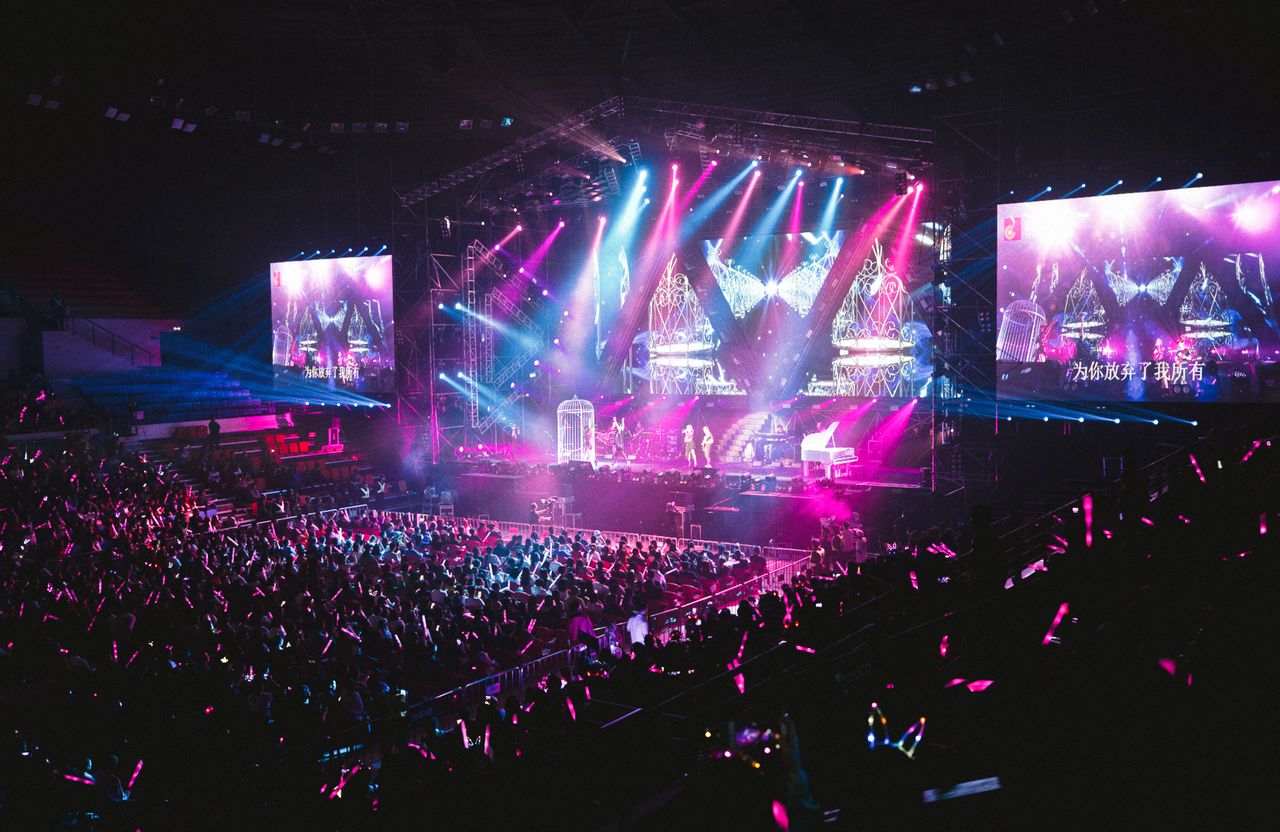
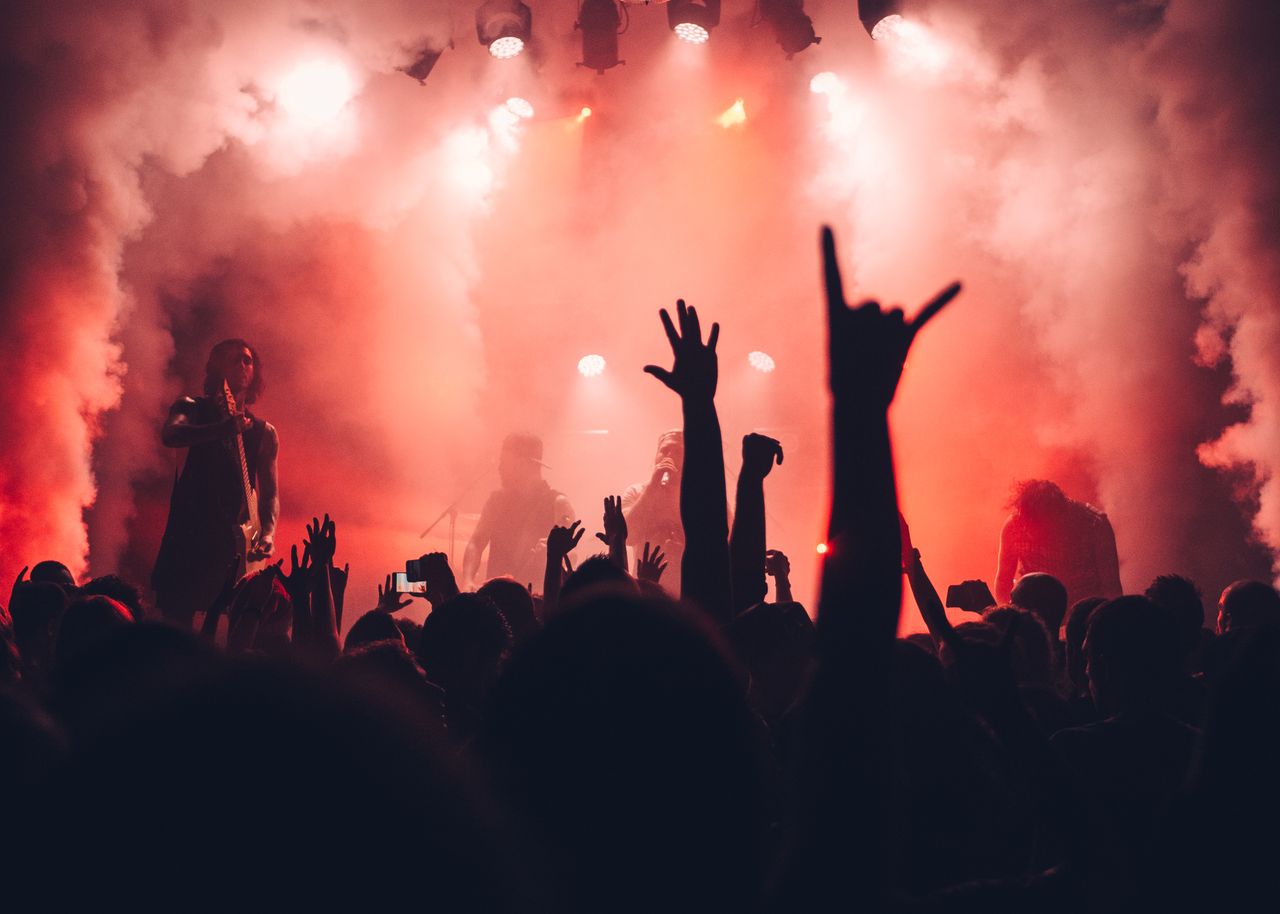
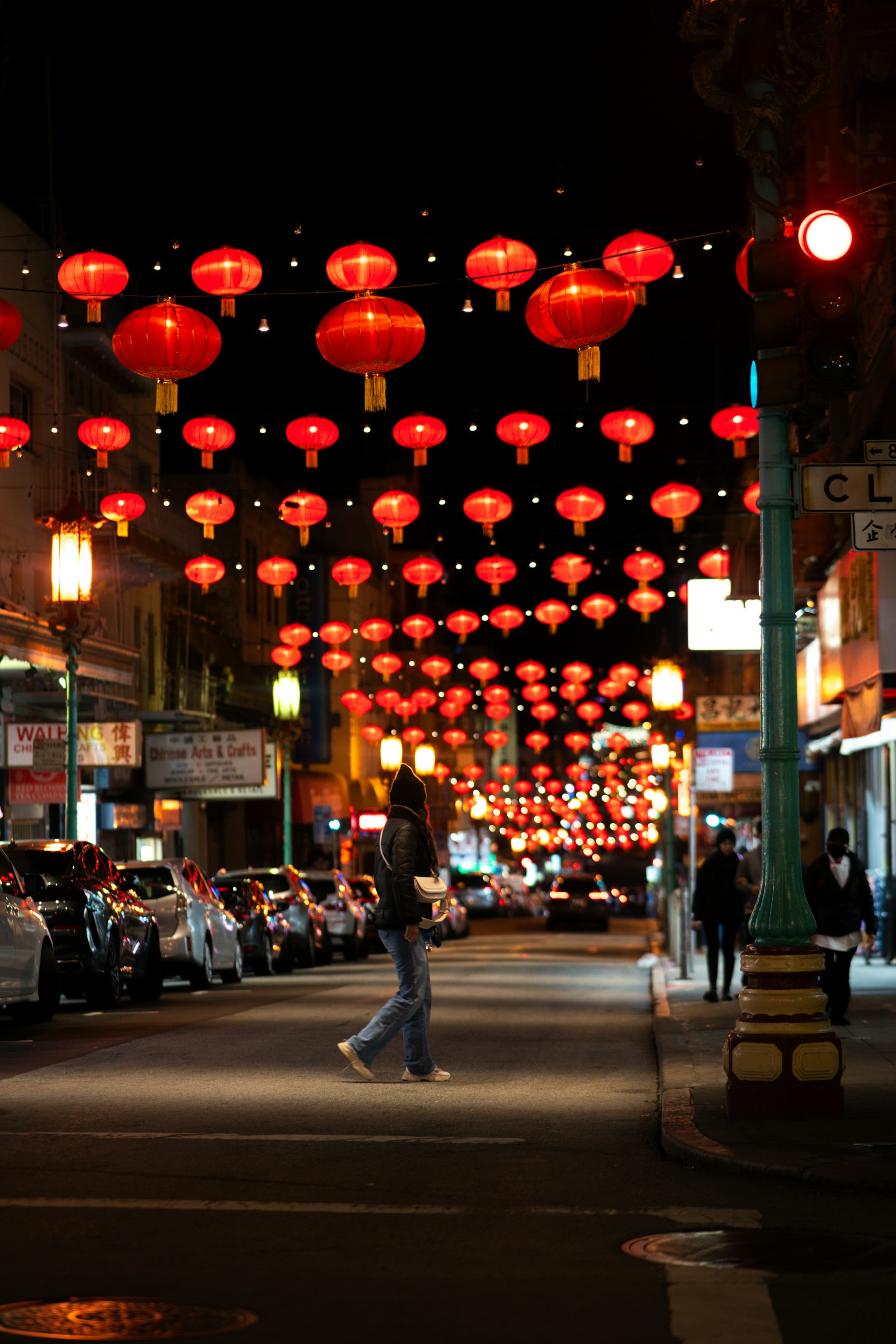
Some bands you want to catch before the room gets big. Not to be early for its own sake, but because a few hundred people screaming one line back at a band is a physically different event than two thousand doing it, and you only ever get the first version once.
Winona Fighter took their name from Winona Ryder and play like they are settling a score with everyone who ever filed a woman with a guitar under novelty. Nashville band, fast and mean where it needs to be, funny most everywhere else.
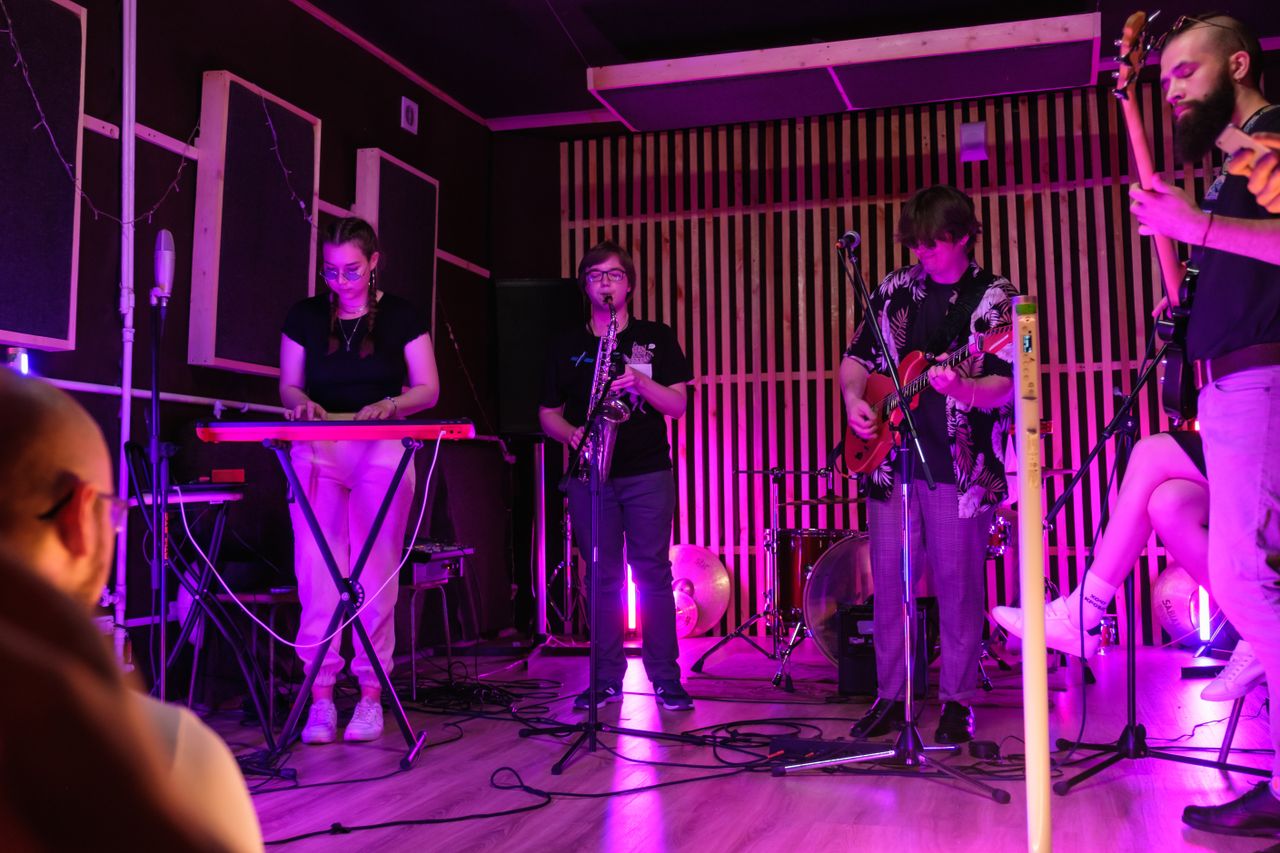
SOMA put them on the Sidestage, which holds a few hundred, and made it all ages. That second detail is the tell. Somebody decided the fifteen-year-olds who need this band most should not be locked out of it, and an all-ages punk room in this city is a decision somebody has to actually make rather than a thing that happens on its own.
7pm, 3350 Sports Arena Blvd, standing room only. Catch it while it still fits in one room.
Reggae-rock gets sneered at by people who have never stood in a room full of it, and the sneering misses the point so completely that it is almost useful as a filter. The crowd at a Ballyhoo! show is beach-town kids now in their thirties who learned every word off a burned CD in a Civic, and the band — improbably, from Maryland — has spent two decades being adopted by a Southern California circuit that treats them as local. Nobody in that room is performing taste. They are singing along, loudly, badly, with their arms around someone. Chad Tepper opens, which pulls in a younger pop-punk contingent and makes the floor an odd two-generation mix for the first forty minutes. It is the last Friday in January, the deadest stretch of the calendar, and this is the kind of show that exists to prove the month is survivable. India Street in Little Italy; doors at seven, the band on at eight.
Jan 29 – Jan 30, 2027
$30.60
Sound Nightclub, 1642 N Las Palmas…
The last Friday in January is the bottom of the year. The holidays are a rumour, nothing warms up for another two months, and the only honest response is to find a dark room and stay in it until something shifts.
Sound is the Hollywood answer to that: an unmarked door on Las Palmas, a rig built for people who care about low end, and a booking policy that leans on DJs who play long rather than names printed large. Ten o'clock start, which here means the first ninety minutes are for the people who actually came for the music and the room fills in behind them later.
There is nothing else on this date for forty miles. That is not a complaint, it is the reason to go.
Send it to whoever has been indoors since New Year's.
From ten on January 29, Las Palmas in Hollywood.
Jan 30 – Jan 31, 2027
Balboa Park, 1549 El Prado, San Di…
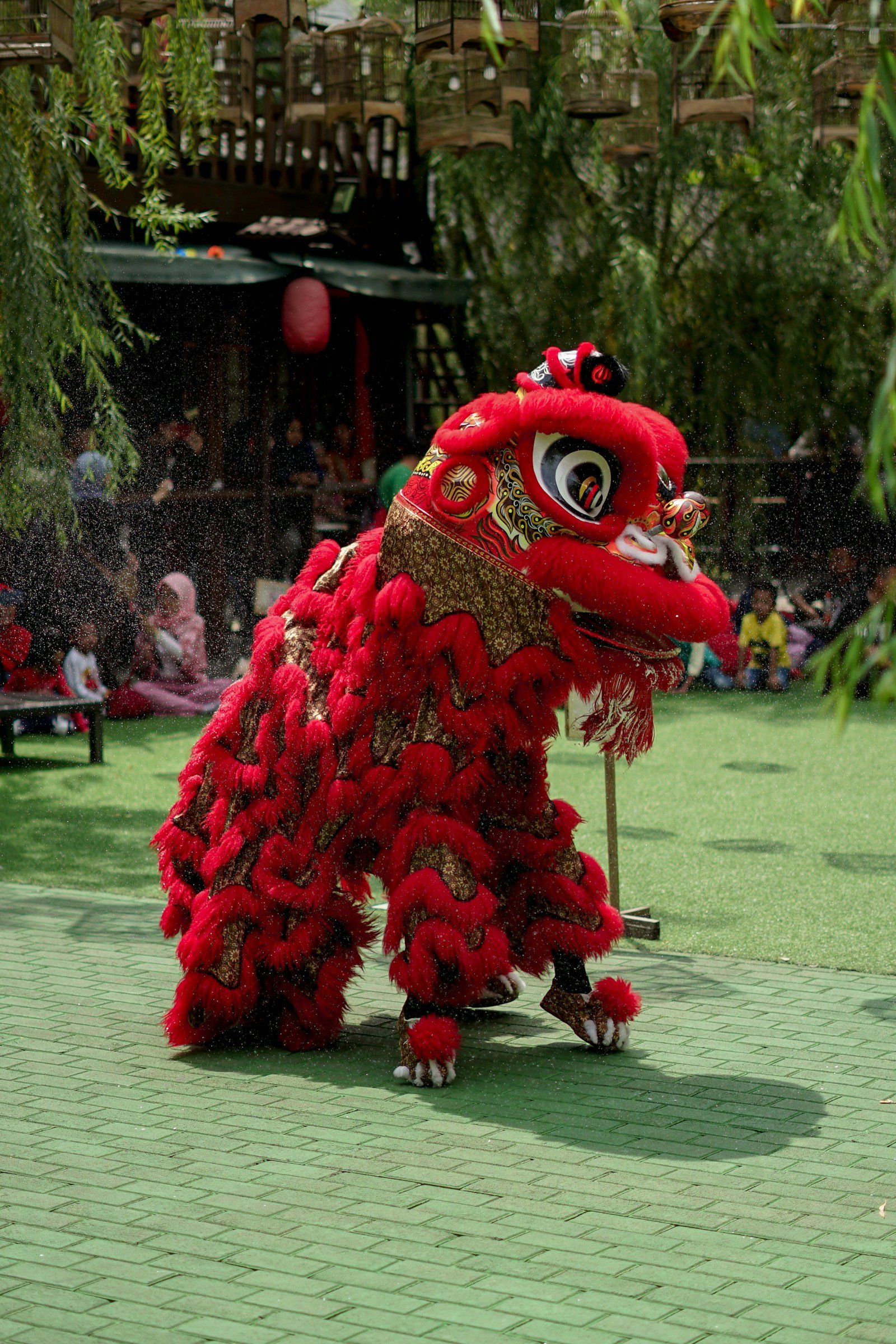
Lion dance drums hit differently under Spanish Colonial arches. That plaza was built to be a fantasy of somewhere else entirely, and for one weekend it fills with red lanterns and dragon troupes until the architecture stops mattering and the sound takes the place over.
This is the largest gathering of its kind in Southern California outside the Los Angeles basin, and the reason is who shows up: Chinese American, Vietnamese American, Korean American, and Asian Pacific families all bringing their own traditions onto the same grounds. Classical Chinese music one hour, Korean drumming the next, an ao dai showcase after that, calligraphy tables for anyone willing to hold a brush wrong in public, and a food marketplace that makes arriving full a genuine mistake.
Balboa Park, two days, free to walk in, museums running their own programming alongside. Go with the friend whose grandmother's cooking you have heard about for years and never tasted.
Once a year the city of Tampa surrenders to a pirate who never existed. José Gaspar is a nineteenth-century invention, probably conjured by a real-estate promoter, and Tampa decided more than a century ago to hold an annual municipal celebration of him anyway. A fully rigged pirate ship sails up Hillsborough Bay, several hundred boats escort it, the mayor hands over the key to the city, and then roughly three hundred thousand people watch a four-and-a-half mile parade go north along the water. It has happened since 1904. It is the third-largest parade in the United States and most Americans have never heard of it.
What it feels like is a city that has agreed, collectively and without irony, to be ridiculous for one day. The invasion in the morning is the part that photographs: the galleon coming in under sail with a flotilla behind it, cannon fire, and the whole of Bayshore Boulevard lined four deep. By early afternoon the parade itself takes over, and the thing that surprises first-timers is the scale of local investment in it. This is not a tourist spectacle performed at visitors. Over a hundred floats, dozens of krewes, marching bands, and generations of Tampa families with the same spot on the same stretch of seawall. Beads come down in volumes that have to be seen.
Is it worth it? If you are the kind of person who collects the genuinely strange civic rituals of your own country, this is near the top of the list and it costs nothing to attend. It is not for anyone hoping for a quiet or dignified afternoon, and it is emphatically not a children's event in its main form, which is precisely why the city runs a separate, smaller Children's Gasparilla the previous Saturday.
Things worth knowing: it is free, which makes the logistics the only real cost. Bayshore fills early and parking within walking distance is gone long before the two o'clock step-off, so locals take the streetcar or bike in. Bring sun protection even in January, and understand that Bayshore afterward is a genuinely enormous cleanup operation, so leaving early is not cowardice.
The reason it belongs on a list of the country's best is simple. It is a hundred-and-twenty-year-old tradition built entirely on a fictional character, sustained by a mid-sized American city purely because it wants to, and it is bigger than almost anything comparable. Knowing it exists makes the map of your own country slightly stranger and better. Late January, on the water, in Tampa.
There is a reason the 2005 playlist still gets put on at the end of every party once everyone has stopped pretending. Those songs were written for people in the exact middle of feeling everything too intensely, and the people who loved them did not grow out of that so much as learn to schedule it. A night like this is the scheduled version. The whole room already knows every word, which changes the event completely: nobody is listening, everybody is participating, and the band is functionally a karaoke machine with better equipment and a working sense of occasion. What makes it worth leaving the house for rather than just queueing the playlist is the crowd arithmetic. Alone in a car it is a private embarrassment. Four hundred adults screaming the same bridge at once is something else, and closer to the thing the songs were about in the first place. Early start, seven thirty, which the thirty-somethings in attendance will quietly appreciate.
Bedroom pop made by two people who met in a Minnesota high school and recorded most of it by sending files back and forth, which is why it sounds like a private conversation you are being allowed to overhear. Vansire are gentle and jazz-inflected and slightly sad in a way that is genuinely restful rather than heavy, and the live version adds a warmth the recordings keep at arm's length. Twenty-nine dollars, eight o'clock on a Saturday at the end of January, 200 W 2nd St in Pomona, all ages. Take the person you text at midnight. There is a whole generation of bands whose entire catalogue was made in two bedrooms and who now fill rooms of a thousand people, and the Inland Empire all-ages circuit was where most of them played first.
Somewhere in Southern California right now there is a man who has been working on the same car for four years. Not restoring it. Building it, from the frame up, chasing a specific idea he has never fully described out loud to anyone. He has a February deadline he set himself, and he is behind on it, and he will make it, and he will not sleep the week before.
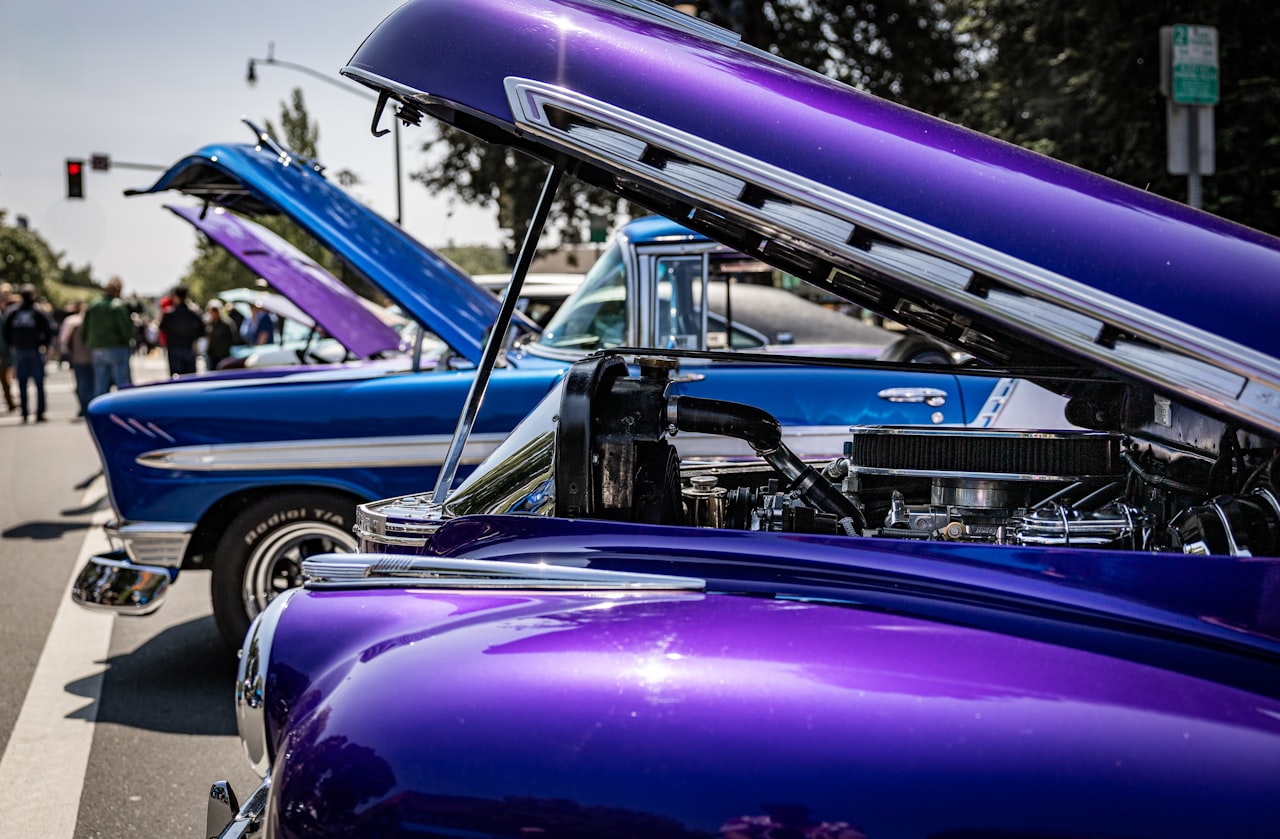
That is what fills the halls at Fairplex. The America's Most Beautiful Roadster trophy is nine feet tall and looks faintly absurd until you understand that grown men reorganize years of their life around it, and that some of them enter and lose and come back and enter again. Walk the buildings and you can read the obsession directly off the metal: hand-formed panels, paint with depth you cannot photograph, undersides finished as carefully as the hoods because the judges will look.
This is the longest-running indoor car show in the world, and it happens in Pomona in the dead of winter, when nothing else does. February 5 through 7, 2027, at Fairplex.
Feb 5, 2027
$85+
Ontario Convention Center, 2000 E …
Growing up out here meant everything good was ninety minutes away. The concerts were in Los Angeles, the conventions were in San Diego, and the deal was always the same: somebody's parent drives, or you do not go. A whole generation of Inland Empire kids learned that their own taste was something you had to commute to.
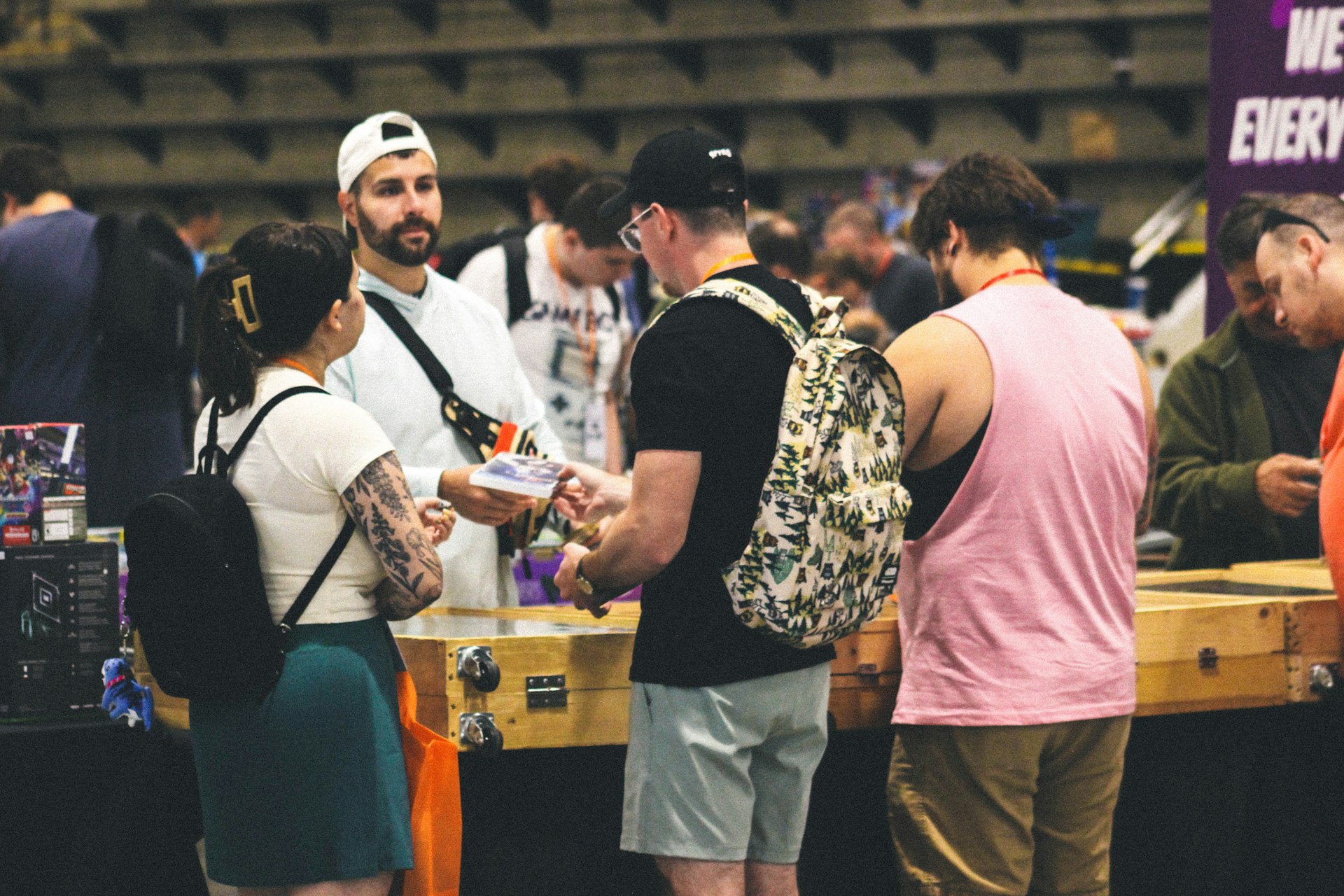
So a horror convention that is genuinely, unapologetically Ontario's is a different object than a horror convention that merely happens to be in Ontario. Over a hundred and seventy vendors, and the thing veterans will tell you is to come on the Friday, which runs five until ten. It is the short day and the quiet one, which makes it the only session where the dealers' room is actually walkable and the people behind the tables have time to talk. Saturday is when it becomes a crowd.
From $85, with the early badge getting in an hour ahead on the weekend. The IE horror scene runs on the haunts and the drive-in revivals the rest of the year, and this is where everybody who makes those finds each other.
Feb 6 – Feb 7, 2027
1720, 1720 E 16th St, Los Angeles,…
A warehouse at nine at night in the blocks east of downtown does not look like anywhere you should be going. That is the point, and everyone walking in already knows it. This is techno played in a room with a concrete floor and no pretension about what it is for, run all ages so the crowd skews younger and more serious than a bar would ever allow. People come to dance rather than to be seen dancing, which is a different physics entirely, and it shows up in how the floor moves within the first half hour. The night carries a name rather than a headliner, meaning the people booking it have a taste they are willing to put in front of yours, and that is usually worth more than a famous surname on a poster. Doors at 9pm. Take whoever keeps saying the city has nothing left, and let them find out who runs these.
Somewhere out on the coast highway the ocean settles in on your right and simply stays there, and the road quietly stops feeling like effort. Runners talk about that stretch for years afterward, usually while trying to talk somebody else into signing up.
The course runs flat and fast along the coast in February, which is why times here come in quicker than most of the region and why the full distance qualifies for Boston. The half is what most people come for: manageable, coastal, and finishing steps from the pier — one of the better places in the country to stop running.
The post-race scene is the other half of it. Beer garden, live music on the sand, the whole pier plaza handed over to people in foil blankets who just did something hard at the same time. Registration opens far ahead and usually closes before the new year, and the hotels fill for race weekend.
Sign up alongside the friend who insists they could never. Then hold them to it.
Feb 9 – Feb 16, 2027
0
French Quarter and parade routes, …
New Orleans lives for this. Fat Tuesday is the peak, but the buildup runs two weeks - parades rolling through neighborhoods, krewes throwing from floats, a city rehearsing the same ritual it has been rehearsing since before Louisiana was a state.
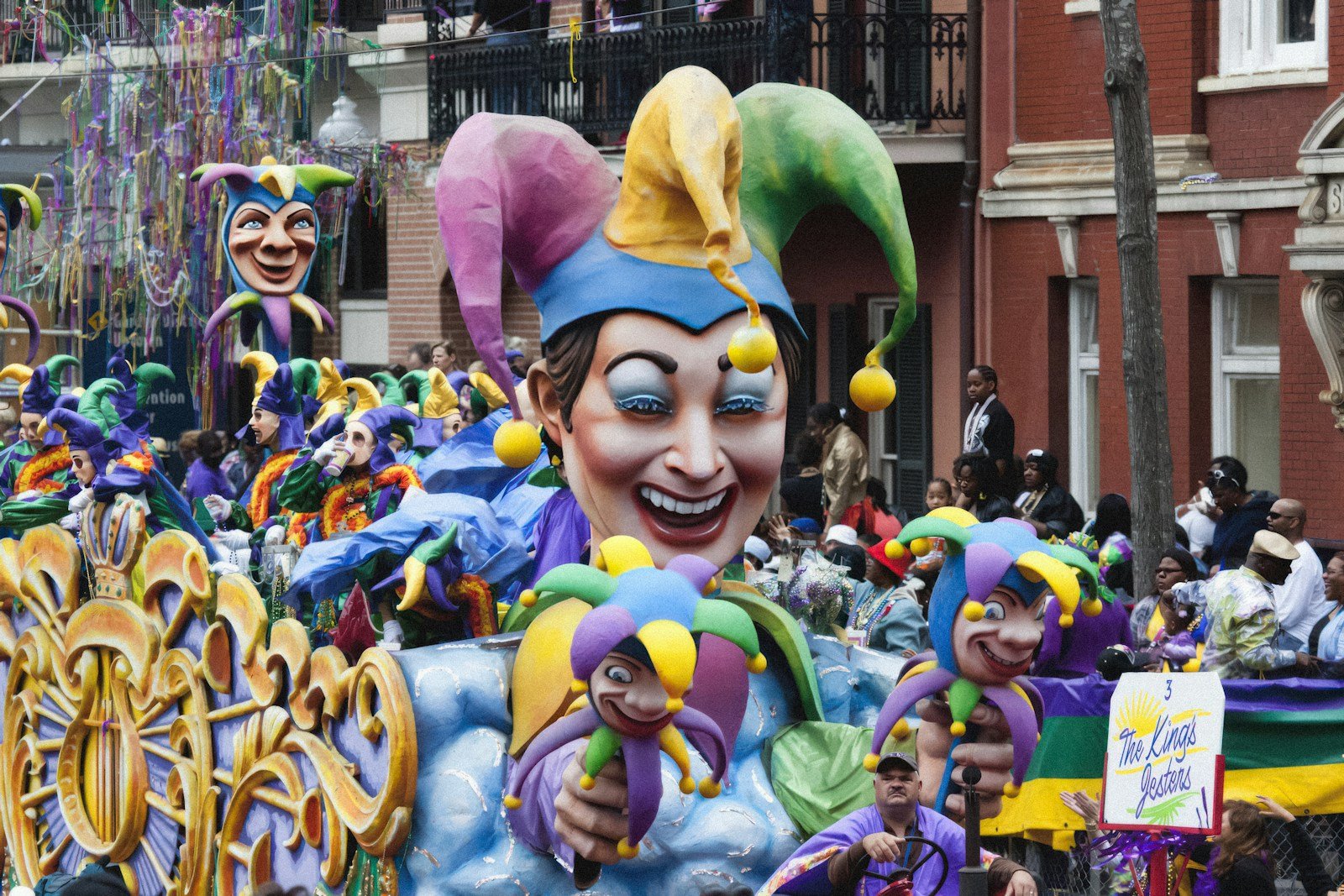
The parades are not the background to Mardi Gras; they are the event. Krewes that have been parading since the 1850s roll elaborate floats through the streets for two weeks, throwing beads, doubloons, shoes, plush toys, and decorated cups to the crowds along the routes. The music does not stop - every bar on Frenchmen Street has a live band, the French Quarter is uninhabitable in the best possible sense, and Uptown, Mid-City, and Treme each have their own routes, their own crowds, their own relationship to the season. It is not one party; it is an entire city operating as a city-sized party for two weeks. Whether it is worth attending depends on which Mardi Gras you attend. The French Quarter on Fat Tuesday night is genuinely overwhelming and not for everyone. But the family-friendly neighborhood parades on the two weekends before - particularly Endymion, Bacchus, Orpheus, and Zulu - are accessible, joyful, and the reason locals are in their front yards with barbecue grills and ladders for the kids. If your image of Mardi Gras is beads and balconies, you can find that; if it is 200,000 people watching a parade route that has run for 140 years while a brass band plays from a truck behind the floats, that is also available, and it is the better version.
Book accommodation 3-6 months in advance - New Orleans hotels during Mardi Gras are among the most in-demand in the country. Fly into MSY. The streetcar and walking are the most reliable transportation during peak parade days; driving is effectively impossible on parade routes. The best parades are in the days before Fat Tuesday, not on Fat Tuesday itself. Eat at local restaurants before 8pm, since popular spots fill. Rex and Zulu, Fat Tuesday morning and midday, are the signature daytime parades, and the Krewe of Barkus dog parade is Frenchmen Street distilled into one block. This is the rarest kind of event - a tradition that has survived, adapted, and grown more itself over 300 years in a single city. None of it was designed; it evolved where the culture was strong enough to hold it. Knowing which weekend to attend, which parades to watch, which neighborhoods to be in - that is the intelligence that turns a February flight to New Orleans from a trip into an experience. Mardi Gras 2027 takes place in New Orleans, LA.
The second weekend is the one nobody tells you about. By late February the parades are over, the restaurants have stopped being impossible to get into, and most people assume the new year has been thoroughly celebrated and put away. Then Main Street closes and Alhambra does the thing it has been doing for more than three decades, which is to treat the whole holiday less like a spectacle and more like a block party that happens to have a dragon in it.
What you get is the unglamorous, better version: cooking demonstrations where somebody's aunt explains what she is actually doing with the wok, an artist alley that leans local rather than imported, and a food row that stretches far enough that you will make a strategic mistake at the first booth and regret it by the fourth. The performances run all day on a street stage, and nobody is filming for anything.
This is the Year of the Goat, celebrated by a San Gabriel Valley city that does not need anyone's permission or attention to do it properly. Saturday, February 20, 2027, on Main Street in Alhambra.
Firecrackers go off in long strings and the sound comes back off the buildings on Broadway, doubled, so that for a few seconds you cannot tell where the street ends.
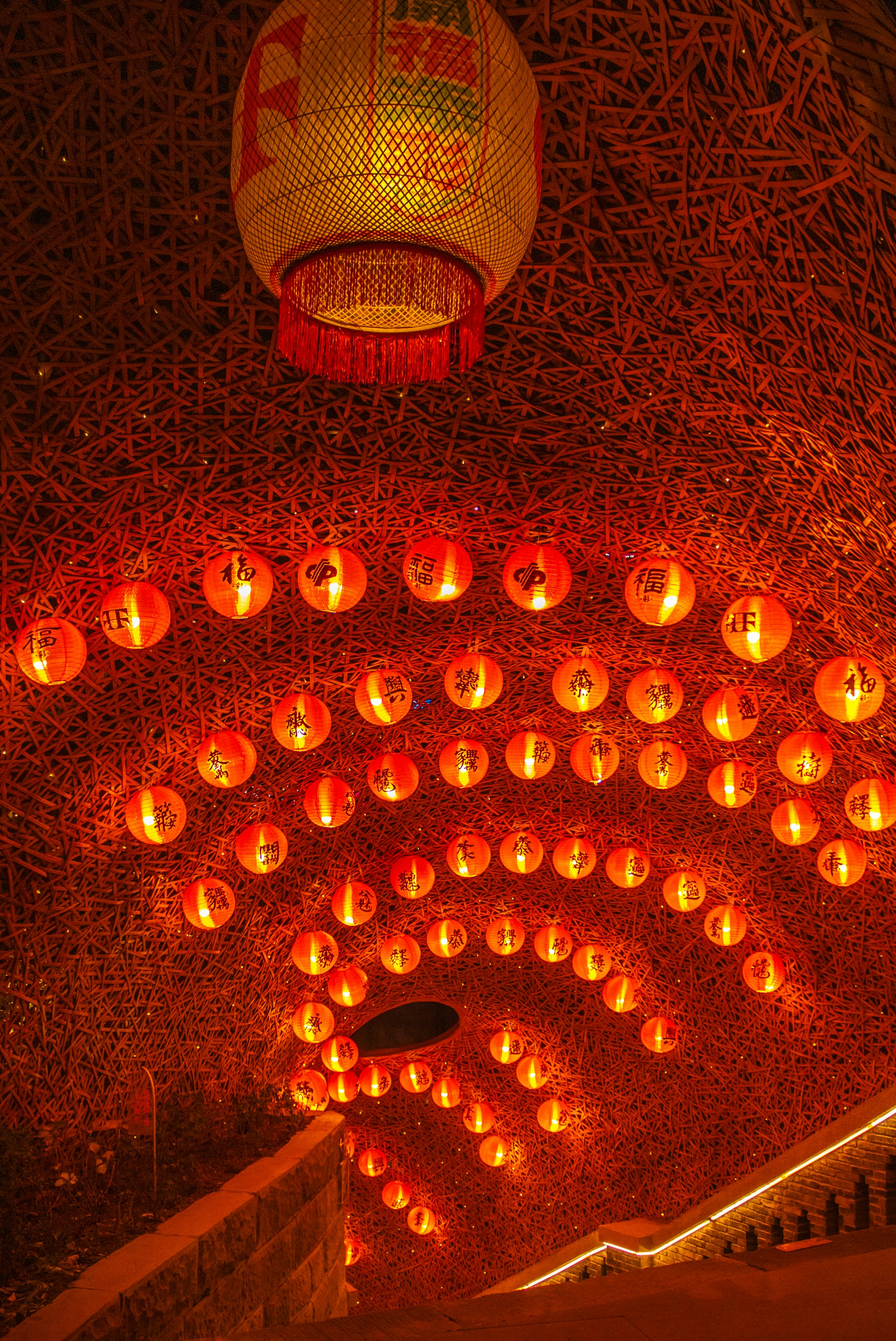
Then the lions come. Troupes out of kung fu schools all over the region, some of them kids, weaving through a crowd that has stood on this sidewalk for generations: grandparents who watched this parade as children now holding grandchildren who will do the same. Marching bands, community floats, dragon dances, and a festival that spills off Broadway into the plazas with food, lanterns, and calligraphers working in the open where you can stand and watch the brush move.
Chinatown, free to stand and watch, and take Metro, because the parking disappears hours ahead of you.
This one runs on the Year of the Goat. Bring whoever in your family has been meaning to take you to something like this and never quite got around to it.
Feb 13, 2027
Free
Hill Street at Temple Street, Chin…
Somebody's grandfather marched in this. That is the thing that gets you, standing on Hill Street in the early afternoon holding a paper flag: not the lions or the drums, but the arithmetic. A hundred and twenty-eight years means a parade that predates the freeways, the studios, and most of the city it moves through. It turns off Hill at Temple, runs toward Bernard, cuts right onto Broadway and comes back down to where it started, and the crowd along that route is three generations deep in places, holding curb seats they claimed an hour early with folding chairs. The Year of the Goat gets its welcome a week after the new year proper, which is both traditional and practical, since by then everyone has already eaten. One to four in the afternoon, Saturday February 13, in Chinatown. Free. Chinatown runs on this calendar all year long and most of Los Angeles never once thinks to check it.
Feb 20 – Apr 15, 2027
Anza-Borrego Desert State Park, 20…
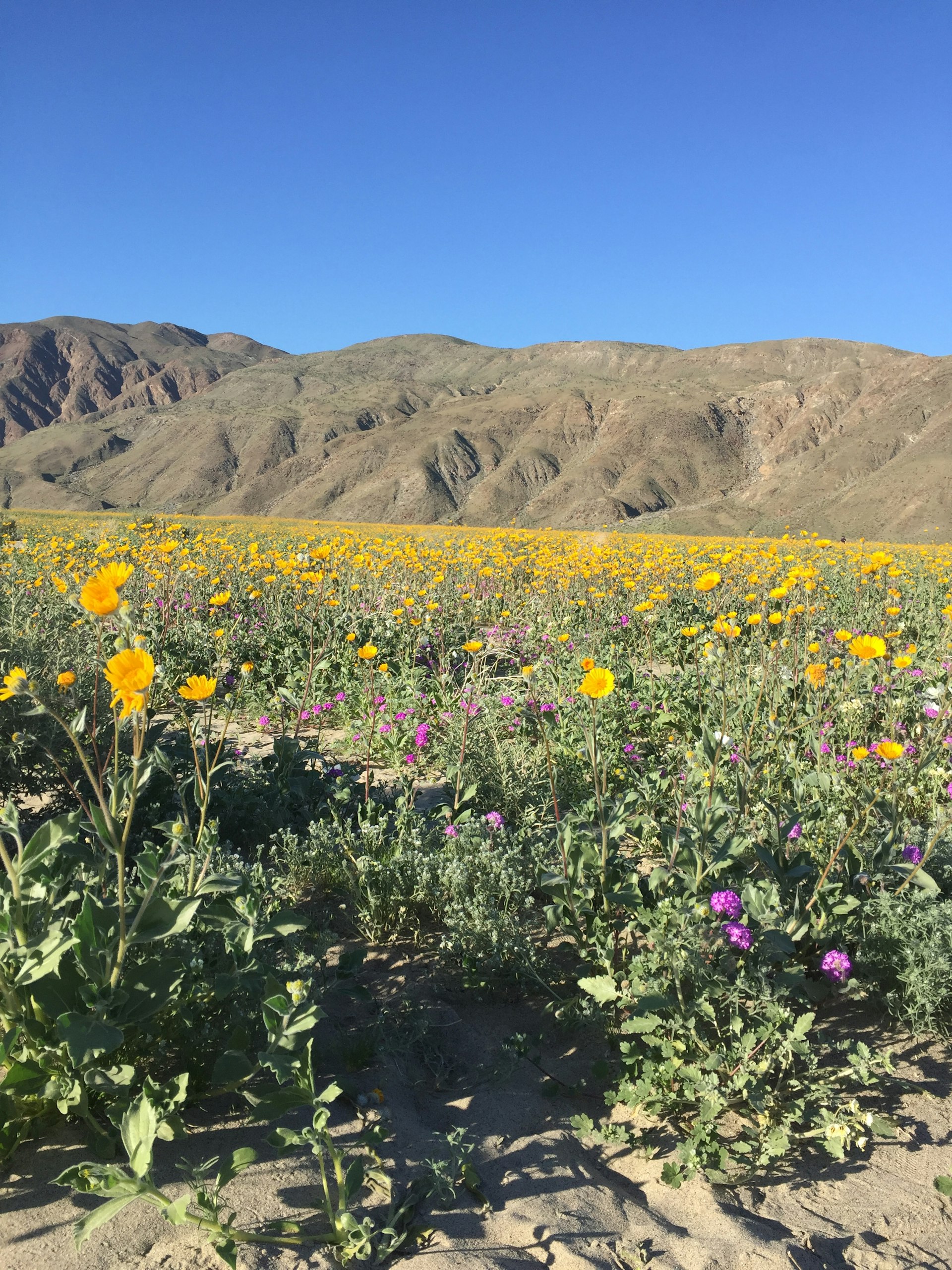
Seeds sit in that dirt for years waiting on a season that may never come. Then the winter rain and the temperature line up exactly right and they all break at once, and the desert floor goes to carpet: sunflowers, sand verbena, brittlebush, poppies, owl's clover, dozens of natives detonating across the ground inside a few weeks. Nothing about it is promised. The bloom runs late February through April when it happens at all, and whether it happens depends on rainfall timing nobody controls. Prediction starts in winter from the Anza-Borrego Foundation and the California Native Plant Society, and in a strong year those forecasts pull hundreds of thousands of people toward a town that is otherwise very quiet. The scenic roads hand you the whole thing from the car. Font's Point Road, Coyote Canyon, and the palm canyon trail give you the version worth staying overnight for. Cell service disappears past the visitor center, which is most of the appeal. Watch for the forecast, then go the week it breaks.
Almost every parade in America happens in daylight, which is why this one lodges in people's memory differently. San Francisco runs its Lunar New Year parade after dark, with the floats lit from inside, and it is one of the last illuminated night parades left on the continent. The effect is closer to a procession than a parade: a line of light moving through a downtown canyon, with a quarter of a million people on the pavement watching it come.
It is the largest celebration of the Lunar New Year anywhere outside Asia, and it has been run by the city's Chinese Chamber of Commerce for decades, which matters to how it feels. This is not a civic body's idea of multicultural programming. It is a community's own event that the rest of the city was eventually invited to, and the difference shows in the details: the lion dance teams are from local schools and associations rather than booked entertainment, and the enormous golden dragon that closes the parade needs something like a hundred people to carry it. Firecrackers are set off along the route in quantities that will genuinely startle you if nobody warned you first. Consider yourself warned.
Worth it? Yes, and specifically yes if you have only ever experienced Lunar New Year as a restaurant promotion or a social media graphic. Seeing a city of this size put its downtown core at the disposal of the holiday for a night rearranges your sense of what the holiday is. It is not for anyone who needs a calm evening or a guaranteed sightline, and small children find the firecrackers hard.
Practical intelligence that is not obvious: the parade steps off from Second and Market, loops around Union Square, and finishes at Kearny and Columbus, so the start is far less crowded than the Chinatown end. Standing is free along the whole route and the organizer sells bleacher seats for people who want a guaranteed view, which sell out. Take BART or Muni, because downtown street closures make driving a genuinely bad decision. Go early, dress for a San Francisco February evening, which is colder than visitors ever believe.
2027 brings in the Year of the Ram. The twentieth of February, after sunset, downtown. The thing to understand is that it is not a performance of heritage for an audience; it is the actual event, and you are welcome at it.
The alarm goes at six on a February Sunday and for once you do not resent it, because what you are getting up for involves a starting gun, a lion dance, and a plaza full of people who independently decided this was a reasonable way to spend a morning.
The L.A. Chinatown Firecracker has run for forty-nine years. That number is the whole character of the thing: there are people in the corral who have done it thirty times and people running their first 5K ever, standing in the same crowd, and nobody has ever needed to settle whether this is a Lunar New Year celebration that happens to be a road race or a road race that happens to be a Lunar New Year celebration. In Chinatown Central Plaza the question does not come up.
And the 1K Kiddie Run at 9:45 is the best race of the weekend by a distance nobody is going to argue about.
2027 is the Year of the Ram. You will hear firecrackers well before you see the finish.
Sunday, February 21, 2027 -- 5K Run/Walk at 8:00am, 10K at 8:40am, 1K Kiddie Run at 9:45am. Chinatown Central Plaza, 943 N. Broadway, Los Angeles. The bike rides and dog walk run Saturday, February 20.
There's more here for you.
An account shows you family & community events matched to your exact taste — not just what's popular.