Feb 25 – Feb 28, 2027
South Beach Wine & Food Festival, …
Twenty-five years ago this was a one-day student-run wine tasting on a Florida beach. It has become the event where the entire American food industry goes to stop performing for a weekend, and the reason to care about it even if you will never buy a ticket is that it is the closest thing the country has to a census of who is actually cooking right now. Five hundred chefs. Four days. Late February in Miami Beach, when everywhere else is grey.
What happens there is stranger and better than the television framing suggests. The tentpole events are enormous — the Grand Tasting Village on the sand, the burger bash where chefs who run three-star restaurants compete to make the best cheeseburger and take it extremely seriously — but the good ones are the small dinners, where a chef cooks for sixty people in a room and talks the whole time. The festival raises money for a hospitality school, which is why so many of the industry shows up for free, and it gives the whole thing a looseness that a purely commercial event never has. By the second night the beach is full of people in black chef coats who have been awake too long and are visibly enjoying themselves.
Worth it? If food is genuinely one of the things you organize your life around, yes, and specifically the mid-priced dinners rather than the big tastings — that is where the actual cooking is. If you are going for the celebrity chefs on television, you will see them, and you will also discover that the interesting people are the ones you have not heard of. It is expensive and it does not pretend otherwise.
What to know before you go: tickets for the popular dinners are gone within hours of going on sale, months ahead. The Grand Tasting is a marathon and the veterans pace themselves, eat early, and drink water between everything. Wear shoes you can stand in on sand. Hotels quadruple; book with the festival blocks or stay inland. And the after-hours industry gatherings, which are not on any schedule, are where the stories come from.
It sits on this list because it is the one weekend a year when American food culture is visible in one place, and knowing it is happening — even from three thousand miles away — makes the whole industry feel less abstract. The twenty-fifth edition runs February 25–28, 2027 across Miami Beach.
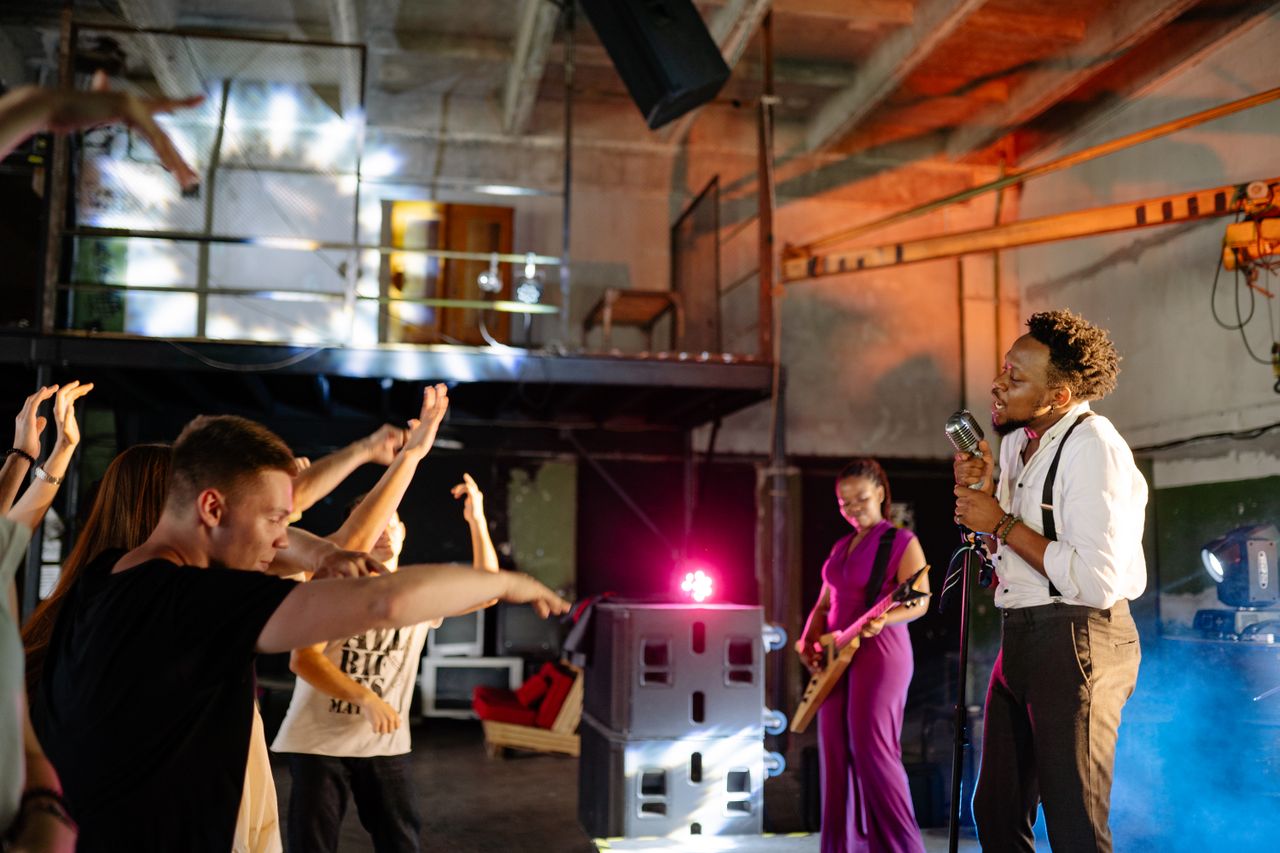
Glam was always for the kids who were too much. Too loud in a quiet town, too dressed for a Tuesday, too obviously trying in a decade that decided trying was embarrassing — and the music made for them has never once gone out of style, because there is a new batch of them every single year. A band in full eyeliner playing to two hundred people on El Cajon Boulevard is the format in its natural state; the arena version was always a bit of a lie. Expect the front two rows to be dressed better than the band and entirely unbothered about it. The real thing to watch is the eighteen-year-old at the barrier who came alone and clearly decided something on the way here. You were that person once, in some version. Go and stand near them. Soda Bar, San Diego — 3615 El Cajon Blvd. February 26, 7pm, 21+.
Mar 1 – Apr 15, 2027
Antelope Valley California Poppy R…
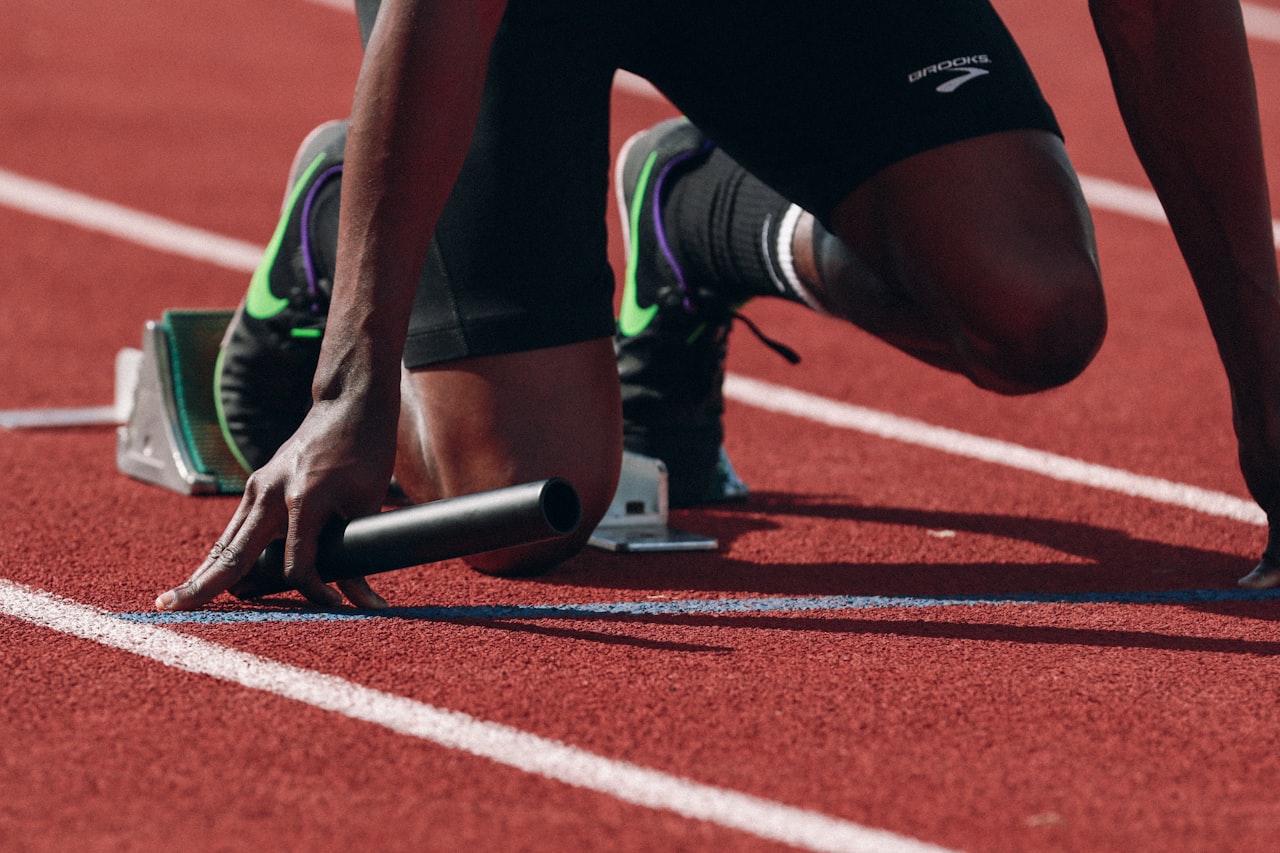
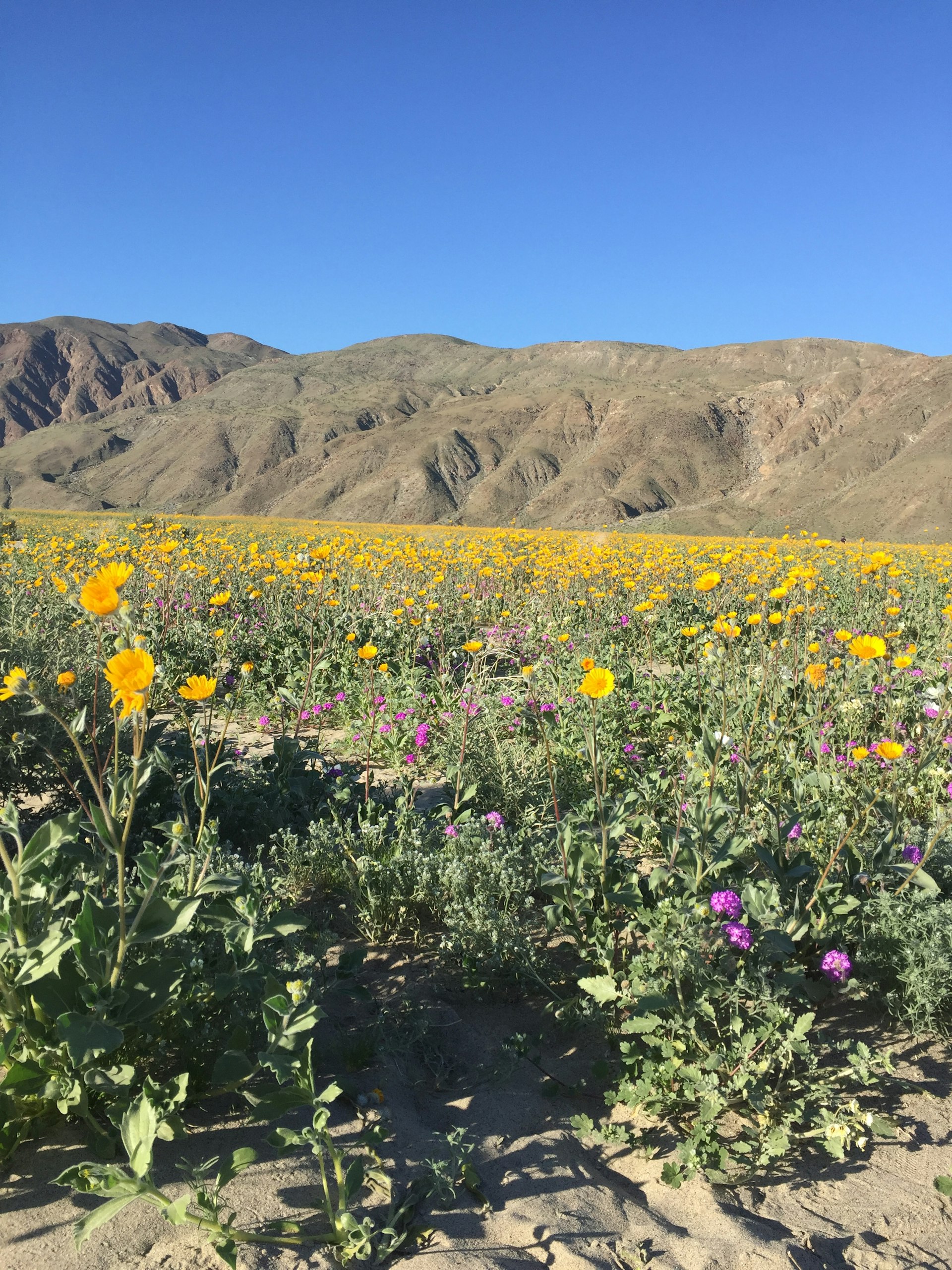
Some springs the high desert stays brown and nothing happens at all. Some springs the rain arrives exactly right and the whole thing north of the county line catches fire in orange, unbroken, all the way out to the horizon.
People who grew up out there treat it as a rite. You watch the bloom reports, you clear a weekend on short notice, and you drive up early enough to stand in that specific high-desert silence before anyone else arrives. The Reserve holds the densest concentrations along miles of gentle trails climbing the lower flanks of the Tehachapis, with signs explaining how the flowers and their pollinators keep each other alive. The wettest winters produce the years people are still talking about a decade later.
Open sunrise to sunset through bloom season, north of Los Angeles, with live bloom reports posted online. Come on a weekday.
Bring the person who has only ever seen this on a screen.
Twenty days in March, NRG Park, and a scale that does not translate until you are standing in it. The Houston Livestock Show and Rodeo runs March 2 through 21, 2027 — its 95th edition and a return to the full twenty-day format — and it is simultaneously the largest livestock exhibition on earth, one of the biggest concert series in the country, and a scholarship foundation that has moved hundreds of millions of dollars to Texas students. Most people outside Texas know it, if at all, as the place where a stadium full of people watch bull riding and then a stadium full of people watch a headline act on a rotating stage. Both halves are real and they happen back to back, every single night.
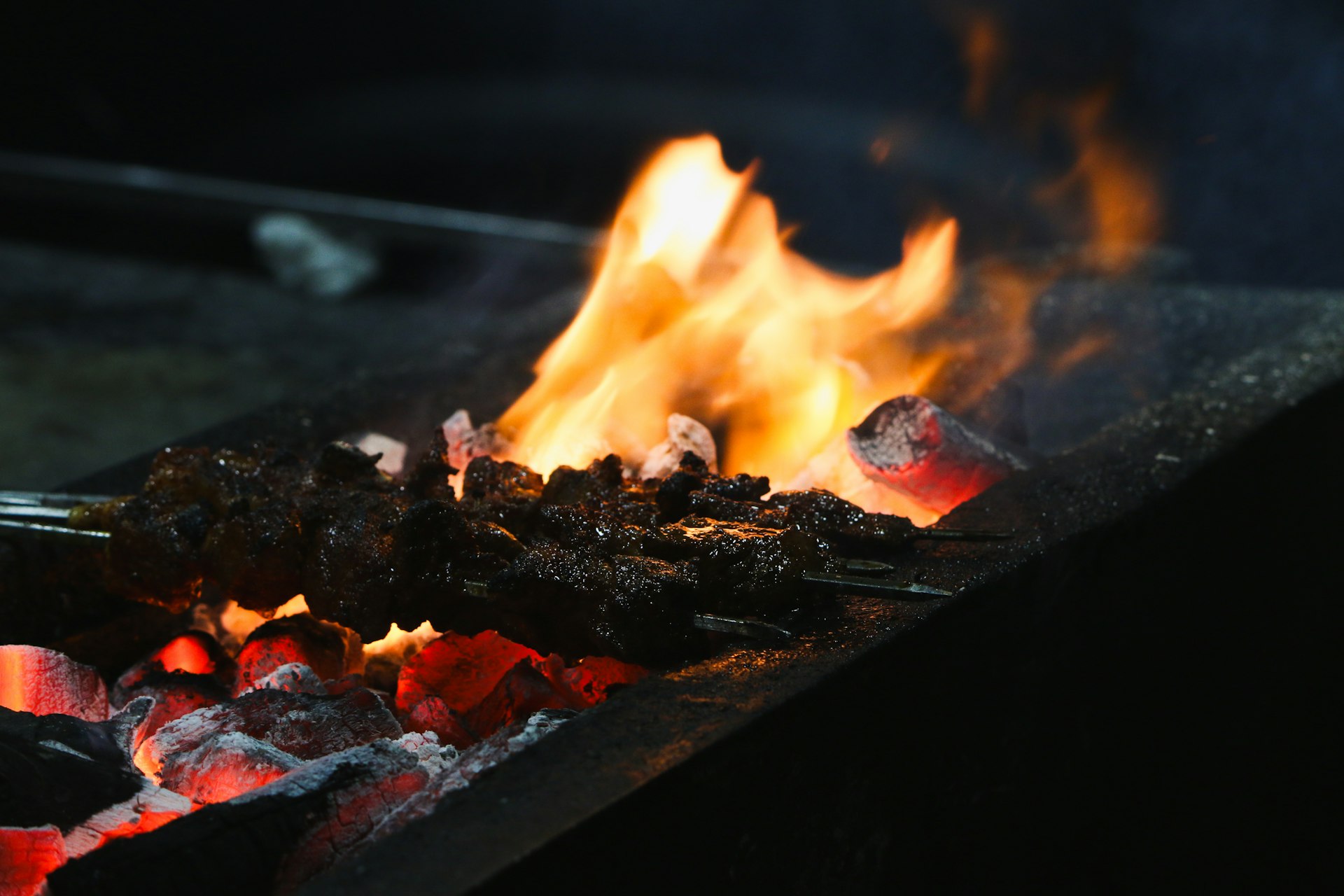
The experience is genuinely unlike a fair or a concert. The rodeo runs first in NRG Stadium; then a stage is driven out to the centre of the floor and rotated so that the entire bowl gets a front view, and whoever is booked plays to seventy thousand people who were watching calf roping forty minutes earlier. Outside, the carnival midway and the livestock barns run all day, and the World's Championship Bar-B-Que Contest takes over the last weekend of February before the show even opens — a separate event with its own obsessive following and its own invitation economy.
Worth it? Yes, if you want to see the version of Texas that Texans actually show up for rather than the one that gets exported. It is not a boutique experience and makes no attempt to be. If crowds of that size exhaust you, or you want a quiet cultural weekend, this is the wrong one.
What to know: rodeo-and-concert tickets are a single admission and the good nights sell fast, so the lineup drop in January is the moment that matters. Grounds admission and stadium admission are different things; plenty of people go for the barns, the midway and the food without ever entering the rodeo, and that is a completely legitimate way to do it for a fraction of the money. Go on a weekday if you can — the first two weekends are the heaviest. Parking at NRG fills early and the light rail down Main Street is the locals' answer. The World's Championship Bar-B-Que Contest runs February 25 through 27, 2027, before the main show opens, and it is a separate ticket.
It makes the list because it is a genuine folk institution operating at industrial scale — agriculture, music and civic money braided together in a way no other American event manages.
Lower-case, no spaces, and it reads as a sentence somebody typed at two in the morning — come help glo — which tells you more about the intended audience than any genre tag would. March is four months away, which is a long time to hold a ticket for a room this size, and the fact that it is already on sale suggests somebody expects demand. Thirty-three dollars, eight o'clock on a Thursday, all ages, at the Inland Empire room that has been handing teenagers their formative show for three decades. 200 W 2nd St in Pomona. Take whoever you would text a song to at that hour. Pomona gets this generation of internet-formed artists before Los Angeles does and in rooms a third the size, which is the only genuine advantage of living out there.
A city turning its river green is a genuinely absurd thing to do, and Chicago has been doing it since 1962, and the absurdity is precisely why people fly in for it. The water goes from winter-grey to a flat emerald in about fifteen minutes, from a boat, operated by members of Plumbers Local Union 130 using a powder they will not identify. Then roughly four hundred thousand people stand on the bridges and the Riverwalk and look at it. The 2027 Chicago St. Patrick's Day Parade and river dyeing both fall on Saturday, March 13 — the dyeing along Wacker Drive in the morning, the parade through downtown after.
The feeling on the ground is less about Ireland than about a northern city that has been indoors for four months finally having a reason to be outside. It is still cold. Everybody is dressed badly on purpose. Bagpipe bands, Irish step dancers, union locals, high school marching bands and a procession of politicians walk Columbus Drive while the crowd drinks coffee that is not only coffee. The thing that surprises visitors is the scale of the non-Irish participation: this is a Chicago holiday that happens to be Irish, not an Irish holiday that happens to be in Chicago, and the crowd looks like the whole city.
Worth it? If your image of St. Patrick's Day is a bar with green beer, skip it and stay home — you can get that anywhere and it is sad. It is worth the trip if you are drawn to the specific American phenomenon of an immigrant community's holiday becoming municipal infrastructure, complete with a public works department, a union, and a river. It is for people who like a tradition they can watch being physically made. It is not for anyone who needs to be warm or to sit down.
What to know before you go: the dyeing happens first and the parade follows, and the two are in different places, so pick one as your anchor rather than trying to be early for both. Take the L; downtown driving that morning is closed or gridlocked. The best dyeing views are from the Michigan Avenue and Columbus Drive bridges and they fill well before the boats start. Official start times for both are confirmed closer to the date, so check before setting an alarm. Dress for a Chicago March, which is colder than the forecast suggests next to the water.
Falkor lists it because knowing a city dyes its river every spring makes the country feel larger and stranger than it did a minute ago. Nobody outside Local 130 will say what is in the powder, and somehow that is the best part.
Fifteen city blocks of one street, closed to cars, with a million people on it. That is the scale, and the scale is the point - this is the largest Hispanic festival in the United States and the closing day of Carnaval Miami, and the only way to understand it is to accept early on that you will not see all of it.
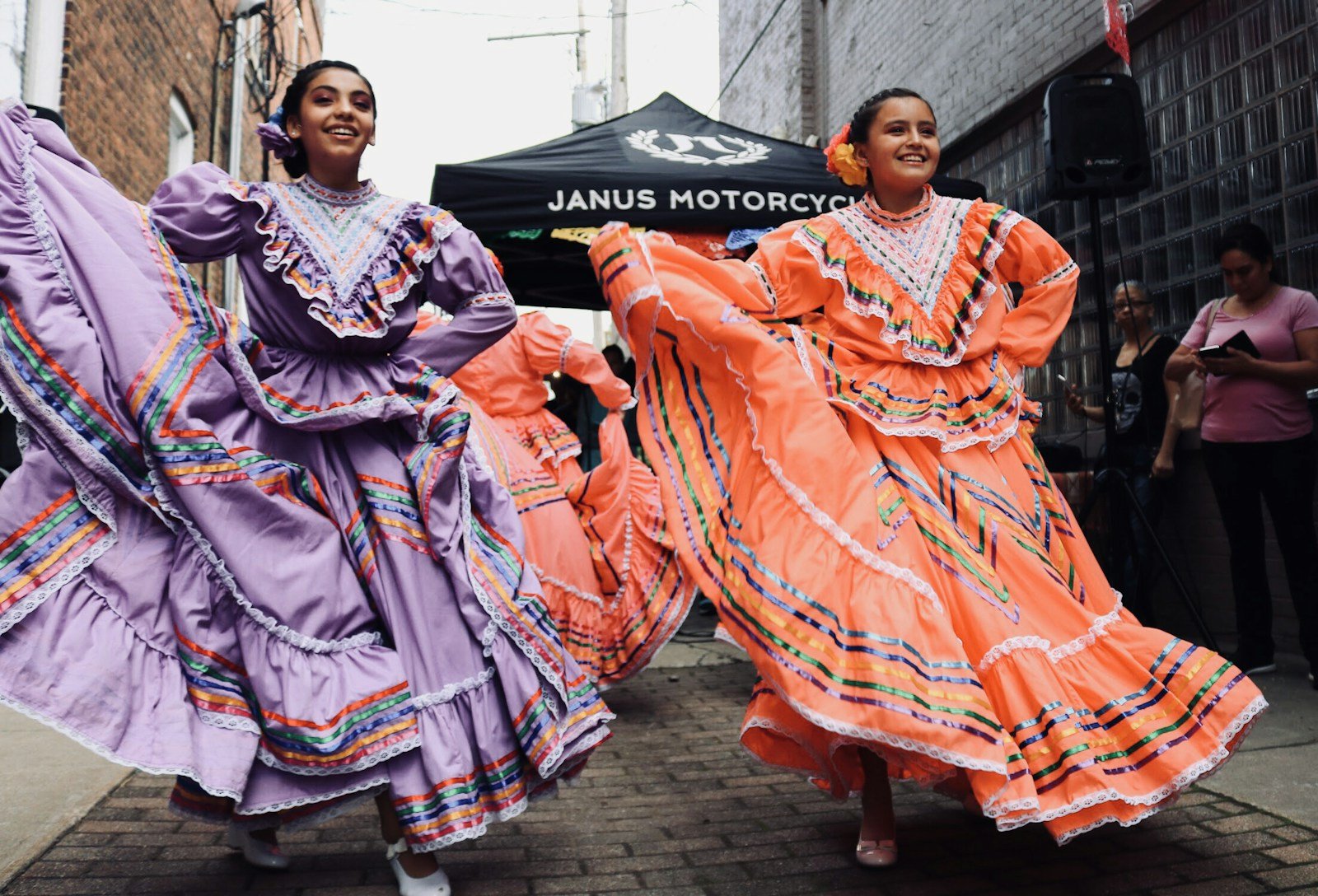
What happens on Southwest Eighth Street is that Little Havana stops being a neighbourhood you drive through and becomes a single continuous event. Multiple stages, each with its own crowd and its own genre, so that walking the length of it takes you through salsa into reggaeton into merengue into a folkloric dance troupe into a timba band, with the sound of each one handing off to the next. Between them: food from essentially every country in Latin America, arts and crafts, dominoes being played by men who have been playing on that block for forty years and are entirely unbothered by the million people.
Is it worth it? Yes, and with a caveat. This is not a curated festival experience with sightlines and a schedule you follow. It is a street party of civic proportions and it is wonderful precisely because it is chaotic. If you need to see a specific act from the front, you will be disappointed and probably crushed. If you are willing to drift and let the thing happen to you, it is one of the great free days out in the country.
Practical intelligence that nobody tells first-timers. It is free, which means the whole cost is logistics: drive and you will not park, so take Metrorail or rideshare to the edge and walk in. Go early rather than fashionably late - the morning hours are when you can actually move and when the older crowd and the families are out, and the density becomes serious by mid-afternoon. March in Miami is hot in a humid way that visitors consistently underestimate; the shade is on the north side of the street. Bring cash for food, because the best vendors are the ones least set up for cards.
The cultural reason it belongs here is that it is not a performance of Latin culture for an audience - it is Miami's actual Cuban and wider Latin American community holding its own biggest day, which the rest of the country is welcome to attend. Knowing it exists, and that a million people go, slightly rearranges your sense of what an American city is. The second Sunday-ish of March, Little Havana, from eleven.
Every Thursday· Next Mar 18
Undisclosed location — San Diego, …
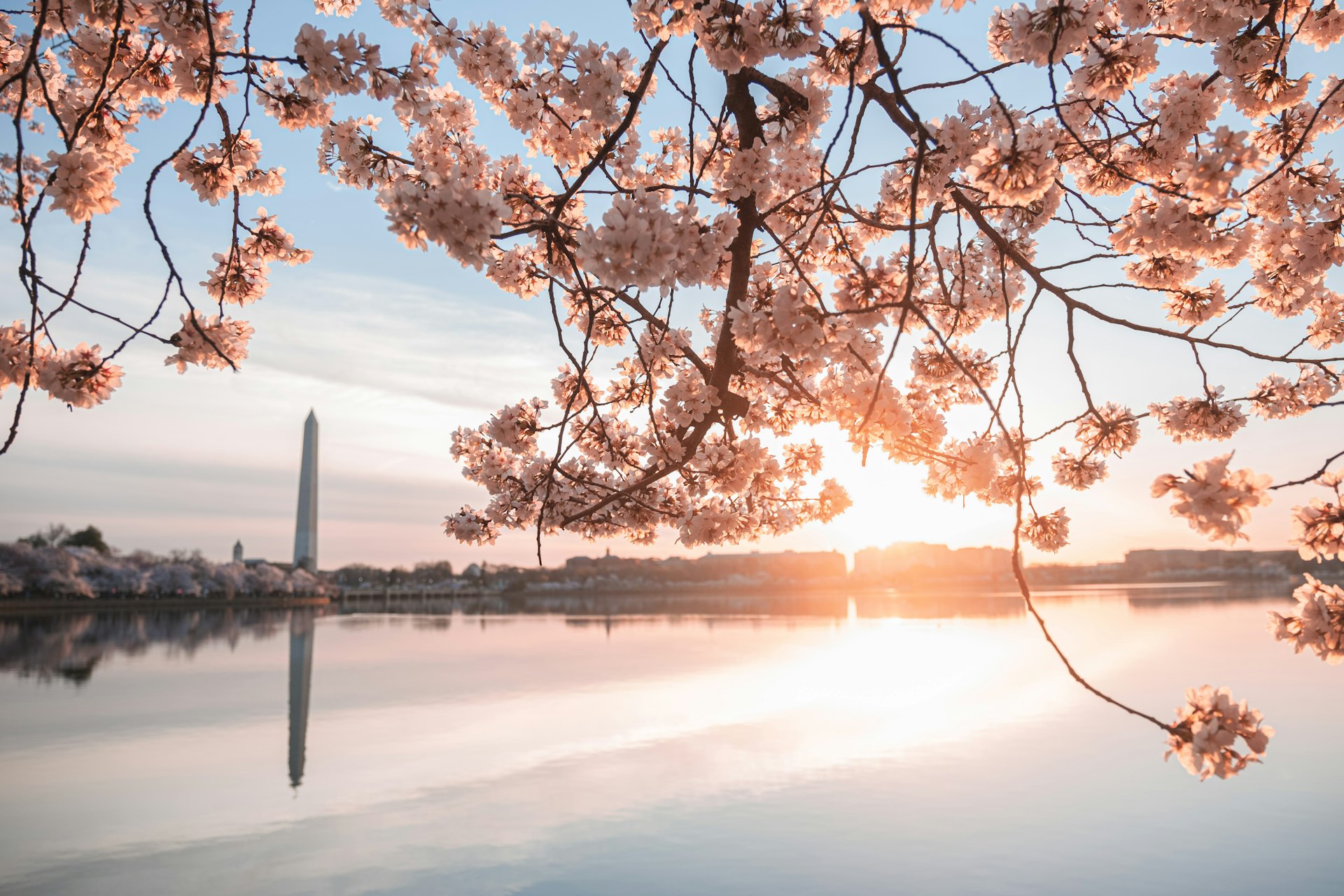
You will not know what you are eating. You will not know who is cooking it, who is sitting beside you, or what room you are sitting in until the address arrives by text that morning. Every piece of information you would normally use to decide whether to go is deliberately withheld from you.
What is left is the thing most dinners have quietly lost: you walk in with nothing to compare it against. No menu to scan, no photographs you already saw, no idea whether the person across from you knows more than you do. And there is exactly one rule, which is the rule that makes the rest of it work. No phones at the table. Not face down, not silenced. Away.
Somewhere in San Diego, a flat price, sign-ups at theblanktable.com. If you need to know before you agree, this is not for you, and you already know exactly who it is for.
Mar 20 – Apr 11, 2027
Tidal Basin, 900 Ohio Dr SW, Washi…
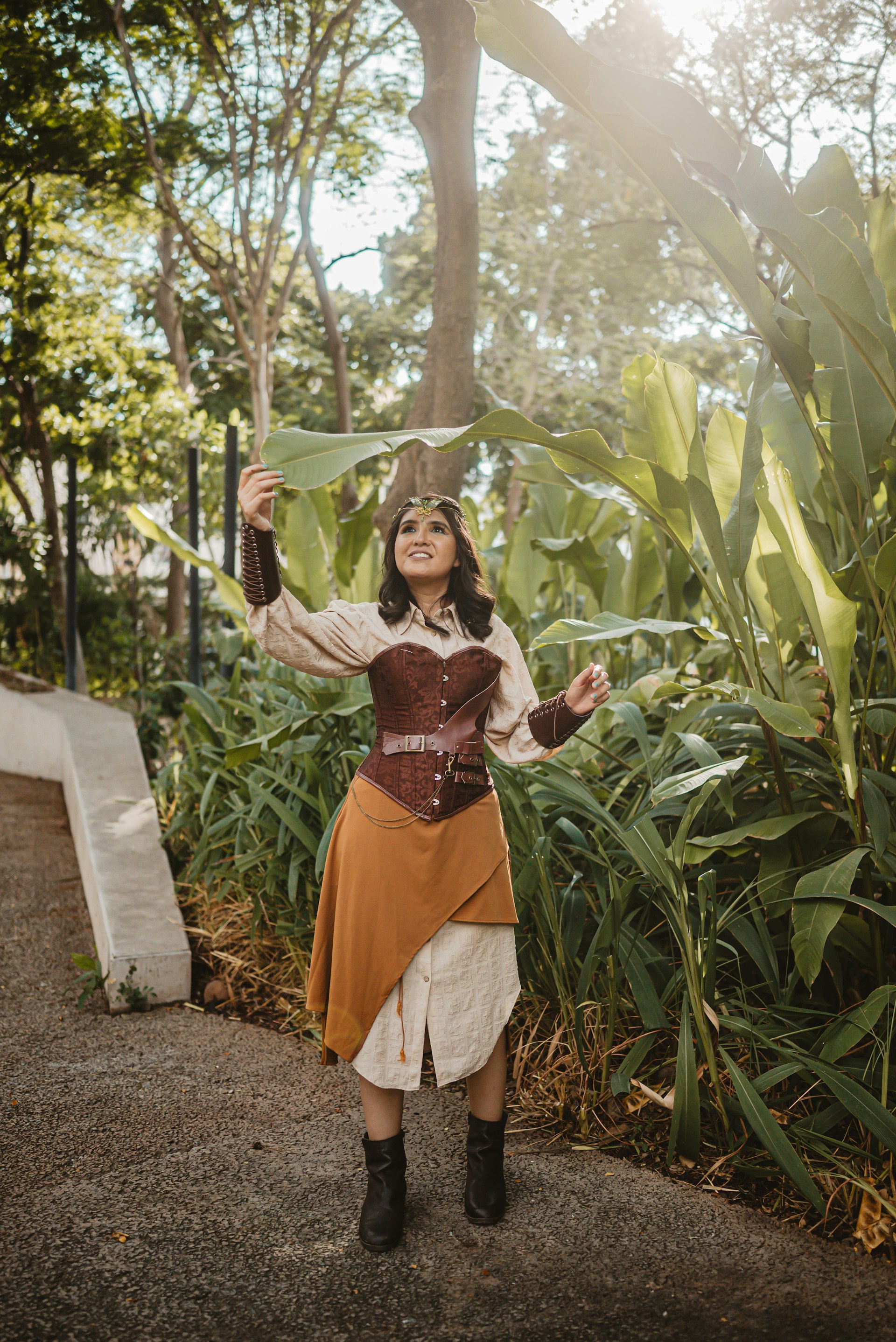
For four to seven days you can never quite predict, a stretch of the National Mall becomes the most photographed place in America - and the bloom refuses to wait for anyone's schedule, which is exactly what makes it worth chasing. When the roughly 3,000 cherry trees Japan gave the United States in 1912 hit peak bloom over the Tidal Basin, the water disappears under a pink-and-white canopy, and walking the two-mile loop at dawn, before the crowds, is genuinely transcendent.
The festival organizes itself around the Tidal Basin, the man-made reservoir framed by the Jefferson Memorial to the south and the Martin Luther King Jr. Memorial to the northeast. Peak bloom typically arrives in the last week of March or first week of April, depending on the year's temperatures. The Kite Festival on the National Mall, the Lantern Lighting Ceremony in East Potomac Park, and the parade through downtown DC fill the surrounding weeks - but the trees themselves are the destination.
Here is the essential caveat: peak bloom is not on the calendar. The National Park Service issues rolling bloom forecasts starting in late winter, updated as temperatures develop, and peak lasts only four to seven days. Visitors who book around the festival dates without tracking the forecast frequently arrive early or late and miss it entirely. The safest strategy is to build flexibility across a 10-day window centered on the last week of March.
Crowds near the Tidal Basin during peak bloom are intense on weekends. Arrive before 7am on a weekday, or head to the Kenwood neighborhood in Bethesda, Maryland - a residential area with hundreds of cherry trees and a fraction of the Washington traffic. The National Arboretum in northeast DC is another low-crowd option with exceptional bloom density.
Japan's 1912 gift has become one of the most emotionally legible events in American culture - a reminder, on the same timetable every year, that beauty is worth planning around. The trees do not last. That is the point. The National Cherry Blossom Festival runs March 20 through April 11, 2027, in Washington, DC.
Mar 26 – Mar 28, 2027
Anaheim Convention Center, 800 W K…
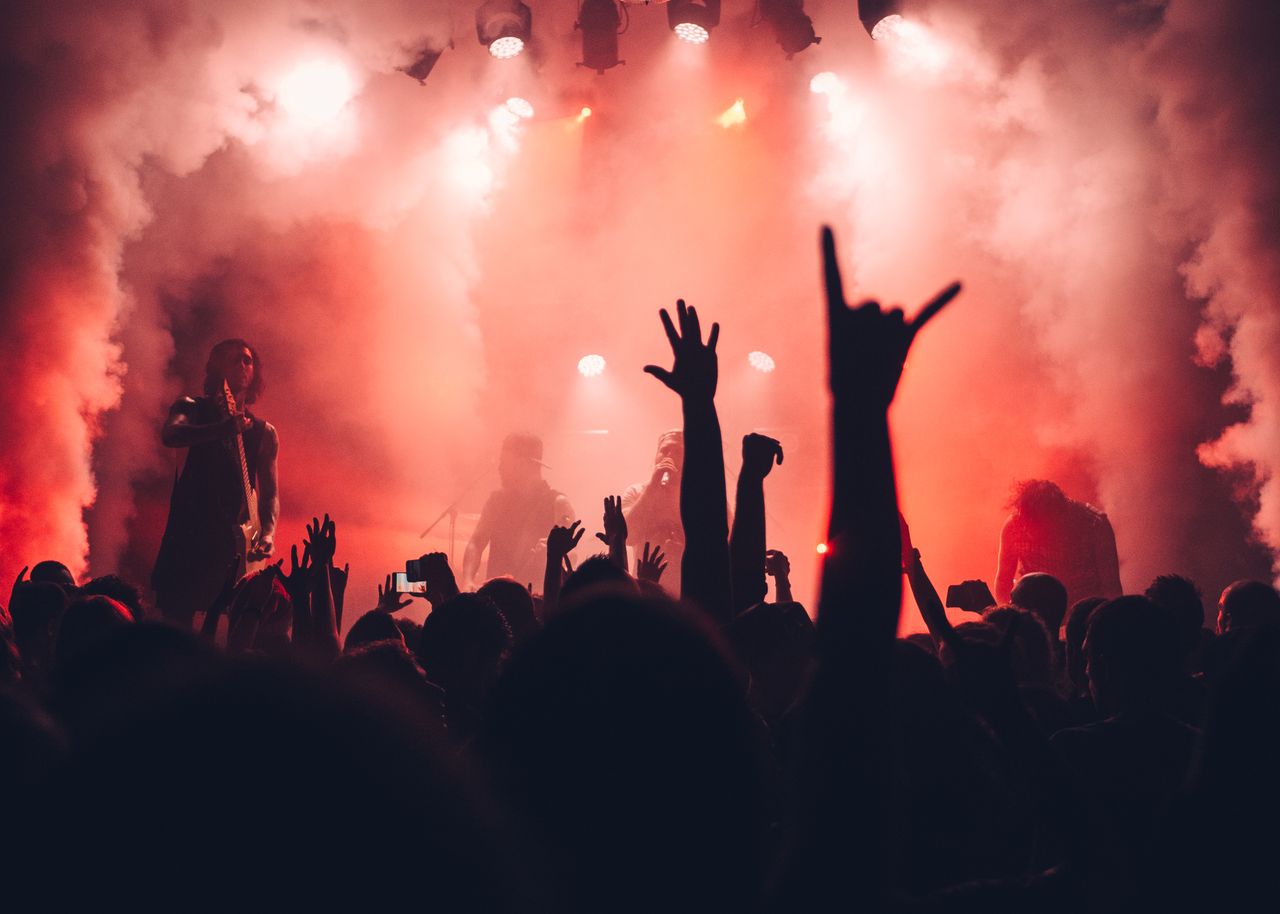
Everyone has a friend who has spent a decade losing the badge lottery down in San Diego. This is where you take them.
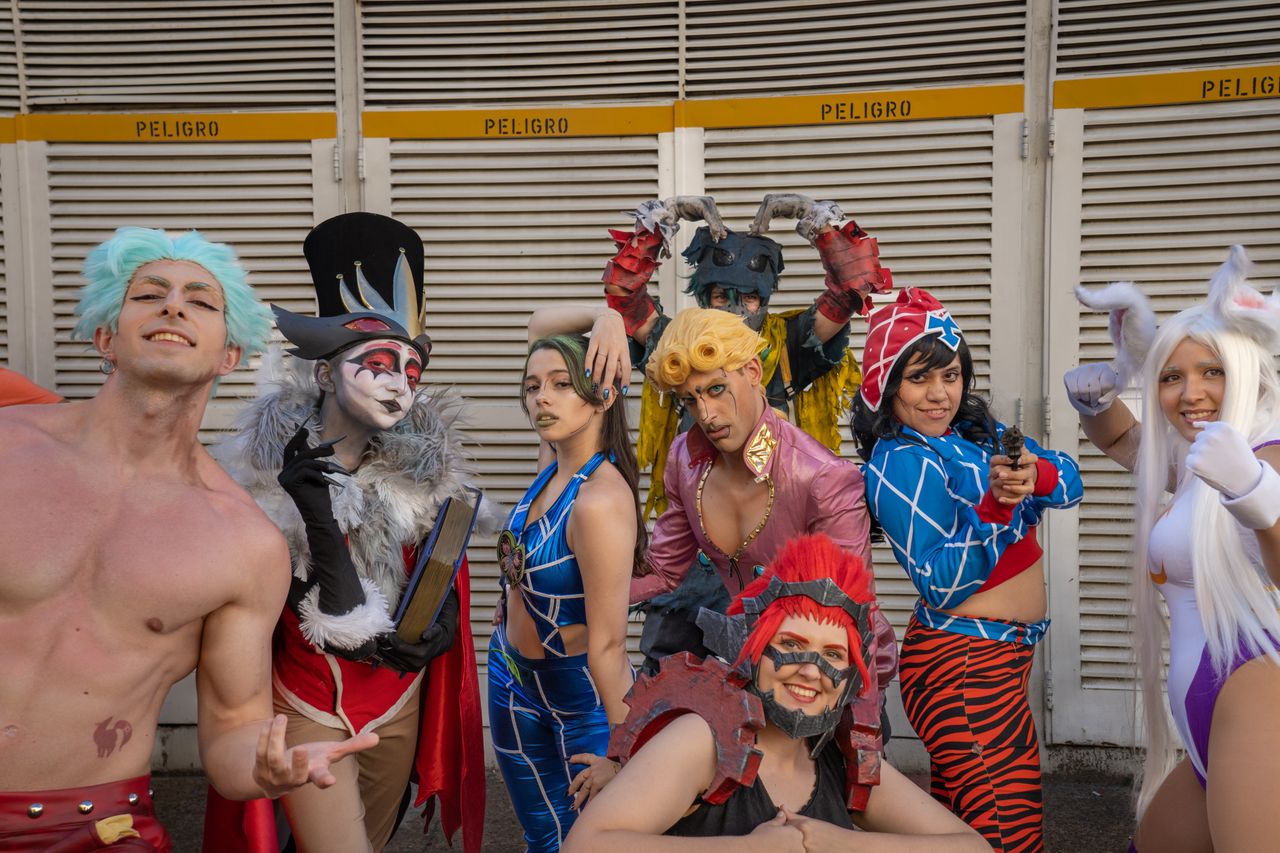
Same organization runs it, same programming instincts, and a floor you can actually cross without a strategy meeting. Sixty thousand people rather than six figures, which is the difference between a convention and an evacuation drill. Publisher booths, artist alley, preview screenings, exclusive merch, and the Saturday-night masquerade, which is the flagship — costumes built over months, walked in front of a crowd that knows exactly how hard the seams were.
Because the badges are gettable and the halls are navigable, it has quietly become the best first convention a person can have. Families bring kids. First-timers stop being first-timers. The panel access is still real.
Anaheim Convention Center, three days in March, badges on sale months ahead with the good tiers moving fast.
Take the person who has been saying next year about the other one for a decade. End the streak.
You had a phase. Bowl cut or not, there was a year when everything you played sounded like a bedroom with the window open and somebody being quietly sad in a nice sweater. You have mostly stopped admitting it out loud.
Gus Dapperton never stopped, and that is the entire appeal. The songs still sound handmade, still sound recorded close to the microphone because there was no booth to stand in. Nearly a decade on from the haircut that got him noticed, he is still writing about the same small humiliations and has simply got better at it.
He is on the Sidestage, the small room, and it is all ages. Those two facts describe the crowd better than any genre tag could: a few hundred people, plenty of them young enough that this is their first show, singing every word of songs about being awkward in public.
7pm, 3350 Sports Arena Blvd, standing room only. Some phases are worth going back for in person.
Every day· Next Apr 1
Los Angeles Convention Center, 120…
Fifty years ago a farm boy looked up at twin suns and a generation learned what longing sounds like.
Star Wars Celebration returns to Los Angeles on April 1–4, 2027, to mark the 50th anniversary of the film that changed everything. This is the gathering where Lucasfilm pulls back the curtain — world premieres of upcoming projects, panels with the creators who are building the next chapters, first looks at footage that won't exist anywhere else for months. The show floor spans the LA Convention Center with walk-through exhibits, a cosplay showcase that draws the most ambitious builders on the planet, exclusive merchandise that sells out before lunch, and the collective energy of tens of thousands of people who all trace something essential about who they are back to that same opening crawl.
The 50th anniversary makes this one different. Half a century of stories, characters, music, and moments that shaped how an entire culture thinks about heroism, redemption, and the distance between who you are and who you could be. Whether you've been here since 1977 or discovered it last year, Celebration is the room where every version of that journey is valid.
What makes Star Wars Celebration unlike any other fan convention is that it is the only place where the future of the franchise is revealed first. Every major announcement — from The Mandalorian's debut trailer to Ahsoka's first footage to the reveal of new theatrical films — happened at Celebration before it happened anywhere else. The industry comes because Lucasfilm treats this room as the premiere venue. The fans come because they've been part of this story longer than most relationships in their lives.
Expect four full days of programming: the headline showcase at the Honda Center (separate ticket tier), hundreds of panels across multiple stages, the Fan Stage where cosplayers and community creators take the spotlight, interactive experiences that put you inside the worlds of the saga, and the Artist Alley where illustrators who shaped the visual language of Star Wars sell original work.
Four-day adult passes from $260.99. Children 4–12 from $105.99. Los Angeles Convention Center. April 1–4, 2027. The anniversary year has screenings and smaller gatherings running all through it, and the people in this room will be at those too.
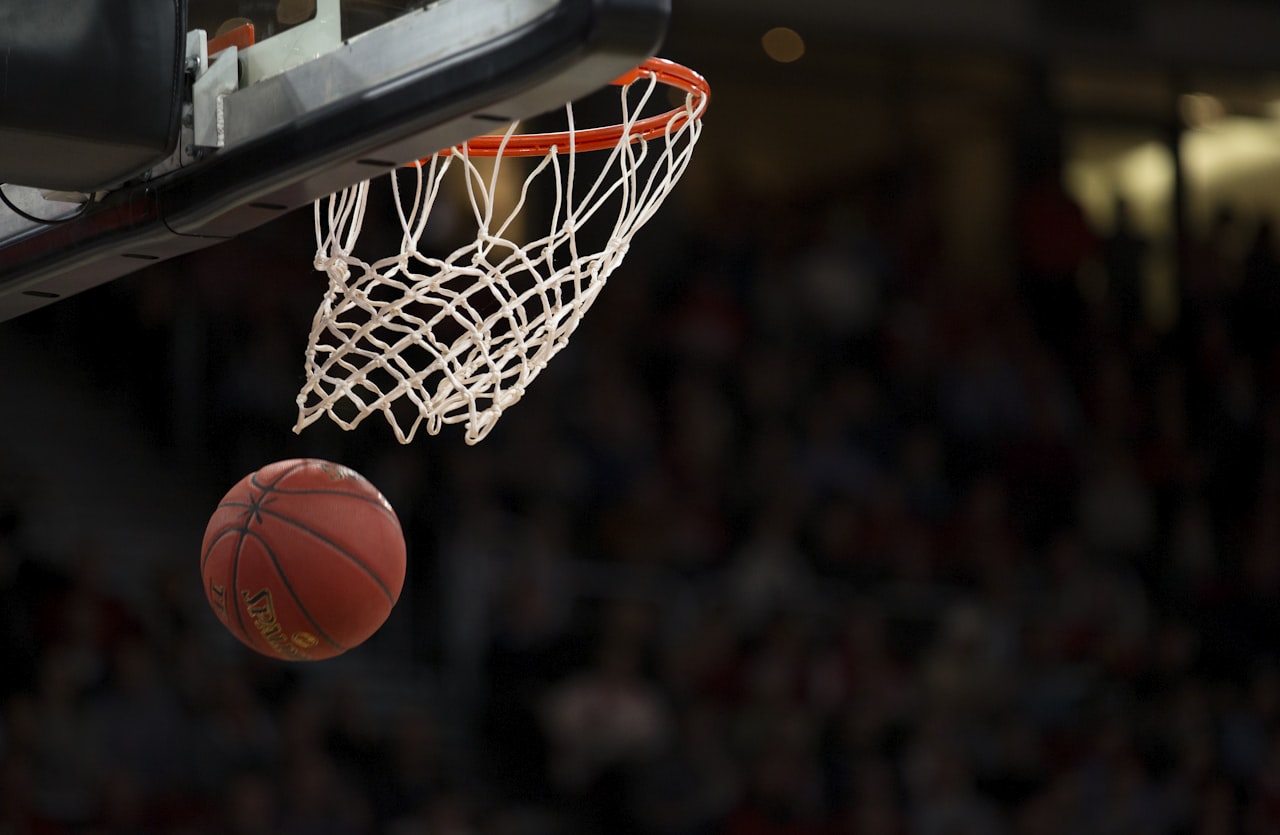
At some point in your thirties it lands that you have watched a hundred of these from a couch and never once been in the building. The NCAA Men's Final Four 2027 comes to Ford Field in Detroit on April 3 and 5, the city's first time hosting it in eighteen years, with Michigan State as the host institution. Four teams left out of three hundred and sixty-odd, in a football stadium, in a town that takes basketball personally.
A Final Four in a domed stadium is a strange and specific spectacle. The court is dropped into the middle of a football field, so the seats go up rather than out and the far rows are a genuinely long way from the floor — the players look small and the noise does not, because seventy thousand people under a roof is a different physical sensation from any arena. Detroit compresses the whole thing downtown: the stadium, the convention centre and the concert site are within walking distance of each other, which is not true of most host cities and changes the weekend from a series of drives into something you can simply walk around for three days.
Is it worth going without a game ticket? Genuinely, yes — and that is the part almost nobody knows. Fan Fest at the convention centre runs around fifteen dollars and is free for under-twelves, college students, military and anyone holding a game ticket: shooting contests, the trophy, autograph sessions, a full weekend of it. The March Madness Music Fest alongside it is free and has historically booked headliners of the size people pay festival prices for. You can have the entire Final Four weekend for the cost of parking.
What to know before you go: semifinals are Saturday the 3rd, the championship is Monday the 5th, and the Sunday in between is the best day in the city — no game, every fan base still there, and the bars doing the arguing. Book lodging the week the bracket is announced rather than after your team wins; by the time you know you are going, downtown is gone. Tip times are set closer to the date.
It is worth caring about from a couch in another time zone because it is the last big American championship where the teams are still, nominally, kids, and the building is still full of people who actually went to the school.
The National Cherry Blossom Festival Parade rolls down Constitution Avenue in Washington, DC on Saturday, April 10, 2027, closing out a four-week season that pulls well over a million people into the capital. Ten blocks of marching bands, giant helium balloons, and performers brought in from across the country. The whole festival marks the anniversary of Japan's 1912 gift of more than three thousand cherry trees to the city — a diplomatic gesture that accidentally turned into America's most-watched spring ritual.
What hits first is the scale of the quiet before anything starts. People stake out curb space along Constitution hours early with folding chairs and coffee, and the mood is less stadium crowd than a neighborhood block party stretched across ten city blocks. Then the first band comes through and the sound bounces off federal stone in a way no arena produces.
The blossoms themselves are a separate event happening a mile away at the Tidal Basin, and the water changes everything — pale pink doubled in the reflection, the Jefferson Memorial sitting behind it, a slow shuffle of people who all stop in exactly the same three places. First-timers are usually surprised how short the walk between the two is, and how completely different they feel.
Worth it, with one honest condition. If you are coming for the parade, come for the parade: free, rain or shine, genuinely warm, and you will have a good day. If you are coming for the trees, do not plan around the parade date. Peak bloom usually lands in the last days of March and the parade often falls after the petals have already dropped. This is not for anyone who needs a guaranteed photograph. It is for people who like a city in an unusually good mood.
The single most useful thing to know: give yourself a three-to-five day window instead of one date, and go on a weekday morning. The Tidal Basin at sunrise on a Tuesday and at noon on a Saturday are not the same place. Grandstand seats along Constitution run twenty-eight to forty-five dollars depending on the section, but standing anywhere along the route costs nothing and that is what most people do. If the basin is shoulder-to-shoulder, the trees at the National Arboretum, Dumbarton Oaks, and the Basilica of the National Shrine are the local answer.
A gift of trees from one country to another, planted before either had any idea what the century would hold, still drawing crowds a hundred and fifteen years later. That is why it sits on this list. Most people reading this will never stand on Constitution Avenue in April, and knowing the thing happens at all is its own small expansion. The parade steps off at eleven. The city does this every spring whether anyone shows up or not.
Apr 15 – Apr 15, 2027
Travis Park, 301 E Travis St, San …
Most cities schedule a festival around the working year. San Antonio spends eleven days in April declining to pretend it will get anything else done.
Fiesta began in 1891, when Ellen Maury Slayden proposed a parade of flowers to mark the anniversary of the Alamo and San Jacinto, and a group of local women organized themselves to run it. They are still running it. The Battle of Flowers Parade remains organized and produced entirely by women volunteers, generation handing to generation, which makes it one of the longest continuously woman-run public events in the country. Schools close. Families claim curb space days ahead. The 2027 celebration runs April 15 through April 25.
What surprises outsiders is that Fiesta is not one event but a loose federation of a few hundred of them, thrown by different groups across the city with no central aesthetic — royal courts and coronations alongside backyard cook-offs, a river parade of decorated barges, four nights of Night in Old San Antonio packed into the La Villita historic district, marching bands, a charreada, a lot of people day-drinking respectfully in the heat.
The currency of the whole thing is medals. Every organization, school, restaurant, fire station and dentist's office issues its own enameled Fiesta medal each year, and residents wear them pinned to sashes and vests that become audibly heavy by day four. Trading is the actual social protocol: you approach a stranger, admire a medal, offer one of yours. It is a small economy of pure civic affection, it has no monetary logic, and it is the fastest way for a visitor to stop being a spectator. Bring something to trade. People will explain the rules to you gladly.
Who it is for: anyone who suspects American cities have gotten too efficient to throw a real party. If you want a clean lineup, assigned seating and a schedule that resolves, Fiesta will frustrate you — the good version of this trip involves getting swept into something you did not plan. Also, it is genuinely hot, and cascarones, confetti-filled eggshells, will be cracked on your head by children with total impunity.
Before you go: the kickoff is a free evening party at Travis Park that opens the celebration, and it is the cheapest way to take the temperature of the whole thing. Many street events cost nothing; the parades and NIOSA are ticketed and sell through. Book lodging early — downtown fills months out. Carry cash.
A hundred and thirty-six years in, a city of two and a half million still stops for a parade invented by a handful of women who wanted to throw flowers at a memory. Whatever you were told about Texas, this is the part nobody mentions.
April 15 to 25, 2027. Kickoff at Travis Park, 301 E Travis St, San Antonio. Full schedule and ticketing through the Fiesta San Antonio Commission.
Apr 16 – Apr 18, 2027
Long Beach Street Circuit, Shoreli…
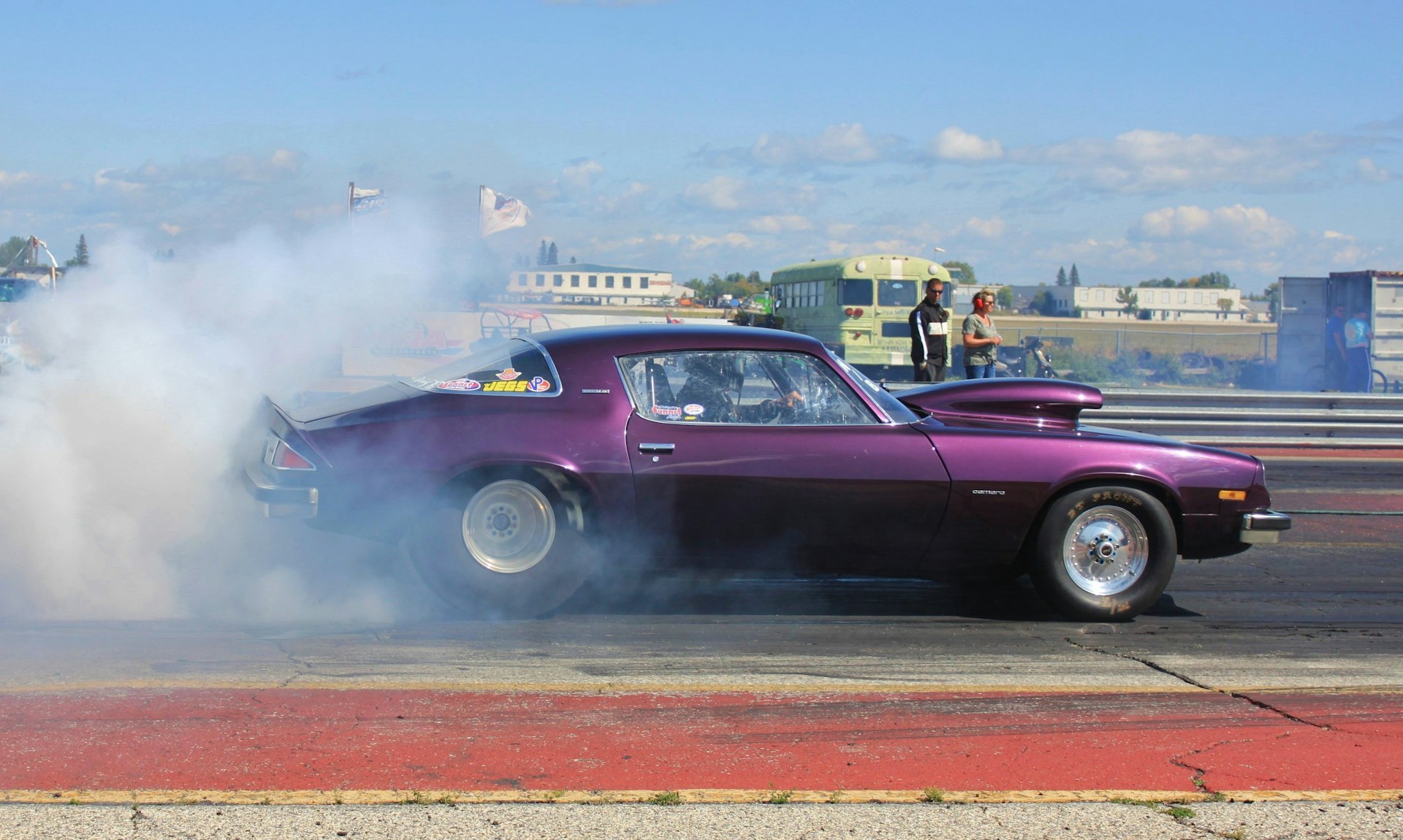
Streets that carry commuters every other day of the year get taken away from cars for one weekend, and half the reason people come is to watch a working downtown turn into a racetrack. The Acura Grand Prix has run since 1975, which makes it one of the most storied street circuits in North America and the rare motorsport event a city genuinely absorbed rather than merely hosted. The circuit runs 1.968 miles along the waterfront. Practice Friday, qualifying Saturday, the IndyCar race Sunday, with permanent grandstands at Turn 1 and temporary seating scattered around the course so the view and the price scale together. Around it: support races that rotate every year, IMSA and Formula Drift among them, a vendor midway, car shows, and a harbor that spends three days smelling like fuel and sunscreen. Shoreline restaurants and bars run their own hours all weekend. Go once and the sound alone reorganizes your opinion of racing. Bring somebody who has only ever watched it on a screen.
Downtown Fallbrook closes to traffic every April and fills with more avocados than you thought one town could grow. The 39th Annual Fallbrook Avocado Festival wrapped April 19, 2026 — free admission, 9 AM to 5 PM, and the kind of attendance that gets estimated in the tens of thousands (past editions have topped 100,000).
Main Street becomes the event. Vendor stalls line the blocks: guacamole in every variation imaginable, avocado ice cream that converts skeptics on contact, avocado margaritas, avocado cheesecake, and a guacamole competition with local rivalries that have been running since 1987. Beyond the food: local artists, handmade goods, a craft vendor hall several blocks deep, and live music on multiple stages through the afternoon.
Fallbrook calls itself the Avocado Capital of the World and earns it through geography, not branding. The groves actually surround the town. The farmers actually show up. This is not a theme park version of a harvest festival — it is what happens when a town organizes around the crop that built it.
Free, every April, no tickets. Arrive before 9 AM — parking fills fast.
Washington takes itself extremely seriously fifty-one weekends a year, and once each spring several tens of thousands of people in costume take over its convention center and the effect is genuinely restorative. Awesome Con is the capital's pop culture convention, and its particular character comes from the city it happens in: there is a substantial science track built with the Smithsonian and NASA sitting directly alongside the comics and the film guests, and it does not feel bolted on.
What that produces is a convention where a nine-year-old can go from a panel by an actual planetary scientist to a line for a voice actor without leaving the building, and where the crowd is noticeably more family-heavy and more racially mixed than most large cons. The Walter E. Washington Convention Center is enormous and easy to move around, which matters more than people expect — there is room to sit, room to eat, room for kids to melt down and recover. Artist alley is strong. The cosplay is competitive without being cliquish. And because it is April in Washington, the city outside is at its best; a lot of attendees build a weekend around the museums, which are free.
Worth it? If you have children who are into any of this, it is one of the best large conventions in the country for that, and the science programming is a genuine differentiator rather than a marketing line. If you are a hardcore collector chasing exclusives, the bigger coastal shows have deeper inventory. Awesome Con is broad rather than deep, and that breadth is the point.
What to know before you go: the convention center sits on top of a Metro station, so do not drive — parking downtown is punitive and the trains run late. Badges are cheaper in advance and children's pricing is generous. Saturday is by far the busiest day; Friday and Sunday are calmer and better for actually talking to artists. Bring a bag for prints. And if you are traveling in, the museums a few blocks away mean the non-convention hours are unusually well spent.
It is on this list because a convention that treats curiosity and fandom as the same impulse is a rarer thing than it should be, and because a weekend where the most self-serious city in America lets go is worth knowing about. Awesome Con 2027 runs April 23–25, 2027 at the Walter E. Washington Convention Center.
There's more here for you.
An account shows you family & community events matched to your exact taste — not just what's popular.