For the first time in 40 years, the Great American Beer Festival moves outside — two days at Levitt Pavilion in Denver, under the sky, with 300 breweries. The longest-running American craft beer competition, rethought.
The experience is a curated education in American craft brewing. Hundreds of breweries pour samples across organized sections by style: sours, lagers, IPAs, stouts, sessionable ales, and experimental categories that did not exist as named styles ten years ago. Pouring representatives are often the brewers themselves. Conversations that start at a sample cup can end with a brewery tour invitation. The density of craft knowledge on the floor is unmatched anywhere in the country.
GABF is worth attending for anyone who drinks craft beer with intent, for people who want to understand why American craft brewing became a global benchmark, or for anyone curious about what beer tastes like when it is made by someone who cares more about the liquid than the label. It is not for anyone expecting a music festival atmosphere. This is a tasting event first.
What to know: tickets go on sale in July, starting with a presale for Brewers Association and American Homebrewers Association members. Public tickets typically sell out within hours. The outdoor Levitt Pavilion venue means weather planning is necessary for October in Denver. Sessions run 12pm to 4pm on both days. Designated driver tickets are available. Drink water.
GABF has crowned the best American craft beers since 1982. The competition results, announced at the festival, shape what breweries brew and what distributors carry for the following year. Winning a GABF medal is the craft brewing equivalent of a Michelin star. The public tasting gives attendees access to the same beers the judges evaluated, poured by the people who made them.
American craft brewing is one of the defining cultural exports of the past forty years: a grass-roots rebellion against industrial uniformity that built its own infrastructure, vocabulary, and community from scratch. GABF is where that community gathers annually to declare what it has accomplished. It belongs on Falkor's Nation's Best list.
One of the six World Marathon Majors, 45,000 runners, a flat course through Chicago's most iconic neighborhoods. The Chicago Marathon is the benchmark race for runners who have qualified.
The Chicago Marathon's legendary flatness is not just a runner's selling point -- it is a spectator advantage. The course loops through neighborhoods that are genuinely Chicago: the Gold Coast, Chinatown, Pilsen, Boystown, Lincoln Park, and back to Grant Park. Local businesses set up unofficial aid stations with beer and tacos along the course. Neighborhood block parties break out spontaneously. The finish line on Columbus Drive, with the Chicago skyline as backdrop, is one of the most photographed moments in American endurance sports. 1.7 million spectators attend each year -- one of the largest sporting audiences in the country on any given day.
If you want to run a fast marathon for the first time, Chicago is the answer. The course is flat, the crowd support is relentless, and October weather is ideal for performance. Entry is through a lottery system (opens February, closes March) with charity bib options available year-round. Spectating is completely free along the entire course. The Chinatown stretch at mile 13 is worth the trip alone -- the neighborhood goes all out, every year.
Book Chicago accommodations in July at the latest -- Marathon Week hotel rates double and triple around the race. The start and finish in Grant Park is easily accessible via Red Line (Grand or Lake stops). Best spectator spots: mile 9 Boystown, mile 13 Chinatown (the neighborhood goes all out), and the final stretch on Columbus Drive. Volunteer registration opens in September and fills fast. Track runners through the official race app on race day.
The Chicago Marathon earns its place on Falkor's Nation's Best list as a city-wide civic event that turns 29 Chicago neighborhoods into a stage for human endurance. A race that draws the world's fastest marathon runners to the same course as a 72-year-old retiree completing their bucket list is a genuinely democratic cultural event. In a sport increasingly defined by exclusion, Chicago runs one of the most accessible World Majors on Earth. Entry and charity bibs at chicagomarathon.com. October 11, 2026. Start and finish: Grant Park, Chicago, IL.
Oct 23 – Oct 25, 2026
$150+
Circuit of the Americas, 9201 Circ…
Circuit of The Americas is the only purpose-built Formula 1 track in the United States. Three days in October, the fastest cars in the world, and Austin's entire cultural identity arriving at once.
COTA in October is genuinely unlike any other American sporting event. The sound of V6 turbo-hybrid engines at full throttle is a physical experience -- felt in the chest before it registers in the ears. The track's dramatic elevation change through the first section gives spectators on the hill at Turn 1 a view of the entire opening complex. Music headliners perform after qualifying and after the race (2026: Maroon 5 on Friday, Post Malone on Saturday). The paddock walkthrough, driver appearances, and simulator experiences make the non-race days worth attending on their own terms. The Austin setting -- music venues, barbecue, the Colorado River greenway -- absorbs the overflow and turns race weekend into a city-wide event.
F1 at COTA is worth it if you have any interest in motorsport, engineering, or the kind of spectacle that only comes from 20 of the world's best drivers competing for hundredths of a second in machines that cost $400 million per team to operate. The General Admission grounds pass gives full access to most of the track; grandstand seats put you at specific turns. Turn 1 grandstand and the Main Grandstand opposite the pit lane are the premium views. Budget: grounds pass $150-250; grandstand $400+.
COTA is 10 miles southeast of downtown Austin -- Uber/Lyft surges heavily on race day; the circuit's park-and-ride from Palmer Events Center or Camp Mabry is the most reliable option. Arrive early: gates open at 8am and the paddock walk window closes fast. Earplugs are not optional -- the cars are genuinely that loud, even with modern hybrid powertrains. Three-day ground passes offer the best value and let you explore the full track layout each day.
Formula 1 earns its place on Falkor's Nation's Best list as the only motorsport event where the technology, the sport, and the celebrity culture achieve simultaneous critical mass. The USGP at COTA is where Lewis Hamilton and Max Verstappen have traded the championship on the same track where country bands play the night before. It is sport as theater, engineering as art, and the most international crowd you will find in Texas. Tickets through the Circuit of the Americas official site. October 23-25, 2026.
Pokemon Night Out 2026 — Intuit Dome, Inglewood, CA
Pokemon Night Out is one of the most unexpected cultural events of 2026: a full-scale EDM concert celebrating Pokemon's 30th anniversary, headlined by Marshmello and Alison Wonderland, at Intuit Dome in Inglewood. This is not a gaming expo, not a convention — it is a 16,000-person arena show designed from the ground up as a Pokemon fan experience, with story-driven audiovisual production, cutting-edge animation, and stage design built around the franchise that has defined childhood for three consecutive generations of fans.
The experience is exactly what it sounds like and better than you expect. Imagine the production value of a Super Bowl halftime show filtered through thirty years of Pokemon nostalgia — Marshmello's drops set against Pokemon battle sequences, Alison Wonderland's atmospheric sets backed by evolving visuals, the crowd singing along to music that existed years before most of them were old enough to remember it. This is not a tribute act. This is the official celebration, endorsed by The Pokemon Company, staged at one of the most technically advanced arenas in North America.
Is it worth it? If you have any connection to Pokemon — and statistically, you do — yes. The ticket price is steep for a concert. It is reasonable for a once-in-thirty-years cultural moment that combines electronic music, arena spectacle, and genuine nostalgia in a format that has never existed before. If you are the kind of person who still has a Pokemon card somewhere in your house, this event was made for you. If you need to research the performers first, it probably was not.
What to know before you go: Tickets range from around 250 to over 1,000 dollars depending on section. Ages 16 and up only. Doors open 90 minutes before the 7:30 PM start at Intuit Dome. The arena is in Inglewood — Metro C Line to Hawthorne/Lennox station with a shuttle, or rideshare drop-off on Prairie Ave. Pokemon Center merchandise will be available at the venue. Plan for long lines at merch and entry. This is a standing floor plus reserved seating format — floor is the experience, reserved is the view.
Pokemon Night Out lands on Falkor Nation's Best list because it is the kind of event that exists once. The Pokemon IP has been through thirty years of games, anime, cards, and cultural saturation — and none of it looked like this. An arena EDM show built as a canonical Pokemon celebration is a specific thing that will not be repeated in this form. Even people who are not attending will remember that it happened, and that it was possible. That is the bar for this list. Tickets available on Ticketmaster. October 24, 2026 at Intuit Dome, Inglewood CA.
Oct 25 – Oct 28, 2026
175
City Park, 1 Palm Dr, New Orleans,…
Once you’ve spent Halloween weekend in New Orleans, every other Halloween destination reads as the consolation prize. The Voodoo Music + Arts Experience is the festival that happens inside that decision — three days in City Park, October 25–27, 2026, with Guns N’ Roses, Post Malone, and Beck as headliners and Spanish moss and live oaks as the backdrop.
Voodoo is what happens when New Orleans hosts a music festival. The setting separates it from every other outdoor event: City Park's old-growth oak trees drape Spanish moss over the crowd, the air carries the city's legendary culinary ambiance, and by Halloween weekend the temperature finally breaks into something resembling autumn. The festival stages are intimate by major festival standards — you're closer to the headliners than you'd be at most arenas. The food vendors bring the actual New Orleans experience (crawfish étouffée, beignets, po'boys) not a simulation of it. Evening performances under the live oaks feel like something from another city entirely — which is the point.
Voodoo is for anyone who has ever thought about going to New Orleans and needed a reason to finally do it. Halloween weekend in NOLA is the most atmospheric musical experience in the country. The lineup spans rock, hip-hop, electronic, and everything between — it is not a genre festival. The setting transforms even mid-card acts into memorable experiences. This is for people who want great music in one of the world's great cities at the best possible time of year to be there.
Book accommodation early — New Orleans hotels fill completely for Halloween weekend and prices spike. The festival grounds at City Park are accessible by rideshare; parking is limited. Bring layers — October evenings in New Orleans can still carry humidity but nights cool. The food inside the festival is genuinely excellent (this is NOLA), but the surrounding neighborhoods offer even better options within walking distance. Multi-day passes sell faster than single-day. Plan arrival early afternoon to catch emerging acts before the headliners claim the stage.
The Voodoo Music + Arts Experience is on Falkor's Nation's Best list because it answers an experience Americans only get in one city: world-class music in a place that feels genuinely unlike anywhere else in the country, during the season that suits it best. New Orleans in October — with Spanish moss, late-harvest warmth, and a hundred thousand people who made the deliberate choice to be there — creates an atmosphere that has no direct comparison. Buy tickets at Ticketmaster. October 25–27, 2026, City Park, New Orleans.
Oct 30 – Nov 1, 2026
Hyatt Regency Orlando, 9801 Intern…
What you expect from a horror convention and what Spooky Empire actually is are not the same thing. Since 2003, it has drawn fans from all fifty states to Orlando each October for a weekend of access that does not exist anywhere else in the genre.
The experience is nothing like what "horror convention" might suggest to someone who has not been. Celebrity meet-and-greets with icons from Halloween, Friday the 13th, A Nightmare on Elm Street, Scream, The Walking Dead, and hundreds of cult films form the spine of the weekend. Surrounding those signings is a full floor of horror makeup artists, independent filmmakers, prop replica craftspeople, authors, and a community of people who found each other through shared fear. The costume quality at Spooky Empire is exceptional -- this is not casual Halloween dress-up, it is craft. The crowd is simultaneously the most enthusiastic and most considerate fan base in genre events.
Worth it? For horror fans, unambiguously yes. Spooky Empire is not an entry point -- it is a homecoming for people who already know what they love and want to be in a room where everyone understands it. If your idea of a perfect weekend involves meeting the actors from films you have watched twenty times, surrounded by people who take the genre seriously, this is worth the plane ticket. If you are casual about horror, the October edition may feel overwhelming in its specificity. That specificity is the point.
What to know before you go: the October edition is the flagship -- substantially larger than the May edition, with a bigger celebrity roster and more programming. Celebrity photo ops and autograph sessions sell separately and typically sell out within days of guest announcements -- plan your must-haves list before general registration opens. Comfortable shoes are required for the Orange County Convention Center layout. Hotels in the convention corridor book fast for horror weekend. Wear comfortable clothes; Orlando in October is warm. Plan your schedule before you arrive -- trying to improvise a Spooky Empire weekend is how you miss the three people you came to see.
Spooky Empire earns its place on Falkor's Nation's Best list because horror fandom is one of the most passionate and loyal communities in American entertainment -- and Spooky Empire is the room where it concentrates annually. Every October edition becomes evidence that horror is not niche but a massive cultural constituency that shows up for its artists and builds genuine community around shared fear. This is the room that proves it.
Twenty-six miles through all five boroughs of New York City. The NYC Marathon is the world's largest — 55,000 runners, a million spectators, and the most complete tour of the city's actual geography that exists.
Marathon Sunday in New York City is unlike anything else in American sports culture. The city does not just host the race -- it becomes the race. From the Verrazzano-Narrows Bridge opening stretch to the final uphill push through Central Park, each borough cheers with its own distinct energy. Fort Hamilton Heights in Brooklyn, the sound tunnel of the Queensboro Bridge, First Avenue in Manhattan lined five deep, the Bronx crowd, and finally Central Park where the last mile is a wall of noise. 1.7 million spectators attend each year. This is not a race you watch from seats -- you stake a corner of a New York sidewalk and become part of the city for one morning.
If you run at all -- or ever wanted to -- the NYC Marathon is the race that rewrites what you believe is possible. The spectator experience is completely free along the entire course. For those who want to run: entry is through NYRR's lottery system (the application window opens in January). Charity bibs are available year-round through hundreds of partner organizations. The 2026 edition is the 50th running of the current course -- a milestone that will draw the world's fastest elite athletes alongside tens of thousands of first-timers.
Do not attempt to navigate New York City by car on Marathon Sunday -- road closures make the city nearly impassable. Take the subway to any borough mid-course. Best spectator spots: Brooklyn's Atlantic Avenue corridor around mile 8, First Avenue in Manhattan around mile 16 (lines five deep, incredible energy), and the finish line area at Central Park's Tavern on the Green. Download the NYC Marathon app to track a specific runner. Bring a sign -- the course is long and personalized cheering genuinely moves people.
The NYC Marathon earns its place on Falkor's Nation's Best list as the rare sporting event that does not require you to be a fan of the sport to feel something. A race that draws the world's fastest marathon runners to the same course as a 72-year-old retiree completing their bucket list is a genuinely democratic cultural event. In the 50th year of the modern course, this is a milestone worth knowing about. Race information and charity bibs at nyrr.org. November 1, 2026. Start: Fort Wadsworth, Staten Island. Finish: Central Park, Manhattan.
Nov 3 – Nov 7, 2026
0
Las Vegas Convention Center, 3150 …
Two thousand brands, 160,000 automotive professionals, the most elaborate custom vehicles on earth — all in a Las Vegas convention center every November. SEMA is the industry's annual argument about what cars can become.
What SEMA feels like is unlike any auto show in the world. This is not rows of production vehicles under fluorescent lights. This is a Dodge Challenger converted into a tribute to a deceased mechanic, a Bronco built for Baja racing with a 700-mile range, a Toyota Tacoma so extensively modified that the factory DNA is nearly invisible. The smell of fresh paint, engine oil, and ambition is everywhere. The Specialty Equipment Market Association show exists because the aftermarket parts industry — the people who make your car yours — needs one place to show what they built this year.
Is SEMA worth attending? It depends on who you are. If you are in the automotive industry or enthusiast community at any level, SEMA Fest on Saturday (the public consumer day) is one of the most inspiring afternoons you can spend in Las Vegas. Full-coverage builds that would cost six figures sit 10 feet from you. The designers will talk to you. The fabricators will explain how they built the thing. If you are not an automotive person, SEMA Fest may still surprise you — some of these vehicles are genuinely art. The Battle of the Builders final is as dramatic as any competition you will watch this year.
What to know before you go: SEMA Fest (Saturday, November 7) is the consumer day — this is what enthusiasts attend. The full trade show (Tuesday-Friday) requires industry credentials. Book hotel rooms well in advance; SEMA week in Las Vegas fills the Strip. Parking is manageable at the Convention Center. Wear comfortable shoes — the floor is enormous. The Battle of the Builders announcement happens mid-afternoon on Saturday and draws a crowd; position yourself early. Merchandise lines and meet-and-greets with builders and YouTubers run throughout the day.
SEMA is on Falkor's Nation's Best list because it is the single annual moment when the aftermarket automotive world shows what it has been building for twelve months. The builders who compete for the Battle of the Builders work all year for Saturday afternoon. The brands that exhibit have been prototyping their showcase parts since the last show. Nothing else in automotive culture operates at this level of craft density in a single location. For anyone who has ever modified a vehicle, looked at a stock car and imagined what it could be, or simply been moved by the intersection of engineering and aesthetics — SEMA Fest is the pilgrimage. The Las Vegas SEMA week has become its own cultural moment. Knowing about it makes you a more interesting version of yourself in any car conversation.
Nov 5 – Nov 14, 2026
Reading Cinemas Gaslamp 15, 701 5t…
San Diego Asian Film Festival 2026 (SDAFF) is one of North America's premier Asian and Asian American film festivals, presenting over 100 films across ten days from November 5–14 in San Diego. Since 1999, SDAFF has been the destination for Asian cinema that has not found a theatrical home yet — and the first place American audiences discover films that later appear in awards season conversations.
Ten days of screenings split across multiple San Diego venues, ranging from world premieres to retrospectives of Asian cinema classics. The festival programs narrative features, documentaries, shorts, and animated films, with particular depth in Korean, Japanese, Chinese, Filipino, and South Asian cinema. Q&As with filmmakers are frequent — it is common to sit in a 200-person screening and find the director in the seat next to you for the post-film discussion. The atmosphere is simultaneously cinephile-serious and community-celebratory: people come because they love film, and because they find something here that mainstream distribution does not give them.
If you care about Asian cinema — not just what makes it into wide US release, but the full range of what is being made across a dozen countries and cultures — SDAFF is the most direct path to that world. Many films screened here will not be available anywhere else in the US until months later, if ever. For Asian Americans, it is one of the few film events where seeing yourself, your family, and your cultural reality onscreen is the rule rather than the exception. This is not background noise. It is foreground.
Festival passes offer the best value if you plan to see more than three films — single tickets sell out quickly for high-demand titles. Book screenings in advance; popular films at the main venue fill within hours of programming announcement. The Opening Night Gala is a social event as much as a screening. The Programmers Picks section is where to start if you are overwhelmed by choice — those films were specifically flagged as the staff's strongest recommendations.
SDAFF runs at a moment when Asian and Asian American storytelling has moved from niche to center. Everything Everywhere All at Once, Past Lives, Minari, and the global dominance of Korean film and television have created an audience hungry for more. SDAFF has been feeding that hunger for 27 years. The mainstream finally caught up.
Nov 13 – Nov 15, 2026
San Diego Convention Center, 111 W…
TwitchCon North America 2026 returns to San Diego September 25-27 — the convention built for live streaming culture. The expo hall is a live streaming studio crossed with a gaming lounge — streamers broadcasting from the floor, sub-notification sounds everywhere, and meet-and-greets with people you've watched for 3,000 hours. Variety Arcades, developer showcases, cosplay competitions for game characters, and the inevitable TwitchCon Pool Incident follow-up safety improvements. Why go: Your favorite streamer is probably here and you can actually talk to them. Tickets at twitchcon.com.
Nov 13 – Nov 15, 2026
Georgia World Congress Center, Bui…
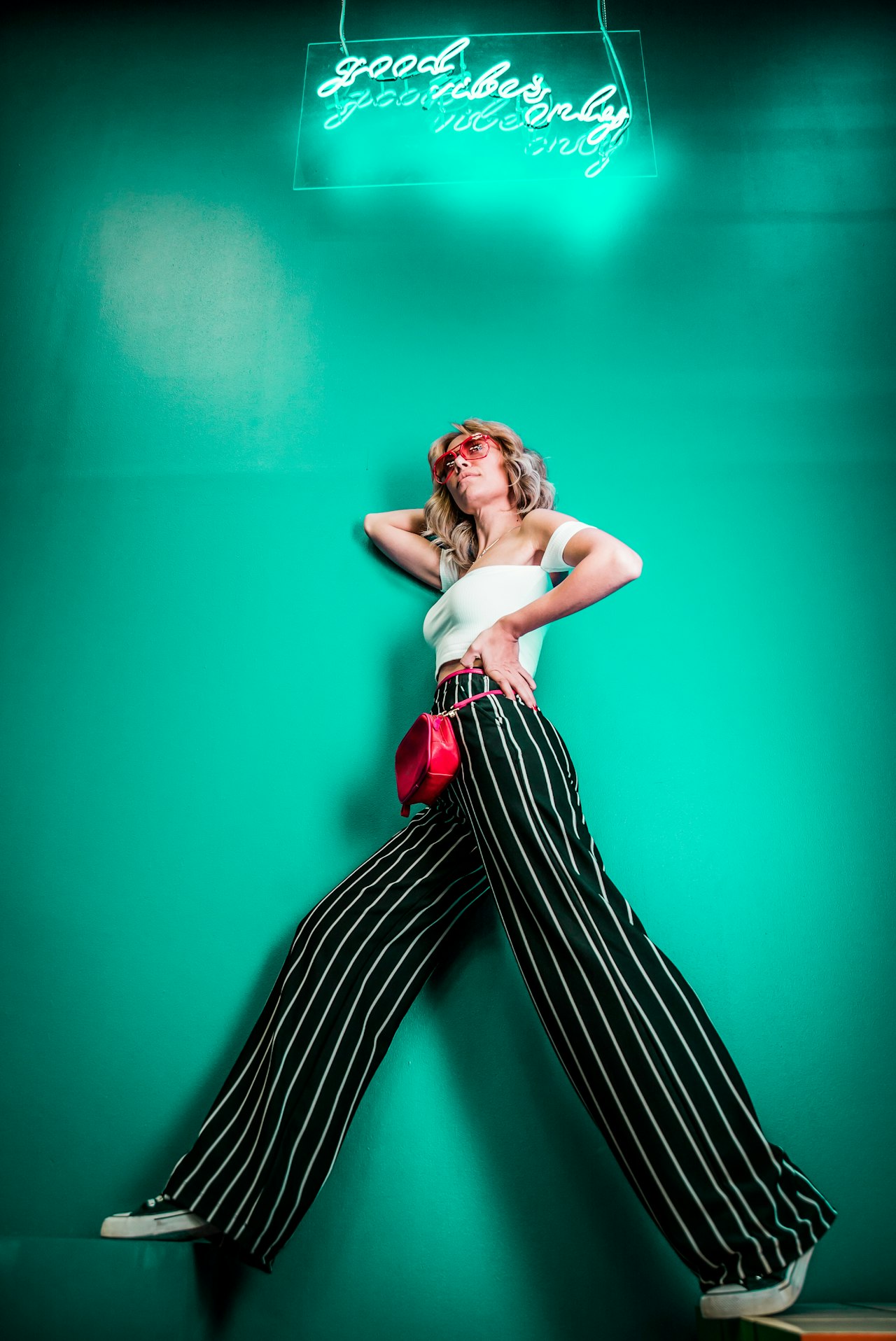
Wizards of the Coast brings the official Magic: The Gathering convention to Atlanta — three days of competitive play, exclusive reveals, and side events that don't exist at a local game store.
Step into MagicCon and the scale of the Magic ecosystem becomes visceral. The main hall hosts commander pods running nonstop, side event drafts firing every 90 minutes, and a merchandise floor stocked with exclusive foil treatments and collector editions that do not exist outside the convention walls. The World Championship stage draws a live audience who understands the stakes — watching a pro player navigate a complex board state in a top-8 match is legitimately thrilling even to non-competitive attendees. Panel stages feature lead designers previewing the upcoming set, Reality Fracture, with reveals that ripple across the entire community within minutes of announcement. Meet-and-greets with pro players and content creators run throughout the weekend, though they fill fast. The atmosphere skews intensely knowledgeable — this crowd knows what a Rhystic Study is, why it is obnoxious, and will argue about it with warmth.
MagicCon Atlanta is for anyone who plays Magic with genuine investment — not necessarily competitive, but committed. If your Friday nights involve a Commander pod and you have at least one deck you have been tuning for six months, you will feel completely at home here. This is not a casual spectator event. It is for the player who loves the game enough to fly across the country for three days of it. First-timers to MagicCon frequently say the same thing: they had no idea how large and how skilled the community actually is until they walked in.
Register for ticketed play events before the convention — sealed and draft pods sell out weeks in advance. Bring your trade binder if you have one: the secondary market area moves fast and has genuine deals. Badge merchandise must be picked up onsite; if you miss the pickup window before close on Sunday, you forfeit it. The Worlds stage is open to badge holders but seating near the feature match area is first-come, standing room fills by round 4 of the top 8. Bring cash for artist alley — many illustrators are cash-only and the original card alters available from top artists are some of the most collectible items in the room.
MagicCon Atlanta earns its place on Falkor Nation's Best list because it is one of the few conventions in the country where you can watch the best players in the world compete live, reveal new cards before the internet gets them, and find 30,000 people who care about a 30-year-old trading card game as seriously as you do. For the Magic community, this is not just an event. It is the proof that the game is still alive, still evolving, and still worth every dollar you have spent on it. MagicCon: Atlanta 2026 runs November 13-15 at the Georgia World Congress Center, Atlanta. Tickets at mtgfestivals.com.
Nov 14 – Nov 15, 2026
Long Beach Convention Center, 300 …
Streetwear, sneakers, contemporary art, and live music converge in Long Beach for two days every November. ComplexCon is the annual inventory of where culture is — and where it's heading.
The floor of ComplexCon is a study in what happens when hype culture and art culture occupy the same space simultaneously. Brands unveil exclusive collaboration drops available only to attendees — limited quantities, real lines, genuine scarcity. Sneaker collectors arrive with curated grails, ready to trade or sell at tables throughout the show. Artists install work commissioned specifically for the event. Musicians perform on the ComplexCon stage across both days. The product drops are genuinely limited: quantities are controlled and lines form before doors open. The art is genuinely original — not promotional material, but work made to exist here. Both things happening at once is what creates the energy that has made ComplexCon one of the most documented cultural events in streetwear media since its first edition.
Worth it? ComplexCon is for people who understand why a specific colorway of a specific shoe matters, why a brand's decision about who to collaborate with says something real, and why the line between art and commerce in streetwear culture is a productive tension rather than a problem to solve. If your relationship to streetwear, sneaker culture, or contemporary art sits somewhere between collector and participant, this is the one event where those identities fully coexist. It is not for people skeptical of hype or limited drops. It is very much for people who track the secondary market.
ComplexCon is at the Long Beach Convention Center — about 30 minutes from downtown LA by Metro A Line (Blue) to Long Beach Transit Hub, then a short rideshare to the Convention Center. Parking is available but traffic on both days is significant. Exclusive drops have sell-out timelines of minutes — follow brand announcements for specific release information before the event. Wristband systems vary by brand; some require advance registration. General admission is the standard ticket; VIP packages add early access and lounge areas. ComplexCon app provides real-time stage schedules, exhibitor maps, and drop alerts.
ComplexCon sits on Falkor's Nation's Best list because it answers a genuine cultural question: what does it look like when the internet's most culturally aware community occupies physical space together? The answer is recognizable — people who have spent years building taste online, finally in the same room, evaluating each other's choices with the fluency of a language they all speak. The product is secondary. The community is the event. Nation's Best. November in Long Beach.
Nov 16 – Nov 18, 2026
200
Dodger Stadium, 1000 Vin Scully Av…
Tyler the Creator builds his festival the way he makes his albums — as a complete vision, not a lineup. The 2026 edition runs November 16–17 at Dodger Stadium: Tyler himself, Andre 3000, Erykah Badu, Playboi Carti, Earl Sweatshirt, Vince Staples, Daniel Caesar. Sixty thousand people. This is his current read on what matters.
Flog Gnaw feels nothing like a conventional music festival. Tyler's aesthetic — Golf Wang colors, surrealist visual direction, Converse collabs, the cartoon universe he's been building since Odd Future — pervades every inch of the grounds. The headliner list reads like Tyler's personal taste index rather than a booking agency's safe plays: Andre 3000's rare public appearances, Earl Sweatshirt's deliberately sparse touring schedule, legacy artists like Erykah Badu alongside younger voices. The surprise guest tradition is genuine — in past years unannounced performers have drawn more conversation than the headliners. The crowd skews young, fashion-conscious, and culturally literate in a way that is self-selecting. Flog Gnaw is the festival where people bring cameras for the fits, not just the performances.
This is for people whose music listening doesn't fit a single genre label — who have Tyler the Creator, Badu, Earl, and Daniel Caesar on the same playlist and see nothing contradictory about that. It is for the aesthetically curious. It is not for people who want clear setlist times, grid-pattern stages, and predictable headliner slots. Tyler runs his festival on his own logic, and that's the point. If that energy resonates, Camp Flog Gnaw is one of the few festivals where the curation is unambiguously the product.
Two-day passes sell significantly faster than single-day. The Dodger Stadium location is accessible by Metro (Dodger Stadium Express from Union Station — skip the parking). Merchandise drops at Flog Gnaw are serious and sell out quickly; the Golf Wang collabs available only at the festival have become collector items. Arrive early day one — the grounds have carnival rides, food, and art installations that reward exploration before the headliners. Andre 3000's live appearances remain rare enough to justify the trip from anywhere in the country.
Camp Flog Gnaw is on Falkor's Nation's Best list because it is the rare festival where the curator's artistic vision is fully legible in every decision. Tyler the Creator built a world — Golf Wang, Odd Future, Igor, Call Me If You Get Lost, Cherry Bomb — and Flog Gnaw is where that world becomes a place you can stand in for two days. The music industry produces thousands of festivals. Very few of them feel like they could only exist because one specific person willed them into being. Flog Gnaw is one of them. Tickets at Ticketmaster. November 16-17, 2026, Dodger Stadium, Los Angeles.
Nov 19 – Nov 22, 2026
Georgia World Congress Center, Bui…
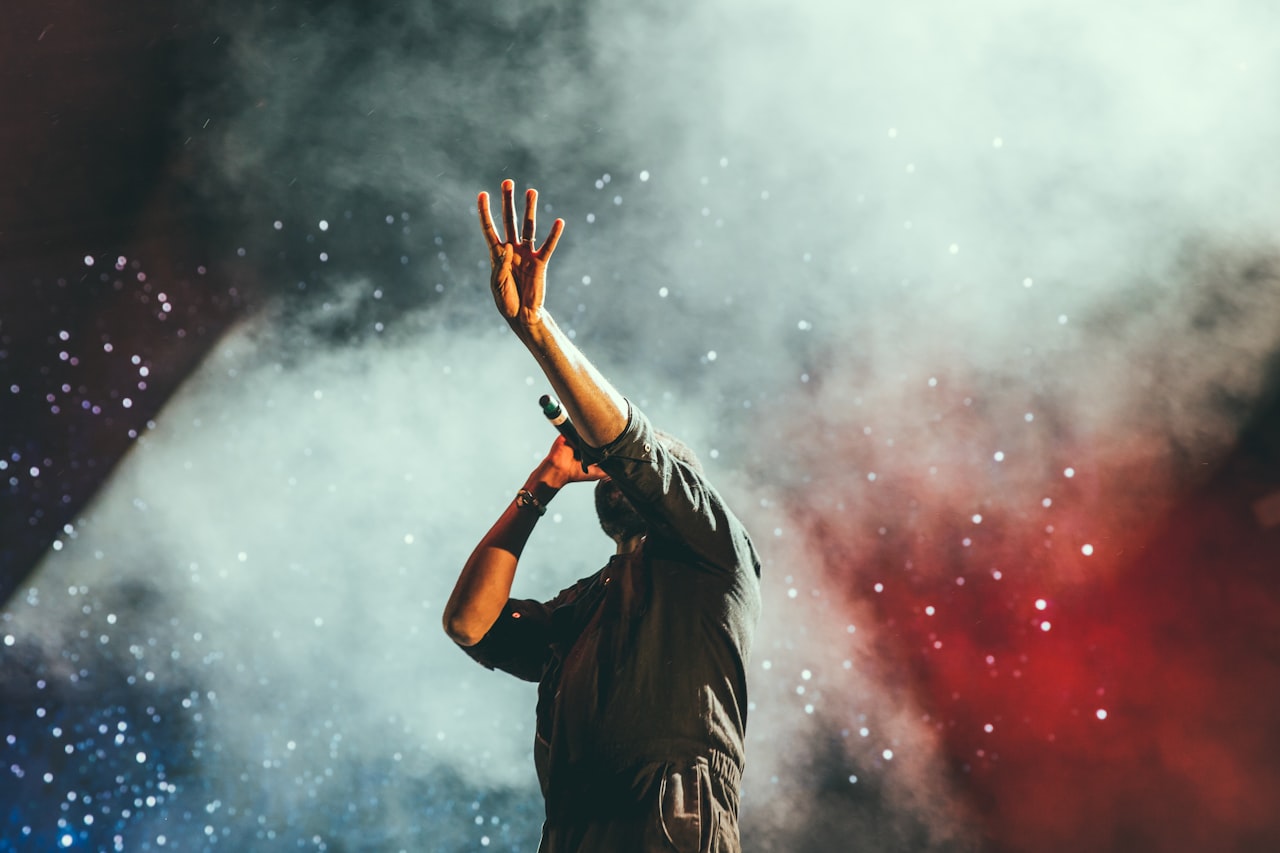
The American South's longest-running anime convention has been meeting in Atlanta every September since 1997. Anime Weekend Atlanta is where the Southeast's anime fandom comes to recognize itself.
Walk the AWA floor on a Thursday night and the energy hits immediately: cosplayers in elaborate handmade builds line the escalators, artist alley tables overflow with original prints and fan art, and the programming halls pulse with AMVs, panel debates, and late-night gaming tournaments that run until 3 AM. The dealers room is legitimately staggering — vintage merchandise, imports, rare figures, and indie creators all packed into a space where you could spend a full day and still miss things. The masquerade on Saturday night is one of the most theatrical cosplay competitions in the country, drawing contestants who have spent months on a single build. AWA moves differently than the mega-cons: it feels less like a trade show and more like a reunion — because for thousands of attendees, it genuinely is.
If you grew up watching anime in the South and never found your people, AWA is the answer. This is not for casual fans who think anime is just Naruto and Dragon Ball. It is for people who obsess over seasonal charts, debate subculture lore, and have a hard drive full of unfinished cosplay plans. First-timers frequently describe AWA as the con that finally felt like home. If you are that person — the one who learned Japanese from subtitles and named a pet after a character — this is worth every flight mile.
Book your hotel at the World Congress Center Marriott before August or it will sell out — AWA attendees treat the hotel block as sacred and it fills months in advance. Badge pickup lines on Thursday afternoon are brutal; opt for pre-registration and arrive before noon. The dealers room has no ATMs inside — bring cash, bring more than you think you need, and budget for at least one impulse figure you did not plan for. The programming schedule releases about six weeks before the event and fills fast; panel rooms cap out, so plan your must-see events 30 minutes early. The loading dock area outside Building C is where the best spontaneous cosplay photo shoots happen after dark.
Anime Weekend Atlanta earns its place on Falkor Nation's Best list because it represents something the large coastal cons cannot replicate: a community that built itself from the ground up, in a region where anime culture had no institutional support, through three decades of showing up. It is the convention that proved the South has always had its own vibrant fan culture — it just needed a room big enough to hold it. AWA 2026 runs November 19-22 at the Georgia World Congress Center, Building C, Atlanta. Tickets available at eventeny.com.
Nov 21 – Dec 6, 2026
0
Los Angeles Convention Center, 120…
The public auto show for the most car-dependent city in America opens at the LA Convention Center in late November. Two weeks, the world's automakers presenting their current thinking to the people who will actually drive it.
Walking the floor of the LA Auto Show is an experience in cultural prediction. The main hall holds every major manufacturer's flagship display — dramatic lighting, minimal staging, vehicles you've read about appearing at full scale for the first time. The concept cars are the centerpiece every year: these are cars that may never be built, designed to show capability rather than sell product. Adjacent to the main floor, Connected Car Expo runs simultaneously, showing the technology that will eventually be embedded in every vehicle. The Dream Drive pavilion offers test drives at select activations. AutoMobility LA (the industry media days in the preceding week) produces most of the announcement news; the public show is where those announcements become tangible.
Is the LA Auto Show worth attending? For car enthusiasts, the answer is straightforwardly yes — the density of new vehicles in one location, with full access and no appointment required, is rare. For casual visitors, the show rewards curiosity: the concept cars are genuinely strange and beautiful in ways that photographs do not capture at full scale. The electric vehicle pavilion (prominent since 2019) gives most major manufacturers' EV lineups the same room, which is the clearest possible illustration of where the industry is in its transition. If you follow the automotive industry in any capacity, the show's first weekend is when most of the experiential reveals happen.
What to know before you go: Tickets are available online and at the door — online saves time at entry. The Convention Center is reachable by Metro (Pico or Convention Center stations). Weekday mornings are the least crowded windows if flexibility exists. The show runs from late November through early December, coinciding with the opening of the holiday retail season in downtown LA — the area is busy beyond the show itself. Family-friendly: the LA Auto Show has historically allowed children under 12 free with an adult. Check the official site for 2026 pricing and hours.
The LA Auto Show is on Falkor's Nation's Best list because it is one of the few annual events in any industry where the most powerful companies in the world put their most ambitious work in a single room and ask the public to react to it. The automotive industry employs more people than any sector in the United States, and the LA show is its most public annual report. Even without buying a car, attending is a way of reading the industry's intentions for the next decade. That kind of cultural intelligence — knowing what the people who design the physical world are thinking about — is exactly what Falkor is built to surface.
From 77th Street down to Herald Square on Thanksgiving morning, two and a half million people line the route. The Macy's Thanksgiving Day Parade has been doing this since 1924.
The parade experience on the ground is unlike watching it on television. The balloons — some 16 giant character balloons representing beloved cultural icons from Snoopy to SpongeBob — tower five to six stories above the crowd and move with an unpredictable, living quality that cameras cannot capture. Broadway performers open each show segment. Marching bands from across the country perform along the 2.5-mile route. The floats are hand-built artworks. The energy of a crowd that lines up before dawn, wrapped in coats and coffee cups, for something they have seen every year since childhood — is genuinely moving in a way that resists irony.
The Macy's Thanksgiving Day Parade is worth attending if you have ever watched it on television and wondered what it would be like to be there. The answer: colder, louder, and more emotionally resonant than you expect. This is one of the rare public events that functions identically for a six-year-old and a sixty-year-old. If you are a New Yorker who has always meant to go and never has: this is the year.
Viewing tips: The best spots are along Central Park West from 72nd to 77th Street — arrive before 7 AM to claim a spot against the barriers. The parade steps off at 8:30 AM and passes any given point by 10 AM. Bring hand warmers, thermos coffee, and folding chairs. Avoid Herald Square — it is the most crowded and worst vantage point despite being the broadcast location. Midtown hotel prices spike 300-500 percent the week of Thanksgiving. Book months in advance or stay in Brooklyn.
The Macy's Thanksgiving Day Parade is on Falkor's Nation's Best because it is America's shared ritual — one of the very few cultural events that generates the same emotional response across demographics, geographies, and generations simultaneously. The parade is free, public, and unreservable. The transaction is not logistical. It is the decision to show up and be present at something that will look the same and feel different every single time.
Dec 2 – Dec 7, 2026
Miami Beach Convention Center, 190…
For one week in December, Miami Beach becomes the most concentrated gathering of contemporary art in the Western Hemisphere. Two hundred and fifty galleries from 30 countries, and a city that builds its entire social calendar around it.
The main fair at the Convention Center is overwhelming in the best sense — galleries from New York, London, Tokyo, and Sao Paulo competing for attention across a space that would hold several football fields. Wynwood's murals and the Design District's boutiques become satellite venues. Opening night parties are invitation-only, but the energy of the week bleeds into every restaurant and hotel lobby in South Beach. This is not a quiet museum experience — it is a city in a specific, charged state of collective attention that happens once a year and then recedes.
Art Basel Miami Beach is worth attending even if you have no intention of buying art. The public programming includes talks, artist installations, and outdoor screenings. The works you encounter — at the main fair, at satellite shows like Untitled, NADA, and Scope — are what the contemporary art world is actively debating in real time. You leave having seen things that will appear in auction records and retrospectives for the next decade. If you care about what art is doing right now, this is where you go to find out.
Secure hotel early — December in Miami Beach is peak season and fair proximity commands a significant premium. The main fair requires a ticket ($50-100 depending on day and time); many satellite fairs are free to enter. RSVP to gallery openings in advance through their own websites. Design District restaurants book weeks out. A car or rideshare is more flexible than relying on the free shuttle. The main fair is most crowded on preview days (Wednesday and Thursday) and thinnest on Sunday when collectors pack their acquisitions.
Art Basel Miami Beach is not just an art fair — it is the annual moment when Miami becomes the creative capital of the Americas for a week. The city absorbs the energy of the global art market and does not quite release it until January. For anyone who builds their year around cultural experiences that expand their sense of what is possible, this belongs on the list. Nation's Best. December in Miami Beach.
Dec 4 – Dec 7, 2026
Pennsylvania Convention Center, 11…
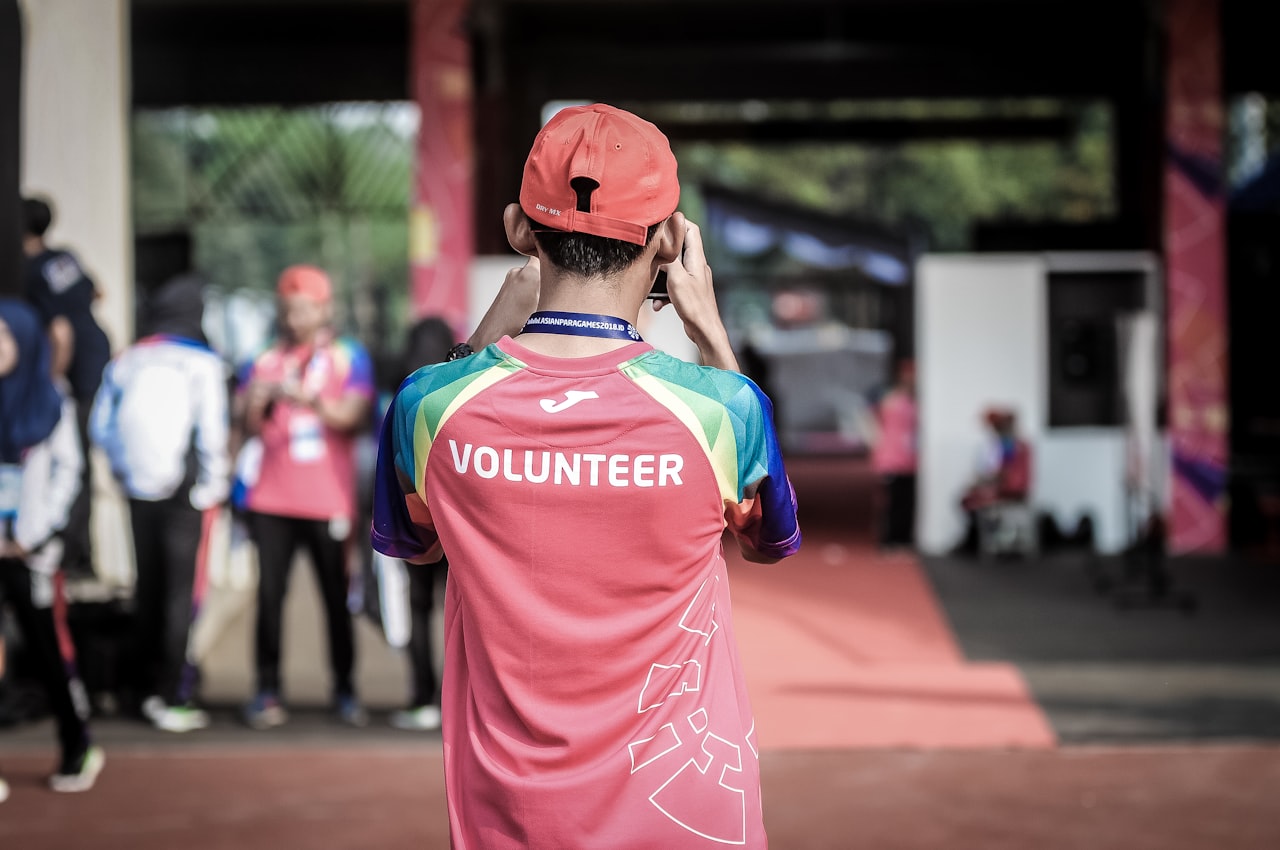
Three days in Philadelphia in December where 40,000 people bring board games, card games, miniatures, and roleplaying campaigns. PAX Unplugged is the largest dedicated tabletop gaming floor in America.
The experience at PAX Unplugged is unlike any other convention on the American calendar. The main show floor stretches across the convention center's enormous exhibit hall — rows of publishers demonstrating unreleased games, free-play libraries with thousands of titles available to check out and bring to any open table, and tournament halls running competitive and casual formats simultaneously. The tabletop RPG hall operates all four days — Dungeon Masters running games, new systems getting their first public playtests. You can sit down at a table with strangers and be deep inside an adventure within ten minutes. The community here is self-selected for exactly this openness: people who came to Philadelphia in December to play games with other people who came to Philadelphia in December to play games.
Worth it? If you play tabletop games in any format — board games with family, Dungeons & Dragons with friends, Magic: The Gathering competitively — PAX Unplugged is the one event that puts everything you care about in one room simultaneously. Publishers premiere new games here first. Designers are on the floor demoing their own creations. Competitive players converge on the same tournament halls. The identity gate is simple: if games played around a table are how you experience community, this is where your community gathers every December.
The Pennsylvania Convention Center connects via enclosed walkway to multiple hotels — booking hotel before registration opens is essential, as nearby properties sell out within hours of badge sales going live. Philadelphia's transit system (SEPTA) provides subway access to the convention center from major neighborhoods and the airport (Airport Line → Center City). Badges sell in tiers; 4-day badges sell fastest. The Library of Games (free-play checkout) has no extra charge — one of the best systems at any convention for trying new titles without commitment. Pack layers; Philadelphia in December is cold, and the convention center's cavernous exhibit hall runs warmer than the streets outside.
PAX Unplugged sits on Falkor's Nation's Best list because it represents a counterculture moment in modern gaming: a space that prioritizes human connection at a table over screens, spectacle, and sales funnels. In an entertainment landscape built around passive consumption, tens of thousands of people travel to Philadelphia each December to play games with each other. The ticket is participation, not observation. Nation's Best. December in Philadelphia.
Dec 4 – Dec 13, 2026
50
Thomas & Mack Center, 4505 S Maryl…
Ten nights in December, Las Vegas, the 15 best cowboys in the world competing for the world championship of professional rodeo. The National Finals Rodeo is the sport's Super Bowl.
NFR is a cultural transport. Walk into the Thomas & Mack Center on any of the ten nights and you're in a room where Western identity is alive and completely unironic — custom Wranglers, hand-tooled boots, championship belt buckles earned on the circuit. The competition is relentless: saddle bronc riding, bareback bronc, bull riding, barrel racing, tie-down roping, team roping, steer wrestling — all at peak professional caliber, all compressed into approximately three hours per night. Between rounds, the city holds more concerts, dances, and trade shows simultaneously than almost any other week on the calendar. The NFR Cowboy Christmas Gift Show runs in parallel — the country's largest Western merchandise and trade show. There is no other week in Las Vegas quite like this one.
NFR is for people who want to witness American craft at its most precise — the six-second bull ride, the sub-10-second barrel racing run, the flawless team roping that takes years of coordination. This is not for people who experience rodeo with any sense of irony. The crowd takes the sport seriously; the athletes have given years of their lives to this. If you've ever been curious about rodeo beyond what a county fair midway offers, the NFR is the answer — this is the pinnacle of the sport.
Buy tickets early via Ticketmaster — NFR sellouts are consistent across all ten nights. The best seats go in the first hours of sale. Las Vegas hotels near the Strip book months in advance for NFR week. If attending multiple nights, consider the Thomas & Mack club level for sight lines. Evening performances begin at 5:45 PM sharp. The NFR Experience venues around Las Vegas (especially the Gold Coast Casino) host free country concerts nightly for the full ten days — check the schedule for performers.
The National Finals Rodeo is on Falkor's Nation's Best list because it's one of those American institutions that most people know exists but have never actually experienced. Western culture is deeply embedded in this country's identity and the NFR is where its highest practitioners compete. The combination of elite athletic competition, Las Vegas's particular hospitality, and a community that travels from every state for this single week creates an atmosphere with no direct comparison. Buy tickets via Ticketmaster. December 3–12, 2026, Thomas & Mack Center, Las Vegas.
Dec 31 – Dec 31, 2026
Times Square, 1 Times Square, New …
A million people in a forty-block radius, midnight, New York. The ball has been dropping since 1907. None of this needs explanation — but being there once does.
Times Square on New Year's Eve operates as organized chaos at maximum human scale. Streets close to vehicle traffic by mid-afternoon, and people begin staking viewing positions hours before midnight. The ball itself is 12 feet in diameter, weighs nearly 12,000 pounds, and is covered in 2,688 Waterford crystal triangles illuminated by LED lights. The confetti that fills the air at midnight is printed with handwritten wishes submitted by people from around the world in advance — a detail most people discover after they have already felt it fall on them. NYPD maintains sector-by-sector crowd control; once you are inside a viewing zone, you remain in it until after midnight.
Times Square NYE is worth attending if you have never been and want to see what a city looks and sounds like at its most collectively alive. It is explicitly not worth attending if you require warmth, freedom of movement, or reliable access to food and restrooms during a five-to-six-hour wait. New Yorkers largely skip it. Visitors from everywhere else largely cannot fully explain why they needed to do it. This is the event most accurately described as a once-in-a-lifetime experience — attended once because it is the thing, not repeatedly because it is comfortable.
Viewing zones open around 3 PM and fill progressively from the stage outward — arrive by early afternoon for a position with a direct sightline to the ball. Bathrooms are extremely scarce and lines are very long; plan well in advance. Alcohol is prohibited in the public viewing areas. Dress for 25 to 35 degree Fahrenheit temperatures with wind. Bring hand warmers and multiple layers. Your phone will likely not work for the first hour of 2027 as every carrier network in Manhattan reaches simultaneous saturation. Hotels within walking distance book out months in advance.
The Times Square ball drop is a cultural moment that predates television, radio, and the internet. The ritual is so embedded in the American calendar that experiencing it in person feels optional — until you are standing in a street you have seen a thousand times on screens, surrounded by a million people counting down together in the cold. That moment is not available on any stream. Nation's Best. December 31st, One Times Square.
Jan 6 – Jan 9, 2027
Las Vegas Convention Center, 3150 …
Every January, Las Vegas hosts the most consequential product announcements in American technology — not because of what you buy there, but because of what you learn is coming.
The experience is unlike any trade show you've attended. Spread across 2.6 million square feet of floor space -- the Convention Center, Venetian Expo, and satellite hotel venues across the Strip -- CES is less a conference than a city inside a city. Entire halls are dedicated to automotive technology, health tech, immersive entertainment, robotics, and AI hardware. Keynote stages host the CEOs of Samsung, Sony, Nvidia, and Intel. The demo floors are where prototypes become real. You will see things that don't exist for sale yet -- and six months later, you'll recognize them in stores. That preview feeling, that sense of "I already knew about this," is what brings people back year after year.
Is CES worth going to? If you have any curiosity about where technology is heading, yes -- unambiguously. CES is not for people who want to buy things. It is for people who want to understand what's being built. If your frame is "I already know what I like," CES will feel overwhelming. If your frame is "I want to know what I don't know yet," CES will feel like electricity. Plan for 25,000 steps per day. Wear the most comfortable shoes you own.
Before you go: register early -- attendee badges are required and pricing increases as the show approaches. Download the CES app and pre-plan your exhibitor list by hall and day. The Las Vegas Convention Center's underground Loop connects buildings but lines build up fast -- walking is often faster. Stay on the north end of the Strip near the LVCC to minimize transit time. The South Hall eats first-day schedules; plan it for day two or three.
CES is on Falkor's Nation's Best list because it is one of the few events where attending changes what you think is possible. Most cultural events reflect the world as it is. CES previews the world as it is being redesigned. The exhibitors are not selling products -- they are proposing futures. Every year, a handful of those proposals become the devices in your pocket two years later. Attending -- even once -- rewires your sense of what "soon" means.
For the first time in its history, Sundance Film Festival leaves Park City. The 2027 edition lands in Boulder, Colorado — eleven days of independent film premieres, January 21–31.
What Sundance does is give independent films their moment. The films that premiere here — often made outside the studio system, often by first-time directors, often about subjects the mainstream industry wouldn't greenlight — go on to define what American film culture talks about for the next year. Past Sundance premieres include some of the most significant films of the past three decades. The festival is where independent cinema takes its place in the culture, where distributors compete to acquire films that will define the awards season, and where filmmakers at the beginning of their careers are suddenly everywhere.
Sundance is worth attending even if you only see two or three films. The festival atmosphere — the conversations in line, the post-screening Q&As, the sense of being among people who came specifically to take film seriously — is unlike any other cultural experience in America. The film-going is the occasion; the community is the point. Boulder's arts infrastructure, university energy, and mountain setting give the 2027 edition a character that Park City, for all its charm, couldn't replicate.
January in Boulder means cold, snow-likely conditions — serious winter gear is required. The venue network will span Boulder's historic downtown, with film screenings at theaters, university venues, and purpose-built festival spaces. The Sundance website is the authoritative source for pass types and purchase timing — passes sell out quickly after initial presale announcements, which typically begin six months before the festival.
Sundance 2027 earns its place on Falkor's Nation's Best list because independent film is where American culture tells its own truth — unsponsored, unfranchised, made by someone with something to say and the stubbornness to say it on their own terms. The move to Boulder is the kind of institutional reinvention that doesn't happen often. Whether you attend or follow the Sundance conversation from home, knowing what premiered there tells you what American cinema is trying to become. Passes and tickets available at festival.sundance.org.
The Super Bowl has come to Los Angeles before. It has never come to SoFi. That changes February 7, 2027 — at the half-billion-dollar stadium that opened in 2020 and changed what a modern NFL venue can look like: translucent canopy, open-air California design, Hollywood Park campus surrounding it.
What Super Bowl week in Los Angeles looks and feels like is unlike any other sporting event on the calendar. The week before the game, Radio Row draws every media personality with a microphone. The NFL Experience fan festival opens to the public at the Convention Center. Celebrity parties are announced and cancelled and announced again. The halftime show rehearsals happen under tight security at the stadium while the surrounding streets fill with brand activations, pop-ups, and spontaneous gatherings of fans who couldn't get tickets but wanted to be near the thing. Los Angeles absorbs the Super Bowl differently than Nashville or Minneapolis — the entertainment industry and sports culture overlap here in a way that produces genuine energy rather than manufactured excitement.
Is the Super Bowl worth attending in person? If you have the means and the access, the answer is yes, but the experience is as much about the week as the game. Super Bowl tickets are among the most expensive in sports, and the seat you occupy at game time may matter less than the four days of surrounding events, parties, and city energy that build toward kickoff. For the majority of people who will experience Super Bowl LXI from Los Angeles without attending the game, the city itself becomes a venue. Watch parties at venues across SoCal will be among the most concentrated social events of the year.
What to know: Tickets sell through the NFL and Ticketmaster — secondary market prices will be extreme. The SoFi Stadium campus includes a performance venue (YouTube Theater), a casino (Inglewood), and hotel development in progress; the entertainment zone around the stadium is walkable and dense. Metro's C Line (Green) stops at Hawthorne/Lennox, about a 20-minute walk from SoFi. Parking is limited and expensive; transit from LAX is the recommended option for most attendees. The week's best experiences are often free — Radio Row, fan zones, and the energy of the city.
Super Bowl LXI is on Falkor's Nation's Best list for one reason: it is the largest single-day American cultural event, and in 2027 it comes to Los Angeles. The convergence of the NFL, Hollywood, the music industry (halftime show), and the national media in one city for one weekend creates a cultural moment that extends far beyond the game. Knowing about it, knowing what week to plan around it, knowing the venue and the city — that is the preparation that turns an ordinary February into the right February.
Feb 9 – Feb 16, 2027
0
French Quarter and parade routes, …
New Orleans lives for this. Fat Tuesday is the peak, but the buildup runs two weeks — parades rolling through neighborhoods, krewes throwing from floats, a city rehearsing the same ritual it has been rehearsing since before Louisiana was a state.
What Mardi Gras in New Orleans feels like is impossible to adequately describe and worth attempting anyway. The parades are not the background to the event — they are the event. Krewes that have been parading since the 1850s roll elaborate floats through the city's streets for two weeks, throwing beads, doubloons, shoes, plush toys, and decorated cups to the crowds that line the routes. The music does not stop. Every bar on Frenchmen Street has a live band; the French Quarter is uninhabitable in the best possible sense; the neighborhoods of Uptown, Mid-City, and Treme have their own parade routes and their own crowds and their own relationship to the season. Mardi Gras is not one party. It is an entire city operating as a city-sized party for two weeks.
Is Mardi Gras worth attending? The honest answer: it depends on which Mardi Gras you attend. The French Quarter on Fat Tuesday night is genuinely overwhelming and not for everyone. But the family-friendly neighborhood parades on the two weekends before Fat Tuesday — particularly Endymion, Bacchus, Orpheus, and Zulu — are accessible, joyful, and the reason New Orleans locals are in their front yards with barbecue grills and ladders for children. If your version of Mardi Gras is the beads-and-balcony image from every movie, you can find that. If your version is 200,000 people watching a parade route that has been running for 140 years while a brass band plays from a truck behind the floats — that is also available, and it is spectacular.
What to know before you go: Book accommodation 3-6 months in advance — New Orleans hotels during Mardi Gras are among the most in-demand in the country. Fly into MSY (Louis Armstrong New Orleans International). The streetcar and walking are the most reliable transportation during peak parade days — driving is effectively impossible on parade routes. The best parades are in the days before Fat Tuesday, not on Fat Tuesday itself. Eat at local restaurants before 8pm; popular spots fill. Rex and Zulu (Fat Tuesday morning/midday) are the signature daytime parades. The Krewe of Barkus (dog parade) is what Frenchmen Street sounds like distilled into one block.
Mardi Gras is on Falkor's Nation's Best list because it is the rarest kind of event: a tradition that has survived, adapted, and grown more itself over 300 years in a single city. The music, the food, the social structure of the krewes, the rhythm of the season — none of it was designed. It evolved in a city where the culture was strong enough to hold it. Knowing about Mardi Gras, knowing which weekend to attend, which parades to watch, which neighborhoods to be in — that is the intelligence that turns a flight to New Orleans in February from a trip into an experience. The affiliate click is the receipt. Discovery is the point.
There's more here for you.
Falkor finds the events matched to your exact taste — not just what's popular.