Sun, May 30
🌎 Nation's Best
Indianapolis 500 2027 — Indianapolis, IN
The Indianapolis 500 is the largest single-day spectator sporting event in the world, held at the Indianapolis Motor Speedway on the Sunday of Memorial Day weekend. The 111th running is May 30, 2027. Roughly 300,000 people fit inside the grounds — a number that stops being an abstraction the moment you walk through the tunnel under the track and see it.
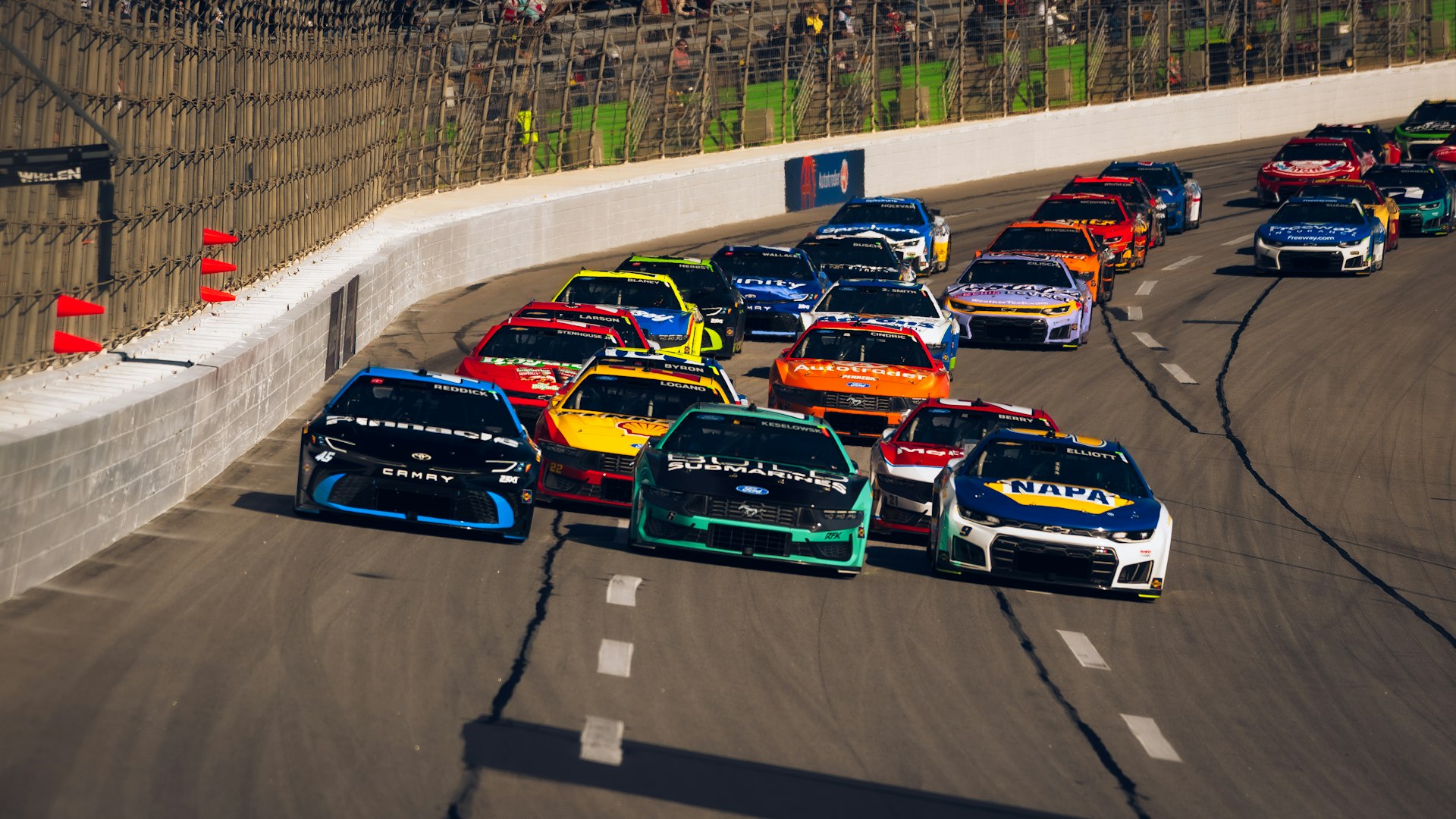
The sensory fact nobody prepares you for is the sound. Thirty-three cars at full throttle on a two-and-a-half-mile oval produce a noise that arrives as physical pressure, and it comes around again every forty seconds for three hours. Veterans wear real ear protection, not foam. The other thing is the scale of the infield, which contains its own economy — people who have occupied the same patch of grass with the same families for three generations and have no particular interest in the race standings. Race morning starts before dawn with a cannon, and by the time the field takes the green flag the crowd has already been awake for six hours singing along to a song about Indiana.
Worth it? Yes, and specifically for people who do not follow motorsport. IndyCar's television audience is modest; the Indy 500's live attendance is enormous, and the gap between those two numbers is the whole point. This is a civic ritual wearing a sporting event's clothes. It is not for someone looking for close wheel-to-wheel racing every lap — much of the race is strategy and fuel management. It is for someone who wants to stand inside something genuinely, unfashionably American that has run since 1911.
Before you go: the Snake Pit and the grandstands are entirely different experiences, and the infield general admission ticket does not give you a real view of racing. Buy a seat if you want to watch; buy infield if you want the party. Bring sunscreen, because there is almost no shade and the race runs through the hottest part of the day. Traffic out afterward is famously immovable — plan to stay two hours after the checkered flag rather than sit in it. The traditional bottle of milk in victory lane is not a marketing invention; it dates to 1936 and drivers still ask for their preferred fat percentage.
It earns its place here because it is a hundred-year-old ritual that a third of a million people still show up for in person, in an era when almost nothing gets that. Knowing it exists changes your mental map of the country slightly.
Green flag falls just before one in the afternoon on Sunday, May 30, 2027.
The Indianapolis 500 is the largest single-day spectator sporting event in the world, held at the Indianapolis Motor Speedway on the Sunday of Memorial Day weekend. The 111th running is May 30, 2027. Roughly 300,000 people fit inside the grounds — a number that stops being an abstraction the moment you walk through the tunnel under the track and see it.
The sensory fact nobody prepares you for is the sound. Thirty-three cars at full throttle on a two-and-a-half-mile oval produce a noise that arrives as physical pressure, and it comes around again every forty seconds for three hours. Veterans wear real ear protection, not foam. The other thing is the scale of the infield, which contains its own economy — people who have occupied the same patch of grass with the same families for three generations and have no particular interest in the race standings. Race morning starts before dawn with a cannon, and by the time the field takes the green flag the crowd has already been awake for six hours singing along to a song about Indiana.
Worth it? Yes, and specifically for people who do not follow motorsport. IndyCar's television audience is modest; the Indy 500's live attendance is enormous, and the gap between those two numbers is the whole point. This is a civic ritual wearing a sporting event's clothes. It is not for someone looking for close wheel-to-wheel racing every lap — much of the race is strategy and fuel management. It is for someone who wants to stand inside something genuinely, unfashionably American that has run since 1911.
Before you go: the Snake Pit and the grandstands are entirely different experiences, and the infield general admission ticket does not give you a real view of racing. Buy a seat if you want to watch; buy infield if you want the party. Bring sunscreen, because there is almost no shade and the race runs through the hottest part of the day. Traffic out afterward is famously immovable — plan to stay two hours after the checkered flag rather than sit in it. The traditional bottle of milk in victory lane is not a marketing invention; it dates to 1936 and drivers still ask for their preferred fat percentage.
It earns its place here because it is a hundred-year-old ritual that a third of a million people still show up for in person, in an era when almost nothing gets that. Knowing it exists changes your mental map of the country slightly.
Green flag falls just before one in the afternoon on Sunday, May 30, 2027.
The sensory fact nobody prepares you for is the sound. Thirty-three cars at full throttle on a two-and-a-half-mile oval produce a noise that arrives as physical pressure, and it comes around again every forty seconds for three hours. Veterans wear real ear protection, not foam. The other thing is the scale of the infield, which contains its own economy — people who have occupied the same patch of grass with the same families for three generations and have no particular interest in the race standings. Race morning starts before dawn with a cannon, and by the time the field takes the green flag the crowd has already been awake for six hours singing along to a song about Indiana.
Worth it? Yes, and specifically for people who do not follow motorsport. IndyCar's television audience is modest; the Indy 500's live attendance is enormous, and the gap between those two numbers is the whole point. This is a civic ritual wearing a sporting event's clothes. It is not for someone looking for close wheel-to-wheel racing every lap — much of the race is strategy and fuel management. It is for someone who wants to stand inside something genuinely, unfashionably American that has run since 1911.
Before you go: the Snake Pit and the grandstands are entirely different experiences, and the infield general admission ticket does not give you a real view of racing. Buy a seat if you want to watch; buy infield if you want the party. Bring sunscreen, because there is almost no shade and the race runs through the hottest part of the day. Traffic out afterward is famously immovable — plan to stay two hours after the checkered flag rather than sit in it. The traditional bottle of milk in victory lane is not a marketing invention; it dates to 1936 and drivers still ask for their preferred fat percentage.
It earns its place here because it is a hundred-year-old ritual that a third of a million people still show up for in person, in an era when almost nothing gets that. Knowing it exists changes your mental map of the country slightly.
Green flag falls just before one in the afternoon on Sunday, May 30, 2027.
About this event
Details
Posts
Coming Soon
23 Gathering
13,637 exploring this week
·
1,134 upcoming in SoCal
Indianapolis 500 2027 — Indianapolis, IN
Going? You can check in after it ends.
Sunday, May 30, 2027
12:45 PM EDT – 3:45 PM EDT
Happens once a year
You found this. Be the first one here.
Join →
23 Gathering
About
The Indianapolis 500 is the largest single-day spectator sporting event in the world, held at the Indianapolis Motor Speedway on the Sunday of Memorial Day weekend. The 111th running is May 30, 2027. Roughly 300,000 people fit inside the grounds — a number that stops being an abstraction the moment you walk through the tunnel under the track and see it.
The sensory fact nobody prepares you for is the sound. Thirty-three cars at full throttle on a two-and-a-half-mile oval produce a noise that arrives as physical pressure, and it comes around again every forty seconds for three hours. Veterans wear real ear protection, not foam. The other thing is the scale of the infield, which contains its own economy — people who have occupied the same patch of grass with the same families for three generations and have no particular interest in the race standings. Race morning starts before dawn with a cannon, and by the time the field takes the green flag the crowd has already been awake for six hours singing along to a song about Indiana.
Worth it? Yes, and specifically for people who do not follow motorsport. IndyCar's television audience is modest; the Indy 500's live attendance is enormous, and the gap between those two numbers is the whole point. This is a civic ritual wearing a sporting event's clothes. It is not for someone looking for close wheel-to-wheel racing every lap — much of the race is strategy and fuel management. It is for someone who wants to stand inside something genuinely, unfashionably American that has run since 1911.
Before you go: the Snake Pit and the grandstands are entirely different experiences, and the infield general admission ticket does not give you a real view of racing. Buy a seat if you want to watch; buy infield if you want the party. Bring sunscreen, because there is almost no shade and the race runs through the hottest part of the day. Traffic out afterward is famously immovable — plan to stay two hours after the checkered flag rather than sit in it. The traditional bottle of milk in victory lane is not a marketing invention; it dates to 1936 and drivers still ask for their preferred fat percentage.
It earns its place here because it is a hundred-year-old ritual that a third of a million people still show up for in person, in an era when almost nothing gets that. Knowing it exists changes your mental map of the country slightly.
Green flag falls just before one in the afternoon on Sunday, May 30, 2027.
The sensory fact nobody prepares you for is the sound. Thirty-three cars at full throttle on a two-and-a-half-mile oval produce a noise that arrives as physical pressure, and it comes around again every forty seconds for three hours. Veterans wear real ear protection, not foam. The other thing is the scale of the infield, which contains its own economy — people who have occupied the same patch of grass with the same families for three generations and have no particular interest in the race standings. Race morning starts before dawn with a cannon, and by the time the field takes the green flag the crowd has already been awake for six hours singing along to a song about Indiana.
Worth it? Yes, and specifically for people who do not follow motorsport. IndyCar's television audience is modest; the Indy 500's live attendance is enormous, and the gap between those two numbers is the whole point. This is a civic ritual wearing a sporting event's clothes. It is not for someone looking for close wheel-to-wheel racing every lap — much of the race is strategy and fuel management. It is for someone who wants to stand inside something genuinely, unfashionably American that has run since 1911.
Before you go: the Snake Pit and the grandstands are entirely different experiences, and the infield general admission ticket does not give you a real view of racing. Buy a seat if you want to watch; buy infield if you want the party. Bring sunscreen, because there is almost no shade and the race runs through the hottest part of the day. Traffic out afterward is famously immovable — plan to stay two hours after the checkered flag rather than sit in it. The traditional bottle of milk in victory lane is not a marketing invention; it dates to 1936 and drivers still ask for their preferred fat percentage.
It earns its place here because it is a hundred-year-old ritual that a third of a million people still show up for in person, in an era when almost nothing gets that. Knowing it exists changes your mental map of the country slightly.
Green flag falls just before one in the afternoon on Sunday, May 30, 2027.
23 people have found this event.
Your audience is already here. See exactly who found you.
I'm the one behind this →
You found your people.
They didn't know each other before Falkor either.
Export to Calendar
+62% shares · +4% members this month