Fri, Oct 23
🌎 Nation's Best
Muertos Fest 2026 at Hemisfair — San Antonio, TX
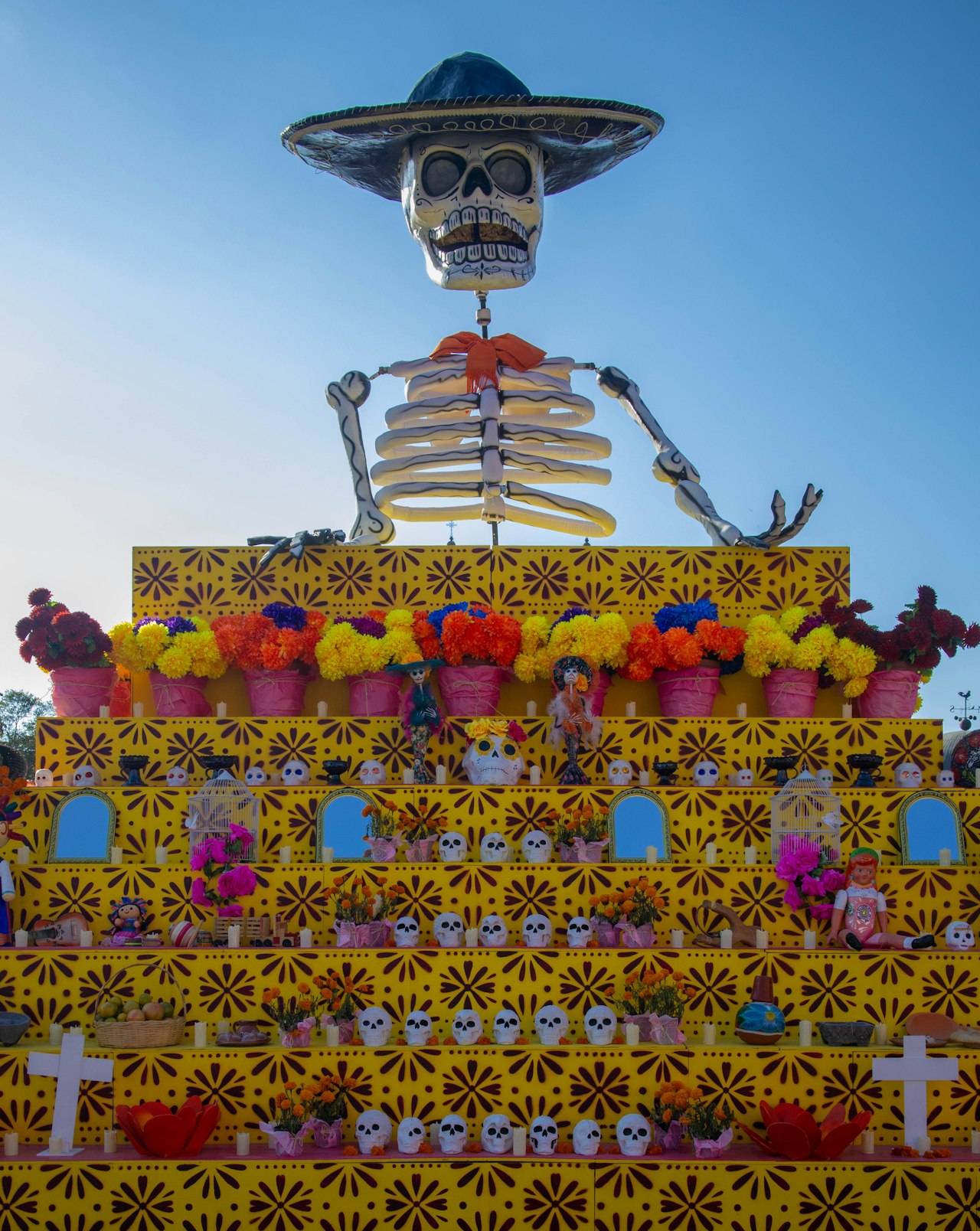
In San Antonio, the dead do not stay quiet. They come back every October, invited by marigolds and mezcal and ninety handmade altars that fill Hemisfair with the kind of color that makes you forget what century you are in.
Muertos Fest is the largest Day of the Dead celebration in the nation, and it does not feel like a festival — it feels like a family reunion where the guest list includes people who are no longer alive. Over three days, the park transforms into a living altar: two separate processions wind through streets lined with papel picado, four stages carry live music from cumbia to corridos, and the Muertos Mercado sells folk art from artisans who learned their craft from the same people honored on the altars. Friday night opens with Presente, an evening of quiet altar viewing with sensory-friendly hours from five to seven — the softest entry point imaginable.
This is not tourism. This is a city that has celebrated its dead openly for longer than most American cities have existed. San Antonio's Dia de los Muertos tradition is not borrowed or curated — it is inherited, and Muertos Fest is the room where that inheritance goes public. The processions are not performances — they are prayers in motion, and the crowd joins them naturally because the boundary between audience and participant was never drawn. The altars are not decoration — each one is a conversation with someone who is gone, built by someone who is not ready to stop talking.
When the sun goes down on Saturday night and the music is playing across four stages and the marigold petals are everywhere and the faces in the crowd are painted like skulls but laughing — that is when you understand why this is the largest celebration of its kind in the country. It earned that distinction not by being the biggest, but by being the most real.
October 23-25, 2026. Hemisfair, 434 S Alamo St, San Antonio, TX 78205. Free admission, all ages.
In San Antonio, the dead do not stay quiet. They come back every October, invited by marigolds and mezcal and ninety handmade altars that fill Hemisfair with the kind of color that makes you forget what century you are in.
Muertos Fest is the largest Day of the Dead celebration in the nation, and it does not feel like a festival — it feels like a family reunion where the guest list includes people who are no longer alive. Over three days, the park transforms into a living altar: two separate processions wind through streets lined with papel picado, four stages carry live music from cumbia to corridos, and the Muertos Mercado sells folk art from artisans who learned their craft from the same people honored on the altars. Friday night opens with Presente, an evening of quiet altar viewing with sensory-friendly hours from five to seven — the softest entry point imaginable.
This is not tourism. This is a city that has celebrated its dead openly for longer than most American cities have existed. San Antonio's Dia de los Muertos tradition is not borrowed or curated — it is inherited, and Muertos Fest is the room where that inheritance goes public. The processions are not performances — they are prayers in motion, and the crowd joins them naturally because the boundary between audience and participant was never drawn. The altars are not decoration — each one is a conversation with someone who is gone, built by someone who is not ready to stop talking.
When the sun goes down on Saturday night and the music is playing across four stages and the marigold petals are everywhere and the faces in the crowd are painted like skulls but laughing — that is when you understand why this is the largest celebration of its kind in the country. It earned that distinction not by being the biggest, but by being the most real.
October 23-25, 2026. Hemisfair, 434 S Alamo St, San Antonio, TX 78205. Free admission, all ages.
Muertos Fest is the largest Day of the Dead celebration in the nation, and it does not feel like a festival — it feels like a family reunion where the guest list includes people who are no longer alive. Over three days, the park transforms into a living altar: two separate processions wind through streets lined with papel picado, four stages carry live music from cumbia to corridos, and the Muertos Mercado sells folk art from artisans who learned their craft from the same people honored on the altars. Friday night opens with Presente, an evening of quiet altar viewing with sensory-friendly hours from five to seven — the softest entry point imaginable.
This is not tourism. This is a city that has celebrated its dead openly for longer than most American cities have existed. San Antonio's Dia de los Muertos tradition is not borrowed or curated — it is inherited, and Muertos Fest is the room where that inheritance goes public. The processions are not performances — they are prayers in motion, and the crowd joins them naturally because the boundary between audience and participant was never drawn. The altars are not decoration — each one is a conversation with someone who is gone, built by someone who is not ready to stop talking.
When the sun goes down on Saturday night and the music is playing across four stages and the marigold petals are everywhere and the faces in the crowd are painted like skulls but laughing — that is when you understand why this is the largest celebration of its kind in the country. It earned that distinction not by being the biggest, but by being the most real.
October 23-25, 2026. Hemisfair, 434 S Alamo St, San Antonio, TX 78205. Free admission, all ages.
About this event
Details
Posts
Coming Soon
3,235 exploring this week
·
1,151 upcoming in SoCal
Muertos Fest 2026 at Hemisfair — San Antonio, TX
Going? You can check in after it ends.
Friday, October 23, 2026
5:00 PM PDT – 8:00 PM PDT
· until Oct 25, 2026
You found this. Be the first one here.
Join →
3 Gathering · 1 person checked tickets
About
In San Antonio, the dead do not stay quiet. They come back every October, invited by marigolds and mezcal and ninety handmade altars that fill Hemisfair with the kind of color that makes you forget what century you are in.
Muertos Fest is the largest Day of the Dead celebration in the nation, and it does not feel like a festival — it feels like a family reunion where the guest list includes people who are no longer alive. Over three days, the park transforms into a living altar: two separate processions wind through streets lined with papel picado, four stages carry live music from cumbia to corridos, and the Muertos Mercado sells folk art from artisans who learned their craft from the same people honored on the altars. Friday night opens with Presente, an evening of quiet altar viewing with sensory-friendly hours from five to seven — the softest entry point imaginable.
This is not tourism. This is a city that has celebrated its dead openly for longer than most American cities have existed. San Antonio's Dia de los Muertos tradition is not borrowed or curated — it is inherited, and Muertos Fest is the room where that inheritance goes public. The processions are not performances — they are prayers in motion, and the crowd joins them naturally because the boundary between audience and participant was never drawn. The altars are not decoration — each one is a conversation with someone who is gone, built by someone who is not ready to stop talking.
When the sun goes down on Saturday night and the music is playing across four stages and the marigold petals are everywhere and the faces in the crowd are painted like skulls but laughing — that is when you understand why this is the largest celebration of its kind in the country. It earned that distinction not by being the biggest, but by being the most real.
October 23-25, 2026. Hemisfair, 434 S Alamo St, San Antonio, TX 78205. Free admission, all ages.
Muertos Fest is the largest Day of the Dead celebration in the nation, and it does not feel like a festival — it feels like a family reunion where the guest list includes people who are no longer alive. Over three days, the park transforms into a living altar: two separate processions wind through streets lined with papel picado, four stages carry live music from cumbia to corridos, and the Muertos Mercado sells folk art from artisans who learned their craft from the same people honored on the altars. Friday night opens with Presente, an evening of quiet altar viewing with sensory-friendly hours from five to seven — the softest entry point imaginable.
This is not tourism. This is a city that has celebrated its dead openly for longer than most American cities have existed. San Antonio's Dia de los Muertos tradition is not borrowed or curated — it is inherited, and Muertos Fest is the room where that inheritance goes public. The processions are not performances — they are prayers in motion, and the crowd joins them naturally because the boundary between audience and participant was never drawn. The altars are not decoration — each one is a conversation with someone who is gone, built by someone who is not ready to stop talking.
When the sun goes down on Saturday night and the music is playing across four stages and the marigold petals are everywhere and the faces in the crowd are painted like skulls but laughing — that is when you understand why this is the largest celebration of its kind in the country. It earned that distinction not by being the biggest, but by being the most real.
October 23-25, 2026. Hemisfair, 434 S Alamo St, San Antonio, TX 78205. Free admission, all ages.
You found your people.
They didn't know each other before Falkor either.
Add to Calendar
11 shares · +9% members this month