Tue, Oct 6
Laleh Khadivi w/ Edan Lepucki, "Female Life on Planet Earth"
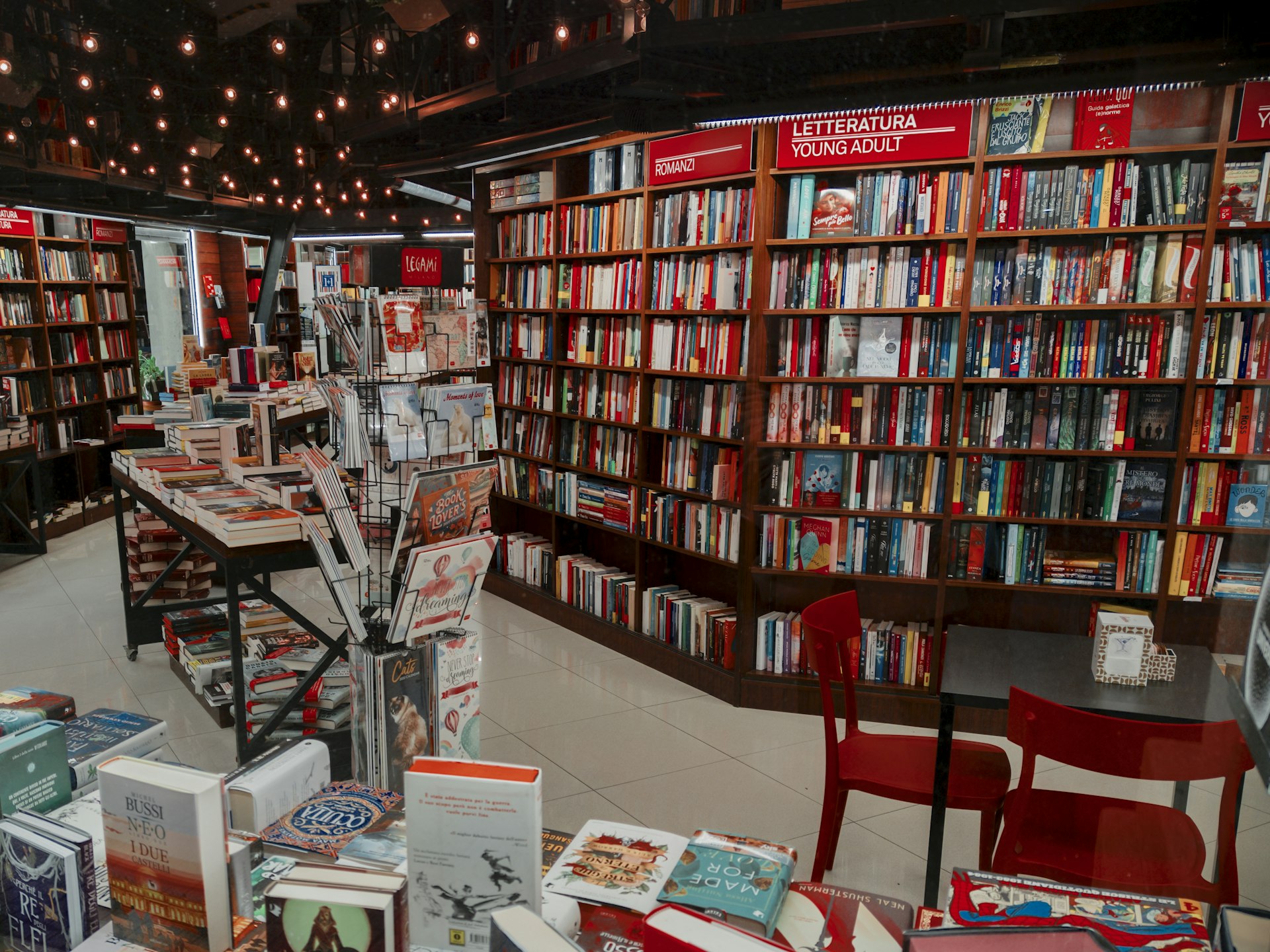
Somewhere in a drawer you still have the notebook where you tried to explain yourself to yourself, and the sentences all came out sounding like someone else's. That gap between the life being lived and the language available to describe it is the whole subject of this night. Khadivi writes about women who are watched constantly and understood almost never, and she writes it in prose that refuses to make the watching comfortable. Lepucki is the right person across from her: a novelist who built her own career on the domestic detail nobody else thought worth recording. What happens in the back room at Skylight is not a reading in the dutiful sense. The authors talk, then the audience talks, and the questions go somewhere unguarded because only about forty folding chairs fit back there and everyone can see everyone. The regulars know to come early and sit near the poetry section, where the store cat has been known to settle on a stack of unsold hardcovers mid-sentence. Free, though they ask you to RSVP so they know how many chairs to unfold. Doors at seven on a Tuesday, which is the night this city has the least to offer.
Somewhere in a drawer you still have the notebook where you tried to explain yourself to yourself, and the sentences all came out sounding like someone else's. That gap between the life being lived and the language available to describe it is the whole subject of this night. Khadivi writes about women who are watched constantly and understood almost never, and she writes it in prose that refuses to make the watching comfortable. Lepucki is the right person across from her: a novelist who built her own career on the domestic detail nobody else thought worth recording. What happens in the back room at Skylight is not a reading in the dutiful sense. The authors talk, then the audience talks, and the questions go somewhere unguarded because only about forty folding chairs fit back there and everyone can see everyone. The regulars know to come early and sit near the poetry section, where the store cat has been known to settle on a stack of unsold hardcovers mid-sentence. Free, though they ask you to RSVP so they know how many chairs to unfold. Doors at seven on a Tuesday, which is the night this city has the least to offer.
About this event
Details
Posts
Coming Soon
3,904 exploring this week
·
1,087 upcoming in SoCal
Laleh Khadivi w/ Edan Lepucki, "Female Life on Planet Earth"
Going? You can check in after it ends.
In 3 days ·
Tuesday, October 6, 2026
7:00 PM PDT – 10:00 PM PDT
Free (RSVP)
You found this. Be the first one here.
Join →
About
Somewhere in a drawer you still have the notebook where you tried to explain yourself to yourself, and the sentences all came out sounding like someone else's. That gap between the life being lived and the language available to describe it is the whole subject of this night. Khadivi writes about women who are watched constantly and understood almost never, and she writes it in prose that refuses to make the watching comfortable. Lepucki is the right person across from her: a novelist who built her own career on the domestic detail nobody else thought worth recording. What happens in the back room at Skylight is not a reading in the dutiful sense. The authors talk, then the audience talks, and the questions go somewhere unguarded because only about forty folding chairs fit back there and everyone can see everyone. The regulars know to come early and sit near the poetry section, where the store cat has been known to settle on a stack of unsold hardcovers mid-sentence. Free, though they ask you to RSVP so they know how many chairs to unfold. Doors at seven on a Tuesday, which is the night this city has the least to offer.
You found this before it happened.
That's not a coincidence.
Add to Calendar
+75% shares · +6% members this month