Thu, Jun 24
🌎 Nation's Best
Summerfest 2027 - Milwaukee, WI
Nobody outside the Midwest quite believes the numbers. Three weekends, a permanent lakefront grounds built for nothing else, a dozen stages running simultaneously, and a gate price that has historically cost less than a single arena seat anywhere else in the country.
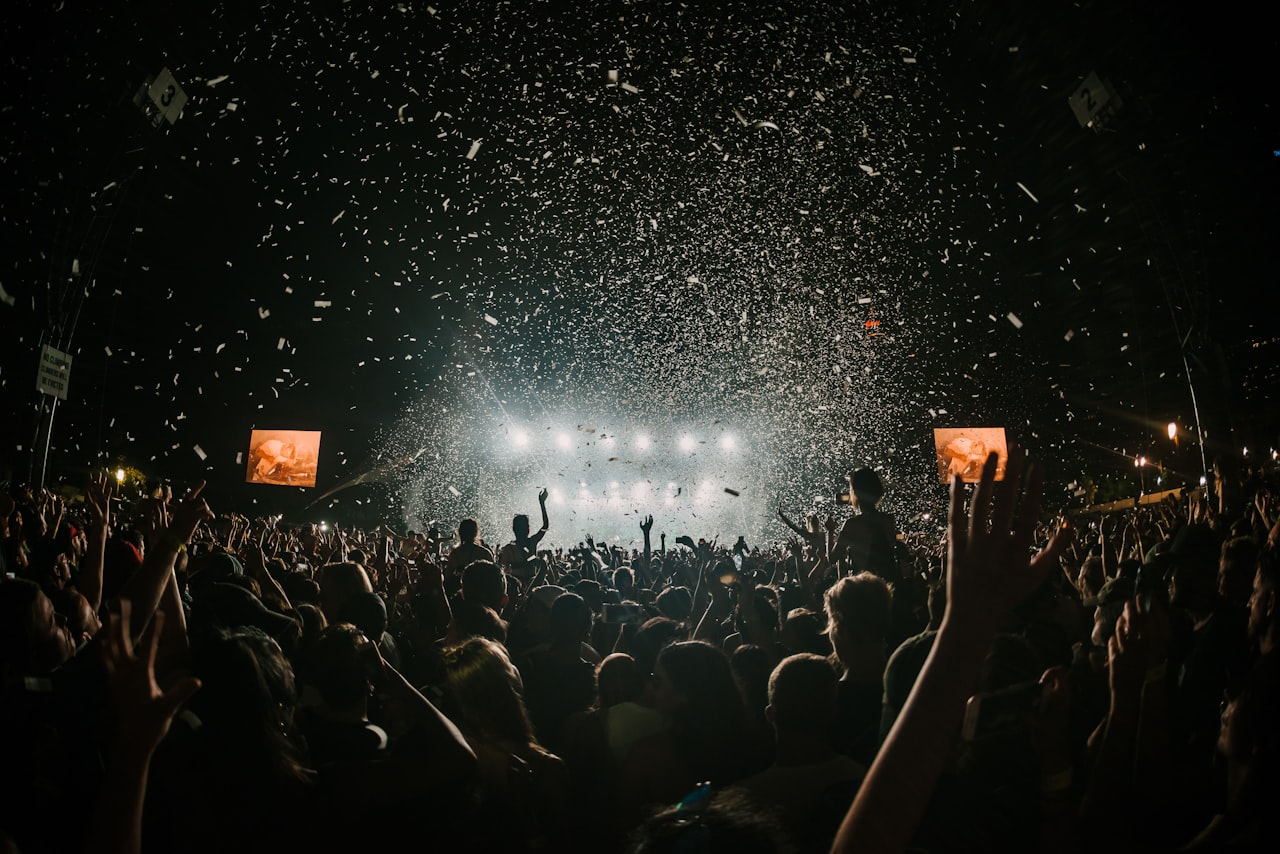
Summerfest has been recognised as the largest music festival in the world, and the genuinely strange thing about it is that it is not a destination festival in the Coachella sense at all. It is municipal. Milwaukee built Henry Maier Festival Park specifically to hold it, the grounds sit directly on Lake Michigan, and for most of the city this is simply what happens in summer. People go after work. They go on a Tuesday, alone, for two hours. There are families who have gone every year for three generations and hold firm opinions about which stage has the best sightlines, which they will share with you unprompted.
The format is the whole appeal. Instead of one enormous headliner slot organising everything, the park runs a dozen stages at once, most included with gate admission, which means the correct way to attend is to walk until something stops you. You will catch a band you have never heard of in front of four hundred people and then walk ten minutes to a stadium show. The hierarchy that structures every other festival is deliberately flattened here, and regulars will tell you the unknown band is usually the better story.
For 2027 the festival moves back a week from its usual slot, running across three weekends in late June and early July rather than the traditional dates. Organisers make this shift periodically as the calendar drifts, and partly to leave room for Milwaukee's other cultural festivals, which use the same grounds through the rest of the summer. That detail explains the city better than anything else: Milwaukee built a permanent park for festivals and then filled it with them.
Worth knowing before you go: the lake makes evenings genuinely cold even in July, the fish fry is not a tourist affectation and you should eat one, and the cheapest admission falls early in each weekend run. Parking is a known ordeal and the shuttles exist for good reason.
Most people reading this will not spend a late-June evening on a pier in Wisconsin listening to a band they cannot name while the sun goes down over a freshwater sea the size of a small country. It is worth knowing that for the price of a cinema ticket, you could.
About this event
Details
Posts
Coming Soon
27 Gathering
13,637 exploring this week
·
1,134 upcoming in SoCal
Summerfest 2027 - Milwaukee, WI
Going? You can check in after it ends.
Thursday, June 24, 2027
12:00 PM CDT – 3:00 PM CDT
Happens once a year
· until Jul 10, 2027
You found this. Be the first one here.
Join →
27 Gathering
About
Nobody outside the Midwest quite believes the numbers. Three weekends, a permanent lakefront grounds built for nothing else, a dozen stages running simultaneously, and a gate price that has historically cost less than a single arena seat anywhere else in the country.
Summerfest has been recognised as the largest music festival in the world, and the genuinely strange thing about it is that it is not a destination festival in the Coachella sense at all. It is municipal. Milwaukee built Henry Maier Festival Park specifically to hold it, the grounds sit directly on Lake Michigan, and for most of the city this is simply what happens in summer. People go after work. They go on a Tuesday, alone, for two hours. There are families who have gone every year for three generations and hold firm opinions about which stage has the best sightlines, which they will share with you unprompted.
The format is the whole appeal. Instead of one enormous headliner slot organising everything, the park runs a dozen stages at once, most included with gate admission, which means the correct way to attend is to walk until something stops you. You will catch a band you have never heard of in front of four hundred people and then walk ten minutes to a stadium show. The hierarchy that structures every other festival is deliberately flattened here, and regulars will tell you the unknown band is usually the better story.
For 2027 the festival moves back a week from its usual slot, running across three weekends in late June and early July rather than the traditional dates. Organisers make this shift periodically as the calendar drifts, and partly to leave room for Milwaukee's other cultural festivals, which use the same grounds through the rest of the summer. That detail explains the city better than anything else: Milwaukee built a permanent park for festivals and then filled it with them.
Worth knowing before you go: the lake makes evenings genuinely cold even in July, the fish fry is not a tourist affectation and you should eat one, and the cheapest admission falls early in each weekend run. Parking is a known ordeal and the shuttles exist for good reason.
Most people reading this will not spend a late-June evening on a pier in Wisconsin listening to a band they cannot name while the sun goes down over a freshwater sea the size of a small country. It is worth knowing that for the price of a cinema ticket, you could.
Summerfest has been recognised as the largest music festival in the world, and the genuinely strange thing about it is that it is not a destination festival in the Coachella sense at all. It is municipal. Milwaukee built Henry Maier Festival Park specifically to hold it, the grounds sit directly on Lake Michigan, and for most of the city this is simply what happens in summer. People go after work. They go on a Tuesday, alone, for two hours. There are families who have gone every year for three generations and hold firm opinions about which stage has the best sightlines, which they will share with you unprompted.
The format is the whole appeal. Instead of one enormous headliner slot organising everything, the park runs a dozen stages at once, most included with gate admission, which means the correct way to attend is to walk until something stops you. You will catch a band you have never heard of in front of four hundred people and then walk ten minutes to a stadium show. The hierarchy that structures every other festival is deliberately flattened here, and regulars will tell you the unknown band is usually the better story.
For 2027 the festival moves back a week from its usual slot, running across three weekends in late June and early July rather than the traditional dates. Organisers make this shift periodically as the calendar drifts, and partly to leave room for Milwaukee's other cultural festivals, which use the same grounds through the rest of the summer. That detail explains the city better than anything else: Milwaukee built a permanent park for festivals and then filled it with them.
Worth knowing before you go: the lake makes evenings genuinely cold even in July, the fish fry is not a tourist affectation and you should eat one, and the cheapest admission falls early in each weekend run. Parking is a known ordeal and the shuttles exist for good reason.
Most people reading this will not spend a late-June evening on a pier in Wisconsin listening to a band they cannot name while the sun goes down over a freshwater sea the size of a small country. It is worth knowing that for the price of a cinema ticket, you could.
27 people have found this event.
Your audience is already here. See exactly who found you.
I'm the one behind this →
You found your people.
They didn't know each other before Falkor either.
Export to Calendar
+62% shares · +4% members this month