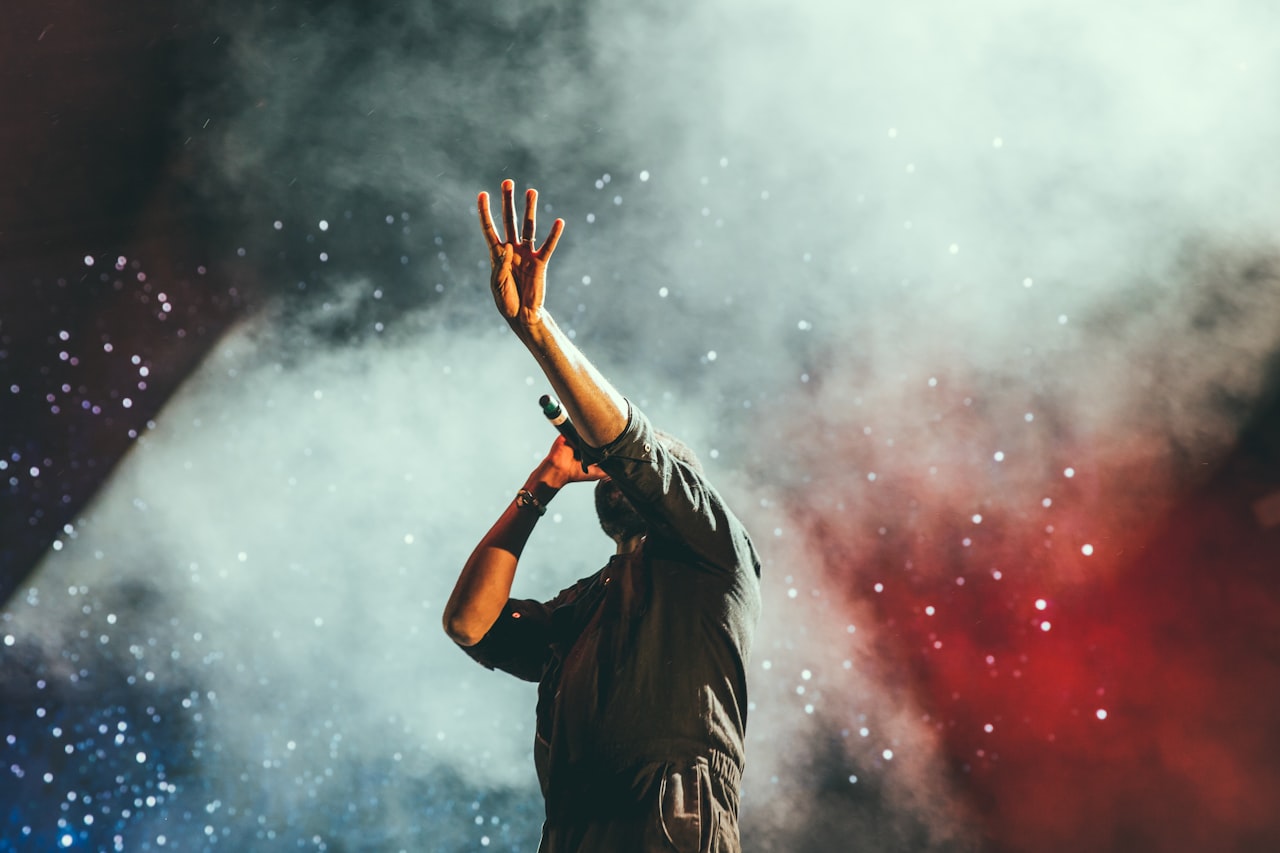
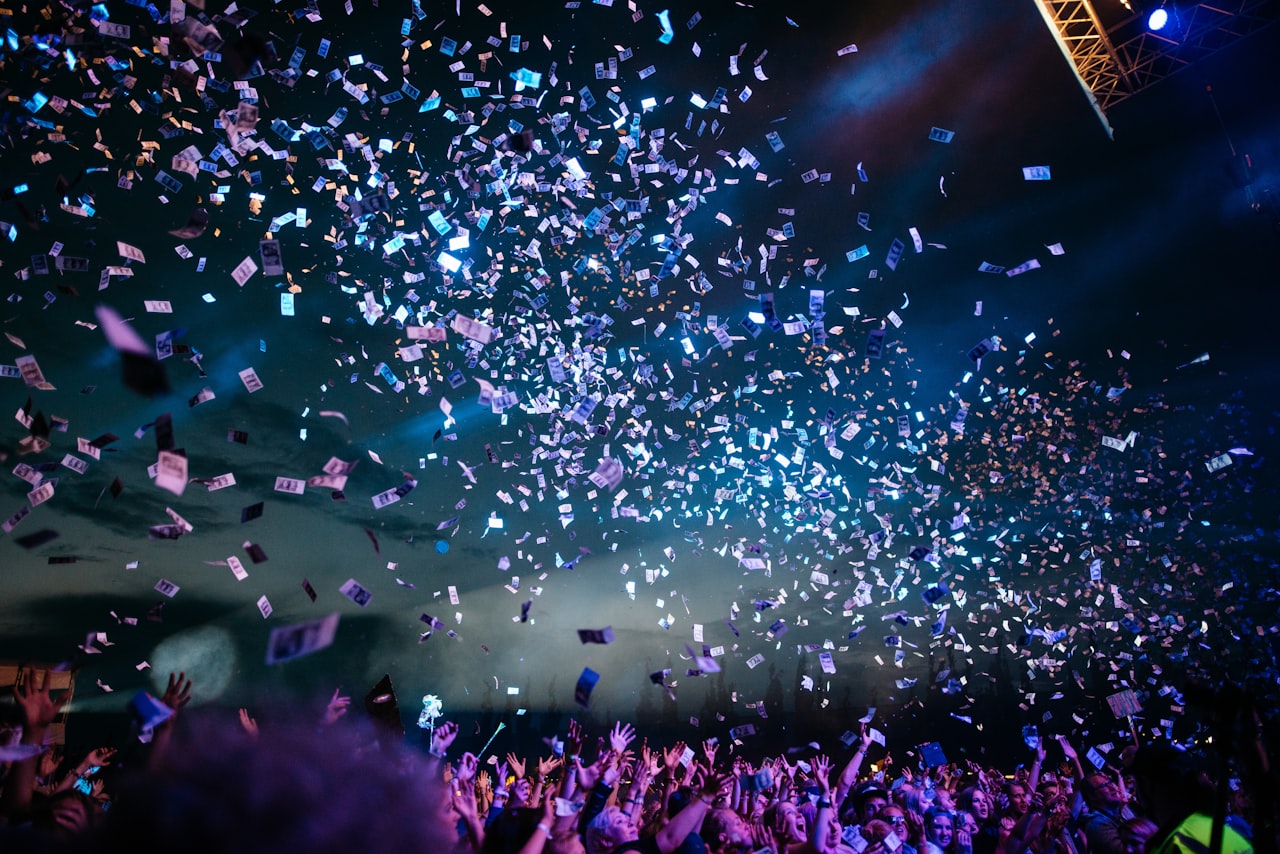
When a deathcore band hits the stage in a room built for bodies, not seats, and the double bass kicks lock into a groove so precise it feels mechanical before a breakdown rips it all apart -- that is the sound All Shall Perish invented. The Oakland band that helped define the genre in the mid-2000s returns to House of Blues San Diego on October 2, bringing technical precision and breakneck tempo shifts that influenced a decade of heavy music.
All Shall Perish's return is not a nostalgia act. The genre they helped build has continued evolving, and a live show proves that the original architects still hit harder than the inheritors. If you were in the pit for The Price of Existence or Awaken the Dreamers, you already have this date marked. If you were not, this is where you learn why those albums still matter.
House of Blues at 1055 Fifth Avenue in the Gaslamp Quarter.
You have tried to play this kind of music for someone in a car. You watched their face do the polite thing, and afterward you stopped offering. It became a private weather system instead — something you put on alone when you need to feel the inside of your own skull.
Tristan Shone builds the machines he performs on. He worked in a San Diego machine shop as a mechanical engineer, and the instruments he plays — drone machines, dub machines, slabs of aluminum riding on rails that he shoves and drags — exist because no manufactured instrument did what he needed it to do. Watching him is nearer to watching somebody operate industrial equipment than watching a band. He leans his entire body into the controls. The low end reaches your sternum a half-second before your ears file a report.
Guiltless opens. The room holds a few hundred, which means the floor participates.
Doors at seven, show at eight, Thursday the first of October. The Casbah sits on Kettner just up from Laurel.
Oct 1, 2026
Free
Hammer Museum, 10899 Wilshire Blvd…
Museums are different after closing. The light changes, the guards relax, and the rooms stop feeling like a place you are visiting and start feeling like somewhere you were let into. That is most of why an after-hours tour is worth rearranging a Thursday for. The other reason is who is leading it: Phil Chang is an artist whose whole practice is about photographic materials failing on purpose - images that fade, paper that refuses to hold the picture - which makes him a genuinely strange and good choice to walk a group through five hundred years of drawings and prints. Expect him to talk about surfaces and decay rather than subjects and dates. Chang teaches at Art Center and shows with Praz-Delavallade, and he is the rare artist who can talk about a Rembrandt etching and a bleached-out C-print as the same problem. The group size is whatever fits comfortably in a gallery, so it is worth being early rather than on time. Free admission, six o'clock, Thursday October 1, at the Hammer in Westwood.
The fog rolls in at night and the whole crowd wraps itself in jackets and blankets without missing a note - that is the tell that you are somewhere the music has been happening continuously since before your parents were born. The Monterey Jazz Festival is the oldest continuously running jazz festival in the world, held at the Monterey County Fairgrounds since 1958. Nearly seven decades of outdoor jazz on the bay. The experience is one of productive wandering: you build your own schedule across five stages spread through the fairgrounds, stumbling into performances you did not plan and discovering artists you will listen to for the rest of your life. Evenings at the main arena carry the weight of history - the musicians who have played here include Miles Davis, John Coltrane, Dizzy Gillespie, and Billie Holiday. The daytime has a wine-country ease: Thai and Jamaican food stalls, local Monterey County wines poured at on-site tastings, and a crowd ranging from jazz scholars to families simply drawn in by a beautiful September weekend on the California coast. If you love music discovery and the pleasure of something with genuine cultural history, Monterey Jazz is worth every dollar. The Grounds Pass is the insider move - it gives access to all five stages and most artists, and the unexpected discoveries in the smaller tents are often the sets people remember longest. This is not for anyone who needs a massive headliner to justify a weekend; it is for people who understand that the best music experiences are the ones nobody planned. A few practical notes: bring layers, because Monterey evenings can drop into the 50s even in September - veterans pack a waterproof jacket, gloves, and a stadium seat cushion for the concrete bleachers. Use the remote parking lots and the free festival shuttle instead of trying to park close. The venue is cashless, so load a card before you go. Food lines move quickly in early afternoon but back up at dinner. Download the free festival app before you arrive and use the My Lineup feature to avoid schedule conflicts. What Monterey represents is rare in American culture: a living institution. Nearly seventy years of continuous programming makes this not just a festival but a timestamp - every year it runs, the art form gets another year of documentation, and attending in 2026 means adding yourself to that record. Tickets and full lineup at montereyjazzfestival.org.
You knew the voice before you knew the name. It was under an anime opening you replayed until it stopped being a song and became a reflex, or it arrived at 2 AM from a friend with no message attached, because the music was the message. That is how this works. It finds you sideways.
The Wiltern is the right room for it. An Art Deco house on Wilshire, small enough that a singer with real range fills every corner without out-shouting a production budget. Her catalog sits on the seam between soundtrack work and songwriting that stands entirely on its own, and live is where you find out how much of it was always hers.
On Wilshire, right at the Metro station, doors ahead of a 7 PM show.
If you have ever sent somebody a song in the middle of the night and hoped they would understand without explanation, this is that, out loud, in a room full of people who did the same thing.
No clean villains. A forest worth bleeding for. A war between industry and nature where the film flatly refuses to hand you a side to stand on, and a girl raised by wolves who has no interest in your comfort.
This is the one adults reach for to prove the studio makes serious art, and the restored print is the reason to finally see it at the size it was built for. Hisaishi's score in a real theater does something a living room cannot approximate — the strings arrive from behind you.
The crowd is the other half of it. These are people who will argue about San and Lady Eboshi in the lobby afterward, hold firm positions on dub versus sub, and treat the whole thing as scripture. A full house of them at The Grove is the kind of screening you build an entire evening around.
Text the person you would obviously be going with. You already know their name, and they are already free.
Nobody warns you about the swell in your chest when the theme hits and a character decides to go beyond what they can survive. Now put a live orchestra a few feet in front of you and let an entire room have that at the same time.
That is the whole proposition. The Fox is an old theater with the acoustics of a place built before anyone thought about amplifying anything, which means the brass arrives in your ribs rather than your ears. The crowd comes dressed as the people they wish they were brave enough to be, and by the second half nobody is self-conscious about it anymore. All ages, and every person needs a ticket regardless of age, so the kids get counted like everyone else, which is right, because they are the ones who cry first.
Mission Inn Avenue in Riverside, doors in the evening.
Go with whoever you watched the finale with. Do not go alone.
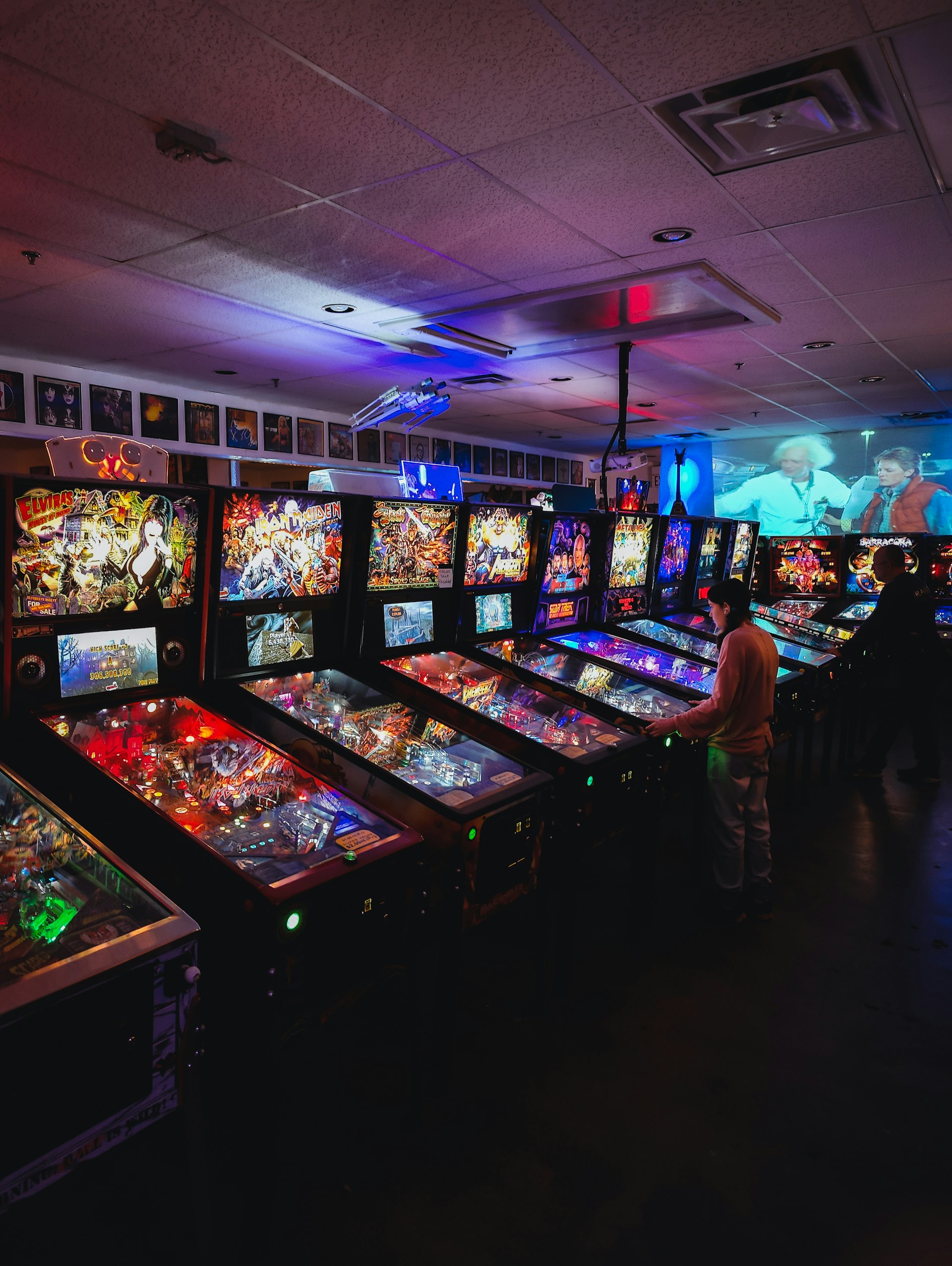
Pay once at the door and every machine in the hall is yours for the weekend - hundreds of them, on free play, from the clacking electromechanicals your grandparents fed dimes into to the newest Sterns still smelling of factory. The Pacific Pinball Expo in Alameda is one of the largest pinball collector and player events in the Western United States, drawing machines and enthusiasts from throughout California and beyond for a full weekend of free-play games, collector seminars, restoration workshops, and the competitive play that has made it a pilgrimage for the serious pinball community. The Pacific Pinball Museum operates year-round in Alameda as the primary public pinball collection on the West Coast, and the Expo amplifies that with additional machines collectors bring specifically for the event. The machine selection emphasizes historical breadth: electromechanicals from the 1950s and 60s sit alongside solid-state classics from the late 1970s through the Williams and Bally golden era of the 1990s, on through modern machines from Stern and Spooky. Restoration seminars by experienced collectors cover electrical troubleshooting, playfield restoration, and parts sourcing - practical knowledge the machine-owning community struggles to find in any other format. The Expo is held at a venue in or near Alameda, roughly 45 minutes north of San Jose and 20 minutes from Oakland, with shuttle service from BART typically organized during the event. Full weekend passes and single-day admission available.
Sep 20, 2026
Free
Embarcadero, San Diego, CA 92101
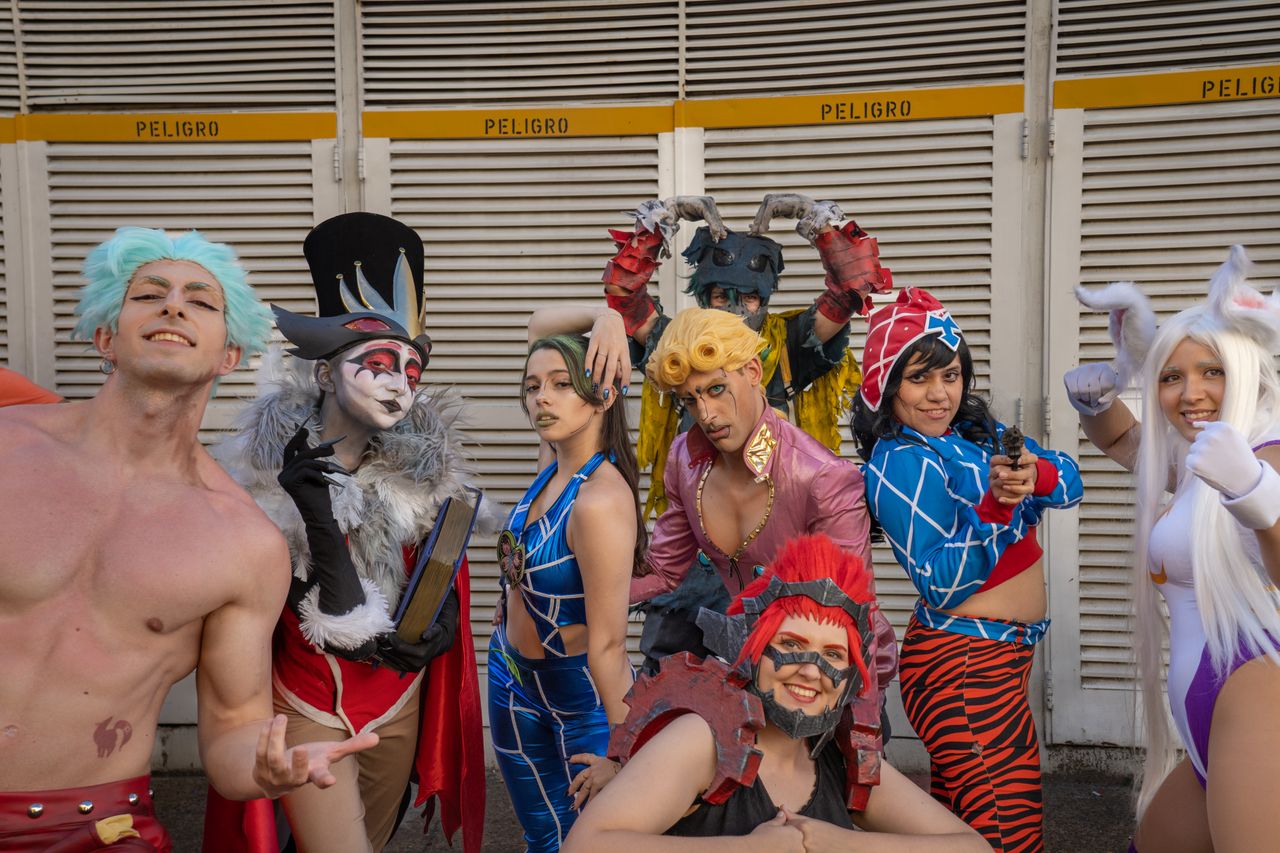
A character you'd photograph against Balboa Park's mission arches reads completely differently against ferry docks, harbor patrol boats, and the downtown skyline at sunset - and that's the entire reason to bring your build to the water instead. The So-Cal Cosplay Shoot at the Waterfront is the open-air edition, San Diego Bay behind every frame, the Embarcadero handing each costume an urban backdrop with water and skyline in the same shot. It's not better or worse than the park version; it's a different image, and the difference is the point. Any fandom, any build. Photographers with gear are welcome and encouraged. The waterfront light peaks in the late afternoon, so arrive early enough to catch golden hour before the crowd fills in. The shoot is organized but relaxed - come in costume and find the right backdrop. Embarcadero, San Diego. September 20th. Free. Follow @socosplayscene on Instagram for the exact gather point and start time.
Jun 5 – Sep 19, 2026
The Rady Shell at Jacobs Park, 222…
The San Diego Symphony's Summer Pops season at The Rady Shell at Jacobs Park brings world-class orchestral music to the San Diego waterfront for a series of outdoor concerts running June through September 2026. The Rady Shell — an acoustically engineered open-air performance venue on the waterfront at Jacobs Park — provides a stunning setting for the Symphony's summer season with San Diego Bay visible beyond the audience.
The Summer Pops programming spans the full range from classical masterworks to pops concerts featuring Broadway music, film scores, jazz, and popular artists performing with orchestral accompaniment. The variety makes the summer season accessible to audiences who aren't regular classical concertgoers while delivering the full orchestral experience that the Symphony's musician quality supports.
The Rady Shell's outdoor format is distinctly family-friendly — picnic blankets, lawn chairs, and the relaxed atmosphere of the waterfront park contrast with the formality of indoor concert halls. The adjacent Jacobs Park lawn allows families to spread out while the children remain within range of the music. Food and wine are available from vendors on-site.
The Rady Shell at Jacobs Park is located at 222 Park Blvd in downtown San Diego, walkable from the Embarcadero and accessible via MTS Trolley (Convention Center station). Parking in the downtown convention center structures. Individual concert tickets and season subscriptions available through the San Diego Symphony website.
You have watched these shows from the other side of a screen for years. For a short run, you get to walk into them.
It is built around the art — official production art, recreated scenes, large-format installations from titles this community has been carrying for years — and the whole thing is staged so that moving through it feels like moving through an episode. The rooms photograph the way they do because they were built using the visual logic of anime itself: you round a corner and the corner is the show. People come planning to grab one picture and lose an hour.
Free entry covers the open gallery; the premium tier unlocks the additional installations and the full walkthrough. It sits inside Westfield UTC in San Diego, and it will not be there long.
Send it to the person you watched half of these shows with. Standing inside one of them is a very different thing from remembering it.
By the third song the stans who know every B-side and the people who got dragged along by a friend are shouting the same fanchant, and nobody can tell anymore which was which. That is the actual product here. Not the setlist — the room.
A DJ pulls from second-generation classics through whatever dropped last month, and the floor answers in unison because everyone learned the same choreo alone in their bedroom. People arrive in fan outfits, in cosplay, carrying merch they will absolutely make you look at. It is loud and bright and built so that you leave knowing names.
TORO, on Fifth Avenue in the Gaslamp. Doors at noon, last entry at 1:00 PM. Under 18 needs an adult 21 or older, and no outside food or drink. Tickets through Like It Love It Events.
Send it to the person you text at two in the morning when a comeback drops.
Some scores do not belong in earbuds. They were written for a room big enough to hold a full orchestra and everybody who ever wanted to say Plus Ultra out loud without having to explain themselves.
Live, with the story unfolding and the strings arriving a half-beat before you remember what happens next, the music does what the show does to you and then keeps doing it long after. The room fills with people who quote the Symbol of Peace to each other and mean every word, which is the sort of crowd that makes an orchestral concert feel closer to a rally. All ages, and every single person needs a ticket regardless of age, which means the kids are in there too, and they are reliably the loudest.
The Wiltern on Wilshire, doors in the evening, orchestra on stage.
Take the person who made you watch it in the first place. You owe them this one.
You already know what Plus Ultra sounds like. You've heard it through earbuds on the bus, through laptop speakers at 2 AM, through the thin walls of a dorm room where someone was rewatching the tournament arc for the fourth time. You know the swell that hits when Deku breaks through. You know the strings that play when All Might stands up one last time.
You've never heard it performed by fifteen musicians standing in a room with you.
A 15-piece live band performs Yuki Hayashi's full score alongside projected sequences from all eight seasons. The moments you've replayed a hundred times get rebuilt in front of you: the breath between notes that streaming compresses away, the physical presence of a cello section pulling the weight of a scene you already know the ending to. Knowing doesn't help. You'll feel it all over again.
This is not a screening with background music. It is the score as its own experience — the architecture underneath every scene you loved, isolated and amplified, played by people watching your face while they play.
Segerstrom Hall, Costa Mesa.
You have friends whose real names you do not know. You have played with them for years, you would notice within a day if they went quiet, and you have never seen their face. That is a real relationship, and the world keeps insisting it is not.
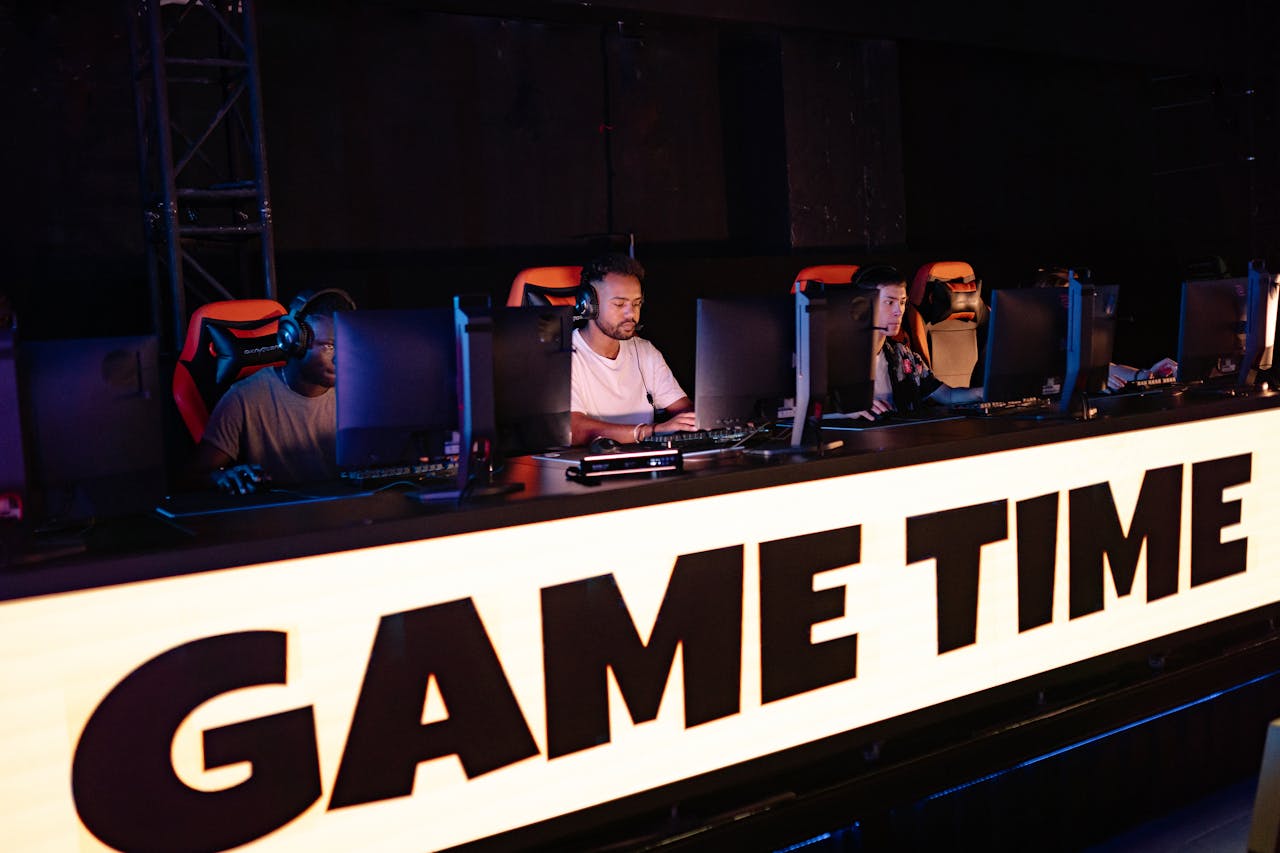
This is the weekend it becomes physical. World premieres, developers who actually wrote the code walking through what they built, esports played live in a room that shakes, hands-on demos of games that will not ship for months, and an opening ceremony that gets you even when you knew it was coming. The floor fills with playable stations, artist signings, cosplay contests, and meetups where a guild finally stands in one place at one time.
Anaheim Convention Center, doors at 10 AM both days, passes through Tixr, cosplay encouraged.
Send it to the guild. Watch how fast that channel lights up, and how quickly somebody starts pricing flights.
Sep 11 – Sep 13, 2026
Oregon Convention Center, 777 NE M…
You can spend hours in artist alley here just talking with independent creators - not waiting in a celebrity autograph line, actually talking - and that is the tell about what kind of convention this is. Three days at the Oregon Convention Center of floor, panels, and programming, built for people who care about comics as an art form: the creators and the medium, not only the IP franchises. Celebrity guests span comics, film, and television, with signing and photo opportunities throughout the weekend, but the heart of the show is the alley and the cosplay, which is one of the strongest scenes on the West Coast - the hall dense with elaborate builds and the crowd treating it as a showcase rather than a costume contest. Gaming rooms, tabletop areas, and panel programming round out a schedule that can run ten hours a day for serious attendees.
What makes Rose City hold together is that it is built for people who love comics as a medium and stays genuinely accessible while doing it: the scale is manageable, the crowd is easy, and tickets run $17-$105 depending on day and package. For cosplayers, the Portland fanbase means extraordinary hall costumes without the New York or San Diego Comic-Con crowds. If the bigger conventions have priced or exhausted you out, this delivers the best of what those events promise at a fraction of the friction. It has quietly become the essential West Coast convention for independent comics, occupying the space between the industry-scale San Diego Comic-Con and the grassroots spirit of smaller regional shows. Portland's identity as a creative, DIY city gives it an energy distinct from LA or Bay Area equivalents - this is where you find what is coming in comics before it reaches mass-market shelves.
A few practical notes. Friday hours are 1 to 8 PM, Saturday 10 AM to 7 PM, Sunday 10 AM to 5 PM; Saturday crowds are significantly denser, which makes Sunday the calmer entry point for first-timers. Artist Alley is the heart of the show, so budget both time and money for it. The Oregon Convention Center is served by Portland MAX light rail, and the Convention Center stop drops you right at the door, so a car is unnecessary if you are staying downtown. Rose City Comic Con 2026, Portland, OR, in September.
Walk onto the floor on Saturday morning and the whole logic of the place clicks: this is a convention built to hold the entire range of fan culture under one roof without splitting anyone off from anyone else. Anime, gaming, horror, comics - all of it, 65,000 people, three days in Dallas. The anime wing runs voice actor signings and screening rooms. The gaming section has playable demos and tournament brackets. The horror area draws cult actors and practical-effects artists. The comics floor features creators behind titles both mainstream and independent. Celebrity photo ops and autograph lines run all weekend, and FAN EXPO's booking operation is one of the most reliable in the industry - the guests announced are the guests who actually show. The Cosplay Red Carpet on Saturday is a highlight, with contestants from across Texas and the surrounding region bringing builds that rival anything at the coastal mega-cons. The crowd energy skews genuinely enthusiastic rather than industry-transactional, and first-timers frequently note how manageable the floor layout is despite the scale. This is for anyone who has wanted to see their favorite franchise represented at scale - not just as merchandise, but as community. It's family-accessible without being dumbed down, competitive without being exclusionary, and large enough to spend a full day discovering things you didn't plan for. The Friday preview session runs 4-9 PM and is notably less crowded than the weekend, so with a three-day pass, Friday evening is the best time to cover artist alley. Celebrity photo ops sell out weeks before the event - book through the FAN EXPO app as soon as your guests are announced. The convention center is accessible from the Dallas Convention Center DART station, the practical choice on Saturday when surrounding parking fills. Bring a battery pack; you'll live on your phone for the app schedule and maps. Saturday afternoon is peak crowd; Sunday morning is the quietest slot. The Dallas edition has grown into the defining fan event for the entire South-Central region - the convention people in Houston, Austin, Oklahoma City, and beyond mark on their calendars. September 11-13 at the Kay Bailey Hutchison Convention Center, Dallas. Tickets at fanexpohq.com/fanexpodallas.
The artist alley table has prints of your exact comfort character. The vendor next to it is selling enamel pins you didn't know existed but now can't leave without. This isn't a mall event — it's a gathering.
Anime Night Mart takes over Moreno Valley Mall for two days of vendor booths, cosplay meetups, gaming stations, live performances, and raffles — all free, all ages. This is the Inland Empire's own anime night market, built for the crowd that knows their way around a convention floor but doesn't need one to have a good time. The vendors bring fan art, plushies, wall scrolls, and treasures from corners of fandom you forgot you loved. The cosplay corner fills with people who spent weeks building something they'll wear for six hours and cherish every second of it.
The energy is warm and nerdy and specific. You'll recognize people by their shirts before you know their names. You'll leave with a bag full of things you'll never explain to anyone who wasn't there — and that's exactly how it's supposed to work.
September 12-13, 2026. Moreno Valley Mall. Free admission. All ages.
There's more here for you.
An account shows you anime & manga events matched to your exact taste — not just what's popular.