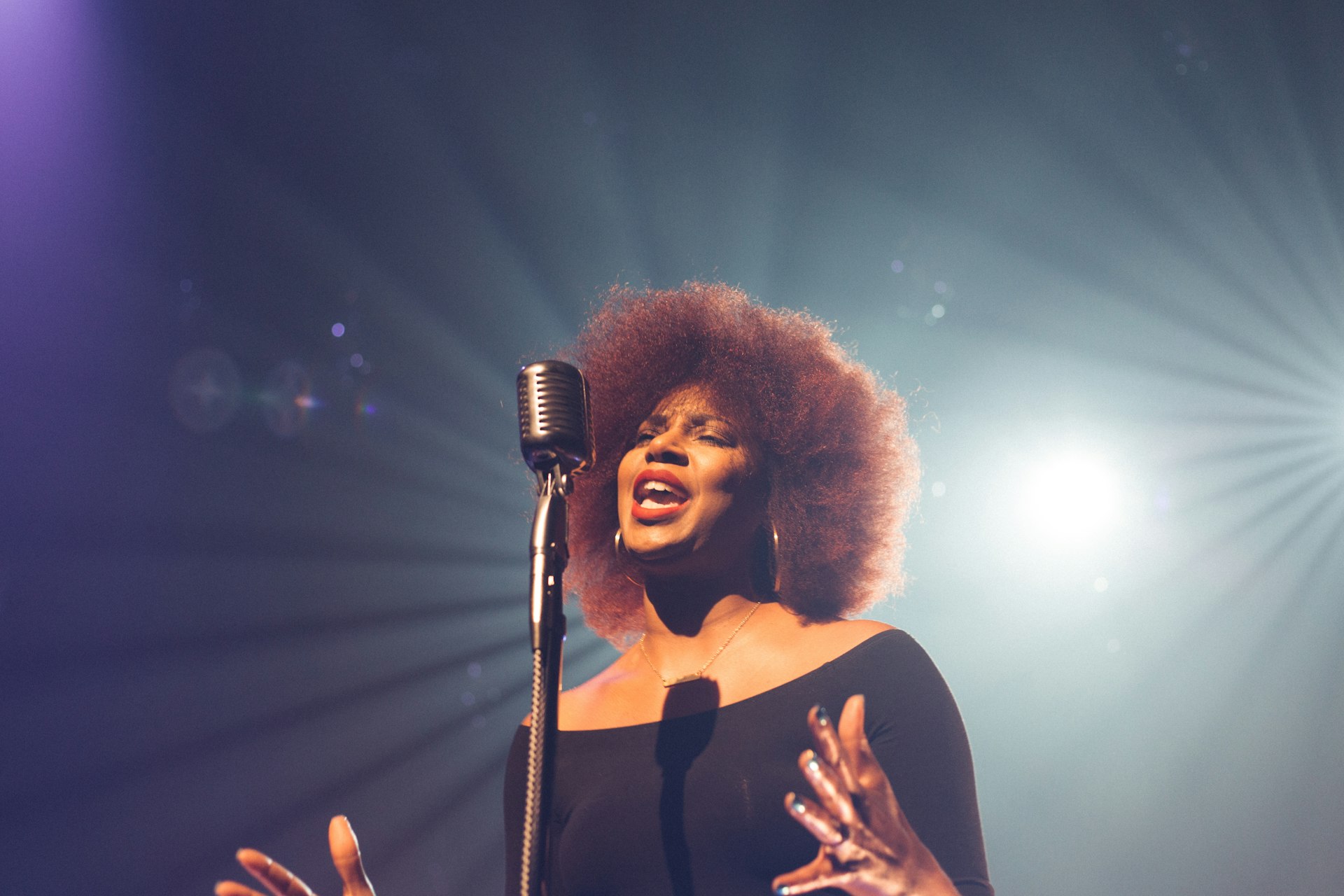
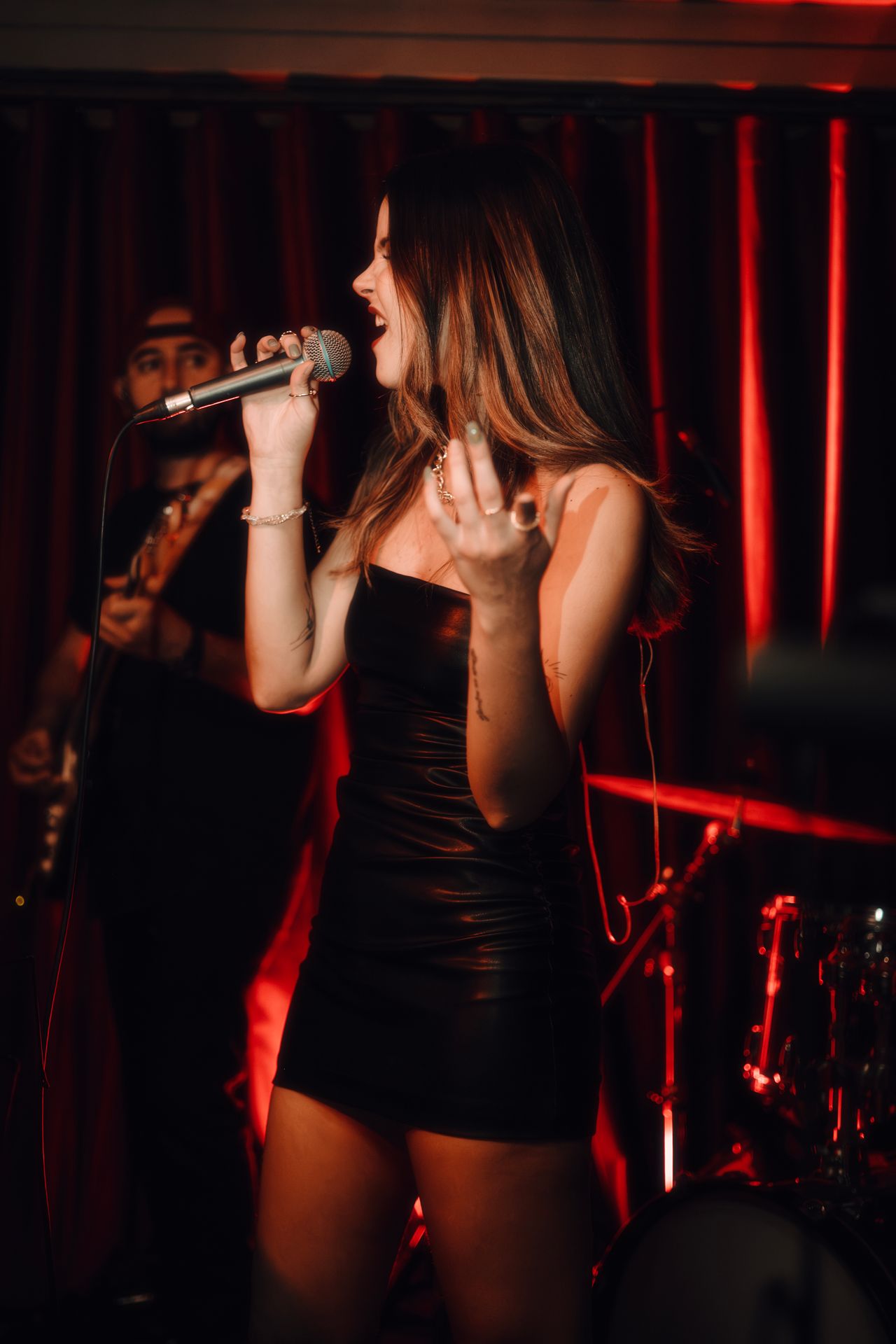
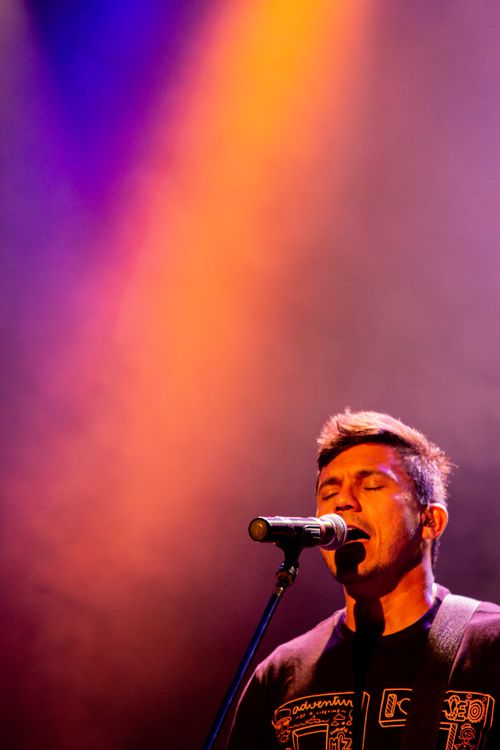
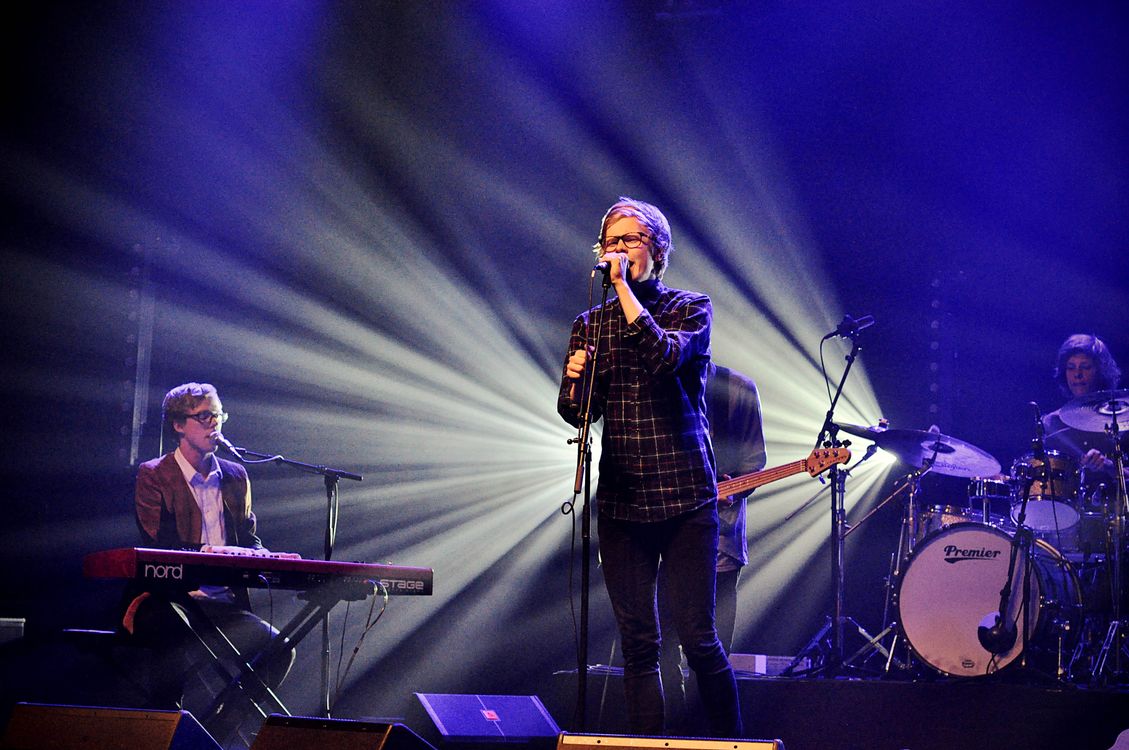
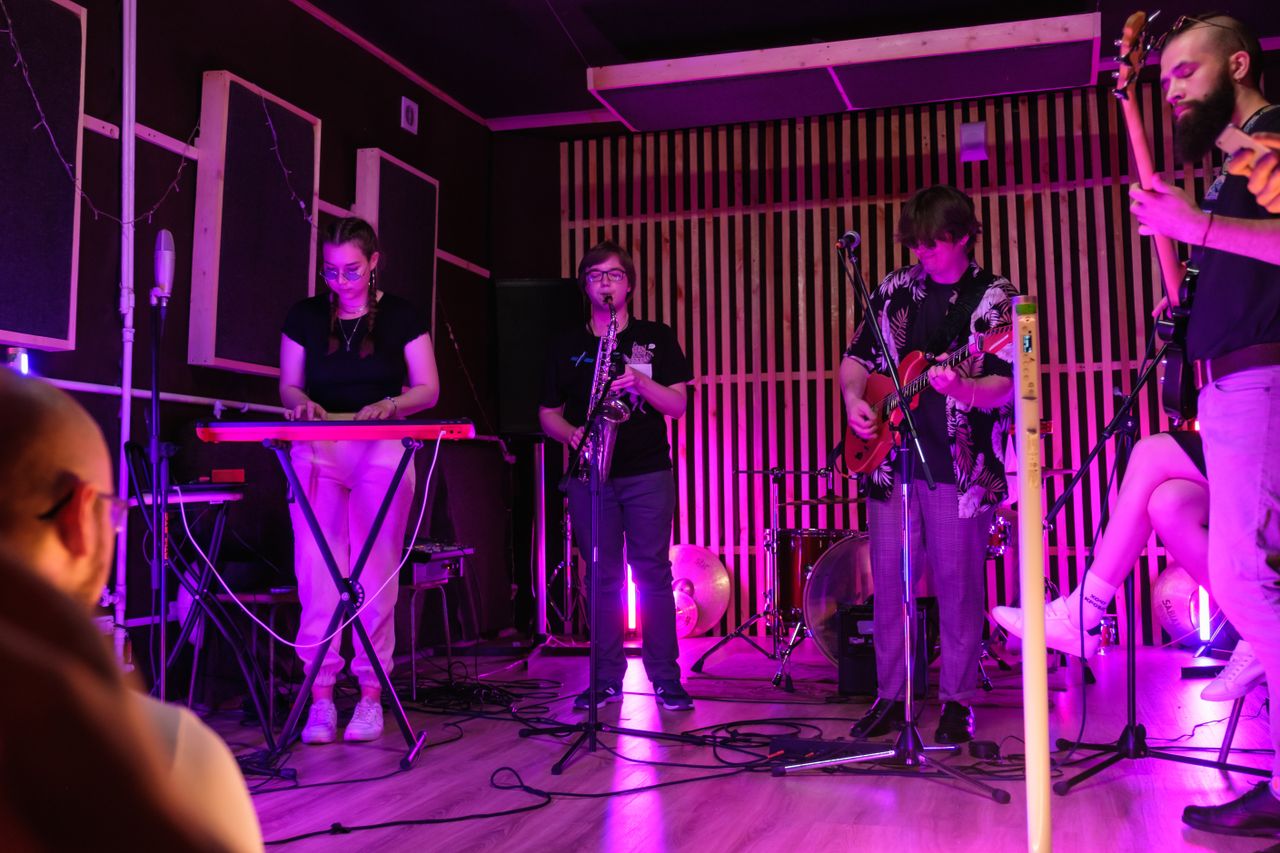
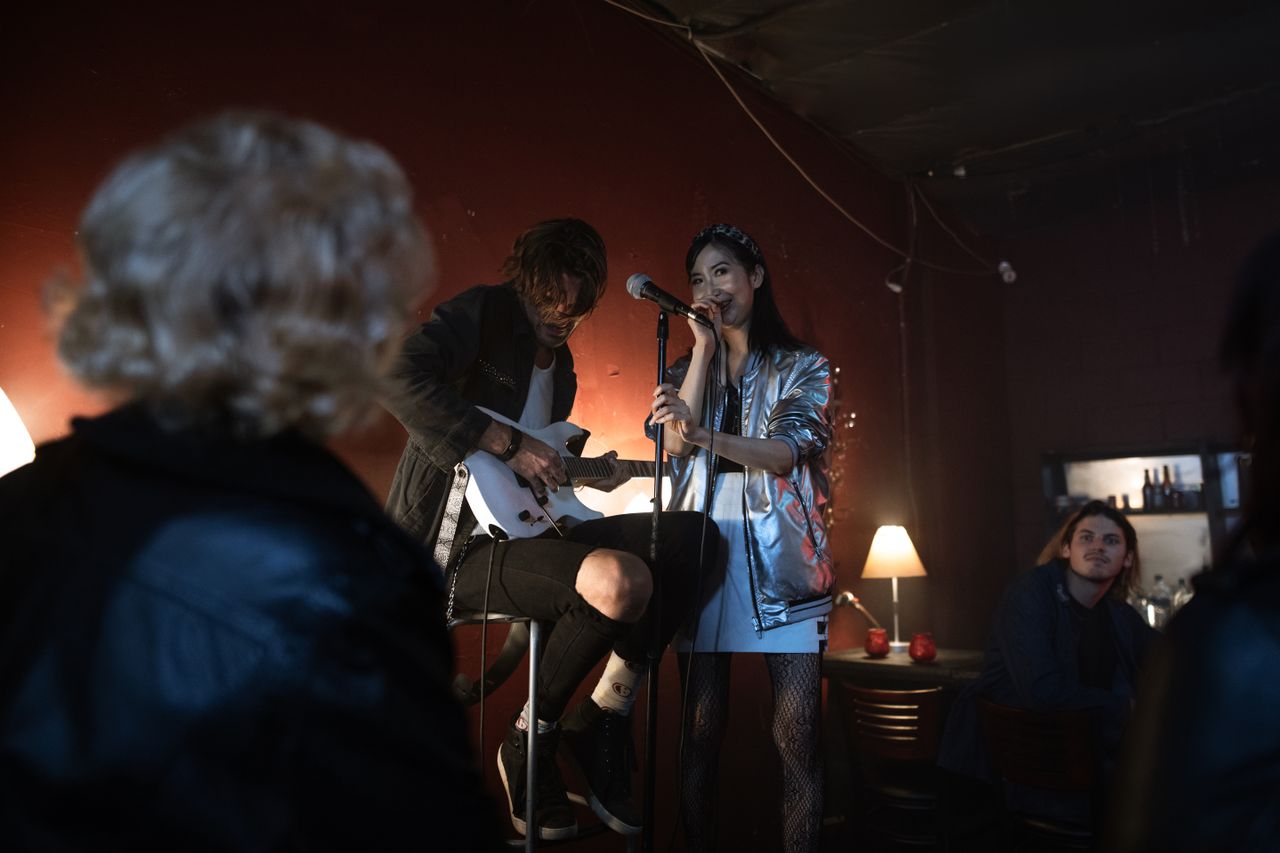
There’s a kind of music that doesn’t ask you to dance or sing along. It asks you to close your eyes and let the architecture of sound build itself around you, floor by floor, until you are inside something you never saw being built. The Pineapple Thief has been building those structures for over 25 years.
The British progressive rock band brings their live show to The Observatory North Park on December 6. Led by Bruce Soord and featuring King Crimson drummer Gavin Harrison, whose precision behind the kit turned the band’s studio recordings into something tighter and more dangerous, this is the most focused version of a band that never stopped evolving. Their catalog spans delicate acoustic passages, crushing riffs, and shifts that make a room of 1,100 people hold their breath.
The Observatory at 2891 University Ave is the right size for this band — large enough for the sound to breathe, small enough that Harrison’s drumming vibrates in your sternum. Doors at 7 PM, show at 8 PM. All ages.
A Sunday evening in early December. The weekend isn’t over. The week hasn’t started yet. Two hours in the dark with a band that rewards patience, and a drummer who makes patience unnecessary.
Three bands on a Sunday, twenty dollars, and the room is a restaurant with a venue attached — which means you can eat, stay, and leave without ever going outside. That combination makes Zebulon the easiest place in the city to see a band you know nothing about. Stolen Nova, Daisy World and Return Eternal is a bill that reads like somebody's carefully-ordered playlist rather than three acts sharing a van. Eight o'clock, 2478 Fletcher Dr in Frogtown, in a building that was a distribution warehouse for a Mexican record label before this room fled a gentrifying Williamsburg in 2012 and reopened out here in 2017. Take whoever will commit to an evening without needing to know the plan. This room books three-act Sunday bills most weeks and the middle slot is consistently where the surprise is.
The band that plays your city's actual soundtrack is rarely the one on the billboard. Ozomatli formed out of a Los Angeles labour dispute in the mid-nineties and have spent thirty years refusing to be filed — Latin funk, hip-hop, cumbia, ska, a horn section that treats the stage as a starting position rather than a destination. They are known for ending shows by walking the drum line out into the crowd and off the premises entirely.
Seeing them two and a half hours from the city they belong to is the interesting part. A band whose whole language is urban Los Angeles, playing a cattle-town roadhouse in the high desert, to a room that will be half Angelenos who drove and half locals who were always coming anyway — that mix is the entire appeal, and it is the kind of crossing that does not happen at a festival.
Nine at night, Pioneertown, doors at eight. Thirty years in and the drum line still ends up outside.
Every Monday· Next Dec 7
Marciano Art Foundation, 4357 Wils…
Simeon ten Holt wrote a piece with no fixed length. The players decide in the room how many times to repeat each section and when to move on, so Canto Ostinato can run ninety minutes or five hours and no two performances share a shape, because the musicians are listening to the audience as closely as to each other. Four of them here, two pianos and two sets of mallets, inside a former Scottish Rite Masonic temple on Wilshire with Tacita Dean's FILM running through the space: a silent 35mm work made for a vertical screen, all grain and hand-worked frames, the opposite of a projection you can let slide past you. Repetition is the only thing either artist asks of you, and both of them mean it kindly. Tickets surface roughly a month ahead through the series and the museum. Marciano Art Foundation, 4357 Wilshire Blvd, on December 7 and again on the 14th.
Drummers have a short list of people they will drive an hour on a Monday to watch, and he is on all of them. The Bowie connection is what gets printed, but what people actually come for is the thing he does with electronics and an acoustic kit at the same time — triggering and playing simultaneously, so you genuinely cannot tell which sounds are being hit and which are being fired. Sitting close enough to watch his left hand solves the mystery and somehow makes it more impressive. Expect the front half of the room to be other drummers, standing very still, not dancing, concentrating. That is the tell that you are somewhere worth being. A Monday in December, in a bar, in San Diego, for the price of a cinema ticket. 3615 El Cajon Blvd, 7pm, 21+.
Monday nights were not built for staying home — they were built for the kind of show where the artist is playing the last date of the tour and has nothing left to save. Mack Geiger closes out his When It's Pouring Tour at the Belly Up, and there is a reason tour-enders at intimate venues carry a reputation: the songs are looser, the stories between them are longer, and the room gets a version of the artist that the Friday-night crowds never see. Geiger's brand of country leans into the storytelling tradition — the kind where every lyric sounds like it was pulled from a conversation overheard at a diner at 2 AM, honest enough to sting and melodic enough to hum on the drive home. His debut record landed him on major country playlists, and the live show is where that raw, unpolished energy translates into something you feel in the room, not just in your headphones. $25 advance. Belly Up Tavern, 143 S Cedros Ave, Solana Beach. Monday, December 7, 2026, 8:00 PM.
A room with sixty people in it and a band nobody has written about yet is the only place certain things can still happen. Everybody there is making the same small bet, and most of the time it does not pay, and occasionally you end up being one of the few dozen people who watched something begin. That arithmetic is the whole appeal and it cannot be replicated at scale. There is no press to read beforehand here, no consensus to agree or disagree with, which means you will be forming your own opinion in real time, from scratch, for the first time in a while. The venue is a converted space on Fletcher with a bar along one wall and no real separation between the band and everybody else, so standing at the back is not an option and nobody is on their phone. Go without looking anything up first. The not-knowing is the part you cannot get back.
Being nineteen is mostly the problem of needing somewhere to be on a weeknight that is not a parking lot and not your mother's living room. That problem does not actually expire at twenty-two. People just get better at pretending a couch solved it.
Three bands whose names read like inside jokes between four people, because that is precisely what they are, and the room is small enough that you will work out which four. December Mondays are when touring stops and the local circuit gets its venue back, so a bill like this is not the leftovers of the calendar. It is the part of the year the bands themselves wait for, when the stage belongs to whoever actually lives here.
Doors seven-thirty, first band eight-thirty, tickets at the venue. Half this room will be in somebody else's band by spring, and that is how San Diego has always restocked itself.
Eleven dollars, four bands, a Tuesday, and one of them is called Year Of The Dead Bird. The maths on that is unarguable. This is the bottom of the San Diego circuit in the best sense — bands two records into figuring out what they are, playing to a room that is half their friends and half strangers who read the listing and took a chance on a weeknight. Soda Bar has the bar planted in the middle of the floor so the crowd divides in two and both halves are within arm's reach of the stage. Seven o'clock, 3615 El Cajon Blvd. Bring somebody with no expectations. This room has a long record of booking people a year or two before anyone else — King Gizzard played their first American tour on this stage — so the eleven-dollar Tuesday occasionally turns into a story.
Their grandfather was Sam Cooke. Their father was Cecil Womack, their uncle was Bobby Womack, and that is an inheritance heavy enough that most people would either lean on it entirely or refuse to mention it. They have done neither.
Zeimani, Kucha and Bookie sing together the way only siblings raised inside a specific harmonic tradition can — the blend is not learned, it is structural. The material sits between old soul and something looser and more current, and live it stays deliberately unpolished; there is no click track holding it together, which means the tempo breathes and occasionally somebody laughs mid-phrase.
A Tuesday in Little Italy, in a room that holds a few hundred. Weeknight shows self-select for people who genuinely wanted to be there.
Doors at seven on Tuesday the eighth of December; they sing at eight.
Drummers who lead their own bands usually overplay, and the reason this one does not is that he spent years as the guy other people called when a record needed rhythm that sounded like a machine and breathed like a person — including a famous last album by an artist who wanted exactly that. Under his own name the project is a different animal: electronics, synths, and drumming that treats a groove as something to erode rather than repeat. It reads as jazz on paper and lands closer to electronic music in the room, which is why the crowd is split between conservatory players and people who came for the beats and did not know they were at a jazz show. Highland Park's upstairs hall has the ceiling height this needs. Music at 8:00 PM at 104 N Avenue 56, a Tuesday in December. The players who come to this one usually end up at each other's gigs around town for the rest of the month.
The bass player spent years in Tom Waits's band, which tells you what kind of ear is organising this. Phi-Psonics play slow, deliberate spiritual jazz — double bass, woodwinds, electric piano, drums — in the lineage that runs from Alice Coltrane and Pharoah Sanders through Horace Tapscott, and Seth Ford-Young talks about the group as an exploration of being together rather than a band. Live that reads as a room full of people sitting down and genuinely listening, which almost never happens on a Tuesday. Eight o'clock, 2478 Fletcher Dr in Frogtown, in a former record-label warehouse with a kitchen and a patio. Los Angeles has a deep and currently thriving spiritual-jazz scene, most of it playing rooms of two hundred people and almost none of it on a festival bill.
December has a default soundtrack and most of it is somebody else's childhood. Bells, brass, a choir doing its best. By the second week of it there is a quiet wish for something in a minor key that does not require you to feel festive on cue, music that admits the dark comes at 4:45 now and does not try to sell you anything about it. Booking that kind of set into a comedy theater is an odd move on paper and a very good one in practice. The room is built for a person holding a microphone fifteen feet from your face, so the quiet parts actually stay quiet; there is no bar clatter at the back to sing over, because there is no back. Under two hundred seats, a Wednesday, and an audience that came to listen rather than to be seen listening. Doors are an hour before the set at the Hayworth, and the theater sells its own tickets rather than routing you through a platform. Winter does not get shorter. It just gets better company, and the right record in a small room is a reasonable place to start looking for it.
Most nights out are decided by the time you leave the house. You know the headliner, you have heard the singles, you have a rough idea of what the evening will be worth. Which means you almost never get the thing that made live music matter in the first place, which is walking into a room with no idea what is about to happen. A bar on Santa Monica Boulevard that is also a recording studio and also a hotel is the right place to be handed an unmarked night. Carter Vail writes songs that start as a joke and then turn, halfway through, into something that gets you; stripped down in a small room without a setlist you have pre-approved, that turn lands harder. Doors at 7pm on a Wednesday, finished by ten-thirty. The whole proposition is that you cannot look it up first. Bring somebody who trusts your taste, and spend nothing on expectations.
A performer who has spent five decades refusing every available form of irony is either the most or least fashionable thing in music depending on the year, and at the moment it is very much the former. Songs about ice cream, insects, painters and being in love, sung in several languages, with one drummer and frequently no microphone. He will stop mid-song to explain what he meant. Phones are discouraged and the room complies, which produces ninety minutes that feel genuinely disconnected from the rest of the week. Ventura's converted bowling alley is small enough that the no-amplification approach works. Music at 8:00 PM on East Thompson Boulevard, a Wednesday in December. He plays Los Angeles the same week and people go to more than one, because no two are the same show.
Lena Hall won a Tony for Hedwig and the Angry Inch, which means she is one of a very small number of people who can genuinely do both things — sing a rock song like a rock singer and hold a room like a stage actor. Those are different muscles and most performers only ever build one. Put her on a bill with Charlene Kaye and Meg Toohey, both of whom have spent years as the person making somebody else's set sound enormous, and what you get is a night of people who are extremely good at this doing it in front of a few hundred people instead of a few thousand. Nobody is saving anything for the tour. The whole appeal of a show like this is the absence of production: no set pieces, no choreography, four musicians and a Wednesday. If you know someone who still has the Hedwig cast recording memorized, you already know who to send this to. Doors seven, music eight, downtown San Diego.
Dec 9 – Dec 10, 2026
The Banshee, 3519 El Cajon Bouleva…
Doors at 8:30 on a Wednesday is a small, deliberate insult to your alarm clock, and it tells you exactly who this is for. Anyone who needs to be sharp on Thursday has already decided not to come, which means the hundred people who do turn up are there on purpose. That is a different room than a weekend room, and a quieter one right up until it is not. Three bands, all still at the stage where they carry their own amps through the front door past the people already drinking, so you watch the bass player haul a cabinet in and then watch them play it. San Diego keeps producing this kind of night and keeps not telling anybody. Doors at 8:30pm. Bring the one who always says yes too late, and look at what else is booked on that boulevard while you are standing outside, because it is rarely only one thing.
Monthly· Next Dec 10
Free
Historic Core, Spring St & Main St…
The Downtown Los Angeles Art Walk happens on the second Thursday of every month from 6 to 10 PM across the Historic Core galleries, studios, and cultural spaces clustered on Spring Street and Main Street between 3rd and 9th. It has been running continuously since 2004 and draws between 5,000 and 10,000 people on a typical night.
The format is self-guided. No wristband, no single entrance, no ticketed main stage. You walk. Galleries extend opening hours and host receptions, live music, and artist talks. Boutiques, bars, and restaurants along the route stay open late. Street art installations appear in parking lots and alleys. Pop-up vendors set up between gallery hops.
The crowd skews young and creative — designers, photographers, muralists, and the people who follow them. It is one of the few monthly events in LA that reliably brings out the local art community rather than the art-adjacent tourist circuit.
Parking is available in DTLA surface lots and garages. The nearest Metro stops are Pershing Square (B/D Lines) and 7th St/Metro Center (A/E/B/D Lines). The event is free to attend — individual galleries may have ticketed openings happening the same night.
There's more here for you.
An account shows you concert & music events matched to your exact taste — not just what's popular.