Monthly· Next Nov 14
$4-$8
Shrine Auditorium, 665 W Jefferson…
The regulars know each other. That is the first thing you notice — you have walked into a room with a history.
The longest-running monthly pop culture convention in Los Angeles, and the floor shows it. Dealer tables with original comic art, golden and silver age books, horror movie posters, vintage paperbacks, and people who have been collecting long enough to know exactly what they are holding.
The range is the pleasure of it. A box of beat-up Bronze Age books next to a signed original piece next to a stack of sci-fi paperbacks somebody clearly loved and somebody clearly let go of. If you bring a want list the dealers will dig for you. If you do not bring one, you leave with one.
Sunday morning is the quietest session and the right entry point if you are new — dealers dealing, collectors talking to collectors, the whole floor laid out in front of you.
Shrine Auditorium, 665 W Jefferson Blvd, Los Angeles.
No activation booths, no photo-op queues. Just the floor.
Nov 13 – Nov 15, 2026
Georgia World Congress Center, Bui…

Wizards of the Coast brings the official Magic: The Gathering convention to Atlanta — three days of competitive play, exclusive reveals, and side events that don't exist at a local game store. Step into MagicCon and the scale of the Magic ecosystem becomes visceral. The main hall hosts commander pods running nonstop, side event drafts firing every 90 minutes, and a merchandise floor stocked with exclusive foil treatments and collector editions that do not exist outside the convention walls. The World Championship stage draws a live audience who understands the stakes — watching a pro player navigate a complex board state in a top-8 match is legitimately thrilling even to non-competitive attendees. Panel stages feature lead designers previewing the upcoming set, Reality Fracture, with reveals that ripple across the entire community within minutes of announcement. Meet-and-greets with pro players and content creators run throughout the weekend, though they fill fast. The atmosphere skews intensely knowledgeable — this crowd knows what a Rhystic Study is, why it is obnoxious, and will argue about it with warmth. MagicCon Atlanta is for anyone who plays Magic with genuine investment — not necessarily competitive, but committed. If your Friday nights involve a Commander pod and you have at least one deck you have been tuning for six months, you will feel completely at home here. This is not a casual spectator event. It is for the player who loves the game enough to fly across the country for three days of it. First-timers to MagicCon frequently say the same thing: they had no idea how large and how skilled the community actually is until they walked in. Register for ticketed play events before the convention — sealed and draft pods sell out weeks in advance. Bring your trade binder if you have one: the secondary market area moves fast and has genuine deals. Badge merchandise must be picked up onsite; if you miss the pickup window before close on Sunday, you forfeit it. The Worlds stage is open to badge holders but seating near the feature match area is first-come, standing room fills by round 4 of the top 8. Bring cash for artist alley — many illustrators are cash-only and the original card alters available from top artists are some of the most collectible items in the room. For the Magic community, this is not just an event. It is the proof that the game is still alive, still evolving, and still worth every dollar you have spent on it. MagicCon: Atlanta 2026 runs November 13-15 at the Georgia World Congress Center, Atlanta.
The same players turn up at regional opens and prereleases the rest of the year; this is the weekend the whole scene is in one building.
Somewhere in a long box in your closet is a resin figure you bought at a show like this — a limited colorway, poured in a batch of fifty, that you will never find again because the artist made it once and moved on. You still remember what you paid. You have never once regretted it. That particular hunt, the one that has nothing to do with investment and everything to do with recognition, is the whole reason this room exists.
DesignerCon has been the center of the designer toy world since 2004, and its Las Vegas edition takes over The Expo at World Market Center this November. The floor is art toys, designer vinyl, limited-run resin, plush, custom sneakers, streetwear and original pop art — sold artist-direct, in small batches, with no mass-market retail anywhere in the building.
What separates it from a comic convention is who is standing behind the table. The person taking your money sculpted the thing you are holding. Booths are stacked with one-off customs and exclusive drops that exist in runs of twenty or thirty, and the floor has a particular rhythm: a slow early crawl while collectors map the aisles, a hard sprint when a drop goes live, then long stretches of artists simply talking to the people who own their work. Live painting happens in the open. Trades happen in the aisles. Nobody asks what anything is worth, because everyone already knows.
If you can name the sculptor of a figure on your shelf, this is worth the flight and the hotel. It is not a show for bargain hunting — prices are artist-set and the grails go fast. It is for people who want the object and the story of the object at the same time. Anyone hunting licensed mass-market merchandise will find almost none of it here, and that absence is the entire point.
The scheduling detail that catches first-timers every year: opening night is not a public day. Friday evening is VIP-only, so a general badge gets you in on Saturday, not Friday, and the people who paid up have already walked the floor before you arrive. Plan around it — the best pieces move in the first ninety minutes of each day, which makes Saturday morning the serious shopping window and Sunday the better day for actually speaking with artists, when the crush has thinned and tables are not three deep. Go in with a short list and a hard budget, because the floor is built to defeat both. Bring a padded bag; resin chips, and nobody wants to explain a cracked grail to airport security.
The art toy scene spent two decades proving that a figure made by one person in a small batch could matter as much as anything with a studio logo on the box, and this is the room where that argument gets settled every year. The hunt does not end when the doors close on Sunday. It just moves to whatever the artist makes next.
November 13–15, 2026. Friday is VIP only, 5–9 PM; Saturday 10 AM–7 PM with doors at 9 AM for VIP; Sunday 10 AM–5 PM. The Expo at World Market Center, 435 S Grand Central Pkwy, Las Vegas, NV 89106.
Nov 19 – Nov 22, 2026
Georgia World Congress Center, Bui…
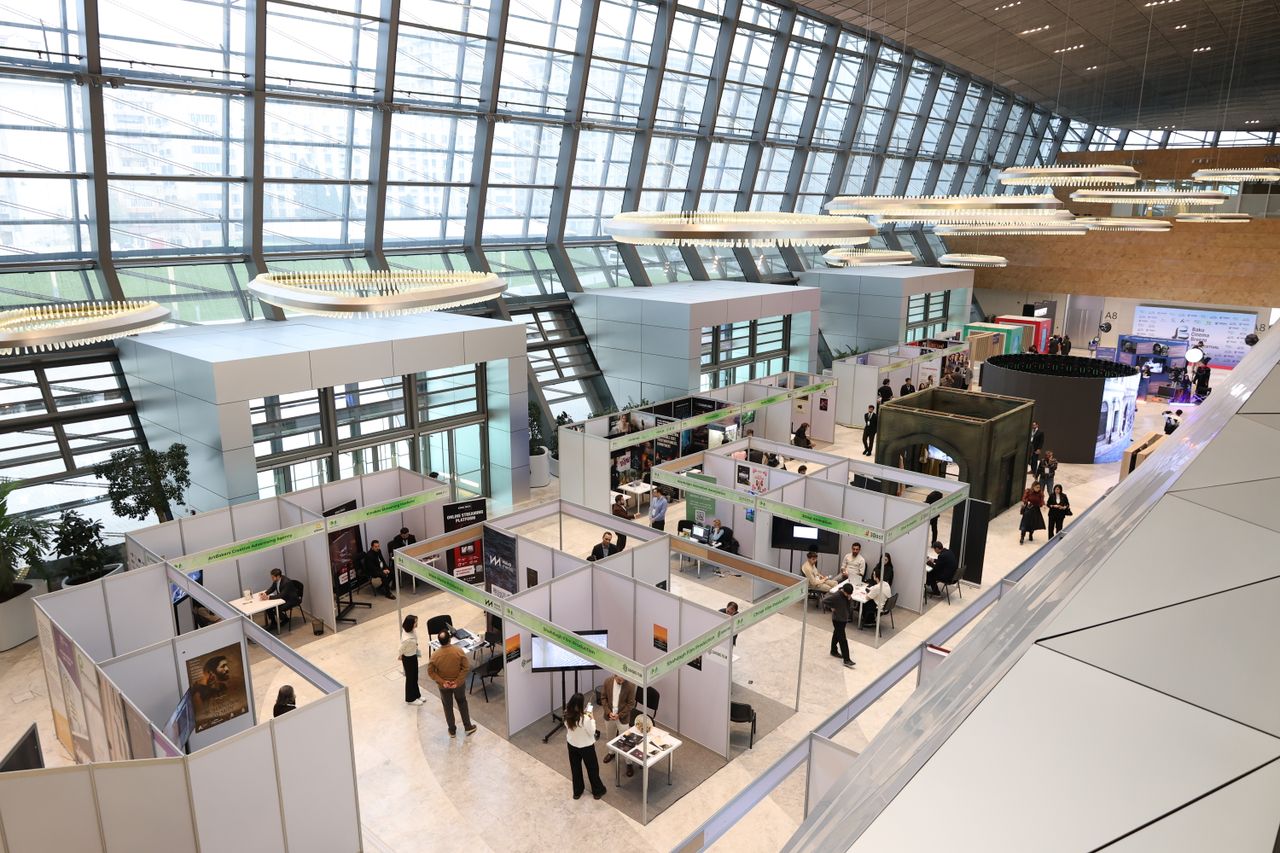
The American South's longest-running anime convention has been meeting in Atlanta every September since 1997. Anime Weekend Atlanta is where the Southeast's anime fandom comes to recognize itself. Walk the AWA floor on a Thursday night and the energy hits immediately: cosplayers in elaborate handmade builds line the escalators, artist alley tables overflow with original prints and fan art, and the programming halls pulse with AMVs, panel debates, and late-night gaming tournaments that run until 3 AM. The dealers room is legitimately staggering — vintage merchandise, imports, rare figures, and indie creators all packed into a space where you could spend a full day and still miss things. The masquerade on Saturday night is one of the most theatrical cosplay competitions in the country, drawing contestants who have spent months on a single build. AWA moves differently than the mega-cons: it feels less like a trade show and more like a reunion — because for thousands of attendees, it genuinely is. If you grew up watching anime in the South and never found your people, AWA is the answer. This is not for casual fans who think anime is just Naruto and Dragon Ball. It is for people who obsess over seasonal charts, debate subculture lore, and have a hard drive full of unfinished cosplay plans. First-timers frequently describe AWA as the con that finally felt like home. If you are that person — the one who learned Japanese from subtitles and named a pet after a character — this is worth every flight mile. Book your hotel at the World Congress Center Marriott before August or it will sell out — AWA attendees treat the hotel block as sacred and it fills months in advance. Badge pickup lines on Thursday afternoon are brutal; opt for pre-registration and arrive before noon. The dealers room has no ATMs inside — bring cash, bring more than you think you need, and budget for at least one impulse figure you did not plan for. The programming schedule releases about six weeks before the event and fills fast; panel rooms cap out, so plan your must-see events 30 minutes early. The loading dock area outside Building C is where the best spontaneous cosplay photo shoots happen after dark. It is the convention that proved the South has always had its own thriving fan culture — it just needed a room big enough to hold it. AWA 2026 runs November 19-22 at the Georgia World Congress Center, Building C, Atlanta.
The Southern con circuit keeps going the rest of the year in far smaller hotels, and the same people build costumes for all of it.
There is a convention center in Fort Worth where, for three days every December, the cowboys and the cosplayers share the same sidewalk — and nobody blinks, because Texas has always been bigger than any one identity.
Anime Frontier returns to the Fort Worth Convention Center December 4–6, 2026, for three days of premieres, panels, and special appearances from some of the biggest names in anime and manga. Presented by Crunchyroll, Anime Frontier has carved out a space that the East Coast cons like Anime NYC and Otakon and West Coast cons like Anime Expo do not cover — the entire middle of the country, where anime fandom runs just as deep but the nearest major convention used to be a 12-hour drive. The convention has grown rapidly since its launch, filling a geographic gap that the anime community had been complaining about for years.
The exhibitor hall and artist alley bring together hundreds of vendors, from official merch drops to independent artists whose work you will only find at cons like this. The programming runs from industry panels and world premieres to cosplay showcases and community meetups, and the scale is big enough to feel like a real convention without the crushing density of a 100K-attendance mega-con. New for 2026 is a Kids Sunday ticket and a dedicated Family Zone presented by Scholastic — a signal that Anime Frontier is building for the next generation of fans, not just serving the current one.
If you are an anime fan in Texas, Oklahoma, Arkansas, Louisiana, or anywhere in the central United States, Anime Frontier is the con that finally means you do not have to fly to a coast. If you are a veteran con-goer from either coast, Fort Worth offers something the big cons cannot — a manageable size, walkable downtown hotels and restaurants, and the Texas hospitality that makes out-of-towners want to come back every year.
Tickets include single-day and 3-day badges, with Premium AF passes for extra access and perks. Ordering by October 23 gets your badge shipped before the event. Fort Worth in December is mild enough for outdoor cosplay without the summer heat that plagues most anime cons. The convention center is downtown, walkable to dozens of restaurants and bars, and the whole experience feels like a community gathering rather than a corporate expo. For the anime community in the middle of America, Anime Frontier is no longer the new con — it is the home con.
New York went without a major anime convention for an embarrassingly long time given how many people there wanted one, and when it finally arrived it grew faster than almost any convention in American history. Anime NYC now fills the Javits Center on the far west side of Manhattan and has become the East Coast's largest anime event, with the industry treating it as a genuine announcement platform rather than a regional stop.
What separates it from the older conventions is that it feels like it belongs to the city rather than to a hotel complex. Attendees spill into Hell's Kitchen and midtown between panels; the after-hours culture happens in restaurants and karaoke rooms rather than in hotel hallways. Inside, the industry presence is unusually heavy — Japanese publishers and studios send real delegations, there are manga creators doing signings who rarely leave Japan, and the concert programming has brought over acts that had never played the United States. The dealers hall is large and the artist alley is genuinely excellent, benefiting from the density of illustrators who already live within a train ride.
Is it worth it? If you follow manga and the industry side of anime rather than only the shows, this is the best convention in the country for you, because the guests are the people who actually make it. If you want a warm, sprawling, all-night fan convention, the hotel-based cons in the Midwest and Maryland do that better — Javits closes and you go out into Manhattan, which is a different experience and an expensive one.
What to know before you go: badges sell out, sometimes months ahead, and there is no walk-up. Javits is a long avenue walk from the nearest subway; budget the time. Late August in New York is hot and humid and the costume math should account for that. Ticketed signings are allocated by lottery — enter early. And eat outside the building; you are in one of the best food cities on earth.
It earns a place here because the speed at which it grew is the clearest single piece of evidence about how large this audience actually became, and that is worth knowing even from across the country. Anime NYC 2027 runs August 26–29, 2027 at the Javits Center.
There is a photograph you have seen without knowing where it came from: someone in an elaborate costume standing on a marble staircase under an eighteen-story glass atrium, winter light coming through, looking like a still from a film that was never made. That is Katsucon, and the building is most of the reason it has the reputation it does. Held every February at the Gaylord National Resort on the Potomac just outside Washington, it is among the most photographed anime conventions in the world, and the cosplay community treats a weekend there as something closer to a pilgrimage than a trip.
The atrium is the event. Other conventions have panels and dealers and artist alleys, and Katsucon has those too, but what actually happens is that thousands of people spend three days building and wearing things they worked on since summer, and then the building gives them the best backdrop in North America to be seen in. Photographers book months ahead. There are impromptu gatherings by series on the staircases at all hours. Because the whole thing is under one roof and the weather outside is February in Maryland, the convention never really stops — the hallways at three in the morning are as busy as the floor at noon.
Worth it? If you make things — sew, foam-smith, wig-style, prop-build — this is the room where that labor is understood without explanation, and there is no substitute for that. If you are coming to shop or to meet voice actors, other conventions do that better and cheaper. Katsucon is for the makers and the people who love watching them, and it is honest about that. First-timers who come without a costume routinely report it was still the best convention they had been to, because the spectacle is genuinely free to watch.
What to know: the host hotel sells out almost immediately, and staying on-site is materially different from staying off — the atrium at night is the whole point. Budget for that. Bring a repair kit; something will break. The convention center portion and the hotel portion are connected but the walk is longer than it looks in costume. And Friday is the quiet day worth arriving for.
It earns a place here because it is the clearest example in American fandom of a venue and a community finding each other perfectly, and because knowing it exists changes what you think a costume is for. Katsucon 2027 runs February 12–14, 2027 at the Gaylord National Resort & Convention Center, National Harbor, Maryland.
The oldest and largest anime convention in the Pacific Northwest was started by a group of college students in the mid-nineties, back when liking this at all required explaining yourself, and it is still run entirely by volunteers. That fact shapes everything about the weekend. Nobody is extracting margin from you. The programming is built by people who wanted it to exist rather than by a department, which is why the schedule is full of things no commercial convention would ever green-light.
What that produces is a convention with an unusually high proportion of actual content — panels running past midnight, a serious concert program, a masquerade that people prepare for over months, and a video programming track that still shows things on a screen in a dark room to whoever wanders in. There is a formal ball. There is a chess tournament. The dealer hall is large but is not the center of gravity, which at an anime convention in the current era is genuinely unusual. The crowd skews younger than the older-guard conventions and the atmosphere is closer to a very large school event than to a trade show, in the best possible way.
Worth it? If you want a convention where the programming rather than the shopping is the reason to be there, this is one of a handful left in the country, and it is the best of them on the West Coast outside of Los Angeles. If you are coming primarily for big-name industry announcements, the larger shows will serve you better. Sakura-Con is for people who want to spend three days inside the thing rather than adjacent to it.
What to know before you go: registration opens early and the price ladder rewards buying well ahead. Late March in Seattle means rain, and the walk between the convention center and most hotels is short but unsheltered. The concerts are included with a badge and fill up, so line early for the ones you care about. Bring cash for artist alley. And the volunteer staff will genuinely help you if you ask, because they are attendees too.
It belongs on this list because a thirty-year-old, volunteer-run, still-thriving convention is evidence that a community can build something durable without anyone monetizing it, and that is worth knowing exists. Sakura-Con 2027 runs March 26–28, 2027 at the Seattle Convention Center.
Washington takes itself extremely seriously fifty-one weekends a year, and once each spring several tens of thousands of people in costume take over its convention center and the effect is genuinely restorative. Awesome Con is the capital's pop culture convention, and its particular character comes from the city it happens in: there is a substantial science track built with the Smithsonian and NASA sitting directly alongside the comics and the film guests, and it does not feel bolted on.
What that produces is a convention where a nine-year-old can go from a panel by an actual planetary scientist to a line for a voice actor without leaving the building, and where the crowd is noticeably more family-heavy and more racially mixed than most large cons. The Walter E. Washington Convention Center is enormous and easy to move around, which matters more than people expect — there is room to sit, room to eat, room for kids to melt down and recover. Artist alley is strong. The cosplay is competitive without being cliquish. And because it is April in Washington, the city outside is at its best; a lot of attendees build a weekend around the museums, which are free.
Worth it? If you have children who are into any of this, it is one of the best large conventions in the country for that, and the science programming is a genuine differentiator rather than a marketing line. If you are a hardcore collector chasing exclusives, the bigger coastal shows have deeper inventory. Awesome Con is broad rather than deep, and that breadth is the point.
What to know before you go: the convention center sits on top of a Metro station, so do not drive — parking downtown is punitive and the trains run late. Badges are cheaper in advance and children's pricing is generous. Saturday is by far the busiest day; Friday and Sunday are calmer and better for actually talking to artists. Bring a bag for prints. And if you are traveling in, the museums a few blocks away mean the non-convention hours are unusually well spent.
It is on this list because a convention that treats curiosity and fandom as the same impulse is a rarer thing than it should be, and because a weekend where the most self-serious city in America lets go is worth knowing about. Awesome Con 2027 runs April 23–25, 2027 at the Walter E. Washington Convention Center.
Aug 20 – Nov 22, 2026
From $175
Javits Center, New York, NY 10001
The East Coast doesn't have Anime Expo. It built Anime NYC — and for the community on the right side of the country, that distinction matters.
Javits Center, November 20-22, 2026. Three days, one convention floor, and the crowd that traveled 400 miles to be in the same room as guests who shaped the shows they grew up on. Panels, artist alley, industry announcements, the con floor energy that only happens when this many people are this invested.
The guest roster pulls from English and Japanese voice acting, manga artists, and industry figures who don't appear at US conventions often. Artist Alley is one of the larger ones on the East Coast circuit. The show floor runs exhibitors across the full range — merchandise, media, collectibles.
Badges from $175. New York City is the venue around the venue — the community migrates through Midtown after hours. The East Coast convention that became its own thing.
Mar 26 – Mar 28, 2027
Anaheim Convention Center, 800 W K…
Everyone has a friend who has spent a decade losing the badge lottery down in San Diego. This is where you take them.
Same organization runs it, same programming instincts, and a floor you can actually cross without a strategy meeting. Sixty thousand people rather than six figures, which is the difference between a convention and an evacuation drill. Publisher booths, artist alley, preview screenings, exclusive merch, and the Saturday-night masquerade, which is the flagship — costumes built over months, walked in front of a crowd that knows exactly how hard the seams were.
Because the badges are gettable and the halls are navigable, it has quietly become the best first convention a person can have. Families bring kids. First-timers stop being first-timers. The panel access is still real.
Anaheim Convention Center, three days in March, badges on sale months ahead with the good tiers moving fast.
Take the person who has been saying next year about the other one for a decade. End the streak.
Somewhere in that room two strangers are deep in an argument about print runs that neither of them will win, and both are having the best afternoon of their month. That conversation mostly went extinct the moment the entertainment industry discovered comics. Here it never stopped.
This is a collector's room first — condition, variant identification, print-run knowledge as the shared currency. The vendor floor is the reason to come: original art pages from creators whose names you know, silver and bronze age books priced by sellers who know their own inventory, Golden Age finds in sleeves, and a small-press aisle where independent creators sell and sign the thing they made themselves. Programming runs to history and craft, and the guests are there because they care about comics, not because a film is coming.
Spring in San Diego; venue and admission post at sdcomicfest.com.
Send it to the person who still has their long boxes in the closet.
Before anime was something you could explain at work, a few thousand people started meeting once a year in a suburb next to O'Hare airport to watch subtitled tapes and argue about them. Three decades on, Anime Central is the largest anime convention in the Midwest, still in Rosemont, still fundamentally shaped by having been built by fans rather than by a company.
The thing that makes it distinctive is the hotel geography. The convention center connects by covered walkway to several large hotels, and because Rosemont is a small municipality that exists mostly to serve the airport, the convention effectively takes over the entire area for a weekend. That produces the phenomenon regulars talk about most: the con does not close. Room parties, hallway gatherings, impromptu dance circles, people in costume getting food at two in the morning at the same handful of restaurants. The formal programming is strong — a large dealers hall, a serious artist alley, concerts, a masquerade that people train for — but the actual memory people carry out is of the hours between the scheduled things.
Worth it? If you want a large anime convention with a genuine all-night social culture, this is one of the best in the country and the walkway layout is a real structural advantage over conventions where you have to cross a city at midnight. If you want polished, corporate-run programming and major industry announcements, the coastal shows are bigger. ACen is scrappier and warmer.
What to know before you go: book a connected hotel the moment rooms open, because being on the walkway versus off it changes the entire weekend. Rosemont has its own train stop on the blue line, so you can fly in and never rent a car. May in Chicago is unpredictable and the walkways mean you may never need a coat. Bring cash for artist alley. And the panel rooms fill fast for anything popular, so queue rather than wander.
It is on this list because a thirty-year-old fan-built institution that still runs on its own social energy is a genuinely interesting thing to know exists, whether or not you ever fly to Illinois for it. Anime Central 2027 runs May 14–16, 2027 at the Donald E. Stephens Convention Center in Rosemont.
The announcement you will see trending worldwide by dinner happens in a room you could be standing in at lunch. That is the entire case for showing up on the first full public day instead of easing in over the weekend.
This is when the building finally hits capacity and the studio panels start dropping licensing reveals and surprise first episodes. Anisong sets bring Japanese recording artists who almost never play the States. Voice actors and creators sign all afternoon. The floor and Artist Alley run flat out from open to close — hundreds of independent artists selling prints, charms, and original work — and the sweet spot for actually shopping it is early afternoon, before the prime-time panels pull the crowd away.
The Metro drops you a short walk from the doors. A main badge covers daytime programming, panels, the floor, and the alley; the big concerts ticket separately.
Send it to the friend with a simulcast tab open right now. They will not need convincing.
While you are lookingDifferent scene, same night out.
Jan 7 – Jan 10, 2027
Long Beach Convention Center, 300 …
Some knowledge you cannot buy: which panels are worth lining up an hour early for, which guest signings empty out fast, which late-night rooms never make it onto the printed schedule. Regulars hand that down to each other here, and it is the real inheritance of a convention that has been meeting for over two decades.
The tradeoff for running smaller than Anime Expo is access. To the guests, who trend toward voice actors and fan creators who build their year around Southern California cons. To the programming, which you can actually get into. To each other — the dealer room and artist alley run at a scale where you can move without turning sideways.
Four days at the Long Beach Convention Center, January 7-10, 2027, and they open the convention calendar for the whole region.
Send this to whoever you stood next to in line last year. They are already planning.
May 29 – May 31, 2027
Riverside Convention Center, 3637 …
An hour to Los Angeles for the big convention, an hour back at one in the morning — that is what being an anime fan out here has always meant. This is the year that stopped. There is a real pride in a room full of people from Riverside, San Bernardino, Temecula and Redlands who finally did not have to leave home to find each other. It is the whole format at a scale you can actually walk: panels, an exhibit hall, artist alley, gaming rooms, and a cosplay contest judged by a crowd that recognizes the characters without being told. No airport-terminal sprawl. That trade was made on purpose — less distance between you and the thing you came for. The convention takes over the Riverside Convention Center downtown, with dates confirming at animeriverside.com. Bring the friends who made that drive with you one too many times.
May 22 – May 23, 2027
Ontario Convention Center, Ontario…
Somewhere in the artist alley there is a table with your favorite book on it, and the person who drew it is sitting behind it, waiting for someone to say the right thing. That is the whole reason to go. The Inland Empire's comic weekend stays small enough that you can actually reach that table — no wristband lottery, no line that eats your morning, no security walking the queue with a clipboard. Panels run all day for the people who want to hear how the work actually gets made. The exclusive merchandise moves early, which the regulars know, which is why they walk the floor before they do anything else. Pop culture at large is here too, but comics are still the spine of it. Ontario Convention Center, in Ontario. Bring the friend who has been quietly drawing in the margins since middle school and has never shown anyone.
In 6 days· Oct 30 – Nov 1
Los Angeles Convention Center, 120…
The big one down the coast takes all the attention. The people who come to this one prefer it that way, and they are quietly glad you have not worked it out yet.
Three days at the Convention Center — celebrity signings, panels, and an exhibitor floor that runs independent publishers alongside the major houses. Fifty thousand people who grew up on the same stories, turning a hall into a reunion.
The character is different on purpose. This is the industry's own convention, the one people attend in costume because they want to rather than because the press is watching. Comics, sci-fi, gaming, horror, anime, fantasy, across all three days.
Los Angeles Convention Center, 1201 S Figueroa St. October 30 through November 1.
The mythology is still being made in that room, and some of the people making it are sitting at a table waiting for someone to say hello.
In 5 days· Oct 29 – Oct 30
The Mayan, 1038 S Hill St, Los Ang…
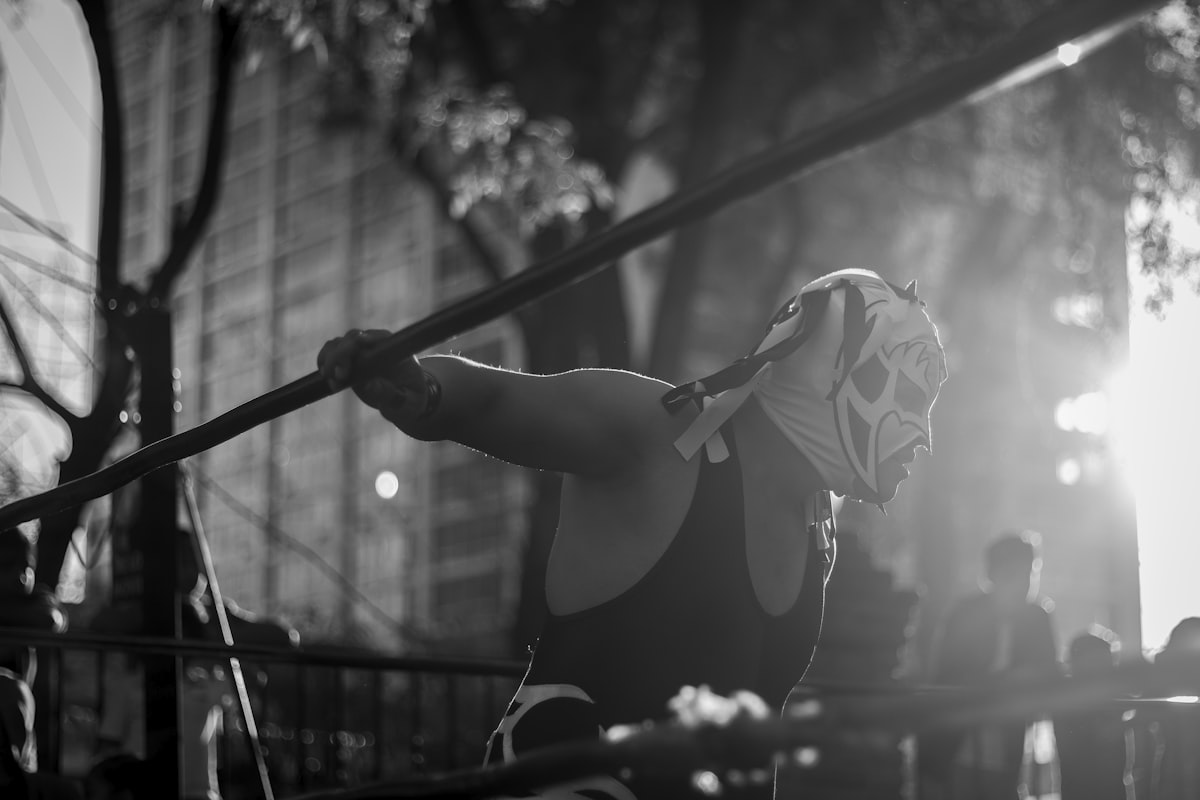
Once a year the luchadores put Halloween masks on over their regular masks, and that one act of stacking costume on costume tells you everything about the night you have walked into.
This is the maximalist end of the calendar. The wrestlers go themed. The burlesque performers pull out their biggest numbers. Eduardo Leal presides over the chaos from the mic. And the crowd, which treats the holiday as a competition, turns up in full Day of the Dead makeup, in superhero suits, in luchador masks bought that afternoon specifically for this. A thousand people in an art deco theater at capacity, watching Mexican wrestling tradition collide with LA counterculture. It is either the strangest evening of your year or the best one.
The Mayan on South Hill Street downtown, 21 and over. It sells out weeks ahead, so the email list is how people actually get in.
Go with the person in your life who commits far too hard to a costume. They have been waiting for this room their whole life.
Saturday is when Comic-Con becomes what it is.
Hall H fills before dawn — the line outside has been there since the night before. The franchise trailers, the cast reunions, the first looks: they all happen on a Saturday at San Diego Comic-Con. July 24, 2027. The day the industry picks to say what it couldn't say anywhere else, in front of the crowd that will carry it everywhere.
Saturday programming runs across all three levels of the Convention Center simultaneously. Hall H anchors with the major franchise panels. Ballroom 20 runs television and streaming. The smaller rooms carry comics, animation, games, and the programming that doesn't make the headlines but is often better.
The exhibit hall is at peak capacity on Saturday. Artist Alley is fully operational. The Off-Site activations in the Gaslamp are fully active — the marketing footprint of SDCC Saturday extends six blocks in every direction.
The pinnacle of the convention calendar. The day the rest of the year has been building toward.
Want personalized recommendations?
Create a free account and we'll surface events matched to your taste.