Sunday is the convention's exhale.
Hall H empties out. The floor thins enough that you can finally see it. Badge veterans quietly rate it the second-best day of the week, and a certain kind of attendee plans the whole trip around it.
The programming tilts fan-first rather than franchise-first — comics panels, creator Q&As, the closing ceremonies the broader press does not bother covering. Vendors cut deals to move inventory before teardown, and Artist Alley final-day pricing is the best it gets all week.
By late afternoon people are already in the Gaslamp over dinner planning next year, which is its own tradition. It ends the same way every time: with everyone insisting it went too fast.
San Diego Convention Center, 111 W Harbor Dr. Sunday, July 25, 2027.
Thursday and Friday are about what this thing is becoming. Sunday is about what it has always been.
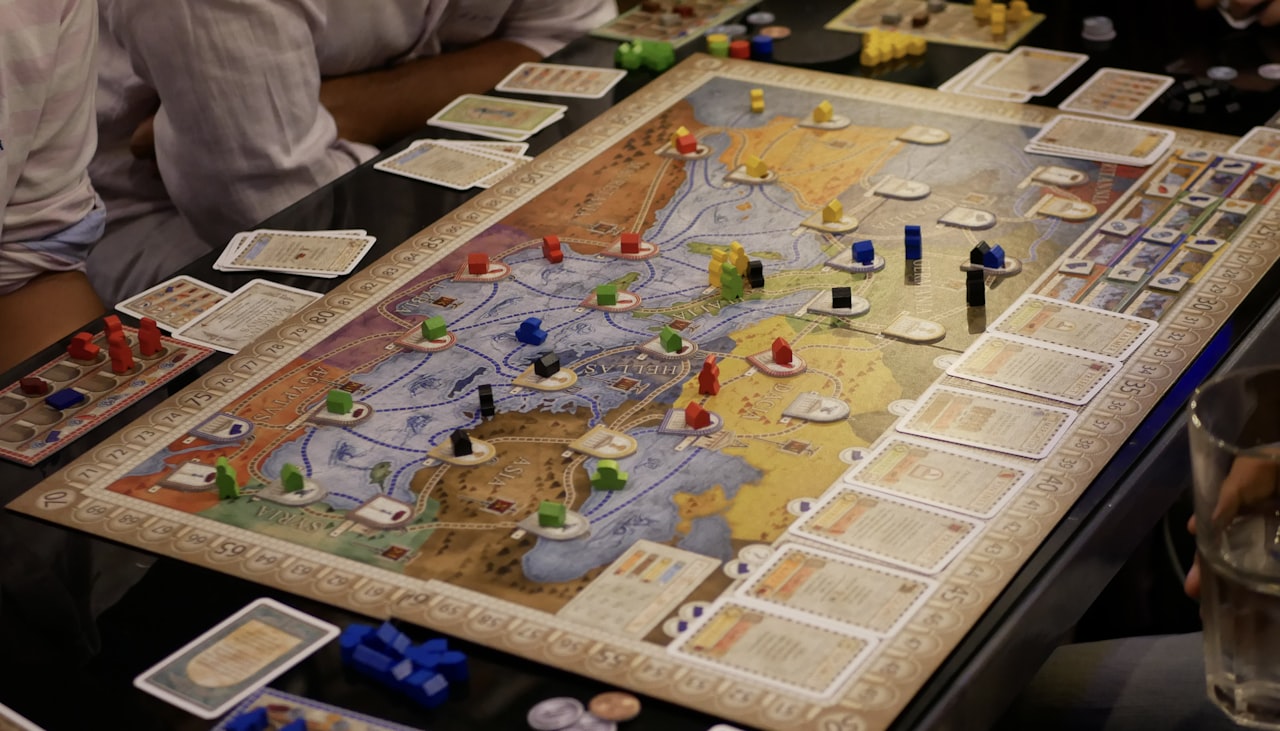
On a shelf in your house sit the games that only come out when the right people are in town, and the right people are almost never in town. That is the quiet arithmetic of being into this: the hobby is built for a full table and adult life keeps handing you three chairs and a Tuesday. For four days every August, one American city solves that completely, and the solution is so total it reorganizes how people think about the rest of their year.
Running since 1968 and held in downtown Indianapolis since 2003, Gen Con has grown into the oldest and largest tabletop gaming convention in North America. It takes over the Indiana Convention Center, spills into Lucas Oil Stadium, and fills the connected hotels until the skywalks over the street are moving crowds at two in the morning. Roughly seventy thousand people come. It is the closest thing the hobby has to a homecoming.
What it actually feels like is a city that has agreed, briefly and completely, to be about one thing. You walk into a hall the size of an airport terminal and every table in it has strangers sitting at it playing something. Open gaming runs essentially around the clock, which is the part that surprises first-timers most — at three in the morning there are still hundreds of people awake and mid-game, and joining a table requires nothing but asking. Designers demo their own unreleased games personally. The line you are standing in becomes a game. People who have played together online for nine years meet in person for the first time and it is visibly emotional.
Is it worth it? If you have ever felt the specific frustration of loving something that requires other people to enjoy, yes, and it is not close. This is not a spectator convention where you look at things behind glass — you sit down and you play, constantly, for four days. It is not for someone looking for a relaxed vacation; it is loud, enormous, and physically demanding, and you will walk more than you expect. It is for the person who wants to be surrounded.
What veterans know: the Exhibit Hall opens at 10 AM Thursday and the first hour is genuine chaos, because the new releases that everyone came for have limited print runs and the popular ones are gone before noon. Buy event tickets the moment registration opens; the good sessions sell out in minutes. Book a hotel on the skywalk system and thank yourself later.
Gen Con 2027 runs August 5 through 8 at the Indiana Convention Center. Badges and event registration go through gencon.com, and the rest of the year the same people are findable in a hundred smaller rooms.
New York went without a major anime convention for an embarrassingly long time given how many people there wanted one, and when it finally arrived it grew faster than almost any convention in American history. Anime NYC now fills the Javits Center on the far west side of Manhattan and has become the East Coast's largest anime event, with the industry treating it as a genuine announcement platform rather than a regional stop.
What separates it from the older conventions is that it feels like it belongs to the city rather than to a hotel complex. Attendees spill into Hell's Kitchen and midtown between panels; the after-hours culture happens in restaurants and karaoke rooms rather than in hotel hallways. Inside, the industry presence is unusually heavy — Japanese publishers and studios send real delegations, there are manga creators doing signings who rarely leave Japan, and the concert programming has brought over acts that had never played the United States. The dealers hall is large and the artist alley is genuinely excellent, benefiting from the density of illustrators who already live within a train ride.
Is it worth it? If you follow manga and the industry side of anime rather than only the shows, this is the best convention in the country for you, because the guests are the people who actually make it. If you want a warm, sprawling, all-night fan convention, the hotel-based cons in the Midwest and Maryland do that better — Javits closes and you go out into Manhattan, which is a different experience and an expensive one.
What to know before you go: badges sell out, sometimes months ahead, and there is no walk-up. Javits is a long avenue walk from the nearest subway; budget the time. Late August in New York is hot and humid and the costume math should account for that. Ticketed signings are allocated by lottery — enter early. And eat outside the building; you are in one of the best food cities on earth.
It earns a place here because the speed at which it grew is the clearest single piece of evidence about how large this audience actually became, and that is worth knowing even from across the country. Anime NYC 2027 runs August 26–29, 2027 at the Javits Center.
Most conventions rent a building. This one takes a city. Over Labor Day weekend the entire hotel district of downtown Atlanta is absorbed — five host hotels connected by skybridges, tens of thousands of people moving between them at all hours, and a parade down Peachtree Street that closes the road and draws crowds who are not attending at all. Dragon Con is the closest thing American fandom has to a carnival, and the distinction from a trade show is not cosmetic.
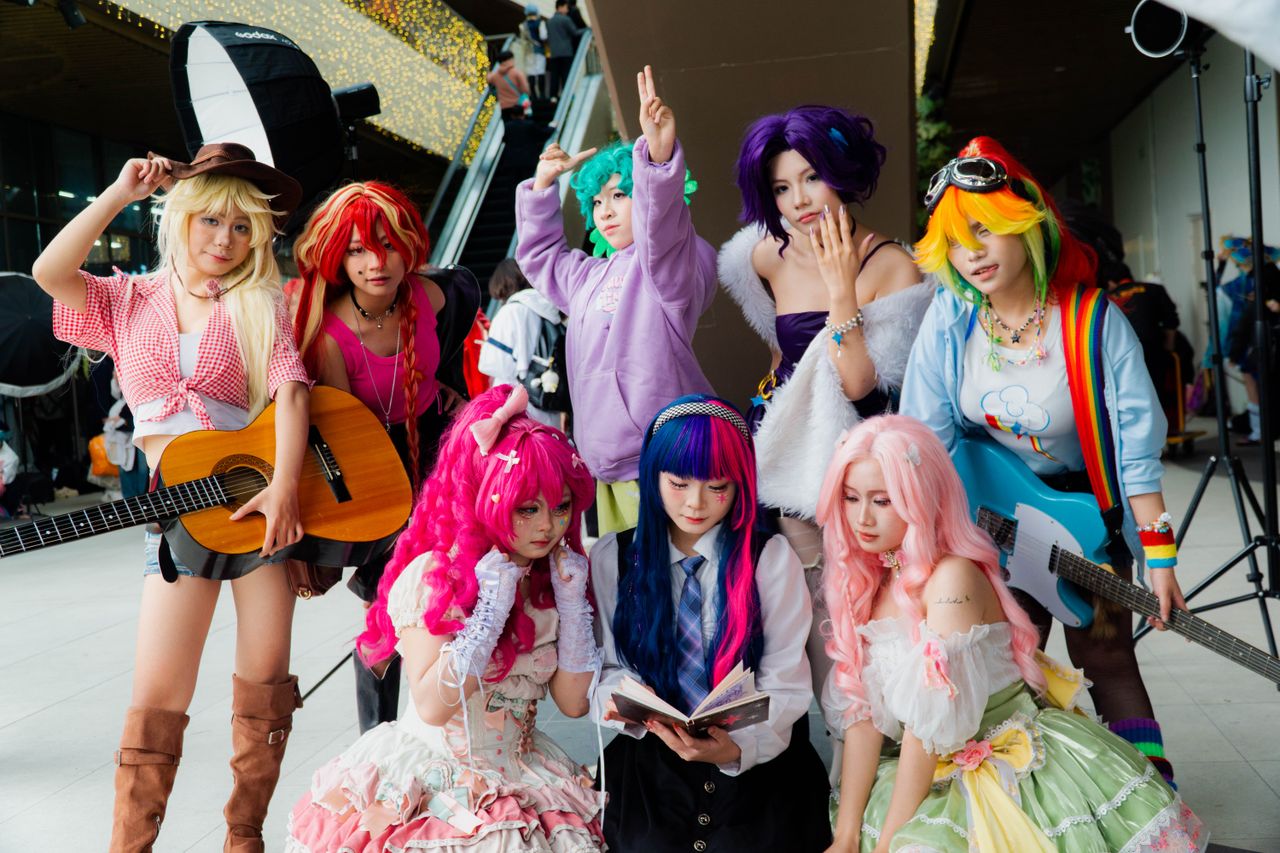
Because it is spread across hotels rather than a convention center, the event never has a closing time. Programming runs past three in the morning. There are more than forty separate fan tracks, which means the schedule includes serious literary panels, a robotics track, a puppetry track, several music stages and an entire independent film festival, all running simultaneously. The costuming is on a different level from other conventions — people build for a year — and the skybridges function as continuous informal runways where that work gets seen. It is also famously a drinking convention with a well-developed late-night culture, which is either the appeal or the warning depending on who you are.
Worth it? If you want the most all-encompassing and least corporate large fandom experience in the country, there is nothing else like it and the scale genuinely surprises people. If you want a quiet, structured weekend or you are bringing small children, this is the wrong one — it is loud, crowded, and does not sleep. The honest summary is that Dragon Con is a festival that happens to be about fandom rather than a convention with a party attached.
What to know: host hotel rooms are gone roughly a year in advance and staying on the skybridge network versus off it is the single biggest variable in your weekend. Atlanta in September is hot. The parade is Saturday morning and worth setting an alarm for even if you are not in it. Buy your badge early — the price ladder is steep. And accept that you will miss most of what you wanted to see; everyone does.
It is on this list because a fandom that builds an entire temporary city once a year is a genuine American cultural phenomenon, and knowing it happens changes your sense of the scale of this thing. Dragon Con 2027 begins September 2, 2027 across downtown Atlanta.
The medium you grew up on has spent thirty years being described to you by people who do not play it. You already know what it actually is — the thing you did with friends on a couch, the thing that got you through a bad year, the thing that is obviously an art form and obviously also just fun. Once a year over Labor Day weekend, Seattle stops arguing about that entirely and just holds the party.
PAX West is the original PAX, started in 2004 by the people behind Penny Arcade as a convention built for players rather than for press and buyers. That origin still shows. Unlike the industry trade shows, nearly everything here is hands-on: you queue, you sit down, you actually play the unreleased thing, and the person explaining it to you is frequently the person who made it. It occupies the Seattle Convention Center across two buildings downtown and pulls tens of thousands of people into a few walkable blocks.
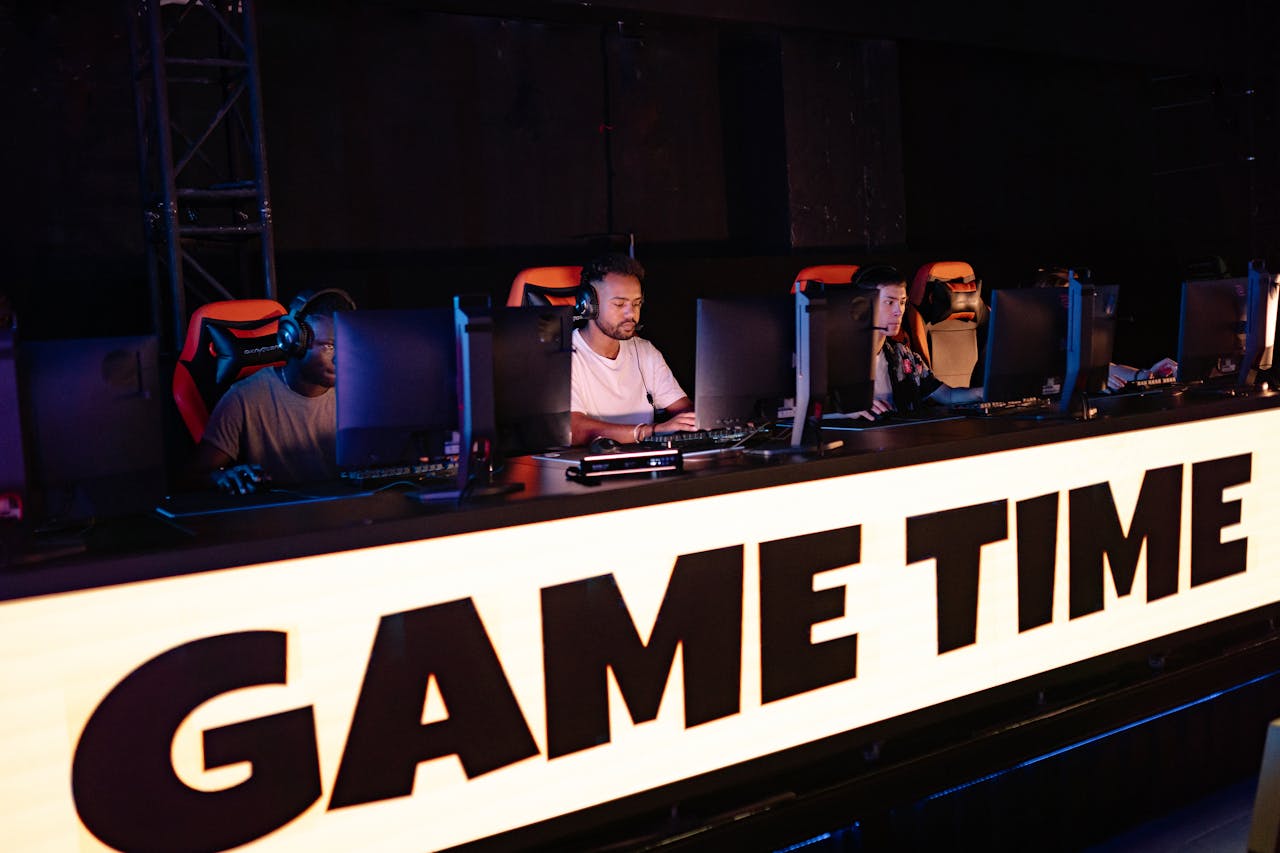
The feel of it is less corporate than people expect. Whole halls are given over to things with no commercial purpose at all — freeplay rooms full of console setups, a tabletop area where you can borrow from a library of hundreds of games, handheld lounges, a legitimately good concert lineup at night. The indie section, called the PAX Rising floor, is where most veterans will tell you to spend your time, because that is where you play something made by four people in a room and recognize that it is better than most of what is upstairs.
Is it worth it? If you actually play games, yes — this is the rare convention built around doing rather than watching. If you are coming hoping to see enormous AAA reveals, be warned that those increasingly happen in online showcases instead, and the show has drifted toward indies and community, which most attendees consider an improvement. It is for the person who wants to play fifteen things they have never heard of.
What to know before you go: the show runs 10 AM to midnight Friday through Sunday, which is the single most useful fact about it — PAX is an evening convention as much as a daytime one, and the halls after 8 PM are calmer, the lines shorter, and the tournaments and concerts are running. Sunday and Monday are noticeably less crowded. The convention center is split between the Arch and Summit buildings, so read which one your panel is in before you walk.
PAX West 2027 runs September 3 through 6 at the Seattle Convention Center, Arch Building, 705 Pike Street. Badges sell out; buy early.
There's more here for you.
An account shows you convention & expo events matched to your exact taste — not just what's popular.