Apr 11 – Apr 13, 2027
Long Beach Street Circuit, Shoreli…
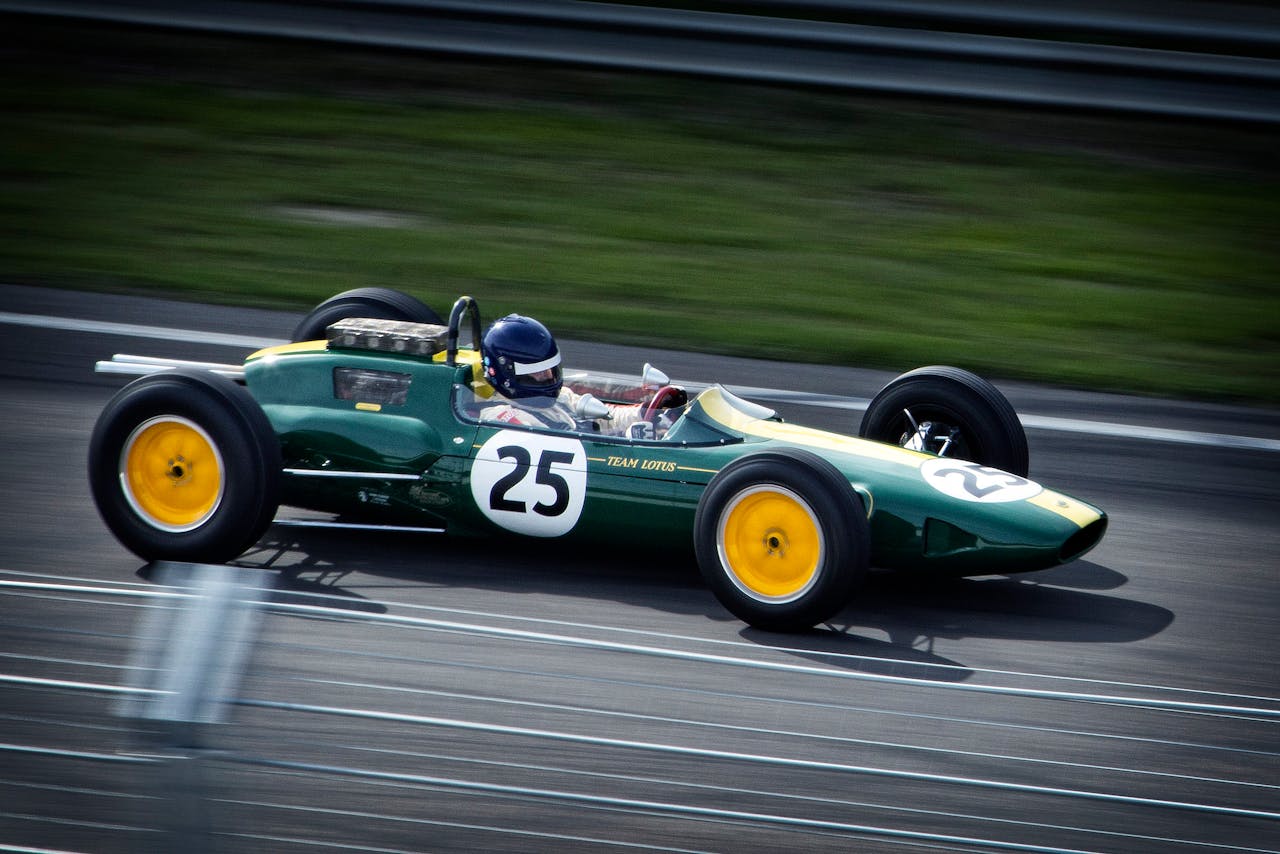
Streets that carry commuters every other day of the year get taken away from cars for one weekend, and half the reason people come is to watch a working downtown turn into a racetrack. The Acura Grand Prix has run since 1975, which makes it one of the most storied street circuits in North America and the rare motorsport event a city genuinely absorbed rather than merely hosted. The circuit runs 1.968 miles along the waterfront. Practice Friday, qualifying Saturday, the IndyCar race Sunday, with permanent grandstands at Turn 1 and temporary seating scattered around the course so the view and the price scale together. Around it: support races that rotate every year, IMSA and Formula Drift among them, a vendor midway, car shows, and a harbor that spends three days smelling like fuel and sunscreen. Shoreline restaurants and bars run their own hours all weekend. Go once and the sound alone reorganizes your opinion of racing. Bring somebody who has only ever watched it on a screen.
Most cities schedule a festival around the working year. San Antonio spends eleven days in April declining to pretend it will get anything else done.
Fiesta began in 1891, when Ellen Maury Slayden proposed a parade of flowers to mark the anniversary of the Alamo and San Jacinto, and a group of local women organized themselves to run it. They are still running it. The Battle of Flowers Parade remains organized and produced entirely by women volunteers, generation handing to generation, which makes it one of the longest continuously woman-run public events in the country. Schools close. Families claim curb space days ahead. The 2027 celebration runs April 15 through April 25.
What surprises outsiders is that Fiesta is not one event but a loose federation of a few hundred of them, thrown by different groups across the city with no central aesthetic — royal courts and coronations alongside backyard cook-offs, a river parade of decorated barges, four nights of Night in Old San Antonio packed into the La Villita historic district, marching bands, a charreada, a lot of people day-drinking respectfully in the heat.
The currency of the whole thing is medals. Every organization, school, restaurant, fire station and dentist's office issues its own enameled Fiesta medal each year, and residents wear them pinned to sashes and vests that become audibly heavy by day four. Trading is the actual social protocol: you approach a stranger, admire a medal, offer one of yours. It is a small economy of pure civic affection, it has no monetary logic, and it is the fastest way for a visitor to stop being a spectator. Bring something to trade. People will explain the rules to you gladly.
Who it is for: anyone who suspects American cities have gotten too efficient to throw a real party. If you want a clean lineup, assigned seating and a schedule that resolves, Fiesta will frustrate you — the good version of this trip involves getting swept into something you did not plan. Also, it is genuinely hot, and cascarones, confetti-filled eggshells, will be cracked on your head by children with total impunity.
Before you go: the kickoff is a free evening party at Travis Park that opens the celebration, and it is the cheapest way to take the temperature of the whole thing. Many street events cost nothing; the parades and NIOSA are ticketed and sell through. Book lodging early — downtown fills months out. Carry cash.
A hundred and thirty-six years in, a city of two and a half million still stops for a parade invented by a handful of women who wanted to throw flowers at a memory. Whatever you were told about Texas, this is the part nobody mentions.
April 15 to 25, 2027. Kickoff at Travis Park, 301 E Travis St, San Antonio. Full schedule and ticketing through the Fiesta San Antonio Commission.
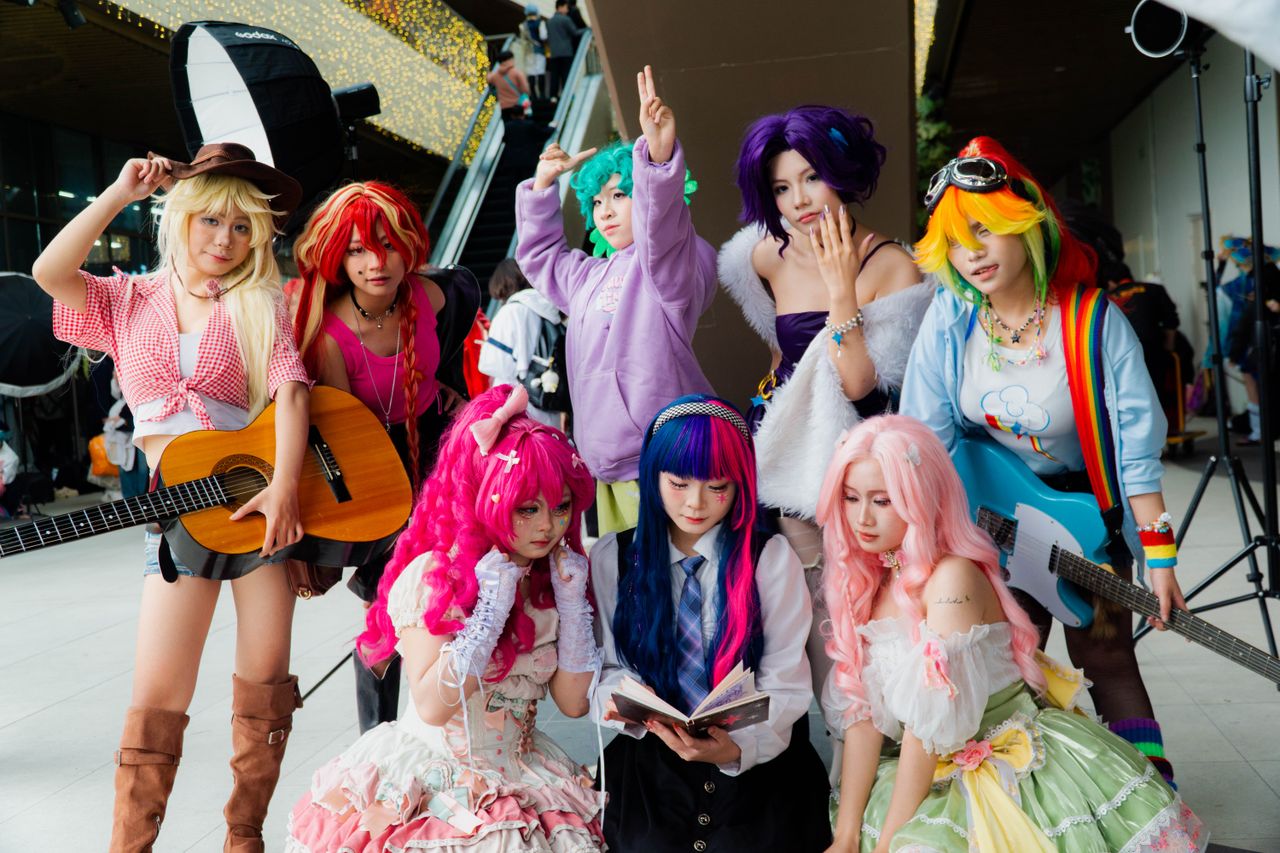
Washington takes itself extremely seriously fifty-one weekends a year, and once each spring several tens of thousands of people in costume take over its convention center and the effect is genuinely restorative. Awesome Con is the capital's pop culture convention, and its particular character comes from the city it happens in: there is a substantial science track built with the Smithsonian and NASA sitting directly alongside the comics and the film guests, and it does not feel bolted on.
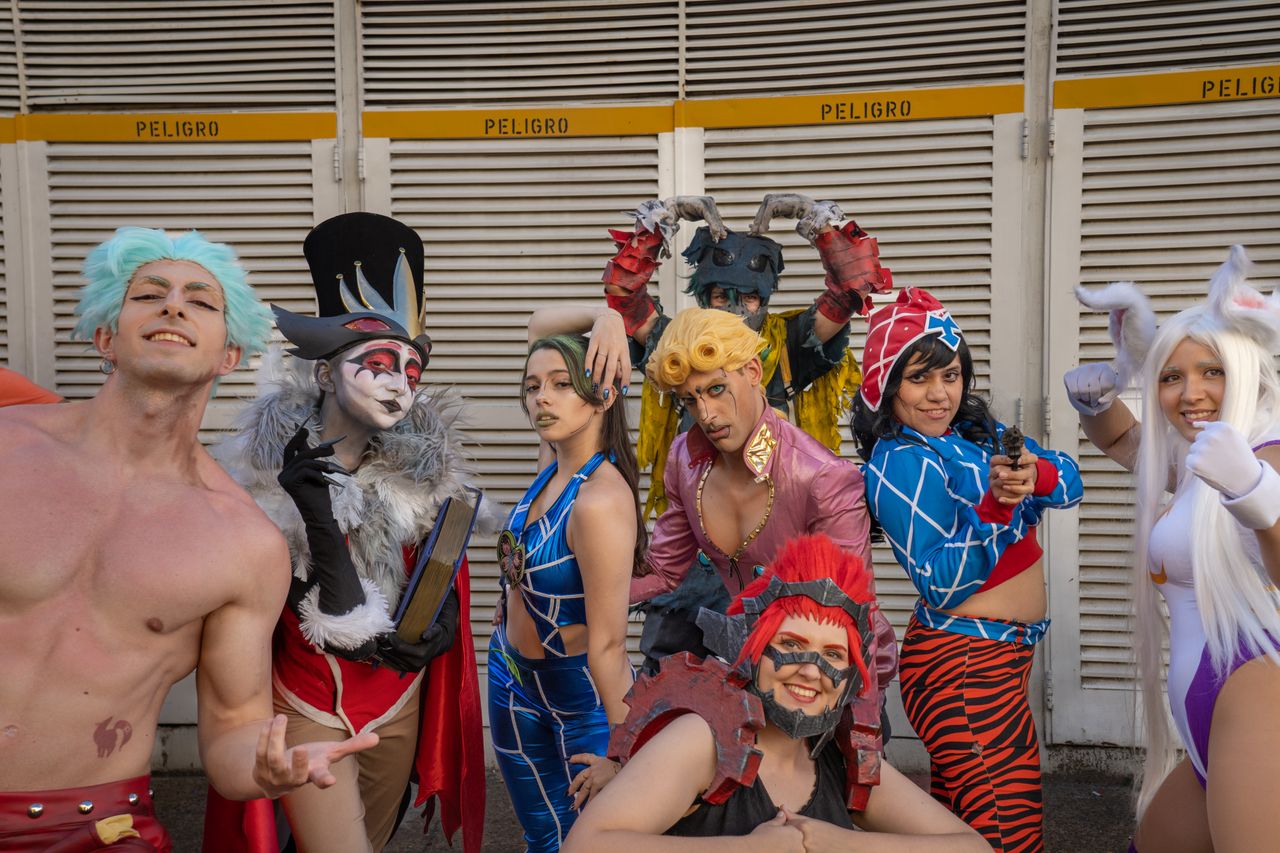
What that produces is a convention where a nine-year-old can go from a panel by an actual planetary scientist to a line for a voice actor without leaving the building, and where the crowd is noticeably more family-heavy and more racially mixed than most large cons. The Walter E. Washington Convention Center is enormous and easy to move around, which matters more than people expect — there is room to sit, room to eat, room for kids to melt down and recover. Artist alley is strong. The cosplay is competitive without being cliquish. And because it is April in Washington, the city outside is at its best; a lot of attendees build a weekend around the museums, which are free.
Worth it? If you have children who are into any of this, it is one of the best large conventions in the country for that, and the science programming is a genuine differentiator rather than a marketing line. If you are a hardcore collector chasing exclusives, the bigger coastal shows have deeper inventory. Awesome Con is broad rather than deep, and that breadth is the point.
What to know before you go: the convention center sits on top of a Metro station, so do not drive — parking downtown is punitive and the trains run late. Badges are cheaper in advance and children's pricing is generous. Saturday is by far the busiest day; Friday and Sunday are calmer and better for actually talking to artists. Bring a bag for prints. And if you are traveling in, the museums a few blocks away mean the non-convention hours are unusually well spent.
It is on this list because a convention that treats curiosity and fandom as the same impulse is a rarer thing than it should be, and because a weekend where the most self-serious city in America lets go is worth knowing about. Awesome Con 2027 runs April 23–25, 2027 at the Walter E. Washington Convention Center.
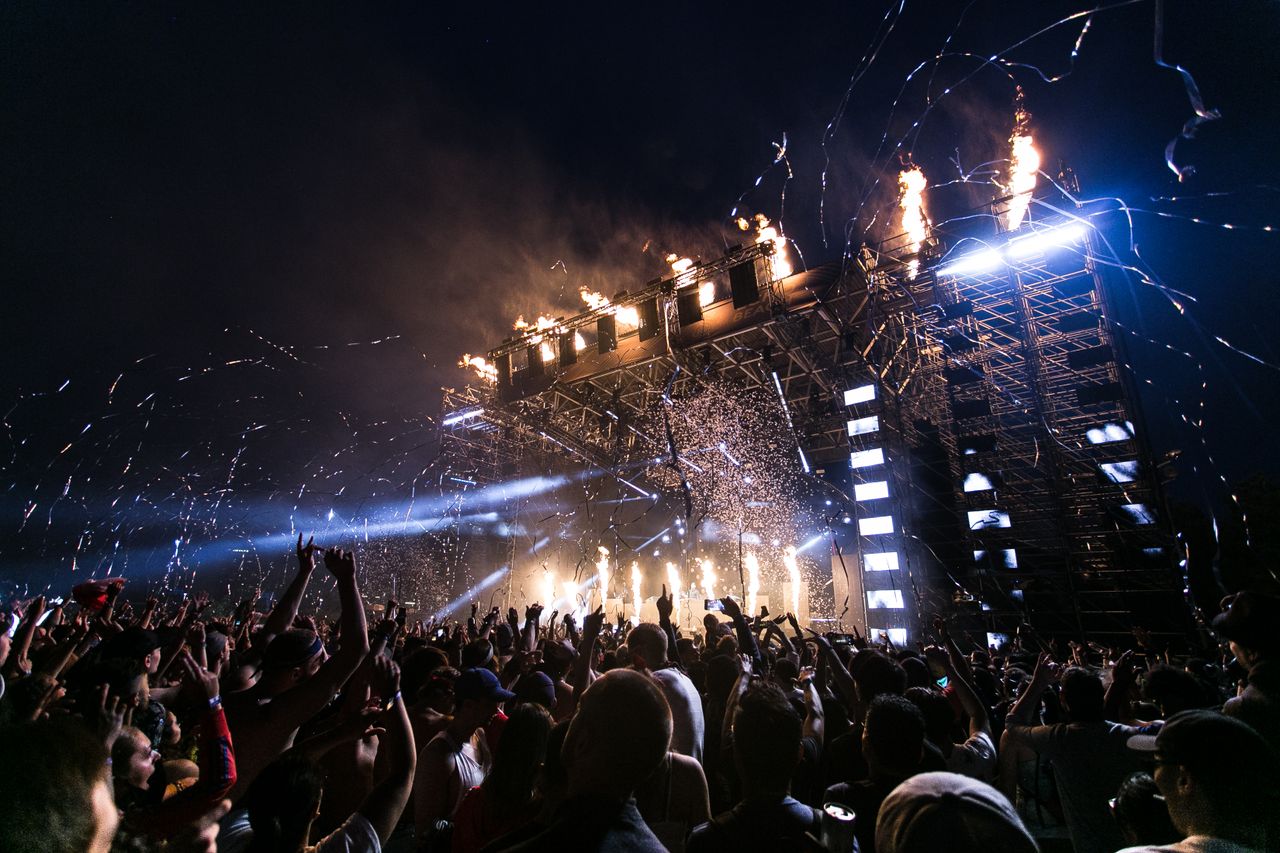
Stagecoach is the largest country music festival in the United States, held at the Empire Polo Club in Indio the weekend after Coachella wraps. The 19th edition runs April 23 through 25, 2027, on the same grounds, with the same infrastructure, for a completely different crowd — and that contrast is the most interesting thing about it.
What it feels like is a desert county fair that happens to book stadium headliners. The temperature routinely hits triple digits by mid-afternoon and drops hard after dark, so the day has two distinct halves: a sunburnt, beer-in-hand, sitting-on-the-grass afternoon, and a cold, enormous, everybody-singing night. The Palomino stage is where the people who actually care about country music spend their time — it programs Americana, outlaw country, and legacy acts who have been touring for forty years, and regulars will tell you the best set of the weekend almost always happens there rather than on the main stage. There is a working honky-tonk dance floor with line dancing lessons, and the number of people who arrive skeptical and end up on it is high.
Worth it? If you like country music even slightly, this is the definitive American version of the experience, and the production is genuinely enormous. If your interest in country is ironic, skip it — the crowd is sincere in a way that makes irony feel bad-mannered, and you will have a long, hot, expensive weekend feeling like a tourist. It is also, worth saying plainly, an easier festival than Coachella: older crowd, less status anxiety, more people who came to hear songs.
Before you go: the heat is the entire logistical problem. Shade is limited and the campgrounds are exposed, so the veterans bring canopies and treat the middle of the day as downtime. Hydration stations are free and the lines at them are shorter than the bar lines. Boots are the standard footwear and the ground is grass and dirt, not pavement, which matters by day three. Camping sells out well before the lineup is announced, which tells you something about who attends — people book the weekend before they know who is playing.
It earns its place on this list because it is the one weekend a year when the largest country audience in America gathers in the California desert, forty-five minutes from Palm Springs, on the same field that hosted an entirely different culture seven days earlier. Knowing both things happen in the same place is the whole story.
April 23 through 25, 2027, at the polo grounds on Avenue 51.
Under the highway overpass in Barrio Logan, the murals are the walls. The lowriders are the parade. And the music is the sound of a community that fought for a park in 1970 and has been celebrating the win every April since.
The 57th Annual Chicano Park Day returns April 24, 2027 to the National Historic Landmark at the base of the Coronado Bridge — the park that exists because the neighborhood refused to let it become a parking lot. Lowrider car show, traditional music and dance, children's art workshops, food vendors, and cultural performances that trace the roots of the Chicano movement from this exact piece of ground.
Chicano Park, 1949 Logan Ave (under the I-5/Coronado Bridge), San Diego, CA 92113. Free admission. 10 AM to 5 PM.
If you've driven over the Coronado Bridge and looked down at the murals and wondered — this is the day they come alive.
Chicago spent years being treated as a stop rather than a destination on the convention circuit, and the show that changed that did it by being unusually good at the unglamorous parts — floor layout, panel scheduling, actually letting people talk to creators. C2E2 has grown into the Midwest's flagship pop culture convention, held each spring at McCormick Place on the lakefront, and it now draws six figures of attendance across a weekend.
The experience is defined by scale plus air. McCormick Place is one of the largest convention buildings in North America, which means that even at peak Saturday the floor does not have the crushing quality that smaller venues develop. The artist alley and the comics guests are substantial, the anime and gaming presence has grown considerably, and the cosplay championship is a serious competitive event rather than a costume parade. What regulars single out is the programming: panels here are frequently craft-focused and long enough to get somewhere, and the moderators generally know the material. There is also a genuinely good kids' area, which makes it workable as a family weekend rather than a thing one parent does alone.
Is it worth it? If you live anywhere in the middle of the country, this is your show and there is no real competitor — the alternative is flying to a coast. If you already attend two or three large conventions a year on the coasts, C2E2 will feel familiar rather than revelatory, though the artist lineup is consistently strong. It is best understood as the most complete general-purpose fan convention between the coasts.
What to know: McCormick Place is not downtown and the walk from most hotels is longer than the map suggests; use the shuttles or plan for a train. Chicago in late April can be forty degrees and windy off the lake regardless of what the forecast promised. Food inside is expensive and mediocre — eat before or walk to the south loop. Buy exclusives Friday morning or accept you will not get them. And the smaller press tables at the back of artist alley are where the finds are.
It belongs here because a healthy convention in the middle of the country is a real indicator about where fandom lives, and it is not only on the coasts. C2E2 2027 runs April 30 – May 2, 2027 at McCormick Place.
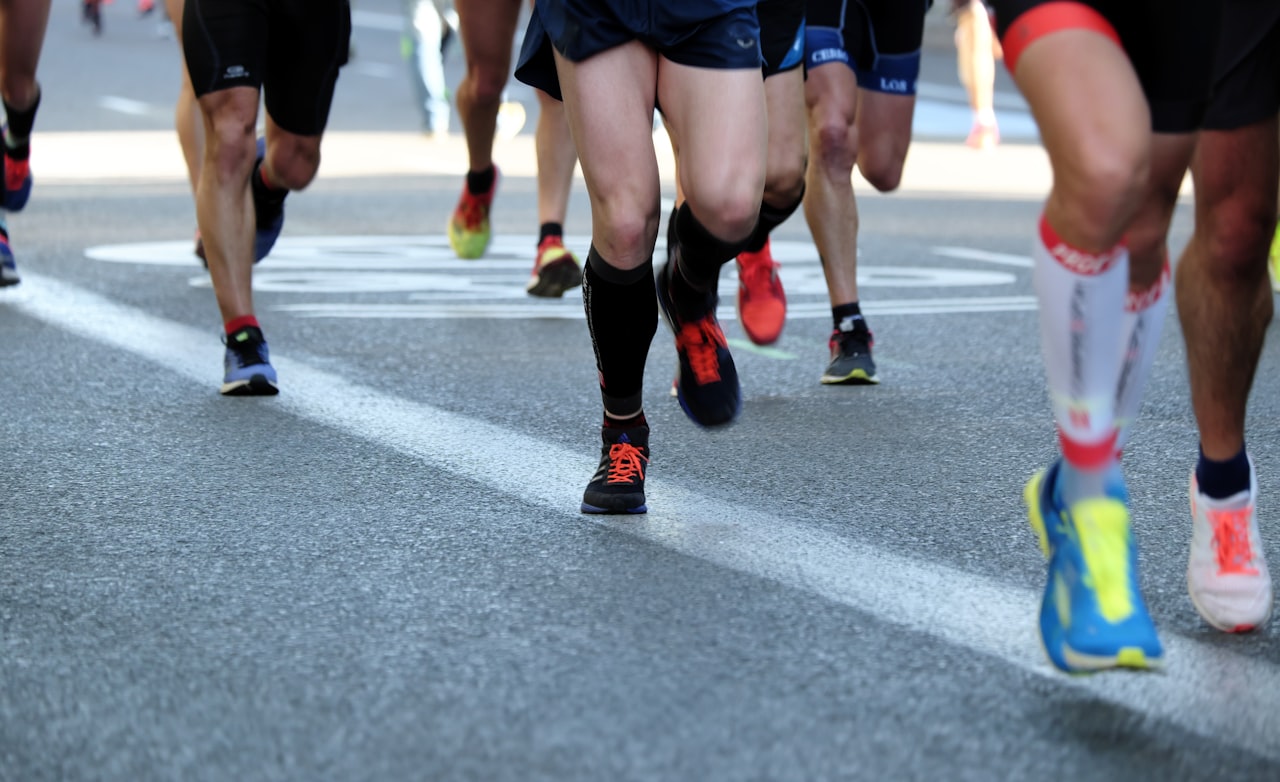
You run through Costa Mesa and Huntington Beach and the reward at the end is the ocean itself - the finish line dropping you onto sand and surf, steps from the pier, in one of the most scenic finishes in American distance running. The OC Marathon routes participants each spring toward that ending, and it serves the full spectrum: full marathon, half marathon, 10K, 5K, and a dedicated kids' run, drawing thousands from across the region and beyond. The full marathon course meets Boston Marathon qualification standards, pulling in serious competitive runners, while the half marathon is the most popular distance and routinely sells out months in advance. Live bands and volunteer crowds line the route through downtown Huntington Beach, and the post-race area includes food, a beer garden, and live music. Packet pickup and the race expo run in the days before at a dedicated location - check ocmarathon.com for the current expo venue and schedule. Register early regardless of distance; the event fills well ahead of the entry deadline. 2027, Huntington Beach.
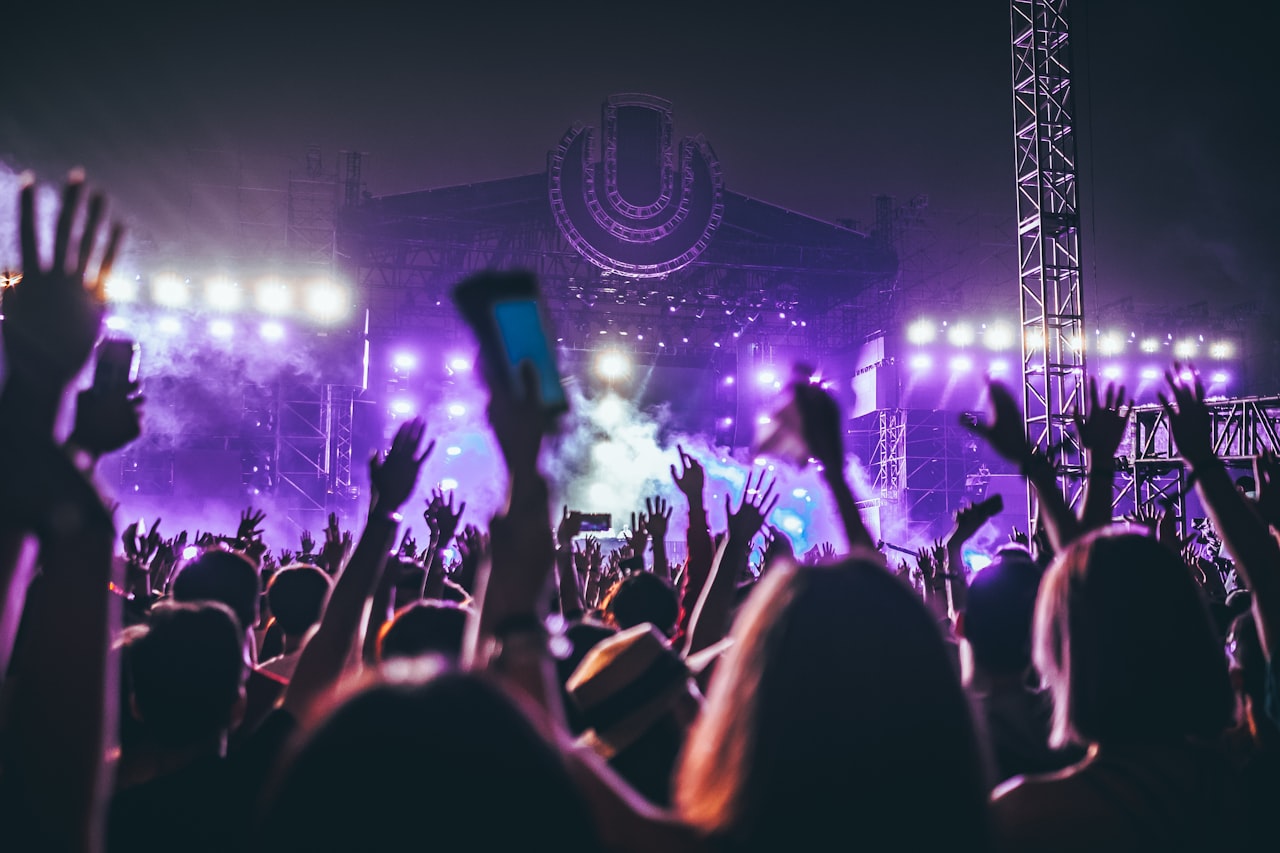
Electric Daisy Carnival is the largest electronic music festival in North America, held overnight at the Las Vegas Motor Speedway. For 2027 it expands to two consecutive weekends under a new structure — EDC Dusk on May 14 through 16 and EDC Dawn on May 21 through 23 — with a reduced daily capacity that regulars have wanted for years.
The defining fact is that it runs at night. Gates open in the evening and the grounds stay live until roughly 5:30 in the morning, which means the emotional arc of an EDC night is nothing like a daytime festival. The exhausted, euphoric hour around 4 AM, when the sky over the speedway starts going grey and the last main-stage sets are still running, is the thing people actually come back for. The kinetic sculptures, the carnival rides running all night, the enormous owl over the main stage — it is deliberately overwhelming, and the crowd participates rather than watches. Strangers trade handmade beaded bracelets, a practice that started organically and never got corporate.
Worth it? Honestly, it depends on whether you can sleep during the day in Las Vegas in May. That is the real filter, and people underestimate it badly. If you can, this is one of the genuinely singular experiences in American nightlife — a scale of production that no other festival on the continent attempts. If you cannot handle heat, crowds of 100,000, or being awake until sunrise for three consecutive nights, this will be a miserable and expensive weekend. There is no partial version of EDC.
What to know: the speedway is a long way from the Strip and the shuttle is the only sane option — rideshare surge at 5 AM with 100,000 people leaving at once is the classic first-timer mistake. Camp EDC exists specifically to solve the commute and sells out. Hydration is not advice, it is the entire strategy; the desert at night is cold and the daytime hotel room is hot, and people routinely misjudge both. Bring a portable battery, because cell service on the grounds is historically poor and finding your group without a phone is genuinely difficult.
EDC is on this list because it is the clearest example of an event that most people will never attend but that reorganizes how they imagine a night could go. The two-weekend expansion for 2027 is the first structural change in years, and it makes attending meaningfully easier than it has been.
EDC Dusk: May 14 through 16, 2027. Friday gates open at 5 PM for the opening ceremony; Saturday and Sunday gates at 7 PM, with the grounds running until 5:30 AM.
Most cities never let you see them with their guard down. San Francisco does it once a year, starting at eight in the morning, and it has been doing it since 1912. Bay to Breakers is a 12K that runs from the bay side of the city straight across to the Pacific breakers at Ocean Beach, and it is the oldest consecutively held footrace in the country. Tens of thousands of people run, jog and walk it. Most of them are in costume. Almost nobody is trying to win.
The start is a crush of jellyfish, brides, traffic cones and a school of people dressed as salmon, who by long tradition swim upstream against the direction of the entire race. Houses along the route open their front steps and put speakers in the windows. Bands set up on corners without anyone asking them to. The Hayes Street hill arrives early and quietly dismantles the pacing of anyone who trained on flat ground, and then the course tips down through the Panhandle and the length of Golden Gate Park until the air starts smelling like salt and you can hear the ocean before you can see it. Spectators outnumber runners and treat the whole thing as a block party that happens to have athletes moving through it.
If what you want is a race, this is the wrong morning. Timing chips exist and the elite field at the front is genuinely fast, but the body of the event is a city being deliberately absurd for six hours, and fighting that is a way to have a bad time. If what you want is to watch a place you may never live in be unguardedly happy, there is nothing else on the American calendar quite like it. It is not for people who need a clean split or hate being touched by strangers. It is for anyone who has ever wished their own town would loosen up for one day.
Dress for the temperature you want at mile four, not the one you feel at the start, or you will carry a jacket across the whole city. Work out how you are getting home before you set off, because transit afterwards is packed solid. Watch for the centipedes: thirteen runners tethered together in a line, a tradition begun in 1978 by a UC Davis track athlete named Dwayne Harms, and this race is now the official site of the World Centipede Running Championships. Stop at the open houses. That is the point of them.
The costumes trace back to 1940, when one man crossed the finish line dressed as Captain Kidd and everyone decided that was the correct way to do this. A city that now mostly gets written about for its industry still keeps one morning a year for being ridiculous on purpose, which is a kind of civic confidence most places have lost. First wave goes at 8:00 AM and the last at 8:45, Sunday May 16, 2027, bay to ocean.
Somewhere past the halfway mark your legs go quiet and the voice in your head turns mean. Then you round a corner in Balboa Park, a live drummer picks the beat back up for you, and your stride comes back before your brain agrees to it. The whole 26.2 is scored, a band every mile, and it changes what the distance does to a body.
That is why the sidewalks fill as thickly as the course. People who will never run it come stand inside a street festival that happens to have runners in it, through downtown, Mission Hills, Old Town, and the beach neighborhoods, out to a finish on the waterfront. San Diego is where this format started back in 1998, and the city still treats it as its own invention.
The half and the 5K share the weekend, spectating costs nothing, and entry fills fast. Go run it, or go stand at mile twenty and hand a stranger their second wind.
Jul 1 – Jul 4, 2027
Los Angeles Convention Center, 120…
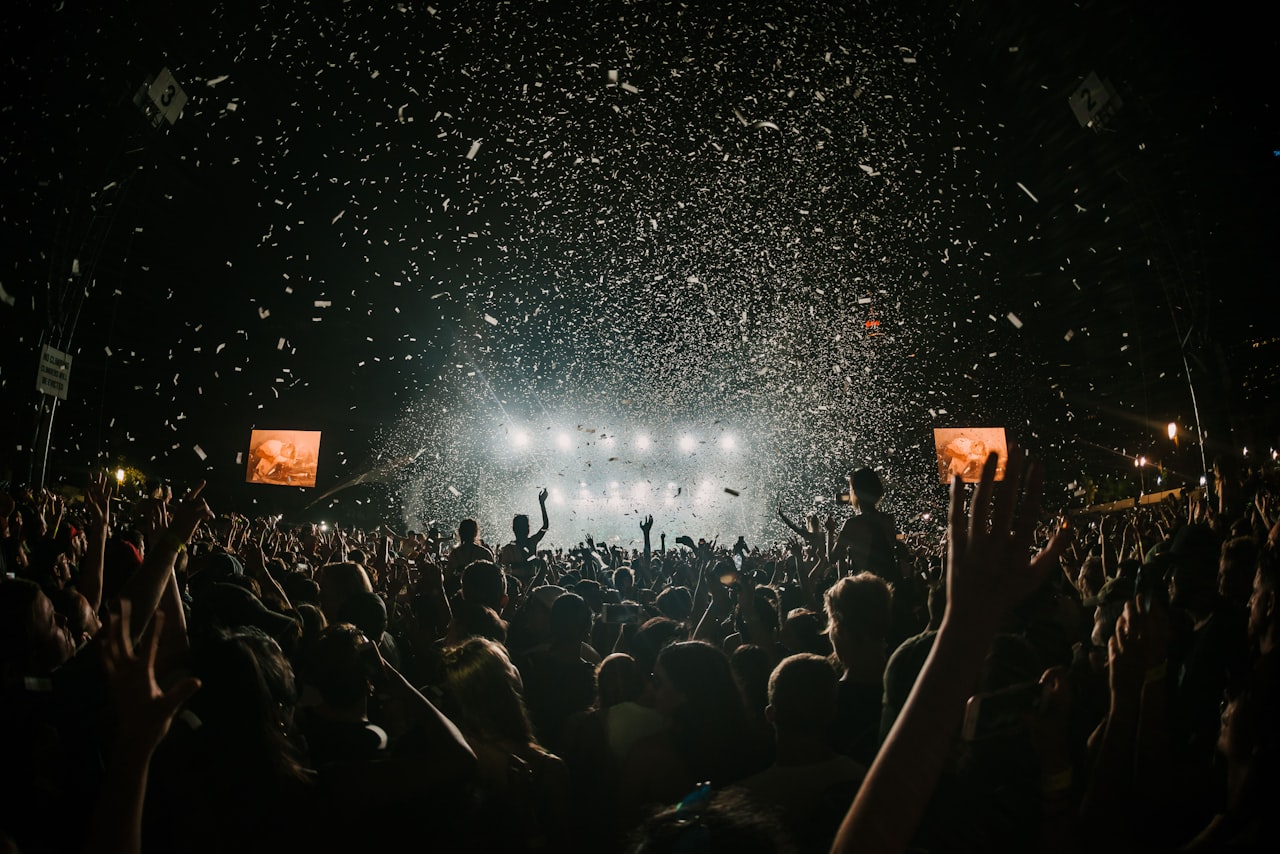
You will be tired in a way that feels earned. Four days, a hundred thousand people, and not one of them needs you to explain what you are talking about.
The largest anime convention in North America takes the Los Angeles Convention Center over Fourth of July weekend and spills into the JW Marriott and the Ritz-Carlton beside it. Industry panels, screening rooms, autograph sessions with voice actors and composers, concerts that sell out weeks ahead. Studios from Japan use this as their main North American announcement stage — if a sequel or adaptation is being revealed, it often happens in a room you could be standing in.
The exhibit hall carries imported merchandise and collaboration exclusives that surface nowhere else on the continent.
Los Angeles Convention Center, 1201 S Figueroa St. Thursday through Sunday. Badges run from top-tier early-access down to single-day passes.
Book the connected hotel corridor months out. Everyone who tells you that learned it the hard way.
Every day· Next Jul 2
Caesars Superdome, 1500 Sugar Bowl…
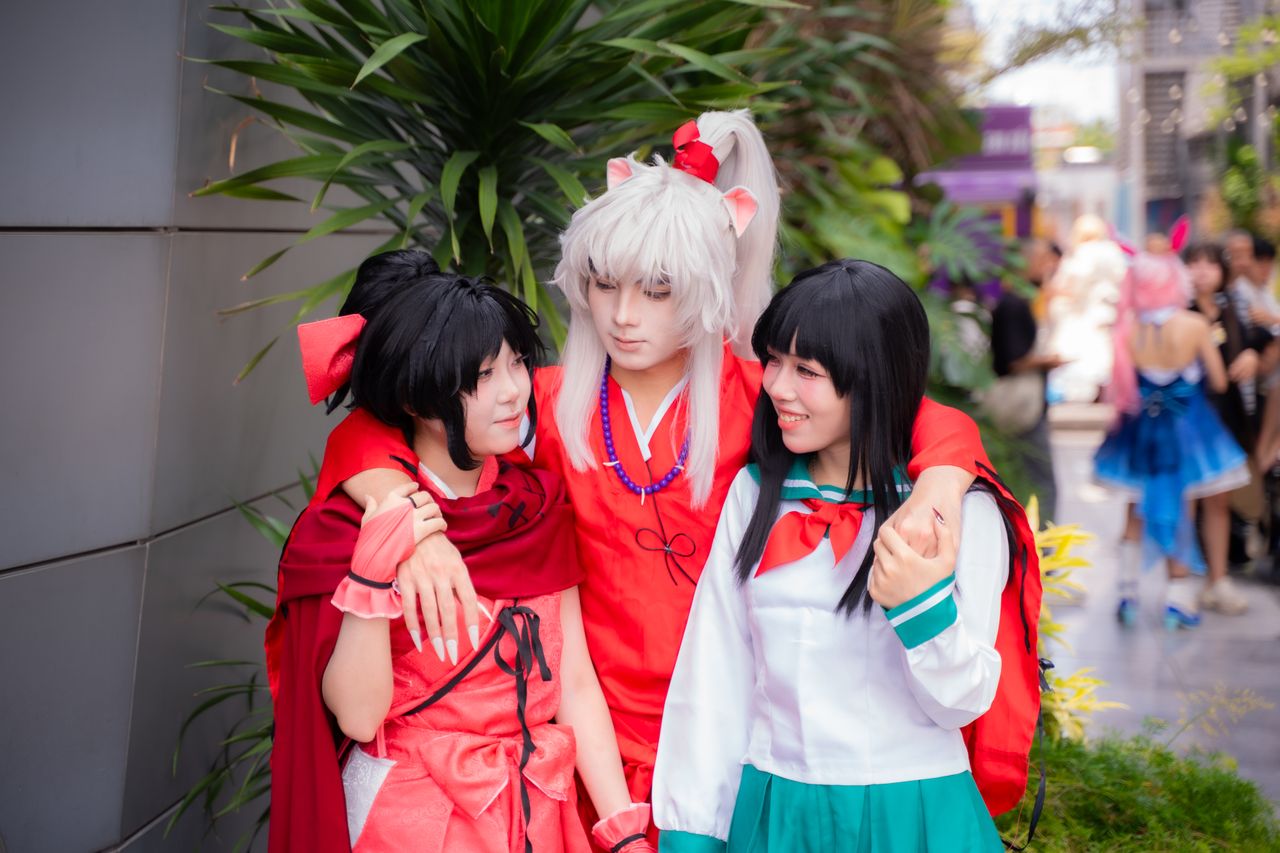
Half a million people descend on New Orleans every July and for four days Black joy is not a metaphor — it is the entire program.
The Essence Festival of Culture returns to the Caesars Superdome on July 2–5, 2027, for four days of music, empowerment, and celebration that draws over half a million people to the city. The main stage fills the Superdome with headliners who define the sound of Black music — past Essence stages have held Beyoncé, Kendrick Lamar, Mary J. Blige, Missy Elliott, and Janet Jackson. The daytime Empowerment Experience at the Ernest N. Morial Convention Center is equally massive: panels on wellness, entrepreneurship, beauty, finance, and culture featuring the voices shaping the national conversation.
Essence is not a music festival with cultural programming bolted on. It is a cultural institution with a concert attached. The people who come back every year will tell you the hallway conversations change their lives more than the headline sets. The fashion alone is worth the trip — thousands of people dressed like they are the main character in their own story, because at Essence, they are.
What separates Essence from every other major music festival is that it was built by and for the community it celebrates. Founded in 1995 as a one-time event tied to the 25th anniversary of Essence magazine, it outgrew its origin immediately and became an annual pilgrimage. The Superdome concerts are the centerpiece, but the daytime programming is what makes people fly across the country — panels where founders share real numbers, beauty showcases where Black hair and skin are the standard, wellness sessions that don't treat Black health as an afterthought, and networking lounges where the person sitting next to you might be the connection that changes your career.
New Orleans is not incidental to the experience. The city's food, music, and culture wrap around the festival like a second program. The restaurants extend hours. The jazz clubs fill up. Bourbon Street becomes an extension of the party. People plan their Essence wardrobe months in advance because the sidewalk fashion outside the Superdome is its own spectacle.
July 2–5, 2027. New Orleans, LA. Tickets via Ticketmaster and essencefestival.com.
Everyone chases the opening days — the announcements, the premieres, the Hall H-sized adrenaline. The people who know AX chase the last one. Sunday is when the world's largest anime convention exhales: the lines go short, the floor slows down, and the conversations finally stop being shouted between panels and start being real.
It's also the day the floor gets generous. Artist Alley cuts prices to clear the table, exhibitors let exclusive merch go at a discount, and the Closing Ceremonies — the weekend cosplay recap, the Masquerade awards, the official goodbye — mark the moment four days of strangers become the community that'll wait a whole year to reassemble. Day 4 badges are the easiest to find on resale and the most underrated ticket of the convention. And in 2027 the finale lands on the Fourth of July, with fireworks visible from parts of the LACC plaza depending on which way they launch.
Anime Expo 2027, Sunday July 4, Los Angeles Convention Center. Take Metro or rideshare — downtown parking and traffic are brutal on the Fourth. Come for the goodbye; it's the part that stays with you.
The Iowa State Fair is the one every other state fair is measured against — eleven days on 450 acres in Des Moines that draw well over a million people, more than a third of the state's population, to a single set of fairgrounds. It is the fair that Phil Stong's novel and the Rodgers and Hammerstein musical State Fair were built on, and it is one of the few places in America where agriculture, politics, live music and deep-fried everything occupy the same afternoon without anyone finding that strange. The 2027 edition carries the theme It's All That!
What it feels like is harder to explain than it should be. You walk in past livestock barns where teenagers have been sleeping beside their animals for a week, and twenty minutes later you are standing in front of a life-sized cow sculpted entirely out of butter, behind glass, refrigerated, treated with the reverence of a national monument. There is a hill where people sit on the grass and watch nothing in particular. There is food served on sticks that has no business being on a stick. The Grandstand books real touring acts at night. The whole thing runs on a kind of sincerity that is genuinely disorienting if you have spent the last decade online — nobody here is being ironic about the pork chop.
Is it worth it? If you are the kind of person who wants to understand America rather than have opinions about it, yes, unreservedly. This is not a nostalgia exhibit; it is a working agricultural fair that a million people actually attend. It is not for you if you need everything curated, air-conditioned and under an hour. It rewards a full day, comfortable shoes and a willingness to talk to strangers who will absolutely talk back.
What to know before you go: it runs August 12 through 22, 2027. Go on a weekday if you can — the weekend crowds are genuinely enormous, and 2026 set an attendance record above 1.2 million. Arrive early for the livestock competitions, which are the actual heart of the thing and which most visitors skip entirely. Budget cash for food. Presidential candidates turn up here in cycle years for a reason, and the Soapbox is worth standing at for twenty minutes regardless of your politics.
It is on this list because it is one of the last genuinely mass American gatherings that has not been sorted by demographic. Everyone goes. That is the cultural moment, and it is rarer every year.
Nobody moves to Minnesota for the weather. They stay for the twelve days at the end of August when the entire state agrees to stand in the same field and eat things off sticks.
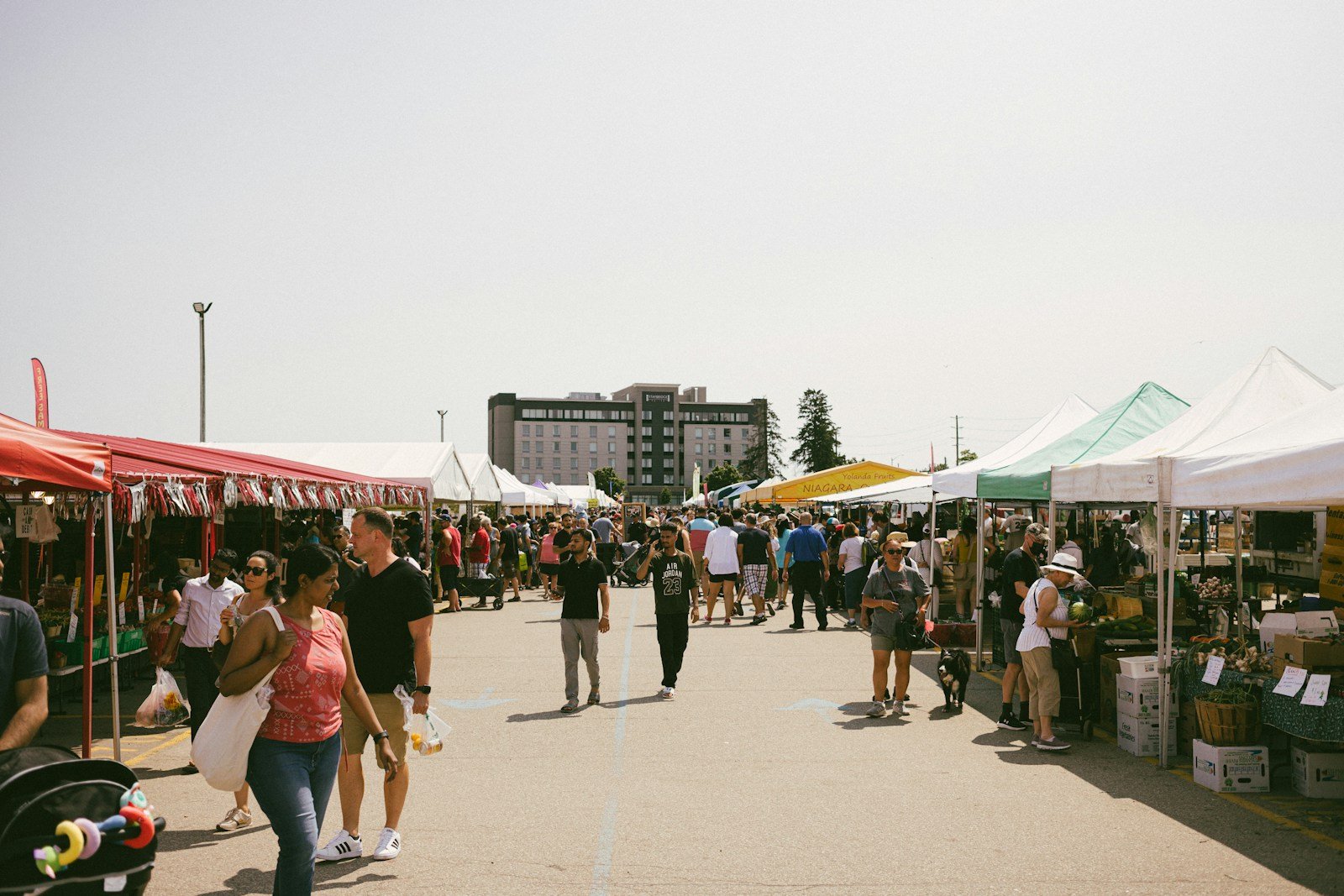
The Minnesota State Fair calls itself the Great Minnesota Get-Together, which sounds like civic boosterism until you see the numbers: it is the largest state fair in the United States by average daily attendance, second only to Texas in total, and it draws around two million people to a single 320-acre plot between Minneapolis and Saint Paul. The 2027 fair runs August 26 through Labor Day, September 6.
The thing first-timers underestimate is the density. This is not a midway bolted onto a parking lot; it is a permanent small city with its own street grid, streetlights and buildings that sit empty fifty-three weeks a year. You walk past a barn of sleeping dairy cattle, then a stage where a polka band is playing to four hundred people, then a machinery hall, then somebody deep-frying something that should not be fried. Crop art — pictures made entirely of seeds, frequently political, occasionally vicious — has its own competitive category and a crowd three deep.
And then there is the butter. Since 1965, the reigning Princess Kay of the Milky Way has had her likeness carved from a ninety-pound block of Grade AA butter while she sits inside a rotating refrigerated booth kept at forty degrees, in public, for roughly six hours. Her sculpture is carved over the fair's first two days; one of the finalists is carved each day after that, through Labor Day. People bring chairs. That single detail tells you more about this place than any attendance figure.
Is it worth flying for? If you are drawn to the version of America that still shows up in person for things — that votes on pie, that lines up to look at a chicken — then yes, and it will reorganize what you thought the Midwest was. If you need to be somewhere with a curated food scene and short lines, do not come; you will spend twelve dollars on cheese curds and stand for an hour to do it.
Practical intelligence: gates open at seven in the morning and admission closes at eight-thirty in the evening, five-thirty on Labor Day. The first two hours are the only quiet ones and the only time the butter booth is approachable. Grandstand concerts are separately ticketed. Park off-site and take a shuttle; locals have been doing that for decades.
A state that spends most of the year indoors and apart puts on twelve days of being outdoors and together, and treats it as the most important thing on the calendar. That is not a fair. That is a religious observance with corn dogs.
August 26 to September 6, 2027. Minnesota State Fairgrounds, 1265 Snelling Ave N, Falcon Heights. Admission tickets through the fair.
Most conventions rent a building. This one takes a city. Over Labor Day weekend the entire hotel district of downtown Atlanta is absorbed — five host hotels connected by skybridges, tens of thousands of people moving between them at all hours, and a parade down Peachtree Street that closes the road and draws crowds who are not attending at all. Dragon Con is the closest thing American fandom has to a carnival, and the distinction from a trade show is not cosmetic.
Because it is spread across hotels rather than a convention center, the event never has a closing time. Programming runs past three in the morning. There are more than forty separate fan tracks, which means the schedule includes serious literary panels, a robotics track, a puppetry track, several music stages and an entire independent film festival, all running simultaneously. The costuming is on a different level from other conventions — people build for a year — and the skybridges function as continuous informal runways where that work gets seen. It is also famously a drinking convention with a well-developed late-night culture, which is either the appeal or the warning depending on who you are.
Worth it? If you want the most all-encompassing and least corporate large fandom experience in the country, there is nothing else like it and the scale genuinely surprises people. If you want a quiet, structured weekend or you are bringing small children, this is the wrong one — it is loud, crowded, and does not sleep. The honest summary is that Dragon Con is a festival that happens to be about fandom rather than a convention with a party attached.
What to know: host hotel rooms are gone roughly a year in advance and staying on the skybridge network versus off it is the single biggest variable in your weekend. Atlanta in September is hot. The parade is Saturday morning and worth setting an alarm for even if you are not in it. Buy your badge early — the price ladder is steep. And accept that you will miss most of what you wanted to see; everyone does.
It is on this list because a fandom that builds an entire temporary city once a year is a genuine American cultural phenomenon, and knowing it happens changes your sense of the scale of this thing. Dragon Con 2027 begins September 2, 2027 across downtown Atlanta.
There's more here for you.
An account shows you family & community events matched to your exact taste — not just what's popular.