Nobody sings along here. There are no words to sing, and somehow the whole floor still moves on the same half-second every time, like a congregation that memorised a sermon made entirely of guitar.
Polyphia should be unbearable on paper. Two players, technique that sits a hair from showing off, songs built like puzzles with the solution withheld. What actually happens is a room full of people who tried to learn these parts at home and failed, and came to watch it done properly. There is very little ego in that crowd. It got beaten out of them in a bedroom.
The Be Not Afraid tour takes the Mainstage midweek with 6:30 doors, which is early even by this venue's standards and early enough that you can go on a school night and still be useful the next morning. Read that start time as the band knowing exactly who is coming.
3350 Sports Arena Blvd, San Diego. Bring the friend who still has a guitar in the closet and a tab open they never finished.
You can tell a repeat fixture by how early the booing starts. Two weeks after the first meeting, the building arrives already holding whatever grievance came out of it, and a Thursday that looked like nothing on the schedule in July has acquired a shape nobody planned. That is how a rivalry actually forms - not by history or geography but by playing somebody twice in a fortnight while both teams need points. Chicago travels well enough that the away end will be visible from anywhere in the bowl. February is the month where a season either tips or settles, and games against the same opponent in quick succession are where that usually happens. Come for the second one rather than the first. It is always better, for reasons nobody involved can entirely explain to you afterwards. Prices for a second meeting are usually softer than for the first, because the casual buyer has already been once this month and the people who come back are the ones who actually wanted to.
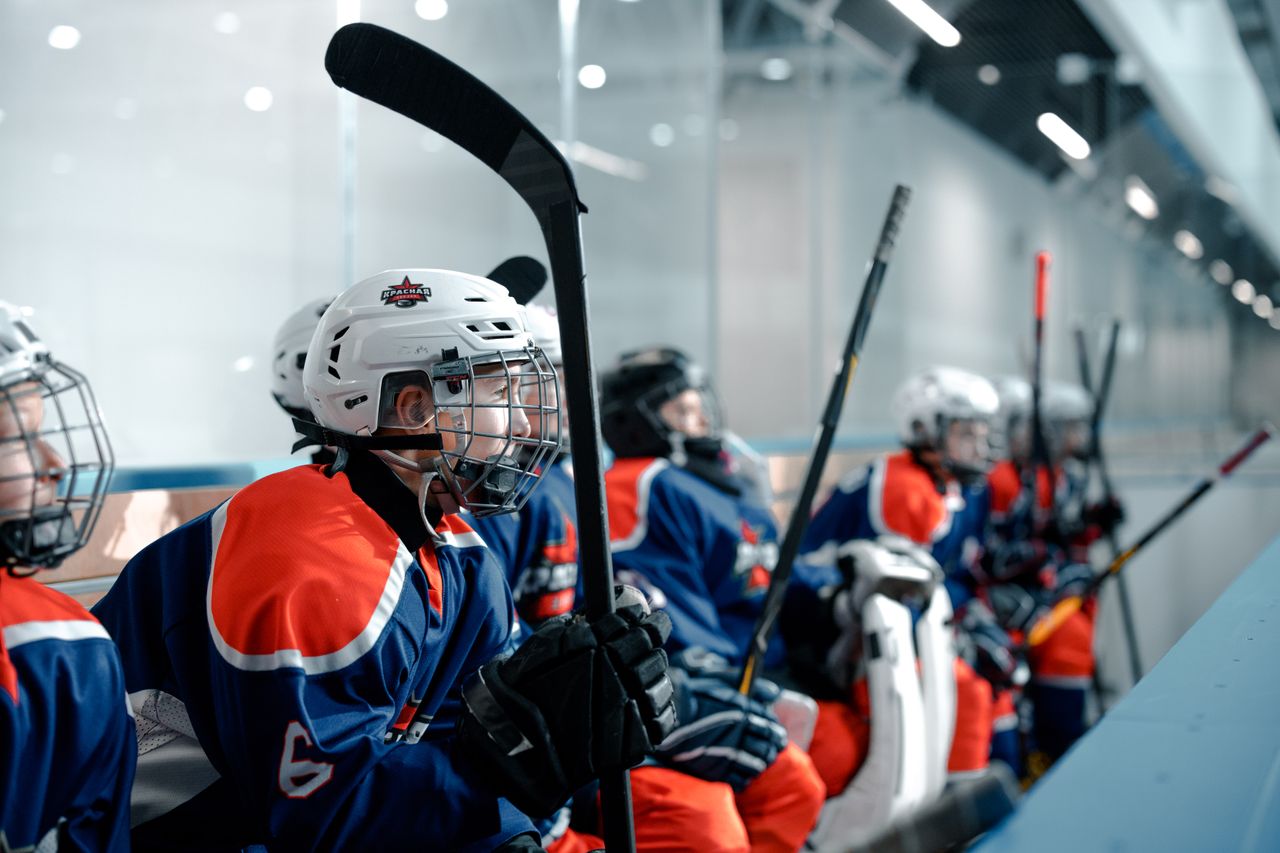
A three o'clock face-off on the Saturday before Valentine's Day is either excellent planning or an accident, and either way it works. You get the whole thing done in daylight, you are out by half past five, and the evening - whatever obligation it holds - is entirely intact and you can arrive at it having already had a good day. Afternoon hockey also draws a different crowd: more families, fewer people treating the building as a bar with a game attached. Chicago brings its own travelling contingent and a century of history it is more than happy to explain to you. Make it the first half of a day rather than the whole of a night, and go into Sunday having already banked something. Parking fills earlier than you expect for an afternoon game because nobody has adjusted their habits to a daylight face-off, so leave half an hour more than instinct tells you and you will walk in relaxed.
Feb 14, 2027
0
SoFi Stadium, 1001 Stadium Drive, …
The Super Bowl has come to Los Angeles before. It has never come to SoFi. That changes February 14, 2027 — at the half-billion-dollar stadium that opened in 2020 and changed what a modern NFL venue can look like: translucent canopy, open-air California design, Hollywood Park campus surrounding it.
What Super Bowl week in Los Angeles looks and feels like is unlike any other sporting event on the calendar. The week before the game, Radio Row draws every media personality with a microphone. The NFL Experience fan festival opens to the public at the Convention Center. Celebrity parties are announced and cancelled and announced again. The halftime show rehearsals happen under tight security at the stadium while the surrounding streets fill with brand activations, pop-ups, and spontaneous gatherings of fans who couldn't get tickets but wanted to be near the thing. Los Angeles absorbs the Super Bowl differently than Nashville or Minneapolis — the entertainment industry and sports culture overlap here in a way that produces genuine energy rather than manufactured excitement.
Is the Super Bowl worth attending in person? If you have the means and the access, the answer is yes, but the experience is as much about the week as the game. Super Bowl tickets are among the most expensive in sports, and the seat you occupy at game time may matter less than the four days of surrounding events, parties, and city energy that build toward kickoff. For the majority of people who will experience Super Bowl LXI from Los Angeles without attending the game, the city itself becomes a venue. Watch parties at venues across SoCal will be among the most concentrated social events of the year.
What to know: Tickets sell through the NFL and Ticketmaster — secondary market prices will be extreme. The SoFi Stadium campus includes a performance venue (YouTube Theater), a casino (Inglewood), and hotel development in progress; the entertainment zone around the stadium is walkable and dense. Metro's C Line (Green) stops at Hawthorne/Lennox, about a 20-minute walk from SoFi. Parking is limited and expensive; transit from LAX is the recommended option for most attendees. The week's best experiences are often free — Radio Row, fan zones, and the energy of the city.
Super Bowl LXI matters for one reason beyond the game itself: it is the largest single-day American cultural event, and in 2027 it comes to Los Angeles. The convergence of the NFL, Hollywood, the music industry (halftime show), and the national media in one city for one weekend creates a cultural moment that extends far beyond the game. Knowing about it, knowing what week to plan around it, knowing the venue and the city — that is the preparation that turns an ordinary February into the right February.
A holiday Monday is a Saturday wearing a disguise, and almost nobody plans for it properly. Most of the city treats the third Monday in February as a day to sleep through, which leaves the freeways empty, the restaurants quiet and an entire hockey game sitting there in the evening for anybody who noticed. Calgary is in town, which means the away end will be busier than the date suggests - Canadians in Southern California have an unerring instinct for these fixtures. The building on a holiday has a loose, forgiving feel: nobody is rushing anywhere afterwards and nobody has to be up especially early. Use the day off on something you will remember rather than on catching up with the washing. The other advantage of a holiday fixture is that the building is full of people who are not watching the clock, so the concourse stays busy between periods instead of emptying out, and the whole night runs slower and better for it.
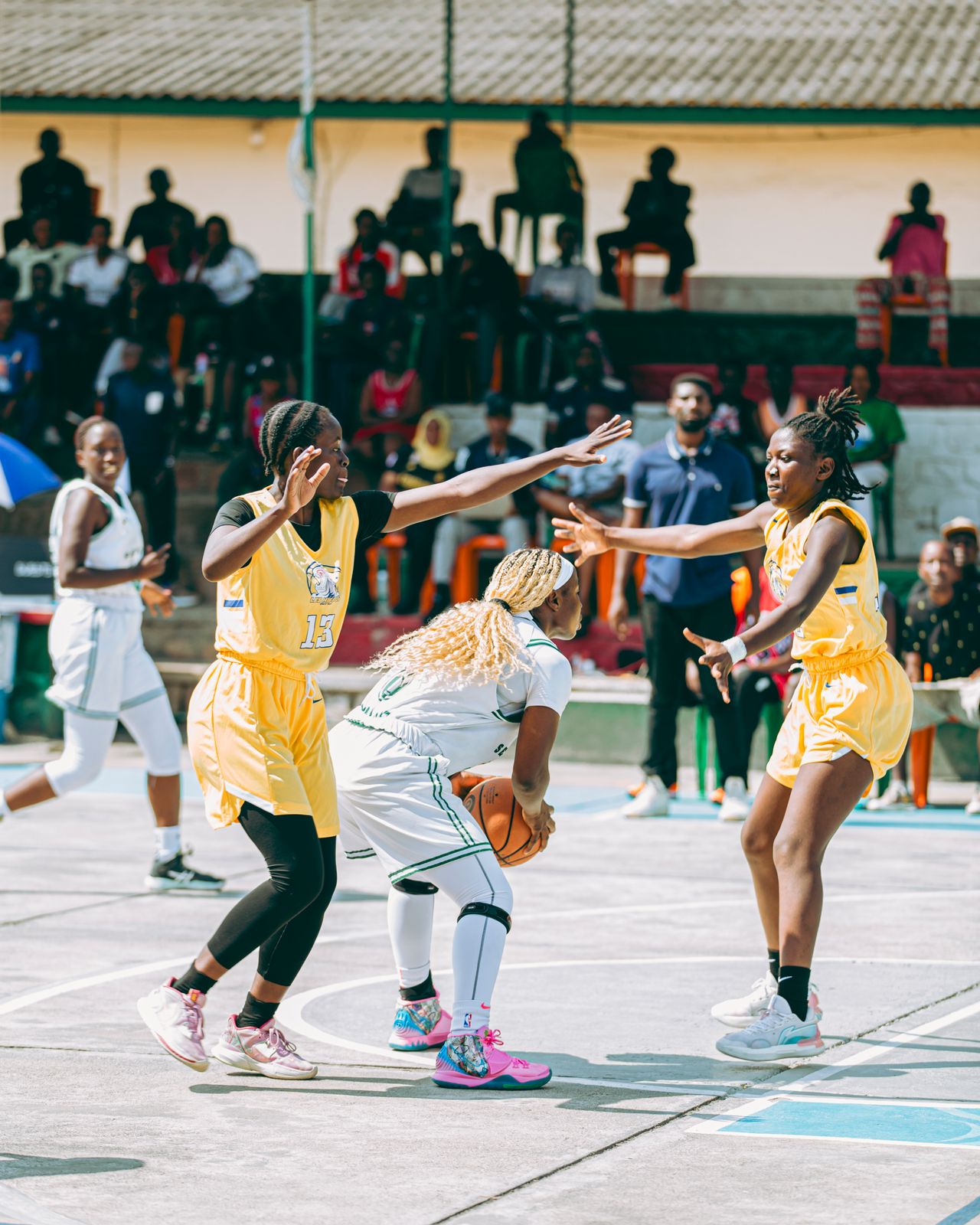
The sweaters are everywhere in the concourse and almost nobody wearing one has ever been to Illinois. Chicago is the single visiting club that still travels on reputation alone - three decades after the era that built it, the away end here is louder than the current standings could possibly justify, filled largely by people with no connection to the city whatsoever. It is a faintly absurd thing to witness and it happens every single time they come. A Tuesday in the middle of February also lands in the stretch where everybody is counting down to the break, which loosens the whole evening: nobody is treating it as consequential and the basketball is better for it. Prices for a midweek February fixture are among the softest left on the calendar. If you have wanted to sit somewhere you could not previously justify, this is one of the two or three nights where the arithmetic finally works.
A second eight o'clock tip inside three months is a pattern rather than an accident: somebody with a broadcast contract has decided this building looks good late at night, and they are not wrong. The arena was designed to be photographed - a ring of screen overhead that is impossible to ignore, a bowl that funnels sound down onto the floor, lighting that makes the court look like it is floating. At eight o'clock on a Tuesday all of that is running at full tilt for a crowd that had to really want it. Houston play fast enough that the late start never drags. The practical note is that the 405 has finished its worst by half past seven, so the drive in is the easiest it gets all week. Eat before you drive out, too. Very little around the building is still serving by the time a late tip finishes, which catches out almost everybody on a first visit.
Two nights, two opponents, one set of legs. The second game of a home back-to-back is where a roster stops being a list of names and becomes a set of decisions - who rests, who plays twenty-eight minutes having played thirty-four last night, which rotation a coach is prepared to abandon in public. It is far more interesting than it sounds and it is completely invisible on a highlight package. Chicago travel on reputation alone, which means an away end louder than the standings could justify and a building with more in it than a February Wednesday deserves. Prices for the second of a pair are reliably the softest of the week. Take the tired night: the basketball is messier and the decisions behind it are better. Worth checking both tip times if you are considering the pair, because consecutive home games are frequently scheduled at different hours and more people are caught by that than anything else.
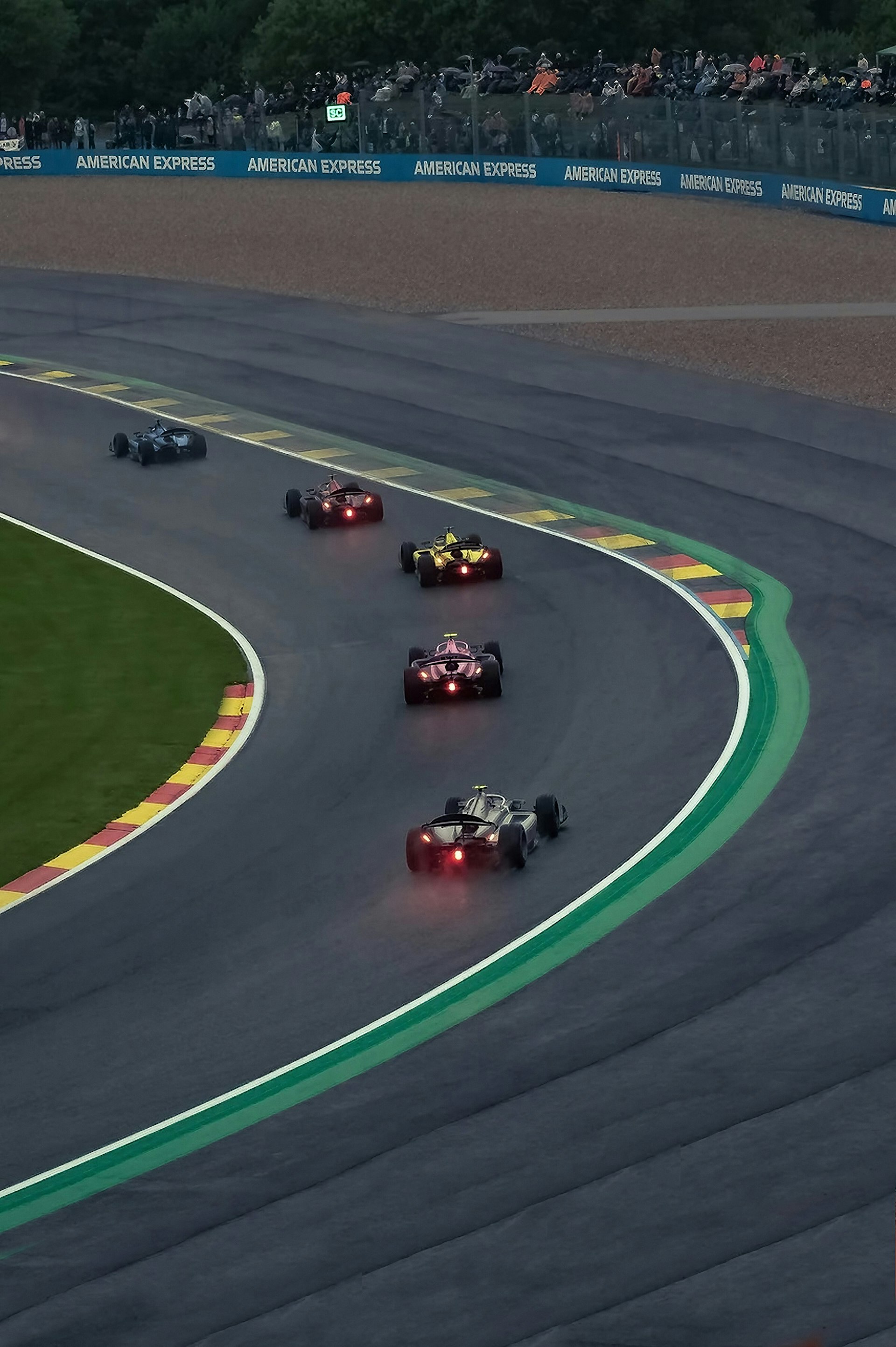
You feel a Top Fuel car before you hear it — the air changes, your sternum moves, and you understand why people drive to Pomona in February just to stand near it. That first weekend of the drag season has run on this strip since 1961, which makes it the oldest race the sport still holds, and there's a particular charge to being there while the whole season is still undecided: brand-new cars, new sponsors down the flanks, teams finding out whether an entire winter of engine work actually did anything.
The cool February air is a gift here — it lets the fastest machines in motorsport make pass after pass without cooking, so you get clean, quick runs from Top Fuel, Funny Car, Pro Stock, and Pro Stock Motorcycle all weekend. And the pit pass is the secret: for barely more than the price of walking in, you stand a few feet from crews tearing down and rebuilding nitro engines between rounds, which is a thing almost no other pro sport lets you do.
Auto Club Raceway at Pomona, 2780 Fairplex Dr, February 2027. Grandstand or GA, pit passes open to everyone. Thursday qualifying is the value play — full pro runs, thinner crowds, cheaper seats.
Feb 20 – Apr 15, 2027
Anza-Borrego Desert State Park, 20…
Seeds sit in that dirt for years waiting on a season that may never come. Then the winter rain and the temperature line up exactly right and they all break at once, and the desert floor goes to carpet: sunflowers, sand verbena, brittlebush, poppies, owl's clover, dozens of natives detonating across the ground inside a few weeks. Nothing about it is promised. The bloom runs late February through April when it happens at all, and whether it happens depends on rainfall timing nobody controls. Prediction starts in winter from the Anza-Borrego Foundation and the California Native Plant Society, and in a strong year those forecasts pull hundreds of thousands of people toward a town that is otherwise very quiet. The scenic roads hand you the whole thing from the car. Font's Point Road, Coyote Canyon, and the palm canyon trail give you the version worth staying overnight for. Cell service disappears past the visitor center, which is most of the appeal. Watch for the forecast, then go the week it breaks.
The name is not marketing. Two hundred thousand people gather in Daytona Beach every February for what NASCAR calls The Great American Race, and the moment 40 stock cars come off the line at full speed, you understand the Daytona International Speedway earns that name. No video, broadcast, or audio recording prepares you for it. The sound registers in your chest before it reaches your ears - a wall of noise that builds, crescendos, and recedes as the field passes. The 2.5-mile tri-oval has 31-degree banking in the turns, which means the cars ride visible above the infield fence at speeds that seem incompatible with control, and from the grandstands, watching a 40-car draft approach from the back straightaway is a genuinely kinetic experience. First-time attendees consistently report being stunned by how different racing looks in person versus on television. Is the Daytona 500 worth attending even if you do not follow NASCAR? Yes. The scale and spectacle transcend the sport the way the Super Bowl transcends football or the Kentucky Derby transcends horse racing. You do not need a favorite driver to understand what is happening in the draft, or to feel the weight of 500 miles building toward the final lap - and Daytona produces unpredictable finishes, including some of the most dramatic last-lap passes and crashes in motorsport history. A few first-time tips: bring a permitted soft-side cooler, because concessions are expensive and lines are long during the race. Ear protection is essential, not optional - earplugs significantly improve the experience. Arrive two to three hours before the green flag to navigate parking, claim your grandstand spot, and watch pre-race activities. Photograph your parking spot and gate number immediately; the lots are enormous and post-race disorientation is real. This is one of those events Americans know by name long before they understand why anyone would care - and the ones who go never stop talking about it. The volume alone changes something permanent. 2027, Daytona Beach, FL.
Feb 21, 2027
varies
Mortgage Matchup Center, 201 E Jef…
There is a specific February restlessness that belongs to anyone who has ever stayed up past a sensible hour watching a game that did not matter in the standings. The season is long. January was gray. And then one weekend in the middle of winter the whole league stops pretending to be a competition and becomes a variety show instead — and you remember that you did not fall in love with basketball because of the standings. NBA All-Star 2027 lands at Footprint Center in Phoenix on Sunday, February 21, the 76th edition of the game and the fourth time the city has hosted it, after 1975, 1995 and 2009. Tip-off is 8pm Eastern, which in Phoenix is a civilized 6pm, the sun just gone behind the McDowells.
What it actually feels like is a convention that happens to contain a basketball game. The three days run Friday through Sunday — Rising Stars on the 19th, the Saturday night skills and three-point and dunk contests on the 20th, the game itself on the 21st — and the city reorganizes around it. Downtown Phoenix in February is the best weather in the United States and everybody who shows up knows it; the patios are full at noon, people are in shirtsleeves in the middle of winter, and half the crowd flew in from somewhere with snow on the ground. The arena itself is loud in a way regular-season games are not, because nobody in the building is anxious. There is nothing to lose. That is the whole point.
Worth it? If you are the kind of person who can name the dunk contest winners of your childhood in order, yes, unreservedly — this is the one weekend the sport is built for you rather than for the bracket. If you want to watch competitive defense, absolutely not, and you should stop reading now. The honest version is that the Saturday night contests are the real event and the Sunday game is the encore most people stay for out of loyalty.
The thing veterans know: the game is the hardest and priciest ticket, and it is not the best one. Saturday night runs cheaper, fills louder, and produces the moments people still argue about a decade later. Book lodging early and stay somewhere on the light rail line — Phoenix traffic on All-Star Sunday is its own event. Bring layers anyway; the desert drops hard after dark.
It is on this list because All-Star Weekend is the closest American sport comes to an open house. For one February weekend the league stops guarding the thing and just shows it to you.
The sweaters give it away before you have reached your row. More championships than any club in the sport, a following that has spread across the continent over a century, and a particular kind of supporter who will talk to you unprompted about a team they have never lived near. Montreal visiting is the closest a regular Wednesday gets to an occasion. For the home crowd it is a measuring stick and a slight irritation in equal parts, which makes the noise in the building sharper than the fixture deserves. Come for the thing that does not translate to television: a room where two completely different ideas of what a hockey club is for are sitting four seats apart and both convinced. Get there for the warmup and watch which end of the ice the away support has gathered behind. It tells you more about how the night will sound than anything in the programme does.
Wednesday is the night the schedule stops doing anybody any favours. No weekend to lean on, no holiday to borrow from, nothing to make the evening easier - which leaves a room full of people who are here because they specifically wanted to be, and that is a better crowd than a full one. Seattle brings a following that is still, several seasons in, visibly thrilled to have a team at all, and that enthusiasm survives a long flight remarkably well. Late February means the standings have become urgent, so a midweek division game carries far more than its fixture-list weight. Get a seat in the corner rather than centre ice if you are choosing on price. The angle is better for watching how a team sets up behind its own net, which is where most of a tight February hockey game is actually decided. It is also the cheapest division game left on the calendar, which will not be true again until next October.
The week back from the break is the strangest of the year. Everybody has had nine days off, nobody is quite in rhythm, rosters have quietly changed around the edges, and the first few games afterwards are played by teams that are visibly working out what they now are. Utah are a familiar conference opponent and the sort of side that punishes anybody still half on holiday. What makes late February worth attending is that the standings have become arithmetic by now - everybody in the building is doing the same sums three or four games ahead, and a Thursday that looks ordinary on paper carries real weight by the fourth quarter. Come back to the building when the league does. There is a particular sharpness to the restart that the rest of the calendar never has. Keep an eye on the injury news in the days beforehand as well; the week back from a break is when rested players and newly signed ones both turn up without much warning.
Four o'clock is the civilised hour nobody ever uses. Late enough that the morning belongs to you, early enough that the evening does too, and the building empties into a Saturday that still has most of itself left. It is the single best slot on the calendar and it appears perhaps twice a season. Montreal is the visitor, which means a travelling support that has spread across the continent over a century and turns up anywhere with the quiet certainty of people whose club has won more than anybody else's. The home crowd finds this mildly insufferable, which sharpens everything. Eat afterwards rather than before - an afternoon game gives you the rare chance to go to dinner having already done something, instead of the usual arrangement where the evening is spent entirely on one thing. Afternoon games draw a noticeably different crowd as well - more families, fewer people treating the building as somewhere to be rather than somewhere to watch.
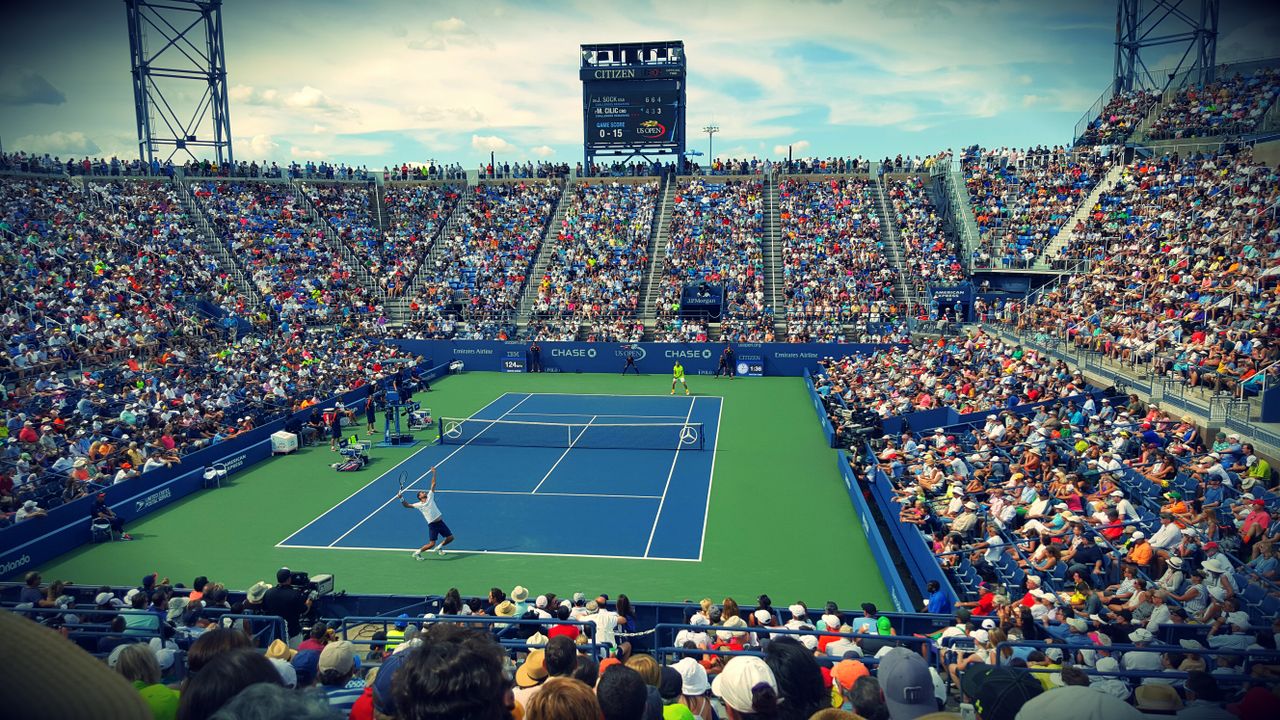
Tennis has four tournaments that matter and then it has this one, which the players themselves half-jokingly call the fifth. It sits in the desert two hours east of Los Angeles, the courts are hard and blue and the light comes down flat off the Santa Rosa mountains, and for two weeks in early spring the entire professional tour relocates to the Coachella Valley.
The reason to go rather than watch is the access, and it is genuinely unusual. Outside the main stadium there are a dozen other courts, and in the first week you can stand four feet from a top-twenty player grinding through a practice set with nobody else watching. No other event at this level lets you do that.
It is also a very Southern Californian thing in a way that has nothing to do with sport: date shakes, a garden full of people in sunglasses pretending they are not looking for someone famous, and the specific desert phenomenon where it is eighty degrees at two and you want a jacket by seven.
Fifteen days from the end of February on Miles Avenue in Indian Wells. Grounds passes are the value play, not the stadium seats.
The last day of February is the quiet hinge of a season. Behind it is the long grind nobody enjoys; ahead is the part where every result changes a standing and the building starts watching a second scoreboard. A Sunday evening tip sits neatly on that line. Portland are the oldest continuous argument on this coast, a rivalry that outsiders have never noticed and both cities have never dropped, which gives an otherwise unremarkable date some edge. Sunday out here also means the roads behave and the lots clear in minutes, which is not nothing after a long week. Go on the last evening of the month and watch a season change gear in real time, because it genuinely does and it happens roughly now every single year. Sunday also means you are out of the lots inside fifteen minutes, which is the single biggest practical difference between a weekend and a weeknight game out here.
There's more here for you.
An account shows you sports events matched to your exact taste — not just what's popular.