Dec 19, 2026
$22+
Pechanga Arena, 3500 Sports Arena …
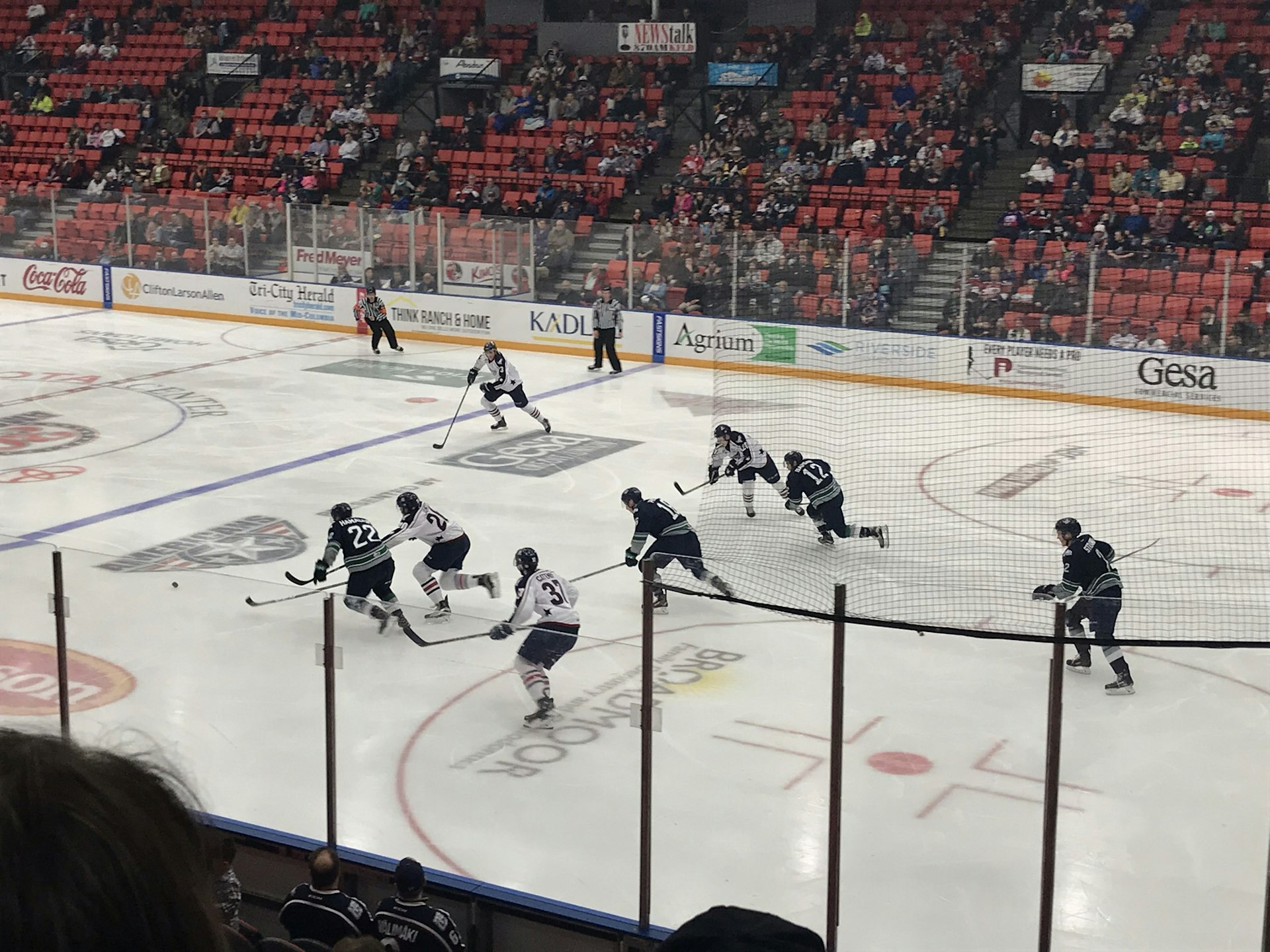
Two hours of freeway and an enormous amount of attitude separate these two buildings, and everybody inside both of them knows it. When the Firebirds come to Pechanga the crowd gets rowdy early and the hockey gets chippy fast, which is what actually makes a rivalry — not history, just a genuine unwillingness to lose to those people specifically. This is one of the loudest nights on the calendar, in December, with the holidays sitting in the air and nobody in the building interested in being polite about it. Sit near the glass if you can. Minor-league hockey at this level is fast, physical, and cheap enough that you can bring three people without thinking about it, and the intensity is not scaled down at all. Wear orange. Pick a side out loud. This one always delivers.
Dec 19, 2026
$25+
Echoplex, 1154 Glendale Blvd, Los …
Before reggae there was rocksteady, that impossibly sweet, slow-swaying sound of late-60s Jamaica, and Keith and Tex are among its last living legends, the duo behind Stop That Train and Tonight, harmonies that have soundtracked romance for sixty years. Hearing them in person, backed by the Dub Club sound system and joined by Keith Poppin, is a genuine piece of living history, a December night for the connoisseurs who know exactly how rare this is. Saturday, December 19, 2026, 9 PM, the Echoplex in Echo Park, 21+. Come for the vintage harmonies, the deep bass, the sound-system faithful, and a slow skank with someone you love. Bring the friend who collects vinyl. This is the back-of-the-store treasure LA's reggae underground has been guarding since 2000. Rocksteady forever.
Pentatonix made a cappella cool by refusing to pretend it was anything other than what it is — five voices, no instruments, and the kind of vocal arrangements that make audio engineers ask how. The Christmas in the City Tour is the annual holiday tradition that fills arenas with people who came for the harmonies and stay for the moment when the bass drops lower than any amplified kick drum and 12,000 people feel it in their chest. At Viejas Arena the holiday setlist gets the full production treatment: lights, staging, and the kind of vocal precision that makes auto-tune feel like an insult. The Christmas catalog alone would fill a show, but Pentatonix weaves in the hits from every era — because a group that can make Daft Punk sound like a hymn does not need to stay in one lane. Bring the family. The kids will be amazed. The adults will cry. Both reactions are correct. Sunday, December 20. 6:00 PM. Viejas Arena, 5500 Canyon Crest Dr, San Diego.
Dec 30 – Dec 31, 2026
Fair Park, 3809 Grand Ave, Dallas,…
What it is: Texas' longest-running EDM festival transforms Fair Park in Dallas into a New Year's Eve celebration that makes midnight feel like the beginning of something, not the end. Lights All Night returns December 30–31, 2026 for a two-night, multi-stage takeover headlined by Tiësto, Chris Lake, Subtronics, Gryffin, I Hate Models, ARMNHMR, and ATLiens — spanning house, techno, bass, dubstep, and drum and bass across multiple stages and six football fields of production.
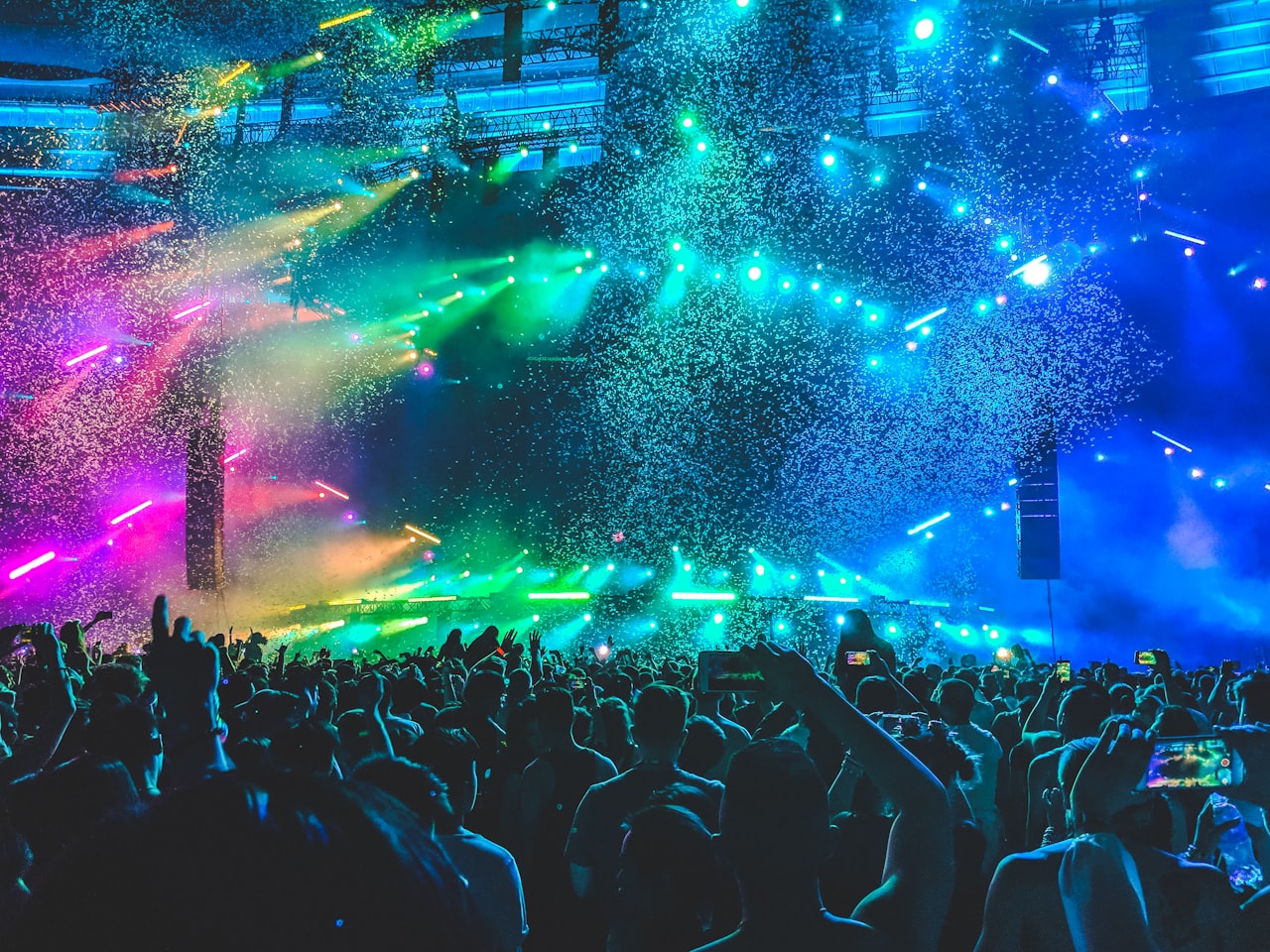
The experience: This is the festival that proved EDM belongs in winter. The cold air sharpens every sense. The bass hits your chest before you hear the drop. Confetti cannons fire at midnight. The year changes mid-song and nobody stops dancing because the beat doesn't stop either. Every December, the electronic music community in the South converges here because nowhere else does NYE like this — it's not a party with music, it's a festival that happens to contain midnight.
Worth it? If you're the person who counts down with a DJ instead of a champagne glass, this is the only New Year's Eve that makes sense. If you've ever spent January 1st in silence because the night before was too loud to follow, you already understand what this festival sells. Two nights. 18+. Tickets from $286.
What to know before you go: Fair Park is outdoors — Dallas in December is cold but manageable. Dress in layers you don't mind losing. The water stations save lives. The sound bleed between stages is minimal, which means you can hop from house to dubstep without the transitions being painful.
The cultural moment: Lights All Night is the longest-running EDM festival in Texas, and its placement on NYE makes it more than a music event — it is a ritual. The people who go every year treat it like a pilgrimage. The people who go once understand why. In a country full of New Year's options — rooftop champagne, house parties, watching the ball drop on a screen — LAN offers the version where midnight happens inside a bass drop and 15,000 strangers become the same organism for exactly one second. That collective exhale at 12:00:01 is the product. The music is how you get there.
Jan 26 – Jan 29, 2027
800 W Katella Ave, Anaheim, CA 928…
Ten thousand people playing ten thousand different instruments at once, badly and joyfully, all day — you hear it before you get through the doors.
Every January, everybody who makes a living from sound converges on Anaheim: guitar builders, synth companies, drum makers, studio electronics, DJ hardware, live sound rigs, recording software, and whatever the newest thing is that nobody has settled on a name for. The floor is genuinely too large to cover in a day, so plan on two.
It is primarily a trade show, which means full access wants professional credentials. But the demos happen in the open, the educational programming is real, and the whole city runs an unofficial second convention after hours — brand showcases, late parties, and acoustic sets in hotel lobbies where somebody you have never heard of quietly destroys the room.
If you play seriously, this is the closest thing your life has to a pilgrimage. Go touch the expensive one.
Somewhere out on the coast highway the ocean settles in on your right and simply stays there, and the road quietly stops feeling like effort. Runners talk about that stretch for years afterward, usually while trying to talk somebody else into signing up.
The course runs flat and fast along the coast in February, which is why times here come in quicker than most of the region and why the full distance qualifies for Boston. The half is what most people come for: manageable, coastal, and finishing steps from the pier — one of the better places in the country to stop running.
The post-race scene is the other half of it. Beer garden, live music on the sand, the whole pier plaza handed over to people in foil blankets who just did something hard at the same time. Registration opens far ahead and usually closes before the new year, and the hotels fill for race weekend.
Sign up alongside the friend who insists they could never. Then hold them to it.
Music's biggest night. The night every artist, producer, songwriter, and engineer in the industry stops pretending they don't care about awards and watches to see if the Recording Academy agrees with what they already know in their bones.
The 67th Annual Grammy Awards ceremony takes place in early February 2027 at Crypto.com Arena in Los Angeles — the Recording Academy's home turf, where the Staples Center renamed itself and the Grammys kept coming back. The format is unchanged and irreplaceable: live performances from the biggest names in music, acceptance speeches that range from tearful to transcendent, and an Album of the Year announcement that will dominate every group chat, comment section, and podcast by Monday morning.
The Grammys are not just an awards show — they are a live concert featuring collaborations that exist only for this one night: artists from different genres sharing a stage, tributes to legends who shaped the industry decades before anyone in the audience was born, and debut performances from artists the Academy is betting will define the next era. The red carpet alone is a cultural event that generates more fashion discourse than most runway shows. The after-parties — particularly the Clive Davis Pre-Grammy Gala — are where the real stories happen, where the industry's power brokers and its newest stars occupy the same room.
Broadcast live on CBS and Paramount+, typically starting at 5:00 PM Pacific. In-person attendance is by invitation, industry allocation, and purchased tickets through the Recording Academy — check grammy.com for ticket lottery information and premium experience packages when announced in late 2026.
You don't have to agree with every winner to feel the weight of the moment when someone hears their name called. The Grammys are the music industry arguing about itself in public — and we all watch because the argument matters. Because the songs matter. Because on this one night, the people who made them get to stand in a room full of their peers and be told: we heard you, and it was extraordinary.
Feb 9 – Feb 16, 2027
0
French Quarter and parade routes, …
New Orleans lives for this. Fat Tuesday is the peak, but the buildup runs two weeks - parades rolling through neighborhoods, krewes throwing from floats, a city rehearsing the same ritual it has been rehearsing since before Louisiana was a state.
The parades are not the background to Mardi Gras; they are the event. Krewes that have been parading since the 1850s roll elaborate floats through the streets for two weeks, throwing beads, doubloons, shoes, plush toys, and decorated cups to the crowds along the routes. The music does not stop - every bar on Frenchmen Street has a live band, the French Quarter is uninhabitable in the best possible sense, and Uptown, Mid-City, and Treme each have their own routes, their own crowds, their own relationship to the season. It is not one party; it is an entire city operating as a city-sized party for two weeks. Whether it is worth attending depends on which Mardi Gras you attend. The French Quarter on Fat Tuesday night is genuinely overwhelming and not for everyone. But the family-friendly neighborhood parades on the two weekends before - particularly Endymion, Bacchus, Orpheus, and Zulu - are accessible, joyful, and the reason locals are in their front yards with barbecue grills and ladders for the kids. If your image of Mardi Gras is beads and balconies, you can find that; if it is 200,000 people watching a parade route that has run for 140 years while a brass band plays from a truck behind the floats, that is also available, and it is the better version.
Book accommodation 3-6 months in advance - New Orleans hotels during Mardi Gras are among the most in-demand in the country. Fly into MSY. The streetcar and walking are the most reliable transportation during peak parade days; driving is effectively impossible on parade routes. The best parades are in the days before Fat Tuesday, not on Fat Tuesday itself. Eat at local restaurants before 8pm, since popular spots fill. Rex and Zulu, Fat Tuesday morning and midday, are the signature daytime parades, and the Krewe of Barkus dog parade is Frenchmen Street distilled into one block. This is the rarest kind of event - a tradition that has survived, adapted, and grown more itself over 300 years in a single city. None of it was designed; it evolved where the culture was strong enough to hold it. Knowing which weekend to attend, which parades to watch, which neighborhoods to be in - that is the intelligence that turns a February flight to New Orleans from a trip into an experience. Mardi Gras 2027 takes place in New Orleans, LA.
Feb 10, 2027
$60+
Pechanga Arena, 3500 Sports Arena …
Before reggaeton conquered the planet, Don Omar was already its king. The man behind Danza Kuduro, Pobre Diabla, and Danza's worth of dembow anthems helped build the genre from the ground up, and The Last King World Tour is billed as a victory lap from one of its true founding fathers. When he brings that catalog to San Diego, expect a full-blooded party: three generations of fans, every hook shouted back, and a room that does not sit down once. Wednesday, February 10, 2027, Pechanga Arena in San Diego. Wear something you can dance in, bring your crew, and come move to the songs that soundtracked a thousand nights out. This is reggaeton history, live and loud. Perreo until your legs give out. Long live the king.
Mar 15 – Mar 21, 2027
Austin Convention Center, 500 E Ce…
If you have ever felt like the interesting version of American culture is happening somewhere you're not, this is the address it's happening at. For nine days every March, Austin becomes the one place where the music industry, the film industry, and the technology industry all arrive at once and go looking for the same parties. SXSW isn't a single event -- it's a city-sized festival. The Music Conference alone hosts thousands of acts across hundreds of venues, from dive bars and converted warehouses to the Austin Convention Center and the open air of Auditorium Shores. At the same time, the Film & TV Festival premieres features and series that go on to win Oscars and Emmys, and the Interactive and Emerging Technology conference hosts the conversations that decide how the industry thinks about what comes next. These three things happen simultaneously, in the same zip code, and the cross-pollination isn't incidental -- it is the product. The person who catches a breakthrough band at midnight, a groundbreaking documentary at noon, and stumbles into a startup pitch at 3pm isn't having three experiences. They're having the SXSW experience.
The festival rewards whoever arrives with no fixed agenda and the flexibility to chase what's interesting, and punishes the over-planner who misses the spontaneous set that becomes the most-talked-about performance of the year. The unofficial parties and free shows matter as much as the official programming -- sometimes more. Austin in March is warm but unpredictable, so layers are essential and comfortable shoes are mandatory. SXSW runs on a badge system: the Platinum badge accesses everything, the Music badge covers all official showcases, and unofficial events run free and parallel across the city, often carrying the most interesting programming of all. Book accommodation six to twelve months out, because Austin fills completely. The Convention Center is the official hub, but the real SXSW happens on 6th Street, Red River, and along the South Congress corridor.
SXSW 2027 earns its place among the country's essential cultural moments because it's the single event where American creative culture most fully takes stock of itself. The lineup hasn't been announced yet -- and the anticipation before the announcement is itself part of the ritual. Every year, artists, filmmakers, and technologists make their American debut here. Every year, something that started in a 200-capacity Austin venue becomes the story everyone's telling by April. This isn't just where culture happens -- it's where culture decides what it is. Badge registration is open at sxsw.com/badges/.
Shade structures go up in the aisles, somebody's speaker is already going a few rows over, and a stranger comes past handing out popsicles because they overbought. None of the actual music has started yet.
This is the day before. The main gates stay shut, which is exactly why the people who chose camping treat it as the best part — the whole social infrastructure of the weekend assembles itself out here in the hours before anything official happens. Elaborate camps, communal cooking, spontaneous sets in the aisles. Out in the valley the parties are launching, the hotels are filling, and the artists are making final adjustments to installations nobody will see until tomorrow.
Camping passes for the first weekend include the early arrival at the polo club in Indio, and desert lodging goes fast once badges are confirmed.
The weekend belongs to everybody. This day belongs to whoever got there first.
Nobody sees all of it. That is engineered rather than accidental — every stage runs at once from mid-afternoon until long past midnight, so the weekend becomes a series of small betrayals: the set you skipped for a friend, the tent you stayed in too long, the act you will spend a year hearing about from people who stayed.
Seven stages spread across a polo field in the Colorado Desert, headliners on the main stage each night, and a hundred thousand people a day making the same impossible choices you are. Whatever gets booked here tends to shape the year's musical conversation, which is why the lineup drop is its own event months before anyone arrives.
Empire Polo Club in Indio, a couple of hours out from Los Angeles, with shuttles from the desert cities and a campground that is a festival inside the festival. Desert April runs hot by day and genuinely cold at night.
Decide now who you would want stuck in the Sahara tent with you at one in the morning. That is the actual trip.
The first night is the one the music people care about. Friday's headline slot tends to be the boldest booking of the three — the choice that argues for where things are going rather than confirming where they have been — and the crowd skews to match: artists attending as fans, industry, and the part of the audience that reads a lineup like a thesis.
Six stages fire from early afternoon until midnight, and the whole site snaps to capacity at once. At dusk the art wakes up: the wheel, the roaming art cars, the installations that sat inert and blank in the sun all day suddenly becoming the reason people photograph this place. Some areas ask you to put the phone away entirely, at the artist's request.
Gates open midday at the polo club in Indio, with the campground already fully settled by afternoon.
Whoever you are texting the set times to right now — that is who you are going with.
The lineup drops months out, the tickets vanish in hours, and the discourse starts before the ink is dry -- this is the one festival everyone has an opinion about, whether they have ever set foot in the desert or not. Picture the Empire Polo Club grounds after dark: a full moon over the desert, the Ferris wheel lit against the black sky, music echoing off six stages spread across a polo field. That image is what an entire generation of music fans now means when they say the word festival.
The art installations are not decoration. They are commissions from international artists making site-specific work that exists only here, and the pictures of it become part of cultural memory. The food is genuinely good, the air is genuinely clean, and the collision of hot desert days, cold desert nights, and people from every country who made a specific pilgrimage for this produces an atmosphere that outlasts whatever cynicism festivals attract. Even people who critique Coachella's cultural commodification tend to have a story about the first time they went.
This is for anyone who has ever believed music is the most important art form -- which is most people reading this -- and for the ones who always meant to go and never booked it. Advance passes for 2027 already sold through in the May 2026 presale. If knowing this is real is enough to make you move, that instinct is correct: this is one of the few events where the I-should-have-gone regret is legitimate and durable. People plan their year around whether they are going. People watch the livestream even when they cannot attend. People form strong opinions about lineups they have no logistical relationship to at all. Knowing who headlines, what the installations will be, which unknown act gets its breakthrough moment -- that is how you stay oriented to where culture is heading, even if you never buy a wristband.
The 2027 edition runs two weekends at the Empire Polo Club in Indio, California, about 130 miles east of Los Angeles. Most people fly into Palm Springs or LAX and drive or shuttle in. On-site camping is available and popular; the daily-commute logistics make camping the standard recommendation for Weekend 1. Hotels in Palm Springs and La Quinta book out the instant the lineup lands. The April desert climate is its own challenge -- midday in the 90s, nights in the 40s to 50s -- so layers are mandatory and so is sunscreen. The logistics are exhaustively documented because millions have done them and written guides worth reading. Waitlist open for 2027 Weekend passes on AXS.
Every year out there produces exactly one day people still bring up a decade later, and it is almost never Friday. Saturday is where the consensus lands — the set that gets permanently attached to that year's name, the one your friends will describe to you in detail whether or not you asked.
Which makes it the day where standing position becomes a competitive sport. People start staking the main field hours ahead of the headliner, and the actual skill is holding something close while still catching sets on the other stages all afternoon. Get that math wrong and you spend the day walking.
The Sahara after dark is the other reason. Largest tent on the grounds, packed well past whatever its stated capacity is, bass and heat and body density combining into something you can still feel the next morning regardless of who was playing.
Send it to whoever you would want to lose your voice next to in the desert.
By the last day everybody is sunburned, out of clean clothes, and living inside that specific ache of something about to end that cannot be extended.
Sunday is when the festival stops competing with itself. The afternoon belongs to a completely different energy, no more sprinting between conflicts, no obligations left, just the crowd watching itself on the grass while Gobi and Sonora pull the most devoted audiences of the weekend. Then the closing headliner goes on late, near midnight, and hands the crowd an emotional conclusion nobody knew they were owed. This is the day that has produced the sets people still argue about years later, the ones that outgrew the festival and became their own cultural events.
The polo fields in Indio, the final day of the first weekend, camping through the night.
This is the one you describe to the friend who has never been. Start with how quiet the drive back is.
Everyone you know went the first weekend and you told yourself you would catch the second one. The people who plan it that way will tell you it was never a consolation. Weekend two is the local's version — Southern Californians who missed the first passes, repeat attendees who already know exactly what they got wrong, and a crowd that treats the second half as the more relaxed and more social of the two. Same polo field, same stages, same headliners, same installations. What changes is who is standing in front of them: veterans who know when to arrive at which tent and what to skip entirely, which is why the second weekend often plays more musically sophisticated than the first. The desert swings hot in the afternoon and genuinely cold after dark, so pack for both. Go with the friend who will still be upright at the last set.
Everybody else went first and posted every mistake they made. You watched all of it from the couch, took notes, and now walk in already knowing which stage to stand at, which tent packs out early, and which line is genuinely worth the wait.
That is the case for the second weekend, and the people who pick it pick it deliberately. Same lineup, same field, an entirely different crowd: locals, families whose kids had a school week to finish, and veterans who prefer the calmer run. The infrastructure has caught up as well, since vendors who ran out the first weekend have restocked, the bottlenecks got adjusted, and staff are working with a full run behind them rather than orientation.
The polo club out in Indio, gates around midday, camping open the night before. Go with the friend who never books anything early and somehow always ends up having the better time.
There's more here for you.
An account shows you concert & music events matched to your exact taste — not just what's popular.