Feb 9, 2027
$25
Soda Bar, 3615 El Cajon Blvd, San …
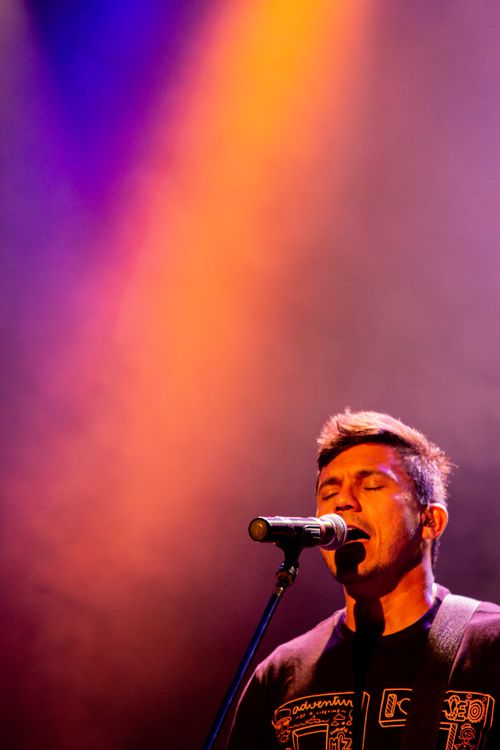
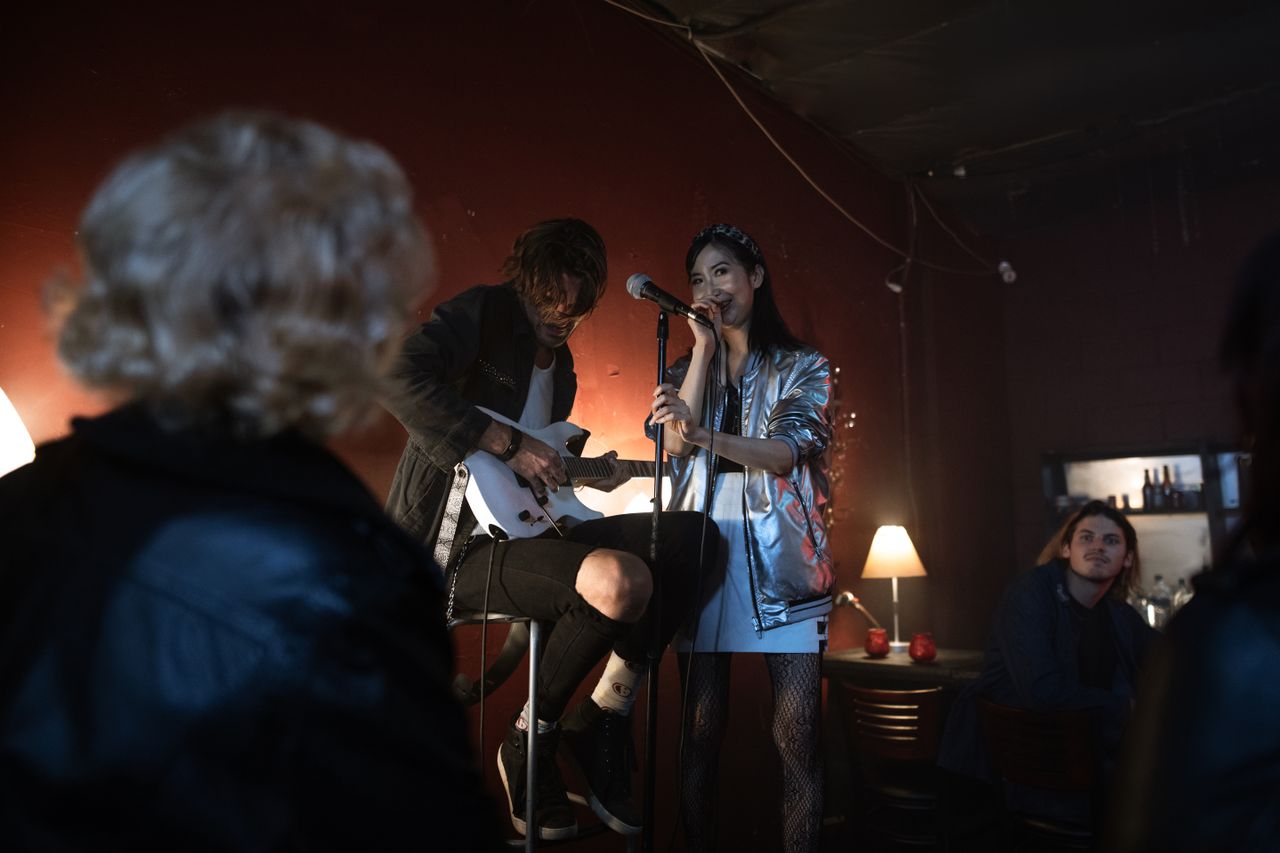
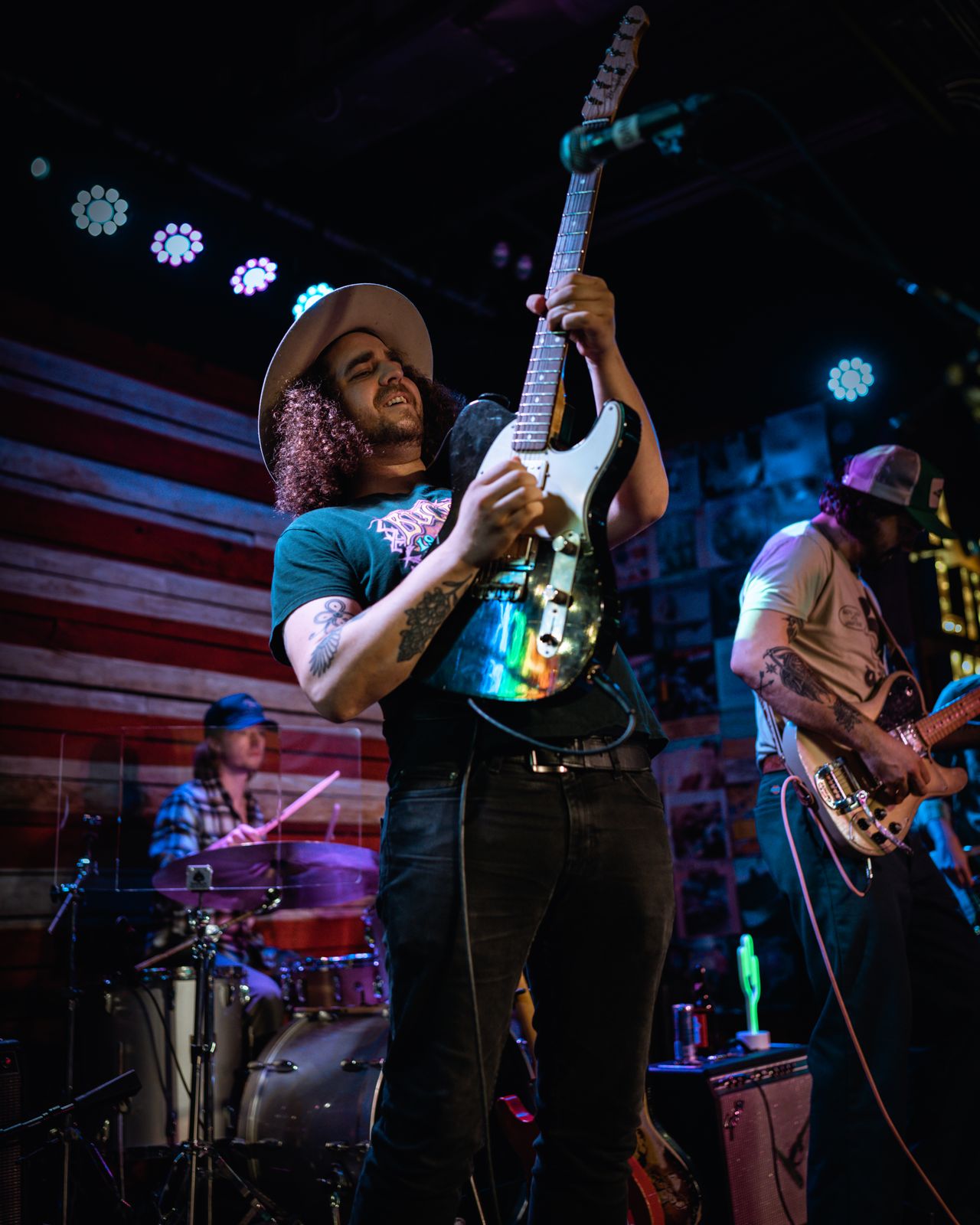
No American music has been misrepresented harder than blues, because the version that reached most people was a guy in a hat playing too many notes for an audience that came to nod politely. The real thing is dirtier and funnier and considerably more about horns than anyone expects. This is somebody young enough that nobody can accuse him of nostalgia, playing the Georgia end of the tradition where soul and blues were never actually separate things. In a small bar on El Cajon Boulevard, with the amp a few feet from your knees, you hear what the genre was for. A Tuesday blues show in a punk bar pulls a stranger mix than a theatre ever would: some people came for the guitar playing, some wandered in off the boulevard and stayed. Seven on Tuesday, around $25. San Diego has an older, quieter blues circuit running in rooms most people never look at, and it has been going a very long time.
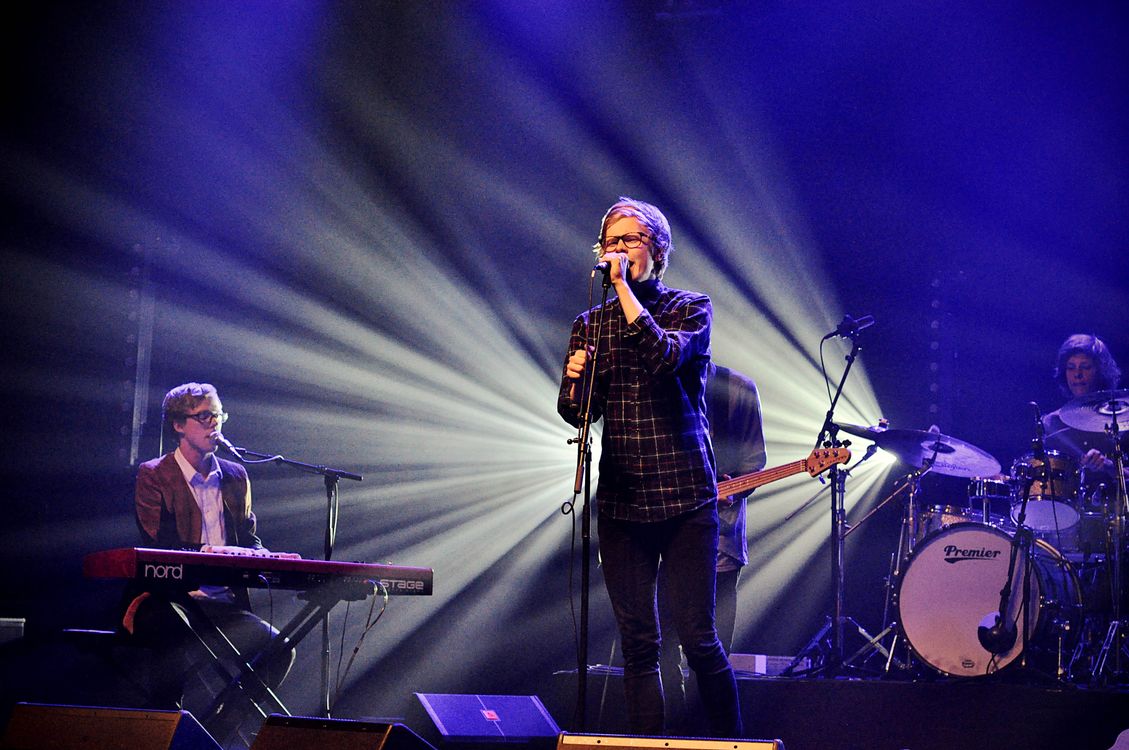
Two people should not be able to make this much noise, and the argument about whether a bass and a drum kit constitute a real band was settled a long time ago by anyone who stood in front of them. The records are short, mean and danceable in a way that confuses people who file this under punk and people who file it under electronic in equal measure. That confusion is the point and it is the reason the floor looks like two scenes who turned up on the same night by accident. Distorted bass played through the rig this requires does something physical that no amount of volume on headphones reproduces; it arrives through the floor rather than the ears. Fifteen-plus years on, the people who were there the first time now show up alongside people who found it through a playlist, and both groups spend the set grinning at each other. A Tuesday in February, doors at seven, on at eight.
Nobody sings along here. There are no words to sing, and somehow the whole floor still moves on the same half-second every time, like a congregation that memorised a sermon made entirely of guitar.
Polyphia should be unbearable on paper. Two players, technique that sits a hair from showing off, songs built like puzzles with the solution withheld. What actually happens is a room full of people who tried to learn these parts at home and failed, and came to watch it done properly. There is very little ego in that crowd. It got beaten out of them in a bedroom.
The Be Not Afraid tour takes the Mainstage midweek with 6:30 doors, which is early even by this venue's standards and early enough that you can go on a school night and still be useful the next morning. Read that start time as the band knowing exactly who is coming.
3350 Sports Arena Blvd, San Diego. Bring the friend who still has a guitar in the closet and a tab open they never finished.
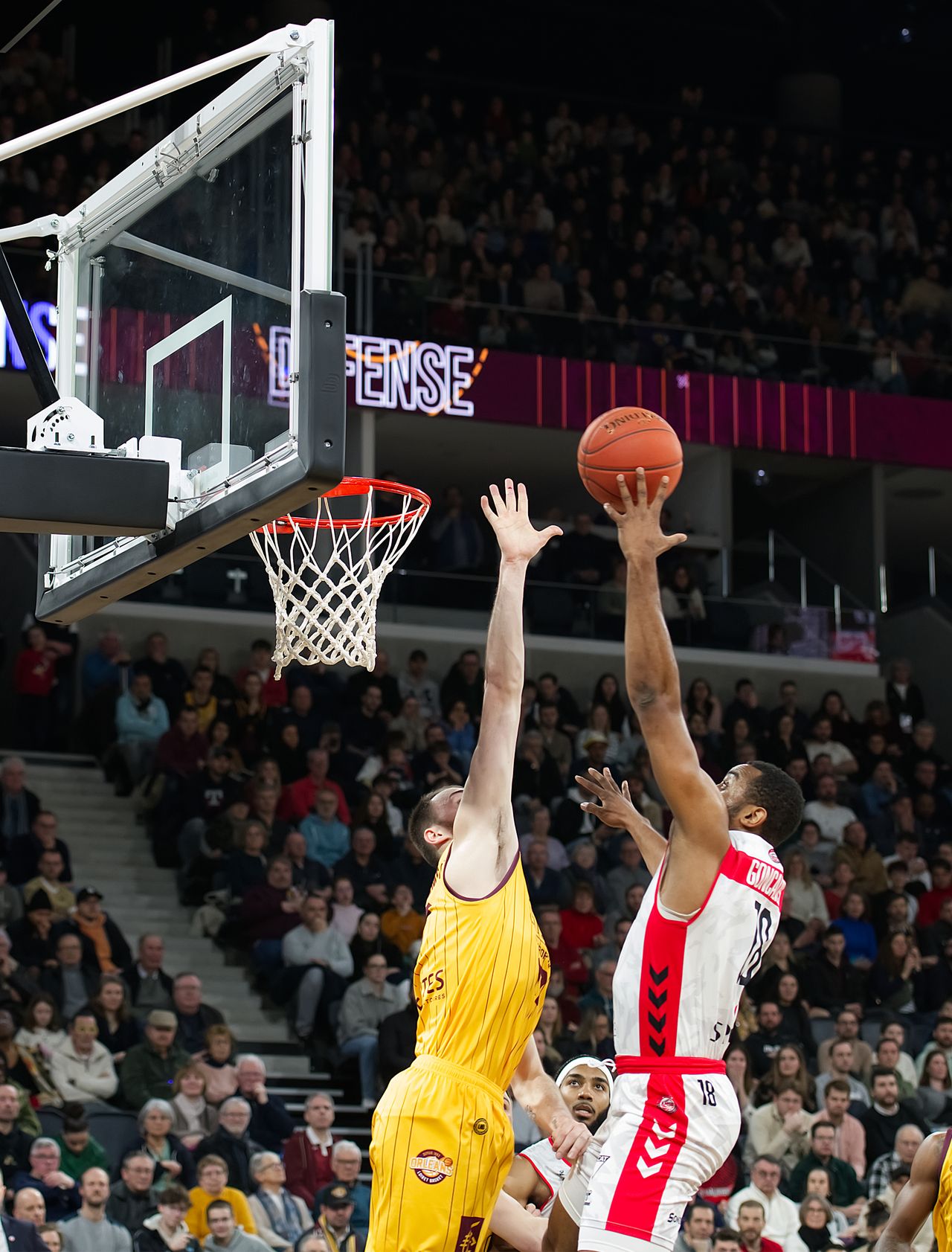
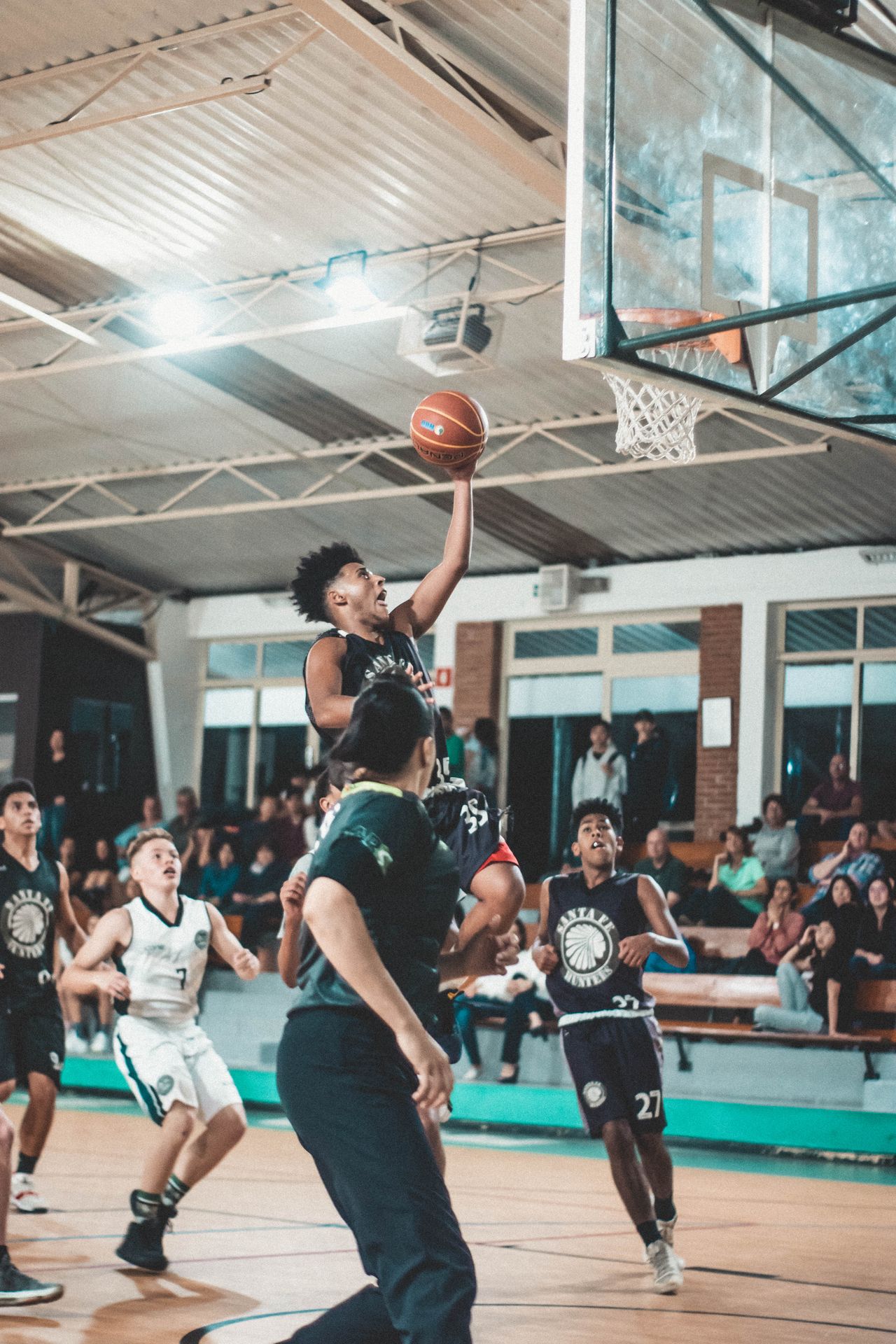
By February the derby has stopped being a novelty and turned into a grudge with a record attached. Two meetings have already happened, both sets of supporters remember them in incompatible detail, and the third one arrives with all of that sitting in the building before anybody touches the ball. The thing that makes this fixture unlike any other on the calendar is the commute: the away support is not a travelling contingent, it is the people you work with, driving twelve miles up from Inglewood and the South Bay to sit directly behind you and be insufferable about it. The room genuinely splits, and you hear it on every call that goes the wrong way. A Wednesday tip keeps the price marginally sane for a fixture this size. Go, and pick a side loudly enough that the people around you have to respond to it. Arrive early enough to watch the away section fill in. For this fixture it is the only time all season that a visiting end in this building is made up entirely of people who drove there after work.
Feb 10, 2027
$60+
Pechanga Arena, 3500 Sports Arena …
Before reggaeton conquered the planet, Don Omar was already its king. The man behind Danza Kuduro, Pobre Diabla, and Danza's worth of dembow anthems helped build the genre from the ground up, and The Last King World Tour is billed as a victory lap from one of its true founding fathers. When he brings that catalog to San Diego, expect a full-blooded party: three generations of fans, every hook shouted back, and a room that does not sit down once. Wednesday, February 10, 2027, Pechanga Arena in San Diego. Wear something you can dance in, bring your crew, and come move to the songs that soundtracked a thousand nights out. This is reggaeton history, live and loud. Perreo until your legs give out. Long live the king.
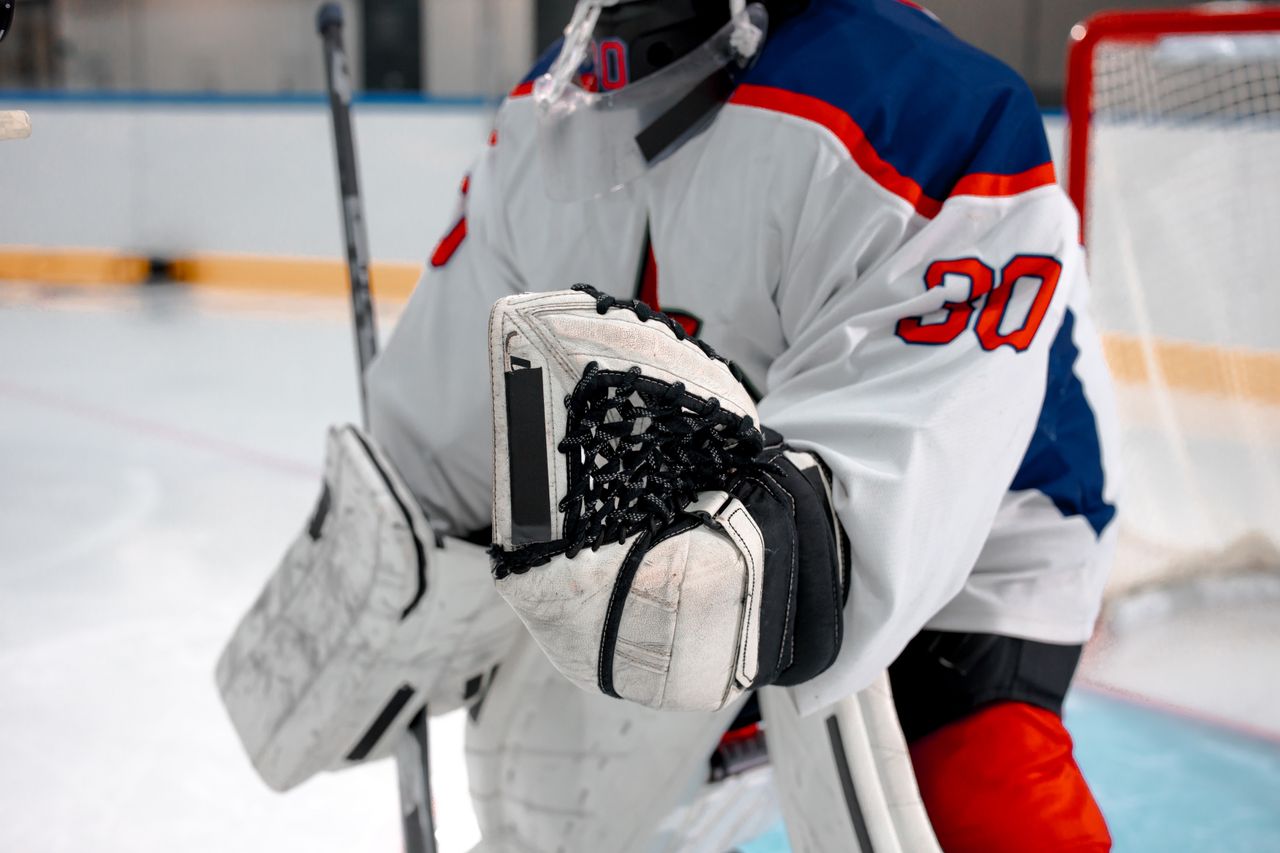
Half the concourse is wearing a hundred years of somebody else's history. Detroit supporters travel with a particular confidence - not arrogance exactly, more the settled calm of people whose team was winning things before this city had ice in it. The contrast is the whole attraction. One crowd carrying inherited tradition, one crowd that built its own from nothing in a desert, meeting on a Thursday in February with the season in its serious stretch. Get there early enough to read the sweaters properly. Half of them are older than the people wearing them and several carry names on the back that nobody under thirty in the building will recognise. It is a Thursday, which keeps the price sensible for a fixture with this much history attached, and the building empties fast enough afterwards that you are on the freeway inside twenty minutes. Either way, you leave having watched a game that nobody will replay and that was, for two and a half hours, the only thing happening.
You can tell a repeat fixture by how early the booing starts. Two weeks after the first meeting, the building arrives already holding whatever grievance came out of it, and a Thursday that looked like nothing on the schedule in July has acquired a shape nobody planned. That is how a rivalry actually forms - not by history or geography but by playing somebody twice in a fortnight while both teams need points. Chicago travels well enough that the away end will be visible from anywhere in the bowl. February is the month where a season either tips or settles, and games against the same opponent in quick succession are where that usually happens. Come for the second one rather than the first. It is always better, for reasons nobody involved can entirely explain to you afterwards. Prices for a second meeting are usually softer than for the first, because the casual buyer has already been once this month and the people who come back are the ones who actually wanted to.
Feb 11, 2027
$30
Belly Up Tavern, 143 S Cedros Ave,…
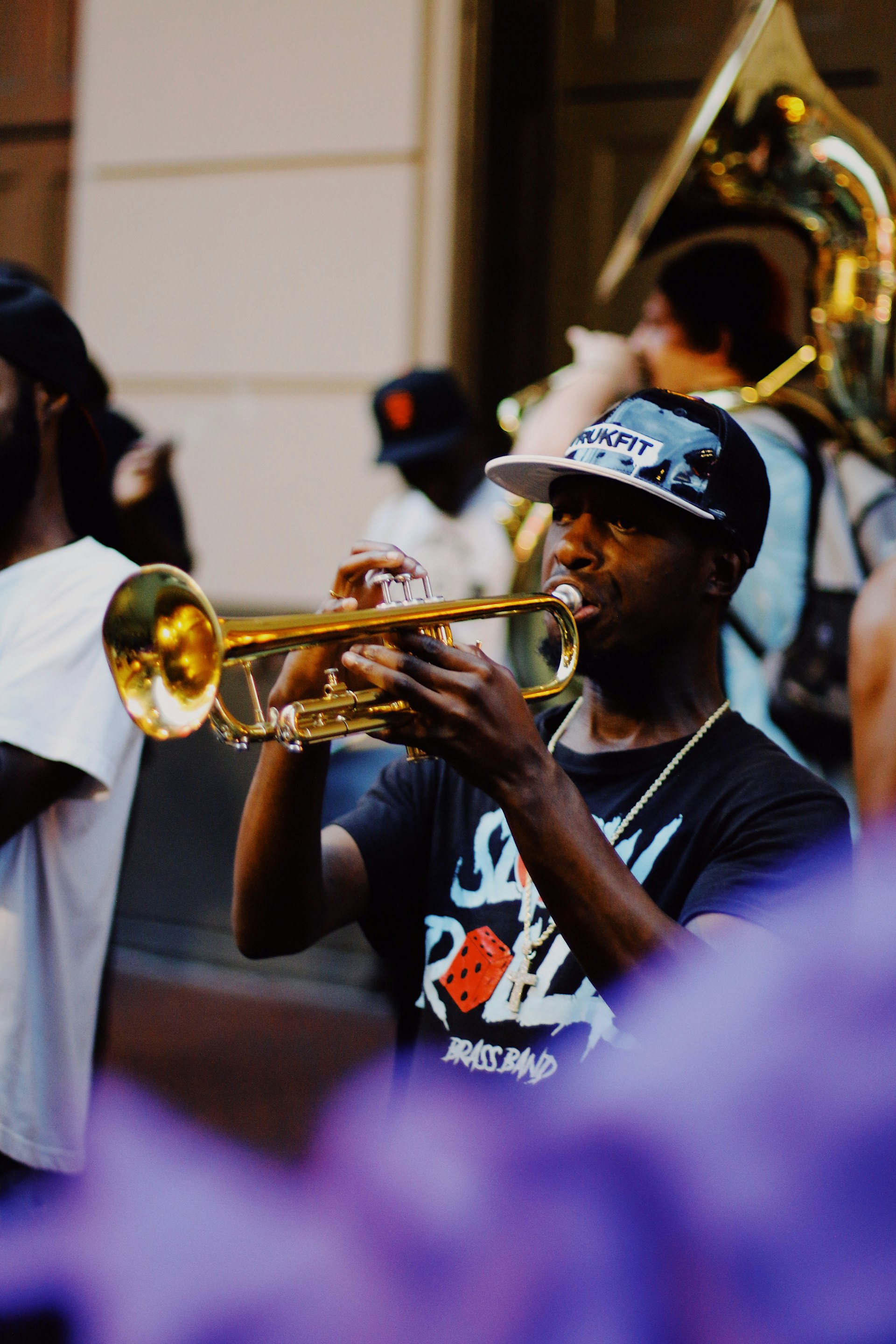
New Orleans brass does not travel well as a recording. The whole thing is built on being surrounded by it, which is why a band that has played the same Tuesday residency in Treme for decades can still empty a California room onto its feet.
Rebirth Brass Band have been going since 1983, they have a Grammy, and they are the group most responsible for dragging brass band music out of funeral processions and into something closer to funk. Nathan and the Zydeco Cha Chas open, which stacks two distinct Louisiana traditions on one bill and makes the evening a genuine crash course for anyone who thinks they are the same thing.
February in Solana Beach is nobody's idea of Mardi Gras weather, and the band will make the point from stage within the first three songs.
Doors 6:30, show 7:30. $30.
Thirty-five years in and they still open like a band with something to prove to a room of four hundred people, most of whom have the anchor tattooed somewhere. The Bouncing Souls are the rare punk institution nobody has turned on — no reunion cycle, no acrimony, just New Brunswick lifers who kept going, and a crowd that treats the shows as a standing family appointment rather than a nostalgia purchase. The Suicide Machines are on this, which makes it a genuinely stacked bill rather than a headliner plus filler — two bands who both still play like the room owes them something. Bring the person you went to shows with before either of you had a job. Six o'clock doors on a Friday, 2891 University Ave in North Park. San Diego's punk calendar leans heavily on these legacy bills, and the same crowd shows up to the all-ages matinees and the bar shows alike.
A three o'clock face-off on the Saturday before Valentine's Day is either excellent planning or an accident, and either way it works. You get the whole thing done in daylight, you are out by half past five, and the evening - whatever obligation it holds - is entirely intact and you can arrive at it having already had a good day. Afternoon hockey also draws a different crowd: more families, fewer people treating the building as a bar with a game attached. Chicago brings its own travelling contingent and a century of history it is more than happy to explain to you. Make it the first half of a day rather than the whole of a night, and go into Sunday having already banked something. Parking fills earlier than you expect for an afternoon game because nobody has adjusted their habits to a daylight face-off, so leave half an hour more than instinct tells you and you will walk in relaxed.
The sweaters are everywhere in the concourse and almost nobody wearing one has ever been to Illinois. Chicago is the single visiting club that still travels on reputation alone - three decades after the era that built it, the away end here is louder than the current standings could possibly justify, filled largely by people with no connection to the city whatsoever. It is a faintly absurd thing to witness and it happens every single time they come. A Tuesday in the middle of February also lands in the stretch where everybody is counting down to the break, which loosens the whole evening: nobody is treating it as consequential and the basketball is better for it. Prices for a midweek February fixture are among the softest left on the calendar. If you have wanted to sit somewhere you could not previously justify, this is one of the two or three nights where the arithmetic finally works.
Pall Jenkins is San Diego's own, in the way a few people in any city genuinely are. Three Mile Pilot, then The Black Heart Procession — slow, funereal, organ-heavy records that gave this city a sound nobody else had and that people still talk about in the present tense twenty-five years later. John Davis fronted Superdrag, which means the bill pairs the man who wrote one of the most perfect loud pop songs of the nineties with the man who wrote the saddest records in the county. Seventeen dollars, seven o'clock on a Wednesday, 3519 El Cajon Blvd. Take the person you used to make mixes for, because this bill is essentially one of those mixes performed live. San Diego's nineties generation mostly still lives here and still plays, usually on boulevard bills like this one, for less than the price of a cocktail downtown.
Two nights, two opponents, one set of legs. The second game of a home back-to-back is where a roster stops being a list of names and becomes a set of decisions - who rests, who plays twenty-eight minutes having played thirty-four last night, which rotation a coach is prepared to abandon in public. It is far more interesting than it sounds and it is completely invisible on a highlight package. Chicago travel on reputation alone, which means an away end louder than the standings could justify and a building with more in it than a February Wednesday deserves. Prices for the second of a pair are reliably the softest of the week. Take the tired night: the basketball is messier and the decisions behind it are better. Worth checking both tip times if you are considering the pair, because consecutive home games are frequently scheduled at different hours and more people are caught by that than anything else.
February on a Thursday is the deadest the calendar gets in San Diego. The holidays are a memory, nothing is on, and the default is a couch. An outdoor lot downtown is betting against that, which is the first interesting thing about this one. The music is the kind of electronic that is built for headphones and then played out loud anyway, washed-out and patient, and it behaves strangely in open air where it has no walls to bounce off. You end up hearing the quiet parts better outdoors than you would indoors. The lot is small, made of stacked shipping containers, and on a weeknight it never fills, which is very much the good version of this. Doors at 6pm. Send it to the person who sends you songs at one in the morning and never says anything about them, and go see what else is open down there afterward.
Guitar players go to watch his hands. Everyone else goes because he writes the kind of song that is funny for two verses and then quietly removes the floor from under you, and he has been doing it since Fairport Convention in the sixties without ever having a hit anybody could name. That combination produces an unusual room: serious listeners, a lot of people over fifty, and a scattering of twenty-year-old guitarists standing exactly where they can see the fretboard. With a full band rather than solo, which is the louder and better version — the solo shows are beautiful and the band shows are where the guitar gets genuinely violent. Expect a cover nobody saw coming. Seven o'clock, 1050 S Hill St downtown, in a room with enough height that an electric guitar actually gets to ring. British folk-rock has a durable Los Angeles audience that surfaces for maybe six shows a year and then disappears entirely until the next one.
Twelve years is long enough that an entire cohort assumed it was never happening. Elly Jackson has not toured North America properly since 2015, the new record landed in November, and the people who had Bulletproof as the defining song of a specific year of their life have been waiting without much hope. That produces a very particular room — not nostalgia exactly, more relief. The voice is the thing nobody is prepared for live; it is far stranger and more precise than the records let on, and it has not softened. Seven o'clock on a Friday, 1050 S Hill St downtown. Take whoever you were seventeen with. Synth-pop of this specific era is having an unlikely second life in Los Angeles, and the artists who defined it are mostly playing rooms far smaller than the songs deserve.
Feb 19 – Feb 20, 2027
Sound Nightclub, 1642 N Las Palmas…
Melodic house has a reputation for being wallpaper and the good practitioners resent it correctly. Jerro writes actual melodies into it — the sort that resolve somewhere you did not expect and make a four-hour set feel like a shape rather than a duration — and he came up through the label that essentially defined this sound for a decade. Twenty-five dollars for a Friday in February, which in Los Angeles dance pricing is close to a bargain. Ten o'clock, 1642 N Las Palmas Ave, low ceiling, Funktion-One, no natural light and no clocks. Take somebody who will stay for the last hour, because that is where this kind of set actually goes. There is a whole audience here for the patient end of electronic music and it almost never overlaps with the festival crowd.
Ten years ago a band from the Valley made a record about wanting to be somewhere else, and now everyone who played it on repeat in a parked car is thirty and going to hear it performed in full. Bad Suns are a Los Angeles band playing a Los Angeles room for a Los Angeles anniversary, which means the crowd and the band share a specific set of streets and a specific decade. Disappear Here was the second album, the one that sharpened everything, and full-album shows live or die on whether the band still believes the deep cuts — this one will be fine. Seven o'clock on a Saturday, 1050 S Hill St downtown. Bring whoever was in the passenger seat. The 2010s indie-rock generation is now old enough to have anniversaries, and the rooms booking them are the same ones that had them first.
There's more here for you.
An account shows you concert & music events matched to your exact taste — not just what's popular.