Feb 20 – Feb 21, 2027
Sound Nightclub, 1642 N Las Palmas…
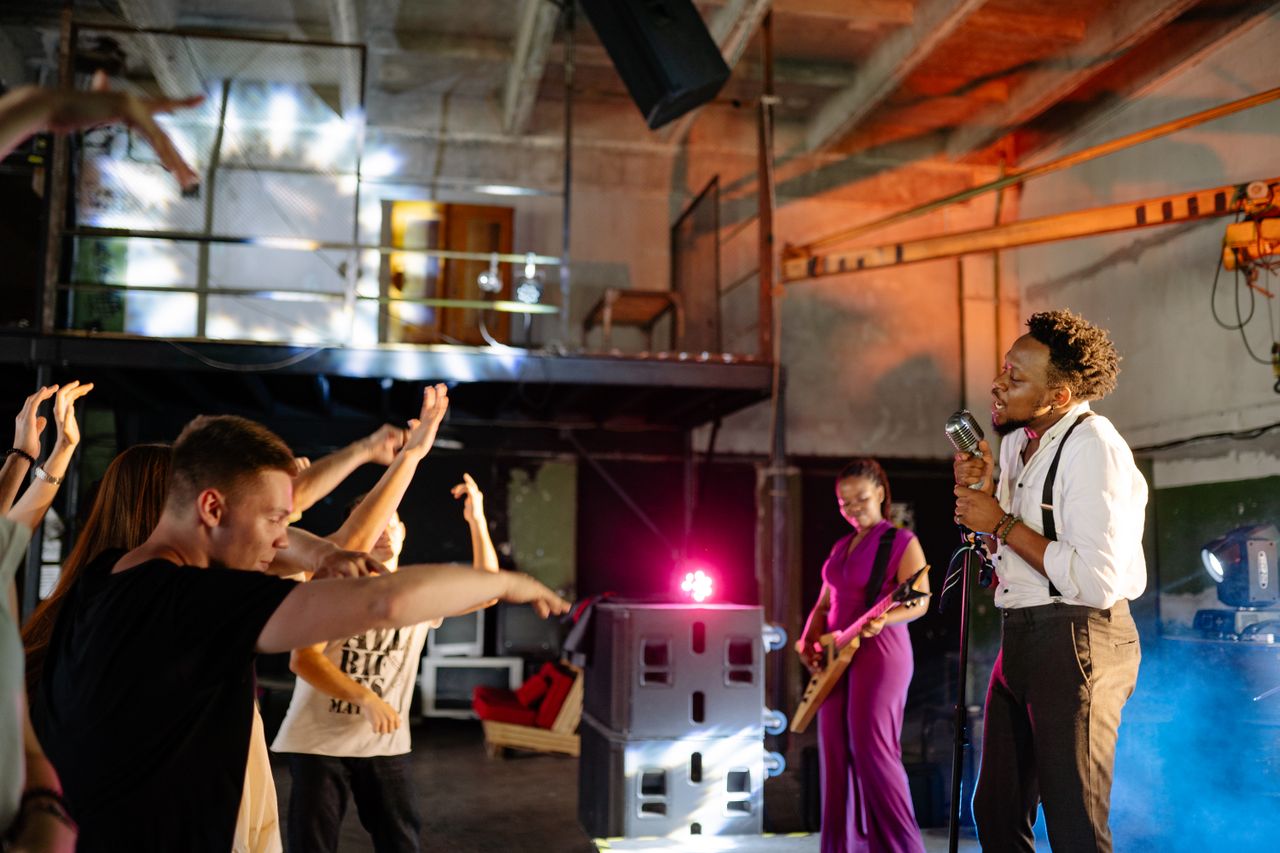
Everybody has a friend who talks about a night from years ago like it rearranged something in them, and cannot make it sound like anything other than a story about standing in a dark room. That is the problem with trying to describe techno to someone who has not had the night yet. What actually happens is that a good selector takes a few hundred people and gradually removes everything they were worried about when they walked in, and you notice it only afterwards, on the sidewalk at two in the morning, feeling weirdly clean. Patrick Topping has spent a long career doing exactly that with the funnier, bouncier end of house and techno, which is why he still plays clubs rather than main stages. A room on Las Palmas in Hollywood built specifically around its sound system opens at ten and runs to two. Doors at 10pm, 21+. Go with one person you can lose in a crowd and find again.
Power metal is the only genre where sincerity is the entire technical requirement. You cannot do this material ironically — the choruses are enormous, the subject matter is dragons and loyalty and occasionally anime, and the moment a band winks the whole structure collapses. Beast In Black do not wink. Anton Kabanen left Battle Beast and built this specifically to go harder on the melody, and the result is a room where several hundred grown adults sing a chorus about honour with total commitment and nobody is embarrassed, which is genuinely rarer than it sounds. Seven o'clock on a Sunday, 1050 S Hill St downtown. Bring the friend who pretends not to like this and watch them know the words to the second chorus. European power metal tours America maybe once every two years and plays rooms a fraction of the size it fills overseas.
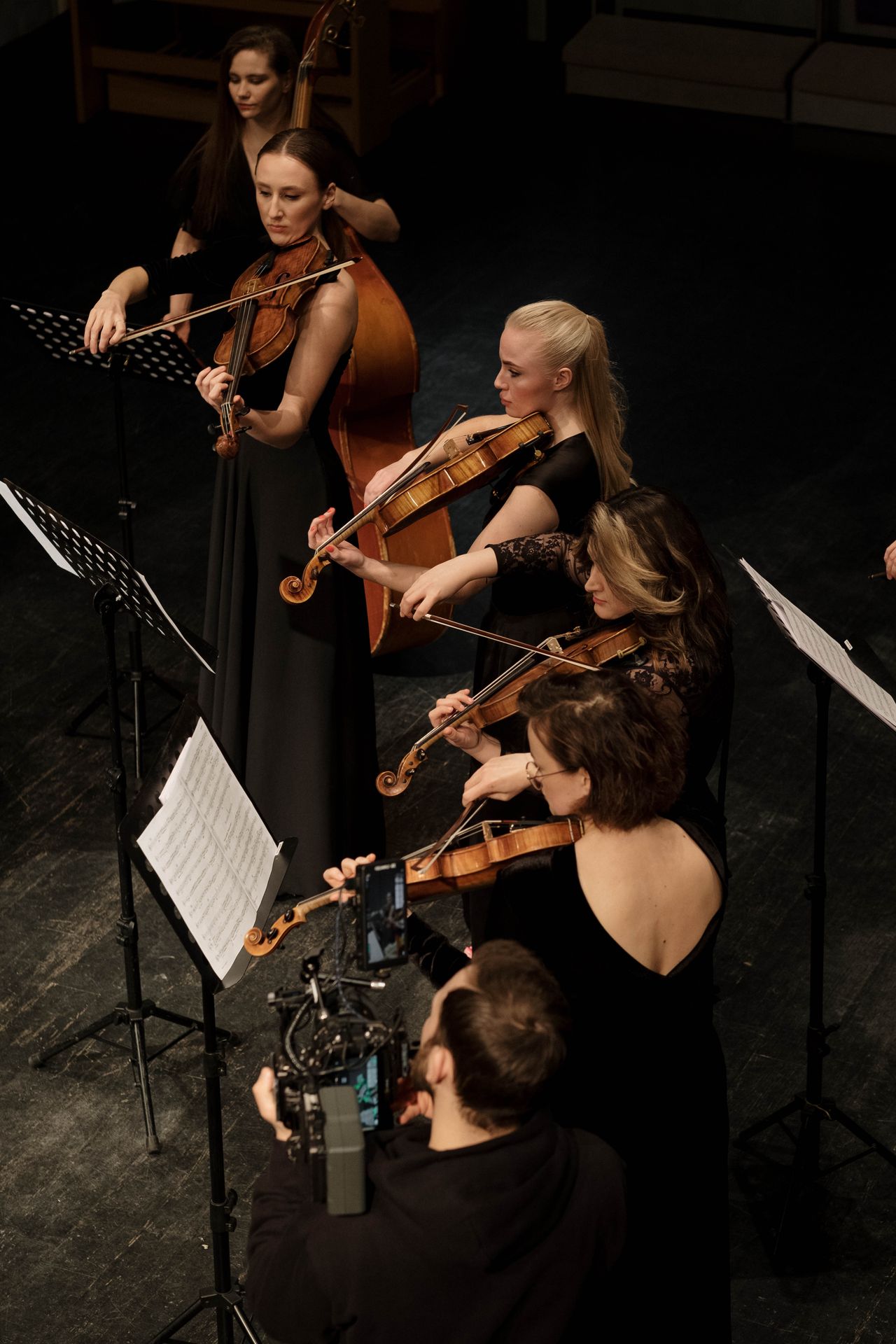
A string ensemble playing a warehouse in the Fashion District on a Sunday is not a thing that should work, and the entire appeal is finding out whether it does. The billing promises strings and love letters, which sets a specific expectation — intimate, slightly theatrical, not remotely a club night — inside a 700-capacity room with concrete floors and four bars that normally hosts punk bills and techno. That mismatch between material and room is the most interesting programming in the city right now. Free, seven o'clock, 1720 E 16th St. Take the person you would write one to. Los Angeles promoters have started putting chamber and acoustic programmes into warehouse venues, and the results are consistently stranger and better than the same material in a concert hall.
Feb 21, 2027
$27
The Glass House, 200 W 2nd St, Pom…
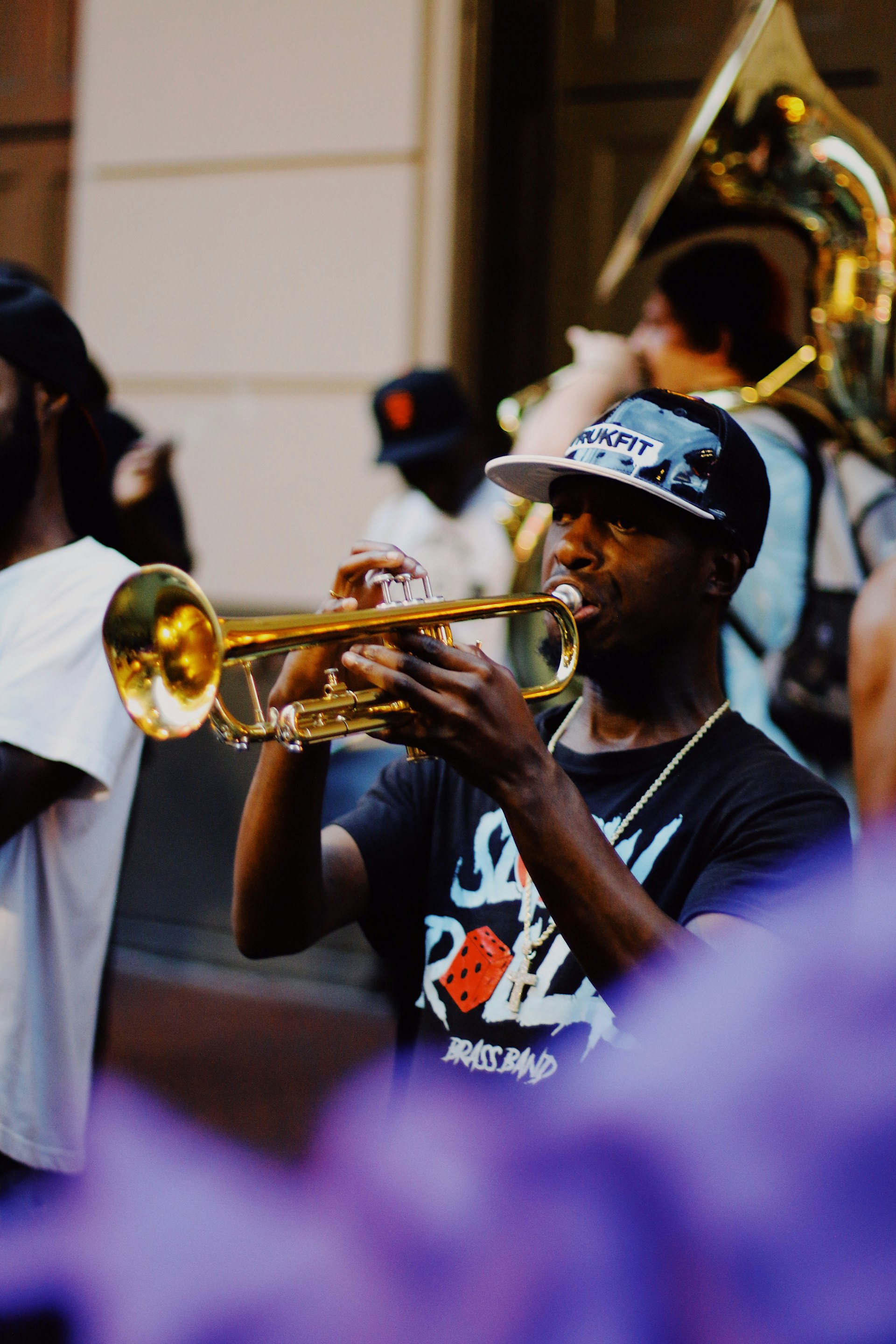
Count the horns. A ska band carries three; this one carries a section three times that size, staffed by people who have spent careers inside the Aggrolites, Hepcat and Big Bad Voodoo Daddy, playing Skatalites arrangements the way they were actually written — as jazz, with a swing feel, for dancers rather than for moshers. Twenty-five people on a Pomona stage is an absurd logistical proposition and the absurdity is most of the draw. The Skeletones share the bill, which tells you whose night this is: Paul Hampton started that band in 1986 and Riverside has treated it as municipal property ever since. Expect couples in their sixties who learned these steps the first time around out-dancing everyone half their age. Eight o'clock, 200 W 2nd St. Southern California never let go of traditional ska — it just moved into rooms nobody writes about, out through the 91 corridor and down into Orange County, every weekend.
Feb 23, 2027
$31
Quartyard, 1301 Market St, San Die…
Spanish-language R&B had to build its own audience from almost nothing, because for years the industry could not decide whether it was Latin music or just music, and so it got shelved in neither place. The artists who pushed through that gap ended up with something rarer than a hit: a listener base that feels personally responsible for them. She sings in both languages inside the same song, often inside the same line, which is not a gimmick to anyone who grew up switching mid-sentence at the dinner table. Expect a crowd that sings the Spanish parts louder. She tours with a live band rather than backing tracks, which is rarer in this lane than it ought to be and is the whole difference between a show and a playback. Six on Tuesday at the container lot on Market Street, around $31. There is a whole corridor of this sound moving between Mexico City and Southern California right now, and the people in this crowd follow it in both directions.
Some players treat the guitar as a thing with rules and some treat it as an object that happens to have strings on it. The second approach produces evenings that are difficult to describe afterwards and impossible to confuse with anything else. Expect long passages that do not resolve, sudden shifts into something almost conventionally beautiful, and a room that stays very quiet because everybody can hear exactly how much is being decided in real time. This is not background music and cannot be enjoyed at a remove. The audience is small, slightly obsessive and tends to include other musicians, which gives the room a watchful quality. If you have been listening to the same forty records for a year and have started to find that comfortable, this is the recommended cure, and you will either leave irritated or recalibrated. Both outcomes are worth the ticket.
Feb 25, 2027
$32.50
Belly Up Tavern, 143 S Cedros Ave,…
Flamenco guitar over four-on-the-floor house, performed by two men committed to a bit that stopped being a bit several albums ago. It should not work. It has been working for years.
Paco Versailles is the project of Danny Harris and Ricky Lobo, and the live version leans theatrical in a way the records only hint at. The guitar is real flamenco playing, not sampled, which is the hinge the whole thing turns on: without it this would be a novelty, and with it the room ends up dancing to something it cannot quite categorise.
Late February is the dead centre of the North County calendar, when nothing tours and the Belly Up books the acts it actually likes. Those are frequently the best nights of the year in that room.
Doors 7pm, show 8pm. $32.50, Cedros Avenue.
Most bands that have been difficult for thirty years stopped being difficult around year four and started performing difficulty instead. This one never made that trade, which is why the records still sound like four people disagreeing productively at high volume, and why the live show remains genuinely unpredictable rather than theatrically so. Songs collapse and restart. A pop melody as sweet as anything on the radio sits directly beside something that sounds like the drums falling down a staircase, and the band treats both with the same seriousness. The drumming alone is worth the ticket and is the thing people leave talking about. The audience tends to be a specific type, the person who has spent years recommending this band to friends with middling success, and there is real pleasure in finally being surrounded by the ones who said yes. If you have been curious and intimidated, the live version is easier to love than the records. Late February, on a Thursday; the doors open at seven and the first note lands an hour after that.
Glam was always for the kids who were too much. Too loud in a quiet town, too dressed for a Tuesday, too obviously trying in a decade that decided trying was embarrassing — and the music made for them has never once gone out of style, because there is a new batch of them every single year. A band in full eyeliner playing to two hundred people on El Cajon Boulevard is the format in its natural state; the arena version was always a bit of a lie. Expect the front two rows to be dressed better than the band and entirely unbothered about it. The real thing to watch is the eighteen-year-old at the barrier who came alone and clearly decided something on the way here. You were that person once, in some version. Go and stand near them. Soda Bar, San Diego — 3615 El Cajon Blvd. February 26, 7pm, 21+.
Feb 26 – Feb 27, 2027
Sound Nightclub, 1642 N Las Palmas…

Four months out is the right amount of notice for a room like this. Sound is a low-ceilinged Hollywood club built around a Funktion-One system, which means the booking is always about the sound rather than the spectacle — there is no view, no production, nothing to look at, and that absence is deliberate. Romain Garcia works the deep, unhurried end of house and techno, which is the material the room was designed for. Twenty-five dollars, ten o'clock on a Friday at the end of February. 1642 N Las Palmas Ave. Go with the person who stays until the lights come up rather than the one who wants to know what time you are leaving. Los Angeles has a handful of rooms where the system is the point, and the regulars will tell you this is the one.
Four o'clock is the civilised hour nobody ever uses. Late enough that the morning belongs to you, early enough that the evening does too, and the building empties into a Saturday that still has most of itself left. It is the single best slot on the calendar and it appears perhaps twice a season. Montreal is the visitor, which means a travelling support that has spread across the continent over a century and turns up anywhere with the quiet certainty of people whose club has won more than anybody else's. The home crowd finds this mildly insufferable, which sharpens everything. Eat afterwards rather than before - an afternoon game gives you the rare chance to go to dinner having already done something, instead of the usual arrangement where the evening is spent entirely on one thing. Afternoon games draw a noticeably different crowd as well - more families, fewer people treating the building as somewhere to be rather than somewhere to watch.
Machiko is her middle name. Her mother gave it to her, it means city girl in Japanese, and she put it on the front of a record and then brought the record home to San Diego — which is a very particular kind of nerve. Wrice grew up here before Los Angeles claimed her, so a North Park room on a Saturday is not a tour stop, it is a reckoning with everyone who knew her before. The album is the sound of somebody deciding to stop managing how she is perceived; live, with that band, the quiet songs are the ones that do damage. Seven o'clock, 2891 University Ave, and a third of the room will be family. San Diego produces a steady stream of R&B singers who have to leave to be heard, and the homecoming shows are the only time the city gets to see what it made.
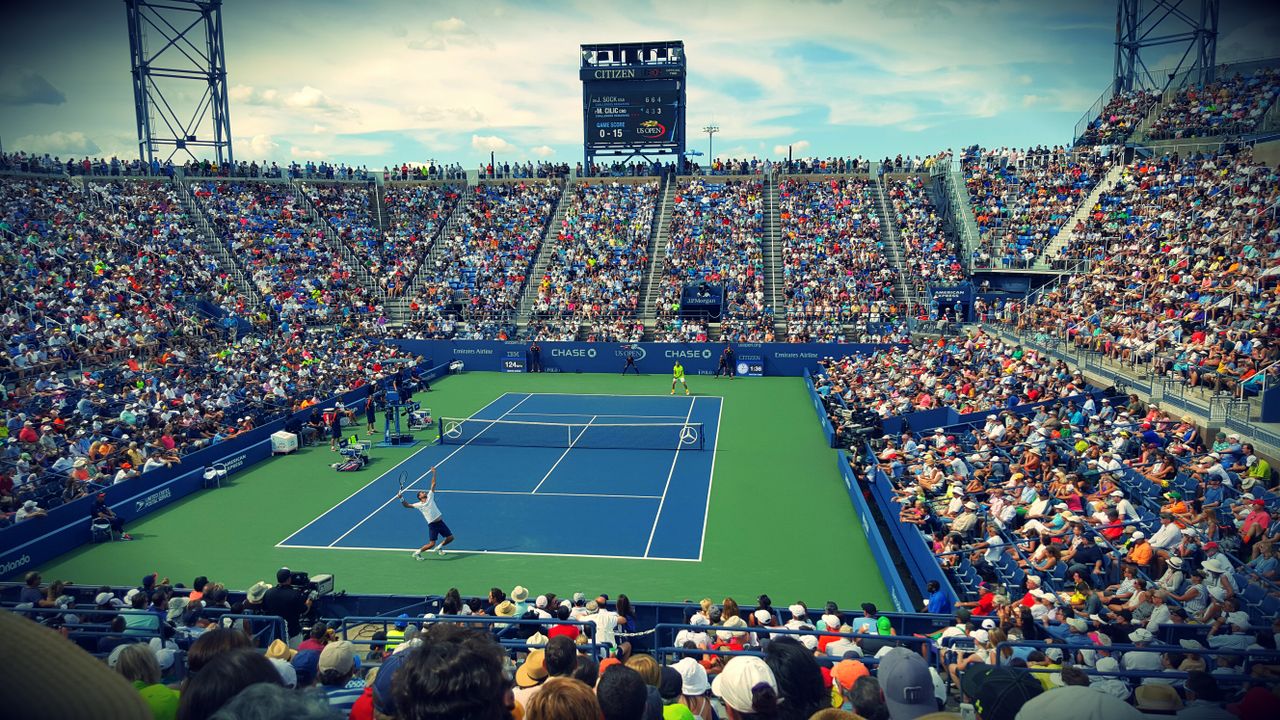
Tennis has four tournaments that matter and then it has this one, which the players themselves half-jokingly call the fifth. It sits in the desert two hours east of Los Angeles, the courts are hard and blue and the light comes down flat off the Santa Rosa mountains, and for two weeks in early spring the entire professional tour relocates to the Coachella Valley.
The reason to go rather than watch is the access, and it is genuinely unusual. Outside the main stadium there are a dozen other courts, and in the first week you can stand four feet from a top-twenty player grinding through a practice set with nobody else watching. No other event at this level lets you do that.
It is also a very Southern Californian thing in a way that has nothing to do with sport: date shakes, a garden full of people in sunglasses pretending they are not looking for someone famous, and the specific desert phenomenon where it is eighty degrees at two and you want a jacket by seven.
Fifteen days from the end of February on Miles Avenue in Indian Wells. Grounds passes are the value play, not the stadium seats.
The appeal is that she says the thing. Not gestures at it, not wraps it in a metaphor you can take two ways — writes the sentence you have thought and never said aloud and then puts a loud guitar under it. That makes for an odd live room: a lot of people standing very still, mouthing words that are quite embarrassing to be caught knowing. Sabrina Teitelbaum came up in Los Angeles, scrapped an entire pop career, and started again under this name, which is the part the audience is actually loyal to. Seven o'clock on a Sunday, 2891 University Ave in North Park, which is a school-night show and will be full anyway. There is a whole cohort of women writing this way right now and playing rooms this size across Southern California, usually to crowds who found them one record late and are making up for it.
Twenty days in March, NRG Park, and a scale that does not translate until you are standing in it. The Houston Livestock Show and Rodeo runs March 2 through 21, 2027 — its 95th edition and a return to the full twenty-day format — and it is simultaneously the largest livestock exhibition on earth, one of the biggest concert series in the country, and a scholarship foundation that has moved hundreds of millions of dollars to Texas students. Most people outside Texas know it, if at all, as the place where a stadium full of people watch bull riding and then a stadium full of people watch a headline act on a rotating stage. Both halves are real and they happen back to back, every single night.
The experience is genuinely unlike a fair or a concert. The rodeo runs first in NRG Stadium; then a stage is driven out to the centre of the floor and rotated so that the entire bowl gets a front view, and whoever is booked plays to seventy thousand people who were watching calf roping forty minutes earlier. Outside, the carnival midway and the livestock barns run all day, and the World's Championship Bar-B-Que Contest takes over the last weekend of February before the show even opens — a separate event with its own obsessive following and its own invitation economy.
Worth it? Yes, if you want to see the version of Texas that Texans actually show up for rather than the one that gets exported. It is not a boutique experience and makes no attempt to be. If crowds of that size exhaust you, or you want a quiet cultural weekend, this is the wrong one.
What to know: rodeo-and-concert tickets are a single admission and the good nights sell fast, so the lineup drop in January is the moment that matters. Grounds admission and stadium admission are different things; plenty of people go for the barns, the midway and the food without ever entering the rodeo, and that is a completely legitimate way to do it for a fraction of the money. Go on a weekday if you can — the first two weekends are the heaviest. Parking at NRG fills early and the light rail down Main Street is the locals' answer. The World's Championship Bar-B-Que Contest runs February 25 through 27, 2027, before the main show opens, and it is a separate ticket.
It makes the list because it is a genuine folk institution operating at industrial scale — agriculture, music and civic money braided together in a way no other American event manages.
His father played pedal steel behind Bob Dylan, which is the kind of inheritance that either flattens a songwriter or gives them permission, and it clearly did the second thing. Rayland Baxter writes loose, warm, slightly stoned Americana that sounds casual and turns out on the fourth listen to be carefully built. Live he is funny between songs in a way the records do not prepare you for, and the band gets considerably louder than the arrangements suggest. Seven o'clock on a Tuesday, 2891 University Ave in North Park. Take whoever you drive around with on a Sunday afternoon with no particular destination. Southern California has a real and largely unremarked appetite for Nashville songwriters of this type — they sell out rooms this size here and then nobody writes a word about it.
A lot of people in their thirties still cannot play a certain album at work, because it is a handful of songs about being alone in a city and it works on them exactly the way it did the first time. That is an uncomfortable thing to carry around privately. It is a much better thing to carry into a small room with a couple hundred other people who are carrying the same one. Cloud Nothings have kept making that music for years without softening it, fast and loud and plainly about being a person, and they still play rooms where the stage is barely raised. A Tuesday on El Cajon Boulevard, 21+, doors at seven-thirty and out before midnight, is an almost aggressively unglamorous way to spend a night that is going to mean more than you expect it to. Bring whoever sent you that record in the first place. You probably still owe them for it.
Thirty years on, the cover that made them famous is still the least interesting song they ever released, and the band knows it better than anyone.
What survived is the songwriting — short, melodic, unbothered, built by someone who appears to have never once tried to sound important. Evan Dando's voice has gone from pretty to weathered, which suits the material better than it did originally. The shows are famously variable, and that unpredictability has become part of the deal for the people who keep turning up: you are buying a real evening rather than a faithful reproduction of a record you already own and can play at home.
A Tuesday in March, doors at seven, music at eight, in a room holding two hundred.
March 2, Casbah, 2501 Kettner Blvd. Bring whoever owned the cassette. Half the nineties acts you assume play sheds are actually doing rooms this size now, and the shows are better for it.
There's more here for you.
An account shows you concert & music events matched to your exact taste — not just what's popular.