Dec 4 – Dec 7, 2026
Pennsylvania Convention Center, 11…

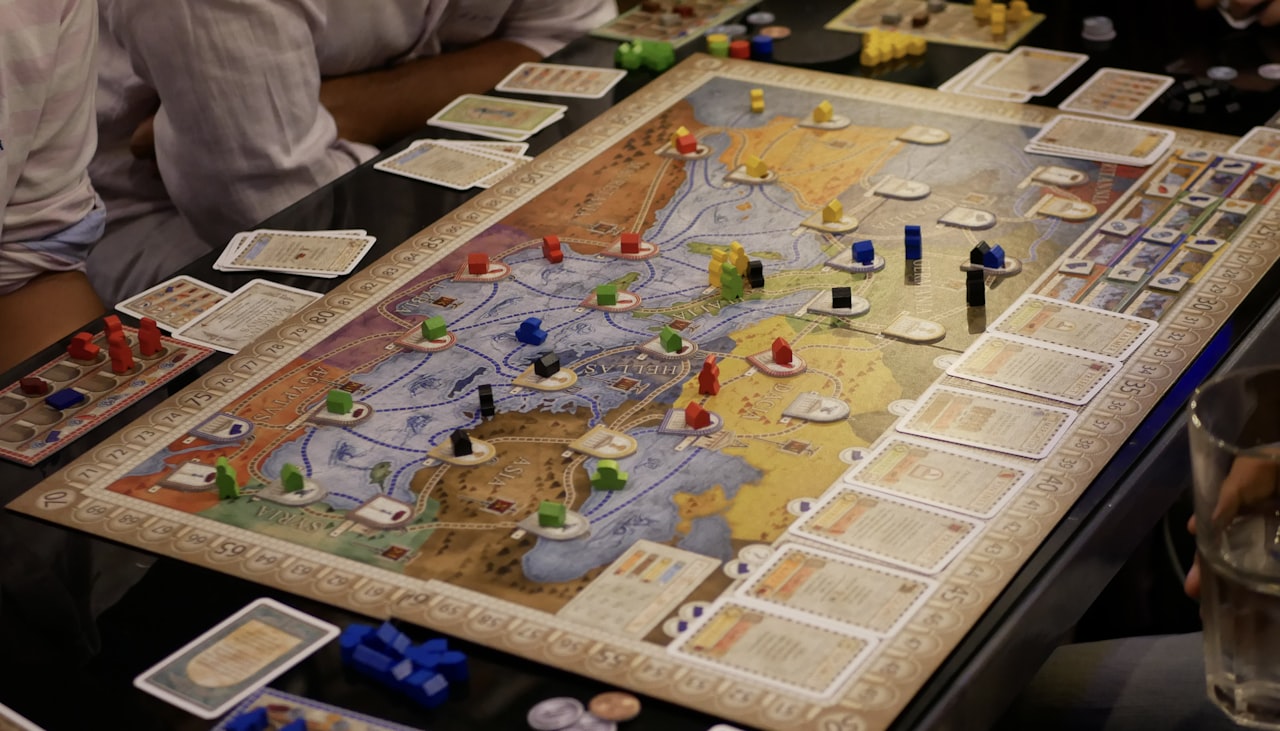
Three days in Philadelphia in December where 40,000 people bring board games, card games, miniatures, and roleplaying campaigns. PAX Unplugged is the largest dedicated tabletop gaming floor in America. The experience at PAX Unplugged is unlike any other convention on the American calendar. The main show floor stretches across the convention center's enormous exhibit hall — rows of publishers demonstrating unreleased games, free-play libraries with thousands of titles available to check out and bring to any open table, and tournament halls running competitive and casual formats simultaneously. The tabletop RPG hall operates all four days — Dungeon Masters running games, new systems getting their first public playtests. You can sit down at a table with strangers and be deep inside an adventure within ten minutes. The community here is self-selected for exactly this openness: people who came to Philadelphia in December to play games with other people who came to Philadelphia in December to play games. Worth it? If you play tabletop games in any format — board games with family, Dungeons & Dragons with friends, Magic: The Gathering competitively — PAX Unplugged is the one event that puts everything you care about in one room simultaneously. Publishers premiere new games here first. Designers are on the floor demoing their own creations. Competitive players converge on the same tournament halls. The identity gate is simple: if games played around a table are how you experience community, this is where your community gathers every December. The Pennsylvania Convention Center connects via enclosed walkway to multiple hotels — booking hotel before registration opens is essential, as nearby properties sell out within hours of badge sales going live. Philadelphia's transit system (SEPTA) provides subway access to the convention center from major neighborhoods and the airport (Airport Line → Center City). Badges sell in tiers; 4-day badges sell fastest. The Library of Games (free-play checkout) has no extra charge — one of the best systems at any convention for trying new titles without commitment. Pack layers; Philadelphia in December is cold, and the convention center's cavernous exhibit hall runs warmer than the streets outside. In an entertainment landscape built around passive consumption, tens of thousands of people travel to Philadelphia each December to play games with each other. The ticket is participation, not observation. December in Philadelphia.
Small press comics are made by people who mostly lose money doing it, which is exactly why the work is interesting, and why a room full of them feels different from a convention floor. No celebrity photo ops here, no film studios, no queue for a Funko exclusive — just long tables of risograph zines, hand-bound books, and cartoonists sitting behind their own work explaining it to whoever stops. Los Angeles has an unusually deep bench of independent cartoonists because the animation industry pays some of them to live here, and this is the weekend they show what they make when nobody is art-directing. Admission is deliberately low-barrier and the crowd skews toward art students, working illustrators, and people who will spend forty dollars on something printed in an edition of sixty. December 12 and 13, 2026, at the Homenetmen Ararat North Campus on Dolores Street in Glassell Park. It runs annually, and the same cartoonists turn up year over year, which is how you watch a scene grow in real time.
Jan 6 – Jan 9, 2027
Las Vegas Convention Center, 3150 …
Every January, a room in Las Vegas shows you the thing you will recognize in a store six months from now and think, quietly, I already knew about that. That preview feeling is the whole reason people come back - not to buy, but to find out what is coming.
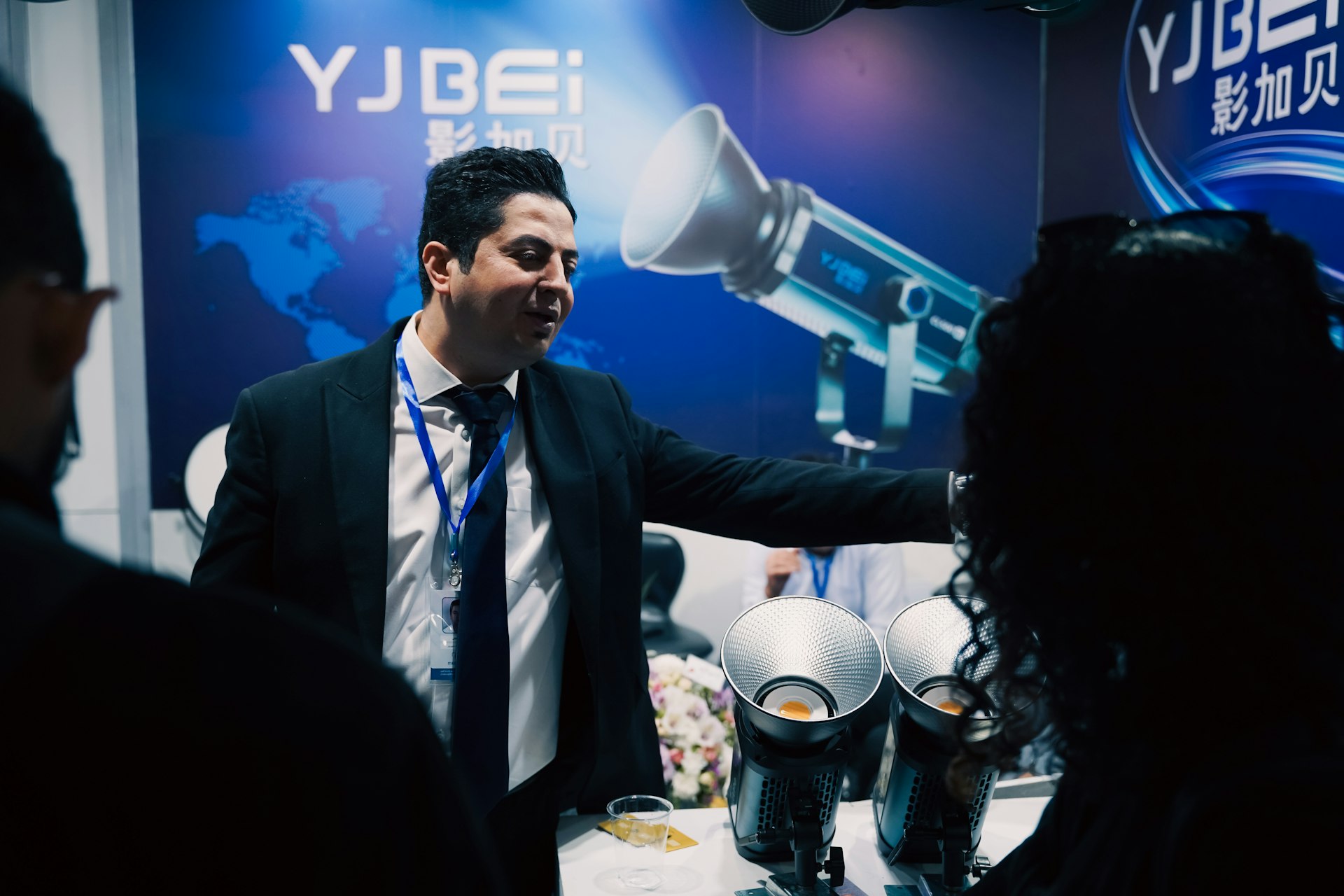
The scale is unlike any trade show you have attended. Spread across 2.6 million square feet - the Convention Center, Venetian Expo, and satellite hotel venues across the Strip - CES is less a conference than a city inside a city. Entire halls are dedicated to automotive technology, health tech, immersive entertainment, robotics, and AI hardware. Keynote stages host the CEOs of Samsung, Sony, Nvidia, and Intel. The demo floors are where prototypes become real - you will see things that do not exist for sale yet, and half a year later you will recognize them on shelves. If you have any curiosity about where technology is heading, it delivers, unambiguously; this is not for people who want to buy things, it is for people who want to understand what is being built. If your frame is "I already know what I like," CES will feel overwhelming. If your frame is "I want to know what I don't know yet," it will feel like electricity.
Plan for 25,000 steps a day and wear the most comfortable shoes you own. Register early - attendee badges are required and pricing increases as the show approaches. Download the CES app and pre-plan your exhibitor list by hall and day. The Las Vegas Convention Center's underground Loop connects buildings, but lines build fast, so walking is often faster; stay on the north end of the Strip near the LVCC to minimize transit time. The South Hall eats first-day schedules, so plan it for day two or three. Most cultural events reflect the world as it is; CES previews the world as it is being redesigned. The exhibitors are not selling products - they are proposing futures, and every year a handful of those proposals become the devices in your pocket two years later. Attending even once rewires your sense of what "soon" means. CES 2027 takes place in Las Vegas, NV.
Galleries can make you feel like you walked into someone else's dinner party. The hush, the person at the desk who does not look up, the price list nobody offers you. So you learn to admire things from the sidewalk and keep walking.
A convention hall is the opposite problem, and the better one. Dealers from everywhere, no hush, no correct route through any of it — you wander, you stare, you walk away from things that do not land. Nobody is tracking whether you belong.
Worth knowing: Wednesday is not really the opening. Wednesday is the benefit night at two hundred fifty dollars a head, a different crowd entirely. Thursday at noon is when the doors open for everybody else, at forty.
Five days across West Hall and Petree Hall downtown, and more of it than one visit holds. Everyone walks out arguing about one painting.
Jan 7 – Jan 10, 2027
Long Beach Convention Center, 300 …
Some knowledge you cannot buy: which panels are worth lining up an hour early for, which guest signings empty out fast, which late-night rooms never make it onto the printed schedule. Regulars hand that down to each other here, and it is the real inheritance of a convention that has been meeting for over two decades.
The tradeoff for running smaller than Anime Expo is access. To the guests, who trend toward voice actors and fan creators who build their year around Southern California cons. To the programming, which you can actually get into. To each other — the dealer room and artist alley run at a scale where you can move without turning sideways.
Four days at the Long Beach Convention Center, January 7-10, 2027, and they open the convention calendar for the whole region.
Send this to whoever you stood next to in line last year. They are already planning.
Jan 26 – Jan 29, 2027
800 W Katella Ave, Anaheim, CA 928…
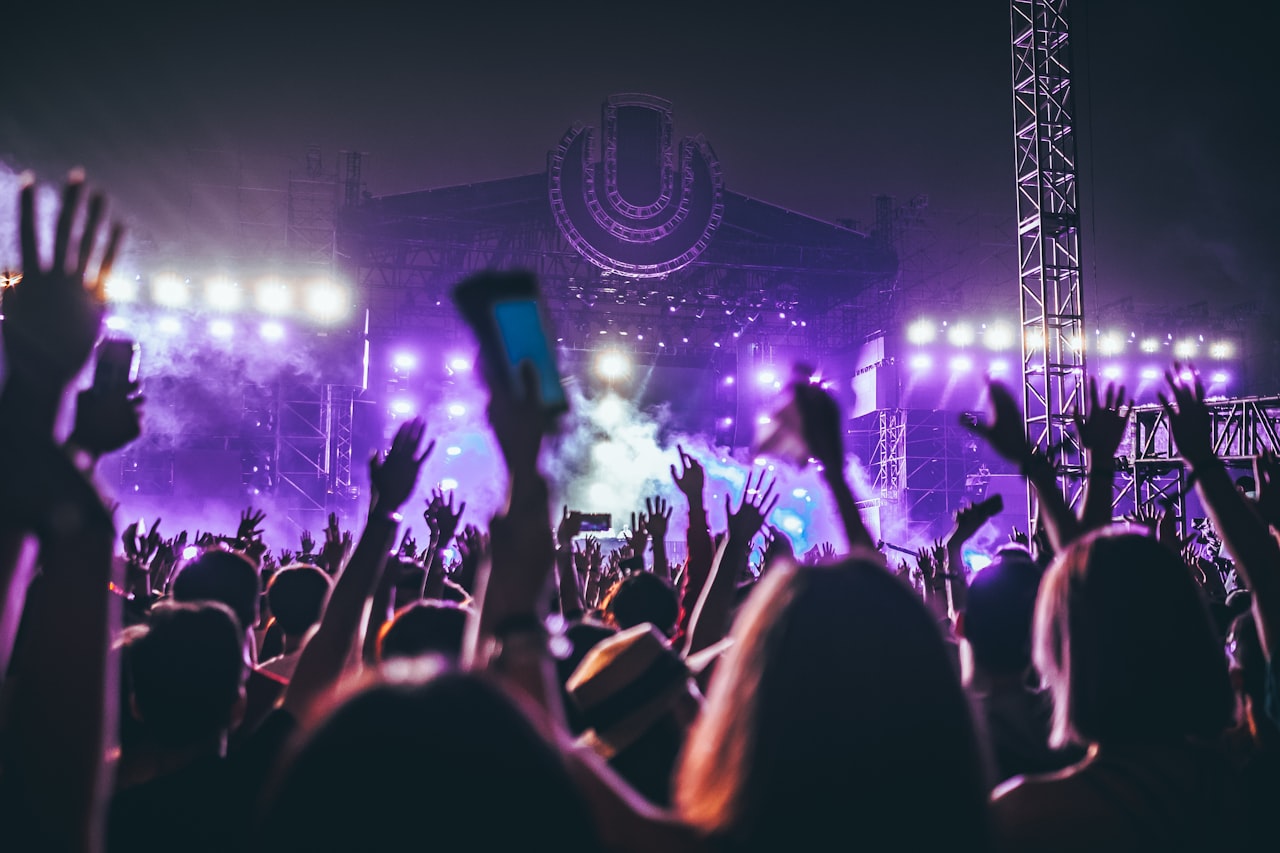
Ten thousand people playing ten thousand different instruments at once, badly and joyfully, all day — you hear it before you get through the doors.
Every January, everybody who makes a living from sound converges on Anaheim: guitar builders, synth companies, drum makers, studio electronics, DJ hardware, live sound rigs, recording software, and whatever the newest thing is that nobody has settled on a name for. The floor is genuinely too large to cover in a day, so plan on two.
It is primarily a trade show, which means full access wants professional credentials. But the demos happen in the open, the educational programming is real, and the whole city runs an unofficial second convention after hours — brand showcases, late parties, and acoustic sets in hotel lobbies where somebody you have never heard of quietly destroys the room.
If you play seriously, this is the closest thing your life has to a pilgrimage. Go touch the expensive one.
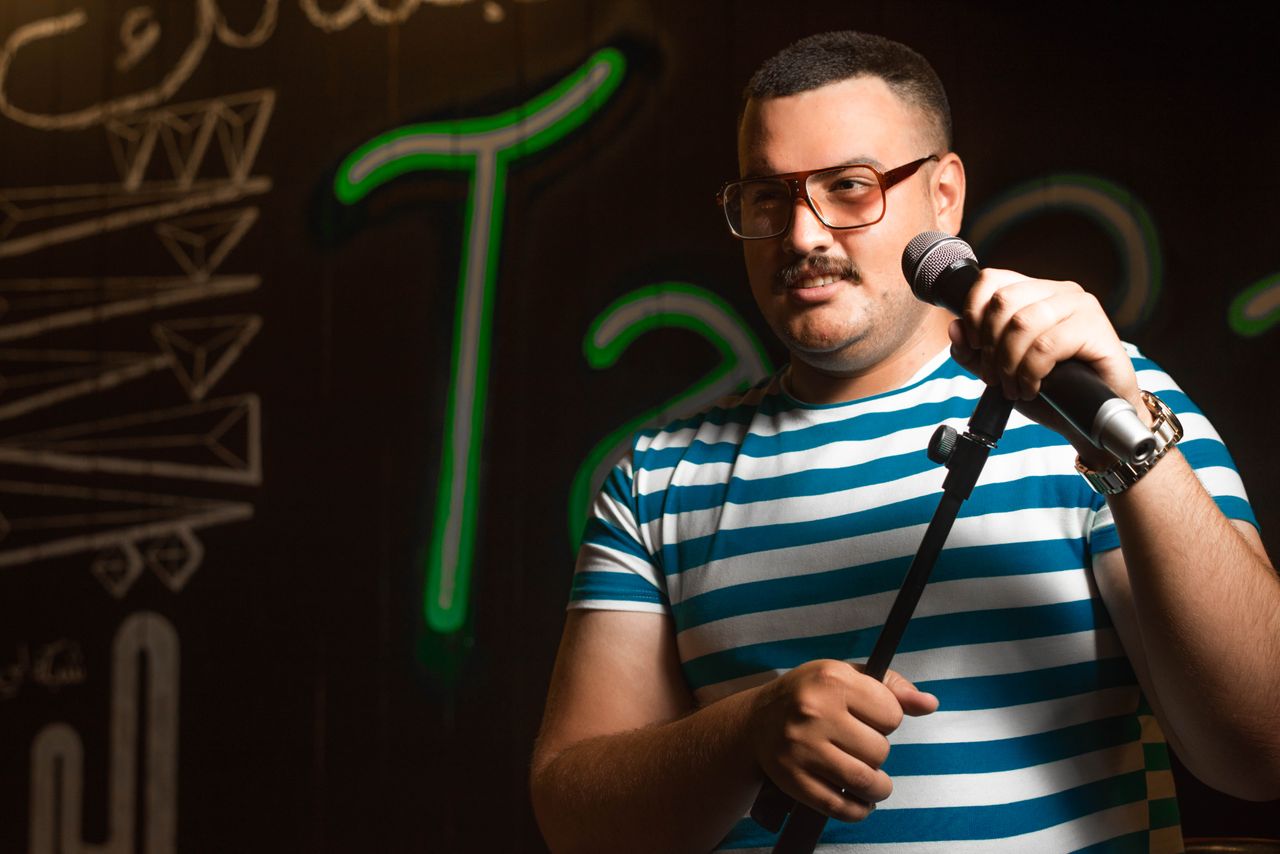
The difference between singing along and taking the microphone is roughly the difference between watching and being watched, and one of those changes your whole evening.
That is the entire format. A live band, a songbook of the records that ruined and rescued you somewhere around fifteen, and a queue of people who have been rehearsing in the car for years without admitting it. Nobody is good. Being good is not the point and would arguably wreck it. The room's job is to carry whoever is up there, and a room full of people who all know the same bridge is extremely good at that job.
Doors at eight, going at nine, a Friday in February.
February 5, Casbah, 2501 Kettner Blvd. Bring the person you would want holding the other microphone. This scene runs a whole year of these across the county and the karaoke ones are where the strangers stop being strangers fastest.
At most conventions the person who actually drew the thing is behind a rope with a line and a forty-second window. Here they are sitting at a table with an empty chair beside them.
That is the entire identity of this one-day show: writers, pencilers, inkers, colorists, letterers — working professionals available for a real conversation about the craft instead of a signature and a shove. The floor treats mainstream and alternative as equals, Marvel and DC in the same aisles as independent publishers and self-published creators who came because the audience here came specifically for comics. Artist alley carries a density of professional quality that bigger, more casual shows cannot match.
One day only, at the convention center downtown, with the Metro A Line running straight into Long Beach. Check the official site for the date.
Go with the person who lent you their first trade paperback. Buy them something original.
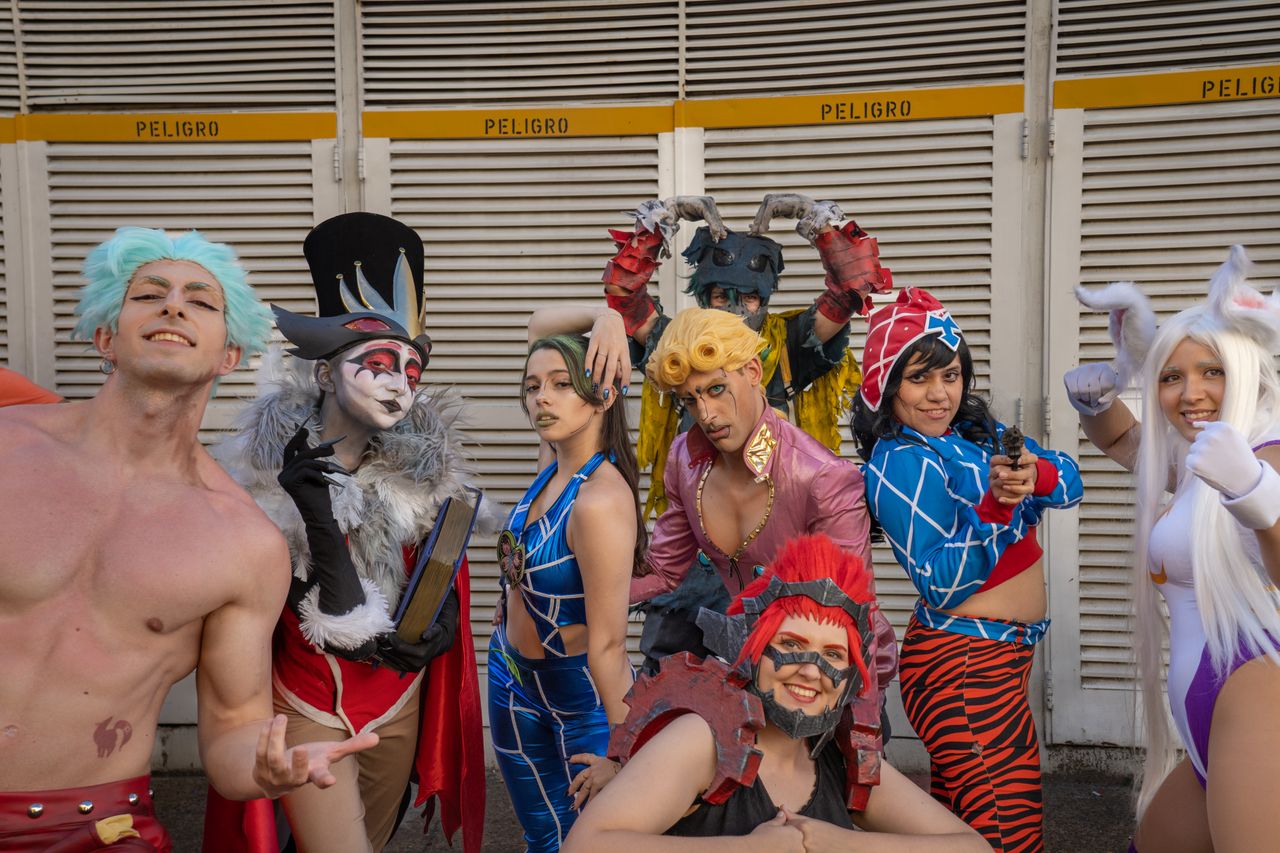
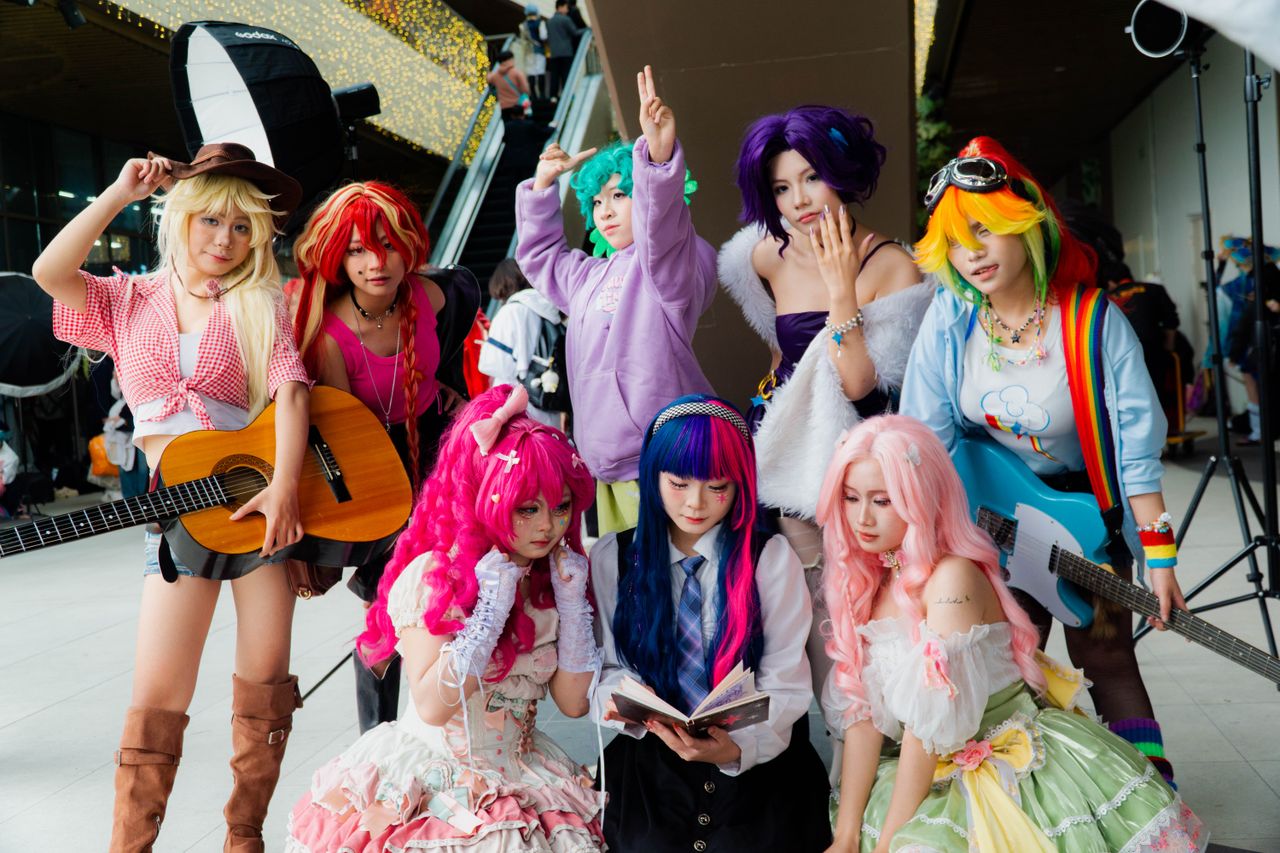
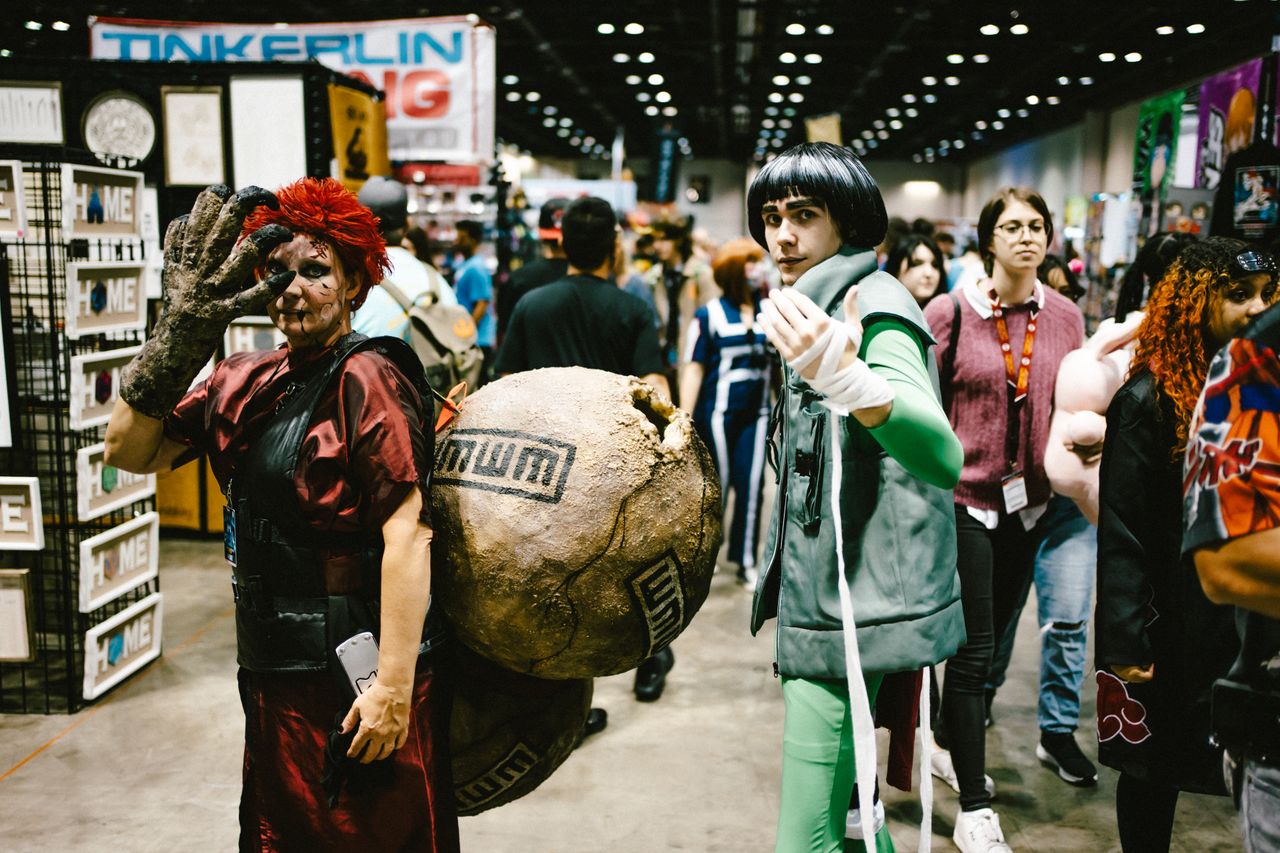
There is a photograph you have seen without knowing where it came from: someone in an elaborate costume standing on a marble staircase under an eighteen-story glass atrium, winter light coming through, looking like a still from a film that was never made. That is Katsucon, and the building is most of the reason it has the reputation it does. Held every February at the Gaylord National Resort on the Potomac just outside Washington, it is among the most photographed anime conventions in the world, and the cosplay community treats a weekend there as something closer to a pilgrimage than a trip.
The atrium is the event. Other conventions have panels and dealers and artist alleys, and Katsucon has those too, but what actually happens is that thousands of people spend three days building and wearing things they worked on since summer, and then the building gives them the best backdrop in North America to be seen in. Photographers book months ahead. There are impromptu gatherings by series on the staircases at all hours. Because the whole thing is under one roof and the weather outside is February in Maryland, the convention never really stops — the hallways at three in the morning are as busy as the floor at noon.
Worth it? If you make things — sew, foam-smith, wig-style, prop-build — this is the room where that labor is understood without explanation, and there is no substitute for that. If you are coming to shop or to meet voice actors, other conventions do that better and cheaper. Katsucon is for the makers and the people who love watching them, and it is honest about that. First-timers who come without a costume routinely report it was still the best convention they had been to, because the spectacle is genuinely free to watch.
What to know: the host hotel sells out almost immediately, and staying on-site is materially different from staying off — the atrium at night is the whole point. Budget for that. Bring a repair kit; something will break. The convention center portion and the hotel portion are connected but the walk is longer than it looks in costume. And Friday is the quiet day worth arriving for.
It earns a place here because it is the clearest example in American fandom of a venue and a community finding each other perfectly, and because knowing it exists changes what you think a costume is for. Katsucon 2027 runs February 12–14, 2027 at the Gaylord National Resort & Convention Center, National Harbor, Maryland.
Feb 14, 2027
0
SoFi Stadium, 1001 Stadium Drive, …
The Super Bowl has come to Los Angeles before. It has never come to SoFi. That changes February 7, 2027 — at the half-billion-dollar stadium that opened in 2020 and changed what a modern NFL venue can look like: translucent canopy, open-air California design, Hollywood Park campus surrounding it.
What Super Bowl week in Los Angeles looks and feels like is unlike any other sporting event on the calendar. The week before the game, Radio Row draws every media personality with a microphone. The NFL Experience fan festival opens to the public at the Convention Center. Celebrity parties are announced and cancelled and announced again. The halftime show rehearsals happen under tight security at the stadium while the surrounding streets fill with brand activations, pop-ups, and spontaneous gatherings of fans who couldn't get tickets but wanted to be near the thing. Los Angeles absorbs the Super Bowl differently than Nashville or Minneapolis — the entertainment industry and sports culture overlap here in a way that produces genuine energy rather than manufactured excitement.
Is the Super Bowl worth attending in person? If you have the means and the access, the answer is yes, but the experience is as much about the week as the game. Super Bowl tickets are among the most expensive in sports, and the seat you occupy at game time may matter less than the four days of surrounding events, parties, and city energy that build toward kickoff. For the majority of people who will experience Super Bowl LXI from Los Angeles without attending the game, the city itself becomes a venue. Watch parties at venues across SoCal will be among the most concentrated social events of the year.
What to know: Tickets sell through the NFL and Ticketmaster — secondary market prices will be extreme. The SoFi Stadium campus includes a performance venue (YouTube Theater), a casino (Inglewood), and hotel development in progress; the entertainment zone around the stadium is walkable and dense. Metro's C Line (Green) stops at Hawthorne/Lennox, about a 20-minute walk from SoFi. Parking is limited and expensive; transit from LAX is the recommended option for most attendees. The week's best experiences are often free — Radio Row, fan zones, and the energy of the city.
Super Bowl LXI matters for one reason beyond the game itself: it is the largest single-day American cultural event, and in 2027 it comes to Los Angeles. The convergence of the NFL, Hollywood, the music industry (halftime show), and the national media in one city for one weekend creates a cultural moment that extends far beyond the game. Knowing about it, knowing what week to plan around it, knowing the venue and the city — that is the preparation that turns an ordinary February into the right February.
Feb 19 – Feb 21, 2027
San Diego Convention Center, 111 W…
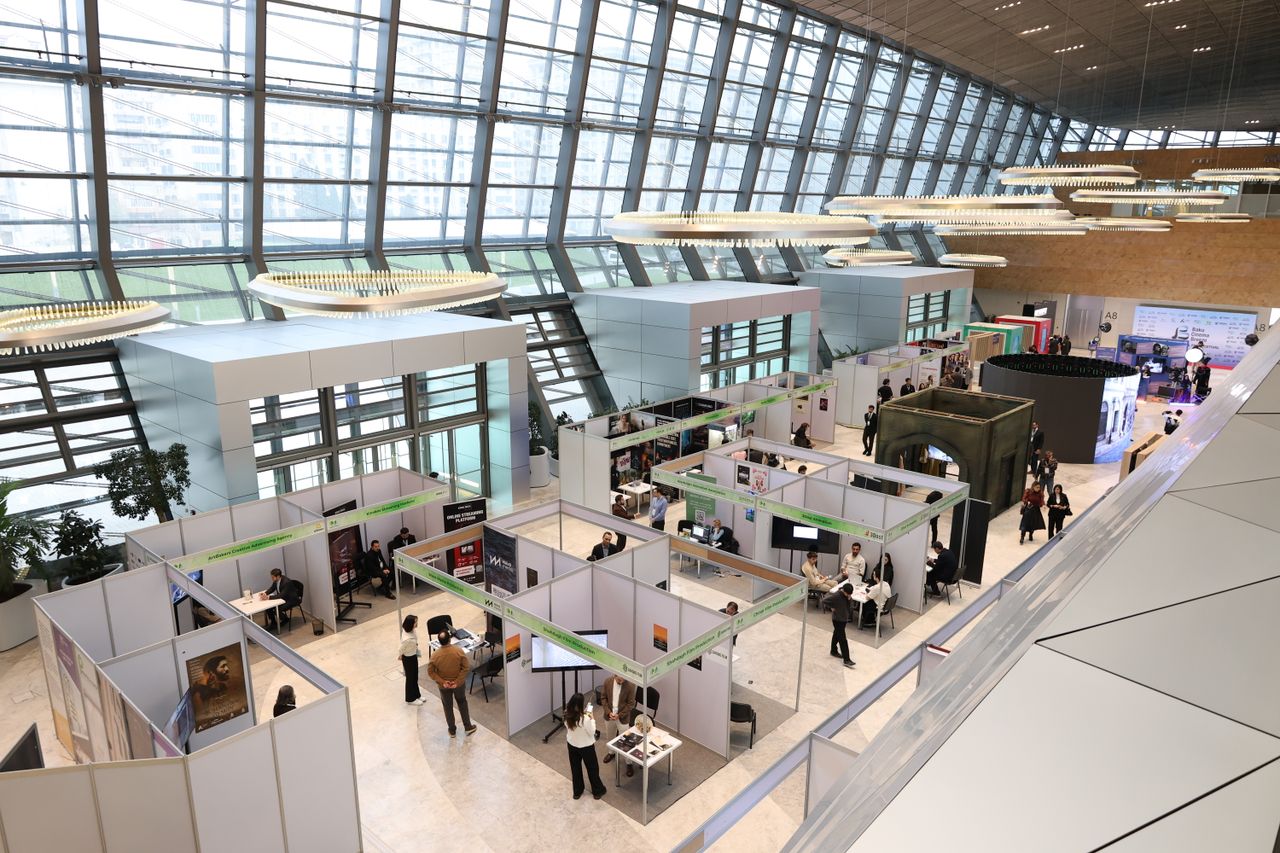
The hardest part of this hobby was never the rules. It is finding four other people who are free the same night and will actually see the game through to the end.
That is what the Find a Game board solves, and it is the best thing in the building: you write down what you want to play, somebody writes their name under it, and an hour later you are three turns deep with strangers. The open library holds thousands of titles you can check out and carry to a table — first-come, a couple of hours at a time, so the popular boxes circulate all day. Around it run organized play, publisher demos of things not out yet, miniature wargames, and RPG slots going from morning until the hall closes.
It takes a full weekend of the San Diego Convention Center, trolley-accessible, with the Gaslamp right there for when the hall shuts and nobody is ready to stop.
Send it to the friend with the shelf of boxes still in shrink wrap.
Comic conventions mostly stopped being about comics some time in the last twenty years, which is a reasonable business decision and a real loss. The Seattle one is the largest that never quite let go. Artist alley here is not an afterthought tucked behind the celebrity photo ops — it is enormous, central, and full of people who make the actual books, which is why working comics professionals treat this as the show they look forward to rather than the one they are contractually obliged to attend.
What it feels like is a very large city being unusually generous for four days in March. The Seattle Convention Center sits right in the middle of downtown, so the convention spills into the surrounding blocks in a way that walled-off complexes never allow — bars fill with people in costume, restaurants run specials, the whole neighborhood participates. Inside, the programming leans hard into craft: how pages get made, how a script becomes art, panels where writers talk about work rather than about announcements. The crowd is noticeably more mixed in age than most conventions, and considerably more likely to be carrying a stack of books they are getting signed.
Is it worth it? If you read comics — actually read them, not just watch the adaptations — this is the best large convention in the country for you, and the artist alley alone justifies the trip. If you are chasing exclusive collectibles or a specific film cast, the bigger coastal shows do that better. What Seattle does better than anyone is put you in a room with the people who make the thing you love, at a scale where you can actually talk to them.
What to know: March in Seattle is grey and wet and nobody minds. Buy artist alley prints early on Thursday or Friday because the good ones sell out. Bring a portfolio bag if you are collecting anything on paper. The convention center's layout has two buildings now; check which one your panel is in before you walk. And the small-press section, which most attendees walk straight past, is consistently where the next few years of comics are sitting on folding tables.
It is here because a convention that still centers the artists is genuinely rare, and because knowing there is one place where that is still true tells you something worth knowing about the form. Emerald City Comic Con 2027 runs March 4–7, 2027 at the Seattle Convention Center.
Mar 13 – Mar 14, 2027
Pasadena Convention Center, 300 E …
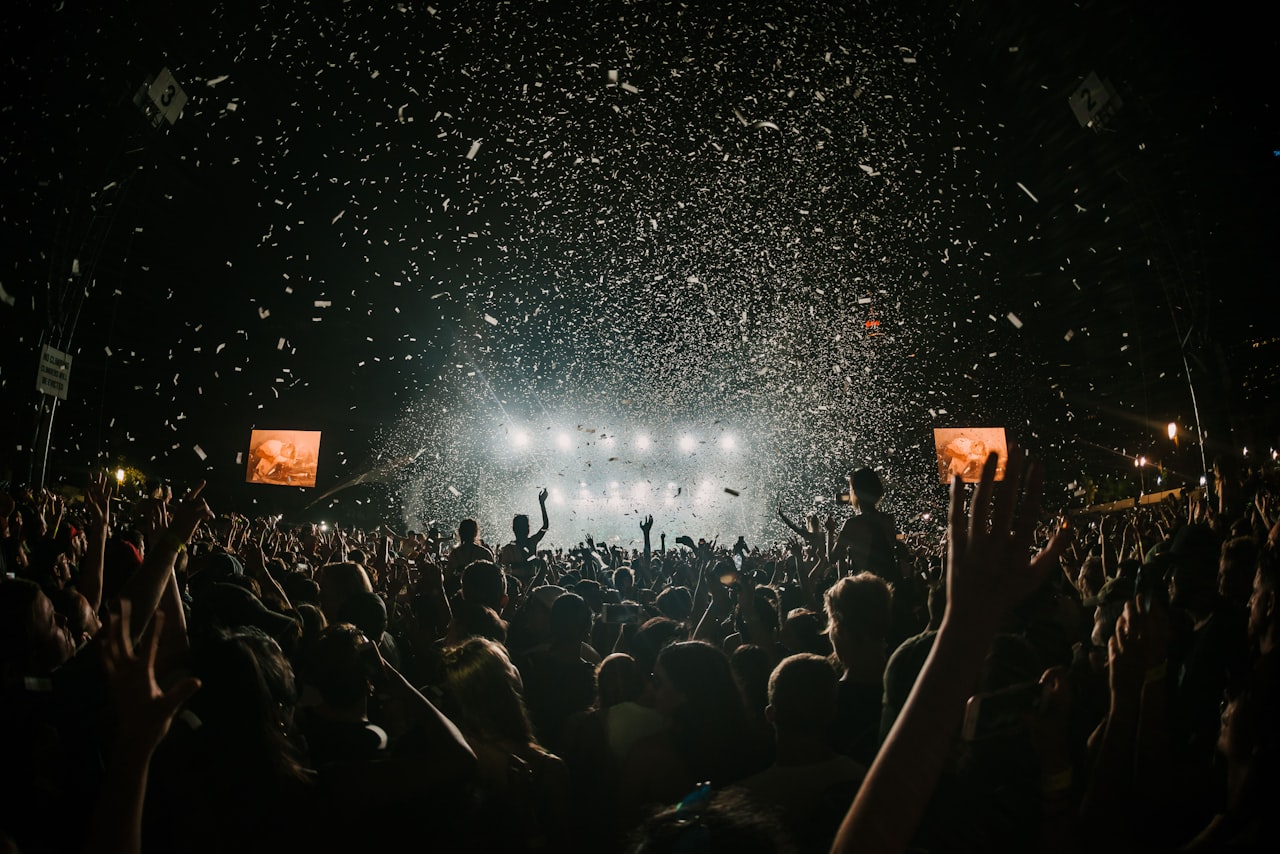
The panels are the reason to go, which is not a sentence anyone gets to say honestly about most conventions. Blame the geography. This corner of the city sits within a few miles of Caltech, JPL, and the studios, which produces a fan base that reads closely, argues in specifics, and will not let a guest coast through a Q and A. The questions are better here. Everybody notices it eventually.
The rest is the good stuff done properly: voice actor panels and signings, a cosplay competition judged on actual craftsmanship, an artist alley of independent creators selling original work, a vendor hall, and a game room running open play all weekend.
Old Town is the other half of the argument — you walk out for real dinner instead of eating a pretzel over a trash can, and the Gold Line puts you a few blocks off.
Bring the friend who takes the craftsmanship judging personally. They will find their people inside of an hour.
Mar 15 – Mar 21, 2027
Austin Convention Center, 500 E Ce…
If you have ever felt like the interesting version of American culture is happening somewhere you're not, this is the address it's happening at. For nine days every March, Austin becomes the one place where the music industry, the film industry, and the technology industry all arrive at once and go looking for the same parties. SXSW isn't a single event -- it's a city-sized festival. The Music Conference alone hosts thousands of acts across hundreds of venues, from dive bars and converted warehouses to the Austin Convention Center and the open air of Auditorium Shores. At the same time, the Film & TV Festival premieres features and series that go on to win Oscars and Emmys, and the Interactive and Emerging Technology conference hosts the conversations that decide how the industry thinks about what comes next. These three things happen simultaneously, in the same zip code, and the cross-pollination isn't incidental -- it is the product. The person who catches a breakthrough band at midnight, a groundbreaking documentary at noon, and stumbles into a startup pitch at 3pm isn't having three experiences. They're having the SXSW experience.
The festival rewards whoever arrives with no fixed agenda and the flexibility to chase what's interesting, and punishes the over-planner who misses the spontaneous set that becomes the most-talked-about performance of the year. The unofficial parties and free shows matter as much as the official programming -- sometimes more. Austin in March is warm but unpredictable, so layers are essential and comfortable shoes are mandatory. SXSW runs on a badge system: the Platinum badge accesses everything, the Music badge covers all official showcases, and unofficial events run free and parallel across the city, often carrying the most interesting programming of all. Book accommodation six to twelve months out, because Austin fills completely. The Convention Center is the official hub, but the real SXSW happens on 6th Street, Red River, and along the South Congress corridor.
SXSW 2027 earns its place among the country's essential cultural moments because it's the single event where American creative culture most fully takes stock of itself. The lineup hasn't been announced yet -- and the anticipation before the announcement is itself part of the ritual. Every year, artists, filmmakers, and technologists make their American debut here. Every year, something that started in a 200-capacity Austin venue becomes the story everyone's telling by April. This isn't just where culture happens -- it's where culture decides what it is. Badge registration is open at sxsw.com/badges/.
Vendors are still cutting boxes open when you walk in, and the exclusives are all sitting untouched on the shelf. Nobody has bought anything yet. The whole hall is laid out in front of you, quiet, and for a few hours you get to learn it before it becomes a scrum.
That is the reward for planning far enough ahead. Premium badge holders get the floor, the exclusives, and artist alley first — convention-only limited editions, publisher variants, and pieces from the most in-demand creators that are simply gone by Saturday afternoon. Programming is deliberately thin, a handful of panels and screenings, because the point is the floor: map it, mark what you want, buy before the competition arrives.
Access requires the full weekend badge; there is no single-day version of this evening. The Anaheim convention center, with shuttles and the rail station close.
The people who plan ahead have already decided. Decide alongside them.
The oldest and largest anime convention in the Pacific Northwest was started by a group of college students in the mid-nineties, back when liking this at all required explaining yourself, and it is still run entirely by volunteers. That fact shapes everything about the weekend. Nobody is extracting margin from you. The programming is built by people who wanted it to exist rather than by a department, which is why the schedule is full of things no commercial convention would ever green-light.
What that produces is a convention with an unusually high proportion of actual content — panels running past midnight, a serious concert program, a masquerade that people prepare for over months, and a video programming track that still shows things on a screen in a dark room to whoever wanders in. There is a formal ball. There is a chess tournament. The dealer hall is large but is not the center of gravity, which at an anime convention in the current era is genuinely unusual. The crowd skews younger than the older-guard conventions and the atmosphere is closer to a very large school event than to a trade show, in the best possible way.
Worth it? If you want a convention where the programming rather than the shopping is the reason to be there, this is one of a handful left in the country, and it is the best of them on the West Coast outside of Los Angeles. If you are coming primarily for big-name industry announcements, the larger shows will serve you better. Sakura-Con is for people who want to spend three days inside the thing rather than adjacent to it.
What to know before you go: registration opens early and the price ladder rewards buying well ahead. Late March in Seattle means rain, and the walk between the convention center and most hotels is short but unsheltered. The concerts are included with a badge and fill up, so line early for the ones you care about. Bring cash for artist alley. And the volunteer staff will genuinely help you if you ask, because they are attendees too.
It belongs on this list because a thirty-year-old, volunteer-run, still-thriving convention is evidence that a community can build something durable without anyone monetizing it, and that is worth knowing exists. Sakura-Con 2027 runs March 26–28, 2027 at the Seattle Convention Center.
Mar 26 – Mar 28, 2027
Anaheim Convention Center, 800 W K…
Everyone has a friend who has spent a decade losing the badge lottery down in San Diego. This is where you take them.
Same organization runs it, same programming instincts, and a floor you can actually cross without a strategy meeting. Sixty thousand people rather than six figures, which is the difference between a convention and an evacuation drill. Publisher booths, artist alley, preview screenings, exclusive merch, and the Saturday-night masquerade, which is the flagship — costumes built over months, walked in front of a crowd that knows exactly how hard the seams were.
Because the badges are gettable and the halls are navigable, it has quietly become the best first convention a person can have. Families bring kids. First-timers stop being first-timers. The panel access is still real.
Anaheim Convention Center, three days in March, badges on sale months ahead with the good tiers moving fast.
Take the person who has been saying next year about the other one for a decade. End the streak.
The whole case for this convention is a math problem. You can actually reach three or four things you cared about in a single day. At the bigger show you pick one and spend the afternoon in a line for it.
Saturday is the peak — Hall B panels with talent in the room, the exhibit floor and artist alley at full activity, exclusive merch lines, and the masquerade final in the evening. That last one is the sleeper: judged on craftsmanship and performance, and the entrants treat the competition exactly as seriously as they treated the building of the costume. Same production ambition as the bigger convention, in a footprint you can cross without a strategy meeting.
Saturday single-day badges go first; the full convention runs the weekend in Anaheim.
Send it to the friend who has been sewing for months with nowhere to take it. This is the room.
There's more here for you.
An account shows you convention & expo events matched to your exact taste — not just what's popular.