Today· Jul 17 – Jul 19
Union Park, 1501 W Randolph St, Ch…
Pitchfork Music Festival 2026 is the annual weekend where independent music gets a home field advantage. Held in Union Park in Chicago every July since 2006, Pitchfork Fest emerged from Pitchfork Media and built a lineup philosophy that rewards careful curation over pure commercial headliner logic. This is the festival where a beloved underground act gets a festival stage before they are playing arenas, and where the critical consensus on what matters in independent music shows up in physical form.
What it feels like to be there: Union Park is a compact West Loop neighborhood park, and the festival uses that intimacy deliberately. Three stages are close enough that you can catch most acts you want without marathon walking. The crowd is attuned — this is not a festival where people mostly watch the headliner from the lawn with a beer. At Pitchfork, even second-stage acts pull audiences who know the back catalog. The music conversation happening at the festival is often more interesting than the coverage you would read afterwards.
Is it worth it? Pitchfork Fest occupies a specific cultural position: it is where the people who pay close attention to independent music gather in person. If your music discovery comes mostly from major playlists or radio, some of the lineup may not be familiar. If you follow independent labels and read music criticism, this lineup will probably have at least five artists you would pay separately to see. Three-day passes are the honest way to attend — the programming compounds across days.
What to know before you go: Chicago in July runs hot, often humid. Union Park is an open-air site with limited shade — portable fan and light clothing are practical priorities. The West Loop has excellent food and bar options within walking distance, and many attendees treat the weekend as a Chicago food trip with a festival attached. Lineup announcements typically drop in late spring, with single-day schedules following closer to the festival.
Pitchfork Music Festival earns its Nation's Best designation because it represents something most festivals do not: an aesthetic position. Going to Pitchfork is a statement about what you think music is for and who gets to make it. The festival has launched careers, ended critical debates, and occasionally surprised itself when an act it championed crossed over to mass culture. For the people who care about where music is going before it gets there, Union Park in July is the place to be.
Today· Jul 17 – Jul 19
Union Park, 1501 W Randolph St, Ch…
The curation is the product. That has been true since 2006, when Pitchfork started programming a festival the same way it programs a review — with a position about which artists matter. Three days at Union Park in Chicago each July: career-defining retrospective sets, reunions, debuts from artists who would otherwise play clubs.
Union Park is a city park, not a field miles from anything, which means the festival experience is woven directly into Chicago. Three stages are positioned close together and easy to navigate — you can catch the end of one set and make it to another stage for the opening notes without running. The crowd is music-literate in a way that rewards listening: people actually watch sets instead of using them as social backdrop. Chicago's food and bar culture bleeds in from surrounding neighborhoods. Evenings at Pitchfork feel like the best club night you have ever attended, scaled up and taken outside. The programming asks something of you and the audience rises to it.
Pitchfork Music Festival is worth it if you follow music between the moments when it makes the mainstream. If you know who is on the bill before your friends do, if you track what Pitchfork gives Best New Music designations to, if you care about the difference between a career-spanning retrospective set and a regular headline performance — this is your festival. Single-day tickets make it approachable: you can buy a Friday, Saturday, or Sunday pass and build your entire trip around one day's programming without committing to the full weekend. That accessibility is rare at this level of curation.
Chicago in July is hot. Bring sunscreen, drink water, and plan for afternoon heat before the evening relief arrives. Union Park is served by the Pink Line (California stop) and is walkable from Wicker Park — hotel options in that neighborhood put you 15 minutes from the gates. The lineup is announced in waves throughout spring at pitchforkmusicfestival.com; day-by-day programming drops closer to the event. Keep the official app downloaded for schedule updates. Friday is typically the most affordable day; Saturday is typically the marquee programming day.
What Pitchfork does that no other festival does: it treats the history of independent music as genuinely worth celebrating in full, with enough respect for the audience to let that history speak. The sets that become legendary here are the ones where an artist plays an entire album from front to back, or a long-dormant band returns, or someone unexpected appears to perform a song that only those who were present will ever fully understand. That density of meaningful moments in three days is rare. Tickets at pitchforkmusicfestival.com — July 17 through 19, 2026 in Chicago.
Tomorrow· Jul 18 – Jul 19
Santa Clara Convention Center, 500…
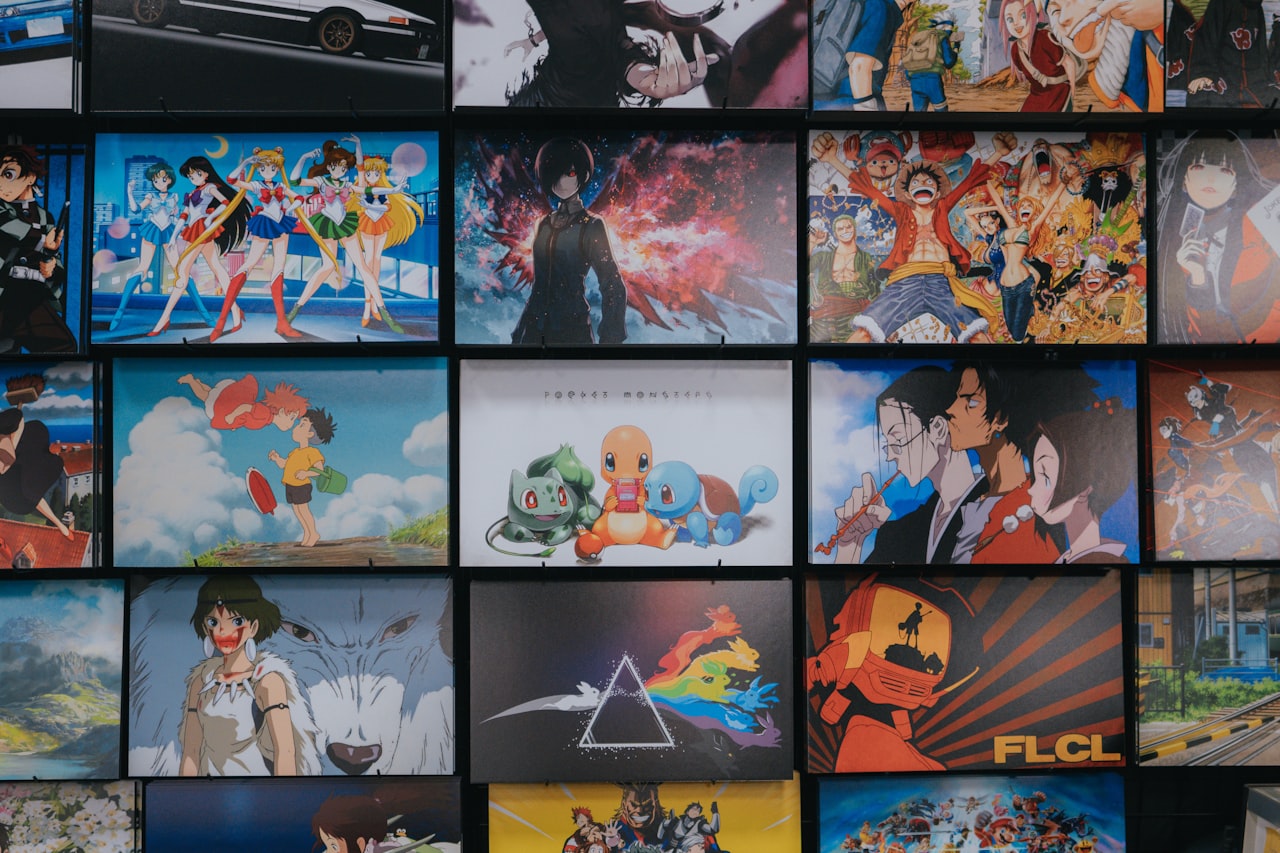
The floor hits different up here. NorCal's anime crowd is its own thing - tech workers who cosplay, university anime clubs that run their own programming, a vendor hall that skews more independent than the LA circuit - and once a year it fills the Santa Clara Convention Center for one of Northern California's largest anime weekends.
The Artist Alley is the real draw: Northern California has a deep well of independent creators whose work rarely reaches Southern California convention markets, so if you collect original prints, this floor rewards the walk. If you are the kind of person who treats convention season as a pilgrimage - who plans the year around AX in July and SDCC in July and fills the weekends with smaller cons that hit differently - Anime Impulse Bay Area is worth the drive or the flight. The production is professional, the crowd skews slightly older than Pomona (early-to-mid 20s median), and the July timing slots cleanly between AX and the August convention season.
A few logistics: the Santa Clara Convention Center is BART-adjacent (Convention Center station, Orange Line), which matters if you are flying into SJC or coming from SF. The floor gets crowded Saturday afternoon around 1-3pm. Industry panels and local creator showcases are scheduled to avoid overlap with the main stage, so read the schedule before you arrive. Parking is available but fills by 11am Saturday. Cosplay is everywhere and elaborate builds are the norm, not the exception - the hallway costume game is legitimately competitive. Anime Impulse has become the convention for Northern California's anime community the way Anime Expo defines the Southern California circuit, and it is not trying to be AX; it built its own identity around community access and independent creator support. San Jose and Santa Clara have a dense Japanese-American cultural community that shows up visibly in the Artist Alley and cosplay composition, alongside independent zine publishers, food vendors with Bay Area-specific flavor, and a significant South Asian otaku community - dimensions you do not find at Southern California conventions. Anime Impulse Bay Area 2026 lands at the Santa Clara Convention Center July 18-19, with a guest list built around the current season's most talked-about creators.
In 2 days· Jul 19 – Jul 24
Hotel Monteleone + various French …
The spirits industry flies to New Orleans every July, and the city cooperates enthusiastically. Tales of the Cocktail is five days of seminars, tastings, and arguments about what ends up in your glass — and why. The experience at Tales is layered in ways that no single description captures. The professional programming — seminars, masterclasses, competitions, the Spirited Awards ceremony — is where the industry converges to debate what cocktail culture is doing and where it's going. The consumer experience runs parallel: ticketed seminars on spirits history, distillery tastings hosted by major producers, bar takeovers where celebrated bartenders from New York, Tokyo, and São Paulo take over iconic New Orleans venues for a single night. New Orleans already has the most concentrated bar culture of any American city. During Tales week, that concentration reaches saturation. You can walk from a professional seminar on agave spirits in the morning to a Japanese whisky pop-up tasting at noon to a late-night session at a bar that has been operating since before Prohibition. Worth it? If spirits, cocktails, and bar culture are genuine interests — not casual ones — Tales of the Cocktail is the one event that fully occupies that interest. Access to knowledge and expertise during the week is unparalleled outside the industry itself. Consumer tickets are available for specific events; the full professional schedule requires industry credentials. A partial Tales experience (a few ticketed seminars, bar-hopping during event week) is still more immersive than anything comparable in the US. If your idea of a good trip involves really good drinks and conversations with the people who make them: New Orleans in July is the answer. Tales programming is distributed across hotels, bars, and event spaces throughout the French Quarter and CBD. The primary hotel is historically the Monteleone — booking here or adjacent properties well in advance is non-negotiable (the block fills fast). New Orleans in July is intensely hot and humid; the French Quarter's covered walkways and air-conditioned venues make the days manageable. The Spirited Awards ceremony — Tales' version of the Oscars for the bar world — is one of the most attended single events of the week. Pre-registration for specific seminars and masterclasses is essential; popular sessions sell out within hours of opening. The practitioners who show up are not just selling product — they are in conversation about their craft in a city built for exactly this kind of conversation. New Orleans and cocktail culture have a relationship that predates most American institutions. That history is present in every bar on Bourbon Street and every seminar in the Monteleone ballroom. July in New Orleans.
In 2 days· Jul 19 – Jul 24
The Ritz-Carlton New Orleans, New …
Tales of the Cocktail 2026 runs July 19 through 24 at the Ritz-Carlton New Orleans, bringing together the global cocktail and spirits industry for its 24th annual conference. The theme this year is Spark: a celebration of the moments, ideas, and connections that ignite meaningful change across the cocktail world. With 5,000 to 10,000 bartenders, distillers, brand representatives, and spirits educators converging on New Orleans, Tales is the largest professional gathering in the drinks industry.
The experience is structured around educational seminars, brand tastings, awards programming, and the kind of informal after-hours culture that only New Orleans produces. Days are spent in sessions taught by the world's best bartenders and distillers: technique, history, flavor science, and the business of building a sustainable drinks career. Nights belong to the city itself, which has more to offer the cocktail-curious than any other American city.
Tales of the Cocktail is worth attending for industry professionals seeking education and networking, for serious cocktail enthusiasts who want unmediated access to the people making the drinks they order, and for anyone who wants to understand how bar culture became one of the most sophisticated consumer identities in the country. It is not a casual bar crawl. The density of expertise in the building is extraordinary.
What to know: professional accreditation is required for some sessions; public-access seminars and tastings are available and clearly marked. The Ritz-Carlton is the central hub but events spread across the French Quarter and surrounding neighborhoods. New Orleans in July is hot and humid; plan accordingly. Many of the most memorable moments happen in hotel lobbies and bar pop-ups that are not on the official schedule.
The Spirited Awards, handed out mid-week, are the Academy Awards of the cocktail world: best bars, best bartenders, best brands, best writers. The industry pays close attention. The next round of influential drink menus, distillery releases, and bartending careers often trace their origins to conversations that started at Tales.
New Orleans has been the spiritual home of American cocktail culture since the Sazerac was invented here in the 1800s. Tales of the Cocktail returning to that city every summer is not accidental. It is the industry acknowledging where it comes from. For anyone whose identity includes how drinks are made and why they matter, this is the week that belongs on Falkor's Nation's Best list.
In 2 days· Jul 19 – Jul 24
The Ritz-Carlton New Orleans, New …
Tales of the Cocktail 2026 runs July 19 through 24 at the Ritz-Carlton New Orleans, bringing together the global cocktail and spirits industry for its 24th annual conference. The theme this year is Spark: a celebration of the moments, ideas, and connections that ignite meaningful change across the cocktail world. With 5,000 to 10,000 bartenders, distillers, brand representatives, and spirits educators converging on New Orleans, Tales is the largest professional gathering in the drinks industry.
The experience is structured around educational seminars, brand tastings, awards programming, and the kind of informal after-hours culture that only New Orleans produces. Days are spent in sessions taught by the world's best bartenders and distillers: technique, history, flavor science, and the business of building a sustainable drinks career. Nights belong to the city itself, which has more to offer the cocktail-curious than any other American city.
Tales of the Cocktail is worth attending for industry professionals seeking education and networking, for serious cocktail enthusiasts who want unmediated access to the people making the drinks they order, and for anyone who wants to understand how bar culture became one of the most sophisticated consumer identities in the country. It is not a casual bar crawl. The density of expertise in the building is extraordinary.
What to know: professional accreditation is required for some sessions; public-access seminars and tastings are available and clearly marked. The Ritz-Carlton is the central hub but events spread across the French Quarter and surrounding neighborhoods. New Orleans in July is hot and humid; plan accordingly. Many of the most memorable moments happen in hotel lobbies and bar pop-ups that are not on the official schedule.
The Spirited Awards, handed out mid-week, are the Academy Awards of the cocktail world: best bars, best bartenders, best brands, best writers. The industry pays close attention. The next round of influential drink menus, distillery releases, and bartending careers often trace their origins to conversations that started at Tales.
New Orleans has been the spiritual home of American cocktail culture since the Sazerac was invented here in the 1800s. Tales of the Cocktail returning to that city every summer is not accidental. It is the industry acknowledging where it comes from. For anyone whose identity includes how drinks are made and why they matter, this is the week that belongs on Falkor's Nation's Best list.
In 2 days· Jul 19
MetLife Stadium, 1 MetLife Stadium…
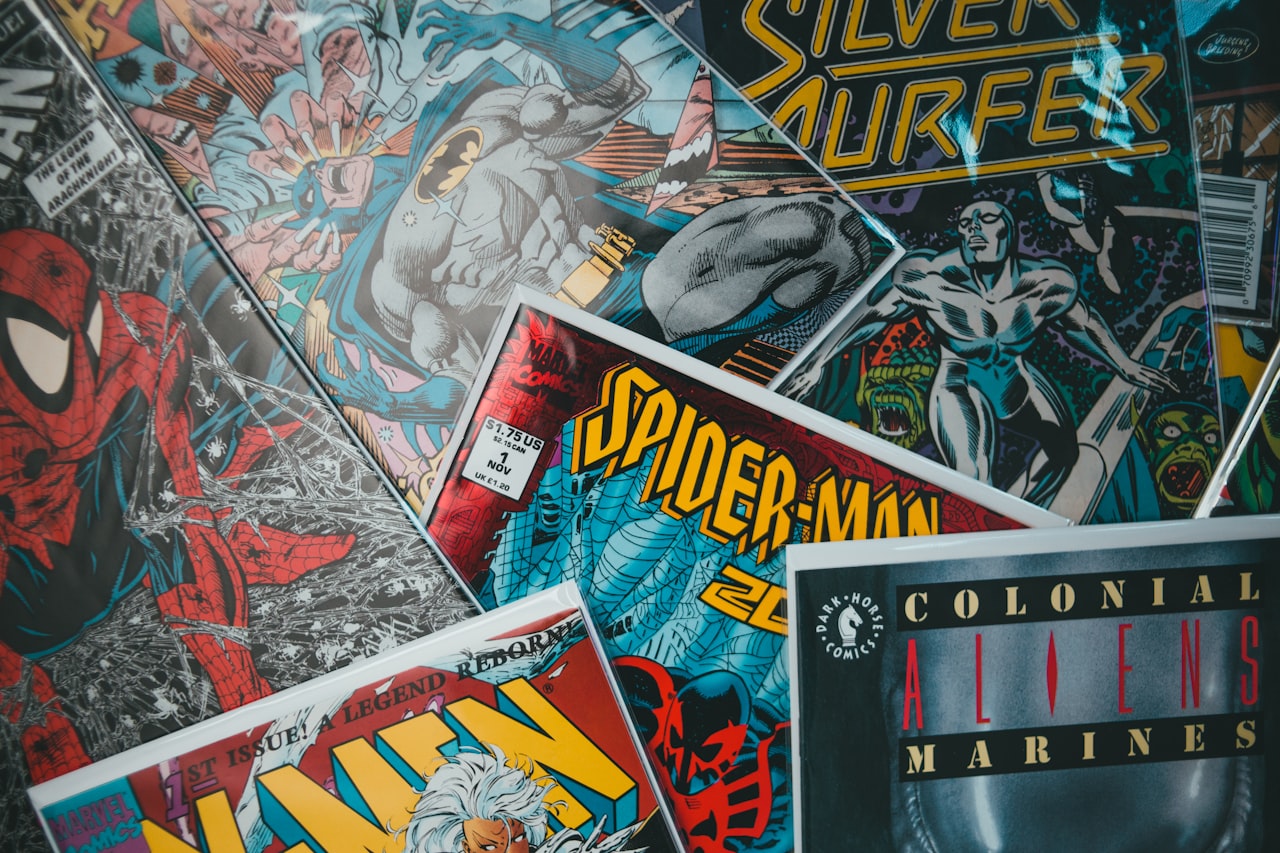
Walk into a World Cup match and the first thing that hits you is not the scoreboard — it is the sound of 80,000 people who traveled from different continents to stand in the same building. Drum sections. Chants in five languages. Entire nations packed into a single seating block. If you have ever watched a major sporting event and thought the words I should have been there, this is that feeling raised by an order of magnitude.
The FIFA World Cup 2026 is the most watched sporting event on the planet, held across the United States, Canada, and Mexico from June 11 through July 19, 2026. Forty-eight nations compete across 104 matches in 16 host cities, from Mexico City and Toronto to Los Angeles, Dallas, and Seattle. It is the first World Cup on North American soil since 1994 and the largest edition in the tournament's history — which means it will not happen here again within most people's reasonable planning horizon. Between matches, Official FIFA Fan Fests fill host-city plazas with open-air screens, street food, and the electricity of a city that has briefly become the center of the world. 6.5 million visitors are expected across the three host countries, and for 39 days everyday life runs on match time.
Host cities including Los Angeles, Dallas, Seattle, and Miami all have group stage matches, and a single group-stage ticket is one of the more affordable bucket-list items available this summer — the Final on July 19 is for the pilgrim; the group stage is for the rest of us. This is the one event that makes the entire planet pay attention to the same thing at the same time; nations with no other common ground share 90 minutes of collective tension. In 2026 it lands in America for the first time since Roberto Baggio stepped up to that penalty kick in Pasadena.
All tickets are digital and tied to the FIFA app — PDF screenshots and paper tickets are scams, full stop. Group stage tickets started below 100 dollars at face value; knockout rounds use dynamic pricing and scale steeply. If match tickets are out of reach, Official Fan Fests are free and deliver more atmosphere than most sporting events charge for. Host cities have extended transit hours and official stadium shuttles, and accommodation near LA, Dallas, and Miami for knockout dates is already thin — move quickly. The Final is July 19 at MetLife Stadium in New Jersey — tickets on Ticketmaster. Whether you are in the stadium or watching the group stage from your couch, the tournament is already here.
In 6 days· Jul 23 – Jul 26
From $75 (1-day)
San Diego Convention Center, 111 W…
The badge lottery closes months before anyone knows who is actually showing up, which is the first strange truth about Comic-Con: you commit to being in San Diego before you have any idea what you'll get to see. What you get is the closest proximity to what's coming in film, TV, comics, and gaming that any event on earth offers. The experience splits in two depending on how you engage. There's the inside game: badge in hand, in the Hall H line at 4am for a panel that will be dissected online before you walk out, hunting exclusive merch in the Exhibit Hall, scoring a signature from a creator you've followed for years. And there's the outside game, increasingly its own event - Petco Park and the Gaslamp Quarter fill with activations, giveaways, and pop-ups that require no badge at all. The city becomes the convention, and SDCC has outgrown the convention center by design. It's worth it, but go in with clear priorities. The Exhibit Hall alone is a full day. The panel schedule runs simultaneously across twenty rooms, so choices are constant and FOMO is structural. First-timers should identify their top three panels and build backward from there; everything else is bonus. The badge lottery typically opens in January, and returning attendees get priority in OPEN registration. If you miss the lottery, the outside events - which are free - are genuinely excellent. The Hall H overnight line is real and forms the night before major panels. Buy exclusives online if possible to avoid the floor scrum. San Diego in July is warm and sunny; the Gaslamp is walkable from the center; parking is brutal, so take the trolley or Uber. Comic-Con International has been a nonprofit running this since 1970, and the original vision - a gathering that took comics seriously as literature and art - persists under all the studio noise. The programming outside Hall H skews closer to that original spirit: creator spotlights, comics history panels, portfolio reviews, and an Artist Alley representing the actual comics community rather than its Hollywood adaptation. It is the annual gravity well of popular culture, a four-day event that shapes the next twelve months. San Diego Convention Center. July 23-26, 2026.
In 7 days· Jul 24 – Jul 26
Fort Adams State Park, Newport, RI
Newport Folk Festival 2026 is one of America's most storied music events — a 67-year-old outdoor festival held each July at Fort Adams State Park overlooking Narragansett Bay in Newport, Rhode Island. Known as the festival where Bob Dylan went electric in 1965, Newport Folk has always been where American music history happens. The 2026 lineup features Brandi Carlile, Ms. Lauryn Hill, Hayley Williams, Courtney Barnett, Vulfpeck, Cat Power, and Tom Morello across five stages — a lineup that spans folk, indie, hip-hop, and the space where those genres refuse to stay separate.
Newport Folk is intimate in a way that arena festivals cannot replicate — but it punches far above its attendance capacity. The Fort Stage sits at the edge of Newport Harbor, and watching Brandi Carlile perform against the backdrop of sailboats and the Atlantic at golden hour is the kind of moment people describe for decades. The crowd skews toward music obsessives: people who know every word, who came specifically for the surprise guest collaborations that Newport is famous for, who treat the festival as a pilgrimage rather than a party. Five stages run simultaneously across Fort Adams, so every hour is a decision. Veterans build their setlists in advance. First-timers wander between stages and consistently discover something they did not know they needed.
If your musical taste runs toward artists who write songs that actually mean something — if you would rather hear Lauryn Hill in an intimate outdoor setting than in a stadium — Newport Folk Festival is worth every bit of effort required to attend. Tickets sell out in under a minute every year; the barrier is partly luck and partly preparation. The secondary market prices reflect genuine demand, which is itself a signal. Newport itself is a beautiful New England coastal town with excellent restaurants and waterfront walks that extend the experience well beyond the festival grounds. This is not a party festival. It is a festival for people who take music seriously.
Set a calendar alert for on-sale announcements — Newport Folk sells out in 60 seconds or less. Join the Newport Folk Festival mailing list for first notice. The festival is rain-or-shine and waterfront breezes keep temperatures comfortable even in July heat. Bring sunscreen, layers for the evening, and a blanket for the lawn. Parking at Fort Adams is limited; the shuttle from downtown Newport is the recommended approach used by veterans. The surprise guest tradition means someone unexpected almost always appears — historically, these collaborations become the most-watched clips from the entire weekend. Come without a fixed setlist for at least one session and let the schedule make the decision.
Newport Folk has been shaping American musical taste since 1959. It is where Muddy Waters and Joan Baez played when they were young, where Dylan sparked a generational debate about authenticity and electric guitars, and where Brandi Carlile has become the festival's unofficial spiritual successor to that lineage. Knowing Newport Folk — what it has stood for, who has played it, what it refuses to become — is knowing something about what American music is actually for. The festival earns its reputation every July by doing something simple: putting the right artists in the right place and getting out of the way. Tickets available on Ticketmaster when on sale. July 24–26, 2026. Fort Adams State Park, Newport, Rhode Island.
In 7 days· Jul 24 – Jul 26
Fort Adams State Park, Newport, RI…
Fort Adams State Park overlooks Narragansett Bay. Every July, for three days, it holds the folk festival that Bob Dylan went electric at in 1965. The crowd still talks about it.
Newport Folk is intimate in a way that arena festivals cannot replicate — but it punches far above its attendance capacity. The Fort Stage sits at the edge of Newport Harbor, and watching Brandi Carlile perform against the backdrop of sailboats and the Atlantic at golden hour is the kind of moment people describe for decades. The crowd skews toward music obsessives: people who know every word, who came specifically for the surprise guest collaborations that Newport is famous for, who treat the festival as a pilgrimage rather than a party. Five stages run simultaneously across Fort Adams, so every hour is a decision. Veterans build their setlists in advance. First-timers wander between stages and consistently discover something they did not know they needed.
If your musical taste runs toward artists who write songs that actually mean something — if you would rather hear Lauryn Hill in an intimate outdoor setting than in a stadium — Newport Folk Festival is worth every bit of effort required to attend. Tickets sell out in under a minute every year; the barrier is partly luck and partly preparation. The secondary market prices reflect genuine demand, which is itself a signal. Newport itself is a beautiful New England coastal town with excellent restaurants and waterfront walks that extend the experience well beyond the festival grounds. This is not a party festival. It is a festival for people who take music seriously.
Set a calendar alert for on-sale announcements — Newport Folk sells out in 60 seconds or less. Join the Newport Folk Festival mailing list for first notice. The festival is rain-or-shine and waterfront breezes keep temperatures comfortable even in July heat. Bring sunscreen, layers for the evening, and a blanket for the lawn. Parking at Fort Adams is limited; the shuttle from downtown Newport is the recommended approach used by veterans. The surprise guest tradition means someone unexpected almost always appears — historically, these collaborations become the most-watched clips from the entire weekend. Come without a fixed setlist for at least one session and let the schedule make the decision.
Newport Folk has been shaping American musical taste since 1959. It is where Muddy Waters and Joan Baez played when they were young, where Dylan sparked a generational debate about authenticity and electric guitars, and where Brandi Carlile has become the festival's unofficial spiritual successor to that lineage. Knowing Newport Folk — what it has stood for, who has played it, what it refuses to become — is knowing something about what American music is actually for. The festival earns its reputation every July by doing something simple: putting the right artists in the right place and getting out of the way. Tickets available on Ticketmaster when on sale. July 24–26, 2026. Fort Adams State Park, Newport, Rhode Island.
In 7 days· Jul 24 – Jul 27
Hard Rock Stadium, 347 Don Shula D…
Rolling Loud Miami 2026 returns to Hard Rock Stadium July 24-26 — the biggest hip-hop festival on earth. Three days, multiple stages, and a lineup that reads like a live version of every playlist you've been running for the past two years. The Miami crowd is its own variable. Every act who matters in rap has played Rolling Loud Miami. It's where the culture takes attendance. Why go: The energy at Rolling Loud Miami is unlike any other festival — the crowd knows every word, every drop, every ad-lib. Tickets at rollingloud.com.
In 8 days· Jul 25 – Jul 27
Fort Adams State Park, Newport, RI…
Newport Folk Festival is one of the oldest and most historically significant music festivals in America — born in 1959, the stage where Bob Dylan went electric in 1965 and permanently changed the direction of popular music. Held each July at Fort Adams State Park on the Narragansett Bay waterfront in Newport, Rhode Island, it remains deliberately small — under 10,000 attendees per day — and carefully curated, with surprise collaborations that have become the festival's defining characteristic. It is boutique by philosophy, not by accident.
Fort Adams is a nineteenth-century fort turned festival ground, with the Newport Bay glittering behind every stage. The views alone are worth the trip — if the music stopped, you would still be somewhere extraordinary. Newport Folk is intimate at a scale that major festivals rarely attempt: you can get close to stages holding artists who would fill arenas elsewhere. The surprise guest tradition runs deep — no one announces the full lineup in advance, and the festival routinely delivers collaborations that feel historic the moment they happen. Folk, country, Americana, indie, and genre-defying artists all share the same waterfront geography. The crowd is calm, attentive, and genuinely invested in what's happening on stage.
Newport Folk is worth it if you believe live music is about presence, not spectacle. If what you want is to be close to artists who mean something to you, in a setting that feels nothing like a stadium, with the ocean behind the stage — this is the festival. Tickets sell through a lottery system run on Dice, and they sell out in hours. If you are someone who tracks small-batch experiences rather than large-scale events, Newport Folk is the one you will talk about for years afterward.
The ticket lottery is the most important thing to know. Newport Folk releases tickets in waves, and general admission goes fast — often within 30 to 60 minutes of going live on Dice. Set a calendar alert for the lottery open date. The festival grounds are reachable from Providence or Boston — Newport has a walkable downtown with restaurants and strong accommodation options. Book lodging early; Newport fills up around Folk Fest weekend months in advance. The grounds are outdoors and can be warm; sunscreen matters as much as the set list. Chairs and blankets are welcome in lawn sections.
There are only a handful of music events in America where you can feel the weight of history in the soil beneath your feet. Newport Folk is one of them. It is not nostalgia — the programming is contemporary and forward-looking — but the lineage is real, and the artists who play here know it. Being in that crowd, watching someone perform 50 feet from where Dylan plugged in, is a different kind of music experience. Tickets on Dice at newportfolk.org — July 25 through 27, 2026. Enter the lottery the moment it opens.
In 8 days· Jul 25 – Aug 2
Huntington Beach Pier Southside, P…
The world’s best surfers come to Huntington Beach every summer. It costs nothing to watch them. Nine days at the pier, over 500,000 spectators, WSL Championship Tour competition — free, all of it. July 25 through August 2, 2026. Position yourself on the sand south of the pier on a competition day and the scale becomes clear: the grandstands fill fast, the PA system carries the announcer's call across a half-mile of beach, and the surfing itself is elite. Watching a Championship Tour competitor read a set wave from the lineup and execute a perfect aerial reverse is genuinely different from anything you have seen on video — the speed, the size, and the precision register in person in a way screens cannot convey. Beyond competition, the event footprint covers blocks of beach: brand activations from action sports companies, live music at the WSL Beach Bar stage, athlete signings, and skate ramps running parallel events. The crowd is a mix of surf obsessives, families, and first-timers who stumbled onto the pier and stayed for three hours. All of them are welcome. The US Open of Surfing is for anyone who wants to watch elite sport in the best possible setting at zero cost. If you live in Southern California and have never made the trip to Huntington for this event, you have been leaving one of the best free days of summer on the table every year. This is not just for surf fans — the atmosphere, the beach, and the sheer scale of the event make it worth the drive from anywhere in the greater LA area. The competition finals happen on the second weekend and draw the largest crowds; weekday sessions offer more space with the same level of competition. Get there early on finals weekend — parking fills by 9 AM and the beach near the pier is at capacity by noon. A free bike valet operates on 5th Street in downtown Huntington Beach both weekends, which makes cycling in genuinely practical. No shade on the competition sand — bring sunscreen, a hat, and more water than you think you need. Beach umbrellas are allowed, chairs are not. Dogs are not permitted at the event site. Binoculars are worth it for the far lineup. The best free viewing is from the pier itself, which gives an elevated angle on the competition zone, though it closes during high surf conditions. There is no equivalent event in American sports where you can watch the world's best athletes compete at their absolute peak without buying a ticket. For a Southern California event, it is also a national cultural export — Huntington Beach pier is recognizable to surf fans on every continent, and the US Open is the reason. July 25 through August 2, 2026. Free admission. Huntington Beach Pier, southside.
In 12 days· Jul 29 – Aug 2
1 Harbor Park, Rockland, ME 04841

Lobster is not a side note here. It is the entire protagonist. The Maine Lobster Festival in Rockland is the event that proves one thing done well is enough.
The experience is centered on the World's Largest Lobster Cooker — a steel tank that steams thousands of pounds of fresh Maine lobster daily. You queue, you order, you carry your tray to the pier with a view of Penobscot Bay, and you eat lobster the way it is supposed to be eaten: outside, next to the ocean, in the state that produces most of America's lobster supply. The festival also features the Maine Sea Goddess pageant (yes, this is a real thing and yes, it is charming), live music, craft vendors, a parade, the Great Crate Race (contestants sprint across floating wooden crates), and a talent show that feels like small-town America at its most genuine.
Worth it? Who it's for: If you are a food traveler — someone for whom eating the right thing in the right place is itself the trip — the Maine Lobster Festival is one of the most rewarding summer pilgrimages in the Northeast. The lobster is freshly harvested, competitively priced for an event of this scale, and served in the state that supplies the rest of the country. The setting (harbor town, ocean air, docked boats) is everything you want it to be.
What to know before you go: Rockland is a four-hour drive from Boston and a 1.5-hour drive from Portland, ME. Accommodation in Rockland and neighboring Camden fills up months in advance for festival weekend — book early. The festival runs Wednesday through Sunday; weekend crowds are significantly larger. A single-day admission ticket covers the grounds; lobster dinners are purchased separately. The festival also features a lobster crate race that is genuinely worth watching. Arrive hungry.
The Maine Lobster Festival is an American food institution that operates at a scale most farm-to-table events can only gesture toward. The lobster is not flown in. It came off a boat this morning. For anyone who appreciates the idea of eating something extraordinary in the place where it actually comes from, Rockland in late July is that place.
In 13 days· Jul 30 – Aug 2
Indianapolis Convention Center, 10…
Strangers sit down together at open gaming tables to learn a game from the person who designed it, freshly flown in from Germany or Japan — and the exhibit hall is so vast it takes twenty minutes to walk corner to corner. The world's largest tabletop gaming convention fills the Indiana Convention Center and Lucas Oil Stadium for four days in Indianapolis, and if it is played on a table, it is here.
Walking into Gen Con for the first time is sensory overload in the best possible way: thousands of people carrying bags of dice, rulebooks, and game boxes, publishers debuting their most anticipated releases, announcements landing here before anywhere else. First-timers routinely describe the first afternoon as having their mind melted by the scale; veterans of fifteen years still find things they have never seen. This is not for people who play Monopoly at Christmas — it is for people for whom games are a world, not a hobby. If you have ever wanted to sit across from a designer and learn what they were trying to say, if discovering a game before it launches feels like finding something no one else knows yet, this is worth the flight. If none of that resonates, skip it.
Register early — the 17,000-plus ticketed events open months in advance and popular sessions sell out within minutes. Saturday is the largest single day; Thursday and Sunday move at a more human pace. Wear the most comfortable shoes you own and expect to walk ten or more miles a day. Buy a four-day badge even if you plan only two days, as single-day badges are limited, and book downtown Indianapolis hotels the moment badges go on sale. Bring a large tote and loose plans — the best moments at Gen Con are the ones you did not schedule.
People do not attend Gen Con. They go to Gen Con, the way you go somewhere that requires intention. The tabletop renaissance of the last decade produced a global community of people who take games seriously as an art form and a social infrastructure, and this is where that community assembles in full — the entire history of the medium, the present state of the art, and the first glimpses of what comes next, under one roof for four days every summer. Dates and badges at gencon.com.
Grant Park sits on the lakefront in the middle of downtown Chicago. For four days each late July, it holds 170 artists and 100,000 people per day, and the city becomes the backdrop. The Chicago skyline behind the main stage is not just scenery. It is the experience. You are in a park in the middle of a great city, watching great artists, with the lake to your east and skyscrapers to your north. The crowd — 100,000 people per day — is as mixed as the city itself: festival veterans, first-timers, locals who come every year, tourists who planned the trip around the lineup. The stages are spread across Grant Park with enough distance between them to make cross-stage discoveries feel intentional rather than accidental. Lollapalooza is worth it for anyone who wants festival quality with urban infrastructure. Hotels, restaurants, and transit are all walking distance. This is not a camping event — you sleep in a real bed and walk to the festival. For people who love the music but not the tent logistics, this is the formula. The trade-off: you pay Chicago prices for everything around it. Practical intel: 4-day passes are frequently sold out before June; buy as early as possible. Single-day tickets are the fallback. The Lolla app is essential for scheduling — with 8 stages running simultaneously, the grid is complex. Late afternoon sets in the middle of the day often surprise people more than the headliners. Bring sunscreen — Grant Park has minimal shade. The park closes at 10pm and the city keeps going; Chicago nightlife on festival weekend is exceptional. Grant Park, Chicago. July 30–August 2, 2026. Lollapalooza was founded in 1991 by Perry Farrell as a touring event before it found its permanent home in Chicago in 2005. The shift to Grant Park transformed it from a traveling circus into an institution with a specific identity. Today it is one of the only major American festivals where the headliners skew mainstream enough to bring your parents but the underbill is curated well enough to make the music credibly interesting. The mix works because the setting demands it.
In 13 days· Jul 30 – Aug 2
Pendarvis Farm, Happy Valley, OR
The festival doesn't sell out by genre. Pickathon in Happy Valley, Oregon sells out because of what it is — a four-day experiment in how a music festival should work, in a forest, with intentional design in every detail. Pickathon is a forest festival in the most literal sense — stages are built into clearings, under canopies, beside creeks. The capacity is intentionally capped around 5,000 people. At other festivals that number is a slow Tuesday. At Pickathon, it's the entire community. The result: no waiting in crowds, no missing the set you wanted, no feeling lost in a sea of strangers. Camping is on the farm — you wake up to birdsong and walk to morning sets before the afternoon lineup begins. Artists don't disappear backstage — they wander the grounds, participate in late-night acoustic sessions, and sometimes show up to each other's sets. Chance encounters between artists and attendees are Pickathon's most famous product. If you've been to a major music festival and felt like you were waiting in line at a theme park rather than experiencing live music — Pickathon is the correction. This is for the person who cares more about the set than the artist's follower count. It's for the music lover who wants to discover someone they've never heard of and tell everyone about it for a year. There are no VIP tiers. Everyone eats the same food, camps in the same fields, walks the same forest paths. If you need a hot shower and a backstage pass — this isn't your event. If you need none of those things, this might be your favorite four days of the year. Pickathon sells out, often before the lineup drops — buy early. The zero-waste policy is real: reusable cups and containers only, available on-site. Cell service is limited in the forested stages, intentionally. Bring a paper set list or download it before arrival. The drive from Portland is roughly 30 minutes; carpooling is strongly encouraged. Pack layers — Oregon July nights cool down significantly. Day passes exist but camping passes give you the full four-day experience that defines what Pickathon actually is. It's a counterargument to scale — and it wins the argument every year. The artists who have played Pickathon read like a who's who of the next decade of music. It is where careers get made in the most analog way possible: one stunned audience member telling another. July 30–August 2, 2026, at Pendarvis Farm, Happy Valley, Oregon. Day and 4-day passes available at pickathon.com.
In 14 days· Jul 31 – Aug 2
Walter E. Washington Convention Ce…
It started as 300 fans in a Baltimore hotel in 1994, and it has been running the whole time since, without interruption - which is why the 30th anniversary in 2024, drawing 46,000 to the Walter E. Washington Convention Center in Washington, DC, felt less like a convention and more like a reunion. Otakon has a character that separates it from every other major anime convention. The DC location pulls a concentrated East Coast fan base - people who follow seasonal anime, collect physical media, and can place any character in their franchise context - and the programming reflects that, getting into the craft of animation, voice acting, and manga creation at a level that assumes real expertise from the room. The Friday night concert is the kind of thing attendees plan their whole weekend around, and the cosplay photography in the convention center's glass architecture, with DC landmarks nearby, produces an aesthetic that exists nowhere else on the circuit. This is a convention for anime fans who want more than a dealers hall and autograph lines - who want to understand how the work they love gets made, in a room with tens of thousands of people who love it as specifically as they do. The programming depth rewards multiple days; single-day is worthwhile for a specific guest or the concert, but the experience compounds over the full weekend. A few things worth knowing: Washington DC hotels near the convention center fill quickly after the con is announced, so book early or look at Metro-accessible neighborhoods like Shaw or Mount Vernon Triangle. The Walter E. Washington Convention Center is enormous - the map is essential - and it photographs extremely well, which matters when many attendees arrive in cosplay. Badge pickup lines move fastest early Friday morning. This year's theme is Swords and Sorcery, so programming skews toward fantasy-genre anime and epic storytelling, timed well with current momentum around Dungeon Meshi, Frieren, and Witch Hat Atelier. Otakon is operated by Otakorp Inc., a registered non-profit - 'By Fans, For Fans' is legally true, not marketing copy - and weekend badges run about 110 dollars with concerts included, where a convention like Anime Expo upcharges those separately. What Otakon really measures is longevity: a community that self-organized, refused to be dismissed as niche, and built institutions that outlasted the people who started them. That's what cultural endurance looks like from the inside. Walter E. Washington Convention Center, Washington, DC. 2026.
In 14 days· Jul 31 – Aug 2
Tampa Convention Center, 333 S Fra…
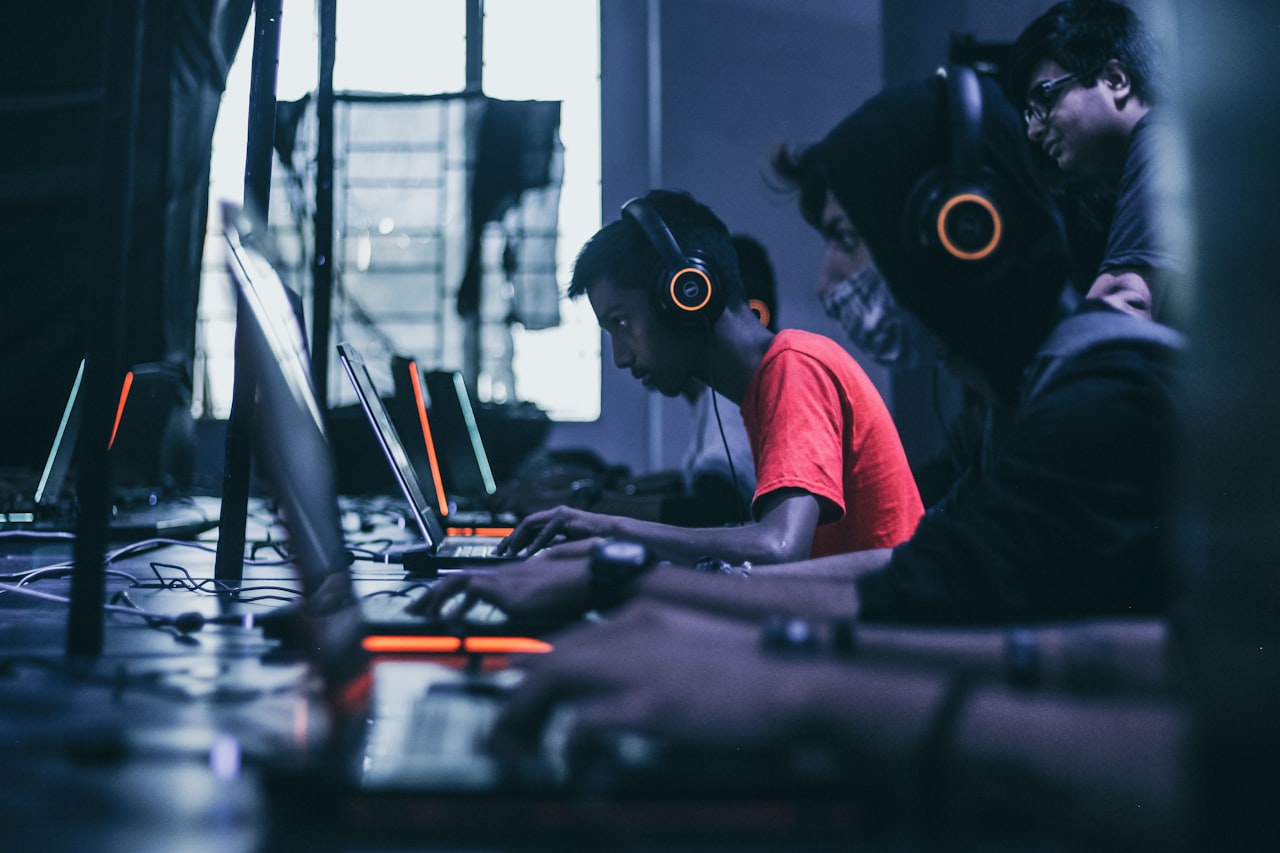
Florida's anime community has been meeting at Metrocon every summer since 2002. Three days at the Tampa Convention Center — the event that built anime fandom in this state.
What it feels like: Metrocon runs hot on cosplay. Florida's anime community has produced some of the country's most technically impressive costume builds, and the convention center floor is a working gallery of that craft. The programming is community-forward — panels run by fans who actually know the material, not PR-approved talking points. The Artist Alley features Southeast creators who rarely appear at national conventions, making Metrocon a genuine discovery venue for independent anime art and merchandise.
Worth it? Who it is for: Metrocon is for the Florida anime fan who has been told that the real conventions are all in California. They are not. Metrocon draws 20,000 attendees to Tampa every summer and has been doing so for over 20 years. It is also worth the flight for East Coast fans looking for a convention that combines quality programming with the natural draw of Tampa in late July — the city has invested heavily in its Riverwalk and Ybor City nightlife, making the convention weekend an actual trip.
What to know before you go: Badge pickup moves quickly for pre-registered attendees. The Artist Alley opens a half-hour before the main floor — use this window if you want first access to independent vendors. The cosplay contest runs Saturday evening and draws the highest-production builds; arrive early for seating. Tampa in late July is genuinely hot — plan accordingly if you are wearing anything elaborate.
The cultural moment: Metrocon has been running for over two decades, which means it has watched the anime fandom transform from a niche community to the mainstream cultural force it is today. It carries that history without being precious about it — the convention feels alive in a way that older events sometimes lose. Florida has an anime community that rivals California's at the neighborhood level. Metrocon is the annual proof.
In 14 days· Jul 31 – Aug 2
0
Mandalay Bay Resort and Casino, 39…
The world's best fighting game players meet once a year in Las Vegas to settle arguments that have been running online all year. EVO is where the ranked standings become real.
What does EVO feel like? The Mandalay Bay ballroom floor transforms into a cathedral of controllers — hundreds of setups running simultaneously while the crowd noise builds toward top 8. The atmosphere mixes the intensity of a UFC main event with the community warmth of a family reunion. EVO is the rare competition where the crowd knows every player by their tag, where an unknown player from anywhere in the world can defeat a legend on the world stage, and where a single combo clip can become a viral moment watched by millions. First-timers describe the open bracket as overwhelming and immediately addictive. Veterans describe it as a homecoming.
Is EVO worth it? If you play fighting games at any level — casual to competitive — yes. The open bracket lets anyone enter and compete against the field. Side tournaments run constantly throughout the weekend across dozens of games. Even if you never enter a bracket, watching the top players perform at this level changes how you see the game. If you've never played a fighting game but love the energy of high-stakes competition, EVO's top 8 finals are some of the most dramatic live sports experiences you'll find anywhere. This is not for spectators looking for passive entertainment. It is for people who understand that a single button input made wrong is the difference between winning and losing — and find that beautiful.
What to know before you go: The open bracket fills fast — register the moment registration opens or expect to wait. Pool play runs most of Friday and Saturday; top 8 finals are Sunday afternoon. Wear comfortable shoes — the venue floor is enormous and you will walk miles. The Las Vegas heat in late July is extreme; plan transit between hotels. Side events, merch lines, and creator meet-and-greets run all weekend in the community hall adjacent to the main floor. Get there early on Sunday for top 8 — seating fills before the doors formally open.
EVO is on Falkor's Nation's Best list because it is one of the few events in sports where a genuinely global skill hierarchy is established in real time on a single weekend. When the EVO champion is crowned, every player in the world knows the result. That is rare. The tournament also functions as the gaming industry's most visible annual benchmark — developer announcements, new characters revealed, and industry deals announced poolside. For anyone in or adjacent to competitive gaming culture, Las Vegas in late July is the center of the world for three days. The affiliate click is the receipt. Discovery is the point.
In 14 days· Jul 31 – Aug 2
Fort Adams State Park, Newport, RI…
In 1954 jazz wasn't yet respectable, and someone put it on the water in Newport anyway. Seventy-two editions later, four stages spread through Fort Adams State Park against water views you will still be thinking about long after the music fades - collectors clutching programs they've kept for decades sitting on the grass next to first-timers who wandered in on a friend's word and left with a completely reorganized sense of what live music can do. Jazz here does not feel like a museum exhibit. Newport consistently books the artists pushing the music forward alongside the legends who defined it. There is no camping on-site, no re-entry, and no separation between the music and the water - you pack for the full day and you stay. The fact that this festival sells out with no pop crossover acts, no festival-season marketing blitz, and no sponsorship-driven brand activations is the entire quality signal. The market already answered whether it's worth it: 2026 tickets are sold out through the primary market, available only through fan-to-fan exchange on the DICE app. Weather at Newport is genuinely unpredictable - pack for 50 degrees and rain in the same bag as 90 and sun. The no-re-entry policy is real, so bring everything you need for a full day: a low chair or blanket for the lawn, sunscreen, layers, and food if you're budget-conscious. Use the Newport Jazz app for real-time stage maps and set times. Arrive early for popular sets; the main stage meadow fills quickly. Digital tickets via DICE only - no PDFs accepted. Gurney's Newport Resort is the closest hotel and books out months ahead. Since 1954 this festival has witnessed every evolution the music went through - bebop, fusion, neo-soul, experimental - and never stopped being relevant. Fort Adams, with water on three sides, is one of those accidental combinations of place and art that produces something greater than either element alone. It earns its place here for the same reason certain films earn a place in the canon: not because it is the loudest, but because it is the most correct. Tickets via DICE at newportjazz.org.
Aug 1 – Aug 3, 2026
Walter E. Washington Convention Ce…
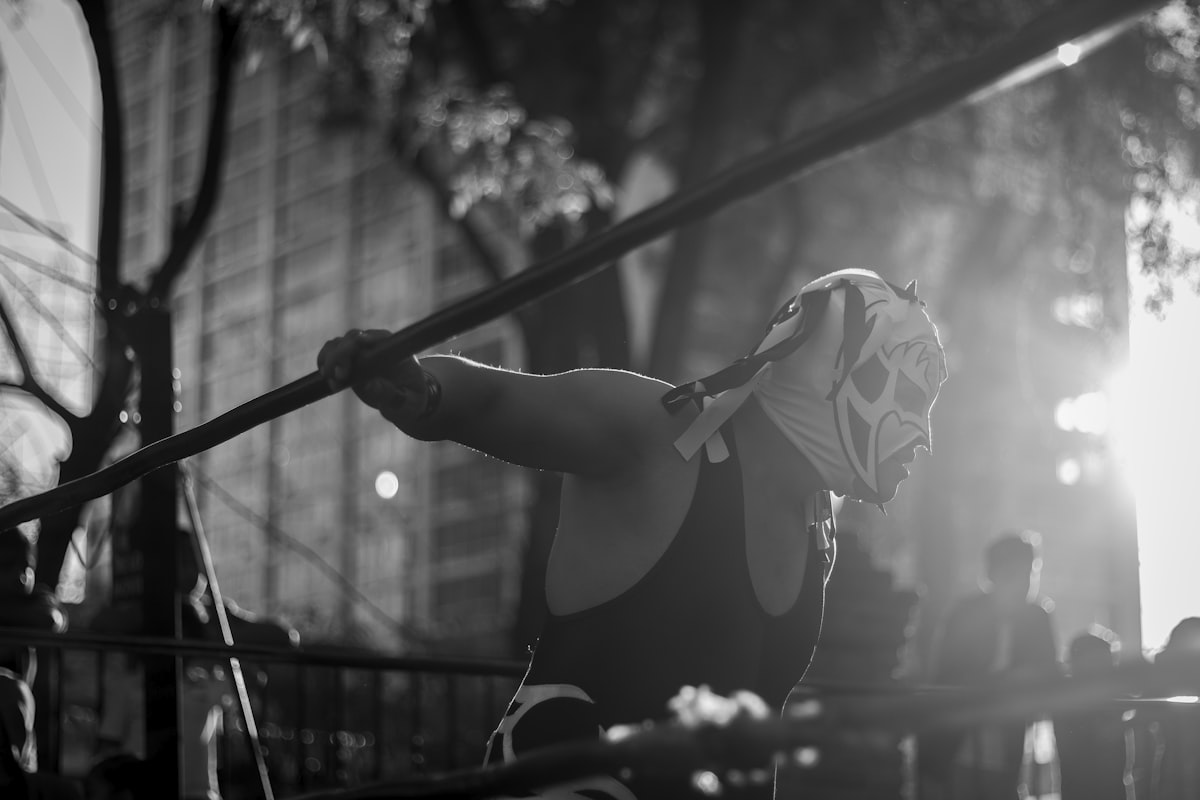
Otakon is one of the largest anime and manga conventions in the United States — 30,000 or more attendees converging on the Walter E. Washington Convention Center in the nation's capital each August for three days of Japanese pop culture, live music concerts, industry panels, and the kind of collective fandom energy that makes major conventions worth traveling for. Founded in 1994, Otakon is not a newcomer: it is one of the conventions that helped build American anime fandom from a scattered subculture into a mainstream cultural force.
The convention center is enormous, and Otakon fills it completely. Dealer hall, artist alley, panel rooms running simultaneously from morning to late night, masquerade competition with production-level cosplay, and Japanese music concerts that would be standalone events anywhere else. Washington DC adds a dimension most conventions cannot offer: the Smithsonian museums are within walking distance, the National Mall is ten minutes away, and the city's restaurant scene is world-class. People regularly extend trips by a day on each side to take advantage of where Otakon is, not just what it is. The convention crowd is multigenerational — fans who have been attending since the 1990s alongside teenagers experiencing their first major con, all in the same dealer hall, all looking for the same things.
Otakon is worth it if anime and manga fandom is a meaningful part of your life and you want to experience that community at full scale. The programming depth is exceptional — Japanese guests, American voice actors, industry representatives, and screenings of films not yet in US release. If you have only attended smaller regional conventions, Otakon is the upgrade that shows you what the community looks like when it is fully assembled. The energy on the convention floor during peak hours has to be experienced to be understood. Book your hotel before registration even opens — DC hotels near the convention center fill months in advance for Otakon weekend.
Registration opens well in advance at otakon.com — early registration rates are significantly cheaper than at-door pricing. Badges are mailed to pre-registered attendees. Washington DC in early August is humid and warm; the convention center is well air-conditioned, but outdoor transit between hotels and the center requires planning for summer heat. Metro access is excellent — the Gallery Place-Chinatown stop puts you steps from the convention center entrance. Download the Otakon app before the event: the full panel schedule drops the week before, and popular panels fill their rooms early.
There are conventions that cater to anime fans, and then there is Otakon — a convention that has been central to how American anime fandom organized and sustained itself across three decades. The community at Otakon is not performing enthusiasm. It is the real thing, built by people who kept showing up year after year. Attending is not just seeing panels and buying merchandise. It is joining one of the most durable fan communities in American pop culture. Tickets and badge registration at otakon.com — August 1 through 3, 2026, Washington DC. Early registration closes long before the event; buy as soon as it opens.
Aug 1 – Aug 2, 2026
U.S. Bank Stadium, Minneapolis, MN
Fifty thousand people who all learned to care about this in different decades, in the same building, at the same time - that is the part no title belt can print on a poster, and it is the reason to make the trip. The championships and the storyline payoffs are the official product; the room is the real one.
U.S. Bank Stadium turns into a wrestling colosseum for SummerSlam weekend. The main cards run championship bouts, months-long storyline payoffs, and the kind of spectacle that turns a casual observer into a lifelong fan in a single evening. The energy inside a 50,000-seat indoor stadium for wrestling does not resemble any other live event - the crowd is emotionally committed, the narratives are operatic, the production is theatrical. Saturday builds the stakes. Sunday delivers the payoffs. Fan signings and WWE activations run across downtown Minneapolis all weekend.
If you have been curious about professional wrestling but never crossed the threshold, this is the entry point. Stadium-scale WWE operates on a different level than a TV taping - the storytelling lands harder when you are surrounded by 50,000 people who have followed these characters for years. For existing fans, SummerSlam is the Super Bowl equivalent: title changes, shocking turns, and moments replayed for decades.
A few things worth knowing. Book flights and hotels four to six months out; Minneapolis hotel inventory within five miles of the stadium disappears fast for major events. Lower bowl sections 100-120 give the best proximity and sightlines. The fan events begin Friday before the main Saturday card, and two-night packages are the best value if you can attend both. U.S. Bank Stadium connects directly to downtown's Skyway system, putting pre- and post-show dining and nightlife within walking range, and the North Loop nearby fills with breweries, restaurants, and bars full of wrestling fans all weekend. Minneapolis has hosted the Super Bowl and NCAA Final Four - the hospitality infrastructure is built for major-event crowds, and WWE weekend turns downtown into a reunion for fans arriving from across the Midwest.
Professional wrestling is one of America's most underestimated cultural exports - 80 years of mythology and the largest dedicated live entertainment fanbase in the country - and SummerSlam is its championship game. Plan two nights: one to arrive and explore, one to stand inside one of the loudest rooms in American sports entertainment. August 1-2, 2026 at U.S. Bank Stadium in Minneapolis. Tickets on Ticketmaster.
Aug 6 – Aug 10, 2026
380
Las Vegas Convention Center, 3150 …
More critical infrastructure vulnerabilities have been disclosed at DEF CON than anywhere else on earth. The conference where that happens — 34 editions in now — is held in Las Vegas every August and draws the largest gathering of security researchers, hackers, and engineers in the world. DEF CON is unlike any conference you've attended. Walk in and you'll find badge puzzle hunts that thousands of people spend the entire conference solving; lock-picking villages where anyone can learn to pick a padlock in minutes; talks that expose critical vulnerabilities in systems we trust daily — power grids, voting machines, medical devices, cars. The crowd is a mix of 20-year-old prodigies, retired intelligence professionals, and corporate security teams sitting in the same row. There is no dress code except the absence of one. The culture rewards curiosity over credentials. DEF CON has the energy of a music festival crossed with a graduate thesis defense — and the hallway conversations may be more valuable than either. If you've ever wondered how systems get broken — and how they get fixed — DEF CON is worth the trip to Las Vegas. This is for technologists, security professionals, students, and curious people who want to understand the infrastructure of modern life by learning its failure modes. It is not for people who need structured agendas and sponsored lanyards. DEF CON is self-organized, intentionally weird, and deliberately unwelcoming to corporate gatekeeping. If you've ever googled "how does that hack actually work" — you belong here. Register early — badge prices increase at the door and can exceed $400. Cash is preferred and sometimes required. The badges themselves are puzzles; experienced attendees spend all four days cracking them. Bring comfortable shoes — the Las Vegas Convention Center spans multiple halls. DEF CON runs four specialized villages simultaneously (Wireless, AI, Hardware, Social Engineering) and you will miss most of them. That's part of the culture: nobody sees everything. Bring a way to share contact information — the hallway conversations at DEF CON have launched more security careers than any job board. The mainstream technology industry spends billions on security theater. DEF CON spends four days showing you exactly how it fails — and then showing you how to fix it. If you've ever felt that the systems you rely on are more fragile than anyone admits, you're right. DEF CON is the room where people say so. Tickets and registration at defcon.org. August 6–9, 2026, Las Vegas Convention Center.
Aug 7 – Aug 16, 2026
Main Street, Sturgis, SD 57785
Ten days in August, and the small town of Sturgis, South Dakota — population 7,000 — becomes a city of half a million. The Sturgis Motorcycle Rally has been doing this since 1938. Arrive in Sturgis on the first Friday of the rally and the sound alone tells you something is different. Main Street closes to cars and opens to motorcycles, and the flow of custom Harleys, touring bikes, and custom builds becomes a continuous parade. The surrounding Black Hills are the real draw for serious riders: Needles Highway is 14 miles of narrow tunnels and granite spire switchbacks that belong on every motorcyclist's bucket list. Iron Mountain Road corkscrews through South Dakota's most dramatic terrain. The rally itself spawns music stages, vendor villages, stunt shows, bike shows, and pop-up bars across a 50-mile radius — the Buffalo Chip alone hosts major touring acts nightly. The diversity of the crowd surprises first-timers: veterans and newcomers, engineers and mechanics, people who rode three states to get here and people who flew in and rented a bike. The common denominator is the machine. Sturgis is for anyone who rides or wants to understand what riding means to the people who live it. This is not for people looking for a sanitized festival experience with VIP sections and scheduled activities. It is for those who find meaning in the open road, want to ride some of the most dramatic terrain in the country, and are comfortable with ten days of organized chaos. If you are a motorcyclist who has never been, Sturgis before you die is not a cliche — it is a genuine recommendation. Book accommodations now. Not soon. Now. Hotels and campgrounds within 50 miles of Sturgis sell out months in advance, and the closer to Main Street, the earlier they go. The Buffalo Chip is the largest campground and hosts the best concerts — book a camping package directly with them. Bring rain gear: August in South Dakota includes afternoon thunderstorms that clear fast. Gas up before you reach Main Street — the lines at pumps on rally days are long. Parking on Main Street is motorcycle only, which means you park your bike among 50,000 others and walk the strip. That is the point. There is no corporate polish here, no influencer activations, no sponsored experiences. There is Needles Highway at sunrise, a custom build that took three years, and 450,000 people who made the same choice to show up. That kind of authenticity is increasingly rare. Sturgis 2026 runs August 7-16 in Sturgis, South Dakota. Event information at sturgis.com.
The conversation happening outside the theater is as essential as the film inside it - filmmakers, producers, actors, cultural critics, and a deeply engaged audience share one island for nine days, and geography forces the kind of creative cross-pollination that does not happen anywhere else. For nine days every August, this festival screens work the mainstream circuit does not reach, with the Atlantic as the backdrop.
The setting is not incidental. Martha's Vineyard has been a gathering place for Black families, artists, and intellectuals since the 19th century, and the communities of Oak Bluffs and Vineyard Haven carry that history into the festival. Films premiere here before wider release. Q and A sessions run long because the audience has real questions.
This is for the film lover who stays through the credits, wants to know what the director was fighting for, and discovers something in August they will still be talking about in December. If you watch the Oscars wondering why certain stories are never in the conversation, this festival has been telling those stories for twenty-four years - not a place for passive consumption, but for people who care about film as a cultural force and want to see stories that do not get greenlit often enough, told by people who lived versions of them.
A few logistics that matter. Ferries book up fast in August; island access is limited and peak-summer demand is real, so plan your ferry to and from the island early, ideally before you buy film tickets. Free parking is available at the PAC. The full itinerary releases in late June on the official website, and individual film and panel tickets go on sale in early summer. A day pass gets you into multiple screenings and is the most efficient way to take in the breadth of the programming. Build buffer time into your schedule - the island itself rewards wandering.
The Black Sundance has never been a niche gathering; it is a cultural institution that happens to be held on an island. Twenty-four years of programming amount to an archive of Black American storytelling that belongs alongside any major film festival in the country, and some of the most important films of recent years passed through Oak Bluffs before they reached wider audiences. Tickets and schedule at mvaaff.com. Oak Bluffs, MA.
Aug 7 – Aug 9, 2026
Golden Gate Park, San Francisco, C…
Golden Gate Park does not lie flat the way a festival field is supposed to. It has hills, dense tree lines, and winding paths between stages, which means every decision about where to go next feels like an actual adventure - and then the San Francisco fog rolls in after dark and makes you sharply aware of exactly where you are standing. Three stages, 80,000 people a day, in August. The 2026 lineup spans the exact territory Outside Lands has always owned: indie credibility, electronic discovery, and one or two acts no other major festival would program on the same day. Charli XCX headlines Friday alongside Turnstile and GRIZTRONICS (Subtronics + GRiZ). Saturday brings The Strokes, The xx, Djo, and PinkPantheress. Sunday closes with RUFUS DU SOL, Baby Keem, Empire of the Sun, and Death Cab For Cutie. The food rivals the music. Wine Lands curates California vintages from 100+ producers, the culinary lineup includes restaurants you'd normally wait two months to book, and Grass Lands - one of the only legal cannabis sections at a major US festival - was pioneered here before the concept existed anywhere else. The crowd is unapologetically San Francisco: tech workers dancing next to art students, parents with kids watching from the hills, regulars who've come every year since the first one. If you treat a music festival as a reason to experience a city at its best, this is one of the two or three most complete versions of that experience in the country. Three-day passes are sold out. Single-day GA starts at 49 - a real number, but one that buys a full San Francisco day with a stacked lineup attached. The distances between stages are significant, so comfortable shoes are the single most important logistical decision you make. Morning fog burns off mid-day but evenings get cold fast; bring layers regardless of the August forecast. Muni drops close to the park entrance - parking inside is difficult. Go early on day one to establish your geography before the headliner crowds form. San Francisco does not just put on a festival here; it becomes the stage.
Aug 7 – Aug 9, 2026
Golden Gate Park, San Francisco, CA
There is one moment every August in Golden Gate Park that exists nowhere else: a headliner on the main stage, the San Francisco fog rolling in at 4pm like clockwork and dropping the temperature 20 degrees, the meadow turning gold, and 70,000 people in the park all feeling the day turn at once. That moment is what Outside Lands is really selling. Since 2008, San Francisco's flagship music and arts festival has combined headline music with top-tier food, wine, craft beer, comedy, and art across three days in a setting most festivals cannot replicate - the fog-wrapped meadows and eucalyptus groves of a 1,017-acre urban park in one of the world's most interesting cities.
Start with the setting, which is not a temporary event site but a living landscape of hills, trees, and microclimates that shift through the day; the main stage sits at the base of a natural amphitheater. The food programming rivals Michelin-starred restaurants. Wine Lands features California producers that do not pour at any other festival in the country. Grass Lands is among the most sophisticated legal cannabis programming at any major US event, and the comedy stage books real headliners. The 2026 lineup is headlined by Charli XCX, RUFUS DU SOL, and The Strokes, with an additional 90-plus artists across seven stages.
If you want a festival that rewards cultural curiosity and not just music fandom, this is emphatically it - the food alone is worth admission for anyone who treats eating as a hobby, the lineups mix legacy acts with boundary-pushing headliners, and the San Francisco crowd is opinionated and engaged. If you want a mud field and 24-hour DJ sets, look elsewhere. If you want the most curated, most San Francisco thing that happens in San Francisco, this is it.
Before you go: layers are not optional - August in San Francisco means 85F at noon and 55F at 9pm, so bring a jacket every single day. The park's terrain means comfortable shoes matter; stilettos have been tried and regretted by thousands. Shuttles from BART stations run throughout the day and are far faster than driving and parking. Food lines peak from noon to 2pm - eat before or after the rush. The Panhandle entrance is underused and saves 30 minutes.
Outside Lands is a festival designed by people who take pleasure seriously - music, food, wine, comedy, and art in the same weekend, in a park the city has used for over a century. August 2026, Golden Gate Park, San Francisco, CA. Tickets at sfoutsidelands.com.
Aug 7 – Aug 9, 2026
Golden Gate Park, San Francisco, C…
Outside Lands is San Francisco's signature music festival — three days of live music, culinary discovery, and counterculture tradition held each August in Golden Gate Park. Since its debut in 2008, Outside Lands has grown into one of the most distinctive major festivals in America, not just for its headliners but for what surrounds them: Michelin-starred pop-ups, local winery pavilions, and the unmistakable atmosphere of one of the world's most iconic urban parks. It is the only major American festival where the food and wine programming is genuinely competitive with the music lineup.
Golden Gate Park transforms over Outside Lands weekend. Fog rolls in from the Pacific, turning the late afternoon golden and strange. Five stages spread across meadows and tree lines mean you are never fighting a crowd to get somewhere new — you are wandering. The food program is legitimately world-class: San Francisco's best restaurants, the Wine Lands pavilion sourcing exclusively from California vintners, and a craft beer hall that reads like a curated state tour. The crowd skews music-literate and west-coast laid-back. Veterans wear layers — August in San Francisco means 55-degree evenings regardless of how warm the day started. That chill is part of the experience.
Outside Lands is worth it if you care about music enough to pay attention to who is on stage and curious enough to care who is cooking. This is not a dayger with a soundtrack. The lineup typically covers indie, pop, hip-hop, and electronic across its five stages — something each day for someone who takes live music seriously. If you are the kind of person who looks up set times in advance and builds a day around two or three can't-miss acts, this is exactly your festival. The culinary and wine programming elevates it above the music alone.
Layers are not optional — bring a jacket or you will buy one at the merch tent. The shuttle from the city runs from multiple pickup points and is worth the add-on; parking near the park is limited and expensive. General admission wristbands are purchased through FrontGate Tickets, not at the gate. The festival grounds are accessible via BART to the Outer Sunset area, then a manageable walk. Food lines move — the culinary vendors are staffed for volume. Arrive at gate open if you want the best picnic spot near the main stages. Pre-purchase food tokens if the option exists; it cuts wait time significantly.
What Outside Lands represents is the meeting of San Francisco's two defining cultural identities: the music city that gave the world the Summer of Love, and the food city that turned the Bay into America's most admired dining region. Three days in Golden Gate Park holds both simultaneously. That convergence does not exist anywhere else. Tickets are available through FrontGate Tickets at sfoutsidelands.com — August 7 through 9, 2026. This one fills up. Buy before the announcement cycle closes the window.
Aug 15 – Aug 16, 2026
1600 N Lake Shore Dr, Chicago, IL …
Jets fly between the buildings and out over Lake Michigan. The Chicago Air and Water Show does this every August along the lakeshore — free — and two million people show up.
The experience occupies the entire lakefront from approximately Fullerton Avenue to Oak Street Beach. The U.S. Navy Blue Angels typically headline, performing synchronized formation flying at over 700 miles per hour with wing separations measured in feet. The U.S. Army Golden Knights parachute team, Air Force Thunderbirds, and civilian aerobatic performers fill out a program that runs from roughly 9am to 4pm on both Saturday and Sunday. The sound alone — a physical, chest-deep roar from aircraft passing at low altitude — is something that cannot be replicated by video.
Worth it? Who it's for: If you have never seen military precision aerobatics in person, this is the event to do it — and it is free. No tickets. No registration. Just show up to the lakefront. The crowds are massive, particularly on Sunday, but the lakefront is wide enough that even with two million people over the weekend, you can find a workable vantage point. The show is appropriate for all ages; the sensory experience is especially memorable for children.
What to know before you go: North Avenue Beach (the primary viewing area) gets extremely crowded by 8am on both days. Arriving early by 7:30am gives you the best beach positioning. CTA buses and the Red/Brown/Purple lines to Chicago or Fullerton stations are the most practical way to get there — driving and parking in Lincoln Park on show weekend is brutal. Bring sunscreen, a portable chair or blanket, water, and ear protection if you are sensitive to loud noise. The Navy Blue Angels typically perform Sunday afternoon at peak intensity. Weather delays happen occasionally — check the official schedule the morning of.
The Chicago Air and Water Show is the event where the Chicago summer reaches its most cinematic. Two million people. The Blue Angels. Lake Michigan as the backdrop. The show has run continuously for over 65 years because it produces a feeling of scale that very few free public events can match. Knowing this event exists — and knowing which weekend it falls on — marks you as someone who understands how to get the most out of an American summer.
Aug 15 – Aug 16, 2026
From $136
Crypto.com Arena, 1111 S Figueroa …
You've spent years experiencing this through a screen — the fancams, the comebacks, the fanchants you learned alone in your room. For one weekend in August, all of it becomes physical, and you're standing in a room with twenty thousand people who feel exactly what you feel. That's the moment KCON exists to create: the second parasocial turns into a crowd.
It's the largest K-pop festival in America, and Los Angeles is where it belongs — the convention floor at the LACC runs for hundreds of thousands of square feet of Korean beauty activations, dance challenges, K-drama screening rooms, and some of the most organized fan communities you'll ever encounter, while the evening concerts at Crypto.com Arena are full arena productions, light sticks and coordinated fanchants that would feel at home in Seoul. The crowd is multigenerational and multicultural, and the transformation is real: people arrive as skeptics dragged along by their kids and leave fans; people arrive alone and leave with a community that outlasts the weekend.
August 14–16 at Crypto.com Arena and the LA Convention Center. Tickets are stratified — convention floor, concert, or combined — so buy early, and get to the LACC in the morning on Day 1 before the brand experiences hit capacity. Wear shoes you can cover miles in, bring a portable charger for the fanchants, and book a hotel near the convention center, not the arena — clearing out after the show can take 45 minutes. Tickets on Ticketmaster.
Aug 15 – Aug 17, 2026
$112
Lena Horne Bandshell at Prospect P…
Every person in attendance looks like they have been waiting their whole life to wear this exact outfit. That is the first thing you notice. AFROPUNK Brooklyn 2026 is a two-day celebration at Prospect Park Bandshell in Brooklyn — Jazmine Sullivan, Flying Lotus, Joey Bada$$, Vince Staples, Baby Tate, and 70,000 artists, activists, and culture makers who refuse to be categorized. Founded in 2005 as a response to the whitewashing of punk and rock spaces, AFROPUNK has evolved into the definitive gathering of Black culture in its most expansive and unapologetic form.
The moment you step in, you understand that AFROPUNK is not a music festival in the conventional sense. It is a fashion show, a protest, a family reunion, and a concert all happening simultaneously across a Brooklyn park. The stages host acts spanning neo-soul, hip-hop, punk, afrobeats, and electronic music. The Spinthrift Market features independent Black vendors. Bites n Beats serves some of New York's top street food. Activism Row dedicates an entire section to live muralists and community organizing.
If you are someone who has ever felt like you exist at the intersection of too many things to be claimed by any one scene, AFROPUNK was built for you. This is not for people who want a clean corporate festival experience. It is for people who want to feel seen in a crowd of 70,000.
The 2026 edition is at Prospect Park Bandshell (Lena Horne Bandshell) — confirm transit before you arrive, as this location requires planning. Arrive by noon: crowds become immovable between the two main stages by 3pm. Bring a reusable water bottle — free water stations throughout the grounds. Clear bags only. SeeTickets is the only official ticket vendor. August 15 and 16, 2026, Brooklyn, NY.
AFROPUNK is the cultural event that hip-hop, punk, jazz, fashion, and activism all claim as their own. Twenty years in, nothing else is quite like it.
For one Sunday morning, the 18th fairway at Pebble Beach becomes the most beautiful parking lot on earth: roughly 200 of the finest collector automobiles in history, side by side on grass overlooking Carmel Bay, a 1930s Duesenberg parked next to a 1960s Ferrari racing prototype parked next to an early American speedster most people have only seen in a history book.
The Pebble Beach Concours d'Elegance is one of the most celebrated automotive events in the world, and the 2026 edition is the 75th anniversary - the most historically significant in its run. It serves as the capstone of Monterey Car Week, a ten-day celebration that turns the Monterey Peninsula each August into the automotive capital of the world; auctions, road tours, race events, and manufacturer debuts all lead to this Sunday centerpiece, where each car is judged on historical accuracy, technical merit, and provenance. The crowd is a mix of serious collectors, first-time attendees who do not know a thing about cars but felt pulled to come anyway, and journalists who have covered this for twenty years and still find something new - reverent but not stuffy, because the cars earn the quiet. It is worth attending even if you cannot tell a coachbuilder from a coupe. The 75th anniversary class features Ferrari as the primary marque, with special tributes to NART competition cars and the legendary coachbuilder Vignale, plus new classes for Early American Speedsters, Classic Streamliners, and Japanese Motorsports spanning more than a century of design.
What first-timers get wrong is arriving late. The show field opens to credentialed spectators at 8am; judging begins at 1:30pm. Come early, let your eyes lead you, and allow at least four hours to walk the full field. The 1st Fairway will be dominated by more than 100 Ferrari cars for the 75th anniversary, so plan your time accordingly. Tickets are digital and emailed in mid-July - print or save to your phone - and the event sells out. This earns its place not because of the cars, extraordinary as they are, but because of what it represents: a genuine pilgrimage for a global community of people who believe the automobile is one of the great objects of the 20th century. The 18th fairway, the ocean behind it, the fog that sometimes rolls in from Carmel Bay - there is no other setting like this anywhere. Tickets and information: pebblebeachconcours.net.
Aug 20 – Aug 23, 2026
Jacob K. Javits Convention Center,…
The Javits Center in August. Four days, 150,000 attendees — the largest anime convention on the East Coast. It started in 2017 as a regional alternative to AX and became something much larger.
The Javits Center in August feels like a contained version of the anime internet made physical. Cosplay is everywhere and serious -- the craftsmanship people bring to their costumes is a form of artistic expression that deserves its own category. The exhibition hall has major publishers like Crunchyroll, Yen Press, and Nakama Press launching titles; creator meet-and-greets and autograph lotteries for guests like Yuji Kaku of Jujutsu Kaisen fill up in hours. Over 150 hours of programming runs simultaneously across panels, screenings, and Q-and-A sessions with creators. The New York City setting amplifies everything -- the crowd has NYC energy, the restaurants outside are excellent, and the convention benefits from the cultural infrastructure of the country's most connected city.
Anime NYC is worth it for anyone serious about anime or manga culture. For East Coast fans who have not made the trip to Anime Expo in Los Angeles, this is the domestic pilgrimage -- the place where the industry treats you as a primary audience rather than a secondary market. For fans of specific titles, the autograph lotteries for major creators are reasons unto themselves. The 2026 edition adds a Family Zone presented by Scholastic and a Kids Sunday ticket for ages 6 to 12 -- signaling the generational shift already underway. This is not for people who want a casual festival atmosphere. It is for people who know their fandoms, track release schedules, and understand why certain announcements matter.
Badge prices increase after May 31 -- purchase now if you are going. Bring a refillable water bottle; drinks inside run $4 and up with free fill stations throughout the Javits. Skip the Javits Starbucks and use the Hudson Yards location a short walk away. Walk Artist Alley and the Exhibition Hall completely once without buying -- collect business cards, compare prices, note everything -- then return to purchase. Autograph lotteries for top guests fill fast; register the moment they open. Bathrooms near the Expo Floor and Artist Alley get congested by midday; plan accordingly.
Anime NYC's rise to East Coast dominance reflects something real: anime is no longer a niche import. It is one of the primary storytelling languages of a generation that grew up watching Naruto, reading One Piece, and building identities around the worlds attached to those stories. Anime NYC is where that generation convenes, where Japanese creators recognize their American audience in person, and where the next phase of the culture gets seeded. The Family Zone added in 2026 signals what is already happening: this is a mainstream cultural institution that happens to be run by and for people who care deeply about the craft. Badges at animenyc.com.
Aug 22 – Aug 23, 2026
Anaheim Convention Center, 800 W K…
One day, one building, the Southern California anime community at full concentration. Anime Impulse OC at the Anaheim Convention Center, August 22–23.
What it feels like: OC Anime Impulse has built a reputation for being the convention that actually feels manageable. The Anaheim Convention Center space is large enough to breathe, the crowd is curated by proximity (it draws heavy OC and LA South Bay attendance), and the Artist Alley is consistently one of the best in the SoCal circuit for independent print and goods creators. The production team has been running SoCal conventions long enough to know where the friction points are — registration lines move, programming starts on time, and the floor is laid out to prevent the bottlenecks that plague larger conventions.
Worth it? Who it's for: This is the convention for the SoCal fan who wants the full convention experience without the scale anxiety of Anime Expo. If AX feels like navigating LAX during a holiday weekend, OC Anime Impulse feels like a neighborhood market — still substantial, still exciting, but at a scale where you can actually find the creators you're looking for. Late August timing means summer anime finales are wrapping, giving the community something to process together.
What to know before you go: Anaheim Convention Center is in walking distance of the Anaheim Resort Transit stops. The parking structures off Harbor fill by 10am; if you're driving, arriving before 9:30am or taking ART from a nearby lot is the move. Saturday is the fuller day; Sunday tends to be more relaxed with better panel access. Bring cash — a significant portion of Artist Alley vendors prefer it, and the independent sellers have the best inventory.
The cultural moment: Anime Impulse has built something most convention circuits haven't managed — a regional identity. The OC edition is not a Los Angeles convention that moved to Anaheim. It has its own character, its own regulars, and its own Artist Alley tier of creators who treat it as a homecoming. In the SoCal anime convention landscape, that distinctiveness is earned. This is where the OC community celebrates what it built.
Aug 24 – Sep 13, 2026
USTA Billie Jean King National Ten…
Arthur Ashe Stadium at night is unlike any other place you can watch sport. Twenty-three thousand people who've spent the whole day soaking up New York City's energy - loud, opinionated, deeply invested - and when it rains the roof closes, which means the match goes on, which means the crowd only gets louder. This is where the US Open finishes, under the lights, in early September. During the day the Grounds Pass opens a completely different tournament: top-ranked players on smaller courts, sometimes within a few feet of you, signing autographs, practicing, accessible in ways no tennis venue at this level allows. You can watch five or six complete matches across different courts before the stadium sessions even begin, all of it carrying the charged, fast, opinionated energy of New York at the height of summer. For first-timers, the Grounds Pass is the right ticket - maximum access across the full grounds, closer to top players than any stadium seat can put you. Stadium tickets are the move if you specifically want an Ashe night session, which is legitimately among the best sporting experiences in the country. This is not for anyone who wants quiet spectatorship. It's for people who want to feel like they're at the center of something - because at the US Open, in front of New York's unforgiving crowd, you genuinely are. Take the 7 train to Mets-Willets Point; it drops you at the gates and avoids all parking. Gates open at 9:30am - arrive then to secure Grandstand or Armstrong seats before they fill. Food prices inside are significant, so plan accordingly or eat before entry. Amex cardholders get early presale access. The roofs on Ashe and Armstrong now mean rain delays are nearly eliminated, so an afternoon session is no longer a gamble. Tickets are available via Ticketmaster and AXS beginning late May. The US Open holds a singular place in American tennis: it's where champions are made under maximum pressure, in the loudest possible environment. Serena Williams won her first title here in 1999. Federer, Nadal, Djokovic, Alcaraz - the names of the people who carried this tournament are the names of the sport itself. For anyone who has ever watched tennis and felt something, attending in person resets what you thought that feeling was. Full schedule and tickets at usopen.org.
Aug 27 – Nov 21, 2026
Epcot, Lake Buena Vista, FL 32830
Late August through mid-November, Epcot stops being a place you take children and turns its World Showcase into a global food market for adults — eighty-plus kiosks representing countries that do not share borders but do share this pavilion.
The atmosphere is unmistakably grown-up. Wine, craft beer, international street food, live concerts in the Eat to the Beat series, and cooking demonstrations by culinary professionals fill the hours between the park's permanent attractions. The World Showcase lagoon path becomes a global food walk - French crepes alongside Canadian craft beer alongside Japanese sushi alongside Brazilian cheese bread. The scale is enormous but the pacing is deliberately slow; this is wandering, tasting, settling in at a lakeside table and watching the October sky come down over the water. If you have any affinity for food, international cuisines, or Disney, it lands: the festival is included with standard EPCOT park admission and the food kiosks are paid separately in small, affordable sampling portions. For non-Disney regulars, Epcot's single loop layout makes the festival more accessible than most of the park, since one path covers nearly all the festival content. For Disney regulars, the August-through-November window is one of the best times to visit - lower crowds than peak summer, full festival atmosphere.
A few things veterans know: weekday mornings are least crowded for the kiosk lines. The Eat to the Beat concert series, included with admission, runs multiple times daily at the America Gardens Theatre, so arrive 30 minutes early. The annual festival passport lets you stamp each global marketplace kiosk - casual visitors ignore it and obsessives complete it on day one. Party for the Senses premium dinner events sell separately and book out quickly, so reserve early if interested. Disney Transportation runs from most on-property resorts directly to EPCOT; the parking lot is paid. More than two million people participate each year, most of them not because they are Disney fans but because the festival delivers one specific feeling: the world's food culture on the same block, walkable in an afternoon. The Epcot International Food and Wine Festival runs from late August through mid-November at Walt Disney World.
Aug 27 – Aug 31, 2026
Sheraton Dallas Hotel, 400 N Olive…
AnimeFest Dallas 2026 returns to the Sheraton Dallas August 27-30 — one of the oldest anime conventions in the South, running since 1992. Japanese guest concerts, AMV competitions, cosplay masquerade, artist alley, and gaming rooms in the heart of downtown Dallas. AnimeFest is a hotel con at its purest — the late-night hallway gatherings are half the reason people come back. Why go: AnimeFest has a legacy that newer conventions can't manufacture. The people who run it have been doing it for 30+ years and it shows. Badges at animefest.org.
Aug 27 – Aug 31, 2026
From $125
Anaheim Convention Center, Anaheim…
The conversation that starts at a panel and is still going two hours later in a hotel lobby - between a first-timer and someone who has come every year since the 1970s - is the part of Worldcon nobody photographs, and it is the reason people build their August around it. If science fiction has genuinely shaped how you think, this is the room where the people who built the genre gather to decide what it becomes next.
This is the 84th World Science Fiction Convention, founded in 1939, and it is where the Hugo Awards - the genre's highest honor - are presented. Five days of programming dense enough to require a spreadsheet: panels with authors whose books shaped how you see the world, an Art Show of original science fiction and fantasy illustration available for purchase, a Film Festival, and the Masquerade, one of the world's most ambitious costume competitions, where attendees spend months building a creation for a single stage walk. But the truest texture lives in the hallways, and the community here is multigenerational in a way almost no other genre event is.
Every attending member votes on the Hugo ballot, which gives you a reason to read widely before you even arrive. If you have opinions about where the genre is going and want to be in the room where those conversations happen, this is that room - not a pop-culture spectacle but a literary gathering with the scale to match. This is worth every dollar for the reader for whom the genre is a frame for understanding the world, not casual entertainment.
A few practical notes. First-time attendees qualify for a $200 membership rate instead of the standard $250 adult price - register explicitly as a first-timer at lacon.org to save fifty dollars. The Hugo ceremony is a formal evening event; bring something nicer than a convention T-shirt. Programming is community-generated: attendees propose and vote on panels, so the schedule reflects genuine fan priorities rather than a corporate team. Book the Hilton Anaheim or Anaheim Marriott to stay in the convention hotels and maximize hallway time. The Art Show sells original work, so budget separately for it.
Worldcon returns to Los Angeles for the first time since 2006, at a moment when science fiction's reach - through streaming, gaming, and AI - has never been broader while the literary community that seeded all of it has never been more visible. The writers in those panel rooms are the ones shaping how space travel, artificial intelligence, and social change will feel to readers a generation from now. That conversation happens August 27-31 at the Anaheim Convention Center.
Aug 27 – Sep 8, 2026
18
Minnesota State Fairgrounds, 1265 …
If you’ve ever wondered what makes a state fair worth traveling for, this is the answer. The Minnesota State Fair runs twelve days. Two hundred thousand people show up every single day. Minnesota's state fair has an atmosphere that cannot be manufactured. The fairgrounds sit on 322 permanent acres — exhibition halls, livestock barns, a racetrack, a Grandstand that hosts national music acts, and the famous food vendors who line every street. More than 70% of the food is available on a stick (that is not a metaphor). The Agriculture-Horticulture Building hosts produce competitions that Minnesotans train years for. The Creative Activities Building displays needlepoint and woodworking next to quilts of genuine museum quality. The livestock barns have actual farming families. Nothing about the Minnesota State Fair feels like it was designed for tourists — it feels like a community that allowed visitors to come watch, and is genuinely happy you're here. This is for anyone who has lived primarily in cities and genuinely wonders what American agricultural and working-class culture looks like when it isn't staged for outside consumption. The Minnesota State Fair is not a theme park version of rural life — it's where the farming community of the upper Midwest gathers alongside the urban Twin Cities metro, and both groups are completely at home. It is worth the trip from anywhere in the country. The state fair shuttle system is the only sane way to arrive — park at satellite lots and take the bus. Walking the fairgrounds takes a full day minimum; wear comfortable shoes. The food situation is comprehensive and genuinely excellent: Sweet Martha's cookies, cheese curds, pronto pups, walleye on a stick, and an ever-expanding list of experimental annual creations. Buy Grandstand concert tickets separately — the lineup goes on sale in spring and sells quickly. The free stages offer entertainment every hour. Check the schedule in advance and arrive early for popular demonstrations. Two million visitors over 12 days — and somehow it doesn't feel overwhelming because the fairgrounds were built for exactly this. This is the American summer in a single experience: food, music, agriculture, competition, family, and the warmth of a community that has gathered like this for over 160 years. Admission and schedule at mnstatefair.org. August 27 – September 7, 2026, Falcon Heights (St. Paul), Minnesota.
Aug 28 – Aug 30, 2026
0.0
Moscone Center, 747 Howard St, San…
Somewhere out there is a person who spent an entire year grinding regional qualifiers just for the chance to sit down at one table and find out, over a best-of-three, whether they are the best on the planet. Once a year those people all converge on a single city. In 2026, that city is San Francisco.
The Pokemon World Championships is the culmination of a full competitive season across four formats: the Trading Card Game, Pokemon video games, Pokemon GO, and Pokemon Unite. Players from dozens of countries arrive having earned their invitation through a year of regional qualifications, international championships, and ranking points, all of it chasing a single title - World Champion. The 2026 event runs August 28-30 at San Francisco's Moscone Center, with the championship finals taking place at Chase Center, home of the Golden State Warriors. That separation matters. Moscone is where the tournament lives: thousands of players at tables, a lifetime of preparation compressed into a best-of-three, and the focused silence that only happens when everything is on the line. Chase Center is where it becomes spectacle - loud finals crowd, polished production, two players making decisions at the absolute ceiling of what the game allows.
PokemonXP, the fan event running alongside the main championship, is the part that turns spectators into believers: Artist Alley, exclusive merchandise drops, side events, content creators, mascots, and spaces built for people who love this franchise without necessarily knowing the meta. For competitive players, Worlds is the Super Bowl. For fans, it is the weekend the hobby becomes a cultural event - and it is worth going even if you are not competing, as long as you plan ahead. Single-day passes are limited and distributed through an interest list at pokemon.com, with registration closing mid-June, and hotels in SoMa fill within days of registration windows opening. The Moscone district and nearby Japantown spend the whole weekend in Pokemon energy; the fan ecosystem extends well past the official venue. A day-trip from SoCal is realistic - San Francisco is a short flight or a 6-hour drive from Los Angeles. Pokemon is 30 years old and still generating its most competitive, most watched, most globally contested meta, and knowing that someone out there spent a year grinding regionals to earn their shot at this is the kind of thing that briefly makes you love the hobby again even if you have not played since you were ten.
Aug 29 – Nov 22, 2026
EPCOT, Walt Disney World, Lake Bue…
Epcot International Food and Wine Festival is Walt Disney World's annual celebration of global cuisine, craft beer, and culinary culture held at EPCOT in Lake Buena Vista, Florida — one of the longest-running food festivals in the United States, running from late August through mid-November each year.
What distinguishes Epcot Food and Wine from every other food festival in America is the architecture it happens inside. World Showcase's eleven international pavilions — each representing a different country — become the setting for outdoor marketplace kiosks serving small-plate dishes and beverages curated to reflect that nation's culinary identity. You walk from France to Morocco to Japan while holding a glass of something that belongs there. The scale is massive and the pacing is entirely yours. This is not a buffet line. This is a passport for people who eat seriously.
Is it worth attending? Yes, without reservation, if you take food culture seriously. Spend an entire day drifting between cultures, eating your way around the world with drinks in hand, and doing it inside one of the most thoughtfully designed public spaces in America. It is not for people who need a checklist or a schedule. The festival is ambient, self-directed, and genuinely global.
What to know before you go: Park admission is required — this is EPCOT, not a standalone event. Marketplace dishes are small-plate and require payment separately (card and MagicBand both accepted). Dining reservations for full-service restaurants should be booked months ahead through My Disney Experience — walk-ups rarely get seated at peak hours. Evenings host the Eat to the Beat concert series; early afternoon is when the marketplaces are least crowded. Wear comfortable shoes and budget more than you think you will spend.
Epcot Food and Wine is on Falkor's Nation's Best list because it is one of the rare American events where cultural identity, culinary craft, and sheer operational scale converge in a setting that earns the word curated. The Disney infrastructure means it runs at a quality most food festivals cannot approach. You do not need to be a Disney person to find it worth the trip. You just need to take food seriously. Festival runs August 29 through November 22, 2026. Visit disneyworld.disney.go.com for tickets and reservations. The Eat to the Beat concert series brings live musical performances to the America Gardens Theatre throughout the festival run, adding a live music layer that elevates evenings beyond dining alone.
Aug 29 – Aug 30, 2026
Javits Convention Center, 429 11th…
Sneaker Con New York 2026 returns to the Javits Center August 29 — the world's largest sneaker marketplace and sneaker culture event. Thousands of buyers, sellers, and collectors in one room — grails on tables, heat you haven't seen in the wild, and the specific kind of energy that only exists when 10,000 people who care deeply about kicks are all in the same building. Authentication desk on-site. Custom artists. Brand drops. Why go: You're not going to find what's on these tables anywhere else, and the energy of the room is its own event. Tickets at sneakercon.com.
Aug 30 – Sep 7, 2026
From $550
Black Rock Desert, Gerlach, NV 894…
Burning Man 2026 is a nine-day experiment in radical community, temporary city-building, and participatory art held in the Black Rock Desert of Nevada, sixty miles north of Reno. It is not a festival in the conventional sense. There are no passive spectators. There are no vendors selling you experiences. What happens in Black Rock City — a city of 70,000 people that exists for one week each year and then disappears — is built, gifted, and maintained entirely by the people who show up.
The physical reality of it arrives in stages. The playa is flat and white and enormous; the scale does not register until you are standing on it. Mutant vehicles — art cars the size of ships — drift past at night carrying sound systems and hundreds of people. Art installations rise fifty feet from the desert floor: lit, kinetic, interactive, often burning before the week ends. Themed camps — hundreds of them, some with twenty people, some with five hundred — each create their own environment, their own programming, their own gifts. The Burn itself, on Saturday night, when the wooden Man effigy goes up in flames, is one of the most viscerally communal experiences available to a human being in 2026.
Is Burning Man worth it? The honest answer is: it depends entirely on what you bring to it. If you arrive expecting entertainment, you will be confused and uncomfortable. If you arrive expecting to participate — to build something, give something, create something — you will experience something that has no equivalent. The principles — radical self-reliance, radical self-expression, communal effort, gifting, leaving no trace — are not slogans. They are the actual operating system.
Before you go: Survival Guide is essential reading. The playa is an extreme environment — 100°F days, freezing nights, sudden whiteout dust storms (whiteouts). Pack more water than you think you need. All supplies must come in with you; nothing is sold on the playa except coffee and ice. Tickets range from $550 to $3,000 via lottery system. Vehicle pass required. MOOP (Matter Out Of Place) is taken seriously — you pack out what you pack in.
Burning Man earns its Nation's Best designation because it is the closest thing American culture has produced to a temporary civilization built on different values. Black Rock City, Nevada. August 30–September 7, 2026.
The Ten Principles — Radical Inclusion, Gifting, Decommodification, Radical Self-Reliance, Radical Self-Expression, Communal Effort, Civic Responsibility, Leaving No Trace, Participation, and Immediacy — were articulated by co-founder Larry Harvey and function as the operating system of the event. Understanding them before you arrive is the difference between someone who gets it on day one and someone who spends three days confused about why nobody will sell them anything.
Aug 30 – Sep 7, 2026
Black Rock Desert, Pershing County…
Burning Man does not explain itself to people who haven't been. That is not arrogance — it is accuracy. From August 30 through September 7, 2026, Black Rock City rises in the Nevada desert under the theme Axis Mundi — a temporary city of 70,000+ participants, 75 commissioned large-scale art installations, and an infrastructure that includes a real airport, a medical center, and a Department of Mutant Vehicles. It disappears without a trace. That erasure is part of the philosophy. The experience is unlike anything the festival world produces. The art is architectural in scale — pieces you walk through, that move, that light up against the desert dark at 2 AM when you're riding a bike across a city that didn't exist two weeks ago. The gifting economy is real: no commerce inside Black Rock City. Every interaction is a gift or a mutual exchange. The community that forms here is not a festival crowd. They are building something together, and the Burn — the ritual burning of the Man on Saturday night — marks what they built. The honest answer to "is Burning Man worth it" depends entirely on what you're willing to bring. The people who arrive expecting a festival and leave disappointed misread the invitation. The people who come back every year understood it was a city. If you want to arrive and be entertained, this is not the event. If you want to arrive and build something — a camp, a community, an art piece, a persona — there is nothing like it. What to know: Black Rock City sits at 4,000 feet elevation on a dry lake bed. Daytime temperatures exceed 100°F; nights drop to the 40s. You bring everything — food, water (1.5 gallons per person per day minimum), shelter, bicycle for navigation, dust protection. Playa alkali dust gets into everything. Tickets are sold through a lottery and sell out months in advance. Plan for two days of driving on either end. The desert is six hours from Los Angeles. Black Rock City 2026 runs August 30 through September 7. Tickets are available now. The city is real. The principles are real. The people are why.
BTS brings their long-anticipated world tour to Los Angeles for four unforgettable nights at SoFi Stadium. ARIRANG marks the group's return to global touring after military service — a chapter fans have waited years to witness live.
Night 1 sets the stage for what promises to be the most emotionally charged concert series of 2026. Expect a setlist spanning BTS's full catalog: from early anthems to Map of the Soul to Proof-era tracks. The production scale matches SoFi's capacity — a 70,000-seat arena transformed into a shared emotional experience.
SoFi Stadium is located at 1011 Stadium Dr, Inglewood, CA 90301. Multiple parking structures on site; rideshare drop-off at the designated Hollywood Park zone. Doors open 6PM. Show begins 8PM. No professional cameras or recording equipment permitted. All ticket tiers are now listed on Ticketmaster — floor GA, lower bowl, upper bowl, and fan-to-fan resale.
This is not a concert. It is a reunion.
BTS brings their long-anticipated world tour to Los Angeles for four unforgettable nights at SoFi Stadium. ARIRANG marks the group's return to global touring after military service — a chapter fans have waited years to witness live.
Night 2 continues what promises to be the most emotionally charged concert series of 2026. Expect a setlist spanning BTS's full catalog: from early anthems to Map of the Soul to Proof-era tracks. The production scale matches SoFi's capacity — a 70,000-seat arena transformed into a shared emotional experience.
SoFi Stadium is located at 1011 Stadium Dr, Inglewood, CA 90301. Multiple parking structures on site; rideshare drop-off at the designated Hollywood Park zone. Doors open 6PM. Show begins 8PM. No professional cameras or recording equipment permitted. All ticket tiers are now listed on Ticketmaster — floor GA, lower bowl, upper bowl, and fan-to-fan resale.
This is not a concert. It is a reunion.
Dragon Con fills five hotels in downtown Atlanta simultaneously over Labor Day weekend. The Saturday parade shuts down streets. Ninety thousand people across five days — the largest multi-genre fan convention in the United States. The hotel structure is part of the experience. Dragon Con takes over the Marriott Marquis, Hilton, Hyatt, Westin, Sheraton, and AmericasMart simultaneously — connected by skywalks, each with its own programming and atmosphere. The Marriott atrium, famous for its multi-story interior balconies, fills with costumes and spectators until 4am. The Hyatt has the gaming rooms. The parade through downtown Atlanta on Saturday morning, 90,000 people in costume marching through the streets, is a public event that draws spectators who've never bought a badge. Dragon Con is worth it for science fiction and fantasy fans who want density over prestige. The programming is fan-driven and runs across 70+ tracks simultaneously: Star Trek, Star Wars, gaming, anime, horror, costuming, comics, tabletop RPG. You will not see the mainstream film studio Hall H style announcements that SDCC gets, but you will find panels and conversations led by creators and experts who are genuinely passionate rather than promotional. The celebrity guest list — actors, authors, musicians, artists — is extensive and accessible. Practical notes: Pre-register well before the event; badges for Labor Day weekend routinely sell out. The connected hotel system means everything is walkable in climate-controlled comfort — a feature in Atlanta in September. Book hotel rooms in the official block early; they sell in January. The Dragon Con parade requires no badge and is worth attending on its own. Atlanta, Georgia. September 3–7, 2026. Dragon Con was founded in 1987 by a group of Atlanta gaming enthusiasts and has never been acquired or corporate-ized. That independence is visible in how it runs: the programming is fan-proposed and fan-led, the celebrity guest selection reflects genuine fan interest rather than studio promotion schedules, and the convention's identity is remarkably consistent despite 90,000 attendees. This is rare at events of this scale. Dragon Con remains, after nearly four decades, a fan convention that happens to be enormous.
Dragon Con 2026 is one of America's largest and most beloved fan conventions — a five-day celebration of science fiction, fantasy, gaming, comics, horror, animation, and pop culture held in downtown Atlanta every Labor Day weekend. Drawing over 85,000 attendees from all 50 states and dozens of countries, Dragon Con has grown from a small gaming convention in 1987 into a cultural institution that transforms the heart of Atlanta into a living fantasy world.
What does Dragon Con feel like? Imagine stepping off a hotel escalator and into a dimension where every hallway is a costume runway, every lobby is a gathering of the most creative people you have ever encountered, and every elevator has a 20-minute wait because it is packed with Jedi knights, Final Fantasy characters, and screen-accurate replicas of spacesuits. The energy is unlike any other convention on earth — it runs 24 hours a day across five host hotels connected by skywalks, meaning the party never stops and neither does the discovery. The parade on Saturday morning alone draws over 50,000 spectators along Peachtree Street. Panels, concerts, film premieres, cosplay competitions, gaming rooms, and dances fill every hour. Atlanta's August heat means nothing once you are inside this machine.
Is Dragon Con worth it? If you have ever loved a fandom — any fandom — and felt the thrill of being surrounded by people who love it as much as you do, Dragon Con is worth every dollar and every hour of travel. This is not a family-friendly spectacle designed for casual tourists. It is for people who came to go deep. The attendees are the entertainment. The panels are smart. The guests are genuine legends. If you want a safe, predictable convention experience, there are better options. Dragon Con is for the ones who want the real thing. One specific highlight: Dragon Con Night at the Georgia Aquarium on September 5, 2026 — an after-hours private event inside one of the world’s largest aquariums, available exclusively to Dragon Con badge holders.
Before you go: pre-register months in advance — badge lines for walk-ups are infamous. Book hotels in the host properties (Marriott Marquis, Hyatt Regency, Hilton, Westin, Sheraton) as soon as registration opens, because they sell out within hours. The convention does not have a centralized hall — programming spreads across all five hotels and the Hilton Americas ballrooms. Download the Dragon Con app before you arrive; it is the only reliable way to navigate. Bring comfortable shoes. Drink water. The Saturday parade is unmissable — stake out a spot on Peachtree by 9am.
Dragon Con earns its place on Falkor's Nation's Best list because it represents something rare: a convention that has stayed genuinely weird, fan-driven, and independent. There is no corporate parent sanitizing the experience. Fans made it; fans run it; fans are the reason anyone comes back. Labor Day weekend 2026 — Atlanta, GA. Badges available at dragoncon.org.
The town of Telluride has 2,500 residents and sits at 8,750 feet in the San Juan Mountains. Over Labor Day weekend, it receives the world premieres of at least two films that will go on to compete for Best Picture. The festival's geography is the first thing that sets it apart. Telluride is a box canyon — red rock walls on three sides, a waterfall visible from the main street — and venues are scattered across town, connected by a free gondola. You walk from a screening in an outdoor tent to a panel in a Victorian opera house to dinner at a cafe where the director you just watched is getting a beer at the next table. The scale enforces intimacy. This is not a festival where industry credentials separate you from the audience. The multi-day pass is the credential. Telluride is worth it if you value first contact with films that matter. The programming committee watches films with no announcements until arrival day, maintains a genuine secret program, and builds a schedule around what they believe rather than what distributors push. If you are the kind of film person who tracks awards conversations, reads critics circle ballots, or builds a December watch list in September: you will see things here that define that conversation. First contact with the eventual Best Picture winner has happened here more often than at any other festival in the world. Multi-day passes are the only ticket available ($1,200-2,000+ for the full weekend depending on type). There is no single-screening ticket option. Book lodging in Telluride six or more months in advance — the town has extremely limited inventory and pass holders have priority access. Fly into Grand Junction (two-hour drive) or Montrose (70 minutes) — Telluride's regional airport is small and expensive. High altitude affects alcohol tolerance significantly more than sea level. The free gondola runs until midnight and connects Telluride to Mountain Village, where additional lodging is available. Telluride is the film festival for people who care about cinema, not celebrity. The mountain setting enforces exactly the kind of sustained attention that great films require — and that daily life rarely affords. Every screening benefits from an audience that made significant logistical effort to be there. It is the most honest celebration of film as art currently operating in America. Labor Day weekend in the San Juan Mountains.
Sep 3 – Sep 6, 2026
Millennium Park, 201 E Randolph St…
Free entry removes the one thing that usually stops you - the commitment - and then Frank Gehry's sculptural steel bandshell and the great lawn it frames take care of the rest. For four September days, one of the most beautiful outdoor music venues in the world hosts a festival-level jazz lineup in the city that helped define the form.
Experiencing the Pritzker Pavilion with that kind of programming, surrounded by Chicago's skyline with the Art Institute across the street, registers as a kind of improbable generosity. The festival spans the entire spectrum of jazz - traditional swing and bebop through fusion, Afrobeat, and avant-garde experimental - and first-timers regularly end up watching someone they had never heard of and leaving with a new lifelong obsession. That is the mechanism: free entry means you can leave any set that does not land and arrive late to one that has already started, without ever having made a mistake. The festival rewards wandering. It rewards the person who shows up not knowing what to expect and stays far longer than planned.
Chicago in early September is reliably excellent festival weather - days in the 70s, cooler evenings, no significant rain risk. The Pritzker lawn fills up for headliners, so earlier arrival helps for the best viewing spots. The Chicago Cultural Center venues are free standing-room performances, so arrive early for the intimate sets. Millennium Park's food vendors and the surrounding Loop restaurants are excellent, and the whole festival is accessible by CTA transit from anywhere in the city. This is a genuinely rare category of American cultural institution: a festival that big that asks nothing of you - no ticket, no wristband, no logistical commitment, just show up and participate in the most free version of what this city does best. Jazz is Chicago's music the way blues is Mississippi's or country is Nashville's, and the festival is the city taking that inheritance seriously and offering it to anyone who arrives. The Chicago Jazz Festival takes place at Pritzker Pavilion in Millennium Park, Chicago, IL. Free admission.
Sep 4 – Sep 6, 2026
Tampa Convention Center, 333 S Fra…
The Southeast built this weekend to answer a specific ache — the annual pang of SDCC envy from the wrong side of the country. Over Labor Day weekend, 75,000 people fill the Tampa Convention Center for every comic and pop culture genre under one roof - and for the East Coast outside New York, this is the one. The floor is enormous and overwhelming in the best possible way. The guest list runs three tiers: Hollywood actors from properties people grew up on, comic industry legends, and independent creators who set up Artist Alley as their primary annual market. The celebrity photo ops and autograph queues are well-organized, which is not always true at conventions this size. And the cosplay is extraordinary - TBCC has built a reputation as one of the top cosplay destinations in the Southeast, and the Saturday costume contest is a legitimate event in its own right. This is for the fan who wants the full convention experience - celebrity access, comic industry presence, Artist Alley depth, panel programming - without flying to San Diego or navigating New York. If you are in Florida, the Southeast, or anywhere on the East Coast outside the city, TBCC is the answer, and the Labor Day timing makes it a natural end-of-summer anchor. A few things worth knowing before you go: single-day tickets exist, but weekend passes sell at a real discount and most one-day buyers wish they had bought three. The Convention Center sits on the Tampa Riverwalk - an easy ride from downtown hotels, difficult to park near, worth planning around. Saturday is the fullest day; Sunday is noticeably more relaxed with shorter autograph queues. Bring cash for Artist Alley, since the independent creators who make the floor special tend to run cash-only or Square setups. What TBCC ultimately proves is that the Southeast has a fan community rivaling any market in the country. A convention at 75,000 attendees should require a city like New York or Los Angeles, and it happens in Tampa every year. That is not a small thing. It is the proof that the culture is everywhere, not just concentrated on the coasts.
Sep 4 – Sep 7, 2026
Washington State Convention Center…
You can spend four hours sitting down with a board game you had never heard of and walk away with a new favorite thing - and that is only one of the ways PAX West gets its hooks in you. Seattle in September, the Washington State Convention Center filling with 70,000 people who came specifically to play games: every game, every genre, every platform, four days of organized chaos at its most delightful. The main expo floor puts playable demos from Nintendo, PlayStation, and Xbox next to indie developers showing their first title from a 10-foot booth. The tabletop library loans board games for free. Panels run from developer postmortems to game design theory to speedrunning showcases. The crowds are intense but remarkably welcoming - gaming culture in Seattle carries a particular earnestness.
This is the trip for you if gaming is more than a hobby - if it is the lens through which you experience culture, make friends, and understand narrative. For parents, PAX is one of the genuinely inclusive gaming spaces, with family areas and content for younger players. For hardcore gamers, hands-on time with unreleased titles three to six months before launch is the core draw. For developers, PAX is where careers begin.
A few things worth knowing: four-day badges sell out within hours of going on sale - set a calendar reminder for when they drop, typically early 2026. Single-day Saturday and Sunday badges are harder to get than Thursday or Friday. The free tabletop library operates first-come. Seattle hotel prices within walking distance spike 400 percent for PAX weekend, so book immediately after buying your badge, and budget an extra night to explore the city's food scene.
PAX West is the annual congress of gaming culture - the peak expression of the belief that games are worth gathering for, worth traveling for, and worth talking about for months before and after. Badges are on the PAX West website, and they sell out early.
Sep 4 – Sep 6, 2026
Randall's Island Park, New York Ci…
There is one festival in America where the skyline is part of the lineup. On Labor Day weekend, an island in the middle of the East River — close enough to Manhattan that you can hear the city breathe between sets — becomes three days of electronic music with the New York skyline standing over every stage in every direction. When the main stage drops at night, fifty thousand people moving as one and that skyline lit up behind the booth, you understand why people fly across the country for this and call it a bargain.
Electric Zoo does not play to the casual listener, and it doesn't pretend to. The booking is among the best in the country — headliners who could charge triple in Ibiza — and the smaller stages fill with people who came for one exact sound and know every track before it lands. The island itself does something no open field can: the river wraps the crowd on all sides, which makes a festival this size feel weirdly contained, almost intimate, a city of dancers you could walk the edge of. If you're new to the music, come anyway — just study the lineup first and pick the stages that match your ear.
Randall's Island is reachable by ferry, by shuttle from midtown, by the footbridge from 103rd Street in East Harlem, or by water taxi — the ferry is the premium way in. Cell service dies as the crowd builds, so download the set times and map before you cross. The hydration stations are free; use them, and don't skip ear protection across a ten-hour day. Weekend passes are the real value — they let you follow an artist across multiple sets instead of catching one. Labor Day weekend 2026, Randall's Island Park, New York City; tickets at electriczoo.com. It earns its place here because it treats electronic music as an art form with an audience that crosses the country to hear it done right — not as background to something else.
Sep 5 – Sep 6, 2026
Benjamin Franklin Parkway, Philade…
Jay-Z shuts down a boulevard between City Hall and the Art Museum every Labor Day weekend. That choice is the whole argument. The Benjamin Franklin Parkway is not a parking lot or a fairground. It's a European-style civic boulevard lined with museums and cultural institutions — the kind of street that announces a city taking itself seriously. For two days every September, it becomes Made in America's main stage, and Philadelphia's skyline sits behind the headliners like the city dressed for the occasion. The Rocky steps are to your left. That is not incidental. The iconography is intentional: Jay-Z's claim on this specific piece of civic geography is what the festival is about before a single note is played — hip-hop culture, in the middle of the institutions, where it belongs. The festival is curated, not assembled. The lineup reflects Jay-Z's range as a cultural reader: hip-hop and R&B at the center, reaching into pop, alternative, and electronic at the exact intersections where the genres actually meet. You'll feel the difference. September 5–6, 2026 | Benjamin Franklin Parkway, Philadelphia, PA Philadelphia in early September runs warm — upper 70s, outdoor all day. Sunscreen and real shoes, not sandals. The Parkway is long and you will cover it. Plan on arriving at dusk for the headliners — that's when the city skyline fully activates behind the stage and the crowd finds its density. Daytime sets are worth catching, but dusk is when the setting becomes undeniable. If you can only be there for a few hours, be there at sunset. General admission puts you in the mix. Single-day and two-day passes both available; the full two days is the full argument. Downtown Philadelphia hotels are walking distance from the venue. SEPTA subway and bus connect from throughout the metro — the parking situation near the Parkway on Labor Day weekend is not something you want to discover on the day. The festival is family-appropriate for most of the day and intensifies as the headliners close each night. The crowd skews intentional — people who came because they know what Jay-Z thinks matters, and want to see his current read on it. That specificity shows in how the crowd moves and what it responds to. The Parkway, the Art Museum, City Hall — the setting makes the declaration fresh every year. The lineup is Jay-Z's current read on where American music is and where it's going. Both are worth the trip. This is what cultural authority looks like when it's been earned. Tickets on Ticketmaster. Historically sells out before the full lineup is announced — buy when you see it.
Four years of military service. Now BTS returns to SoFi Stadium for four nights in September.
ARIRANG is their first world tour since the hiatus that ARMY spent counting down. Night 3 arrives on September 6 — the setlist spans the full catalog, from early anthems to Map of the Soul and beyond, in a stadium that holds 70,000 people who have been waiting for exactly this.
BTS brings their long-anticipated world tour to Los Angeles for four unforgettable nights at SoFi Stadium. ARIRANG marks the group's return to global touring after military service — a chapter fans have waited years to witness live.
Night 4 closes what promises to be the most emotionally charged concert series of 2026. Expect a setlist spanning BTS's full catalog: from early anthems to Map of the Soul to Proof-era tracks. The production scale matches SoFi's capacity — a 70,000-seat arena transformed into a shared emotional experience.
SoFi Stadium is located at 1011 Stadium Dr, Inglewood, CA 90301. Multiple parking structures on site; rideshare drop-off at the designated Hollywood Park zone. Doors open 6PM. Show begins 8PM. No professional cameras or recording equipment permitted. All ticket tiers are now listed on Ticketmaster — floor GA, lower bowl, upper bowl, and fan-to-fan resale.
This is not a concert. It is a reunion.
Sep 7 – Sep 12, 2026
Spring Studios + various Manhattan…
You do not need a ticket to a single show to feel it - just be in New York the right week in September and the whole city shifts into a higher, more charged register, with an unusual density of people who care deeply about what they wear and why. For one week, New York decides what fashion looks like for the next year. New York Fashion Week runs twice annually, and the September edition is the one that sets the agenda. For most people it is watched rather than directly attended: the front rows are invitation-only for press and buyers. But that is precisely what makes it interesting - NYFW is one of the rare events in American culture where a week of genuine industry decision-making, determining what clothing will look and cost for the next year, plays out in public view. The street style outside venues is photographed and published globally within minutes. Brand installations open to the public pop up in SoHo, the Meatpacking District, and Brooklyn. If you are traveling specifically for NYFW, the public-facing events are real and growing; designers increasingly create at least one publicly accessible moment. Go for the atmosphere and opportunistic public access, not guaranteed show entry. NYFW runs across venues throughout Manhattan - Spring Studios (38 Spring St, the preferred venue in recent years), the Javits Center, Lincoln Center, and dozens of satellite locations in SoHo, Chelsea, and Brooklyn. The public schedule is published by the CFDA (Council of Fashion Designers of America) and updated through the week. Street style photography concentrates outside major venues in the mornings. Hotel rates in early September are high, so book 60+ days out. The shows run from 9am through 8pm across venues that are not centrally located. The September collections determine what next spring looks like - the colors, silhouettes, and cultural references that get absorbed into mainstream fashion for the next 12 months - and that conversation happens publicly. The people who follow it, even from a distance, are participating in a shared exercise in how culture chooses to dress itself. September in New York.
Sep 10 – Sep 15, 2026
Spring Studios and venues across M…
What happens on the sidewalk outside the shows gets photographed as much as what happens on the runway inside them — editors, photographers, and people who have treated Manhattan's pavement as a catwalk for decades turn the street itself into the main event. That is the part of New York Fashion Week anyone can walk into, and it tells you what the whole thing is really about: the intersection of art, commerce, identity, and aspiration that clothing makes visible.
NYFW is the most-watched fashion event in the United States and one of the four major fashion weeks that shape what the world wears. The September edition, running September 10 through 15 across Manhattan, presents Spring/Summer 2027 collections — designer predictions about where style is heading six months out. More than 60 runway shows and presentations unfold over six days at venues ranging from Spring Studios in Tribeca to rooftops, warehouses, galleries, and outdoor spaces, each one arguing for a vision of what clothing can mean.
Most runway shows require an invitation or industry credentials; public-access shows are clearly labeled and ticketed through official channels. Spring Studios in Tribeca is the main hub. But the street-level experience outside Lincoln Center and the show venues is free and open to anyone willing to navigate midtown during one of its most crowded weeks. NYFW has been the cultural anchor of New York's fall social calendar for decades, drawing editors, buyers, photographers, models, stylists, and designers from every major market to one city for one week. The coffee shops near Spring Studios fill with recognizable faces. Hotel lobbies become international meeting points.
Fashion is the most personal form of cultural identity — what you choose to show before you speak. New York Fashion Week is the week the country's most influential people argue about what that should look like next, and standing on the sidewalk while they do it is the closest most of us will get to being in that argument.
Sep 10 – Sep 15, 2026
Spring Studios and venues across M…
New York Fashion Week September 2026 runs September 10 through 15 at venues across Manhattan. NYFW is the most-watched fashion event in the United States and one of the four major fashion weeks that collectively shape what the world wears and how it thinks about getting dressed.
The September edition presents Spring/Summer 2027 collections: designer predictions about where style is heading six months from now. More than 60 runway shows and presentations unfold over six days at venues ranging from Spring Studios in Tribeca to rooftops, warehouses, galleries, and outdoor spaces throughout Manhattan. Each show argues for a vision of what clothing can mean.
NYFW is worth experiencing even if fashion is not your primary interest, because it is not purely about clothing. It is about the intersection of art, commerce, identity, and aspiration that clothing makes visible. The street style outside the venues is its own phenomenon: photographers, editors, influencers, and individuals who have treated the sidewalks of Manhattan as a runway for decades. What happens outside the shows is as photographed as what happens inside.
What to know: most runway shows require invitation or industry credentials. Public-access shows are clearly labeled and ticketed through official channels. The Spring Studios in Tribeca is the main hub. The street-level experience outside Lincoln Center and the show venues is free and open to anyone willing to navigate midtown Manhattan during one of its most crowded weeks.
NYFW in September has been the cultural anchor of New York's fall social calendar for decades. It draws editors, buyers, photographers, models, stylists, and designers from every major market in the world to one city for one week. The coffee shops near Spring Studios fill with recognizable faces. Hotel lobbies become international meeting points. The energy on the streets is unlike any other week of the year.
Fashion is the most personal form of cultural identity: what you choose to show before you speak. New York Fashion Week is the week the country's most influential people argue about what that should look like next. That argument belongs on Falkor's Nation's Best list.
Sep 11 – Sep 13, 2026
Oregon Convention Center, 777 NE M…
You can spend hours in artist alley here just talking with independent creators - not waiting in a celebrity autograph line, actually talking - and that is the tell about what kind of convention this is. Three days at the Oregon Convention Center of floor, panels, and programming, built for people who care about comics as an art form: the creators and the medium, not only the IP franchises. Celebrity guests span comics, film, and television, with signing and photo opportunities throughout the weekend, but the heart of the show is the alley and the cosplay, which is one of the strongest scenes on the West Coast - the hall dense with elaborate builds and the crowd treating it as a showcase rather than a costume contest. Gaming rooms, tabletop areas, and panel programming round out a schedule that can run ten hours a day for serious attendees.
What makes Rose City hold together is that it is built for people who love comics as a medium and stays genuinely accessible while doing it: the scale is manageable, the crowd is easy, and tickets run $17-$105 depending on day and package. For cosplayers, the Portland fanbase means extraordinary hall costumes without the New York or San Diego Comic-Con crowds. If the bigger conventions have priced or exhausted you out, this delivers the best of what those events promise at a fraction of the friction. It has quietly become the essential West Coast convention for independent comics, occupying the space between the industry-scale San Diego Comic-Con and the grassroots spirit of smaller regional shows. Portland's identity as a creative, DIY city gives it an energy distinct from LA or Bay Area equivalents - this is where you find what is coming in comics before it reaches mass-market shelves.
A few practical notes. Friday hours are 1 to 8 PM, Saturday 10 AM to 7 PM, Sunday 10 AM to 5 PM; Saturday crowds are significantly denser, which makes Sunday the calmer entry point for first-timers. Artist Alley is the heart of the show, so budget both time and money for it. The Oregon Convention Center is served by Portland MAX light rail, and the Convention Center stop drops you right at the door, so a car is unnecessary if you are staying downtown. Rose City Comic Con 2026, Portland, OR, in September.
Walk onto the floor on Saturday morning and the whole logic of the place clicks: this is a convention built to hold the entire range of fan culture under one roof without splitting anyone off from anyone else. Anime, gaming, horror, comics - all of it, 65,000 people, three days in Dallas. The anime wing runs voice actor signings and screening rooms. The gaming section has playable demos and tournament brackets. The horror area draws cult actors and practical-effects artists. The comics floor features creators behind titles both mainstream and independent. Celebrity photo ops and autograph lines run all weekend, and FAN EXPO's booking operation is one of the most reliable in the industry - the guests announced are the guests who actually show. The Cosplay Red Carpet on Saturday is a highlight, with contestants from across Texas and the surrounding region bringing builds that rival anything at the coastal mega-cons. The crowd energy skews genuinely enthusiastic rather than industry-transactional, and first-timers frequently note how manageable the floor layout is despite the scale. This is for anyone who has wanted to see their favorite franchise represented at scale - not just as merchandise, but as community. It's family-accessible without being dumbed down, competitive without being exclusionary, and large enough to spend a full day discovering things you didn't plan for. The Friday preview session runs 4-9 PM and is notably less crowded than the weekend, so with a three-day pass, Friday evening is the best time to cover artist alley. Celebrity photo ops sell out weeks before the event - book through the FAN EXPO app as soon as your guests are announced. The convention center is accessible from the Dallas Convention Center DART station, the practical choice on Saturday when surrounding parking fills. Bring a battery pack; you'll live on your phone for the app schedule and maps. Saturday afternoon is peak crowd; Sunday morning is the quietest slot. The Dallas edition has grown into the defining fan event for the entire South-Central region - the convention people in Houston, Austin, Oklahoma City, and beyond mark on their calendars. September 11-13 at the Kay Bailey Hutchison Convention Center, Dallas. Tickets at fanexpohq.com/fanexpodallas.
Somewhere in Louisville, a father and daughter are headbanging to the same riff — he has been waiting since 1988 for Iron Maiden's anniversary tour, she discovered My Chemical Romance through a video last summer — and Louder Than Life is the only festival in America where both of them feel like they belong in the same room.
Louder Than Life returns to Highland Festival Grounds at the Kentucky Expo Center September 17–20, 2026, with nearly 200 bands across seven stages in what has quietly become America's largest rock and metal festival. The 2026 lineup is stacked: Iron Maiden headlines Thursday as part of their 50th anniversary Run For Your Lives World Tour. My Chemical Romance takes Friday. Limp Bizkit owns Saturday with an undercard that includes one of the strongest all-female-fronted rock lineups ever assembled at a major US festival — Halestorm, In This Moment, Lindsey Stirling. TOOL closes the entire thing on Sunday with Gojira, Danny Elfman, and The Mars Volta.
The deep cuts are what make Louder Than Life more than a headliner festival: Pantera's only US show of 2026, Megadeth on their farewell tour, BABYMETAL bridging metal and J-pop for 40,000 people who never expected to love both. A Day to Remember, Alice Cooper, Pierce the Veil — four days of music that spans five decades of heavy without pretending any era is better than another. Seven stages means you will always have to choose between two acts you want to see, and that tension is the sign of a festival doing its job.
If you have ever been told your music is too loud, too aggressive, too much — this is the festival that was built as the counterargument. Four days in Louisville where heavy is the default and everything else is the exception. The bourbon culture of Louisville means the food and drink programming hits as hard as the music, and the festival grounds are walking distance from downtown.
Tickets are available through the official site with single-day and multi-day options. Nearly 200 bands across seven stages means the schedule is an endurance sport — plan your conflicts now, bring comfortable shoes, and accept that you will miss something great every hour. That is the luxury of a lineup this deep. Louder Than Life is the proof that rock never went anywhere — it just needed a festival big enough to hold all of it at once.
Winning Best Film here means your movie is genuinely, get-under-your-skin frightening -- because the whole point of this place is the horror, science fiction, and genre film that would never survive a studio committee. For eight days the Alamo Drafthouse in Austin turns into the strangest week of the year in a city that specializes in strange.
The Drafthouse means dinner and drinks arrive at your seat during the film. The selection spans international premieres and US debuts under a curatorial ethos that prizes the weird over the safe and refuses to be rigid about genre -- the umbrella covers anything that warrants the word. Secret screenings are the festival's signature: you sit down not knowing what you are about to watch, and the audience often does not learn the title until moments before it starts. Between films there are trivia nights, drag shows, karaoke, live bands, and stunts that have included burying audience members alive and staging sideshow performances.
If your opinions about horror and cult cinema run ahead of the mainstream, this is your event -- and this is the 21st edition, a scrappy Austin experiment that became the definitive American destination for genre film, the place where the most adventurous versions of these genres get their first real audience. Films that premiere here regularly go on to win awards and pull strong box office months later. Sitting in that auditorium surrounded by people who drove in from five states for this one week is the feeling that makes the badge worth every dollar.
Send this to the friend who has watched everything and is still hunting for something that scares them. Fantastic Fest runs September 17 to 24. Fan Badges cover the full eight days; Second-Half Badges run September 21 to 24 and include parties and Highball access at the venue adjacent to the Drafthouse; Industry Badges cover daily press and industry screenings. The Alamo Drafthouse South Lamar runs multiple simultaneous screenings across several auditoriums, which gives you real choices when your schedule collides with itself. Badge categories sell out early and secret-screening seats fill fastest, so arrive early if you want one. Check fantasticfest.com for current availability.
Every day· Next Sep 18
$115-$340+
Piedmont Park, 400 Park Dr NE, Atl…
There is a version of you that has always wanted to stand in a crowd of people who know every word to every song you love — not just the hits, not just the singles that made it to the radio, but the deep cuts that made you feel understood at seventeen. The songs you played on repeat during drives to nowhere. The bands you discovered on a blog that no longer exists. That version of you has been waiting for a weekend where all of it converges in one park, under one sky, and nobody has to explain why these artists matter.
Shaky Knees Music Festival returns to Piedmont Park in downtown Atlanta, Georgia, September 18 through 20, 2026. Now in its thirteenth year, Shaky Knees has established itself as the premier rock and indie festival in the American Southeast — a three-day gathering that consistently books lineups deep enough to make the undercard feel like a headlining set.
The 2026 edition is headlined by Twenty One Pilots, The Strokes, and Gorillaz, with a supporting bill that reads like a graduate-level course in modern rock: LCD Soundsystem, Pierce the Veil, Turnstile, Wu-Tang Clan, The Prodigy, Fontaines D.C., Pavement, Knocked Loose, Danny Elfman, Modest Mouse, Blood Orange, Jimmy Eat World, and Hot Mulligan are among the 100-plus acts spread across multiple stages. If you have scrolled through a festival lineup and felt it was handpicked from your own listening history, this is the one that keeps delivering that feeling year after year.
Piedmont Park sits in the heart of Midtown Atlanta, surrounded by restaurants, bars, and the kind of walkable urban infrastructure that makes the festival feel like an extension of the city rather than a fenced-off production. The September timing means warm evenings without the oppressive July heat, and the park's canopy of oak trees provides natural shade that most festival grounds can only dream about.
What separates Shaky Knees from the festival industrial complex is curation. The lineup never feels padded or algorithmic — it feels like someone with impeccable taste booked their dream weekend and invited 40,000 people to share it. The result is a crowd that actually knows the music, that sings along to openers and stays for closers, that treats the undercard with the same energy as the headliner. That is not marketing. That is a community showing up because the lineup earned it.
General admission starts at $115 for single-day passes and $340 for three-day. VIP, Deluxe, and Deluxe+ packages available. Piedmont Park, 400 Park Dr NE, Atlanta, GA 30309. Full lineup and tickets at shakykneesfestival.com.
Sep 18 – Sep 20, 2026
Douglass Park, 1401 S Sacramento D…
You know the exact person this festival was built for, because you probably are them: the one who bought records from independent labels, argued on early internet music forums, and has kept faith with bands most people forgot about. In a genre built on refusing to grow up, Riot Fest is the one that did it well - three days in Douglass Park, Chicago, punk and alternative and indie rock, with a Ferris wheel presiding over all of it. Its identity is inseparable from its audience, and the festival is in on the joke: the lineups regularly include artists who were dropped by major labels, reformed after bitter public breakups, or whose fans have spent twenty years insisting they never got the credit they deserved. It rewards exactly that kind of fandom. The neighborhood setting on Chicago's west side gives the event a real-city feel stadium festivals cannot replicate - this is happening in a park, surrounded by Chicago, and the city bleeds into it in the best way. If your musical vocabulary includes The Replacements, Jawbreaker, The Used, or any post-hardcore act from the early 2000s, Riot Fest was built for you; it consistently programs artists nowhere else on the festival circuit because it actively pursues acts the market underestimated. The three-day pass is the right choice - the pacing rewards full-weekend immersion, and the band adjacencies create discovery moments a single day cannot. Chicago in late September is excellent festival weather, upper 50s to low 70s, and Douglass Park has enough space that crowd density stays manageable even at peak. There is no camping, but Chicago hotels are plentiful and the neighborhood is transit-accessible. The beer selection is genuinely good, and the crowds are large, passionate, and courteous - this audience has been to enough bad-faith festivals to have zero tolerance for it. For anyone who cares about the lineage of American rock and punk, following the Riot Fest lineup, whether or not you are going, is a way of tracking where that lineage lives. Tickets on AXS.
Deep in the middle of Ohio, in a valley that looks like it belongs in another century, 40,000 people gather every September to worship at the altar of bass music — and the dinosaurs standing guard over the stages are not ironic.
Lost Lands returns to Legend Valley in Thornville, Ohio, September 18–20, 2026, for the festival that Excision built from scratch into the defining pilgrimage for dubstep, riddim, bass house, and everything that makes your chest cavity rattle. This is not a festival that happens to play electronic music. This is a festival that exists because an entire subculture needed a home, and Jeff Abel built them one — complete with prehistoric set pieces, forest stages, and production values that make arena tours look restrained.
The 2026 lineup runs 210 artists deep, with Subtronics, Eptic, Borgore, Adventure Club, and Sullivan King anchoring a bill that covers every corner of bass music from melodic dubstep to experimental halftime. The camping experience is half the point — Legend Valley transforms into a temporary city where the community that lives online all year becomes real for three days. You will meet people wearing custom jerseys for producers most of the world has not heard of, and they will treat you like family the second you know the names. The totems, the light shows people build in their campsites, the 3 AM sets in the forest stage — this is what separates Lost Lands from every other EDM festival.
If you have ever felt something physical when a bass drop hit — not danced, not nodded, but felt your sternum vibrate and your vision blur for half a second — Lost Lands is the festival that was built for that feeling. If you have never experienced it, this is where you will understand why 40,000 people drive to a valley in Ohio every September.
This is an 18+ event. Tickets include festival-only, camping, early entry, glamping, and hotel packages through the official site. The drive from Columbus is about 45 minutes, and Legend Valley's open-sky layout means the Ohio night sky becomes the ceiling for every stage. 2026 adds new camping configurations and expanded production across all stages, continuing Lost Lands' transformation from festival into annual homecoming for the bass music community worldwide. If the algorithm has never shown you a Lost Lands recap video, you are about to discover a world that has been thriving without mainstream attention for years.
Sep 18 – Sep 19, 2026
T-Mobile Arena, 3780 S Las Vegas B…
iHeartRadio Music Festival is one of the biggest annual pop and mainstream music events in the United States — a two-day concert experience held each September in Las Vegas that assembles some of the most commercially dominant artists in music across multiple genres for back-to-back headline performances.
The scale of iHeartRadio Festival is difficult to overstate. The lineup is designed to be broadly aspirational — the artists who are currently everywhere in culture, the ones whose releases dominate streaming and whose tours sell arenas, gathered in a single venue across two nights. This is not a discovery festival. This is a celebration of music at its most popular, and it earns that role without apology. Las Vegas in September is a natural fit: the city knows how to stage this kind of event and the infrastructure handles the volume without effort.
Is it worth attending? Yes, for the person who wants to see five or six acts they already know they love in one trip, across two nights, in Las Vegas. It is not for people who want to find something new. The value proposition is maximizing access to established artists you care about without booking six separate arena tours. The package — Las Vegas, multiple headliners, the density of the experience — makes it one of the better values in mainstream music tourism.
What to know before you go: Tickets move quickly and the show has historically been held at T-Mobile Arena in Las Vegas. Friday and Saturday night shows have different lineups; confirm which artists are playing which night before booking travel. Hotel rates in Las Vegas during September vary significantly — booking close to the venue saves time between the hotel and the show. Bring earplugs if you are in general admission near the stage and plan to attend both nights.
The iHeartRadio Music Festival earns its place on Falkor's Nation's Best list because it is the annual proof that commercial music — the music most people in America actually listen to most of the time — is also music worth experiencing live, at scale, in a city built for it. Scheduled for September 2026 at T-Mobile Arena, Las Vegas. Tickets on Ticketmaster when announced. The festival is also broadcast live on iHeartRadio platforms, making it one of the most-watched music events in the country each September. Attendance puts you inside the version of the event most people only see through a screen.
Sep 18 – Sep 19, 2026
T-Mobile Arena, 3780 S Las Vegas B…
This one is for the person who owns it - who loves what the radio plays and refuses to pretend otherwise - and wants to feel every word of it at full volume in a room with 20,000 people who feel exactly the same way. The iHeartRadio Music Festival fills T-Mobile Arena in Las Vegas every September for two nights of the biggest acts in pop, streamed to a hundred million viewers, one of the most-watched live music broadcasts in America. Being there feels different from most festivals: Las Vegas in September is its own frame - no mud, no camping, hotels within walking distance of a top-tier arena, the whole city tuned to the same frequency for a weekend. T-Mobile Arena holds 20,000, and the production matches the scale, with massive LED walls, perfect sound, and a crowd that arrived knowing every lyric. The Daytime Stage and free Village events (21+) run through the weekend before the ticketed nighttime shows, making it feel like Las Vegas threw an open party and the main event is the invitation. It is not for the person who needs to have heard someone before they were famous - it is for the person who wants the best possible version of mainstream pop, and that person will have one of the best weekends of their year. The Daytime Village (free, 21+) runs the Friday and Saturday before the ticketed nights and is worth attending on its own. Main event tickets sell in tiers, per-night or weekend pass, and lineup announcements drop in waves starting late summer, so follow iHeart channels for timing. Book Las Vegas hotels early; fall weekend prices surge when the lineup drops. The full broadcast simulcasts on radio and streaming globally. When the lineup drops each August, it tells you something true about where 330 million people's musical attention actually sits.
The North Beach of Asbury Park, September, three stages in the ocean wind. Sea.Hear.Now turns the New Jersey waterfront into the kind of outdoor festival that reminds you why outdoor venues exist.
The setting makes Sea.Hear.Now different from every other music festival on the calendar. You are on a beach. The ocean is not scenery you look at from a festival field. It is where you are standing. Pro surf competitions run parallel to the music on both days. Large-scale art installations occupy the boardwalk and the park spaces between stages. Asbury Park has one of the most distinctive boardwalk cultures on the East Coast, and the festival fully occupies it. Watching a band from 1994 play a set while the Atlantic rolls in behind them is an experience that cannot be replicated in a field in the middle of a state somewhere.
Sea.Hear.Now is worth attending if you have a catalog of music that spans the 1990s through today and want to hear it played live in one of the genuinely beautiful public spaces left on the American coast. This is not a festival for people who need the headliners to be brand new. This is for people who love well-established artists playing at full power in an outdoor setting that elevates everything. The Pixies on a beach in New Jersey in September is not a sentence that requires further justification.
Asbury Park is about 90 minutes from New York City and 75 minutes from Philadelphia by car or train. NJ Transit runs direct to Asbury Park station, which is walking distance from the beach. Hotels in town book up weeks in advance. The surrounding towns of Belmar, Spring Lake, and Ocean Grove offer alternatives. September in Asbury Park is typically the best beach weather of the year: warm enough to be comfortable, cool enough to be manageable, without the peak summer crowds. Layers for evening sets are recommended as ocean temperatures drop the air once the sun goes down.
Sea.Hear.Now has become one of the defining autumn music events on the East Coast in a short amount of time. It earns its place on Nation Best because the combination of lineup quality, venue character, and setting is genuinely rare. Most good music festivals happen in a field. This one happens at the edge of the ocean, in a town with its own cultural identity, with a program that respects both the music and the place it is played. September beach concerts are a different kind of good. Tickets at livenation.com.
Sep 21 – Sep 23, 2026
Downtown Las Vegas, Las Vegas, NV …
Downtown Las Vegas in late September — not the Strip, but Fremont Street and the arts district that the Strip doesn't reach. Life Is Beautiful has been taking over these blocks since 2013.
Arriving at Life Is Beautiful is disorienting in the best way. You expect the Las Vegas version of a music festival — inflated prices, corporate spectacle, organized euphoria. What you get is blocks of downtown streets that feel like the world got together and decided to make something beautiful. Murals by internationally recognized artists line building walls that exist year-round, so the city itself becomes a gallery between shows. The food is not festival food — it is restaurants from the Las Vegas culinary community showcasing their actual menus. Three days of this — heat and music and art and people who came specifically to feel something — produces a particular kind of memory that's hard to describe to someone who wasn't there.
If you are the kind of person who values curation — who would rather see eight artists you care about deeply than forty you kind of know — Life Is Beautiful was designed for you. It is not Coachella's scale, and that is precisely the point. The festival floor is walkable. Headliners are at the peak of their arcs, not their legacies. The culinary component is real, not an afterthought. This is not for someone who wants to say they were at the biggest music festival. It is for someone who wants to be at the best one.
Las Vegas in late September is significantly cooler than summer, but evenings can still be warm — layers are essential. Downtown Las Vegas has hotels within walking distance, and Airbnb options in the Arts District proper will put you at the center of it. Single-day passes exist but the three-day arc matters — artists across multiple stages interact with each other's performances, and the weekend has an emotional shape that single-day attendance misses. Bring walking shoes: the stages are spread across several blocks.
Life Is Beautiful earns its place on Falkor's Nation's Best list because it represents something the festival industry rarely gets right: a city reinventing itself and a festival that reflects who that city is becoming, not what it used to be. Las Vegas is no longer just the Strip. The downtown moment is real, the arts investment is real, and Life Is Beautiful is the annual proof. Whether you're going or just dreaming about it, knowing this festival exists expands how you think about Las Vegas and about what cities can become when they choose culture over spectacle. Tickets available on Ticketmaster.
Sep 24 – Sep 27, 2026
Highland Festival Grounds at KY Ex…
The person next to you at the bourbon bar might be a master distiller; the person on your other side just drove up from Nashville for this. That's the particular alchemy of four days in Louisville in late September — a festival where the country's defining spirit and a genuinely great music lineup show up at the same time, in the same field, in the best weather the city gets all year.
For anyone who's crossed the line from drinking bourbon to caring about it, this is a pilgrimage: the depth of brand access and education here doesn't exist outside private distillery tours, and the food keeps pace — James Beard nominees and regional pit masters building dishes around the pour. The music is not a gimmick bolted onto a tasting; the headliners would anchor any standalone festival, which is why diehards treat the whole thing like a 96-hour sprint across whiskey, food, and sound. Bourbon stopped being your grandfather's drink and became the emblem of American craft, and this is the weekend that identity throws itself a party and invites the country.
September 24–27, 2026 at the Highland Festival Grounds, Louisville — fly into Louisville Muhammad Ali International, which sits right by the venue, and book a room early because the city fills for it. VIP adds reserved seating, express lines, and tastings with master distillers; GA covers full access and the bourbon pours. Passes at bourbonandbeyond.com.
The fog rolls in at night and the whole crowd wraps itself in jackets and blankets without missing a note - that is the tell that you are somewhere the music has been happening continuously since before your parents were born. The Monterey Jazz Festival is the oldest continuously running jazz festival in the world, held at the Monterey County Fairgrounds since 1958. Nearly seven decades of outdoor jazz on the bay. The experience is one of productive wandering: you build your own schedule across five stages spread through the fairgrounds, stumbling into performances you did not plan and discovering artists you will listen to for the rest of your life. Evenings at the main arena carry the weight of history - the musicians who have played here include Miles Davis, John Coltrane, Dizzy Gillespie, and Billie Holiday. The daytime has a wine-country ease: Thai and Jamaican food stalls, local Monterey County wines poured at on-site tastings, and a crowd ranging from jazz scholars to families simply drawn in by a beautiful September weekend on the California coast. If you love music discovery and the pleasure of something with genuine cultural history, Monterey Jazz is worth every dollar. The Grounds Pass is the insider move - it gives access to all five stages and most artists, and the unexpected discoveries in the smaller tents are often the sets people remember longest. This is not for anyone who needs a massive headliner to justify a weekend; it is for people who understand that the best music experiences are the ones nobody planned. A few practical notes: bring layers, because Monterey evenings can drop into the 50s even in September - veterans pack a waterproof jacket, gloves, and a stadium seat cushion for the concrete bleachers. Use the remote parking lots and the free festival shuttle instead of trying to park close. The venue is cashless, so load a card before you go. Food lines move quickly in early afternoon but back up at dinner. Download the free festival app before you arrive and use the My Lineup feature to avoid schedule conflicts. What Monterey represents is rare in American culture: a living institution. Nearly seventy years of continuous programming makes this not just a festival but a timestamp - every year it runs, the art form gets another year of documentation, and attending in 2026 means adding yourself to that record. Tickets and full lineup at montereyjazzfestival.org.
Sep 25 – Oct 12, 2026
Film at Lincoln Center, 165 W 65th…
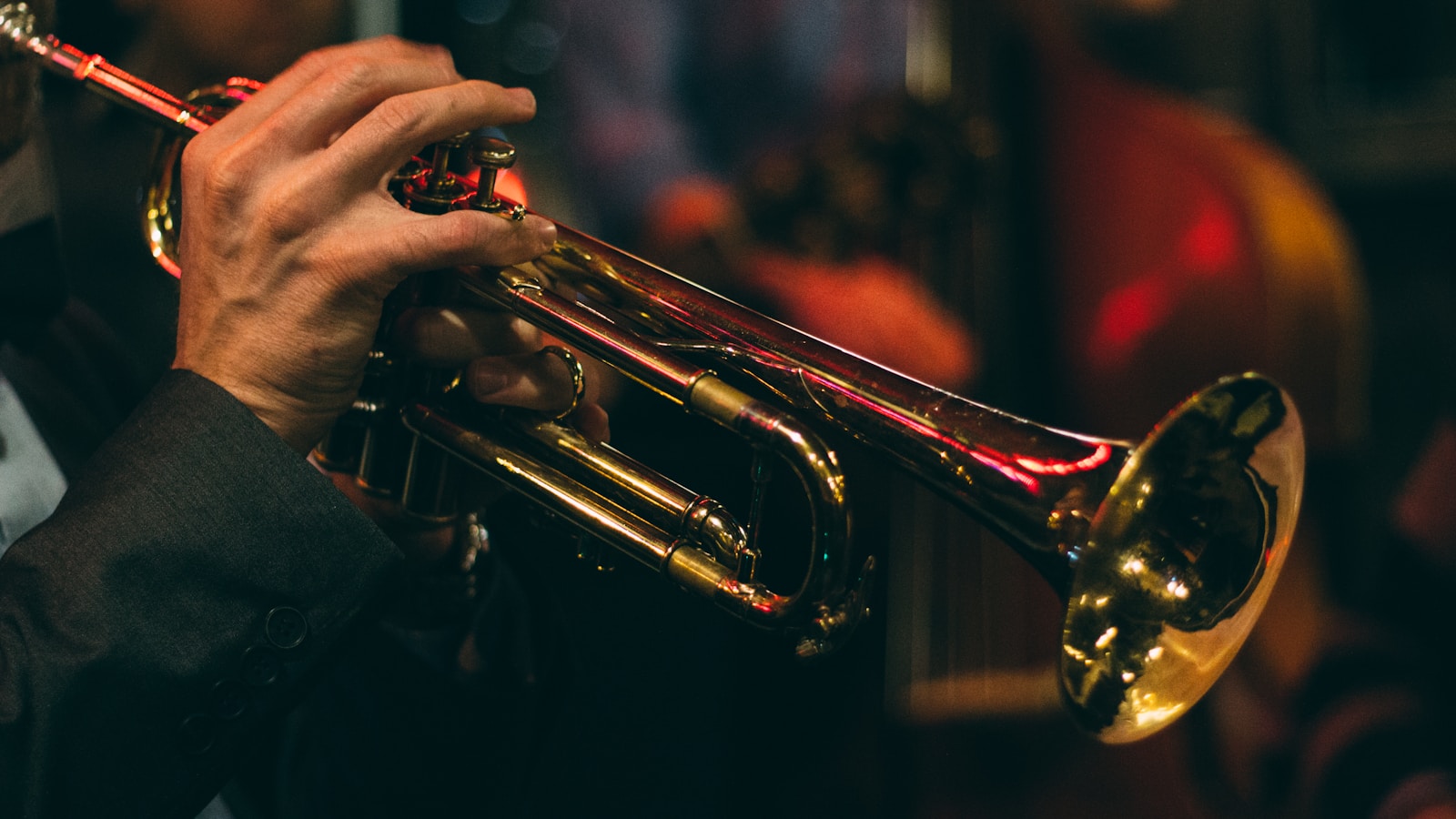
Eighteen days at Lincoln Center in the fall. The New York Film Festival has been selecting films without competitive categories since 1963 — no awards, just the films the programmers decided mattered this year. The Main Slate premieres at Alice Tully Hall in Lincoln Center — a 1,000-seat hall with some of the best sight lines and acoustics of any cinema venue in America. The post-screening Q&As with directors and cast are NYFF's most distinctive feature: these are not promotional appearances. They are genuine conversations about how films get made, what they mean, and what the filmmakers were reaching toward. The press conference format becomes, in the right moment, something more interesting than either party expected. The festival also programs a parallel section, Convergence, dedicated to experiential and experimental work, and a Revivals series that presents restored classic films alongside the new work. NYFF is for the film enthusiast who treats cinema as the art form it is — not content, not IP, but a form of human expression that requires the kind of attention the festival demands and rewards. It is for the person who wants to see the films that will define the awards conversation before the campaign season begins. It is for anyone who has sat in a dark room and felt something shift in how they understood the world. If any of those sentences describe you, the NYFF calendar is worth knowing. New York in late September is mild — jacket weather, perfect for walking the Lincoln Center campus between screenings. Single-ticket sales open to the public approximately two weeks before the festival; passes go on sale earlier. Film at Lincoln Center, 165 West 65th Street, is on the Upper West Side, accessible by subway (1 train to 66th Street/Lincoln Center). Hotel options throughout Manhattan; Airbnb in the Upper West Side neighborhoods puts you walking distance from the venues. The 64th edition will include films that win major awards, films that define the critical conversation of 2027, and films that haven't been made in the mode before. Knowing which films they are before anyone else is the only advantage the NYFF calendar gives you. Tickets and passes at filmlinc.org.
Sep 25 – Oct 19, 2026
22
Fair Park, 3921 Martin Luther King…
Twenty-four days. More total attendance than any other state fair in America. A new fried food every year, and the city of Dallas reorganizing its calendar around it. Fair Park is a permanent venue of architectural significance — a 277-acre National Historic Landmark built for the 1936 Texas Centennial Exposition, featuring 50 buildings of Art Deco design that serve as the fair's permanent infrastructure. The experience is enormous in every dimension: 150+ food vendors including the annual Fried Food Competition whose winners become national food media stories, livestock exhibitions on genuine agricultural scale, a midway larger than most county fair grounds, and the Cotton Bowl stadium hosting the Red River Rivalry game between Texas and Oklahoma during fair week — one of the most attended college football rivalries in the country. The State Fair of Texas has operated continuously since 1886. This is for people who want to understand Texas — and by extension, a significant portion of American identity — from the inside. Texas pride is not a tourism concept here; it's the air the fair breathes. If you're from Texas, this is homecoming. If you're not, it's one of the most genuinely all-consuming cultural experiences available in the country. The fair is not for people who want curation or sophistication — it's for people who want scale, authenticity, and the particular pleasure of sharing space with two million people who are genuinely happy to be exactly where they are. The Cotton Bowl game (Red River Rivalry, typically early October) is peak week for attendance — visit mid-week in late September for the best experience-to-crowd ratio. The Fried Food Competition results are announced in early October; visiting afterward means eating the year's winning creation. DART light rail provides direct access to Fair Park. Buy Big Tex passes on the official site in advance for savings. The Creative Arts and Agriculture buildings are undervisited by casual fairgoers and worth two hours each. Most people outside the South have never seriously considered the Texas State Fair as a destination. They should. The combination of historic Fair Park, Texas culture at full volume, Big Tex, and the country's most creative fried food competition creates a context you cannot access anywhere else. September 25 – October 18, 2026, Fair Park, Dallas, TX. Tickets and schedule at bigtex.com.
The admission is earned by completing actions — volunteering, signing petitions, raising awareness for global causes. You buy a ticket by doing something. Then 60,000 people gather in Central Park. The experience at the Global Citizen Festival is Central Park in its most elevated state. The Great Lawn becomes a real concert venue for one day — production values matching any arena show, stages facing west so the sunset falls behind the skyline, and a crowd that was specifically required to do something to be there. The lineup has historically been extraordinary: Beyoncé, Rihanna, Coldplay, Stevie Wonder, Pearl Jam, BTS, Billie Eilish, and dozens of other globally recognized artists have performed on the Central Park stage. No other free concert in the United States comes close to this lineup caliber. The combination of world-class music, the most famous park in the world, and a crowd selected by civic engagement produces something that exists nowhere else on the American event calendar. Worth it? The Global Citizen Festival is among the highest-value cultural experiences in New York — potentially in the US — for the exact cost of civic engagement plus transport to Central Park. If you live in New York, attending means completing a few actions in the app over several weeks. If you are visiting New York in late September, building the trip around the festival is a compelling proposition: the park, the concert, the specific feeling of being in Manhattan on a clear September Saturday with 60,000 other people who did something to be there. There is no other event where the barrier to entry is specifically: care about something. Global Citizen Festival entry is earned through the Global Citizen app — start earning points two to three months before the event. A single meaningful action (contacting your congressional representative, sharing a verified campaign) can earn a single ticket; multiple actions earn additional passes. West 72nd Street entrance is the standard festival access point. The Great Lawn has no shade — wear sunscreen and bring layers for the evening. Gates typically open at 3 PM; headliners go on at dusk around 6-7 PM. Bags are screened. Food and beverage are sold inside. Rideshare to the 72nd Street and Central Park West drop zone is the easiest arrival method. The festival is the reward for paying attention to the world. In Central Park, on the last weekend of September, 60,000 people who spent weeks signing petitions and making calls listen to the same music together. The transaction is real. The experience is extraordinary. September in New York.
No street clothes are permitted on the grounds. Your costume is your admission — hand-fabricated from scratch, no exceptions — and everyone in the Mojave Desert for five days has made the same commitment. Wasteland Weekend is North America’s largest post-apocalyptic festival: 4,000 to 5,000 people who built a shared world in the California desert and return to it every September. Nothing in American festival culture matches Wasteland Weekend's commitment to world-building. Every car in the lot has been modified. Every vendor stall is in character. The live music skews industrial, metal, tribal bass, and anything that sounds like a civilization ending and beginning simultaneously. Art cars drive across the lakebed at sunset while fire performers work the main stage area. The people who attend are not performing for a passive audience — they are the audience and the performance simultaneously. The dust, the scale, and the collective commitment produce something that people who have attended once spend years trying to describe accurately to people who have not. Wasteland Weekend is worth attending if you want to experience what happens when a community invests years of craft in a shared fiction. The costume requirement is the entry fee that filters for commitment — the people who show up in full welded-metal battle armor they have been building since last October are categorically different from standard festival-goers. If you have never made a costume in your life, this is not a passive spectator experience. If you have been waiting for an environment that rewards making something entirely impractical: this is it. The Mojave Desert in September averages 90 degrees Fahrenheit by day and 55 degrees at night. Weekend passes range from $250-350 for full access depending on when you purchase. Costumes are mandatory on the event grounds; street clothes are permitted only in parking and camping areas. Full on-site camping is available in designated post-apocalyptic camp areas — RV, tent, and clan-style group setups all operate. The nearest large cities are Bakersfield (90 minutes northwest) and Lancaster (40 minutes southwest). Bring desert survival gear: shade canopies, electrolytes, cooling towels. Build your costume at home. Early bird tickets sell out months in advance. Wasteland Weekend is the American festival that comes closest to what Burning Man originally described — a temporary city where every inhabitant is simultaneously a creator and a participant. The post-apocalyptic aesthetic is the frame, but the practice underneath is identical: arrive with what you made, participate fully, leave nothing but tracks in the desert. September in the Mojave.
Oct 1 – Oct 4, 2026
Discovery Park, Sacramento, CA 958…
Fans of this music describe the walk into the festival grounds as their version of homecoming - the feeling of standing in a field with thousands of people who all made the same devoted, slightly antisocial choice to love heavy music, and ended up belonging somewhere because of it. Aftershock is that field: North America's largest hard rock and metal festival, four days at Discovery Park in Sacramento every October, the one where the genre never has to justify itself. The setting is unusually right - Discovery Park sits at the confluence of two rivers, Sacramento's skyline visible past a vast open field that turns into a moshing city for four days. The lineup hierarchy is explicit: headliners are genuine legends (past years have featured Metallica, Tool, KISS, Guns N' Roses), and the undercard historically includes acts that go on to headline two to three years later, which fans use like a scouting report. If you have spent any time in heavy music, from classic metal to modern rock to the punk-adjacent edges, this is the annual reference point - the production is festival-level, the sound systems and stages genuine spectacles. It is not for casual rock listeners; it is for people who have opinions about guitar tones and setlists and who have argued about who should close Saturday night. Sacramento in early October is perfect festival weather, warm days and cool evenings, and Discovery Park offers on-site camping, which most veterans recommend - the commute logistics disappear and the four-day immersion becomes total. VIP options exist, but general admission gets you everywhere that matters. Arrive Thursday for the full opener sets; the Thursday lineup consistently punches above its placement, and regulars treat it as mandatory. Whether you go or track the lineup from home, the festival is a measuring stick for a genre that runs deeper than its mainstream coverage suggests.
Austin City Limits Music Festival 2026 is one of America's great outdoor music weekends — a two-weekend event held in Zilker Park, Austin, TX every October that consistently books the biggest names in music across eight stages over three days, twice. Since 2002, ACL Fest has grown into a defining moment of the American festival calendar, drawing 75,000 fans per day to the banks of Barton Creek in the Texas capital.
What does ACL Fest feel like? The answer changes depending on the hour. At 11am, it is a sun-drenched park with scattered clusters of music fans settling into the grass, coffee in hand, watching an artist they have never heard of become their new favorite. By 4pm, the crowd at the main stage has swelled to tens of thousands and the sound system is moving your chest from a quarter-mile away. By 8pm, the Austin skyline is lit behind the stage and whatever headliner is playing has earned every second of it. The food is genuinely good — Austin ensures that. The crowd is multigenerational and music-literate. People at ACL came to hear music, not just to be seen at a festival.
Is ACL Fest worth it? Yes — with context. Weekend 1 is the cultural moment; Weekend 2 has smaller crowds and the same lineup. If you want to actually see the headliners without fighting for position, Weekend 2 is underrated. Three-day passes go fast but single-day tickets usually remain available. If you are flying in for one headliner, book your travel the moment lineup drops — Austin hotel prices surge aggressively on festival weekends. ACL is not a camping festival; this is a park event in an actual city, which means real food, real bathrooms, and the ability to retreat to your hotel when the day is done.
Before you go: wear sunscreen and bring sunglasses — Zilker Park has minimal shade. Cash goes far at food vendors but card is accepted everywhere. The park has multiple entry gates; the South entrance near Barton Springs Road typically has shorter lines. Arrive early for smaller acts you care about — the mid-sized stages fill up faster than the mains. And stay for the full headliner set; ACL sunsets behind the stage are worth it.
Austin City Limits Fest makes Nation's Best because it is a festival that takes music seriously. The lineups span indie rock, hip-hop, country, electronic, and pop — booked by people who care about what they are booking. The park, the city, the Texas October air: these are the conditions for a genuine music memory. Two weekends in October 2026 — Zilker Park, Austin, TX. Tickets at aclfestival.com.
Oct 2 – Oct 4, 2026
Hellman Hollow, Golden Gate Park, …
Hardly Strictly Bluegrass is a three-day outdoor music festival in Golden Gate Park that operates under a radical premise: completely free, no corporate sponsors, over 100 acts across six stages, running since 2001 on the endowment of the late Warren Hellman. No admission, no tickets, no wristbands. You show up to Golden Gate Park and walk from stage to stage across a stunning festival footprint at the western edge of the park.
The music spans genuine bluegrass alongside folk, country, Americana, and anything adjacent — the programming reflects the genre's deep roots while embracing contemporary voices. Artists from across the country and internationally perform across the three-day weekend. Weekend crowds routinely exceed 750,000 over the run. Accessible from SoCal by Southwest or Alaska flights into SFO, or Amtrak Coast Starlight to Emeryville. Golden Gate Park's Hellman Hollow and Speedway Meadow are the core festival zones. Bring a blanket, layers for the afternoon fog, and a reusable water bottle. Check hardlystrictlybluegrass.com for the lineup closer to the October festival date.
Oct 2 – Oct 11, 2026
Zilker Park, 2100 Barton Springs R…
You go to see one band and end up standing next to someone in full Western wear watching a rapper, then drift to a stage where a UK indie group is playing to a crowd that clearly drove eight hours to be there - that accidental collision is the whole point of this festival. Austin City Limits takes over Zilker Park across two back-to-back weekends: eight stages, 130 acts, the Colorado River right there, and a run going back to 2002 that still feels essential. The October heat softens by festival weekend, and Zilker stretches from downtown to the river in a layout that rewards wandering - you discover sets by accident here more than at any other festival. The food and drink lean distinctly Texan: breakfast tacos before the first set, local barbecue at lunch, cold Lone Star at dusk. If you build a music calendar around experiences rather than single acts, ACL is worth it - the lineup depth is the selling point, with 20-plus acts playing simultaneously across stages spread far enough apart that the sound never bleeds. Two-weekend passes offer replay value: same lineup, different set choices, different crowd energy. But if you are going for one headliner and leaving, stay home; ACL rewards people who treat it as a three-day residency in a park. A few things to know: Zilker has limited shade, so a packable hat and sunscreen are non-negotiable, and water refill stations are free throughout. Rideshare zones sit blocks from the entrance, adding a 10-15 minute walk each way; parking is brutal, so train-plus-walking is the local move. Lockers are rentable for one or three days. Gates open at 11 AM. Cell signal gets overwhelmed mid-afternoon - download set times and the park map in advance. Weekend 2 is historically slightly cooler; Weekend 1 draws marginally larger crowds. What ACL ultimately proves is that a city can build a music institution from scratch in twenty years. Austin's live music infrastructure - South by Southwest in March, the Stubb's circuit year-round, ACL in October - makes the whole thing feel organic rather than manufactured, and it competes with Coachella and Lollapalooza on lineup caliber while surpassing both on accessibility for fans who value discovery over spectacle. October in Austin, Texas.
Oct 3 – Oct 4, 2026
Los Angeles Convention Center, 120…
Some people can tell you why one colorway of one shoe matters — why a brand's choice of collaborator says something real about where culture is heading. For two days every November in Long Beach, all of them are finally in the same room, reading each other's choices with the fluency of a language they all speak. ComplexCon is what happens when hype culture and art culture occupy the same floor at once. Brands unveil exclusive collaboration drops available only to attendees, in quantities controlled tightly enough that real lines form before doors open and sell-out timelines run in minutes. Sneaker collectors arrive with curated grails to trade or sell at tables throughout the show. Artists install work commissioned to exist here and nowhere else - not promotional material, actual originals. Musicians perform on the ComplexCon stage across both days. Both things happening simultaneously is the tension that has made this one of the most documented cultural events in streetwear media since its first edition. If your relationship to streetwear, sneaker culture, or contemporary art sits somewhere between collector and participant, this is the one event where those identities fully coexist. It is not for people skeptical of hype or limited drops. It is very much for people who track the secondary market. The product is secondary anyway - the community is the event, and the answer to what it looks like when the internet's most culturally aware community occupies physical space together is exactly as recognizable as you'd hope. ComplexCon is at the Long Beach Convention Center, about 30 minutes from downtown LA by Metro A Line (Blue) to the Long Beach Transit Hub, then a short rideshare. Parking is available but both days bring significant traffic. Wristband systems vary by brand and some require advance registration; follow brand announcements for specific release info before the event. General admission is the standard ticket; VIP adds early access and lounge areas. The ComplexCon app provides real-time stage schedules, exhibitor maps, and drop alerts. November in Long Beach.
Oct 3 – Oct 4, 2026
Long Beach Convention Center, Long…
ComplexCon 2026 marks the 10th anniversary of the world's premier convergence culture festival, returning to Long Beach on October 3 and 4. In a decade, ComplexCon has become the most culturally dense weekend event in the United States: two days where streetwear, sneakers, music, art, food, and the creators behind all of it occupy the same space simultaneously.
The experience is structured chaos. The convention floor is a marketplace of rare drops and exclusive collaborations from brands that do not sell like this anywhere else. On any given hour, a sneaker brand is dropping a colorway while a musician performs fifty feet away while an artist signs prints in limited quantity at a pop-up while a food vendor from a city the crowd knows only by reputation serves a six-hour line. ComplexCon does not sequence this. It is designed to feel like everything is happening at once, because it is.
ComplexCon is worth attending for anyone who participates in the intersection of streetwear, music, and contemporary art. It is not for the person who wants curated, low-crowd experiences. The crowd is the point. The density is intentional. You go to ComplexCon to be inside the culture.
What to know: tickets sell out significantly in advance, particularly weekend passes. Lines for exclusive brand drops start forming before doors open. Bring comfortable shoes and a bag. Food options are genuinely good. Music programming runs through both evenings and is included with admission. Plan for crowds at every stage.
The 10-year anniversary edition is expected to be the largest ComplexCon yet, bringing back brand partnerships and exclusives from the first few years. For collectors and culture participants, this edition carries historical weight: a decade of a format that was created to bring the internet's most influential communities into a shared physical space.
ComplexCon is on Falkor's Nation's Best list because it is the rare event where cultural identity is the primary product. The merch is evidence. The performances are signal. But the real transaction happening all weekend is the same one that happens on Falkor: people discovering that what they care about is also cared about by thousands of others, in person, all at once.
Oct 3 – Oct 4, 2026
Long Beach Convention Center, Long…
ComplexCon 2026 marks the 10th anniversary of the world's premier convergence culture festival, returning to Long Beach on October 3 and 4. In a decade, ComplexCon has become the most culturally dense weekend event in the United States: two days where streetwear, sneakers, music, art, food, and the creators behind all of it occupy the same space simultaneously.
The experience is structured chaos. The convention floor is a marketplace of rare drops and exclusive collaborations from brands that do not sell like this anywhere else. On any given hour, a sneaker brand is dropping a colorway while a musician performs fifty feet away while an artist signs prints in limited quantity at a pop-up while a food vendor from a city the crowd knows only by reputation serves a six-hour line. ComplexCon does not sequence this. It is designed to feel like everything is happening at once, because it is.
ComplexCon is worth attending for anyone who participates in the intersection of streetwear, music, and contemporary art. It is not for the person who wants curated, low-crowd experiences. The crowd is the point. The density is intentional. You go to ComplexCon to be inside the culture.
What to know: tickets sell out significantly in advance, particularly weekend passes. Lines for exclusive brand drops start forming before doors open. Bring comfortable shoes and a bag. Food options are genuinely good. Music programming runs through both evenings and is included with admission. Plan for crowds at every stage.
The 10-year anniversary edition is expected to be the largest ComplexCon yet, bringing back brand partnerships and exclusives from the first few years. For collectors and culture participants, this edition carries historical weight: a decade of a format that was created to bring the internet's most influential communities into a shared physical space.
ComplexCon is on Falkor's Nation's Best list because it is the rare event where cultural identity is the primary product. The merch is evidence. The performances are signal. But the real transaction happening all weekend is the same one that happens on Falkor: people discovering that what they care about is also cared about by thousands of others, in person, all at once.
Oct 4 – Oct 12, 2026
From $15 (daily)
Balloon Fiesta Park, 5000 Balloon …
At dawn on mass ascension days, hundreds of hot air balloons inflate on the field at once and rise together above the Rio Grande valley. The Sandia Mountains turn pink behind them. You will describe this to people for years. The Mass Ascension is the centerpiece: twice during the fiesta's run, hundreds of hot air balloons — ranging from classic teardrops to balloons shaped like animals, cartoon characters, and abstract sculptures — launch in waves from the launch field as the sun rises over the mountains. The scale of it is genuinely difficult to photograph adequately. You are standing in a field watching the sky fill, slowly and then all at once, with color. The Balloon Glow events — where tethered balloons illuminate simultaneously after dark, turning the field into a landscape of lanterns — are equally stunning in a quieter way. Is the Albuquerque Balloon Fiesta worth it? Yes, with no caveats. This is one of the most visually singular events in North America. You do not need to be a balloon enthusiast to be moved by the Mass Ascension. The event is family-appropriate, accessible, and designed for the general public — not a niche audience. The Special Shape Rodeo, where unusual balloon designs launch together, is particularly good for children and for anyone who has ever found a hot air balloon shaped like a bee with a thousand others inexplicably delightful. Before you go: the event grounds open at 5am for Mass Ascension days — arrive early for field access and good viewing position. Parking is extensive but fills fast; shuttle services from remote lots are the recommended approach. October mornings in Albuquerque are cold (30s–40s°F at launch time) and afternoons are warm; dress in layers. The Gondola Club offers premium field access. Many attendees come for a single day; the full nine days is for balloon devotees. Tickets are purchased in advance. Albuquerque, New Mexico. October 4–12, 2026. The Albuquerque Box Effect — a unique wind phenomenon created by the surrounding mountain geography — is what makes the city the balloon capital of the world. Balloons can fly in different directions at different altitudes, allowing pilots to navigate with precision that would be impossible elsewhere. Festival organizers understood this in 1972 and built an institution around it. The location is not incidental. It is the reason the event is what it is.
Oct 8 – Oct 11, 2026
From $45 (1-day)
Jacob K. Javits Convention Center,…
The Javits Center in October, a hundred thousand people in four days, every niche of pop culture in one building — and the streets of Hell's Kitchen turning into something you've never seen on a regular Tuesday. The Javits Center fills with a programmatic density that rewards strategic planning. Main stage panels feature talent from the year's biggest genre properties. The show floor covers hundreds of thousands of square feet of publishers, studios, collectibles vendors, and artist booths. Artist Alley at NYCC skews heavily toward comics — the original fanbase — alongside anime, gaming, and TV, giving it a different character than conventions that have shifted more entirely toward film and streaming. The autograph and photo op schedule is extensive; tickets for specific sessions go on sale in advance and sell out. New York Comic Con in 2026 is celebrating twenty years, and the Coney Island theme suggests organizers are going big on identity and atmosphere. The anniversary edition will likely bring programming and exclusives designed for the occasion. If you have been considering NYCC as a destination event, this is the year to go. The East Coast advantage: NYCC is adjacent to one of the world's great cities. The convention ends at 7pm and New York starts. Restaurants, bars, and attractions are all accessible from the Javits Center. Hotel inventory near the venue is limited; book early and consider Hudson Yards or Hell's Kitchen options within walking distance. Tickets go on sale in June with a Superfan Presale for Popverse members opening before general on-sale. Javits Center, New York City. October 8–11, 2026. New York Comic Con was founded in 2006 and reached 250,000 attendance within its first decade. The 20th anniversary edition in 2026 with the Coney Island theme signals that the organizers are treating this as a milestone year — expect expanded programming, anniversary exclusives, and a level of production that reflects two decades of iteration. If you have been waiting for the right year to make NYCC a destination trip, the 20th anniversary is the obvious choice.
Oct 8 – Oct 11, 2026
Javits Center, New York City, NY
New York Comic Con 2026 is the largest pop culture convention on the East Coast and one of the top three in the world — a four-day celebration of comics, film, television, anime, gaming, and cosplay held at the Javits Center in Manhattan every October. Drawing over 200,000 attendees across its run, NYCC has evolved from a comics industry gathering into a full-scale cultural event where studios drop trailers, publishers announce series, creators meet fans, and the pop culture calendar crystallizes for the year ahead.
What does NYCC feel like? Dense. Exciting. Occasionally overwhelming, and worth it. The Javits Center sprawls across multiple floors and connected spaces, with the main floor dedicated to publishers, studios, merchandise, and artist alley — where working comics artists sit behind tables and draw commissions in real time. Panels in the theater halls fill hours before the biggest announcements; the line for Hall H equivalents snakes through the Javits halls at 6am. The cosplay is world-class — New York cosplayers treat October as their moment and dress accordingly. The energy of midtown Manhattan bleeding into the convention center creates something that convention centers in suburban locations simply cannot replicate: real city energy, real stakes, and a sense that what happens here matters to the culture.
Is NYCC worth it? For comics fans, anime fans, and anyone who follows film/TV development closely: absolutely. This is where talent shows up, where announcements happen, and where the industry takes the pulse of its audience. For casual fans who want to browse and take photos: also yes, though the floor can be overwhelming without a plan. Four-day badges are the most valuable but single-day passes let you target what you care about most. Thursday is lightest; Saturday is at full capacity.
Before you go: buy badges the moment they go on sale — NYCC sells out, and the resale market is aggressive. Register for panels through the separate lottery system (NYCC's panel reservation system opens weeks before the show). The Javits Center has expanded in recent years; allow time to navigate between halls. Midtown hotels book up on NYCC weekend; book early or stay in Brooklyn and take the subway. Comfortable shoes are mandatory — you will walk 8–12 miles across the weekend without noticing.
New York Comic Con makes Nation's Best because it sits at the intersection of where pop culture gets made and where it gets received. Studios choose this room for announcements because the audience understands what they are watching. That specificity — industry seriousness inside a fan celebration — is rare. October 2026 — Javits Center, New York City. Badges at newyorkcomiccon.com.
Oct 10 – Dec 13, 2026
21778 FM 1774, Todd Mission, TX 77…
Fifty-five acres in Todd Mission, Texas, eight themed weekends from late September through November. The Texas Renaissance Festival is the largest in the country — and it takes the concept seriously. Each weekend runs a different theme — Celtic Christmas, Halloween/All Hallows Eve, and specialty arts and family weekends — meaning the crowd, entertainment, and atmosphere shift dramatically from week to week. Six stages run simultaneously throughout the day: jousting tournaments, birds of prey demonstrations, fire performers, comedy troupes, and human chess matches. The Turkey Leg is a cultural institution unto itself; the Polonia Restaurant (authentic Polish food on the grounds) has its own dedicated following. Camping on the festival grounds is available and encouraged — staying overnight is its own experience, distinct from the day-visit version. The show closes at 8 PM but the energy runs later. Theme weekends attract different audiences: Celtic Christmas draws costumed annual returners; Halloween weekend brings the largest single-day crowds of the season. If you have attended a Renaissance festival anywhere in the country and thought it could be larger — you haven't seen larger. This is the template that smaller festivals try to replicate, and no other event in the country puts 500,000 people through a 55-acre living history environment across eight consecutive weekends. It is for people who love craft, performance, cosplay, and the kind of community that builds around all three. It is not for people who want to check off an attraction in two hours. The Texas Ren Fest rewards the visitor who stays, explores, and comes back. Buy tickets online in advance — on-site prices are higher and entry lines longer. Arrive at the 9 AM opening to witness the King and Queen gate ceremony; it sets the tone for the day. Bring cash: 00–200 per person is a realistic budget for food and artisan purchases, as card readers are inconsistent. Wear comfortable, closed-toe shoes — 55 acres of uneven ground and dust make anything else a mistake. Approach the grounds from Highway 105 (north) to avoid the worst traffic backup. Pick five or six must-see performances before arriving and let everything else happen organically; first-timers who try to see everything see nothing. The themed-weekend structure means it is functionally eight different festivals. Celtic Christmas, in late November, has its own cultlike following among people who return annually in period costume. The Texas Ren Fest has been operating for over 50 years and still generates the reaction of someone discovering it for the first time. Season opens September 26, 2026. Tickets and theme weekend schedule: texrenfest.com.
The waitlist to qualify for Kona is typically two to five years of dedicated racing. In 2026, the athletes who earned it — approximately 3,000 of them — swim, bike, and run 140.6 miles in a single October day under the Hawaii sun. For the first time since 2022, the men’s and women’s races return to Kona on the same day. The energy along Ali'i Drive in Kona on race day is something endurance athletes describe as indescribable. The lava fields under mid-day heat, the headwinds on the Queen Ka'ahumanu Highway, and then the nightfall run back into town. The finish line on Ali'i Drive stays open until midnight. When an athlete crosses within 17 hours, they earn the famous IRONMAN finisher's medal and the words: "You are an IRONMAN." For spectators, Ali'i Drive during the swim start and the run finish are the same real estate -- this is where the race begins and ends, and where the most emotional moments in American sports happen every October. IRONMAN Kona is for anyone who has ever looked at an endurance athlete and felt a pull they could not explain. You do not have to be a triathlete or even a runner to feel something watching a 64-year-old attorney who trains at 4am complete a 140.6-mile race under the Hawaiian sun. The event is free to spectate along much of the course. For those who want to race: qualification is through the IRONMAN circuit -- race a qualifying event and earn a Kona slot, a process that typically takes 2-5 years of dedicated training. Kailua-Kona is a small town on the west coast of the Big Island. Hotels book out 12-18 months in advance for Kona week -- plan early. The athlete registration and pre-race expo at Pier 7 are open to spectators the week before the race. Ali'i Drive is the center of the universe during race week. Park away from the drive and walk in. The race is broadcast live on YouTube and NBC Sports -- the finish line camera stays live until midnight for the most dramatic sports television of the year. To know this race exists, that 3,000 humans willingly swim through open ocean and then bike into a lava desert and then run a marathon in October heat, and that the finish line stays open until midnight for them to cross, is to understand something true about what humans choose to attempt. 2026 returns both races to Kona for the first time in four years. Race information and qualifying schedule at ironman.com. October 10, 2026.
For the first time in four decades, the country's longest-running craft beer competition steps outside - two days under the open Denver sky, 300 breweries, the whole thing rethought after 40 years indoors.
What happens on the floor is a curated education in American brewing. Hundreds of breweries pour samples across organized sections by style - sours, lagers, IPAs, stouts, sessionable ales, and experimental categories that did not exist as named styles ten years ago - and the pouring representatives are often the brewers themselves. A conversation that starts at a sample cup can end with an invitation to tour the brewery. The density of craft knowledge on this floor is unmatched anywhere in the country. It is worth attending for anyone who drinks craft beer with intent, for people who want to understand why American craft brewing became a global benchmark, or for anyone curious what beer tastes like when it is made by someone who cares more about the liquid than the label - but it is not a music festival, it is a tasting event first.
Tickets go on sale in July, starting with a presale for Brewers Association and American Homebrewers Association members, and public tickets typically sell out within hours. The outdoor Levitt Pavilion venue means weather planning for October in Denver. Sessions run 12pm to 4pm both days. Designated driver tickets are available. Drink water. GABF has crowned the best American craft beers since 1982, and the competition results announced at the festival shape what breweries brew and what distributors carry for the following year - a GABF medal is the craft brewing equivalent of a Michelin star, and the public tasting gives you access to the same beers the judges evaluated, poured by the people who made them. American craft brewing is one of the defining cultural exports of the past forty years, a grass-roots rebellion against industrial uniformity that built its own infrastructure, vocabulary, and community from scratch, and GABF is where that community gathers annually to declare what it has accomplished. The Great American Beer Festival 2026 takes place at Levitt Pavilion in Denver, CO.
The Great American Beer Festival 2026 takes place October 10 and 11 at Levitt Pavilion in Denver, Colorado, in a historic format shift: for the first time in the festival's history, GABF moves outdoors. Produced by the Brewers Association, GABF is the largest and most prestigious craft beer competition in the United States, and the public tasting event is the closest most people will ever get to the actual judging process.
The experience is a curated education in American craft brewing. Hundreds of breweries pour samples across organized sections by style: sours, lagers, IPAs, stouts, sessionable ales, and experimental categories that did not exist as named styles ten years ago. Pouring representatives are often the brewers themselves. Conversations that start at a sample cup can end with a brewery tour invitation. The density of craft knowledge on the floor is unmatched anywhere in the country.
GABF is worth attending for anyone who drinks craft beer with intent, for people who want to understand why American craft brewing became a global benchmark, or for anyone curious about what beer tastes like when it is made by someone who cares more about the liquid than the label. It is not for anyone expecting a music festival atmosphere. This is a tasting event first.
What to know: tickets go on sale in July, starting with a presale for Brewers Association and American Homebrewers Association members. Public tickets typically sell out within hours. The outdoor Levitt Pavilion venue means weather planning is necessary for October in Denver. Sessions run 12pm to 4pm on both days. Designated driver tickets are available. Drink water.
GABF has crowned the best American craft beers since 1982. The competition results, announced at the festival, shape what breweries brew and what distributors carry for the following year. Winning a GABF medal is the craft brewing equivalent of a Michelin star. The public tasting gives attendees access to the same beers the judges evaluated, poured by the people who made them.
American craft brewing is one of the defining cultural exports of the past forty years: a grass-roots rebellion against industrial uniformity that built its own infrastructure, vocabulary, and community from scratch. GABF is where that community gathers annually to declare what it has accomplished. It belongs on Falkor's Nation's Best list.
One of the six World Marathon Majors, 45,000 runners, a flat course through Chicago's most iconic neighborhoods. The Chicago Marathon is the benchmark race for runners who have qualified. The Chicago Marathon's legendary flatness is not just a runner's selling point -- it is a spectator advantage. The course loops through neighborhoods that are genuinely Chicago: the Gold Coast, Chinatown, Pilsen, Boystown, Lincoln Park, and back to Grant Park. Local businesses set up unofficial aid stations with beer and tacos along the course. Neighborhood block parties break out spontaneously. The finish line on Columbus Drive, with the Chicago skyline as backdrop, is one of the most photographed moments in American endurance sports. 1.7 million spectators attend each year -- one of the largest sporting audiences in the country on any given day. If you want to run a fast marathon for the first time, Chicago is the answer. The course is flat, the crowd support is relentless, and October weather is ideal for performance. Entry is through a lottery system (opens February, closes March) with charity bib options available year-round. Spectating is completely free along the entire course. The Chinatown stretch at mile 13 is worth the trip alone -- the neighborhood goes all out, every year. Book Chicago accommodations in July at the latest -- Marathon Week hotel rates double and triple around the race. The start and finish in Grant Park is easily accessible via Red Line (Grand or Lake stops). Best spectator spots: mile 9 Boystown, mile 13 Chinatown (the neighborhood goes all out), and the final stretch on Columbus Drive. Volunteer registration opens in September and fills fast. Track runners through the official race app on race day. A race that draws the world's fastest marathon runners to the same course as a 72-year-old retiree completing their bucket list is a genuinely democratic cultural event. In a sport increasingly defined by exclusion, Chicago runs one of the most accessible World Majors on Earth. Entry and charity bibs at chicagomarathon.com. October 11, 2026. Start and finish: Grant Park, Chicago, IL.
Oct 14 – Oct 17, 2026
20 Hudson Yards, New York, NY 10001
Picture the chefs you have been watching on television standing two feet away, actively cooking, actually talking to you - and now picture hundreds of them in tents along the Hudson River, in October, in the most food-serious city in the country. Four days of the best culinary talent in America, James Beard Award winners among them.
The festival spans dozens of individual events across the city, from Grand Tastings at Hudson Yards to intimate chef dinners and late-night after-parties. The Grand Tastings are the anchor: enormous walkthrough experiences where you sample dishes from hundreds of chefs alongside wines, spirits, and cocktails curated from producers across the world. The programming is organized around themes - ocean-to-table, global flavors, pastry and dessert, fire and smoke - so there is a clear entry point depending on what kind of food person you are. This one is for people whose food obsession is an identity, not a hobby: industry professionals, serious food media, and deeply passionate civilian food lovers occupying the same space. If you follow food the way others follow sports - tracking restaurants, reading cookbooks, knowing what won the James Beard this year - this is built for your specific kind of enthusiasm.
General admission tickets are available; VIP tiers offer more intimate experiences. Tickets sell out, particularly for the Saturday and Sunday Grand Tastings, so buy early - the best sessions are gone before October. Individual event pricing varies; budget for both the events and the inevitable great meal you will want afterward. The festival benefits two nonprofits, God's Love We Deliver and No Kid Hungry, so the spend carries an added dimension. Wear comfortable shoes: Grand Tastings are standing events and you will walk miles across the tasting floor. This is where the American food conversation happens in person, once a year - the restaurants, the chefs, the trends - and where that knowledge becomes communal. New York in October, food as identity, the entire industry in one place. The NYC Wine & Food Festival takes place in New York, NY.
Oct 15 – Oct 17, 2026
Wyndham Orlando Resort, 8001 Inter…
Spooky Empire is one of the largest and most respected horror conventions in the United States — an annual October event held in Orlando, Florida that draws celebrities from horror cinema, professional cosplayers, genre collectors, and a community of fans who treat their love of horror as both a passion and an identity.
The atmosphere at Spooky Empire is specific and unambiguous. This is not Halloween tourism. This is a convention hall that smells like prosthetics and body paint, full of people who can tell you the exact difference between the original Halloween and the 2018 sequel without checking their phone. Celebrities from across the horror genre — film stars, directors, effects legends, genre authors — appear for autographs and photo ops in a format that gives you actual time with them, not a two-second handshake. The dealer floor has vintage VHS, hand-crafted props, original art, and merchandise you will not find on Amazon.
Is it worth attending for horror fans? Yes — without qualification. Spooky Empire is what genre fandom looks like when it takes itself seriously. The production quality is high. The celebrity access is real. The community recognizes each other. It is one of the few spaces where your depth of knowledge about horror history makes you exactly the right kind of person in the room.
What to know before you go: The event runs across a full weekend — Friday through Sunday. Celebrity lineups are announced in waves; early bird badges sell out faster than most fans expect. Hotel blocks adjacent to the venue fill quickly and booking through the convention block saves money and guarantees proximity. Bring cash for the dealer room — many small vendors do not accept cards. Elaborate costumes are encouraged and genuinely admired, not treated as novelty.
Spooky Empire represents a corner of American culture that most people know exists but rarely encounter from the inside — a community organized entirely around the catharsis of fear, the artistry of genre filmmaking, and the kind of shared vocabulary that only exists when you have all watched the same things and been changed by them. October 15 through 17, 2026, Wyndham Orlando Resort at International Drive. Tickets and celebrity lineup at spookyempire.com. Celebrity booking at Spooky Empire operates differently than mainstream conventions — autograph prices are set by management and photo ops are scheduled in advance, giving fans a genuine interaction rather than an assembly-line experience.
Oct 16 – Oct 17, 2026
$179-$375
Mana Wynwood, 318 NW 23rd St, Miam…
There is a warehouse in Wynwood where the walls still vibrate from last year's bass — and every October, the entire neighborhood surrenders to III Points, the festival that built itself by refusing to choose between underground and unmissable.
III Points returns to Mana Wynwood in Miami on October 16–17, 2026, with a lineup that reads like someone raided the playlists of every music nerd you respect and put them all on the same bill. Underworld brings two decades of progressive electronic anthems. Four Tet builds the kind of layered, hypnotic sets that make time stop. Flying Lotus dissolves the boundary between live instrumentation and digital production. Blood Orange turns vulnerability into art you can dance to. And GZA performs Liquid Swords in its entirety — a 1995 masterpiece that most hip-hop heads consider sacred text, performed front to back for the first time in years.
The festival sprawls across more than 10 stages, threading through Wynwood's art-district architecture with immersive installations and site-specific design that makes III Points feel less like a festival and more like a city that only exists for two nights. Charlotte de Witte anchors the techno stages. Honey Dijon brings the house. Parcels and Men I Trust hold down the indie flank. The 444 stage features four-hour sets from Floating Points, Seth Troxler, and DJ Harvey — the kind of programming that rewards people who know what they are looking for.
If you are the kind of person who scrolls past mainstream lineups looking for the one name that makes you stop — III Points is where those names headline. If you are looking for a festival that plays it safe, this is not it. This is the festival for people who trust the curators more than the algorithm, and it has never let them down.
Tickets range from $179 to $375 through iiipoints.com. Miami in October is still warm enough to be outside at midnight without thinking about it, and Wynwood at night, lit up by murals and bass and ten thousand people who chose this over everything else happening in Miami that weekend — that is the experience that makes people plan their next trip before the current lineup drops. VIP+ is new for 2026, with expanded square footage, improved flooring, and dedicated lounge access across the festival grounds. This is the festival that proves Miami has more to offer than pool parties and pop-up DJs — it has a real underground, and III Points is where it surfaces every fall.
Oct 17 – Oct 18, 2026
Las Vegas Festival Grounds, 2901 L…
When We Were Young Festival 2026 returns to the Las Vegas Festival Grounds October 17-18 — the emo and pop-punk revival event that became a cultural moment. Paramore, My Chemical Romance, Avril Lavigne, Panic! At The Disco alumni, Taking Back Sunday, The Used — the same crowd that wore black eyeliner in 2007 and still knows every word today. Why go: WWWY is a two-day therapy session for everyone who grew up on Hot Topic playlists. The crowd sings louder than the bands. Tickets at whenwewereyoungfestival.com.
You have been homesick for twenty-five years for a place that was never real. A bathhouse lit gold over black water. A train that only runs one way, across a flooded world, into the dark. Spirited Away gave you that homesickness the first time you saw it — and this October, for one week only, its 25th anniversary and the finale of Studio Ghibli Fest 2026, Hayao Miyazaki's masterpiece comes back to the big screen where the ache belongs.
There is a particular silence that falls over a theater full of people who love the same film. The lights drop, Joe Hisaishi's first piano notes land, and a room of strangers stops breathing at the same moment. Ghibli Fest runs both the subtitled original and the English dub, with a piece of surprise content before each show. But the real event is the crowd — parents who were kids when this came out, now holding the hands of kids seeing it for the first time; longtime fans catching a detail they'd missed on every laptop rewatch; someone two rows back crying quietly and not caring who sees. Even if you've seen it a dozen times, you have not seen it like this.
If Spirited Away is a film you carry around inside you, this isn't a question — you go. Projected, at scale, with sound that fills the room, is the version it was made for. It's rated PG and open to almost everyone, though No-Face and the spirit world can frighten very small children — parents of under-sevens should know that going in. This is not a movie to leave on in the background. It's two hours built to move you, in a room full of people who came to be moved alongside you.
Tickets run through the official Ghibli Fest and participating theater box offices, and the anniversary finale sells out earliest of the whole festival — buy ahead. Choose your format on purpose: the dub is the gentle way in for young kids, the subtitled original is what the purists want. Come early for the pre-show content most latecomers miss. Go on a weekend evening if you can, when the theater fills all the way up and the silence gets deeper.
Some films you own and still leave the house for. At twenty-five, Spirited Away is less a movie than a place people keep returning to — and going back together, in the dark, is how you remember why it marked you. One week in October. Then the train pulls away again.
Oct 23 – Oct 25, 2026
$150+
Circuit of the Americas, 9201 Circ…
You feel it in your chest before your ears catch up - twenty V6 turbo-hybrid engines at full throttle is not a sound so much as a pressure, a physical event, the reason people cross oceans for three days in the Texas heat. The Formula 1 United States Grand Prix runs October 23-25, 2026, at Circuit of The Americas, the only purpose-built F1 track in the country, where the fastest cars in the world arrive at the same time as Austin's entire cultural identity. COTA in October is genuinely unlike any other American sporting event. The track's dramatic elevation change through the first section gives spectators on the hill at Turn 1 a view of the whole opening complex. Music headliners perform after qualifying and after the race - in 2026, Maroon 5 on Friday and Post Malone on Saturday - and the paddock walkthrough, driver appearances, and simulators make the non-race days worth attending on their own. Austin absorbs the overflow, and race weekend becomes a city-wide event. If you have any interest in motorsport, engineering, or the kind of spectacle that comes from 20 of the world's best drivers competing for hundredths of a second in machines that cost $400 million per team to run, it is worth it. The General Admission grounds pass gets you into most of the track; grandstand seats put you at specific turns, with Turn 1 and the Main Grandstand opposite the pit lane as the premium views. Budget roughly $150-250 for a grounds pass, $400+ for grandstand. COTA is 10 miles southeast of downtown; rideshare surges heavily, so the park-and-ride from Palmer Events Center or Camp Mabry is more reliable. Gates open at 8am and the paddock walk window closes fast, so arrive early. Earplugs are not optional. Three-day ground passes offer the best value and let you explore the full layout each day. Tickets through the Circuit of the Americas official site.
Somewhere in your house there is probably a Pokemon card - and this is the one event built for exactly that person. Picture the production value of a Super Bowl halftime show filtered through thirty years of Pokemon nostalgia: Marshmello's drops set against Pokemon battle sequences, Alison Wonderland's atmospheric sets backed by evolving visuals, 16,000 people singing along to music that existed years before most of them were old enough to remember it.
Pokemon Night Out is one of the most unexpected cultural events of 2026 - a full-scale EDM concert celebrating Pokemon's 30th anniversary, headlined by Marshmello and Alison Wonderland at Intuit Dome in Inglewood. This is not a gaming expo or a convention; it is an arena show designed from the ground up as a Pokemon fan experience, with story-driven audiovisual production, cutting-edge animation, and stage design built around the franchise that has defined childhood for three straight generations. It is not a tribute act, either - it is the official celebration, endorsed by The Pokemon Company, staged at one of the most technically advanced arenas in North America. If you have any connection to Pokemon - and statistically, you do - it is worth it: the ticket price is steep for a concert but reasonable for a once-in-thirty-years cultural moment that combines electronic music, arena spectacle, and genuine nostalgia in a format that has never existed before.
Tickets range from around 250 to over 1,000 dollars depending on section. Ages 16 and up only. Doors open 90 minutes before the 7:30 PM start. The arena is in Inglewood - Metro C Line to Hawthorne/Lennox station with a shuttle, or rideshare drop-off on Prairie Ave. Pokemon Center merchandise will be available at the venue, so plan for long lines at merch and entry. This is a standing floor plus reserved seating format - floor is the experience, reserved is the view. The Pokemon IP has been through thirty years of games, anime, cards, and cultural saturation, and none of it looked like this; an arena EDM show built as a canonical Pokemon celebration is a specific thing that will not be repeated in this form, and even people who are not attending will remember that it happened and that it was possible. Tickets available on Ticketmaster. October 24, 2026 at Intuit Dome, Inglewood, CA.
Oct 25 – Oct 28, 2026
175
City Park, 1 Palm Dr, New Orleans,…
Once you’ve spent Halloween weekend in New Orleans, every other Halloween destination reads as the consolation prize. The Voodoo Music + Arts Experience is the festival that happens inside that decision — three days in City Park, October 25–27, 2026, with Guns N’ Roses, Post Malone, and Beck as headliners and Spanish moss and live oaks as the backdrop.
Voodoo is what happens when New Orleans hosts a music festival. The setting separates it from every other outdoor event: City Park's old-growth oak trees drape Spanish moss over the crowd, the air carries the city's legendary culinary ambiance, and by Halloween weekend the temperature finally breaks into something resembling autumn. The festival stages are intimate by major festival standards — you're closer to the headliners than you'd be at most arenas. The food vendors bring the actual New Orleans experience (crawfish étouffée, beignets, po'boys) not a simulation of it. Evening performances under the live oaks feel like something from another city entirely — which is the point.
Voodoo is for anyone who has ever thought about going to New Orleans and needed a reason to finally do it. Halloween weekend in NOLA is the most atmospheric musical experience in the country. The lineup spans rock, hip-hop, electronic, and everything between — it is not a genre festival. The setting transforms even mid-card acts into memorable experiences. This is for people who want great music in one of the world's great cities at the best possible time of year to be there.
Book accommodation early — New Orleans hotels fill completely for Halloween weekend and prices spike. The festival grounds at City Park are accessible by rideshare; parking is limited. Bring layers — October evenings in New Orleans can still carry humidity but nights cool. The food inside the festival is genuinely excellent (this is NOLA), but the surrounding neighborhoods offer even better options within walking distance. Multi-day passes sell faster than single-day. Plan arrival early afternoon to catch emerging acts before the headliners claim the stage.
The Voodoo Music + Arts Experience is on Falkor's Nation's Best list because it answers an experience Americans only get in one city: world-class music in a place that feels genuinely unlike anywhere else in the country, during the season that suits it best. New Orleans in October — with Spanish moss, late-harvest warmth, and a hundred thousand people who made the deliberate choice to be there — creates an atmosphere that has no direct comparison. Buy tickets at Ticketmaster. October 25–27, 2026, City Park, New Orleans.
Oct 30 – Nov 1, 2026
Hyatt Regency Orlando, 9801 Intern…
There is a particular relief in walking into a room where you don't have to explain why you've seen the same slasher twenty times — everyone here has too. Since 2003, that room has been in Orlando every October, and people fly in from all fifty states for it: not an entry point into horror, a homecoming for the people who already know exactly what they love.
The spine of the weekend is access that exists nowhere else in the genre — the actual faces from Halloween, Friday the 13th, A Nightmare on Elm Street, Scream, and The Walking Dead, sitting a table away. Around them fills a whole floor of horror makeup artists, independent filmmakers, prop-replica craftspeople, and authors, plus the best costume work you'll see anywhere; this is craft, not Halloween dress-up, and the crowd is somehow both the most enthusiastic and the most considerate in fandom. The October edition is the flagship — bigger roster, more programming than the May one — which is why the photo ops and autograph sessions sell out within days of a guest announcement. Build your must-see list before registration opens.
Orange County Convention Center, Orlando, October 2026. Orlando's still warm then, so dress light, and plan your schedule before you arrive — improvising a Spooky Empire weekend is how you miss the three people you came for. It's on this list because horror fandom is one of the most loyal communities in American culture, and this is the room where it concentrates once a year and proves it.
Oct 30 – Nov 1, 2026
City Park, 1 Palm Drive, New Orlea…
Voodoo Fest 2026 takes over City Park in New Orleans October 30-November 1 — three days of rock, metal, hip-hop, and electronic music in the city built for it. Halloween weekend in New Orleans means the festival crowd bleeds into the French Quarter and the whole city becomes the venue. Voodoo books heavy hitters alongside cult favorites — the lineups always have at least one act that makes you rearrange your whole October. Why go: A music festival on Halloween in New Orleans is not a normal experience. Tickets at voodoofest.com.
Stake out a corner of a New York sidewalk on the first Sunday in November and something happens that no ticket can buy: for one morning you stop being a spectator and become part of the city itself, one voice in a wall of them, cheering strangers you will never see again through the hardest thing they will do all year. The TCS New York City Marathon runs twenty-six miles through all five boroughs - the world's largest race, 55,000 runners and 1.7 million spectators, and the most complete tour of the city's actual geography that exists. Marathon Sunday is unlike anything else in American sports culture; the city does not just host the race, it becomes it. From the Verrazzano-Narrows Bridge opening stretch to the final uphill push through Central Park, each borough cheers in its own accent - Fort Hamilton Heights in Brooklyn, the sound tunnel of the Queensboro Bridge, First Avenue in Manhattan lined five deep, the Bronx, and finally the last mile in the park, a wall of noise. If you run at all, or ever wanted to, this is the race that rewrites what you believe is possible: the world's fastest elites on the same course as a 72-year-old finishing a bucket list. The 2026 edition is the 50th running of the current course. The spectator experience is completely free along the entire route. For those who want to run, entry is through NYRR's lottery (applications open in January), with charity bibs available year-round through hundreds of partner organizations. Do not try to cross the city by car on Marathon Sunday - road closures make it nearly impassable; take the subway to any borough mid-course. The best spectator spots: Brooklyn's Atlantic Avenue around mile 8, First Avenue in Manhattan around mile 16, and the finish area at Central Park's Tavern on the Green. Download the NYC Marathon app to track a specific runner, and bring a sign - the course is long, and personalized cheering genuinely moves people. Race information and charity bibs at nyrr.org. November 1, 2026. Start: Fort Wadsworth, Staten Island. Finish: Central Park, Manhattan.
Nov 3 – Nov 7, 2026
0
Las Vegas Convention Center, 3150 …
Somewhere on that convention floor sits a Dodge Challenger built as a tribute to a mechanic who died, a Bronco engineered for Baja with a 700-mile range, and a Toyota Tacoma so heavily modified the factory DNA has nearly vanished - and the person who built each one is standing right there, willing to explain exactly how. The SEMA Show fills a Las Vegas convention center every November: 2,000 brands, 160,000 automotive professionals, and the most elaborate custom vehicles on earth, the industry's annual argument about what cars can become. This is not rows of production vehicles under fluorescent lights. The smell of fresh paint, engine oil, and ambition is everywhere. The Specialty Equipment Market Association show exists because the aftermarket - the people who make your car yours - needs one place to show what they built this year. Whether it is worth attending depends on who you are. If you are in the automotive world at any level, SEMA Fest on Saturday, the public consumer day, is one of the most inspiring afternoons you can spend in Las Vegas: six-figure full-coverage builds sit 10 feet from you, the designers will talk to you, and the fabricators will explain how they did it. Even if you are not a car person, some of these vehicles are genuinely art, and the Battle of the Builders final is as dramatic as any competition you will watch this year. SEMA Fest is Saturday, November 7 - this is the enthusiast day; the full trade show, Tuesday through Friday, requires industry credentials. Book hotels well in advance; SEMA week fills the Strip. Parking is manageable at the Convention Center, but wear comfortable shoes - the floor is enormous. The Battle of the Builders announcement happens mid-afternoon Saturday and draws a crowd, so position yourself early. Merchandise lines and meet-and-greets with builders and YouTubers run throughout the day. Nothing else in automotive culture operates at this density of craft in a single location. For anyone who has ever looked at a stock car and imagined what it could be, SEMA Fest is the pilgrimage.
Nov 5 – Nov 14, 2026
Reading Cinemas Gaslamp 15, 701 5t…
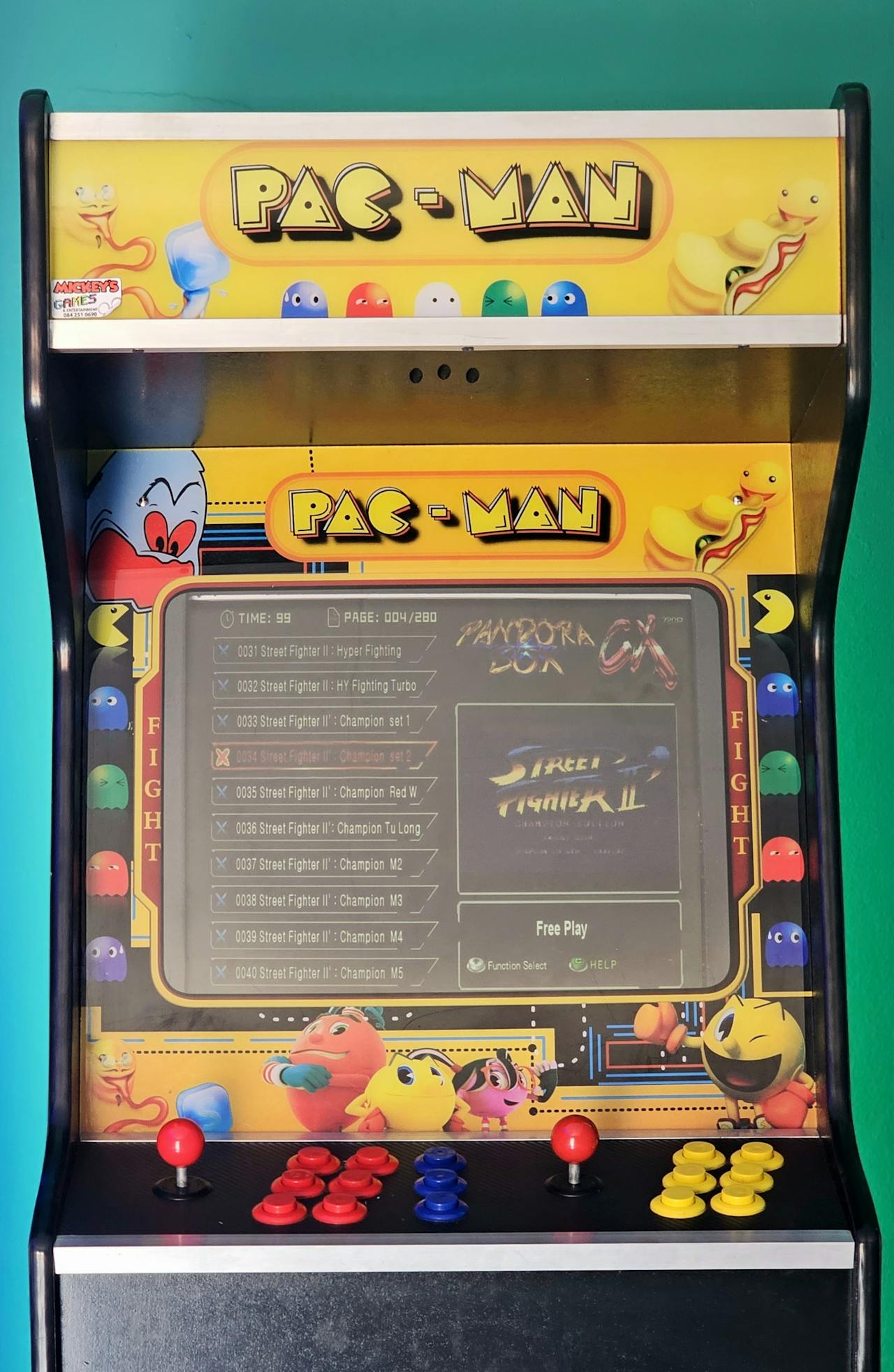
You sit down in a 200-person theater for a film you could not have seen anywhere else in the country, and the director is in the seat next to you, waiting to talk about it when the credits roll. That is not a rare accident at this festival — it is the rule. For anyone who cares about Asian cinema, this is the most direct path into the full range of what is being made across a dozen countries and cultures, not just the handful of films that reach wide US release.
The San Diego Asian Film Festival is one of North America's most significant Asian and Asian American film festivals, presenting over 100 films across ten days from November 5–14. Since 1999 it has been the destination for Asian cinema that has not yet found a theatrical home — often the first place American audiences discover films that later surface in awards-season conversation. Ten days of screenings run across multiple San Diego venues, from world premieres to retrospectives of Asian cinema classics, with real depth in Korean, Japanese, Chinese, Filipino, and South Asian film, plus narrative features, documentaries, shorts, and animation. Filmmaker Q&As are frequent, and the atmosphere is simultaneously cinephile-serious and community-celebratory.
For Asian Americans it is one of the few film events where seeing yourself, your family, and your cultural reality onscreen is the rule rather than the exception. Many films here will not be available anywhere else in the US until months later, if ever. Festival passes offer the best value if you plan to see more than three films — single tickets sell out quickly for high-demand titles, and popular films at the main venue fill within hours of the programming announcement. The Opening Night Gala is a social event as much as a screening, and the Programmers Picks section is where to start if you are overwhelmed by choice.
SDAFF runs at a moment when Asian and Asian American storytelling has moved from niche to center. Everything Everywhere All at Once, Past Lives, Minari, and the global dominance of Korean film and television have created an audience hungry for more. The festival has been feeding that hunger for 27 years. The mainstream finally caught up.
Nov 13 – Nov 15, 2026
San Diego Convention Center, 111 W…
Your favorite streamer - the one you have watched for 3,000 hours - is probably in the building, and you can actually walk up and talk to them. That is the whole reason to go. There is a strange intimacy to a parasocial relationship built over thousands of hours of someone's voice in your headphones, and this is the one place it collapses into a real handshake. The expo hall plays like a live streaming studio crossed with a gaming lounge: streamers broadcasting right off the floor, sub-notification sounds coming from everywhere, meet-and-greets with people who have lived in your second monitor for years. Variety Arcades, developer showcases, and cosplay competitions for game characters fill out the floor, and the whole convention is built entirely around live streaming culture - the people who make it and the people who never miss a stream, in the same room for once. TwitchCon North America 2026 returns to San Diego, September 25-27. Tickets at twitchcon.com.
Nov 13 – Nov 15, 2026
Georgia World Congress Center, Bui…
Wizards of the Coast brings the official Magic: The Gathering convention to Atlanta — three days of competitive play, exclusive reveals, and side events that don't exist at a local game store. Step into MagicCon and the scale of the Magic ecosystem becomes visceral. The main hall hosts commander pods running nonstop, side event drafts firing every 90 minutes, and a merchandise floor stocked with exclusive foil treatments and collector editions that do not exist outside the convention walls. The World Championship stage draws a live audience who understands the stakes — watching a pro player navigate a complex board state in a top-8 match is legitimately thrilling even to non-competitive attendees. Panel stages feature lead designers previewing the upcoming set, Reality Fracture, with reveals that ripple across the entire community within minutes of announcement. Meet-and-greets with pro players and content creators run throughout the weekend, though they fill fast. The atmosphere skews intensely knowledgeable — this crowd knows what a Rhystic Study is, why it is obnoxious, and will argue about it with warmth. MagicCon Atlanta is for anyone who plays Magic with genuine investment — not necessarily competitive, but committed. If your Friday nights involve a Commander pod and you have at least one deck you have been tuning for six months, you will feel completely at home here. This is not a casual spectator event. It is for the player who loves the game enough to fly across the country for three days of it. First-timers to MagicCon frequently say the same thing: they had no idea how large and how skilled the community actually is until they walked in. Register for ticketed play events before the convention — sealed and draft pods sell out weeks in advance. Bring your trade binder if you have one: the secondary market area moves fast and has genuine deals. Badge merchandise must be picked up onsite; if you miss the pickup window before close on Sunday, you forfeit it. The Worlds stage is open to badge holders but seating near the feature match area is first-come, standing room fills by round 4 of the top 8. Bring cash for artist alley — many illustrators are cash-only and the original card alters available from top artists are some of the most collectible items in the room. For the Magic community, this is not just an event. It is the proof that the game is still alive, still evolving, and still worth every dollar you have spent on it. MagicCon: Atlanta 2026 runs November 13-15 at the Georgia World Congress Center, Atlanta. Tickets at mtgfestivals.com.
Nov 14, 2026
$149+
Camping World Stadium, 1 Citrus Bo…
There is a specific frequency that lives in the opening chord of a pop-punk song — a frequency that bypasses your adult brain entirely and drops you back into the parking lot of whatever venue changed your life when you were sixteen. Vans Warped Tour returns to Orlando on November 14-15, 2026, at Camping World Stadium, and the lineup reads like a roll call of every band that taught a generation how to feel things out loud. Jimmy Eat World, whose 'The Middle' became the unofficial anthem of everyone who ever felt too weird for the cool table. Third Eye Blind, whose 'Semi-Charmed Life' soundtracked a million summer drives with the windows down. Taking Back Sunday, The Used, Sleeping with Sirens, Bowling for Soup, Flogging Molly, Simple Plan, Dropkick Murphys, Hoobastank, Hawthorne Heights, Hot Mulligan, and dozens more across two days and multiple stages. Warped Tour ran from 1995 to 2019 as America's definitive traveling punk rock festival — the place where bands got discovered, fans got sunburned, and the merch tent was the most important building in the world. The Long Beach revival in July proved the appetite never left. Orlando is the East Coast answer, and at 65,000-capacity Camping World Stadium, it is the largest venue Warped Tour has ever played. This is not a nostalgia act. This is a cultural institution proving it still has something to say. If you grew up on this music, you already know whether you need to be there — the question is not interest, it is logistics. If you did not grow up on it, this is the fastest education in American alternative music culture available anywhere in 2026. Two days. One campus. Every band that built the scene. Practical details worth knowing: the festival runs 11 AM to 10 PM both days. Tickets start at $149 for GA, $419 for VIP. The Orlando stop is part of Warped Tour's broader 2026 revival alongside the Long Beach edition. Camping World Stadium is located at 1 Citrus Bowl Place, Orlando, FL 32805 — the same venue that hosts the NFL Pro Bowl and major college football games. November in Orlando means high-seventies weather, which is kinder to a daylong outdoor festival than the August heat that used to define the original tour. The bands grew up. The fans grew up. The music didn't have to.
Nov 16 – Nov 18, 2026
200
Dodger Stadium, 1000 Vin Scully Av…
Tyler the Creator builds his festival the way he makes his albums — as a complete vision, not a lineup. The 2026 edition runs November 16–17 at Dodger Stadium: Tyler himself, Andre 3000, Erykah Badu, Playboi Carti, Earl Sweatshirt, Vince Staples, Daniel Caesar. Sixty thousand people. This is his current read on what matters. Flog Gnaw feels nothing like a conventional music festival. Tyler's aesthetic — Golf Wang colors, surrealist visual direction, Converse collabs, the cartoon universe he's been building since Odd Future — pervades every inch of the grounds. The headliner list reads like Tyler's personal taste index rather than a booking agency's safe plays: Andre 3000's rare public appearances, Earl Sweatshirt's deliberately sparse touring schedule, legacy artists like Erykah Badu alongside younger voices. The surprise guest tradition is genuine — in past years unannounced performers have drawn more conversation than the headliners. The crowd skews young, fashion-conscious, and culturally literate in a way that is self-selecting. Flog Gnaw is the festival where people bring cameras for the fits, not just the performances. This is for people whose music listening doesn't fit a single genre label — who have Tyler the Creator, Badu, Earl, and Daniel Caesar on the same playlist and see nothing contradictory about that. It is for the aesthetically curious. It is not for people who want clear setlist times, grid-pattern stages, and predictable headliner slots. Tyler runs his festival on his own logic, and that's the point. If that energy resonates, Camp Flog Gnaw is one of the few festivals where the curation is unambiguously the product. Two-day passes sell significantly faster than single-day. The Dodger Stadium location is accessible by Metro (Dodger Stadium Express from Union Station — skip the parking). Merchandise drops at Flog Gnaw are serious and sell out quickly; the Golf Wang collabs available only at the festival have become collector items. Arrive early day one — the grounds have carnival rides, food, and art installations that reward exploration before the headliners. Andre 3000's live appearances remain rare enough to justify the trip from anywhere in the country. Tyler the Creator built a world — Golf Wang, Odd Future, Igor, Call Me If You Get Lost, Cherry Bomb — and Flog Gnaw is where that world becomes a place you can stand in for two days. The music industry produces thousands of festivals. Very few of them feel like they could only exist because one specific person willed them into being. Flog Gnaw is one of them. Tickets at Ticketmaster. November 16-17, 2026, Dodger Stadium, Los Angeles.
Nov 19 – Nov 22, 2026
Georgia World Congress Center Buil…
Anime Weekend Atlanta 2026 (AWA) is one of the American South's most beloved anime conventions, running November 19–22 at the Georgia World Congress Center Building C in Atlanta. Founded in 1994, AWA draws over 25,000 attendees annually to one of the longest-running anime conventions in North America — a four-day event that has served as the Southeast's entry point to anime culture for over thirty years.
Four full days of programming — panels, screenings, gaming, cosplay, dances, and the Anime Music Video competition that AWA is particularly known for. The convention runs multiple simultaneous programming tracks, meaning there is always a reason to be in the building regardless of your specific anime preferences. The Masquerade competition draws elaborate cosplay entries from across the Southeast and beyond. The AMV contest is nationally competitive — winning an AWA AMV award carries real weight in that community. The dealer floor and artist alley together span tens of thousands of square feet of licensed merchandise, independent art, and convention exclusives.
AWA is the Southeast's definitive anime convention. For out-of-region attendees, it competes directly with Anime Expo, Anime Boston, and Katsucon as one of the events worth cross-country travel. The four-day structure gives it depth that weekend-only cons cannot match: you have time to see everything, run into people multiple times, and build the social fabric that makes anime conventions more than a market. Multi-day memberships can be purchased at awa-con.com and mailed to you ahead of time.
Wednesday evening offers multi-day badge pickup from 4 to 8 PM, worth doing to skip Thursday morning lines. On-site membership purchases are cash only. Thursday programming begins the full convention schedule. The Georgia World Congress Center is expansive — wear comfortable shoes and plan for significant walking between halls. Atlanta hotel prices spike during AWA weekend; book accommodations early, ideally at the adjacent Marriott Marquis or Hilton Atlanta.
AWA in 2026 will be its 32nd consecutive year — making it older than most of the mainstream media properties that now dominate convention floor merchandise. The convention predates streaming anime in the US, the American manga boom, and the global explosion of interest that followed Attack on Titan, Demon Slayer, and Jujutsu Kaisen. It was here, building community, long before any of that was mainstream. That tenure is the event's identity: not a trend convention, but the convention that built the trend.
Nov 19 – Nov 22, 2026
Georgia World Congress Center, Bui…
The American South's longest-running anime convention has been meeting in Atlanta every September since 1997. Anime Weekend Atlanta is where the Southeast's anime fandom comes to recognize itself. Walk the AWA floor on a Thursday night and the energy hits immediately: cosplayers in elaborate handmade builds line the escalators, artist alley tables overflow with original prints and fan art, and the programming halls pulse with AMVs, panel debates, and late-night gaming tournaments that run until 3 AM. The dealers room is legitimately staggering — vintage merchandise, imports, rare figures, and indie creators all packed into a space where you could spend a full day and still miss things. The masquerade on Saturday night is one of the most theatrical cosplay competitions in the country, drawing contestants who have spent months on a single build. AWA moves differently than the mega-cons: it feels less like a trade show and more like a reunion — because for thousands of attendees, it genuinely is. If you grew up watching anime in the South and never found your people, AWA is the answer. This is not for casual fans who think anime is just Naruto and Dragon Ball. It is for people who obsess over seasonal charts, debate subculture lore, and have a hard drive full of unfinished cosplay plans. First-timers frequently describe AWA as the con that finally felt like home. If you are that person — the one who learned Japanese from subtitles and named a pet after a character — this is worth every flight mile. Book your hotel at the World Congress Center Marriott before August or it will sell out — AWA attendees treat the hotel block as sacred and it fills months in advance. Badge pickup lines on Thursday afternoon are brutal; opt for pre-registration and arrive before noon. The dealers room has no ATMs inside — bring cash, bring more than you think you need, and budget for at least one impulse figure you did not plan for. The programming schedule releases about six weeks before the event and fills fast; panel rooms cap out, so plan your must-see events 30 minutes early. The loading dock area outside Building C is where the best spontaneous cosplay photo shoots happen after dark. It is the convention that proved the South has always had its own thriving fan culture — it just needed a room big enough to hold it. AWA 2026 runs November 19-22 at the Georgia World Congress Center, Building C, Atlanta. Tickets available at eventeny.com.
Nov 21 – Dec 6, 2026
0
Los Angeles Convention Center, 120…
In the most car-dependent city in America, the future of the thing everyone drives arrives for two weeks in a single hall - concept cars that may never be built, standing at full scale, glowing under dramatic light. The LA Auto Show opens at the LA Convention Center in late November, the world's automakers presenting their current thinking to the people who will actually drive it. Walking the floor is an exercise in cultural prediction. The main hall holds every major manufacturer's flagship display, vehicles you have only read about suddenly appearing at full scale, and the concept cars are the centerpiece every year - designed to show capability rather than sell product. Adjacent to the main floor, the Connected Car Expo runs at the same time, showing the technology that will eventually be embedded in every vehicle, while the Dream Drive pavilion offers test drives at select activations. AutoMobility LA, the industry media days the preceding week, produces most of the announcement news; the public show is where those announcements become tangible. Is it worth attending? For car enthusiasts, straightforwardly yes - the density of new vehicles in one place, with full access and no appointment, is rare. For casual visitors, the show rewards curiosity: the concept cars are genuinely strange and beautiful in ways photographs never capture, and the electric vehicle pavilion gives most major manufacturers' EV lineups the same room, the clearest possible illustration of where the industry is in its transition. Tickets are available online and at the door - online saves time at entry. The Convention Center is reachable by Metro (Pico or Convention Center stations), and weekday mornings are the least crowded windows if you have flexibility. The show runs from late November into early December, coinciding with the opening of the holiday retail season downtown, so the area is busy beyond the show itself. It has historically allowed children under 12 free with an adult - check the official site for 2026 pricing and hours. What makes it worth the trip is simple: it is one of the few annual events in any industry where the most powerful companies in the world put their most ambitious work in one room and ask the public to react. The automotive industry employs more people than any sector in the United States, and the LA show is its most public annual report. Even without buying a car, walking it is a way of reading the industry's intentions for the next decade.
From 77th Street down to Herald Square on Thanksgiving morning, two and a half million people line the route. The Macy's Thanksgiving Day Parade has been doing this since 1924. The parade experience on the ground is unlike watching it on television. The balloons — some 16 giant character balloons representing beloved cultural icons from Snoopy to SpongeBob — tower five to six stories above the crowd and move with an unpredictable, living quality that cameras cannot capture. Broadway performers open each show segment. Marching bands from across the country perform along the 2.5-mile route. The floats are hand-built artworks. The energy of a crowd that lines up before dawn, wrapped in coats and coffee cups, for something they have seen every year since childhood — is genuinely moving in a way that resists irony. The Macy's Thanksgiving Day Parade is worth attending if you have ever watched it on television and wondered what it would be like to be there. The answer: colder, louder, and more emotionally resonant than you expect. This is one of the rare public events that functions identically for a six-year-old and a sixty-year-old. If you are a New Yorker who has always meant to go and never has: this is the year. Viewing tips: The best spots are along Central Park West from 72nd to 77th Street — arrive before 7 AM to claim a spot against the barriers. The parade steps off at 8:30 AM and passes any given point by 10 AM. Bring hand warmers, thermos coffee, and folding chairs. Avoid Herald Square — it is the most crowded and worst vantage point despite being the broadcast location. Midtown hotel prices spike 300-500 percent the week of Thanksgiving. Book months in advance or stay in Brooklyn. The parade is free, public, and unreservable. The transaction is not logistical. It is the decision to show up and be present at something that will look the same and feel different every single time.
Dec 2 – Dec 7, 2026
Miami Beach Convention Center, 190…
You leave having seen things that will show up in auction records and retrospectives for the next decade - and you did not have to buy a single piece to be part of it. For one week in December, Miami Beach becomes the most concentrated gathering of contemporary art in the Western Hemisphere: 250 galleries from 30 countries, and a city that builds its entire social calendar around them. The main fair at the Convention Center is overwhelming in the best sense, with galleries from New York, London, Tokyo, and Sao Paulo competing for attention across a space that would hold several football fields. Wynwood's murals and the Design District's boutiques become satellite venues. Opening-night parties are invitation-only, but the energy of the week bleeds into every restaurant and hotel lobby in South Beach. This is not a quiet museum experience - it is a city in a specific, charged state of collective attention that happens once a year and then recedes. It is worth attending even with no intention of buying: the public programming includes talks, artist installations, and outdoor screenings, and the works you encounter at the main fair and at satellite shows like Untitled, NADA, and Scope are what the contemporary art world is actively debating in real time. If you care what art is doing right now, this is where you go to find out. Secure a hotel early - December in Miami Beach is peak season and fair proximity commands a premium. The main fair requires a ticket ($50-100 depending on day and time); many satellite fairs are free. RSVP to gallery openings in advance through their own websites, and book Design District restaurants weeks out. A car or rideshare is more flexible than the free shuttle. The main fair is most crowded on preview days (Wednesday and Thursday) and thinnest on Sunday, when collectors pack up their acquisitions. Miami absorbs the energy of the global art market and does not quite release it until January. December in Miami Beach.
Dec 4 – Dec 6, 2026
Miami Beach Convention Center, Mia…
Art Basel Miami Beach 2026 is the American edition of the world's most prestigious contemporary art fair — a three-day event held at the Miami Beach Convention Center every December that draws collectors, curators, gallerists, artists, and cultural figures from five continents. Since its inaugural US edition in 2002, Art Basel Miami Beach has transformed the first week of December in Miami into one of the most concentrated moments of cultural significance in the American calendar.
What does Art Basel Miami Beach feel like? Imagine walking through rooms where a single painting has traveled from a Geneva gallery, been hung next to a sculpture that sold privately for eight figures last year, and is now available to anyone who bought a ticket and has an eye for what matters. The galleries are from Zurich, Los Angeles, Tokyo, São Paulo, and New York — the same rooms that define what contemporary art means in each of those cities, temporarily assembled under one roof in South Beach. The crowd is unlike any other event in this guide: collectors who buy and curators who advise them, artists who are being shown and artists who study what sells, dealers who have been doing this for thirty years and critics who are there to write about what they see. Art Week — the surrounding ecosystem from December 1 through 7 — generates satellite fairs, private viewings, and cultural programming that fills every hotel in Miami Beach.
Is Art Basel Miami Beach worth it? If contemporary art matters to you at any level — as a collector, as someone who follows the market, as a person who cares what the most serious galleries in the world are showing right now — yes, absolutely. The fair is not a museum. It is a market. But markets are honest in a way museums are not: the things that get shown here are the things that serious people with serious resources believe will matter. That is its own kind of curation. Even for visitors who have no intention of buying, the density of quality in one room is something that does not exist in this concentration anywhere else.
Before you go: tickets go on sale in 2026 — check artbasel.com for the release date. Art Week programming begins December 1 and runs parallel to the main fair December 4–6. Book hotels in Miami Beach as early as possible — Art Week is the most expensive hotel week of the year in Miami. The Convention Center is on Collins Avenue; the surrounding streets and hotel lobbies host satellite fairs and gallery activations that are free to walk through. Arrive at opening time on the first day for the best access to gallery staff.
Art Basel Miami Beach earns its place on Falkor's Nation's Best list because it is the closest thing in America to a single room where the global contemporary art world assembles and shows its hand. The cultural weight is not symbolic — it is structural. What sells here shapes what gets made. December 2026 — Miami Beach Convention Center, Miami, FL. Tickets at artbasel.com.
There is a convention center in Fort Worth where, for three days every December, the cowboys and the cosplayers share the same sidewalk — and nobody blinks, because Texas has always been bigger than any one identity.
Anime Frontier returns to the Fort Worth Convention Center December 4–6, 2026, for three days of premieres, panels, and special appearances from some of the biggest names in anime and manga. Presented by Crunchyroll, Anime Frontier has carved out a space that the East Coast cons like Anime NYC and Otakon and West Coast cons like Anime Expo do not cover — the entire middle of the country, where anime fandom runs just as deep but the nearest major convention used to be a 12-hour drive. The convention has grown rapidly since its launch, filling a geographic gap that the anime community had been complaining about for years.
The exhibitor hall and artist alley bring together hundreds of vendors, from official merch drops to independent artists whose work you will only find at cons like this. The programming runs from industry panels and world premieres to cosplay showcases and community meetups, and the scale is big enough to feel like a real convention without the crushing density of a 100K-attendance mega-con. New for 2026 is a Kids Sunday ticket and a dedicated Family Zone presented by Scholastic — a signal that Anime Frontier is building for the next generation of fans, not just serving the current one.
If you are an anime fan in Texas, Oklahoma, Arkansas, Louisiana, or anywhere in the central United States, Anime Frontier is the con that finally means you do not have to fly to a coast. If you are a veteran con-goer from either coast, Fort Worth offers something the big cons cannot — a manageable size, walkable downtown hotels and restaurants, and the Texas hospitality that makes out-of-towners want to come back every year.
Tickets include single-day and 3-day badges, with Premium AF passes for extra access and perks. Ordering by October 23 gets your badge shipped before the event. Fort Worth in December is mild enough for outdoor cosplay without the summer heat that plagues most anime cons. The convention center is downtown, walkable to dozens of restaurants and bars, and the whole experience feels like a community gathering rather than a corporate expo. For the anime community in the middle of America, Anime Frontier is no longer the new con — it is the home con.
Dec 4 – Dec 7, 2026
Pennsylvania Convention Center, 11…
Three days in Philadelphia in December where 40,000 people bring board games, card games, miniatures, and roleplaying campaigns. PAX Unplugged is the largest dedicated tabletop gaming floor in America. The experience at PAX Unplugged is unlike any other convention on the American calendar. The main show floor stretches across the convention center's enormous exhibit hall — rows of publishers demonstrating unreleased games, free-play libraries with thousands of titles available to check out and bring to any open table, and tournament halls running competitive and casual formats simultaneously. The tabletop RPG hall operates all four days — Dungeon Masters running games, new systems getting their first public playtests. You can sit down at a table with strangers and be deep inside an adventure within ten minutes. The community here is self-selected for exactly this openness: people who came to Philadelphia in December to play games with other people who came to Philadelphia in December to play games. Worth it? If you play tabletop games in any format — board games with family, Dungeons & Dragons with friends, Magic: The Gathering competitively — PAX Unplugged is the one event that puts everything you care about in one room simultaneously. Publishers premiere new games here first. Designers are on the floor demoing their own creations. Competitive players converge on the same tournament halls. The identity gate is simple: if games played around a table are how you experience community, this is where your community gathers every December. The Pennsylvania Convention Center connects via enclosed walkway to multiple hotels — booking hotel before registration opens is essential, as nearby properties sell out within hours of badge sales going live. Philadelphia's transit system (SEPTA) provides subway access to the convention center from major neighborhoods and the airport (Airport Line → Center City). Badges sell in tiers; 4-day badges sell fastest. The Library of Games (free-play checkout) has no extra charge — one of the best systems at any convention for trying new titles without commitment. Pack layers; Philadelphia in December is cold, and the convention center's cavernous exhibit hall runs warmer than the streets outside. In an entertainment landscape built around passive consumption, tens of thousands of people travel to Philadelphia each December to play games with each other. The ticket is participation, not observation. December in Philadelphia.
Dec 4 – Dec 13, 2026
50
Thomas & Mack Center, 4505 S Maryl…
For ten nights every December, the fifteen best cowboys in the world land in Las Vegas to settle a world championship, and if you have ever wondered what rodeo looks like beyond a county fair midway, this is the whole answer standing in one building. The Wrangler National Finals Rodeo is the sport's Super Bowl - ten nights at the Thomas & Mack Center where Western identity is alive and completely unironic. Custom Wranglers, hand-tooled boots, championship belt buckles earned on the circuit. The competition is relentless: saddle bronc, bareback bronc, bull riding, barrel racing, tie-down roping, team roping, steer wrestling, all at peak professional caliber and all compressed into roughly three hours a night. The six-second bull ride, the sub-10-second barrel run, the flawless team roping that takes years of coordination to time - this is American craft at its most precise, and the crowd takes it seriously because the athletes have given years of their lives to it. Between rounds the city holds more concerts, dances, and trade shows at once than almost any other week on the calendar. The NFR Cowboy Christmas Gift Show runs in parallel as the country's largest Western merchandise and trade show, and the NFR Experience venues around town (especially the Gold Coast Casino) host free country concerts nightly for the full ten days - check the schedule for performers. There is no other week in Las Vegas quite like this one: elite athletic competition, that particular Vegas hospitality, and a community that travels from every state for a single week creates an atmosphere with no direct comparison. Buy tickets early via Ticketmaster - NFR sellouts are consistent across all ten nights, and the best seats go in the first hours of sale. If you are attending multiple nights, consider the Thomas & Mack club level for the sight lines. Strip hotels book months ahead for NFR week. Evening performances begin at 5:45 PM sharp. December 3-12, 2026, Thomas & Mack Center, Las Vegas.
Dec 4 – Dec 6, 2026
Pennsylvania Convention Center, Ph…
PAX Unplugged 2026 is the premier tabletop gaming convention in the United States, returning to the Pennsylvania Convention Center in Philadelphia for its biggest edition yet, running December 4 through 6, 2026.
PAX Unplugged is built entirely around tabletop gaming: board games, card games, role-playing games, miniatures, and the people who love them. There are no video game tournaments, no celebrity panels. This is three days of people sitting across tables from each other playing games, teaching games, and discovering games they did not know existed. The atmosphere is dense with focused enthusiasm. Every table is occupied. The noise is the sound of dice, shuffled cards, and laughter.
The Tabletop Library is the heart of the experience: thousands of games available to check out and play on the floor at no extra cost. Bring a group and discover something new together. The Expo Hall houses publishers, indie studios, and designers selling directly to players. First editions, limited runs, signed copies, prototypes being tested in real time. If you have ever backed a Kickstarter game, you will meet the person who made it here.
PAX Unplugged is worth attending for anyone who plays games seriously and wants three days surrounded by people who feel the same way. You leave with games you did not plan to buy and memories of sessions you did not plan to have.
What to know: hotel blocks in the convention district sell out within hours of badge sales opening. Book early. The Pennsylvania Convention Center is in downtown Philadelphia, walking distance from hotels and transit. Badges are sold by day and sell out unevenly; Saturday sells fastest. Bring a bag large enough for game boxes. The Expo Hall closes Sunday at 6pm.
PAX Unplugged is on Falkor's Nation's Best list because it is the single most concentrated gathering of tabletop gaming culture in the country. Board game veterans, indie designers debuting prototypes, and families playing Wingspan for the first time share the same floor. If tabletop gaming is part of your identity, this is the room where everyone around you is exactly like you.
Dec 4 – Dec 6, 2026
Pennsylvania Convention Center, Ph…
PAX Unplugged 2026 is the premier tabletop gaming convention in the United States, returning to the Pennsylvania Convention Center in Philadelphia for its biggest edition yet, running December 4 through 6, 2026.
PAX Unplugged is built entirely around tabletop gaming: board games, card games, role-playing games, miniatures, and the people who love them. There are no video game tournaments, no celebrity panels. This is three days of people sitting across tables from each other playing games, teaching games, and discovering games they did not know existed. The atmosphere is dense with focused enthusiasm. Every table is occupied. The noise is the sound of dice, shuffled cards, and laughter.
The Tabletop Library is the heart of the experience: thousands of games available to check out and play on the floor at no extra cost. Bring a group and discover something new together. The Expo Hall houses publishers, indie studios, and designers selling directly to players. First editions, limited runs, signed copies, prototypes being tested in real time. If you have ever backed a Kickstarter game, you will meet the person who made it here.
PAX Unplugged is worth attending for anyone who plays games seriously and wants three days surrounded by people who feel the same way. You leave with games you did not plan to buy and memories of sessions you did not plan to have.
What to know: hotel blocks in the convention district sell out within hours of badge sales opening. Book early. The Pennsylvania Convention Center is in downtown Philadelphia, walking distance from hotels and transit. Badges are sold by day and sell out unevenly; Saturday sells fastest. Bring a bag large enough for game boxes. The Expo Hall closes Sunday at 6pm.
PAX Unplugged is on Falkor's Nation's Best list because it is the single most concentrated gathering of tabletop gaming culture in the country. Board game veterans, indie designers debuting prototypes, and families playing Wingspan for the first time share the same floor. If tabletop gaming is part of your identity, this is the room where everyone around you is exactly like you.
Dec 31 – Dec 31, 2026
Times Square, 1 Times Square, New …
It sounds optional right up until you are standing in a street you have seen a thousand times on screens, in the cold, with a million people counting down together - and then you understand why New Yorkers largely skip it and visitors from everywhere else largely cannot explain why they needed to do it once. New Year's Eve in Times Square operates as organized chaos at maximum human scale, and the ball has been dropping since 1907. Streets close to vehicle traffic by mid-afternoon, and people begin staking viewing positions hours before midnight. The ball itself is 12 feet across, weighs nearly 12,000 pounds, and is covered in 2,688 Waterford crystal triangles lit by LEDs. The confetti that fills the air at midnight is printed with handwritten wishes submitted in advance by people around the world - a detail most people only discover after it has already fallen on them. NYPD maintains sector-by-sector crowd control; once you are inside a viewing zone, you stay in it until after midnight. It is worth attending if you have never been and want to see what a city looks and sounds like at its most collectively alive. It is explicitly not worth it if you require warmth, freedom of movement, or reliable access to food and restrooms during a five-to-six-hour wait. Viewing zones open around 3 PM and fill from the stage outward, so arrive by early afternoon for a direct sightline to the ball. Bathrooms are extremely scarce with very long lines. Alcohol is prohibited in the public viewing areas. Dress for 25 to 35 degrees with wind, and bring hand warmers and layers. Your phone will likely not work for the first hour of 2027 as every carrier network in Manhattan saturates at once. Hotels within walking distance book out months ahead. That midnight moment is not available on any stream. December 31st, One Times Square.
Jan 6 – Jan 9, 2027
Las Vegas Convention Center, 3150 …
Every January, a room in Las Vegas shows you the thing you will recognize in a store six months from now and think, quietly, I already knew about that. That preview feeling is the whole reason people come back - not to buy, but to find out what is coming.
The scale is unlike any trade show you have attended. Spread across 2.6 million square feet - the Convention Center, Venetian Expo, and satellite hotel venues across the Strip - CES is less a conference than a city inside a city. Entire halls are dedicated to automotive technology, health tech, immersive entertainment, robotics, and AI hardware. Keynote stages host the CEOs of Samsung, Sony, Nvidia, and Intel. The demo floors are where prototypes become real - you will see things that do not exist for sale yet, and half a year later you will recognize them on shelves. If you have any curiosity about where technology is heading, it delivers, unambiguously; this is not for people who want to buy things, it is for people who want to understand what is being built. If your frame is "I already know what I like," CES will feel overwhelming. If your frame is "I want to know what I don't know yet," it will feel like electricity.
Plan for 25,000 steps a day and wear the most comfortable shoes you own. Register early - attendee badges are required and pricing increases as the show approaches. Download the CES app and pre-plan your exhibitor list by hall and day. The Las Vegas Convention Center's underground Loop connects buildings, but lines build fast, so walking is often faster; stay on the north end of the Strip near the LVCC to minimize transit time. The South Hall eats first-day schedules, so plan it for day two or three. Most cultural events reflect the world as it is; CES previews the world as it is being redesigned. The exhibitors are not selling products - they are proposing futures, and every year a handful of those proposals become the devices in your pocket two years later. Attending even once rewires your sense of what "soon" means. CES 2027 takes place in Las Vegas, NV.
There is a specific pleasure available to a person who loves movies and almost nowhere else: sitting in a dark theater as the lights drop on a film nobody has decided about yet - before the critics, before the distributors, before the awards fix its meaning - knowing you are among the first in the country to see it at all. For the first time in its history, Sundance Film Festival is chasing that feeling somewhere new. The 2027 edition leaves Park City for Boulder, Colorado - eleven days of independent film premieres, January 21-31. What Sundance does is give independent films their moment: the ones made outside the studio system, often by first-time directors, often about subjects the mainstream industry would not greenlight, which then go on to define what American film culture talks about for the next year. The festival is where distributors compete to acquire films that shape awards season and where filmmakers at the start of their careers are suddenly everywhere. It is worth attending even if you only see two or three films - the conversations in line, the post-screening Q&As, the sense of being among people who came specifically to take film seriously make it unlike any other cultural experience in America. The film-going is the occasion; the community is the point. Boulder's arts infrastructure, university energy, and mountain setting give the 2027 edition a character Park City could not replicate. January in Boulder means cold and likely snow, so serious winter gear is required. The venue network spans Boulder's historic downtown, with screenings at theaters, university venues, and purpose-built festival spaces. The Sundance website is the authoritative source for pass types and purchase timing - passes sell out quickly after presale announcements, which typically begin about six months before the festival. Whether you attend or follow the conversation from home, knowing what premiered there tells you what American cinema is trying to become. Passes and tickets at festival.sundance.org.
The Super Bowl has come to Los Angeles before. It has never come to SoFi. That changes February 7, 2027 — at the half-billion-dollar stadium that opened in 2020 and changed what a modern NFL venue can look like: translucent canopy, open-air California design, Hollywood Park campus surrounding it.
What Super Bowl week in Los Angeles looks and feels like is unlike any other sporting event on the calendar. The week before the game, Radio Row draws every media personality with a microphone. The NFL Experience fan festival opens to the public at the Convention Center. Celebrity parties are announced and cancelled and announced again. The halftime show rehearsals happen under tight security at the stadium while the surrounding streets fill with brand activations, pop-ups, and spontaneous gatherings of fans who couldn't get tickets but wanted to be near the thing. Los Angeles absorbs the Super Bowl differently than Nashville or Minneapolis — the entertainment industry and sports culture overlap here in a way that produces genuine energy rather than manufactured excitement.
Is the Super Bowl worth attending in person? If you have the means and the access, the answer is yes, but the experience is as much about the week as the game. Super Bowl tickets are among the most expensive in sports, and the seat you occupy at game time may matter less than the four days of surrounding events, parties, and city energy that build toward kickoff. For the majority of people who will experience Super Bowl LXI from Los Angeles without attending the game, the city itself becomes a venue. Watch parties at venues across SoCal will be among the most concentrated social events of the year.
What to know: Tickets sell through the NFL and Ticketmaster — secondary market prices will be extreme. The SoFi Stadium campus includes a performance venue (YouTube Theater), a casino (Inglewood), and hotel development in progress; the entertainment zone around the stadium is walkable and dense. Metro's C Line (Green) stops at Hawthorne/Lennox, about a 20-minute walk from SoFi. Parking is limited and expensive; transit from LAX is the recommended option for most attendees. The week's best experiences are often free — Radio Row, fan zones, and the energy of the city.
Super Bowl LXI is on Falkor's Nation's Best list for one reason: it is the largest single-day American cultural event, and in 2027 it comes to Los Angeles. The convergence of the NFL, Hollywood, the music industry (halftime show), and the national media in one city for one weekend creates a cultural moment that extends far beyond the game. Knowing about it, knowing what week to plan around it, knowing the venue and the city — that is the preparation that turns an ordinary February into the right February.
Feb 9 – Feb 16, 2027
0
French Quarter and parade routes, …
New Orleans lives for this. Fat Tuesday is the peak, but the buildup runs two weeks - parades rolling through neighborhoods, krewes throwing from floats, a city rehearsing the same ritual it has been rehearsing since before Louisiana was a state.
The parades are not the background to Mardi Gras; they are the event. Krewes that have been parading since the 1850s roll elaborate floats through the streets for two weeks, throwing beads, doubloons, shoes, plush toys, and decorated cups to the crowds along the routes. The music does not stop - every bar on Frenchmen Street has a live band, the French Quarter is uninhabitable in the best possible sense, and Uptown, Mid-City, and Treme each have their own routes, their own crowds, their own relationship to the season. It is not one party; it is an entire city operating as a city-sized party for two weeks. Whether it is worth attending depends on which Mardi Gras you attend. The French Quarter on Fat Tuesday night is genuinely overwhelming and not for everyone. But the family-friendly neighborhood parades on the two weekends before - particularly Endymion, Bacchus, Orpheus, and Zulu - are accessible, joyful, and the reason locals are in their front yards with barbecue grills and ladders for the kids. If your image of Mardi Gras is beads and balconies, you can find that; if it is 200,000 people watching a parade route that has run for 140 years while a brass band plays from a truck behind the floats, that is also available, and it is the better version.
Book accommodation 3-6 months in advance - New Orleans hotels during Mardi Gras are among the most in-demand in the country. Fly into MSY. The streetcar and walking are the most reliable transportation during peak parade days; driving is effectively impossible on parade routes. The best parades are in the days before Fat Tuesday, not on Fat Tuesday itself. Eat at local restaurants before 8pm, since popular spots fill. Rex and Zulu, Fat Tuesday morning and midday, are the signature daytime parades, and the Krewe of Barkus dog parade is Frenchmen Street distilled into one block. This is the rarest kind of event - a tradition that has survived, adapted, and grown more itself over 300 years in a single city. None of it was designed; it evolved where the culture was strong enough to hold it. Knowing which weekend to attend, which parades to watch, which neighborhoods to be in - that is the intelligence that turns a February flight to New Orleans from a trip into an experience. Mardi Gras 2027 takes place in New Orleans, LA.
The name is not marketing. Two hundred thousand people gather in Daytona Beach every February for what NASCAR calls The Great American Race, and the moment 40 stock cars come off the line at full speed, you understand the Daytona International Speedway earns that name. No video, broadcast, or audio recording prepares you for it. The sound registers in your chest before it reaches your ears - a wall of noise that builds, crescendos, and recedes as the field passes. The 2.5-mile tri-oval has 31-degree banking in the turns, which means the cars ride visible above the infield fence at speeds that seem incompatible with control, and from the grandstands, watching a 40-car draft approach from the back straightaway is a genuinely kinetic experience. First-time attendees consistently report being stunned by how different racing looks in person versus on television. Is the Daytona 500 worth attending even if you do not follow NASCAR? Yes. The scale and spectacle transcend the sport the way the Super Bowl transcends football or the Kentucky Derby transcends horse racing. You do not need a favorite driver to understand what is happening in the draft, or to feel the weight of 500 miles building toward the final lap - and Daytona produces unpredictable finishes, including some of the most dramatic last-lap passes and crashes in motorsport history. A few first-time tips: bring a permitted soft-side cooler, because concessions are expensive and lines are long during the race. Ear protection is essential, not optional - earplugs significantly improve the experience. Arrive two to three hours before the green flag to navigate parking, claim your grandstand spot, and watch pre-race activities. Photograph your parking spot and gate number immediately; the lots are enormous and post-race disorientation is real. This is one of those events Americans know by name long before they understand why anyone would care - and the ones who go never stop talking about it. The volume alone changes something permanent. 2027, Daytona Beach, FL.
Mar 15 – Mar 21, 2027
Austin Convention Center, 500 E Ce…
If you have ever felt like the interesting version of American culture is happening somewhere you're not, this is the address it's happening at. For nine days every March, Austin becomes the one place where the music industry, the film industry, and the technology industry all arrive at once and go looking for the same parties. SXSW isn't a single event -- it's a city-sized festival. The Music Conference alone hosts thousands of acts across hundreds of venues, from dive bars and converted warehouses to the Austin Convention Center and the open air of Auditorium Shores. At the same time, the Film & TV Festival premieres features and series that go on to win Oscars and Emmys, and the Interactive and Emerging Technology conference hosts the conversations that decide how the industry thinks about what comes next. These three things happen simultaneously, in the same zip code, and the cross-pollination isn't incidental -- it is the product. The person who catches a breakthrough band at midnight, a groundbreaking documentary at noon, and stumbles into a startup pitch at 3pm isn't having three experiences. They're having the SXSW experience.
The festival rewards whoever arrives with no fixed agenda and the flexibility to chase what's interesting, and punishes the over-planner who misses the spontaneous set that becomes the most-talked-about performance of the year. The unofficial parties and free shows matter as much as the official programming -- sometimes more. Austin in March is warm but unpredictable, so layers are essential and comfortable shoes are mandatory. SXSW runs on a badge system: the Platinum badge accesses everything, the Music badge covers all official showcases, and unofficial events run free and parallel across the city, often carrying the most interesting programming of all. Book accommodation six to twelve months out, because Austin fills completely. The Convention Center is the official hub, but the real SXSW happens on 6th Street, Red River, and along the South Congress corridor.
SXSW 2027 earns its place among the country's essential cultural moments because it's the single event where American creative culture most fully takes stock of itself. The lineup hasn't been announced yet -- and the anticipation before the announcement is itself part of the ritual. Every year, artists, filmmakers, and technologists make their American debut here. Every year, something that started in a 200-capacity Austin venue becomes the story everyone's telling by April. This isn't just where culture happens -- it's where culture decides what it is. Badge registration is open at sxsw.com/badges/.
Mar 20 – Apr 11, 2027
Tidal Basin, 900 Ohio Dr SW, Washi…
For four to seven days you can never quite predict, a stretch of the National Mall becomes the most photographed place in America - and the bloom refuses to wait for anyone's schedule, which is exactly what makes it worth chasing. When the roughly 3,000 cherry trees Japan gave the United States in 1912 hit peak bloom over the Tidal Basin, the water disappears under a pink-and-white canopy, and walking the two-mile loop at dawn, before the crowds, is genuinely transcendent.
The festival organizes itself around the Tidal Basin, the man-made reservoir framed by the Jefferson Memorial to the south and the Martin Luther King Jr. Memorial to the northeast. Peak bloom typically arrives in the last week of March or first week of April, depending on the year's temperatures. The Kite Festival on the National Mall, the Lantern Lighting Ceremony in East Potomac Park, and the parade through downtown DC fill the surrounding weeks - but the trees themselves are the destination.
Here is the essential caveat: peak bloom is not on the calendar. The National Park Service issues rolling bloom forecasts starting in late winter, updated as temperatures develop, and peak lasts only four to seven days. Visitors who book around the festival dates without tracking the forecast frequently arrive early or late and miss it entirely. The safest strategy is to build flexibility across a 10-day window centered on the last week of March.
Crowds near the Tidal Basin during peak bloom are intense on weekends. Arrive before 7am on a weekday, or head to the Kenwood neighborhood in Bethesda, Maryland - a residential area with hundreds of cherry trees and a fraction of the Washington traffic. The National Arboretum in northeast DC is another low-crowd option with exceptional bloom density.
Japan's 1912 gift has become one of the most emotionally legible events in American culture - a reminder, on the same timetable every year, that beauty is worth planning around. The trees do not last. That is the point. The National Cherry Blossom Festival runs March 20 through April 11, 2027, in Washington, DC.
Apr 5 – Apr 11, 2027
Augusta National Golf Club, 2604 W…
You do not need to follow golf to feel it - people who have never watched a full round walk out of Augusta describing a garden with a tournament happening inside it. The Masters at Augusta National is one of the most beautiful sporting events on earth, and the traditions the club has protected for 90 years are visible in every detail. Walking the grounds on tournament days is a full-body experience built over decades of deliberate aesthetics: the grass is an almost impossible shade of green, and the azaleas, cultivated year-round to guarantee peak bloom during tournament week, frame every fairway in color. Only about 40,000 patrons are admitted per day, far fewer than comparable major events, so the grounds feel open, not crushed, and gallery applause rolls across the hills in waves. First-timers consistently describe the same thing: they expected a sports event and found a garden party with golf in it. Is it worth attending even for people who have never watched a round? Yes - the identity of the event transcends the sport. The course, the tradition, the controlled beauty of Augusta National in April do not require a scorecard, and if you are the kind of person who values craft, precision, and excellence in any domain, Amen Corner on Sunday afternoon is one of the most moving experiences in American sports. Tickets come through Augusta National's official lottery. The application window opens June 1-20, 2026 for the 2027 tournament, with results sent July 2026; tournament-day odds are roughly 1-in-200, and practice-round odds are meaningfully better. No phones are allowed during tournament rounds - Augusta National enforces this strictly, which is part of what makes the event feel different from anything else you will attend. Parking is free on-site, concessions are famously affordable by major-sports standards, and the move is to arrive early and walk the course before the crowds fill it. The green jacket represents something the rest of professional sports rarely produces: an outcome so shaped by a single course that it cannot be replicated anywhere else. Augusta National holds over 90 years of history in its fairways, and each April that history becomes a present-tense experience. This is the event that earns the word pilgrimage - and means it. 2027, Augusta, GA.
The lineup drops months out, the tickets vanish in hours, and the discourse starts before the ink is dry -- this is the one festival everyone has an opinion about, whether they have ever set foot in the desert or not. Picture the Empire Polo Club grounds after dark: a full moon over the desert, the Ferris wheel lit against the black sky, music echoing off six stages spread across a polo field. That image is what an entire generation of music fans now means when they say the word festival.
The art installations are not decoration. They are commissions from international artists making site-specific work that exists only here, and the pictures of it become part of cultural memory. The food is genuinely good, the air is genuinely clean, and the collision of hot desert days, cold desert nights, and people from every country who made a specific pilgrimage for this produces an atmosphere that outlasts whatever cynicism festivals attract. Even people who critique Coachella's cultural commodification tend to have a story about the first time they went.
This is for anyone who has ever believed music is the most important art form -- which is most people reading this -- and for the ones who always meant to go and never booked it. Advance passes for 2027 already sold through in the May 2026 presale. If knowing this is real is enough to make you move, that instinct is correct: this is one of the few events where the I-should-have-gone regret is legitimate and durable. People plan their year around whether they are going. People watch the livestream even when they cannot attend. People form strong opinions about lineups they have no logistical relationship to at all. Knowing who headlines, what the installations will be, which unknown act gets its breakthrough moment -- that is how you stay oriented to where culture is heading, even if you never buy a wristband.
The 2027 edition runs two weekends at the Empire Polo Club in Indio, California, about 130 miles east of Los Angeles. Most people fly into Palm Springs or LAX and drive or shuttle in. On-site camping is available and popular; the daily-commute logistics make camping the standard recommendation for Weekend 1. Hotels in Palm Springs and La Quinta book out the instant the lineup lands. The April desert climate is its own challenge -- midday in the 90s, nights in the 40s to 50s -- so layers are mandatory and so is sunscreen. The logistics are exhaustively documented because millions have done them and written guides worth reading. Waitlist open for 2027 Weekend passes on AXS.
This is the only marathon in America you cannot simply sign up for - the runners on this course qualified for it, and the entire city knows it. Watching the Boston Marathon as a spectator is one of the great free sporting experiences in the country, and the veterans do not pick one spot. The course passes through eight cities and towns, so you can catch the race at multiple points. The Wellesley College Scream Tunnel at Mile 13 is legendary: thousands of students lining the course, the noise so intense runners can hear it a quarter-mile before they arrive. Heartbreak Hill at Miles 20-21 in Newton is where the race changes - where the field separates and the human drama becomes visible on people's faces. Boylston Street is where everything converges: runners who have been moving for hours, a crowd building since dawn, and a finish line carrying 130 years of the same morning.
It is worth watching in person even if you have never run a mile in your life. The finish line on Boylston is, by consistent report, genuinely moving in a way that surprises people who show up expecting a casual sports afternoon; something about watching thousands of people reach the end of something they worked toward for months or years produces an emotional response that requires no prior investment in running. Drive nothing on marathon day - the MBTA is the only viable option. Take the commuter rail to Wellesley for the Scream Tunnel at Mile 13, then ride inbound to Kenmore Square to position near Mile 25; that lets you see the race at two points, which is the move veterans recommend. Build extra time into every transition, because road closures affect the entire city grid. Boston is one of the few events in American culture that is simultaneously an elite athletic competition and a democratic celebration - qualifying runners sharing the same road as first-time charity runners, the crowd making no distinction between them. The only thing the finish line measures is whether you showed up and kept moving. The Boston Marathon runs on Patriots' Day in Boston, MA, April 2027.
There is a version of American music that most of the country only knows secondhand - the brass bands, the gospel that leaves you undone, the traditional jazz that started all of it - and for two weekends every spring, all of it plays at once in the city that built it. The New Orleans Fair Grounds holds twelve stages simultaneously, so at any given hour on a Jazz Fest afternoon there are twelve choices, most of them extraordinary. The headliners close the evening, and Jazz Fest headliners have historically included the most celebrated artists of any era - but the afternoon is where the festival actually lives. The traditional jazz sets at the Jazz & Heritage Stage, the brass band second-lines threading through the food courts, the gospel tent on Sunday morning: these are not supporting acts. They are the event. The food is genuinely great by any standard - the crawfish bread, the cochon de lait, the pralines - and the fairgrounds feel like a city within a city, 70,000 people sharing the same remarkable afternoon.
This is for anyone who has ever felt that American music deserves the same reverence other countries give their cultural heritage, for the person who knows New Orleans is the original source and wants to stand where it all came from. It is also for the person who never thought much about any of this and ends up in the gospel tent for three hours because they could not make themselves leave. New Orleans in late April is warm and occasionally rainy, so layers and rain gear are smart, and the Fair Grounds is standing-room, so comfortable shoes and sunscreen are mandatory. Hotels near the fairgrounds and in the French Quarter book months in advance; the Airbnb market near the fairgrounds is what most regulars prefer. Single-day and multi-day passes are both available. The drive from the airport takes 20 minutes, and rideshare is the standard arrival method. New Orleans exists as a cultural argument - that joy is worth preserving, that tradition is worth celebrating, that the past does not have to compete with the future - and the festival is that argument made annual and made real. Two weekends in late April and early May. Tickets available on AXS.
Jul 4 – Jul 26, 2026
Various Stages across France — Gra…
Tour de France 2026 starts July 4 and ends with the Champs-Elysees sprint on July 26 — 21 stages across France, Belgium, and the Alps. The peloton will climb Alpe d'Huez, race through lavender fields in Provence, and sprint into Paris in the yellow jersey final procession. Tadej Pogacar and Jonas Vingegaard have reset the ceiling for what's possible in a Grand Tour — 2026 will be no different. Why go: Standing roadside at an Alpine stage, the peloton passes in 15 seconds and the sound they make is unlike anything in sports. Free to watch. Full broadcasts on Peacock and FloBikes.
Peach Music Festival 2026 returns to Montage Mountain in Scranton, PA July 16-19 — four days of live music on the mountain, camping in the trees, and the waterpark open between sets. The Allman Betts Band, Goose, Umphrey's McGee, and the broader jam band universe gather here every summer. Late-night sets go until sunrise. Why go: Peach is what a music festival looks like when it's built by musicians who actually want to be there — the sets run long, the collaborations are real, and the crowd lets it breathe. Tickets at peachfestival.com.
Today· Jul 17 – Jul 19
Waterfront Park, 129 River Rd, Lou…
The best festival discovery of your life might be a band you'd never heard of, playing a mid-afternoon set with the Ohio River going gold behind them. That's the promise Forecastle has quietly kept for over twenty years — a Louisville festival that would rather matter than get big, built as much around genuine environmental work as around the music, which is how it draws twenty thousand people who are serious about what they came for without being precious about it.
The river is the whole character of the place. The stages are set so the water is always in view, the evening light comes off it at exactly the right hour, and the breeze does what no indoor venue can to a humid July night. Across the weekend you move between indie rock, hip-hop, electronic, and sounds that don't sort neatly into anything — and Forecastle's real trick is booking artists at the hinge of their careers, right before the festival slot turns into an arena tour. If you're the kind of person who wants to say you saw them here first, this is the field to do it in. Louisville throws in the rest for free: bourbon, a genuine food city, a waterfront worth the walk.
July 17–19, 2026 at Waterfront Park — about twenty minutes from the airport. Three-day passes and GA camping go first, so move early. July here is hot and honestly humid; sunscreen and a hat aren't optional, and the river breeze helps most after the sun drops. Lineup and tickets at forecastlefest.com. It's on this list because it proves a festival can stay rooted to one river, one city, one ethos for two decades and be better for never trying to be Coachella.
Jun 4 – Jun 8, 2026
Kalahari Resorts, 7000 Kalahari Dr…
Colossalcon 2026 returns to Kalahari Resorts in Sandusky, Ohio June 4-7 — the anime convention that happens inside an indoor waterpark. Cosplay in the wave pool. Panels in the resort conference center. Gaming rooms open until 4am. The Colossalcon layout makes no sense and somehow is perfect — you end up half-dry in a Sailor Moon costume heading to a midnight concert and it feels completely natural. Why go: Colossalcon is the most chaotic, joyful convention experience on the East of the Mississippi. Badges at colossalcon.com.
Jun 5 – Jun 7, 2026
Flushing Meadows Corona Park, Quee…
Governors Ball Music Festival 2026 returns to Flushing Meadows Corona Park in Queens, New York on June 5-7, 2026 — three days of world-class music, Queens-sourced food, and the particular energy that only comes from a festival held in one of the most culturally alive cities on earth. Headliners this year: Lorde on Friday, Stray Kids and Kali Uchis on Saturday, A$AP Rocky closing Sunday. This is not a tentpole lineup assembled for algorithm engagement. It is a lineup that makes a case.
The experience at Gov Ball is defined by Flushing Meadows Corona Park itself. This is the park that hosted two World's Fairs. The Unisphere is 150 feet of stainless steel sphere rising behind you as you watch the stage. The grounds are expansive enough that you can decompress between sets without fighting through a crowd. It's a city festival that doesn't feel claustrophobic — which is the first thing attendees who've done European festivals notice, and the first thing New Yorkers take for granted until they mention it to someone from another city.
Is it worth it? For the lineup alone, yes — but Gov Ball earns its reputation from more than headliners. Local Queens food vendors fill the footprint with the actual food culture of one of the most diverse urban counties in the country. The programming runs across three stages with minimal overlap, which means real choices rather than forced compromises. Sustainability infrastructure is serious: reusable cup program, waste diversion, composting, Rock & Recycle. Friday works best for crossover appeal (Lorde, clean crowd energy). Saturday brings the biggest audience — Stray Kids' K-pop fanbase travels internationally for their live sets. Sunday is for the closing-night faithful.
What to know before you go: the festival runs rain or shine. Wristbands replaced tickets in 2026 for streamlined entry — pick up early. Free water stations are on-site. Queens residents in zip codes 11368, 11355, 11375, and 11367 qualify for a 15% discount. Metro access: the 7 train to Mets-Willets Point or LIRR to Woodside make the park reachable without a car. Children 8 and under are free with a ticketed adult (max 2 per adult). Bring light layers for evening — June nights in Queens can shift. Leave the glass bottles at home.
The Governors Ball is the festival that New York deserves and that most American cities can't replicate: a cultural inventory of what popular music actually is right now, held in a park that has watched the city change for 70 years, surrounded by the food and language and energy of a borough that has always been ahead of the narrative. Tickets available at Ticketmaster.
Jun 11 – Jun 14, 2026
From $435
Great Stage Park, 682 Burnett Road…
Four days on a 700-acre Tennessee farm, 80,000 people, and a lineup that has been staking claims about American music since 2002. Bonnaroo gets this right every June.
The experience at Bonnaroo is harder to explain than it is to feel. Walking into Centeroo — the central festival grounds — for the first time, you're hit by scale and warmth simultaneously. Multiple stages blast sound across the Tennessee heat. Art installations catch light at unexpected angles. Strangers hand you things with no expectation of return. The crowd skews eclectic: first-timers in bucket hats, veterans who've camped here fifteen years running, families with kids in tow, groups of friends who planned this trip for months. By midnight on the first night, the distance between those groups collapses entirely. Bonnaroo runs on a social logic that few festivals have cracked.
Is it worth it? If you've ever wanted to see five artists you love across four days without leaving a square mile — yes. If the idea of sleeping in a tent next to 80,000 people sounds more thrilling than inconvenient — yes. This is not a day-trip event. It rewards people who surrender to the full experience: camping, late nights, early mornings, the unplanned conversations that become the story you tell for years. Bring comfortable shoes, a portable charger, and a shade structure. The Tennessee sun is not subtle.
Before you go: buy tickets early — prices increase in tiers and the best camping spots are first-come. The festival grounds open days before the music starts; arriving early gets you better tent placement and lets you acclimate to the heat before show days. The main stage headliners are announced in January, but the discovery is in the mid-day sets on smaller stages. Water stations are free and plentiful — bring a refillable bottle. Car camping requires a separate pass. Cell service is limited on the farm, so download maps and schedules to your phone before arrival.
Bonnaroo is on Falkor's Nation's Best list because it is one of the few remaining American events that genuinely cannot be replicated by staying home and watching a livestream. The physical, social, temporal convergence of it — the fact that everyone there is also there — is the product. The music is the occasion. The experience is the reason. Four days, Manchester, Tennessee. June 11–14, 2026.
Jun 15 – Jun 21, 2026
Oakmont Country Club, 1233 Hulton …
The 2026 US Open returns to Oakmont Country Club June 15-21 — the most demanding major in professional golf. Oakmont has hosted more US Opens than any course in history (9+). Its greens are the fastest in championship golf. The rough will eat three-handicaps alive. Rory, Scottie, Xander — the field is always the deepest of the four majors. Why go: Oakmont demands silence when a player is over the ball and the gallery is 30,000 people deep — you feel the pressure from the gallery rope. Tickets at usopen.com.
Jun 18 – Jul 4, 2026
Henry Maier Festival Park, 639 E S…
Milwaukee closes its lakefront for eleven days every summer and puts 800 live performances on twelve stages. Summerfest is the world's largest music festival, and it has been doing this since 1968.
Walking Summerfest grounds along the Lake Michigan waterfront is a sensory experience that no other festival replicates. The stages spread across a parklike venue where you wander from a headliner arena with 23,000 capacity to an intimate 1,500-person stage where a future legend is playing their first major festival set. The food and beer selection reflects Milwaukee brewing heritage with over 100 vendors. The atmosphere is distinctly Midwestern: warm, unhurried, genuinely fun. Multi-genre headliners span country, hip-hop, rock, pop, and electronic across the three weekends. You do not need to love every genre to love Summerfest.
Summerfest is worth it if you have ever wanted to attend a music festival but felt overwhelmed by destination events like Coachella or Bonnaroo. This is the accessible version. Day tickets are affordable, the grounds are open daily, and you can move between stages at will. For families: dedicated family programming makes this genuinely multigenerational. For serious music fans: the sheer volume of acts means you will always find something worth seeing.
Summerfest tips: Weekend three (July 2-4) draws the largest crowds due to Independence Day proximity. Book early for that weekend. Weekday sessions are significantly less crowded. The Marcus Amphitheater hosts major headliners and requires upgrade tickets from general grounds admission. Dress in layers because Milwaukee evenings on the lake can drop 15-20 degrees from daytime highs even in July. Rideshare surges heavily at close.
Summerfest earns its place on Falkor Nation Best not because of celebrity headliners but because it proves that the greatest music festival in America is not in a desert and does not cost $500 per ticket. It is a Midwestern park in summer, a lake breeze, 800 bands, and the discovery of an act you had never heard of on Stage 7 at 4pm on a Tuesday. That is the Falkor identity: knowing what is worth experiencing before the algorithm tells you. Tickets on Ticketmaster at link above. The international acts, the local Milwaukee food scene embedded throughout the grounds, and the sheer scale of the thing make Summerfest feel like a city unto itself for eleven days every summer — one worth building a trip around.
Jun 18 – Jun 22, 2026
The Woodlands of Dover, 700 Woodla…
Firefly Music Festival 2026 returns to The Woodlands in Dover, Delaware June 18-21 — the East Coast's answer to big-stage camping festivals. Four stages across the grounds with headliners drawing from rock, pop, hip-hop, and indie. The camping experience is deep: artist meet-and-greets, late-night acoustic sets, and a crowd that genuinely loves music. Why go: Firefly attracts fans who drove from five states to be here — the commitment level is different, and you feel it in the crowd. Tickets at fireflyfestival.com.
Jun 25 – Jun 28, 2026
From $299
Double JJ Resort, 5900 Water Rd, R…
The trees are part of the event. Electric Forest wraps the forest in light installations and puts four stages in the middle of it — four days at Double JJ Ranch in Rothbury, Michigan, where something that was already interesting becomes something harder to explain.
The first thing that surprises first-timers is that the forest is the stage, not just the setting. Interactive art installations appear between the trees. Performers wander the paths. Sound bleeds from multiple directions. The main stages are exceptional — Electric Forest books across EDM, jam bands, hip-hop, and electronic music with a curation that rewards genuine musical taste rather than just chasing the top of the streaming charts. But the forest after midnight is why people come back. Year after year, the return rate at Electric Forest is among the highest of any festival in the country.
Who is this for? People who want the festival experience to feel like being inside something, not watching something. Electric Forest rewards explorers. The itinerary you plan on day one is never the itinerary you live. If you surrender to the unstructured hours — the unexpected set you stumbled into, the art piece you found at 3am, the conversation that started because you were both standing under the same lit oak — that is when the festival delivers on its reputation.
Practical notes: Camping is central to the Electric Forest experience. Book early — specialty camping tiers sell out fast and the general campgrounds fill in. The Sherwood Forest is walkable from all camping zones. June in Michigan can swing from hot to cold overnight; layers are essential. Tickets are available through AXS with payment plans. Rain gear is non-negotiable — the forest floor gets soft.
Electric Forest earns its Nation's Best designation because it has solved a problem most festivals haven't: how do you create a sense of wonder in adults? The answer, it turns out, is trees and lights and music and four days of deliberate magic. Rothbury, Michigan. June 25–28, 2026.
The music lineup at Electric Forest spans electronic, jam bands, hip-hop, and bass music — curated with a specificity that rewards genuine musical curiosity. Past editions have featured Odesza, Zeds Dead, Big Gigantic, STS9, Subtronics, and dozens of acts that play the Forest before they graduate to festival headliner status. The discovery rate is exceptional. You will leave with five new artists on your regular rotation.
Jun 25 – Jun 27, 2026
Anaheim Convention Center, 800 W K…
Millions of subscribers, thousands of fans, several days in Anaheim — the moment the people on the other side of the screen become real. VidCon is where the parasocial relationship finds its physical address.
What it feels like to be there: VidCon operates on a different logic than most entertainment conventions. The celebrities here are creators who built their audience one subscriber at a time — the recognition runs both ways in a way it rarely does at traditional fan events. A creator who makes videos for 2 million subscribers genuinely knows the specific language and inside jokes of their audience, and the interactions in hallways and signing lines reflect that. The energy is different from comic conventions: less cosplay, more collaboration and mutual recognition between people who have been watching each other's content for years.
Is it worth it? VidCon is for people who consume content online and want to experience its creators in person, or for people building a creator career who want access to industry conversations that do not exist elsewhere. Community Track provides the fan-meeting experience. Creator Track has panels and workshops taught by people who figured out what you are still trying to figure out. Featured Creator panels are the highest-demand events and require early arrival.
What to know before you go: The Anaheim Convention Center is large, and VidCon fills all of it — reviewing the schedule the night before and planning your route through the building is essential, not optional. Lines form early for Featured Creator events; arrive 30-60 minutes ahead for the creators you most want to see. The Anaheim Resort Transit or a nearby hotel within walking distance are practical alternatives to convention center parking. Programming emphasis shifts between days, with Creator and Industry days having different energy from Community days.
VidCon sits on Falkor's Nation's Best list because it documents a cultural shift that happened faster than most institutions could track. The most-watched content on Earth in 2026 was made by individuals in their homes, not studios — and VidCon is where the people who made that happen gather to meet the communities that chose them. That is a historically unusual thing, and watching it in person is worth understanding even if you never attend.
2026 specifics: This is VidCon Anaheim 15th anniversary edition. The biggest new addition is a dedicated AI and Innovation Track -- the first VidCon to formally address AI tools as a creator discipline. For anyone building a content business in 2026, this track will be the most talked-about room at the convention. Honest split: Creator Pass holders consistently rate VidCon as worth it for education and networking. Community track holders are increasingly mixed -- the fan experience peaked around 2018-2019 as brand activations thinned. The value depends entirely on which track you buy. 55,000 attendees expected.
Jun 25 – Jun 28, 2026
Anaheim Convention Center, 800 W K…
VidCon is the world's largest event for online video and digital creator culture — four days at the Anaheim Convention Center each June where fans meet the creators they watch every day, and creators meet the industry that makes their careers possible. Founded in 2010 by Hank and John Green of the vlogbrothers YouTube channel, VidCon was the first event to recognize that internet-native fandom deserved a physical gathering the way music fandom and comics fandom had always had one. It was right about that before anyone else was.
The Anaheim Convention Center runs three simultaneous experiences: Community Track for fans — panels, meet-and-greets, creator concerts, and the main stage programming; Creator Track for content creators — workshops, brand partnership sessions, audience-growth programming, and peer networking at a level that does not exist at general conventions; Industry Track for media companies, platforms, and agencies. The energy on the convention floor is unlike anything in traditional fandom: you are watching the same dynamic as a fan convention, but for a medium that did not exist twenty years ago. Meet-and-greet lines form before dawn. Creator concerts bring thousands of subscribers together to see someone they have watched alone in their rooms for years. The emotional stakes are real and unfiltered.
VidCon is worth it if you follow at least one creator closely enough that meeting them would mean something to you — or if you are building your own content and want to learn from people who have already figured out what you are working through. The Community Track badge is the most accessible and most affordable entry point. The Creator Track programming is substantive, not just networking: practical sessions on growth, monetization, and platform strategy from people currently doing it. If you go purely for spectacle without any specific creator connection, the experience can feel thin. Come with a list of who you want to see.
Community Track badges are the most affordable option and sell out well in advance at vidcon.com. Creator and Industry track passes are priced significantly higher and include additional access. Anaheim has strong hotel infrastructure around the Convention Center district — walkable options are plentiful. Most attendees drive or use rideshare; Orange County transit options exist but require planning. Schedule your priority meet-and-greets the moment the event app releases the full creator schedule — they are first-come, first-served in most cases, and the most popular creators draw lines that begin before the convention opens each morning.
What VidCon proves every year is that digital fandom is as real as any other kind — and that the relationships between creators and audiences built one video at a time are worth traveling to make physical. The creators who fill its stages are not famous in a legacy-media sense. They are famous in the way the next decade understands fame: one subscriber at a time, built from consistency and earned trust rather than broadcast distribution. Attending VidCon is watching that shift happen in real time, among 75,000 people who already understand it. Tickets at vidcon.com — June 25 through 28, 2026, Anaheim Convention Center. Community Track sells first; do not wait.
Jun 25 – Jun 29, 2026
Fathom Events Theaters Nationwide …
Bleach: Thousand-Year Blood War — The Calamity is the theatrical premiere of the final chapter of one of anime's greatest comeback stories. Fathom Events and Viz Media are bringing the first three episodes of TYBW Part 4 to theaters nationwide June 25–29, 2026, in both subtitled and English dubbed versions. The Calamity picks up where The Conflict ended — the final confrontation between the Soul Reapers, the surviving Quincies, and Yhwach at Wahr Welt above the Soul Society.
What it feels like to be there: Anime theatrical events are different from streaming. The room is full of people who followed this arc from the beginning — who know what these characters went through to get here. There is no algorithm cueing you when to feel something. Everyone in that theater has been waiting, and the collective anticipation is part of the product. Fathom Events includes exclusive behind-the-scenes footage and a conversation with series creator Tite Kubo, series director Tomohisa Taguchi, and director Hikaru Murata — the people who rebuilt this from the ground up after the original 2012 cancellation.
Worth it? If you have been watching TYBW since the 2022 comeback: yes. No qualification. This is the climax of an arc that got cancelled once and came back as one of the best-animated productions of the decade. The theatrical run means you see the ending before it streams on Hulu. If you are a casual Bleach fan who dropped off mid-original-series: watch Parts 1 through 3 of TYBW first. If you have never seen Bleach at all: do not start here.
What to know before you go: The Fandango bundle at $29.99 includes one admission ticket plus mystery production artwork — one of three designs, randomly selected. Collectors are already comparing pulls online. Both subtitled and English dubbed screenings are running at most locations — check your theater for specific show times. The exclusive Kubo conversation plays during the theatrical runtime, so stay for the full showing. TYBW: The Calamity is Part 4, the fourth and final cour, covering the climax of the war between the thirteen court guard squads and the Wandenreich. Tickets at Fandango.com or FathomEntertainment.com.
The cultural moment: The original Bleach anime was cancelled in 2012 before finishing its source material. The fandom kept reading the manga. They kept asking. Twelve years later, TYBW launched with production values that made the original run look like a rough draft — landing a 9.4/10 on MyAnimeList and Anime Trending's Anime of the Year in 2024. The Calamity is the conclusion that was cancelled, reconsidered, and built to be worth the wait. Being in that theater means being in a room of people who kept asking. That is a specific kind of crowd.
The most countercultural thing happening in wellness right now is a 2,000-person sober rave at 6am. Daybreaker has somehow become the hottest ticket in a city full of alternatives.
What it feels like: The doors open before sunrise. By 7am, 2,000 people are dancing to a DJ set built specifically for this transitional energy — expansive, less aggressive, calibrated for people who are completely present because there is nothing in their bloodstream making them feel otherwise. Yoga and movement warm-ups happen before the music. A live DJ follows. By 10am you are dancing harder than you have all year, completely sober, in a room full of people who look like they are experiencing something they did not know was possible.
Worth it? Who it is for: Daybreaker is for the person who looked at wellness culture and asked if there was a version that did not feel like homework. It is genuinely joyful in a way that is difficult to fake at 7am without substances. The crowd skews creative professional — people in entertainment, tech, health, and design who treat Daybreaker as a reset ritual. If you have ever wanted to dance without the hangover tax and without the awkward 2am social arithmetic, this is the answer.
What to know before you go: Tickets sell out weeks in advance. The venue changes edition to edition — confirm the location on the Daybreaker site when you buy. Wear layers: venues are cold at 5:30am and warm quickly. Comfortable shoes matter more than fashionable ones. The community pre-gathers outside in the line and it is genuinely friendly — by the time you are inside, you have already made eye contact with your people.
The cultural moment: Daybreaker has proved that the appetite for community experience and physical euphoria does not require alcohol, late hours, or compromised judgment. In a culture that is slowly renegotiating its relationship with sobriety, Daybreaker is years ahead of the trend. It delivers on the promise of transformative experience — and does it before most people have had their second coffee.
Registration detail: Daybreaker tickets are sold in advance online; the Los Angeles edition typically sells out 2-3 weeks before the event. Check the Daybreaker website for the confirmed venue — locations rotate between industrial spaces, rooftops, and hotel ballrooms depending on the edition. This is one of the few events where arriving early actually means something: the pre-dawn energy as the crowd assembles is part of the experience.
Jun 29 – Jul 12, 2026
All England Lawn Tennis Club, Chur…
Wimbledon 2026 runs June 29 - July 12 at the All England Club — the oldest and most prestigious Grand Slam in tennis. Centre Court. Strawberries and cream. White clothing. The grass at Wimbledon is the most storied surface in sports. Djokovic, Alcaraz, Sinner, Swiatek, Gauff — the names change; the gravity of the place does not. Why go: There is no sporting venue on earth with Wimbledon's combination of history, culture, and pure competitive drama. Tickets via wimbledon.com ballot.
Every July 4th weekend, the Los Angeles Convention Center stops being a convention center and becomes the largest gathering of anime fans in North America. The four-day span draws 100,000 attendees and turns downtown LA into the axis of the anime world for the summer.
The scale hits you immediately. The Exhibit Hall spans over 340,000 square feet of merchandise, artist booths, publisher displays, and licensed collectibles. Artist Alley is a separate destination — hundreds of independent creators selling original art, prints, and handmade goods, the kind of work you will not find on any streaming platform or official retail channel. The Industry Panels are where announcements happen: English dub cast reveals, new season confirmations, licensing news that fans will screenshot and share for weeks. Voice actor autograph sessions routinely have lines forming before sunrise.
Is Anime Expo worth it? If you are even moderately embedded in anime culture — yes, emphatically. The density of what you can see and do in four days at the LACC is unmatched. There is no equivalent event in North America for scope, for industry access, for the sheer number of people who look exactly as excited about the same things you are. The cosplay alone — tens of thousands of costumes across every franchise — is worth the badge price for someone who has never seen it at this scale.
Before you go: buy your badge early; prices increase and popular event tickets (Masquerade, concerts) require separate purchase and sell out fast. The convention floor opens at 9am but autograph lottery lines form before 7. Wear comfortable shoes — you will walk six miles without trying. The 4th of July weekend means Downtown LA is also hosting holiday events; plan transit accordingly. Metro is faster than driving. Bring cash for Artist Alley.
Anime Expo earns its Nation's Best position because it is the single largest public expression of a cultural moment that has been building for thirty years and shows no sign of slowing. The mainstream discovered anime. AX is where the culture that built it celebrates on its own terms. Los Angeles Convention Center. July 2–5, 2026.
The concert programming — separate ticketed events within AX — brings J-pop and ani-song artists to Los Angeles who rarely perform in North America outside of this weekend. If you follow any Japanese artist, check the concert schedule before finalizing your badge type. These shows sell out independently of the main badge and often represent the single best live music opportunity of any anime fan's year.
Since 1995, New Orleans in July has belonged to Essence. What began as a magazine's anniversary celebration grew into the largest Black cultural gathering in America — four days of music, empowerment, and community in the Superdome and surrounding venues.
Walking into Essence is like stepping into the fullest expression of Black joy — unapologetic, electric, and communal in a way no other festival replicates. The Superdome concerts run each evening with world-class production. But Essence is more than its headline performances. By day, the Ernest N. Morial Convention Center hosts the Essence Experience — free admission panels, beauty activations, wellness summits, and brand activations that feel like a living magazine. The energy peaks on Saturday night when the Superdome roars. First-timers are consistently overwhelmed by the scale. Veterans treat it like a homecoming reunion, seeing people they haven't encountered in a year and building new connections that last beyond the weekend.
If you feel something when you hear Patti LaBelle or watch Cardi B perform — if Black excellence and culture are not just things you observe but things you live — Essence Festival of Culture is worth the flight, the hotel, and every dollar. Weekend packages start at $223.50. New Orleans in July is hot and humid; that is non-negotiable. But the city amplifies the festival's energy: the food, the second-line parades, the jazz clubs, and the neighborhood culture all extend the experience well beyond the Superdome doors. This is not for someone looking for a general summer music festival. It is for people who want to feel seen, celebrated, and surrounded by something larger than themselves.
Book your hotel the moment tickets go on sale — New Orleans fills up fast and prices triple during Essence weekend. The daytime Experience at the Convention Center is free and worth attending even if you skip the evening concerts; some of the most meaningful conversations and panels happen there. Wear light, breathable clothing — heat index regularly hits 105°F. Bring a portable fan and stay hydrated throughout the day. Pre-purchase breakfast to avoid festival-weekend restaurant waits. If it is your first time: the Superdome floor is worth the upgrade. The production is massive and the sound hits differently down there. Arrive early to the evening shows — doors open an hour before curtain and the walk from the Convention Center to the Superdome takes longer than it looks on the map.
Essence Festival of Culture was born in 1995 as a one-time celebration of Essence Magazine's 25th anniversary. It never stopped. Today it is both a music festival and a civic institution — a space where Black America gathers to celebrate, debate, mourn, laugh, and look forward together. When you know that Essence exists, and what it represents, you understand something about American culture that does not appear in mainstream music coverage. The festival is one of the most culturally significant recurring gatherings in the United States — not because of the ticket price or the headliners, but because of what it means to be in that room. Tickets available on Ticketmaster. July 3–5, 2026. Caesars Superdome, New Orleans, Louisiana.
Jul 3 – Jul 5, 2026
Caesars Superdome, New Orleans, LA
Essence Festival of Culture 2026 is America's largest Black cultural celebration — a multi-day convergence of music, empowerment, beauty, and community held each July 4th weekend at the Caesars Superdome in New Orleans. The 2026 theme is "Ladies First," making this edition a particularly historic gathering. The festival draws over 500,000 attendees from across the country and features some of the biggest names in R&B, hip-hop, and soul — headlined by Cardi B, Brandy and Monica, George Clinton and Parliament Funkadelic, and Patti LaBelle.
Walking into Essence is like stepping into the fullest expression of Black joy — unapologetic, electric, and communal in a way no other festival replicates. The Superdome concerts run each evening with world-class production. But Essence is more than its headline performances. By day, the Ernest N. Morial Convention Center hosts the Essence Experience — free admission panels, beauty activations, wellness summits, and brand activations that feel like a living magazine. The energy peaks on Saturday night when the Superdome roars. First-timers are consistently overwhelmed by the scale. Veterans treat it like a homecoming reunion, seeing people they haven't encountered in a year and building new connections that last beyond the weekend.
If you feel something when you hear Patti LaBelle or watch Cardi B perform — if Black excellence and culture are not just things you observe but things you live — Essence Festival of Culture is worth the flight, the hotel, and every dollar. Weekend packages start at $223.50. New Orleans in July is hot and humid; that is non-negotiable. But the city amplifies the festival's energy: the food, the second-line parades, the jazz clubs, and the neighborhood culture all extend the experience well beyond the Superdome doors. This is not for someone looking for a general summer music festival. It is for people who want to feel seen, celebrated, and surrounded by something larger than themselves.
Book your hotel the moment tickets go on sale — New Orleans fills up fast and prices triple during Essence weekend. The daytime Experience at the Convention Center is free and worth attending even if you skip the evening concerts; some of the most meaningful conversations and panels happen there. Wear light, breathable clothing — heat index regularly hits 105°F. Bring a portable fan and stay hydrated throughout the day. Pre-purchase breakfast to avoid festival-weekend restaurant waits. If it is your first time: the Superdome floor is worth the upgrade. The production is massive and the sound hits differently down there. Arrive early to the evening shows — doors open an hour before curtain and the walk from the Convention Center to the Superdome takes longer than it looks on the map.
Essence Festival of Culture was born in 1995 as a one-time celebration of Essence Magazine's 25th anniversary. It never stopped. Today it is both a music festival and a civic institution — a space where Black America gathers to celebrate, debate, mourn, laugh, and look forward together. When you know that Essence exists, and what it represents, you understand something about American culture that does not appear in mainstream music coverage. The festival is one of the most culturally significant recurring gatherings in the United States — not because of the ticket price or the headliners, but because of what it means to be in that room. Tickets available on Ticketmaster. July 3–5, 2026. Caesars Superdome, New Orleans, Louisiana.
Every July 4th, the most American thing in America happens on the Coney Island boardwalk. Most people know about it. Almost no one has actually been there for it.
The experience is unlike any other sporting event. The crowd arrives early, staking out spots along Surf Avenue hours before the noon contest begins. There are two divisions — men's and women's — each producing legendary performances that get talked about for years. The current men's record sits at 76 hot dogs and buns in ten minutes. The women's record is 48.5. These are not numbers that make sense until you're standing there watching them happen in real time.
Worth it? Who it's for: If you love American absurdism, competitive eating culture, or simply want to experience one of the great Fourth of July traditions that gets more chaotic and more joyful every year — this is exactly the event. It is free to attend. You do not need a ticket. You just need to show up early enough to secure a view. Thousands of people pack the area, so arriving by 10am is advisable. The festivities build through the morning with qualifying rounds and entertainment before the main event at noon.
What to know before you go: Nathan's Famous restaurant itself will be extremely busy — consider eating before you arrive or bringing a snack. The nearest subway is the D/F/N/Q/B trains to Coney Island-Stillwell Avenue, about a 10-minute walk. It gets hot in July — bring sunscreen, water, and wear comfortable shoes. The crowd builds from the boardwalk up Surf Avenue, so arrive by 10am for a good position. The contest itself is over in about 25 minutes including the weigh-in and ceremony, so plan accordingly. Watch parties also happen at sports bars across New York City for those who can't make it in person.
The Nathan's Famous Hot Dog Eating Contest is the contest where American competitive eating was invented — Major League Eating traces its origins to this event. It is the only eating contest that consistently trends nationally every July 4th. Knowing about this event means you know where the holiday absurdity goes to its logical conclusion. For anyone who appreciates American cultural institutions in all their gloriously over-the-top forms, this is the event that started it all. Free. Brooklyn. July 4th. Noon.
America turns 250 this July 4th. Macy’s has been celebrating the Fourth in New York for 50 of those years. In 2026, both anniversaries land at once.
This is not a local fireworks show scaled up. The 2026 edition fires from two rivers simultaneously and lights up the Brooklyn Bridge with projection mapping synced to a live pyrotechnic score produced by Questlove and James Poyser — a collaboration that has never happened before and will not happen again in the same configuration. Live performers including the Jonas Brothers, Lenny Kravitz, and Eric Church anchor the national NBC broadcast (8–10 PM ET, also on Telemundo and Peacock). The city does not go quiet until well after midnight. The best free viewing runs along the Brooklyn Heights Promenade and the Jersey City waterfront — the same sky, different angles, tens of thousands of people on both shores simultaneously.
If you've ever said you'd go to New York for the 4th of July, 2026 is the year. Two milestones — the show's 50th anniversary and America's 250th birthday — converge once, then never again in this form. The Brooklyn Bridge projection mapping is new. The Questlove-scored pyrotechnic set does not happen in the same form next year. This is for people who want to be somewhere when something historically specific is happening, even if standing on a sidewalk in Brooklyn at 6 PM is what that requires.
Free tickets to premium viewing areas at Brooklyn Bridge Park and the Seaport piers become available online starting July 1 at 8:30 AM sharp — 100,000 allocated, gone within hours. If the window closes: Brooklyn Heights Promenade and the Jersey City waterfront are unticketed with identical sightlines. No backpacks in NYPD-managed zones — bring a small bag only. Arrive by 5:30 PM for any riverfront position. The Empire State Building offers ticketed elevated viewing from 7:30 PM for those who want the panorama without the crowd. Subway is the only viable transportation; driving is not realistic after 3 PM.
This is on Nation's Best because nothing else in 2026 carries two round-number milestones in the same sky — America's 250th and the show's 50th — on the same night. Questlove is scoring fireworks synchronized to projection-mapped landmarks. That combination exists exactly once. Free viewing; ticketed premium spots available at macys.com starting July 1.
Jul 8 – Jul 12, 2026
Grant Park, 337 E Randolph St, Chi…
Taste of Chicago is the largest free-admission food festival in the United States — five days in Grant Park in the heart of downtown Chicago every July, drawing more than a million visitors across its run and featuring the city's best restaurants alongside national musical acts on multiple stages simultaneously.
There is nothing else in America that does what the Taste does at this scale. Chicago's restaurant culture is one of the most underrated in the country, and the Taste is its annual exhale — a moment where the city's dining identity leaves the dining room and claims the lakefront. You walk through a city completely unselfconscious about its love of food, between stages where local and national acts perform, surrounded by Chicago's actual population rather than a curated tourist experience. The skyline is directly behind you. The lake is ahead. It costs nothing to walk in.
Is it worth a visit? Yes, unconditionally, if you are anywhere near Chicago in July. The festival runs five days and each day has a different energy. Thursday evening and Sunday afternoon are the most local-feeling. Friday and Saturday nights are when the crowds peak and the concert lineups are biggest. The food is priced per portion, and getting there is simple on any CTA line that stops near the park.
What to know before you go: Admission is free, but food vendors charge by portion and most accept both card and cash. The CTA Red, Blue, and Green Lines all stop within walking distance of Grant Park. Millennium Park is adjacent — you can build a full Chicago day around the Taste. Arrive before 5 PM if you want space at popular vendors without a wait. Chicago summer weather is unpredictable; the Taste runs rain or shine, so check the forecast and have a light layer. The Petrillo Music Shell hosts the biggest evening performances — lineups are announced closer to the event.
Chicago's Taste makes Falkor's Nation's Best list because it is the version of a great American city putting its best on a table for anyone to walk up to, no reservation required. A million people in Grant Park eating and listening to music in July is one of the most genuinely democratic things that happens in American culture annually. Runs July 8 through 12, 2026. See chicago.gov for the full schedule and lineup. Taste of Chicago is free to enter — one of the last great free food festivals in any major American city.
Jul 8 – Jul 12, 2026
Grant Park, 337 E Randolph St, Chi…
Grant Park in July, two million people over five days. The restaurants of Chicago spread along the lakefront, and the city becomes one long table.
What it feels like: Grant Park's lakefront setting gives Taste of Chicago a visual frame that most food festivals do not have. The skyline rises on one side, Lake Michigan on the other, and a mile of food booths fills the space between them. The experience is loose and walking-heavy, which is the point. You are not sitting at a table; you are eating Lou Malnati's deep dish pizza at a picnic table while a live band plays in the background, then walking thirty yards to try Harold's Chicken Shack, then watching someone try deep-fried cookie dough for the first time. The festival represents Chicago's restaurant scene across price points, neighborhoods, and cuisines -- you can eat exclusively from Black-owned restaurants, exclusively from Italian beef stands, or exclusively from places you had never heard of before that day.
Worth it? For food and city culture: yes. Taste of Chicago is one of those events that is exactly what it is without apology -- it is not a luxury food experience or a celebrity chef showcase. It is Chicago showing you who it is through what it cooks. If that is your register, five days of lakefront eating with a million other people who clearly feel the same way is a genuinely good time. If you need white tablecloths, this is not your event. That is fine too -- knowing that is exactly what this page is for.
What to know before you go: Saturday and Sunday afternoons are the most crowded sessions of the festival. The free concert schedule (included with park entry) runs Friday through Sunday at the Petrillo Music Shell -- headliners are announced in spring. Food tickets are purchased at booths inside the park; typical budget for a full day of sampling is 0-50. Rideshare to Grant Park is straightforward; parking in the Museum Campus and surrounding garages fills fast on weekends. Chicago in July is hot and humid -- bring water, sunscreen, and comfortable shoes. Book hotels well in advance; Chicago's summer hotel market is competitive, particularly around festival weekend.
Taste of Chicago earns its place on Falkor's Nation's Best list because it is the rare large-scale event that is genuinely free and genuinely excellent. Most events at this scale cost something. Taste of Chicago costs the price of food, which is both the point and the invitation. Over more than four decades it has become the event through which Chicago annually demonstrates to the rest of the country what it means to have a food culture that belongs to everyone -- not just to the people who can afford the restaurants. The 2026 lineup includes Beach Bunny, Common, Babyface, and Julieta Venegas on the free live music stages.
Jul 10 – Jul 14, 2026
Citizens Bank Park, 1 Citizens Ban…
The best value of the whole week is the game nobody markets as the main event: the HBCU Swingman Classic on July 10, a historically Black colleges and universities showcase co-created with Ken Griffey Jr. that carries its own cultural weight and sits significantly underpriced relative to its importance. That is the thing about All-Star Week — it is not one game, it is five days of baseball and baseball culture, and the smartest entry points are the ones that are not the All-Star Game.
Philadelphia hosts its first Midsummer Classic since 1996, five days at Citizens Bank Park. The MLB Draft follows on July 11, open to the public and one of the most accessible talent-identification events in professional sports. The Home Run Derby on July 13 streams on Netflix and draws a crowd that comes purely for the spectacle. The All-Star Game closes on July 14 on Fox, with the starting lineup voted on by fans. The Capital One All-Star Village at the Pennsylvania Convention Center runs all week with interactive baseball experiences.
The right ticket depends on your budget. The All-Star Game carries some of the highest premiums in professional sports, with resale averaging over a thousand dollars. The Home Run Derby is the pure entertainment play and sells for a fraction of that. The All-Star Village is the budget-conscious way in: family four-packs run around $110. Philadelphia fans are famously passionate, so Citizens Bank Park will be as loud as it has ever been — the seven-minute walk from Pattison Station on the Broad Street Line is the most direct transit. The HBCU Classic and the free, public MLB Draft are the easiest ways to extend the experience without added cost. Tickets at mlb.com.
The 2026 game lands in a year when Philadelphia is at the center of America's attention for reasons larger than baseball. The Semiquincentennial context elevates a standard mid-season showcase into a celebration of the sport's place in American culture over 250 years. For a long stretch of American history, baseball was not the national pastime as a metaphor — it was the literal shared language. All-Star Week in 2026, in Philadelphia, with the nation watching, belongs in that conversation. Full schedule and tickets at mlb.com/phillies/fans/all-star-game.
Want personalized recommendations?
Create a free account and we'll surface events matched to your taste.