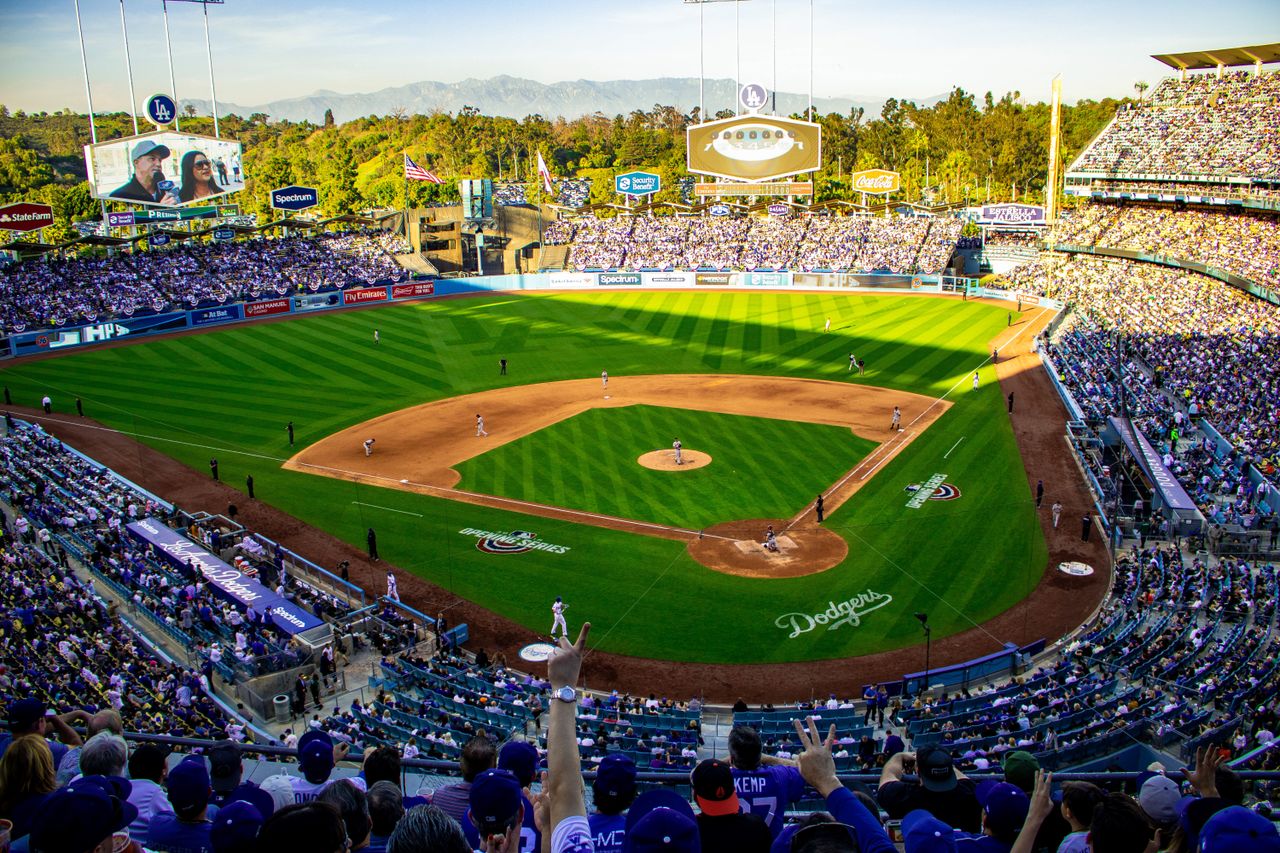
No rivalry in baseball runs older or angrier than Dodgers and Giants, a coast-to-coast blood feud that predates both teams' move west and still turns every meeting into an event. A September series at Chavez Ravine could decide the division, and Dodger Stadium will be rocking, blue everywhere, orange-and-black interlopers getting an earful, the tension thick from the first pitch. Saturday, September 19, 2026, Dodger Stadium, Los Angeles. This is the one to circle: a packed house, a storied enemy, and a pennant race in the balance under the September lights. Get your tickets early, because Dodgers-Giants on a Saturday night is one of the first sellouts every year. Come feel a hundred and thirty years of rivalry crackle through the Ravine. There is no bigger regular-season night.
Most rivalries get inherited from grandparents. This one was built in real time, in front of people who can remember when neither club particularly cared about the other, which is precisely why it burns hotter than the polite old ones.
When San Diego comes north late in a season, Chavez Ravine turns into something else entirely. The yellow-clad Friars faithful make an alarming amount of noise in enemy territory. A blue-clad sellout roars back down at them. Nobody in the building is neutral, and the arguments in the aisles are half the entertainment.
The stakes are the other half. A late divisional meeting like this can swing the West, and both dugouts manage it like October arrived early — pitching changes in the sixth that would be unthinkable in April.
Get there early, take the skyline in from the top deck, and bring the friend who claims baseball is slow. This ends that argument permanently.
Nov 16 – Nov 18, 2026
200
Dodger Stadium, 1000 Vin Scully Av…
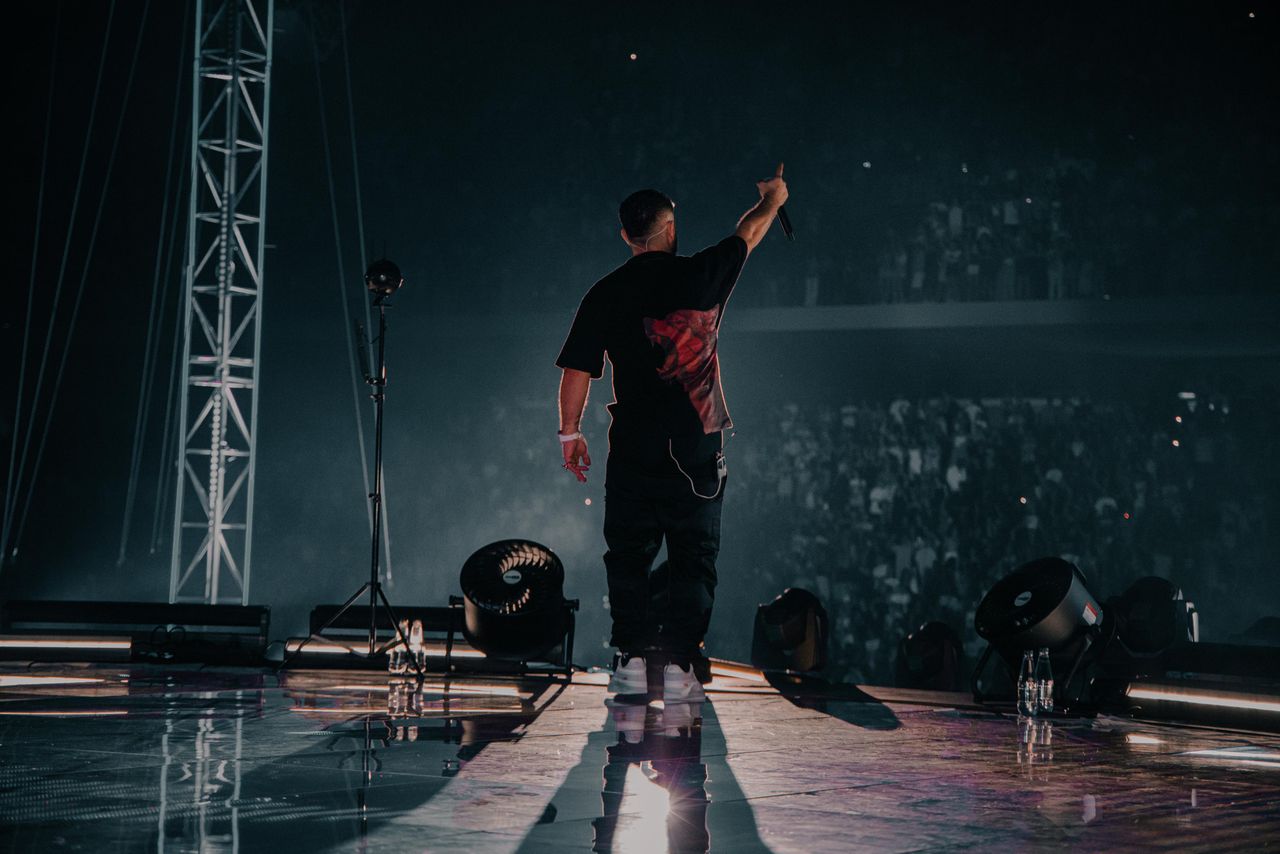
Tyler the Creator builds his festival the way he makes his albums — as a complete vision, not a lineup. The 2026 edition runs November 16–17 at Dodger Stadium: Tyler himself, Andre 3000, Erykah Badu, Playboi Carti, Earl Sweatshirt, Vince Staples, Daniel Caesar. Sixty thousand people. This is his current read on what matters. Flog Gnaw feels nothing like a conventional music festival. Tyler's aesthetic — Golf Wang colors, surrealist visual direction, Converse collabs, the cartoon universe he's been building since Odd Future — pervades every inch of the grounds. The headliner list reads like Tyler's personal taste index rather than a booking agency's safe plays: Andre 3000's rare public appearances, Earl Sweatshirt's deliberately sparse touring schedule, legacy artists like Erykah Badu alongside younger voices. The surprise guest tradition is genuine — in past years unannounced performers have drawn more conversation than the headliners. The crowd skews young, fashion-conscious, and culturally literate in a way that is self-selecting. Flog Gnaw is the festival where people bring cameras for the fits, not just the performances. This is for people whose music listening doesn't fit a single genre label — who have Tyler the Creator, Badu, Earl, and Daniel Caesar on the same playlist and see nothing contradictory about that. It is for the aesthetically curious. It is not for people who want clear setlist times, grid-pattern stages, and predictable headliner slots. Tyler runs his festival on his own logic, and that's the point. If that energy resonates, Camp Flog Gnaw is one of the few festivals where the curation is unambiguously the product. Two-day passes sell significantly faster than single-day. The Dodger Stadium location is accessible by Metro (Dodger Stadium Express from Union Station — skip the parking). Merchandise drops at Flog Gnaw are serious and sell out quickly; the Golf Wang collabs available only at the festival have become collector items. Arrive early day one — the grounds have carnival rides, food, and art installations that reward exploration before the headliners. Andre 3000's live appearances remain rare enough to justify the trip from anywhere in the country. Tyler the Creator built a world — Golf Wang, Odd Future, Igor, Call Me If You Get Lost, Cherry Bomb — and Flog Gnaw is where that world becomes a place you can stand in for two days. The music industry produces thousands of festivals. Very few of them feel like they could only exist because one specific person willed them into being. Flog Gnaw is one of them. Tickets at Ticketmaster. November 16-17, 2026, Dodger Stadium, Los Angeles.
Somewhere past the Hollywood stretch you look up mid-stride and realize you are running through the postcard version of this city — the one you assumed only existed in establishing shots and other people's vacations. Nobody warns you about that. It arrives on its own.
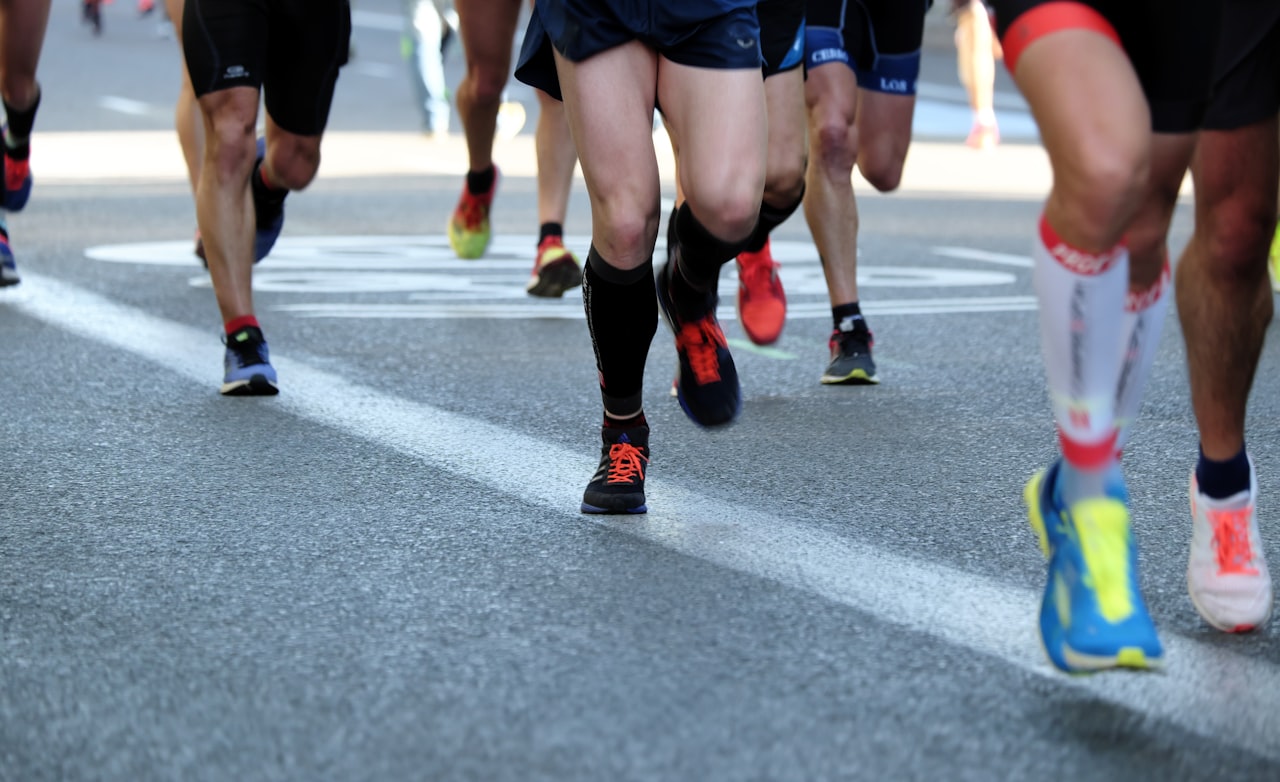
They call the route Stadium to the Stars and it earns the name: out of Dodger Stadium, through Hollywood and West Hollywood, into Beverly Hills, past Rodeo Drive and down the Wilshire Corridor, finishing on Avenue of the Stars. Twenty-six point two miles of a city that normally refuses to be seen at walking pace.
The crowds carry it. The West Hollywood stretch near Santa Monica Boulevard is reliably the loudest noise on the entire course, and standing there for a few hours is worth doing even if you never lace up.
Registration, charity bibs, and lottery entries are all open.
Send it to the friend who keeps saying next year. It is next year.
The Los Angeles Marathon runs its 42nd edition in March 2027 — a 26.2-mile course through the heart of Los Angeles that passes the most iconic locations in one of the world's most distinctive cities. The LA Marathon's Stadium to the Sea course begins at Dodger Stadium and finishes at the Santa Monica Pier, covering 26 miles of LA street scenes that no car tour can replicate.
The course runs through downtown Los Angeles, Chinatown, East Hollywood, Hollywood, West Hollywood, Beverly Hills, Century City, Brentwood, and Santa Monica — a cross-section of the city that covers its full range from historic working-class neighborhoods through some of the most expensive real estate in the world. Spectators line the full course, and dozens of community entertainment zones along the route provide live music, bands, and cheering sections.
More than 25,000 runners participate in the marathon and accompanying half-marathon and 5K. Corrals open based on qualifying time and lottery selection. The event is free to spectate from the public sidewalk throughout the course; viewing at specific cheer zones along the route is organized by neighborhood groups and race partners.
Dodger Stadium at 1000 Vin Scully Ave in Los Angeles is the start. The Santa Monica Pier at 200 Santa Monica Pier is the finish, with expo and post-race celebration on the beach. Metro accessible from multiple lines throughout the course. Registration for the 2027 LA Marathon opens in the fall of 2026 through the LA Marathon website.
Mar 25 – Mar 30, 2027
Dodger Stadium, 1000 Vin Scully Av…
Los Angeles does not technically have seasons. It has this instead — the first home game at Chavez Ravine, and a whole city remembering, all on the same afternoon, what it actually is.
Get there early and the thing that gets you is not the ceremony. It is the hillside. The bowl was cut down into the ridge back in the sixties, so the crowd comes in above the field with downtown behind them and, on a clear day, the San Gabriels standing over the outfield like somebody staged them. Then the retired numbers are read out, the first pitch goes, and spring begins by municipal decree.
The roster on that grass is already chasing October, which makes the afternoon the first data point of a year the city will argue about for months.
Take the shuttle up from Union Station, and take somebody who has never been. Watch their face the moment the hill opens up in front of them.
2025 World Series Replica Trophy giveaway to the first 40,000 fans through the gates tonight. Giants-Dodgers is the oldest rivalry in American professional sports. The history in the room is real.
Dodger Stadium sits above Chavez Ravine with the San Gabriel Mountains framing the outfield and 56,000 seats that fill up for a reason. The Dodgers have been the cultural heartbeat of Los Angeles for decades, and a night at the Stadium is one of the few places in the city where strangers genuinely talk to each other.
Gates open two hours before first pitch. Batting practice is worth arriving early for — players are accessible, the park is quiet, and the light across the infield is different before the crowd fills in. Dodger Dogs have been a point of pride and debate since 1962. The third-base pavilion gets loud faster than anywhere else in the park.
Parking on-site is $35 (cash and card). Rideshare drop-off at the Elysian Park Ave gate is the cleaner move. The Dodger Stadium Express from Union Station is $8 round trip.
Ice Cube Lowrider Bobblehead giveaway to the first 40,000 fans through the gates.
Giants-Dodgers is the oldest rivalry in American professional sports. The history in the room is real.
Dodger Stadium sits above Chavez Ravine with the San Gabriel Mountains framing the outfield and 56,000 seats that fill up for a reason. The Dodgers have been the cultural heartbeat of Los Angeles for decades, and a night at the Stadium is one of the few places in the city where strangers genuinely talk to each other.
Gates open two hours before first pitch, which matters. Batting practice at Dodger Stadium is worth arriving early for — players are accessible, the park is quiet, and the light across the infield is different before the crowd fills in. Dodger Dogs have been a point of pride and debate since 1962. The loaded nachos are not a lesser option. The third-base pavilion gets loud faster than anywhere else in the park.
The fan base is multi-generational and genuinely diverse — Koreatown, East LA, the Valley, and transplants from every other MLB city all show up. What ties it together is that most people who love the Dodgers really love the Dodgers. Division rivals bring out the loudest crowds. Night games in summer are the best version of LA.
Parking on-site is $35 (cash and card). Rideshare drop-off at the Elysian Park Ave gate is the cleaner move on a sell-out night. The Dodger Stadium Express runs from Union Station — $8 round trip, no traffic, no parking.
2025 World Champions Gold Jersey giveaway to the first 40,000 fans.
Giants-Dodgers is the oldest rivalry in American professional sports. The history in the room is real.
Dodger Stadium sits above Chavez Ravine with the San Gabriel Mountains framing the outfield and 56,000 seats that fill up for a reason. The Dodgers have been the cultural heartbeat of Los Angeles for decades, and a night at the Stadium is one of the few places in the city where strangers genuinely talk to each other.
Gates open two hours before first pitch, which matters. Batting practice at Dodger Stadium is worth arriving early for — players are accessible, the park is quiet, and the light across the infield is different before the crowd fills in. Dodger Dogs have been a point of pride and debate since 1962. The loaded nachos are not a lesser option. The third-base pavilion gets loud faster than anywhere else in the park.
The fan base is multi-generational and genuinely diverse — Koreatown, East LA, the Valley, and transplants from every other MLB city all show up. What ties it together is that most people who love the Dodgers really love the Dodgers. Division rivals bring out the loudest crowds. Night games in summer are the best version of LA.
Parking on-site is $35 (cash and card). Rideshare drop-off at the Elysian Park Ave gate is the cleaner move on a sell-out night. The Dodger Stadium Express runs from Union Station — $8 round trip, no traffic, no parking.
Giants-Dodgers is the oldest rivalry in American professional sports. The history in the room is real.
Dodger Stadium sits above Chavez Ravine with the San Gabriel Mountains framing the outfield and 56,000 seats that fill up for a reason. The Dodgers have been the cultural heartbeat of Los Angeles for decades, and a night at the Stadium is one of the few places in the city where strangers genuinely talk to each other.
Gates open two hours before first pitch, which matters. Batting practice at Dodger Stadium is worth arriving early for — players are accessible, the park is quiet, and the light across the infield is different before the crowd fills in. Dodger Dogs have been a point of pride and debate since 1962. The loaded nachos are not a lesser option. The third-base pavilion gets loud faster than anywhere else in the park.
The fan base is multi-generational and genuinely diverse — Koreatown, East LA, the Valley, and transplants from every other MLB city all show up. What ties it together is that most people who love the Dodgers really love the Dodgers. Division rivals bring out the loudest crowds. Night games in summer are the best version of LA.
Parking on-site is $35 (cash and card). Rideshare drop-off at the Elysian Park Ave gate is the cleaner move on a sell-out night. The Dodger Stadium Express runs from Union Station — $8 round trip, no traffic, no parking.
Memorial Day Weekend opener. Dave Roberts Bobblehead giveaway to the first 40,000 fans.
Dodger Stadium sits above Chavez Ravine with the San Gabriel Mountains framing the outfield and 56,000 seats that fill up for a reason. The Dodgers have been the cultural heartbeat of Los Angeles for decades, and a night at the Stadium is one of the few places in the city where strangers genuinely talk to each other.
Gates open two hours before first pitch, which matters. Batting practice at Dodger Stadium is worth arriving early for — players are accessible, the park is quiet, and the light across the infield is different before the crowd fills in. Dodger Dogs have been a point of pride and debate since 1962. The loaded nachos are not a lesser option. The third-base pavilion gets loud faster than anywhere else in the park.
The fan base is multi-generational and genuinely diverse — Koreatown, East LA, the Valley, and transplants from every other MLB city all show up. What ties it together is that most people who love the Dodgers really love the Dodgers. Division rivals bring out the loudest crowds. Night games in summer are the best version of LA.
Parking on-site is $35 (cash and card). Rideshare drop-off at the Elysian Park Ave gate is the cleaner move on a sell-out night. The Dodger Stadium Express runs from Union Station — $8 round trip, no traffic, no parking.
Dodger Stadium sits above Chavez Ravine with the San Gabriel Mountains framing the outfield and 56,000 seats that fill up for a reason. The Dodgers have been the cultural heartbeat of Los Angeles for decades, and a night at the Stadium is one of the few places in the city where strangers genuinely talk to each other.
Gates open two hours before first pitch, which matters. Batting practice at Dodger Stadium is worth arriving early for — players are accessible, the park is quiet, and the light across the infield is different before the crowd fills in. Dodger Dogs have been a point of pride and debate since 1962. The loaded nachos are not a lesser option. The third-base pavilion gets loud faster than anywhere else in the park.
The fan base is multi-generational and genuinely diverse — Koreatown, East LA, the Valley, and transplants from every other MLB city all show up. What ties it together is that most people who love the Dodgers really love the Dodgers. Division rivals bring out the loudest crowds. Night games in summer are the best version of LA.
Parking on-site is $35 (cash and card). Rideshare drop-off at the Elysian Park Ave gate is the cleaner move on a sell-out night. The Dodger Stadium Express runs from Union Station — $8 round trip, no traffic, no parking.
Yoshinobu Yamamoto Game 7 Last Out Bobblehead giveaway to the first 40,000 fans.
Dodger Stadium sits above Chavez Ravine with the San Gabriel Mountains framing the outfield and 56,000 seats that fill up for a reason. The Dodgers have been the cultural heartbeat of Los Angeles for decades, and a night at the Stadium is one of the few places in the city where strangers genuinely talk to each other.
Gates open two hours before first pitch, which matters. Batting practice at Dodger Stadium is worth arriving early for — players are accessible, the park is quiet, and the light across the infield is different before the crowd fills in. Dodger Dogs have been a point of pride and debate since 1962. The loaded nachos are not a lesser option. The third-base pavilion gets loud faster than anywhere else in the park.
The fan base is multi-generational and genuinely diverse — Koreatown, East LA, the Valley, and transplants from every other MLB city all show up. What ties it together is that most people who love the Dodgers really love the Dodgers. Division rivals bring out the loudest crowds. Night games in summer are the best version of LA.
Parking on-site is $35 (cash and card). Rideshare drop-off at the Elysian Park Ave gate is the cleaner move on a sell-out night. The Dodger Stadium Express runs from Union Station — $8 round trip, no traffic, no parking.
Alex Vesia Bobblehead giveaway to the first 40,000 fans.
Dodger Stadium sits above Chavez Ravine with the San Gabriel Mountains framing the outfield and 56,000 seats that fill up for a reason. The Dodgers have been the cultural heartbeat of Los Angeles for decades, and a night at the Stadium is one of the few places in the city where strangers genuinely talk to each other.
Gates open two hours before first pitch, which matters. Batting practice at Dodger Stadium is worth arriving early for — players are accessible, the park is quiet, and the light across the infield is different before the crowd fills in. Dodger Dogs have been a point of pride and debate since 1962. The loaded nachos are not a lesser option. The third-base pavilion gets loud faster than anywhere else in the park.
The fan base is multi-generational and genuinely diverse — Koreatown, East LA, the Valley, and transplants from every other MLB city all show up. What ties it together is that most people who love the Dodgers really love the Dodgers. Division rivals bring out the loudest crowds. Night games in summer are the best version of LA.
Parking on-site is $35 (cash and card). Rideshare drop-off at the Elysian Park Ave gate is the cleaner move on a sell-out night. The Dodger Stadium Express runs from Union Station — $8 round trip, no traffic, no parking.
Teoscar Hernandez Bobblehead giveaway to the first 40,000 fans.
Dodger Stadium sits above Chavez Ravine with the San Gabriel Mountains framing the outfield and 56,000 seats that fill up for a reason. The Dodgers have been the cultural heartbeat of Los Angeles for decades, and a night at the Stadium is one of the few places in the city where strangers genuinely talk to each other.
Gates open two hours before first pitch, which matters. Batting practice at Dodger Stadium is worth arriving early for — players are accessible, the park is quiet, and the light across the infield is different before the crowd fills in. Dodger Dogs have been a point of pride and debate since 1962. The loaded nachos are not a lesser option. The third-base pavilion gets loud faster than anywhere else in the park.
The fan base is multi-generational and genuinely diverse — Koreatown, East LA, the Valley, and transplants from every other MLB city all show up. What ties it together is that most people who love the Dodgers really love the Dodgers. Division rivals bring out the loudest crowds. Night games in summer are the best version of LA.
Parking on-site is $35 (cash and card). Rideshare drop-off at the Elysian Park Ave gate is the cleaner move on a sell-out night. The Dodger Stadium Express runs from Union Station — $8 round trip, no traffic, no parking.
Dodger Stadium sits above Chavez Ravine with the San Gabriel Mountains framing the outfield and 56,000 seats that fill up for a reason. The Dodgers have been the cultural heartbeat of Los Angeles for decades, and a night at the Stadium is one of the few places in the city where strangers genuinely talk to each other.
Gates open two hours before first pitch, which matters. Batting practice at Dodger Stadium is worth arriving early for — players are accessible, the park is quiet, and the light across the infield is different before the crowd fills in. Dodger Dogs have been a point of pride and debate since 1962. The loaded nachos are not a lesser option. The third-base pavilion gets loud faster than anywhere else in the park.
The fan base is multi-generational and genuinely diverse — Koreatown, East LA, the Valley, and transplants from every other MLB city all show up. What ties it together is that most people who love the Dodgers really love the Dodgers. Division rivals bring out the loudest crowds. Night games in summer are the best version of LA.
Parking on-site is $35 (cash and card). Rideshare drop-off at the Elysian Park Ave gate is the cleaner move on a sell-out night. The Dodger Stadium Express runs from Union Station — $8 round trip, no traffic, no parking.
Most rivalries are with strangers. This one is with your brother-in-law, and he is coming to the game.
Chavez Ravine with the San Gabriels standing behind the outfield, and fifty-six thousand seats that fill for a reason. It is one of the few places in this city where strangers talk to each other unprompted — Koreatown, East LA, the Valley, transplants from every other city, all tied together by the fact that most people who love this team really love this team.
Gates open two hours before first pitch and that matters. Batting practice is quiet, the players are close, and the light across the infield is different before the crowd arrives. Dodger Dogs have been a point of pride and argument since 1962.
1000 Vin Scully Ave. Parking is $35, or take the Stadium Express from Union Station for $8 round trip and skip the whole problem.
Division rivals bring out the loudest crowds. A summer night here is the best version of the city there is.
Nobody hates the Angels. That is what makes this one strange and, honestly, worse — the Freeway Series is the rivalry where the guy in the other jersey is your brother-in-law, and you have to see him at Thanksgiving.
Chavez Ravine on a summer night is the most companionable place in Los Angeles. Strangers actually talk to each other. Get there when the gates open, two hours before first pitch, because batting practice at Dodger Stadium is its own event: the park quiet, the players close, the light lying flat across the infield before the crowd arrives and changes the temperature of the whole thing. The third-base pavilion gets loud first. It always does.
The crowd comes from Koreatown, East LA, the Valley, and every other city these people moved from. Take the Express from Union Station and skip the lot entirely.
Bring the in-law. Let him wear the red. Some arguments are the point.
The argument does not start at the stadium. It starts at a family dinner, or in a group chat, or in the front seat of a car where one person is wearing red and the other refuses to acknowledge it. Nowhere else in baseball is a rivalry this domestic — the two fan bases usually know each other personally, which is precisely what makes it unbearable.
Chavez Ravine handles it well. The San Gabriels sit behind the outfield, the light goes gold about an hour before first pitch, and 56,000 people from Koreatown and East LA and the Valley and every city that ever exported a fan end up talking to strangers, which almost never happens here.
Gates open two hours early and that is not a throwaway detail: batting practice in a quiet park is a different sport. Dodger Dogs have been a matter of public dispute since 1962. The third-base pavilion gets loud first.
Bring the person you argue with about this. They are the event.
Dodger Stadium sits above Chavez Ravine with the San Gabriel Mountains framing the outfield and 56,000 seats that fill up for a reason. The Dodgers have been the cultural heartbeat of Los Angeles for decades, and a night at the Stadium is one of the few places in the city where strangers genuinely talk to each other.
Gates open two hours before first pitch, which matters. Batting practice at Dodger Stadium is worth arriving early for — players are accessible, the park is quiet, and the light across the infield is different before the crowd fills in. Dodger Dogs have been a point of pride and debate since 1962. The loaded nachos are not a lesser option. The third-base pavilion gets loud faster than anywhere else in the park.
The fan base is multi-generational and genuinely diverse — Koreatown, East LA, the Valley, and transplants from every other MLB city all show up. What ties it together is that most people who love the Dodgers really love the Dodgers. Division rivals bring out the loudest crowds. Night games in summer are the best version of LA.
Parking on-site is $35 (cash and card). Rideshare drop-off at the Elysian Park Ave gate is the cleaner move on a sell-out night. The Dodger Stadium Express runs from Union Station — $8 round trip, no traffic, no parking.
Dodgers Soccer Jersey giveaway to the first 40,000 fans.
Dodger Stadium sits above Chavez Ravine with the San Gabriel Mountains framing the outfield and 56,000 seats that fill up for a reason. The Dodgers have been the cultural heartbeat of Los Angeles for decades, and a night at the Stadium is one of the few places in the city where strangers genuinely talk to each other.
Gates open two hours before first pitch, which matters. Batting practice at Dodger Stadium is worth arriving early for — players are accessible, the park is quiet, and the light across the infield is different before the crowd fills in. Dodger Dogs have been a point of pride and debate since 1962. The loaded nachos are not a lesser option. The third-base pavilion gets loud faster than anywhere else in the park.
The fan base is multi-generational and genuinely diverse — Koreatown, East LA, the Valley, and transplants from every other MLB city all show up. What ties it together is that most people who love the Dodgers really love the Dodgers. Division rivals bring out the loudest crowds. Night games in summer are the best version of LA.
Parking on-site is $35 (cash and card). Rideshare drop-off at the Elysian Park Ave gate is the cleaner move on a sell-out night. The Dodger Stadium Express runs from Union Station — $8 round trip, no traffic, no parking.
Dodger Stadium sits above Chavez Ravine with the San Gabriel Mountains framing the outfield and 56,000 seats that fill up for a reason. The Dodgers have been the cultural heartbeat of Los Angeles for decades, and a night at the Stadium is one of the few places in the city where strangers genuinely talk to each other.
Gates open two hours before first pitch, which matters. Batting practice at Dodger Stadium is worth arriving early for — players are accessible, the park is quiet, and the light across the infield is different before the crowd fills in. Dodger Dogs have been a point of pride and debate since 1962. The loaded nachos are not a lesser option. The third-base pavilion gets loud faster than anywhere else in the park.
The fan base is multi-generational and genuinely diverse — Koreatown, East LA, the Valley, and transplants from every other MLB city all show up. What ties it together is that most people who love the Dodgers really love the Dodgers. Division rivals bring out the loudest crowds. Night games in summer are the best version of LA.
Parking on-site is $35 (cash and card). Rideshare drop-off at the Elysian Park Ave gate is the cleaner move on a sell-out night. The Dodger Stadium Express runs from Union Station — $8 round trip, no traffic, no parking.
Mookie Betts Game 7 Double Play Bobblehead giveaway to the first 40,000 fans.
Dodger Stadium sits above Chavez Ravine with the San Gabriel Mountains framing the outfield and 56,000 seats that fill up for a reason. The Dodgers have been the cultural heartbeat of Los Angeles for decades, and a night at the Stadium is one of the few places in the city where strangers genuinely talk to each other.
Gates open two hours before first pitch, which matters. Batting practice at Dodger Stadium is worth arriving early for — players are accessible, the park is quiet, and the light across the infield is different before the crowd fills in. Dodger Dogs have been a point of pride and debate since 1962. The loaded nachos are not a lesser option. The third-base pavilion gets loud faster than anywhere else in the park.
The fan base is multi-generational and genuinely diverse — Koreatown, East LA, the Valley, and transplants from every other MLB city all show up. What ties it together is that most people who love the Dodgers really love the Dodgers. Division rivals bring out the loudest crowds. Night games in summer are the best version of LA.
Parking on-site is $35 (cash and card). Rideshare drop-off at the Elysian Park Ave gate is the cleaner move on a sell-out night. The Dodger Stadium Express runs from Union Station — $8 round trip, no traffic, no parking.
Shaquille O'Neal Bobblehead giveaway to the first 40,000 fans.
Dodger Stadium sits above Chavez Ravine with the San Gabriel Mountains framing the outfield and 56,000 seats that fill up for a reason. The Dodgers have been the cultural heartbeat of Los Angeles for decades, and a night at the Stadium is one of the few places in the city where strangers genuinely talk to each other.
Gates open two hours before first pitch, which matters. Batting practice at Dodger Stadium is worth arriving early for — players are accessible, the park is quiet, and the light across the infield is different before the crowd fills in. Dodger Dogs have been a point of pride and debate since 1962. The loaded nachos are not a lesser option. The third-base pavilion gets loud faster than anywhere else in the park.
The fan base is multi-generational and genuinely diverse — Koreatown, East LA, the Valley, and transplants from every other MLB city all show up. What ties it together is that most people who love the Dodgers really love the Dodgers. Division rivals bring out the loudest crowds. Night games in summer are the best version of LA.
Parking on-site is $35 (cash and card). Rideshare drop-off at the Elysian Park Ave gate is the cleaner move on a sell-out night. The Dodger Stadium Express runs from Union Station — $8 round trip, no traffic, no parking.
Father's Day at Dodger Stadium. Special giveaway for dads at the gates.
Dodger Stadium sits above Chavez Ravine with the San Gabriel Mountains framing the outfield and 56,000 seats that fill up for a reason. The Dodgers have been the cultural heartbeat of Los Angeles for decades, and a night at the Stadium is one of the few places in the city where strangers genuinely talk to each other.
Gates open two hours before first pitch, which matters. Batting practice at Dodger Stadium is worth arriving early for — players are accessible, the park is quiet, and the light across the infield is different before the crowd fills in. Dodger Dogs have been a point of pride and debate since 1962. The loaded nachos are not a lesser option. The third-base pavilion gets loud faster than anywhere else in the park.
The fan base is multi-generational and genuinely diverse — Koreatown, East LA, the Valley, and transplants from every other MLB city all show up. What ties it together is that most people who love the Dodgers really love the Dodgers. Division rivals bring out the loudest crowds. Night games in summer are the best version of LA.
Parking on-site is $35 (cash and card). Rideshare drop-off at the Elysian Park Ave gate is the cleaner move on a sell-out night. The Dodger Stadium Express runs from Union Station — $8 round trip, no traffic, no parking.
Division rival showdown to open the 10-game homestand.
The Padres bring the loudest visiting fans in the NL West — this one has a different edge than a regular home game.
Dodger Stadium sits above Chavez Ravine with the San Gabriel Mountains framing the outfield and 56,000 seats that fill up for a reason. The Dodgers have been the cultural heartbeat of Los Angeles for decades, and a night at the Stadium is one of the few places in the city where strangers genuinely talk to each other.
Gates open two hours before first pitch, which matters. Batting practice at Dodger Stadium is worth arriving early for — players are accessible, the park is quiet, and the light across the infield is different before the crowd fills in. Dodger Dogs have been a point of pride and debate since 1962. The loaded nachos are not a lesser option. The third-base pavilion gets loud faster than anywhere else in the park.
The fan base is multi-generational and genuinely diverse — Koreatown, East LA, the Valley, and transplants from every other MLB city all show up. What ties it together is that most people who love the Dodgers really love the Dodgers. Division rivals bring out the loudest crowds. Night games in summer are the best version of LA.
Parking on-site is $35 (cash and card). Rideshare drop-off at the Elysian Park Ave gate is the cleaner move on a sell-out night. The Dodger Stadium Express runs from Union Station — $8 round trip, no traffic, no parking.
The Padres bring the loudest visiting fans in the NL West — this one has a different edge than a regular home game.
Dodger Stadium sits above Chavez Ravine with the San Gabriel Mountains framing the outfield and 56,000 seats that fill up for a reason. The Dodgers have been the cultural heartbeat of Los Angeles for decades, and a night at the Stadium is one of the few places in the city where strangers genuinely talk to each other.
Gates open two hours before first pitch, which matters. Batting practice at Dodger Stadium is worth arriving early for — players are accessible, the park is quiet, and the light across the infield is different before the crowd fills in. Dodger Dogs have been a point of pride and debate since 1962. The loaded nachos are not a lesser option. The third-base pavilion gets loud faster than anywhere else in the park.
The fan base is multi-generational and genuinely diverse — Koreatown, East LA, the Valley, and transplants from every other MLB city all show up. What ties it together is that most people who love the Dodgers really love the Dodgers. Division rivals bring out the loudest crowds. Night games in summer are the best version of LA.
Parking on-site is $35 (cash and card). Rideshare drop-off at the Elysian Park Ave gate is the cleaner move on a sell-out night. The Dodger Stadium Express runs from Union Station — $8 round trip, no traffic, no parking.
Fourth of July at Dodger Stadium. Post-game fireworks show over the outfield.
The Padres bring the loudest visiting fans in the NL West — this one has a different edge than a regular home game.
Dodger Stadium sits above Chavez Ravine with the San Gabriel Mountains framing the outfield and 56,000 seats that fill up for a reason. The Dodgers have been the cultural heartbeat of Los Angeles for decades, and a night at the Stadium is one of the few places in the city where strangers genuinely talk to each other.
Gates open two hours before first pitch, which matters. Batting practice at Dodger Stadium is worth arriving early for — players are accessible, the park is quiet, and the light across the infield is different before the crowd fills in. Dodger Dogs have been a point of pride and debate since 1962. The loaded nachos are not a lesser option. The third-base pavilion gets loud faster than anywhere else in the park.
The fan base is multi-generational and genuinely diverse — Koreatown, East LA, the Valley, and transplants from every other MLB city all show up. What ties it together is that most people who love the Dodgers really love the Dodgers. Division rivals bring out the loudest crowds. Night games in summer are the best version of LA.
Parking on-site is $35 (cash and card). Rideshare drop-off at the Elysian Park Ave gate is the cleaner move on a sell-out night. The Dodger Stadium Express runs from Union Station — $8 round trip, no traffic, no parking.
The Padres bring the loudest visiting fans in the NL West — this one has a different edge than a regular home game.
Dodger Stadium sits above Chavez Ravine with the San Gabriel Mountains framing the outfield and 56,000 seats that fill up for a reason. The Dodgers have been the cultural heartbeat of Los Angeles for decades, and a night at the Stadium is one of the few places in the city where strangers genuinely talk to each other.
Gates open two hours before first pitch, which matters. Batting practice at Dodger Stadium is worth arriving early for — players are accessible, the park is quiet, and the light across the infield is different before the crowd fills in. Dodger Dogs have been a point of pride and debate since 1962. The loaded nachos are not a lesser option. The third-base pavilion gets loud faster than anywhere else in the park.
The fan base is multi-generational and genuinely diverse — Koreatown, East LA, the Valley, and transplants from every other MLB city all show up. What ties it together is that most people who love the Dodgers really love the Dodgers. Division rivals bring out the loudest crowds. Night games in summer are the best version of LA.
Parking on-site is $35 (cash and card). Rideshare drop-off at the Elysian Park Ave gate is the cleaner move on a sell-out night. The Dodger Stadium Express runs from Union Station — $8 round trip, no traffic, no parking.
Dodger Stadium sits above Chavez Ravine with the San Gabriel Mountains framing the outfield and 56,000 seats that fill up for a reason. The Dodgers have been the cultural heartbeat of Los Angeles for decades, and a night at the Stadium is one of the few places in the city where strangers genuinely talk to each other.
Gates open two hours before first pitch, which matters. Batting practice at Dodger Stadium is worth arriving early for — players are accessible, the park is quiet, and the light across the infield is different before the crowd fills in. Dodger Dogs have been a point of pride and debate since 1962. The loaded nachos are not a lesser option. The third-base pavilion gets loud faster than anywhere else in the park.
The fan base is multi-generational and genuinely diverse — Koreatown, East LA, the Valley, and transplants from every other MLB city all show up. What ties it together is that most people who love the Dodgers really love the Dodgers. Division rivals bring out the loudest crowds. Night games in summer are the best version of LA.
Parking on-site is $35 (cash and card). Rideshare drop-off at the Elysian Park Ave gate is the cleaner move on a sell-out night. The Dodger Stadium Express runs from Union Station — $8 round trip, no traffic, no parking.
Dodger Stadium sits above Chavez Ravine with the San Gabriel Mountains framing the outfield and 56,000 seats that fill up for a reason. The Dodgers have been the cultural heartbeat of Los Angeles for decades, and a night at the Stadium is one of the few places in the city where strangers genuinely talk to each other.
Gates open two hours before first pitch, which matters. Batting practice at Dodger Stadium is worth arriving early for — players are accessible, the park is quiet, and the light across the infield is different before the crowd fills in. Dodger Dogs have been a point of pride and debate since 1962. The loaded nachos are not a lesser option. The third-base pavilion gets loud faster than anywhere else in the park.
The fan base is multi-generational and genuinely diverse — Koreatown, East LA, the Valley, and transplants from every other MLB city all show up. What ties it together is that most people who love the Dodgers really love the Dodgers. Division rivals bring out the loudest crowds. Night games in summer are the best version of LA.
Parking on-site is $35 (cash and card). Rideshare drop-off at the Elysian Park Ave gate is the cleaner move on a sell-out night. The Dodger Stadium Express runs from Union Station — $8 round trip, no traffic, no parking.
Dodger Stadium sits above Chavez Ravine with the San Gabriel Mountains framing the outfield and 56,000 seats that fill up for a reason. The Dodgers have been the cultural heartbeat of Los Angeles for decades, and a night at the Stadium is one of the few places in the city where strangers genuinely talk to each other.
Gates open two hours before first pitch, which matters. Batting practice at Dodger Stadium is worth arriving early for — players are accessible, the park is quiet, and the light across the infield is different before the crowd fills in. Dodger Dogs have been a point of pride and debate since 1962. The loaded nachos are not a lesser option. The third-base pavilion gets loud faster than anywhere else in the park.
The fan base is multi-generational and genuinely diverse — Koreatown, East LA, the Valley, and transplants from every other MLB city all show up. What ties it together is that most people who love the Dodgers really love the Dodgers. Division rivals bring out the loudest crowds. Night games in summer are the best version of LA.
Parking on-site is $35 (cash and card). Rideshare drop-off at the Elysian Park Ave gate is the cleaner move on a sell-out night. The Dodger Stadium Express runs from Union Station — $8 round trip, no traffic, no parking.
Some games you go to for the box score, and some you go to because the crowd itself is the event — a division rival, seeding on the line, and 56,000 people who all turned up in a bad mood about the standings. That's an NL West night against the Arizona Diamondbacks, and they bring out the loudest the ballpark gets all year. Get there when gates open, two hours before first pitch: batting practice is close-up and the infield light goes long across Chavez Ravine before the seats fill under the San Gabriels. The Dodger Dog has been argued about since 1962; the loaded nachos are no consolation prize; the third-base pavilion finds full volume first. Parking is $35 on-site, or take the Dodger Stadium Express from Union Station for $8 round trip and skip the traffic entirely. A rival, a warm night, and a full house — that's the version of this place people mean when they say there's nothing like it.
There are only a handful of places left in Los Angeles where strangers actually talk to each other, and one of them is a division-rival night with something on the line. This is an NL West matchup against the Arizona Diamondbacks with postseason implications — the kind that fills all 56,000 seats and keeps them loud. What ties the room together is the range of people in it: Koreatown, East LA, the Valley, transplants from every other MLB city, bound by the plain, unembarrassed fact that they really love this team. Come for the two hours before first pitch too — batting practice up close, the ballpark quiet, the light different across the infield before the crowd arrives. The Dodger Dog has been a point of pride since 1962, and the third-base pavilion is where the noise starts. Parking's $35 on-site; the $8 Dodger Stadium Express from Union Station is the cleaner way in. Bring someone who's never gone — this is the game that converts them.
It is one of the few places left in Los Angeles where strangers genuinely talk to each other — Koreatown, East LA, the Valley, and transplants from every other MLB city all end up in the same section, tied together by the simple fact that most people who love the Dodgers really love the Dodgers. This is an NL West matchup against the Arizona Diamondbacks with postseason implications.
Dodger Stadium sits above Chavez Ravine with the San Gabriel Mountains framing the outfield and 56,000 seats that fill up for a reason — the Dodgers have been the cultural heartbeat of the city for decades. Gates open two hours before first pitch, which matters: batting practice is worth arriving early for, when players are accessible, the park is quiet, and the light across the infield is different before the crowd fills in. Dodger Dogs have been a point of pride and debate since 1962, the loaded nachos are not a lesser option, and the third-base pavilion gets loud faster than anywhere else in the park. Division rivals bring out the loudest crowds, and night games in summer are the best version of LA.
Parking on-site is $35 (cash and card). Rideshare drop-off at the Elysian Park Ave gate is the cleaner move on a sell-out night. The Dodger Stadium Express runs from Union Station — $8 round trip, no traffic, no parking.
Two West Coast clubs under the lights, the marine air off the basin, and that low golden wash across the infield before the seats fill — a Mariners night is one of the easy ones to show up early for. Get there when gates open, two hours before first pitch: batting practice is close-up, the park is quiet, and Chavez Ravine sits under the San Gabriels doing the thing it does at dusk. Dodger Dogs have been argued about since 1962, the loaded nachos hold their own, and the third-base pavilion finds full volume faster than any other section. The crowd is the real draw — Koreatown, East LA, the Valley, transplants from every other MLB city, all bound by the plain fact that people who love this team really love it. Parking's $35 on-site; the Dodger Stadium Express from Union Station is $8 round trip and skips the whole traffic problem. Los Angeles Dodgers vs Seattle Mariners at Dodger Stadium.
Bring the friend who moved down from Seattle and still won't admit they've switched allegiances — a Mariners series at Dodger Stadium is built for exactly that kind of split loyalty, two Pacific fan bases in one ballpark. Come early; the two hours before first pitch, with batting practice up close and the light going long across the infield under the San Gabriels, are half the reason to have a ticket. The Dodger Dog has been a point of pride and debate since 1962, and the third-base pavilion is where the noise starts. What actually ties the place together is the range of people in it — Koreatown, East LA, the Valley, arrivals from every other MLB city — and the shared, unembarrassed fact that they really love this team. Parking is $35 on-site, or take the $8 Dodger Stadium Express from Union Station and skip the lot entirely. Los Angeles Dodgers vs Seattle Mariners at Dodger Stadium.
Bring a friend from Seattle to this one and watch what happens when the Mariners come to town - the Dodgers-Mariners interleague meeting turns 56,000 seats into a debate, and Dodger Stadium is one of the few places in Los Angeles where the strangers around you will actually join it.
The park sits above Chavez Ravine with the San Gabriel Mountains framing the outfield, and the Dodgers have been the cultural heartbeat of the city for decades. Gates open two hours before first pitch, which matters: batting practice is worth arriving early for, players are accessible, and the light across the infield is different before the crowd fills in. Dodger Dogs have been argued over since 1962, and the loaded nachos are not a lesser option. The third-base pavilion gets loud faster than anywhere else in the park.
The fan base is genuinely diverse - Koreatown, East LA, the Valley, transplants from every MLB city - held together by the plain fact that most people who love the Dodgers really love the Dodgers. Night games in summer are the best version of LA.
Parking on-site is $35 (cash and card). Rideshare drop-off at the Elysian Park Ave gate is the cleaner move on a sell-out night. The Dodger Stadium Express runs from Union Station - $8 round trip, no traffic, no parking.
There is a certain electricity that only shows up when the Red Sox are in town - two of baseball's most storied fan bases, a matchup with the weight of two coasts behind it, and a crowd that arrives knowing this is not a filler night. Gates open two hours before first pitch, which matters. Batting practice at Dodger Stadium is worth arriving early for - players are accessible, the park is quiet, and the light across the infield is different before the crowd fills in. Dodger Dogs have been a point of pride and debate since 1962, and the loaded nachos are not a lesser option. The third-base pavilion gets loud faster than anywhere else in the park. The fan base is multi-generational and genuinely diverse - Koreatown, East LA, the Valley, transplants from every other MLB city - and what ties it together is that most people who love the Dodgers really love the Dodgers. Interleague heavyweights like Boston bring out the loudest crowds. Night games in summer are the best version of LA. Parking on-site is $35 (cash and card); rideshare drop-off at the Elysian Park Ave gate is the cleaner move on a sell-out night, and the Dodger Stadium Express runs from Union Station for $8 round trip - no traffic, no parking. Los Angeles Dodgers vs Boston Red Sox at Dodger Stadium.
The Red Sox in town is never just another series - it drags a hundred-plus years of baseball weight into the building and packs the seats with two of the sport's most passionate fan bases arguing across the aisles. Gates open two hours before first pitch, which matters. Batting practice at Dodger Stadium is worth arriving early for - players are accessible, the park is quiet, and the light across the infield is different before the crowd fills in. Dodger Dogs have been a point of pride and debate since 1962, and the loaded nachos are not a lesser option. The third-base pavilion gets loud faster than anywhere else in the park. The fan base is multi-generational and genuinely diverse - Koreatown, East LA, the Valley, transplants from every other MLB city - and what ties it together is that most people who love the Dodgers really love the Dodgers. A marquee interleague opponent like Boston brings out the loudest crowds. Night games in summer are the best version of LA. Parking on-site is $35 (cash and card); rideshare drop-off at the Elysian Park Ave gate is the cleaner move on a sell-out night, and the Dodger Stadium Express runs from Union Station for $8 round trip - no traffic, no parking. Los Angeles Dodgers vs Boston Red Sox at Dodger Stadium.
There is no home crowd in baseball louder than Dodger fans watching Boston come to town - two of the sport's most storied franchises, two fan bases that carry a chip, and a stadium that finds another gear for it. Dodger Stadium sits above Chavez Ravine with the San Gabriel Mountains framing the outfield and 56,000 seats that fill up for a reason, one of the few places in the city where strangers genuinely talk to each other. Gates open two hours before first pitch, and that matters: batting practice is worth arriving early for, when players are accessible, the park is quiet, and the light across the infield is different before the crowd fills in. Dodger Dogs have been a point of pride and debate since 1962, the loaded nachos are not a lesser option, and the third-base pavilion gets loud faster than anywhere else in the park. The fan base is multi-generational and genuinely diverse - Koreatown, East LA, the Valley, and transplants from every other MLB city all show up - held together by the plain fact that most people who love the Dodgers really love them, and a marquee interleague opponent like the Red Sox brings out the loudest version of that crowd. Parking on-site is $35 (cash and card). Rideshare drop-off at the Elysian Park Ave gate is the cleaner move on a sell-out night. The Dodger Stadium Express runs from Union Station - $8 round trip, no traffic, no parking.
Interleague games in the middle of the schedule are supposed to be the throwaway ones. Then you get there early on a weeknight, the sun is doing that thing behind the San Gabriels, the park is still half empty and completely quiet, and you understand that the throwaway game is the best version of this place.
Gates open two hours before first pitch and hardly anyone uses them. Batting practice in a half-full stadium is a different sport: you hear the contact, the players are close enough to talk to, and the light across the infield before the crowd arrives does not exist at any other hour.
Then it fills, because it always does — fifty-six thousand people out of Koreatown and East LA and the Valley, plus everyone who moved here from a city with a worse team. Dodger Dogs have been under public dispute since 1962. The third-base pavilion gets loud before anywhere else.
Skip the parking lot; the Express runs from Union Station.
Take the person who says baseball is boring. Sit them down before first pitch and let the empty park make the argument.
Nothing at this ballpark beats the hour before anybody shows up. Gates open two hours ahead of first pitch and almost nobody uses them, so batting practice happens in a nearly empty stadium with the light coming across the infield at an angle you never see once the seats fill in. Players are close enough to talk to. It is the quietest the place gets all night.
There is also a particular mood when Kansas City comes in — a grudging respect for the club that took a World Series people around here still argue about.
The crowd is the real attraction anyway: Koreatown, East LA, the Valley, transplants from every other city, somehow all the way in on it together. The third-base pavilion gets loud faster than anywhere else in the park, and the Dodger Dog argument has run unresolved since 1962.
Take the transplant who has not picked a team yet. A summer night here does most of the work for you.
Some games sneak up on you. A midweek Royals matchup reads as routine on the schedule, and then the third-base pavilion is loud by the second inning and you remember why you keep buying these tickets.
Get there when the gates open. Batting practice at this park is the secret hour: the place is quiet, the players are close enough to hear, and the light across the infield before the crowd arrives is nothing like what you get later. Then the seats fill with Koreatown and East LA and the Valley and transplants from every other city in the league, and what holds it together is that people who love the Dodgers really love the Dodgers. Argue about the Dodger Dog, a point of pride since 1962. Order the nachos anyway.
Chavez Ravine, mountains behind the outfield, with the stadium express running from Union Station if you would rather skip the lot. Summer night games are the best version of this city and everybody who lives here knows it.
Aug 13, 2026
$30+
Dodger Stadium, 1000 Vin Scully Av…
Bulgogi smoke drifts across the lot and meets Dodger dog smoke halfway, two smells that learned to share air out here decades ago and never negotiated about it.
Inside, the cheering arrives in two languages and nobody in the sections closest to Koreatown so much as turns a head, because this is how it has always sounded: Vin Scully coming out of one radio in the kitchen and a Korean news broadcast out of another, and no household ever experienced that as a contradiction. Heritage Night puts a name on something that was true long before anybody printed a ticket package for it. The collectibles sell out because they are not merchandise. They are a receipt for belonging to this place.
Chavez Ravine, a summer weeknight, packages through the club.
Bring your parents. Let them explain the parts you were too young to remember.
Get there when the gates open, two hours early, before the seats fill. The park is nearly silent, batting practice is cracking off the bat and echoing around an empty bowl, and the light comes across the infield at an angle you will never see again once the crowd arrives.
That hour is the best-kept thing in Los Angeles sports. The rest is what you came for: the mountains sitting behind the outfield, a stadium that has held this city's attention since the sixties, and a crowd that is Koreatown and East LA and the Valley and every transplant who never let go of another team but shows up here anyway. The third-base pavilion gets loud first. Dodger Dogs remain an argument nobody has ever settled.
Chavez Ravine, and take the train from Union Station if you would rather skip the lot entirely.
Go with someone who has never been. Watch their face when they come up the ramp and the field opens.
This is one of the last places in Los Angeles where strangers genuinely talk to each other. Somebody two rows up will explain the pitching change to you whether or not you asked for it, and then buy you nothing and stay your friend for nine innings.
Come early. Gates open two hours ahead and that window is the good one — batting practice, players close enough to hear, and a light across the infield that vanishes the second the place fills. The park sits above Chavez Ravine with the San Gabriels framing the outfield. Milwaukee is in town and good, which raises the temperature. The third-base pavilion gets loud faster than anywhere else in the building, and people have been arguing about Dodger Dogs since 1962 without resolving a thing.
Parking is on-site, though the Express out of Union Station skips the traffic entirely.
Bring the friend who swears their hometown ballpark is better. Let the crowd handle it.
Aug 22, 2026
$25+
Dodger Stadium, 1000 Vin Scully Av…
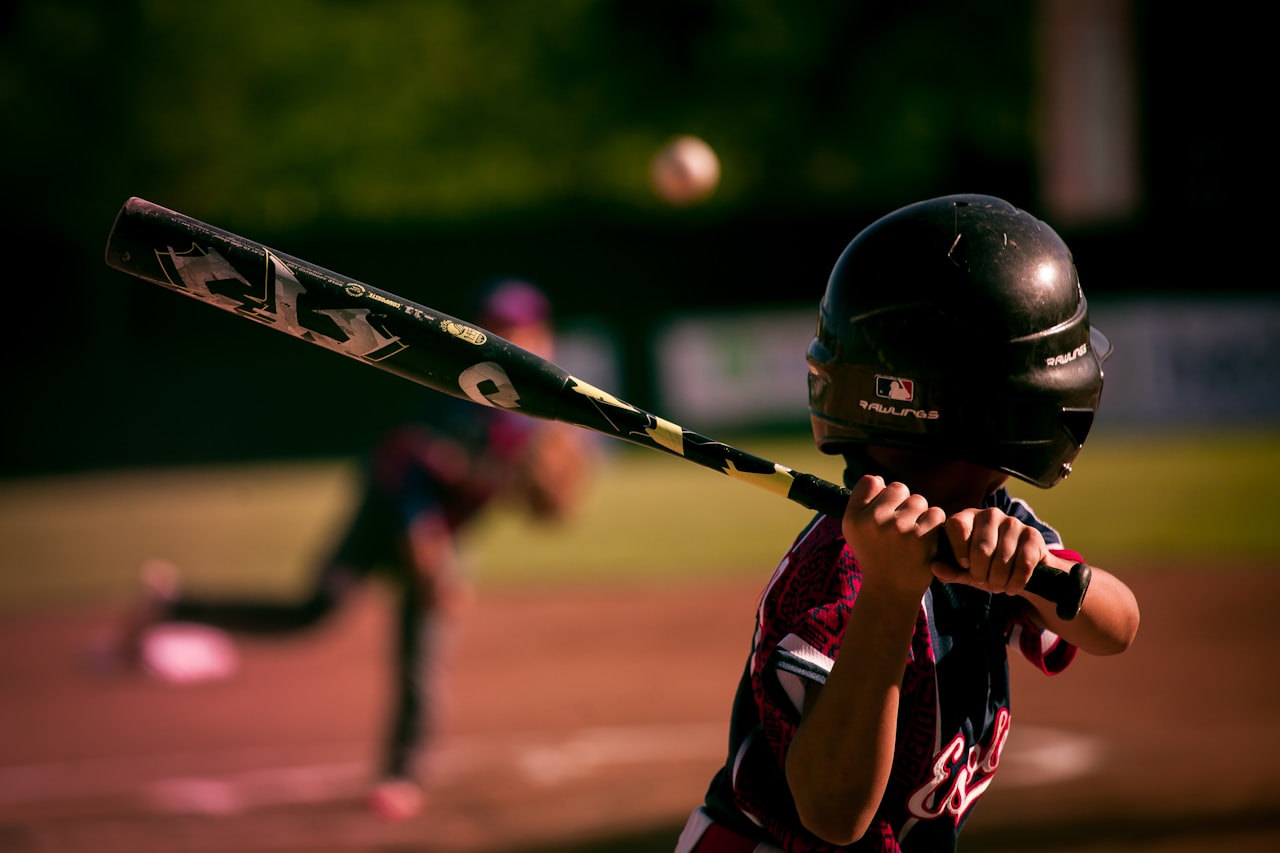
Bring the kids for this one. A weekend afternoon against the young, scrappy Pittsburgh Pirates is exactly the kind of relaxed, family-friendly Dodger Stadium outing that turns children into lifelong fans: sunshine, a Dodger Dog, the wave rolling around the pavilion, and stars in the making on both sides of the diamond. Saturday, August 22, 2026, Dodger Stadium, Los Angeles. Get there early so the little ones can watch batting practice from down low, snag a giveaway if there is one, and soak up a laid-back day of baseball in the Southern California sun. Even a matchup that looks quiet on paper feels special in a ballpark this beautiful. This is the easy, joyful, all-ages day at the ballpark every LA summer deserves.
September changes the sound of a ballpark. Every at-bat starts carrying weight it did not have in June, the crowd goes quieter earlier and louder later, and people who barely follow the standings start refreshing them between innings.
St. Louis is the right opponent for that. It is one of the oldest rivalries in the National League — soaked in postseason history and a mutual respect that never quite reads as friendliness — and it always seems to matter more than the standings suggest it should. Two clubs that have ended each other's seasons before, meeting while the calendar has already begun to bend toward October.
Chavez Ravine, with the downtown skyline sitting out past the third-base side.
Get there before first pitch and let the place fill up around you. Bring the person who says they only watch the playoffs — this is what the playoffs are made out of.
By September, every home game at Dodger Stadium carries the charged weight of a pennant race, and a Saturday night against the Washington Nationals is a chance to watch a contender lock in for the stretch run. The Ravine in early autumn is pure Los Angeles magic: warm evenings, the pavilion packed in blue, and the whole ballpark leaning into every pitch as October creeps closer. Saturday, September 5, 2026, Dodger Stadium, Los Angeles. Come for the Saturday-night atmosphere and the fireworks the Dodgers so often send up afterward, and stay for the buzz of a crowd that can taste the postseason. Get there early for the sunset over center field. Late-season baseball at the Ravine, under the lights, with everything on the line, is about as good as it gets.
Summer ends here, on a holiday afternoon when the crowd is loose, the season is closing, and fifty-six thousand people decide to spend the last long weekend in the same place. The park sits above Chavez Ravine with the San Gabriels framing the outfield, and it is still one of the few places in this city where strangers genuinely talk to each other. Come early. Gates open two hours before first pitch, and batting practice is the best-kept part of the day: players accessible, the park quiet, the light across the infield different than it will be all night. The Dodger Dog has been a point of pride and argument since 1962. The third-base pavilion gets loud faster than anywhere else in the building. The crowd is Koreatown and East LA and the Valley and transplants from everywhere, held together by the fact that people who love this team really love it. Bring the person who taught you the game.
Want personalized recommendations?
Create a free account and we'll surface events matched to your taste.