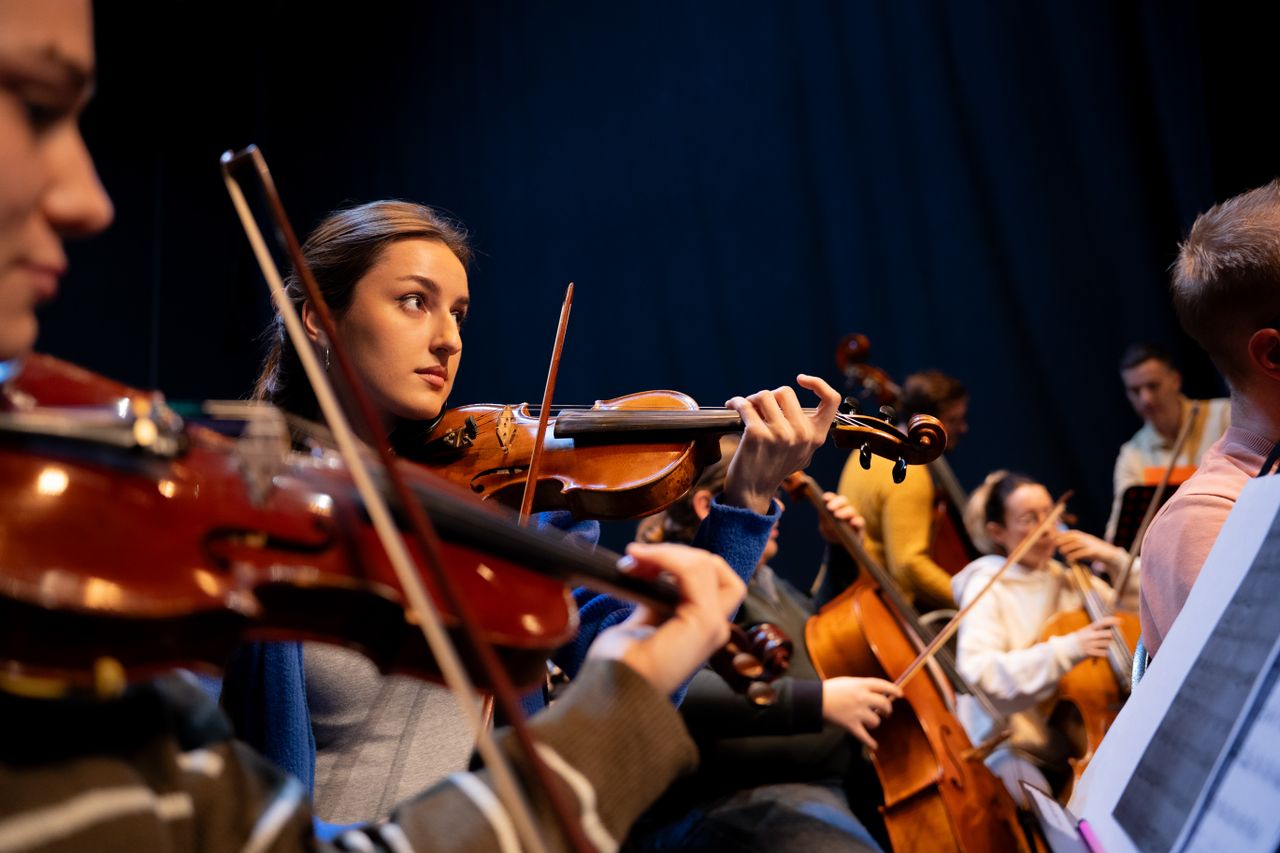
The oldest and largest anime convention in the Pacific Northwest was started by a group of college students in the mid-nineties, back when liking this at all required explaining yourself, and it is still run entirely by volunteers. That fact shapes everything about the weekend. Nobody is extracting margin from you. The programming is built by people who wanted it to exist rather than by a department, which is why the schedule is full of things no commercial convention would ever green-light.
What that produces is a convention with an unusually high proportion of actual content — panels running past midnight, a serious concert program, a masquerade that people prepare for over months, and a video programming track that still shows things on a screen in a dark room to whoever wanders in. There is a formal ball. There is a chess tournament. The dealer hall is large but is not the center of gravity, which at an anime convention in the current era is genuinely unusual. The crowd skews younger than the older-guard conventions and the atmosphere is closer to a very large school event than to a trade show, in the best possible way.
Worth it? If you want a convention where the programming rather than the shopping is the reason to be there, this is one of a handful left in the country, and it is the best of them on the West Coast outside of Los Angeles. If you are coming primarily for big-name industry announcements, the larger shows will serve you better. Sakura-Con is for people who want to spend three days inside the thing rather than adjacent to it.
What to know before you go: registration opens early and the price ladder rewards buying well ahead. Late March in Seattle means rain, and the walk between the convention center and most hotels is short but unsheltered. The concerts are included with a badge and fill up, so line early for the ones you care about. Bring cash for artist alley. And the volunteer staff will genuinely help you if you ask, because they are attendees too.
It belongs on this list because a thirty-year-old, volunteer-run, still-thriving convention is evidence that a community can build something durable without anyone monetizing it, and that is worth knowing exists. Sakura-Con 2027 runs March 26–28, 2027 at the Seattle Convention Center.
Mar 26 – Mar 26, 2027
Bayfront Park, 301 Biscayne Blvd, …

You have heard the drop a thousand times through earbuds on a train. You have never heard it through a wall of speakers facing the open water of Biscayne Bay while thirty thousand people make the same involuntary noise at the same time. That difference — between knowing a song and feeling it rearrange your chest cavity — is why Ultra exists and why it keeps filling a downtown Miami park every March.
Ultra Music Festival returns to Bayfront Park for three days in late March 2027, and the thing that separates it from every other electronic music festival on earth is the setting. The main stage faces the bay. The Miami skyline rises behind the crowd. The transition from daylight to dark happens while the music is playing, so the whole visual register shifts without anyone announcing it. The afternoon acts play to sunshine and palm trees. The headliners play to a city that looks like it was engineered as their backdrop.
The lineup will drop between December and January, and it will be the usual argument-starter — legacy acts who defined entire genres performing alongside rising names who are about to, and at least one booking that makes the Reddit thread go sideways within minutes. Ultra's curatorial identity has always leaned toward "the person you will be talking about in five years," and the proof is in the alumni list. Acts who played the mid-card stage at Ultra headlined Coachella eighteen months later. The festival does not chase the moment. It creates the next one.
Three stages run simultaneously, which means the real experience is the walk between them — leaving one sound world, crossing a park, and entering another entirely. The bass from the main stage bleeds into the resistance tent. The ambient stage near the water sounds like a different planet. Biscayne Bay keeps the temperature human even at midnight. The food vendors have learned that this crowd eats at 11 PM and again at 2 AM.
Tier 1 general admission three-day passes started at $359 and moved fast. Tier 2 is $419. VIP three-day starts at $1,797 and includes elevated viewing decks, private bars, and air-conditioned lounges that nobody actually stays in because the point is to be outside when the drop hits. General admission is 18+. VIP areas are 21+. Payment plans available for $49 down with equal monthly installments through January 2027.
March 26 through 28, 2027. Bayfront Park, downtown Miami. The drop hits different when the whole city is the subwoofer.
You can still hum it. Not the game, the music. Some bar of it got welded into you at eleven years old in front of a CRT television, and thirty-odd years later it surfaces unprompted in a grocery store aisle and you actually stop walking. Nobody around you can hear it. That is the strange private fact of having grown up on 8-bit scores: the most emotionally loaded music of your entire childhood was written for a sound chip, by people nobody thought to credit, and almost no one in your adult life treats it as music at all. A 25-piece rock orchestra is about to treat it as music, on the stage built for the Academy Awards, with the gameplay running behind them. Vampire Killer. Bloody Tears. Divine Bloodlines. Dracula's Castle. Konami licensed the whole thing for the 40th, and the night also carries the first performance anywhere of music from Castlevania: Belmont's Curse, which means a few thousand people in one room hear it before the internet does. Tokyo and London get their nights in mid-March. This is the only North American date on the tour, Friday March 26, 2027, on Hollywood Boulevard.
An outdoor show in San Diego in March is a gamble everybody takes anyway. The venue is a lot in the East Village that was empty for years and is now a courtyard built out of shipping containers — no roof, string lights, dogs underfoot, the trolley going past mid-song and nobody caring. It is the least precious room in the city and that changes how music lands in it: people sit on the ground, conversations keep happening at the edges, and the set has to actually earn the room rather than being handed it by darkness and a PA. For a singer working in Persian and English at once, playing to a crowd where half the audience catches both and half catches one, the open air is the right setting. Somebody's parents will be there. Bring yours, or bring the friend who is always translating for theirs. Quartyard, 1301 Market St. March 27, 6pm.
You had a phase. Bowl cut or not, there was a year when everything you played sounded like a bedroom with the window open and somebody being quietly sad in a nice sweater. You have mostly stopped admitting it out loud.
Gus Dapperton never stopped, and that is the entire appeal. The songs still sound handmade, still sound recorded close to the microphone because there was no booth to stand in. Nearly a decade on from the haircut that got him noticed, he is still writing about the same small humiliations and has simply got better at it.
He is on the Sidestage, the small room, and it is all ages. Those two facts describe the crowd better than any genre tag could: a few hundred people, plenty of them young enough that this is their first show, singing every word of songs about being awkward in public.
7pm, 3350 Sports Arena Blvd, standing room only. Some phases are worth going back for in person.
Your listening got narrower over the last decade and you never actually chose that. Something learned what you already liked and kept handing it back, a little cheaper each time, until being genuinely surprised by a piece of music turned into a thing you remember instead of a thing you have. Big Ears exists for people who have noticed that and resent it.
For four days at the start of April, Knoxville, Tennessee gives its whole downtown over to music that does not fit anywhere: avant-garde composition, free jazz, Appalachian folk, electronics, minimalism, gospel, and whatever the organizers have turned up in the last year that refuses to sit in a genre. The New York Times called it one of the world's greatest music bashes, which reads like poster copy until you look at a lineup and work out that Mavis Staples, Thundercat, Norah Jones, The Roots, Jeff Tweedy, Sylvan Esso and Courtney Barnett are the recognizable names on it, and that everything else is the actual point.
What makes it work is geography. Sixteen venues sit inside a walkable downtown — the Tennessee Theatre, the Bijou, a Presbyterian sanctuary, St. John's Cathedral, the art museum, a black-box room, a record-label pop-up in an old warehouse — and a pass gets you into all of them on a first-come, first-served basis, with a free shuttle for the ones out at the edges. You do not really build a schedule. You drift. The regulars will tell you to stop pre-Googling the lineup and surrender to it, and they are right: the best thing that happens to anyone here is almost always something they wandered into by accident at four in the afternoon in a church.
Is it worth the flight? If you are the sort of person who still puts on a record you do not understand yet, yes, without hedging — this is the only festival in the country built entirely around that impulse, and it does not condescend to you for having it. If what you want is to see one band you already love and then go home, no. There are festivals for that and they cost less.
Things the veterans know. First-come-first-served means the small rooms fill up for the strangest acts rather than the biggest, so when a set is in a chapel, go early and expect to stand. Market Square is a block off Gay Street when the Gay Street places are full, and there is a food hall a few minutes north if a line has gone sideways. Locals will tell you it is by far the best thing their city does, and they turn out for it, so the crowd is not a touring-festival crowd — it is Knoxville, plus a few thousand people who flew in for precisely this, which is why strangers talk to each other in the queues.
April 1 through 4, 2027, across downtown Knoxville, anchored at the Tennessee Theatre at 604 South Gay Street. Most people who read this will never go. But knowing that a town in East Tennessee stops for four days every spring to listen hard to difficult, beautiful, unprofitable things is the kind of fact that quietly rearranges what you thought a music festival was for.
Ten years ago you could buy a good seat at this on the day. That is over, and the speed at which it ended is the most interesting thing in American sport right now. The 2027 NCAA Division I Women's Final Four is at Nationwide Arena in Columbus, Ohio, with the semifinal doubleheader on Friday, 2 April — first game at seven in the evening Eastern, second at nine-thirty — and the national championship on Sunday, 4 April.
What a women's Final Four crowd is actually like is the part that does not survive television. It is the most intergenerational audience in American sport: fathers with daughters, women in their sixties who played before anyone was watching and have strong opinions about the officiating, entire youth teams in matching warm-ups, and a student section that has travelled across several states on a bus. People stay in their seats between games. The arena is loud in a sustained way rather than in bursts. Nobody is there ironically or because a client gave them the tickets, and you can feel the absence of that.
Is it worth organising a weekend around? If you have followed any of this season, yes, and the doubleheader format is the reason — two semifinals back to back on one ticket is the best value in postseason basketball, and the gap between games is where the whole arena mills around comparing notes on what just happened. If you are new to it, this is a better entry point than the championship: the Friday has twice as much basketball and roughly half the ticket price.
Useful things to know. Nationwide Arena is in the Arena District, genuinely walkable to a few hundred restaurants and most of the downtown hotels, which makes Columbus one of the easier Final Four cities to do without a car. The NCAA runs free fan events across the preceding days — the Columbus edition runs from 1 April — so arriving Thursday gets you considerably more than a game. Participants are not known until the regional finals conclude in late March, so tickets bought early are a bet on the event. 200 West Nationwide Boulevard, 2 April, 7:00 p.m. Eastern.
The reason it belongs on a national list: this is the event where the audience arrived before the infrastructure did. The television numbers, the ticket prices and the travelling crowds all moved faster than anyone planned for, and the people in that building know they are inside something that is still changing shape. The championship follows on the Sunday, and the men's Final Four is in Detroit the same weekend, four hours up the interstate.
Apr 2 – Apr 3, 2027
$25.77
Catch One, 4067 W Pico Blvd, Los A…
Four rooms of industrial, and somewhere in the middle of them a tiki bar full of Gungans with arcade machines in it. That is not a bit someone is workshopping. That is the floor plan, and it has a name: the Gungan Tiki Party, which is the VIP area.
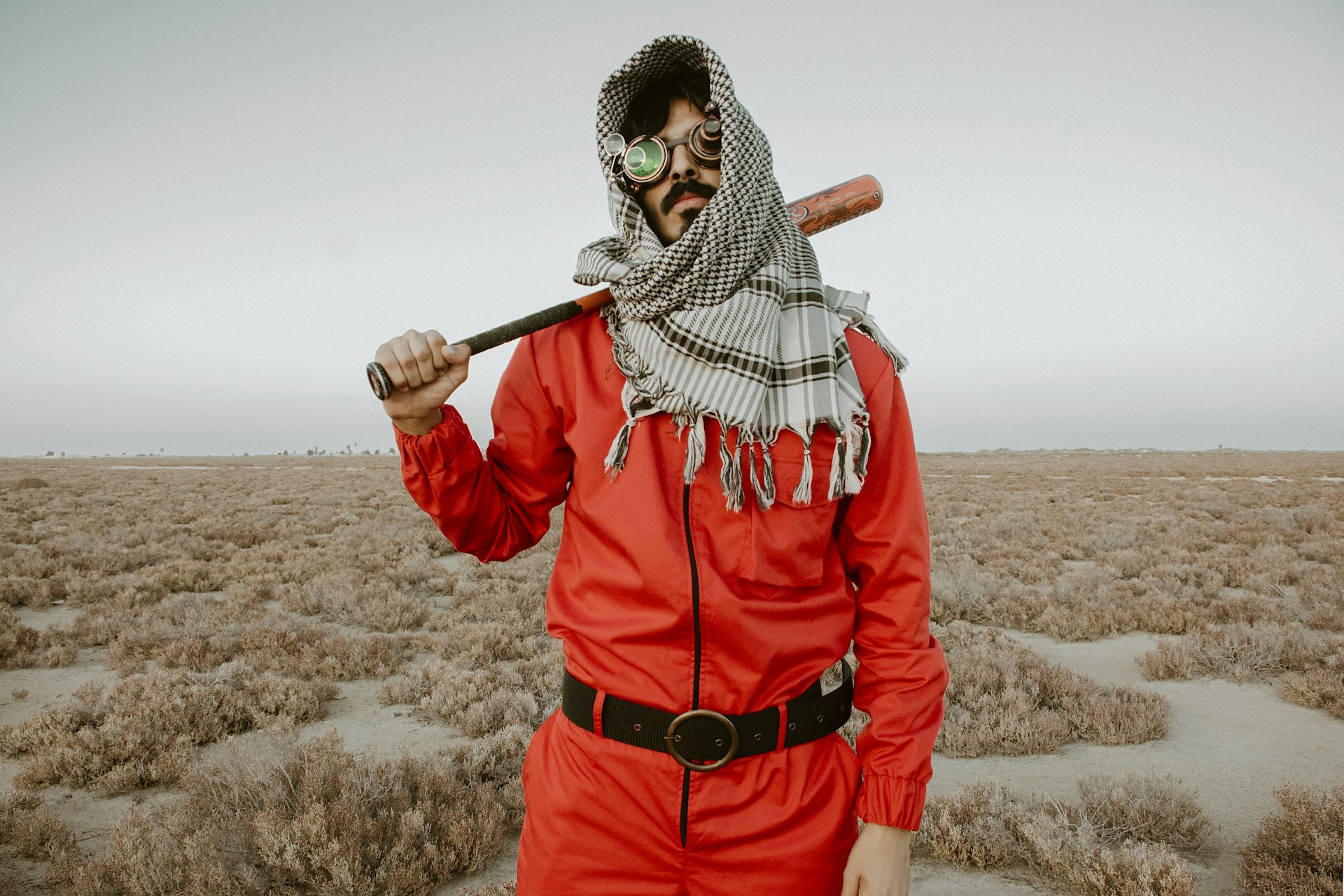
Das Bunker has run this city's industrial night for thirty years, and once a year it does the thing nobody else will. It takes the biggest fandom on earth completely seriously and plays it loud in the dark. Stormtrooper armour and fishnet in the same queue, neither side treating the other as a costume. Nobody is required to dress; most of the room does anyway.
This year it moves off its usual May the Fourth slot and lands instead on the Friday of Star Wars Celebration weekend, while the whole fandom is already in town for the convention and looking for somewhere to go once the hall shuts for the night.
Catch One, 4067 W Pico Blvd, 9pm to 3am. Tell the friend who owns both the armour and the boots.
At some point in your thirties it lands that you have watched a hundred of these from a couch and never once been in the building. The NCAA Men's Final Four 2027 comes to Ford Field in Detroit on April 3 and 5, the city's first time hosting it in eighteen years, with Michigan State as the host institution. Four teams left out of three hundred and sixty-odd, in a football stadium, in a town that takes basketball personally.
A Final Four in a domed stadium is a strange and specific spectacle. The court is dropped into the middle of a football field, so the seats go up rather than out and the far rows are a genuinely long way from the floor — the players look small and the noise does not, because seventy thousand people under a roof is a different physical sensation from any arena. Detroit compresses the whole thing downtown: the stadium, the convention centre and the concert site are within walking distance of each other, which is not true of most host cities and changes the weekend from a series of drives into something you can simply walk around for three days.
Is it worth going without a game ticket? Genuinely, yes — and that is the part almost nobody knows. Fan Fest at the convention centre runs around fifteen dollars and is free for under-twelves, college students, military and anyone holding a game ticket: shooting contests, the trophy, autograph sessions, a full weekend of it. The March Madness Music Fest alongside it is free and has historically booked headliners of the size people pay festival prices for. You can have the entire Final Four weekend for the cost of parking.
What to know before you go: semifinals are Saturday the 3rd, the championship is Monday the 5th, and the Sunday in between is the best day in the city — no game, every fan base still there, and the bars doing the arguing. Book lodging the week the bracket is announced rather than after your team wins; by the time you know you are going, downtown is gone. Tip times are set closer to the date.
It is worth caring about from a couch in another time zone because it is the last big American championship where the teams are still, nominally, kids, and the building is still full of people who actually went to the school.
There is one Saturday a season when this building fills up substantially for the away team, and it is usually this one. Edmonton has spent years as the fixture that moves tickets regardless of either club's position, and the crowd that assembles is a genuine mix - home regulars, visiting supporters who flew down, and a large contingent of neutrals who simply want to have seen it. April hockey adds its own weight on top. By now the season has declared itself one way or the other and the building knows which, and either outcome produces an atmosphere worth being in. Buy early for this one. It is the single hardest ticket on the Anaheim calendar and the resale market does not soften in the final week the way it does for everything else here. If you only make it to one game in Anaheim all season, the honest answer is that this is the one most likely to be worth the drive.
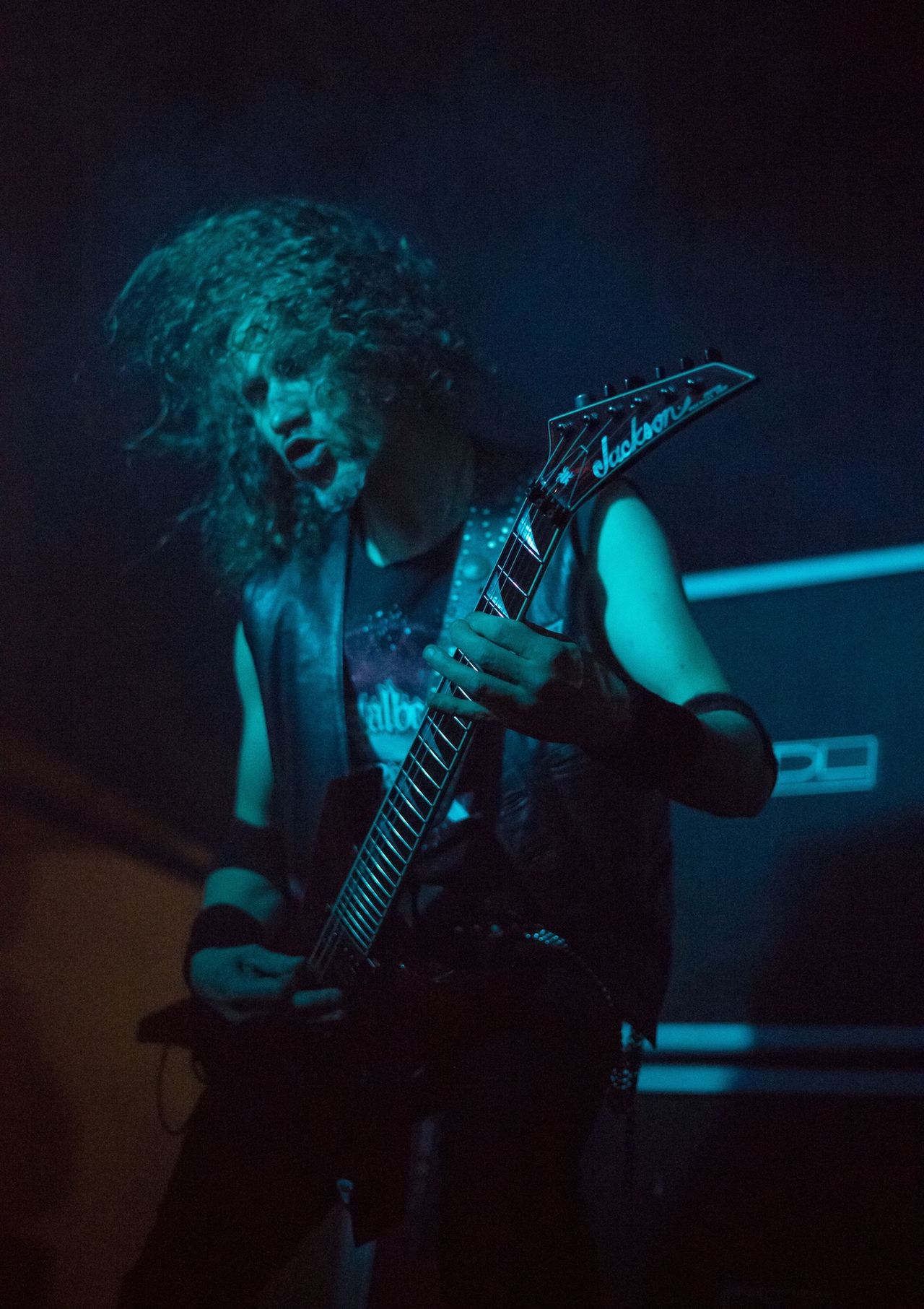
The band is Czech, the genre is goregrind, and the song titles are built entirely around one joke that they have been committed to for twenty years with a straight face. That sustained commitment is the thing — anybody can make a crude record once, and almost nobody can build a career on it and still sell out rooms on another continent. This is April, which means you have five months to decide whether you are the kind of person who goes. Twenty-seven dollars, half seven, in a converted garment factory in the Fashion District with concrete floors and four bars. 1720 E 16th St. Bring the friend whose humour nobody else tolerates. Extreme metal from central Europe routes through Los Angeles once or twice a year and plays rooms of a few hundred people, booked eight months out and announced to nobody.
Shade structures go up in the aisles, somebody's speaker is already going a few rows over, and a stranger comes past handing out popsicles because they overbought. None of the actual music has started yet.
This is the day before. The main gates stay shut, which is exactly why the people who chose camping treat it as the best part — the whole social infrastructure of the weekend assembles itself out here in the hours before anything official happens. Elaborate camps, communal cooking, spontaneous sets in the aisles. Out in the valley the parties are launching, the hotels are filling, and the artists are making final adjustments to installations nobody will see until tomorrow.
Camping passes for the first weekend include the early arrival at the polo club in Indio, and desert lodging goes fast once badges are confirmed.
The weekend belongs to everybody. This day belongs to whoever got there first.
Nobody sees all of it. That is engineered rather than accidental — every stage runs at once from mid-afternoon until long past midnight, so the weekend becomes a series of small betrayals: the set you skipped for a friend, the tent you stayed in too long, the act you will spend a year hearing about from people who stayed.
Seven stages spread across a polo field in the Colorado Desert, headliners on the main stage each night, and a hundred thousand people a day making the same impossible choices you are. Whatever gets booked here tends to shape the year's musical conversation, which is why the lineup drop is its own event months before anyone arrives.
Empire Polo Club in Indio, a couple of hours out from Los Angeles, with shuttles from the desert cities and a campground that is a festival inside the festival. Desert April runs hot by day and genuinely cold at night.
Decide now who you would want stuck in the Sahara tent with you at one in the morning. That is the actual trip.
Apr 9, 2027
$599+
Empire Polo Club, 81-800 Avenue 51…
Every April a specific kind of homesickness arrives for a place most people have never been. It comes through a phone: someone you half know, backlit orange, standing in a desert that looks nothing like wherever you are reading this. You are not envious of the lineup. You are envious of being the sort of person who goes.
That feeling deserves to be taken seriously, because it is most of what this festival actually sells and the part nobody admits to buying.
What happens in Indio is smaller and stranger than the highlight reel suggests. Two near-identical weekends at the Empire Polo Club, April 9 through 11 and then April 16 through 18, held on grass that is improbably, almost aggressively green for the middle of the Coachella Valley. Goldenvoice books it. The art installations are commissioned rather than decorative, which is why they photograph well and also why several of them are genuinely good. And the sets people are still describing to strangers four years later are almost never the headliners — they are some 4pm slot in a side tent where a couple thousand people found the same thing at the same moment and knew it while it was happening.
Is it worth the money? Honestly, yes, once, and not for the reason most people assume. It is worth it because the distance between the weekend you imagined and the weekend you actually got is the experience itself. Anyone who arrives expecting the phone version goes home disappointed and posts anyway. Anyone who arrives expecting three hot, dusty, overpriced, overwhelming days in the desert with roughly forty minutes of transcendence buried in the middle tends to come home converted. If you genuinely dislike crowds, do not go. No amount of planning solves a crowd this size.
The things veterans actually know: it will clear ninety degrees, and shade is the scarcest resource on the entire site — worth more than standing close to a stage. Phone theft is endemic rather than occasional, so a wrist strap or a zipped inner pocket is not paranoia. Food and drink run a hundred to two hundred dollars a day, so eat before you walk in. Car camping is a hundred forty-nine dollars and disappears the morning it opens; the shuttle pass is the best purchase most attendees make, because rideshare surge pricing in Indio is its own category of injury. And if you do camp, the entry queue has run twelve hours in bad years, in terrain with nowhere to hide. Bring a sleeping bag, a towel, and an EZ-Up. Every year, people forget all three.
General admission opened at five hundred ninety-nine dollars for the first weekend and sold out during the May advance sale; payment plans start at forty-nine dollars down. The lineup lands sometime between October and December, which means for now the whole thing is pure anticipation — which, if you have read this far, you had already worked out was the point.
Empire Polo Club, 81-800 Avenue 51. Most people reading this will never go and will still spend part of April there anyway. The same grass hosts a country festival the following weekend, for the people who want the dust without the cameras.
Every year out there produces exactly one day people still bring up a decade later, and it is almost never Friday. Saturday is where the consensus lands — the set that gets permanently attached to that year's name, the one your friends will describe to you in detail whether or not you asked.
Which makes it the day where standing position becomes a competitive sport. People start staking the main field hours ahead of the headliner, and the actual skill is holding something close while still catching sets on the other stages all afternoon. Get that math wrong and you spend the day walking.
The Sahara after dark is the other reason. Largest tent on the grounds, packed well past whatever its stated capacity is, bass and heat and body density combining into something you can still feel the next morning regardless of who was playing.
Send it to whoever you would want to lose your voice next to in the desert.
By the last day everybody is sunburned, out of clean clothes, and living inside that specific ache of something about to end that cannot be extended.
Sunday is when the festival stops competing with itself. The afternoon belongs to a completely different energy, no more sprinting between conflicts, no obligations left, just the crowd watching itself on the grass while Gobi and Sonora pull the most devoted audiences of the weekend. Then the closing headliner goes on late, near midnight, and hands the crowd an emotional conclusion nobody knew they were owed. This is the day that has produced the sets people still argue about years later, the ones that outgrew the festival and became their own cultural events.
The polo fields in Indio, the final day of the first weekend, camping through the night.
This is the one you describe to the friend who has never been. Start with how quiet the drive back is.
Everyone you know went the first weekend and you told yourself you would catch the second one. The people who plan it that way will tell you it was never a consolation. Weekend two is the local's version — Southern Californians who missed the first passes, repeat attendees who already know exactly what they got wrong, and a crowd that treats the second half as the more relaxed and more social of the two. Same polo field, same stages, same headliners, same installations. What changes is who is standing in front of them: veterans who know when to arrive at which tent and what to skip entirely, which is why the second weekend often plays more musically sophisticated than the first. The desert swings hot in the afternoon and genuinely cold after dark, so pack for both. Go with the friend who will still be upright at the last set.
Downtown Fallbrook closes to traffic every April and fills with more avocados than you thought one town could grow. The 39th Annual Fallbrook Avocado Festival wrapped April 19, 2026 — free admission, 9 AM to 5 PM, and the kind of attendance that gets estimated in the tens of thousands (past editions have topped 100,000).
Main Street becomes the event. Vendor stalls line the blocks: guacamole in every variation imaginable, avocado ice cream that converts skeptics on contact, avocado margaritas, avocado cheesecake, and a guacamole competition with local rivalries that have been running since 1987. Beyond the food: local artists, handmade goods, a craft vendor hall several blocks deep, and live music on multiple stages through the afternoon.
Fallbrook calls itself the Avocado Capital of the World and earns it through geography, not branding. The groves actually surround the town. The farmers actually show up. This is not a theme park version of a harvest festival — it is what happens when a town organizes around the crop that built it.
Free, every April, no tickets. Arrive before 9 AM — parking fills fast.
There's more here for you.
An account shows you concert & music events matched to your exact taste — not just what's popular.