May 28 – May 31, 2027
Village Green Park, 12732 Main St,…
Most towns gave up on the real summer fair a long time ago — the kind where the centerpiece is genuinely free, the parade goes down the actual main street, and the town runs the whole thing rather than hosting it.
It has happened here for sixty-six years. Free strawberry shortcake, one of the last things in Southern California that costs nothing. Carnival rides. A strawberry fashion contest. The redhead competition. Pie-eating. Live music across several stages and hundreds of artisan and food vendors, over four days that close out May.
The parade steps off Saturday morning through downtown. The shortcake line on the final afternoon is a tradition of its own, and standing in it is not a chore.
Village Green Park, 12732 Main St, Garden Grove. Admission free; rides are pay-per-ride. OCTA Route 43 stops on Main Street at the entrance.
Bring the kid you were, or the one you have.
May 29 – May 30, 2027
San Diego Convention Center, 111 W…
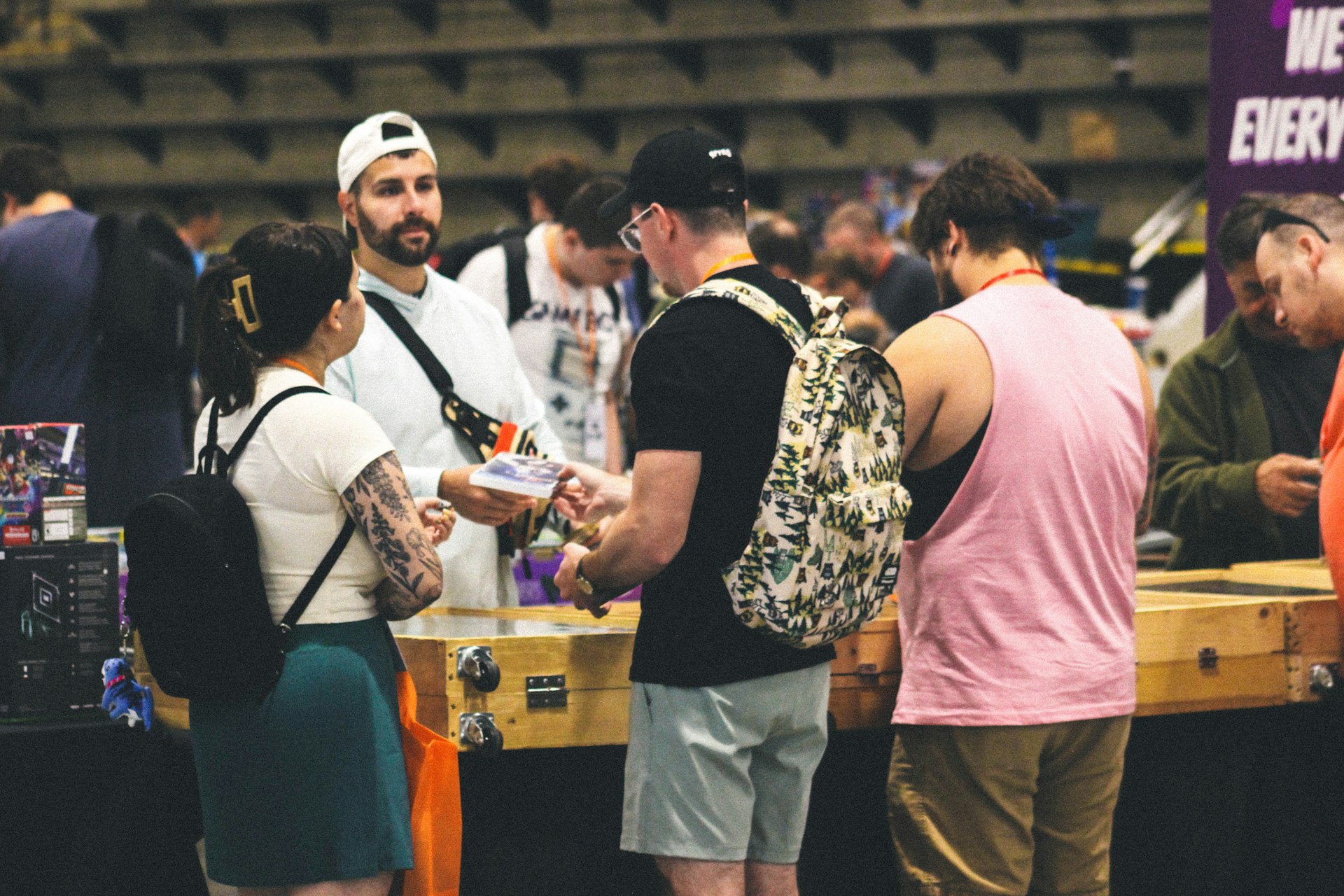
San Diego Convention Center, May 30th. The Pokémon TCG Regional Championship — Masters division at the top of the bracket, open age divisions running throughout, and a room that understands what competitive Pokémon actually looks like up close.
Regionals draws players from across the Southwest who have been testing this format since the last set dropped. The level of play at the top tables is worth watching even if you're not registered — decks built around specific counters, plays made in the final minutes of a round that determine travel points and World Championship invites. The side event area runs all day for players who dropped from the main or just want reps in the room. Judges in official regalia move through the aisles with practiced calm. There's a specific atmosphere to a TCG Regional: binders and sleeves and the particular tension of a timed round winding down at a critical board state. If you play, register at rk9.gg. If you don't play and want to understand why this game still fills convention halls, come watch the top tables during Day 2. The Pokémon Regional is the proof.
May 29 – May 30, 2027
Paid - $25-$45
Pasadena Convention Center, 300 E …
Somewhere in your house is an object nobody else in your family understands the price of. A resin figure. A vinyl piece in a colorway that existed for one weekend. You have explained it before and you stopped bothering.
This is the room where you do not have to explain it. Three hundred-plus exhibitors, all independent artists selling one-of-a-kind resin figures, limited-run vinyl, art prints, custom sneakers, and objects sitting somewhere between sculpture and collectible. No mass-market toy companies. The culture is small-batch and artist-direct and expensive for reasons everyone here can articulate.
Exclusive colorways of formats you already collect. Signature pieces from artists you follow. And the secondary-market buyers hunting grails, who you recognize instantly because they move differently.
Pasadena Convention Center, 300 E Green St. Lines form early for exclusive drops and day-one badges sell out.
This is the same crowd that camps for drops. Plan accordingly.
Jun 10 – Jul 8, 2027
Del Mar Fairgrounds, 2260 Jimmy Du…
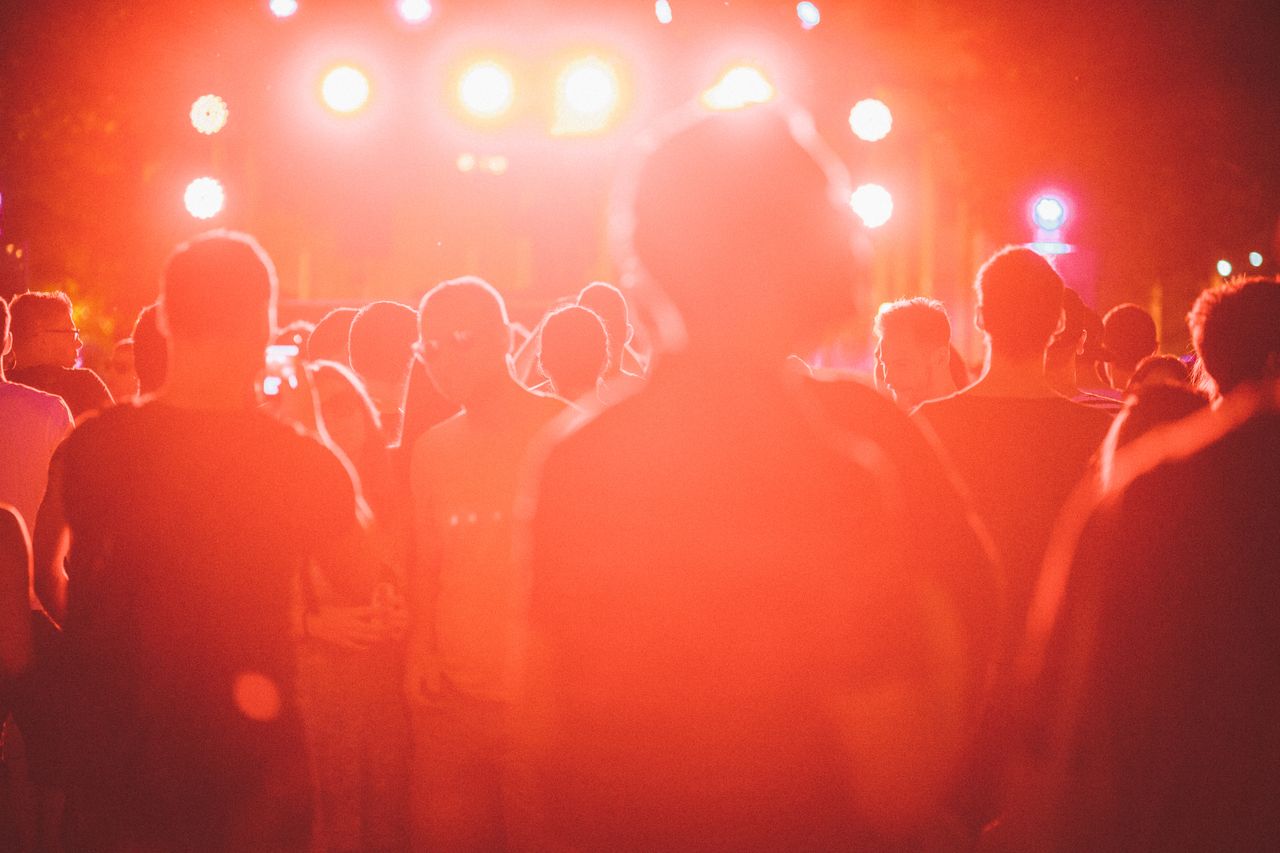
You go in swearing you will just walk around, and somehow you are holding something deep-fried on a stick that has no business existing, watching a teenager lead a steer around a ring like it is the most serious thing in the world. It is. That is the part nobody warns you about — the livestock competitions absolutely slap.
The Del Mar fair is the same every year and that is the whole point: rides that would hold their own at Belmont Park, a midway that smells like sugar and diesel, and at least one concert you will pretend you did not enjoy. Everyone in this county has a version of this memory and most of them are from childhood.
It runs June into the July 4th weekend at the Del Mar Fairgrounds. Go early on a weekday unless you enjoy spending 45 minutes hunting a parking spot.
Take the person you used to go with. See if the corn dogs hold up.
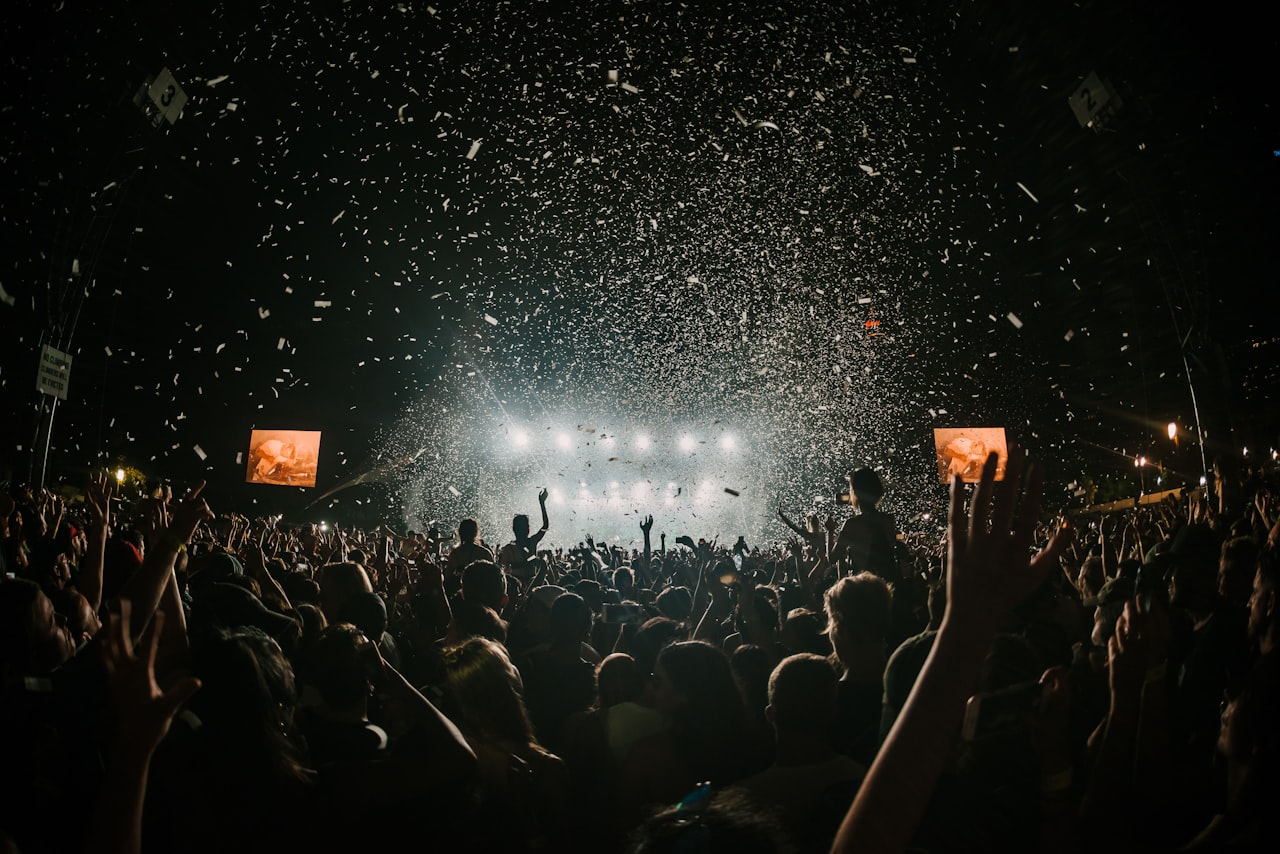
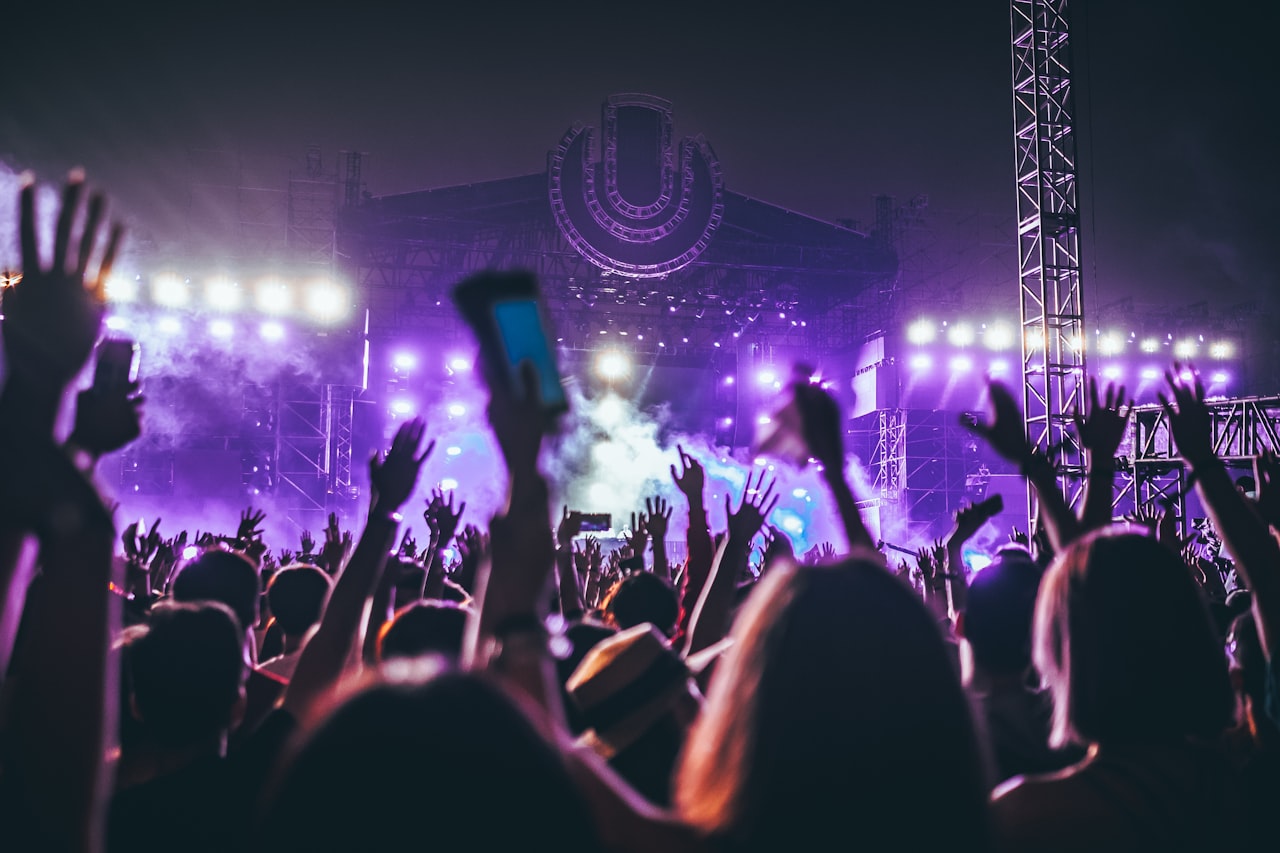
Most music festivals ask you to pick a tribe at the gate. This one assumes you already did, years ago, probably in a car, probably with somebody who is no longer in your life — and it has been waiting for you to admit it. Four days in June, downtown Nashville closed to traffic, and something like a hundred thousand people walking between stages in the kind of humidity that makes strangers talk to each other. CMA Fest 2027 runs June 10 through 13, and it is the first edition to culminate inside the new Nissan Stadium, with nightly shows beginning at 5:00 PM.
The shape of the thing surprises people. The stadium headliners at night are what gets televised — the festival is filmed for an ABC and Hulu special that airs later in the summer — but the daytime is the actual festival, and it is free or nearly free across a dozen stages scattered through downtown and along the river. You can spend an entire afternoon three feet from an artist who will be playing arenas in two years, then walk four blocks and watch somebody who already does. Broadway is wall-to-wall. The honky-tonks run live music from eleven in the morning. Nobody is cool about any of it, which is the relief.
Is it worth it? If you have ever defended country music at a dinner party, this is the four days you were defending. Go. If your interest is ironic, you will be miserable and conspicuous by Friday afternoon — this crowd is sincere to a degree that is genuinely disarming, and the sincerity is non-negotiable. It is also, for what it is worth, one of the most logistically humane large festivals in the country: it is in a real city with real hotels and real restaurants, not a field.
What the regulars do: they treat the stadium pass as the frame and the free daytime stages as the meal. They bring a rain shell, because June in Tennessee does what it wants, and a water bottle, because the heat index is the actual opponent. They walk — parking downtown that weekend is a punishment. And they go to at least one thing they have never heard of, because the writer rounds and small stages are where the festival earns its reputation.
It earns its place here because it is the rare festival that is also a hometown. The industry lives in that city. For four days in June it opens the front door, and anyone who shows up is treated like they were invited.
Jun 12, 2027
Free
Moonlight Beach, 400 B St, Encinit…
Every summer one band plays a free show on the sand here, and every summer it is quietly one of the best things that happens in Southern California all year.
The surf competition runs all morning. Food vendors and a sponsor village fill in behind. By afternoon there is a stage at the water's edge and the light starts going gold, and a few thousand people who paid nothing are standing in the sand having the kind of day that costs money everywhere else.
It is a fundraiser underneath, built on a plain conviction: that music, art and surfing give underserved kids in San Diego County something to hold onto. More than $4 million has gone to organizations working with homeless and at-risk young people since it began.
Moonlight Beach, 400 B St, Encinitas. Free. The lots fill by 10 — locals park blocks back and walk. The Coaster stops at Encinitas station, a 15-minute walk.
Get there by 11, put a blanket down, and watch the surf finals while the stage goes up.
For four days every June, a box canyon at 8,750 feet in the San Juan Mountains becomes the most improbable music venue in North America. The 54th Telluride Bluegrass Festival runs June 17 through 20, 2027, in Telluride Town Park, with 13,000-foot peaks rising directly behind the stage and a river running along the edge of the field. Run by Planet Bluegrass, it has spent five decades quietly becoming the festival that musicians themselves name when asked which one they would attend if they were not working.
The altitude changes everything. Sound behaves differently in a canyon; the mountains hold the last of the light until almost ten at night in June, so the headline sets happen in a kind of alpenglow that nobody who has seen it ever quite shuts up about. The crowd calls itself Festivarians, unironically, and the culture has real rules — you set a tarp at dawn, you do not talk during ballads, you share your spot. After the main stage ends, Nightgrass shows run in small rooms around town until the early hours, and those are where the genuinely strange collaborations happen, because everyone in the lineup is staying within four blocks of each other.
Worth it? If you care about players rather than production — about what happens when people who can really play are put somewhere beautiful and left alone — this is the one. It is not for someone who wants a spectacle, a light show, or an easy weekend. You are camping or paying alpine-town prices, the air is thin enough to matter, and the weather does what it likes.
What to know: tickets go through a lottery and four-day passes have historically sold out long before any lineup is announced, which tells you what people are actually buying. Arrive a day early to adjust to the elevation and drink far more water than feels reasonable. Bring layers for a forty-degree temperature swing in a single day. Sam Bush has played essentially every year since the beginning; locals will tell you the festival is not real until he is on stage.
It earns its place here because it is the clearest example of a festival that never scaled itself into something else. Fifty-four years, same canyon, same size, same rules. Most people reading this will never go. Knowing it happens every June anyway is its own small correction to how the world feels.
Jun 24 – Jul 10, 2027
Henry Maier Festival Park, 639 E S…
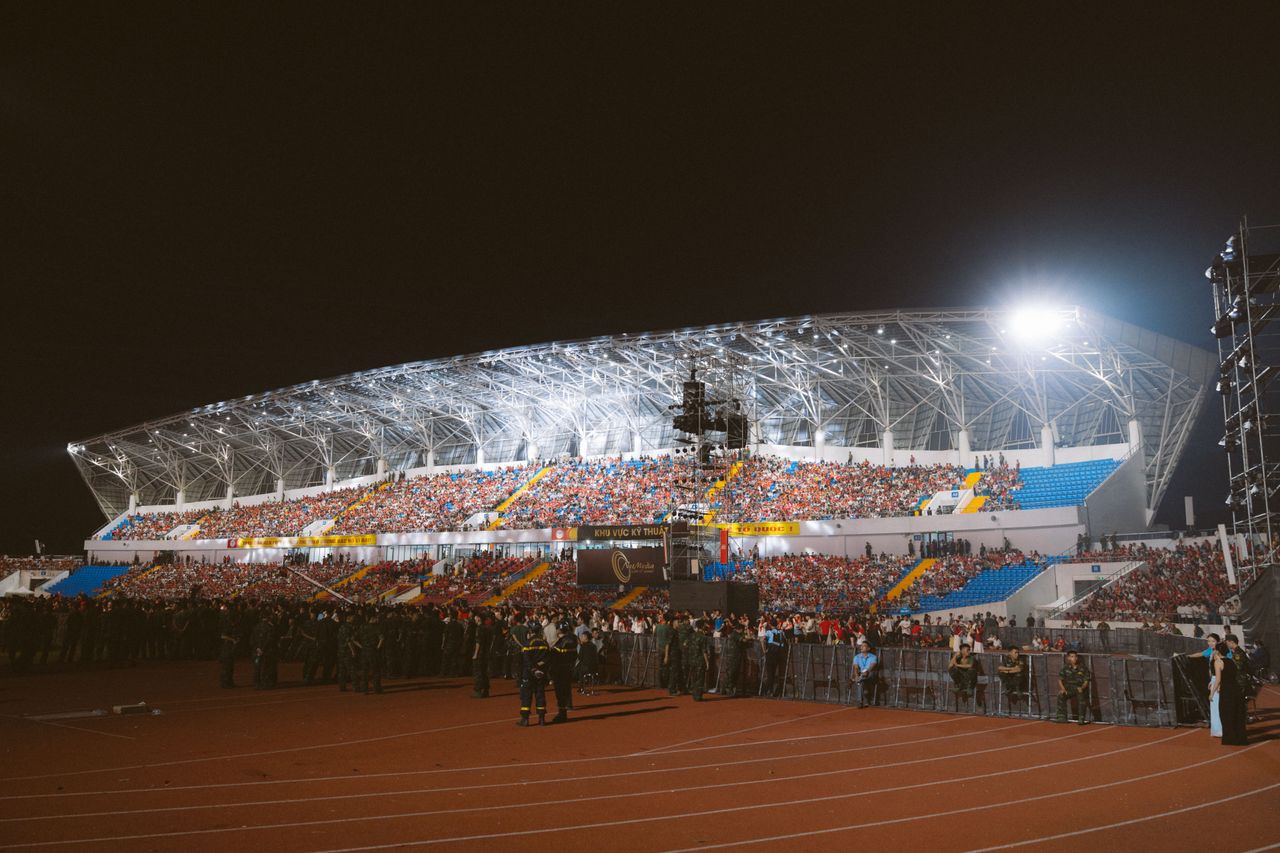
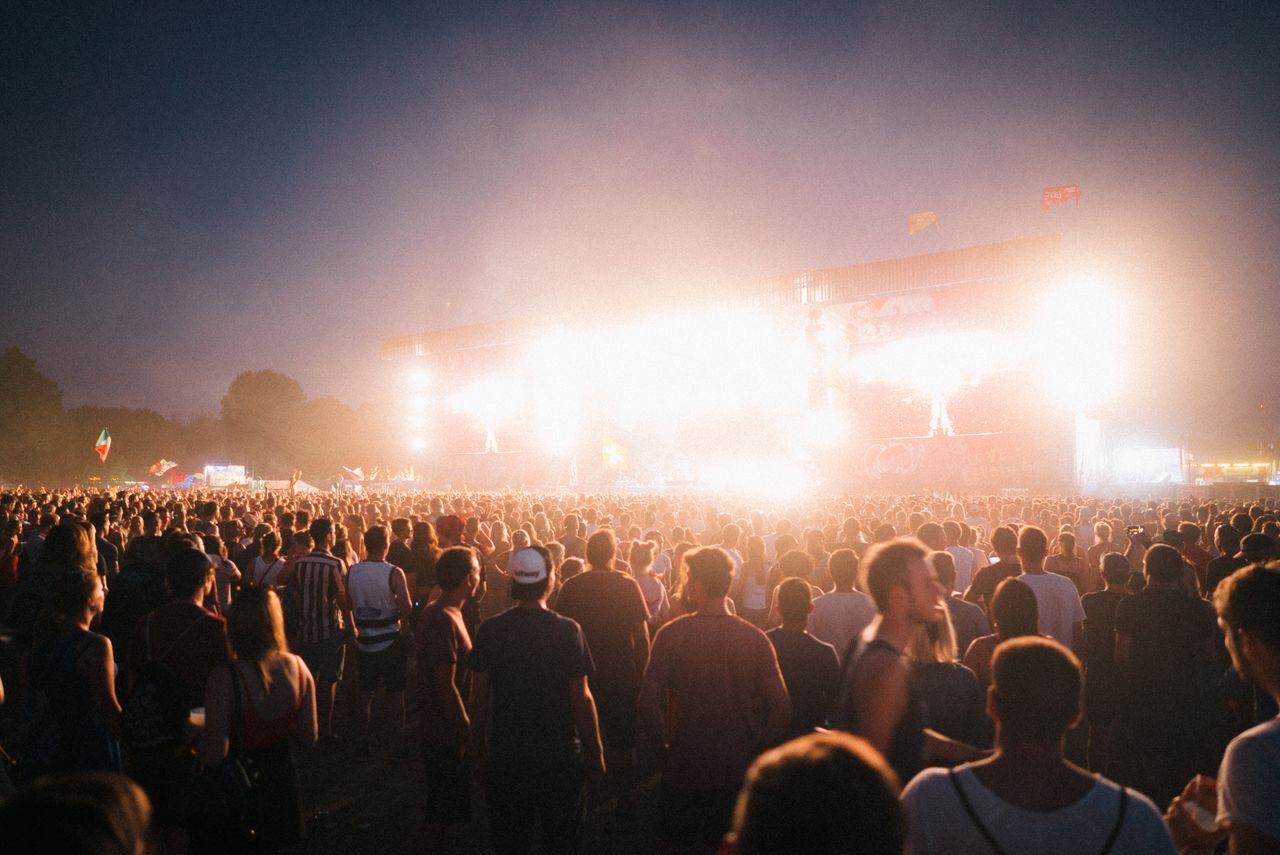
Milwaukee closes its lakefront for eleven days every summer and puts 800 live performances on twelve stages. Summerfest is the world's largest music festival, and it has been doing this since 1968.
Walking the grounds along the Lake Michigan waterfront means hearing three bands at once and having to choose. The stages spread across a parklike venue where you wander from a headliner arena with 23,000 capacity to an intimate 1,500-person stage where a future legend is playing their first major festival set. The food and beer selection reflects Milwaukee brewing heritage with over 100 vendors. The atmosphere is distinctly Midwestern: warm, unhurried, genuinely fun. Multi-genre headliners span country, hip-hop, rock, pop, and electronic across the three weekends. You do not need to love every genre to love Summerfest.
Summerfest is worth it if you have ever wanted to attend a music festival but felt overwhelmed by destination events like Coachella or Bonnaroo. This is the accessible version. Day tickets are affordable, the grounds are open daily, and you can move between stages at will. For families: dedicated family programming makes this genuinely multigenerational. For serious music fans: the sheer volume of acts means you will always find something worth seeing.
Summerfest tips: Weekend three (July 2-4) draws the largest crowds due to Independence Day proximity. Book early for that weekend. Weekday sessions are significantly less crowded. The Marcus Amphitheater hosts major headliners and requires upgrade tickets from general grounds admission. Dress in layers because Milwaukee evenings on the lake can drop 15-20 degrees from daytime highs even in July. Rideshare surges heavily at close.
Summerfest matters not because of celebrity headliners but because it proves that the greatest music festival in America is not in a desert and does not cost $500 per ticket. It is a Midwestern park in summer, a lake breeze, 800 bands, and the discovery of an act you had never heard of on Stage 7 at 4pm on a Tuesday. The international acts, the local Milwaukee food scene embedded throughout the grounds, and the sheer scale of the thing make Summerfest feel like a city unto itself for eleven days every summer. Somewhere out there is a band you will spend the next decade following, and right now you do not know their name. Eleven days, twelve stages, tickets on Ticketmaster.
Jun 24 – Aug 22, 2027
Estadio do Maracana, Rio de Janeir…
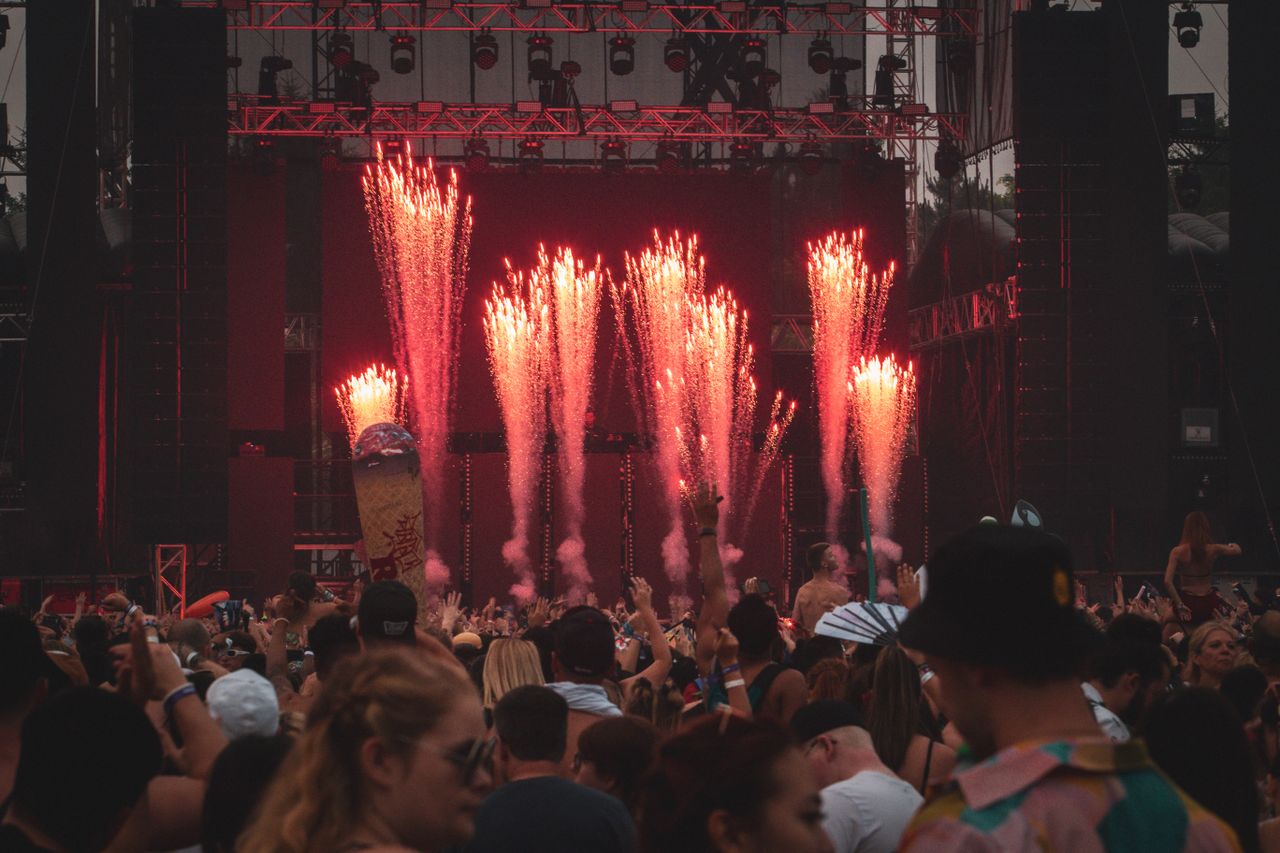
Every four years somebody at work has a stream open with the sound off, and you can tell from their face what just happened. You always think the same thing in that moment. One of these times you are going to stop watching this on a screen.
In June 2027 the Women's World Cup goes to Brazil, and it is the first time the tournament has ever been held anywhere in South America. Not Europe, not North America, not Australia and New Zealand — the country where the game is closer to a first language than a pastime. Thirty-two teams, sixty-four matches, eight cities: Rio de Janeiro, Sao Paulo, Belo Horizonte, Brasilia, Porto Alegre, Salvador, Recife and Fortaleza. It opens at the Maracana on 24 June and the final comes back to the same stadium on 25 July.
What that stadium means is most of what makes this different. The Maracana opened in 1950 and has been the room where Brazilian football keeps its grief and its records — the 1950 final, the 2014 final, the opening and closing ceremonies of the 2016 Olympics. Roughly seventy-nine thousand seats. Brazil won the hosting rights in May 2024, and there is a detail in the schedule that regular tournament-watchers notice immediately: the opener and the final are in the same building. That is not standard. It means the month has a shape — it leaves from a place and returns to it — and if you are choosing one match to be at, the people who plan these trips will tell you the opener is the cheaper ticket into the more famous room.
Who this is actually for: not the person who wants a holiday with football attached. Brazilian winter in the south means Porto Alegre can be genuinely cold in July while Fortaleza and Recife sit near the equator and do not — eight cities across a country larger than the continental United States is a travel problem, not a walkable itinerary. Pick a city and let the draw come to you rather than chasing a team across four time zones. But if you are the person who has spent three tournaments saying next time, this is the one worth breaking the pattern for, and not because the football will be better. Because a full house in Brazil does not sound like a full house anywhere else, and the women's game has never once been handed that particular room.
Most people reading this will not go, and the group chat it starts is worth something on its own. For the ones who might: the draw has not happened, so nobody knows yet who plays where — which means right now the only decision available is the city, and that is the decision that books out first. Tickets and registration run through FIFA. The tournament runs 24 June to 25 July 2027, opening and closing at the Maracana in Rio de Janeiro.
Jun 24 – Jun 24, 2027
Henry Maier Festival Park, 200 N H…
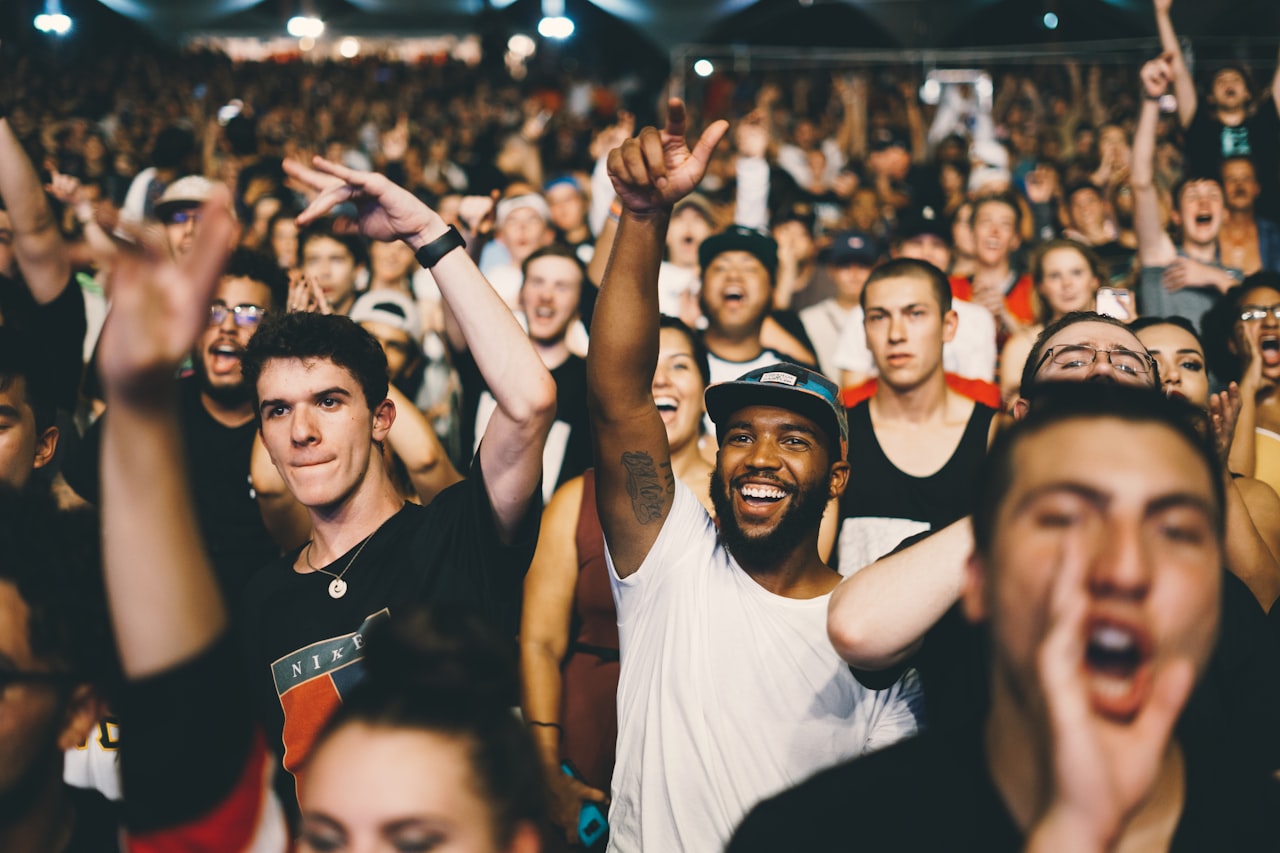
Nobody outside the Midwest quite believes the numbers. Three weekends, a permanent lakefront grounds built for nothing else, a dozen stages running simultaneously, and a gate price that has historically cost less than a single arena seat anywhere else in the country.
Summerfest has been recognised as the largest music festival in the world, and the genuinely strange thing about it is that it is not a destination festival in the Coachella sense at all. It is municipal. Milwaukee built Henry Maier Festival Park specifically to hold it, the grounds sit directly on Lake Michigan, and for most of the city this is simply what happens in summer. People go after work. They go on a Tuesday, alone, for two hours. There are families who have gone every year for three generations and hold firm opinions about which stage has the best sightlines, which they will share with you unprompted.
The format is the whole appeal. Instead of one enormous headliner slot organising everything, the park runs a dozen stages at once, most included with gate admission, which means the correct way to attend is to walk until something stops you. You will catch a band you have never heard of in front of four hundred people and then walk ten minutes to a stadium show. The hierarchy that structures every other festival is deliberately flattened here, and regulars will tell you the unknown band is usually the better story.
For 2027 the festival moves back a week from its usual slot, running across three weekends in late June and early July rather than the traditional dates. Organisers make this shift periodically as the calendar drifts, and partly to leave room for Milwaukee's other cultural festivals, which use the same grounds through the rest of the summer. That detail explains the city better than anything else: Milwaukee built a permanent park for festivals and then filled it with them.
Worth knowing before you go: the lake makes evenings genuinely cold even in July, the fish fry is not a tourist affectation and you should eat one, and the cheapest admission falls early in each weekend run. Parking is a known ordeal and the shuttles exist for good reason.
Most people reading this will not spend a late-June evening on a pier in Wisconsin listening to a band they cannot name while the sun goes down over a freshwater sea the size of a small country. It is worth knowing that for the price of a cinema ticket, you could.
Your grandmother would have cried at this and you would have pretended not to notice. That is the honest thing about mariachi — it goes straight past whatever defenses you built in your twenties and finds the part of you that still belongs to a family.
Now put it in the Hollywood Bowl. Thousands of people in that shell under an open sky, trumpets coming back off the hillside, violins carrying up into the dark where the sound finally has somewhere to go. Then fireworks, over a crowd that dressed for the occasion and sings along in a language some of them only half speak and all of them somehow know.
It has been happening for decades now — long enough that people sitting in those seats were brought here as children and are now bringing children of their own.
Bring your mother. Bring your father. Bring whoever taught you the words without ever sitting you down to teach you.
Jul 2 – Jul 5, 2027
Los Angeles Convention Center, 120…
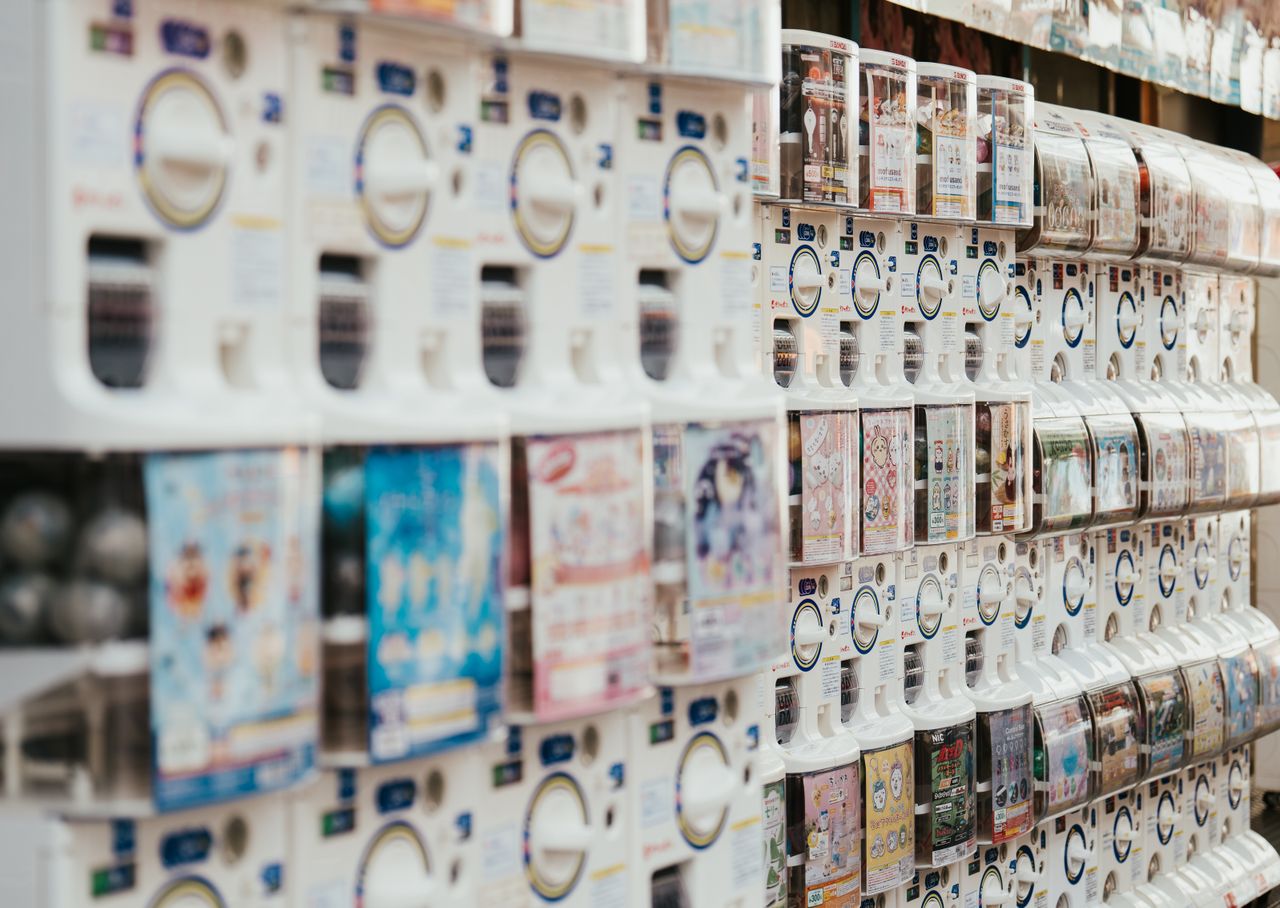
You will be tired in a way that feels earned. Four days, a hundred thousand people, and not one of them needs you to explain what you are talking about.
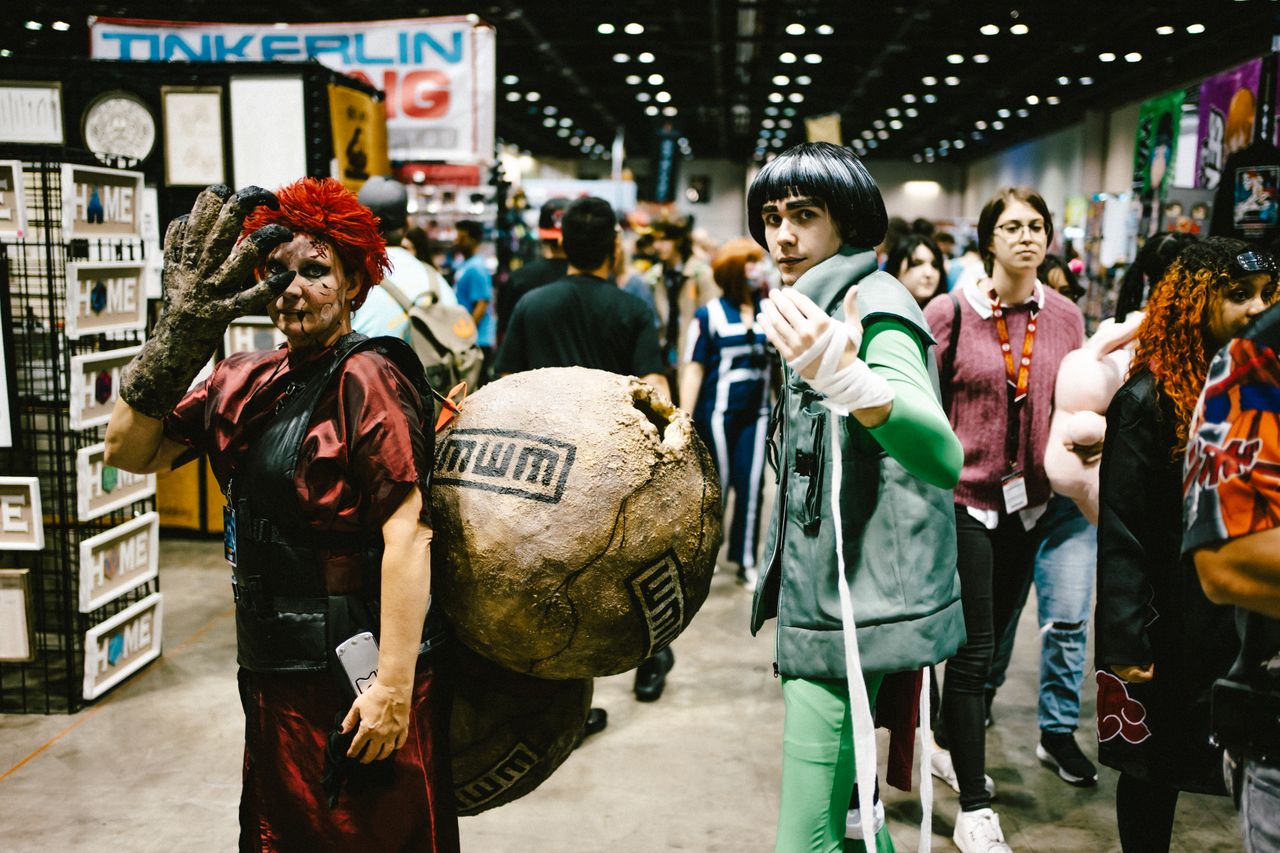
The largest anime convention in North America takes the Los Angeles Convention Center over Fourth of July weekend and spills into the JW Marriott and the Ritz-Carlton beside it. Industry panels, screening rooms, autograph sessions with voice actors and composers, concerts that sell out weeks ahead. Studios from Japan use this as their main North American announcement stage — if a sequel or adaptation is being revealed, it often happens in a room you could be standing in.
The exhibit hall carries imported merchandise and collaboration exclusives that surface nowhere else on the continent.
Los Angeles Convention Center, 1201 S Figueroa St. Thursday through Sunday. Badges run from top-tier early-access down to single-day passes.
Book the connected hotel corridor months out. Everyone who tells you that learned it the hard way.
The announcement you will see trending worldwide by dinner happens in a room you could be standing in at lunch. That is the entire case for showing up on the first full public day instead of easing in over the weekend.
This is when the building finally hits capacity and the studio panels start dropping licensing reveals and surprise first episodes. Anisong sets bring Japanese recording artists who almost never play the States. Voice actors and creators sign all afternoon. The floor and Artist Alley run flat out from open to close — hundreds of independent artists selling prints, charms, and original work — and the sweet spot for actually shopping it is early afternoon, before the prime-time panels pull the crowd away.
The Metro drops you a short walk from the doors. A main badge covers daytime programming, panels, the floor, and the alley; the big concerts ticket separately.
Send it to the friend with a simulcast tab open right now. They will not need convincing.
Somewhere around mile three of a ten-kilometre race on the Fourth of July, fifty-five thousand people climb a hill past a hospital in ninety-degree Georgia humidity, and a nurse on the lawn sprays them with a hose, and almost everybody laughs. That hill has a name — Cardiac Hill — and surviving it is the closest thing Atlanta has to a civic sacrament. The AJC Peachtree Road Race takes place on July 4, 2027, running from Lenox Square in Buckhead down Peachtree Road to a finish in Piedmont Park. It is the largest 10K in the world, and it has been run since 1970, when a hundred and ten people showed up.
The atmosphere is nothing like a marathon. A marathon is a private ordeal performed in public; this is a parade that happens to be timed. Residents set up on their front lawns with sprinklers and speakers. Church groups hand out water. Somebody is always grilling by eight in the morning. The field is so large that it starts in waves over more than an hour, which means the person crossing the line first and the person crossing it last are having two unrelated experiences on the same road. Elite Kenyan and Ethiopian runners finish in under twenty-eight minutes; a man in a flag cape walks it with his daughter on his shoulders.
Worth it? If you want a personal record, run something else — the heat and the crowding make this a poor course for a fast time, and everyone who knows the race accepts that. It is worth it if you want to understand a Southern city in a single morning, or if you have ever wanted a reason to be awake and outside and sweating with strangers on a national holiday rather than watching fireworks on a screen. It is not a race for people who need space.
What to know before you go: entry is by lottery, with general and member registration opening in spring 2027, and it fills. The finisher T-shirt is the entire point for most of the field — the design is kept secret until the finish line, you cannot buy one, and you only receive it by actually completing the course, which is why you will see people in twenty-year-old Peachtree shirts all over Georgia. Hydrate the day before rather than the morning of, and take MARTA; parking at Lenox on race morning is not a plan. Wave assignments and exact start times are published closer to the race.
Falkor lists it because a road race that became a city's Fourth of July tradition is a better picture of America than most things with fireworks attached. The lottery opens in the spring, and the only souvenir worth having is the one you cannot buy.
A handful of concerts in your life you cannot prove happened. Nobody filmed them, nothing got posted, and the only record is the several thousand people who were standing on the grass when it did. Almost nowhere is built to produce that any more. One place still is.
Newport Folk Festival returns to Fort Adams State Park in Newport, Rhode Island on July 23 through 25, 2027 — three days on a peninsula in Narragansett Bay, inside the walls of a nineteenth-century coastal fort. This is where Bob Dylan plugged in an electric guitar in 1965 and split American music in half. That it is still running, still small, and still one of the hardest tickets in the country is the whole story.
The setting does most of the work. Stages sit on grass with the harbor directly behind them; boats anchor offshore and people listen from the water. Because the site is physically constrained, the festival cannot grow, which has protected it from everything that happened to festivals elsewhere. The programming reflects that: folk here is a loose and generous word covering Americana, indie, gospel, country and whatever the artists feel like doing. The defining tradition is the unannounced guest — collaborations assembled on site, sets that appear on no schedule, and a house rule that what happens is not to be filmed and streamed. People who go talk about it afterwards in the tone of someone describing a rumour they can confirm.
Worth it? For anyone who believes live music is supposed to be unrepeatable rather than reproducible, this is close to the top of the list in America. It is not for someone who wants to see a specific headliner — that is not what is being sold. You are buying the weekend, not the lineup.
What to know: passes routinely sell out before a single artist is announced, so the calendar matters more than the poster. Fort Adams gets full sun and hard wind off the bay; bring a hat and a layer for both. Newport is a small resort town in high season, so lodging is booked far in advance and the ferry and shuttle are genuinely better ideas than driving. Weekdays before and after the festival are worth building into the trip.
It is on this list because of what it refused. It stayed the size of its field, kept its no-stream rule, and let the surprise remain a surprise in an era that monetises exactly that. Knowing it is out there, every July, on a fort in a harbor, is worth something even to the people who will never get a ticket.
For one week every summer a regional airport in Wisconsin becomes the busiest airport in the world, and the control tower stops using callsigns because there is no time for them. Controllers talk to pilots by the colour of their aircraft instead. Rock your wings if you copy.
EAA AirVenture gets described as an airshow, which undersells it to the point of inaccuracy. It is closer to a temporary city of aviation people, roughly 600,000 of them, who fly in from everywhere and then camp underneath the wings of the aircraft they arrived in. Around ten thousand planes come. They park in rows on the grass sorted by type, so you walk past a field of homebuilts and then a field of warbirds and then a field of 1940s taildraggers whose owners are sitting in lawn chairs beside them, visibly waiting to be asked about it.
That last part is what people miss. There is no velvet rope anywhere on the field. The man restoring a P-51 will talk to you for forty minutes if you ask one honest question, and the whole convention runs on exactly that transaction. Friendships and more than a few careers have started at a folding chair beside somebody's airplane.
Practical things worth knowing: it is hot, it is flat, and it is enormous, so the people who enjoy it most are the ones who accept early that they will not see all of it. Camping in the North 40 among the arriving aircraft is the real experience and fills up far in advance. The afternoon airshow runs daily regardless of what else is happening, and the night airshow, which closes with pyrotechnics fired from aerobatic aircraft trailing fire, is the one veterans tell first-timers not to skip under any circumstances. Bring ear protection you would actually wear, because warbird departures are not loud in the way a concert is loud.
The arrival procedure has become folklore in its own right. Pilots flying in follow a railroad line to a town called Ripon and then on to Fisk, flying a published approach while making no radio calls of their own, simply being spoken to from the ground. There are people who train all year to do this once, and who talk about it afterward the way other people talk about a pilgrimage.
Most readers will never set an aircraft down on a coloured dot on a Wisconsin runway while someone in a lawn chair tells them which one. Knowing that it happens every July is a slightly larger life than not knowing.
Jul 28 – Aug 8, 2027
10 W Harbor Blvd, Ventura, CA 93001
Most county fairs make you choose between the funnel cake and the view. This one sits right on the sand — the fairgrounds run along the waterfront in Ventura, so the Ferris wheel turns against the Pacific and the whole place smells like fried dough and ocean at once. It's been marking the end of Central Coast summer for over a century, and it still does it the honest way.
Eleven days of the full pageantry: carnival rides and livestock barns, 4-H kids standing nervous next to their projects, pie contests, deep-fried everything, and an evening concert series on multiple stages pulling regional and national acts. The demolition derby and the rodeo round out the calendar. The food leans genuinely local — look for the avocado dishes from the Central Coast growers who are basically neighbors of the fairgrounds — and the Pacific sunset does a thing to the midway lights no inland fair can borrow.
Ventura County Fairgrounds, on Harbor Boulevard in Ventura — eleven days, free parking on-site. Check venturacountyfair.org for the daily schedule and concert lineup. Come at dusk so you catch the sun going down behind the rides.
Miles Davis played here. So did Ornette Coleman, and Nina Simone, and a very young Dave Brubeck, and in the mid-sixties a crowd on this same lawn watched Duke Ellington's orchestra while the sun went down over a harbour full of sailboats. The festival has been running since 1954, which makes it older than most of the music it now books.
Newport Jazz was the first outdoor music festival of its kind in America, the template that every other festival eventually copied, and it still takes place on the grounds of a fort built in the 1820s with the Atlantic on three sides. The setting does something to the sound. The main stage faces the water, and the silence between sets fills with rigging noise from the boats anchored just offshore, whose occupants have worked out that you can hear the entire festival for free if you drop anchor in the right spot.
What makes it worth a trip rather than merely pleasant is that it never became a heritage act. The programming leans hard into whatever jazz is currently turning into, which produces bills where a ninety-year-old NEA Jazz Master plays an hour before a hip-hop-adjacent quintet nobody over forty has heard of, and the audience stays for both. That is rarer than it sounds. Most legacy festivals quietly pick an era and spend the next thirty years defending it.
Things the regulars know and nobody prints: the grass gets soft and stays soft, the wind coming off the water is colder than any forecast suggests even in high summer, and the smaller Harbor and Foundation stages are where the festival's actual reputation gets made year to year. The headliners are why people buy tickets and the side stages are why they come back. Ferries run from downtown Newport and are substantially better than any attempt to park near the fort, which is on a peninsula with one road in.
Three days at the end of July, on a fortified point in Rhode Island, where American outdoor music was effectively invented and then handed to everybody else. You do not have to like jazz to feel something about that. You only have to like the idea that a thing can keep going for more than seventy years and still be arguing with itself about what it is supposed to be.
There's more here for you.
An account shows you concert & music events matched to your exact taste — not just what's popular.