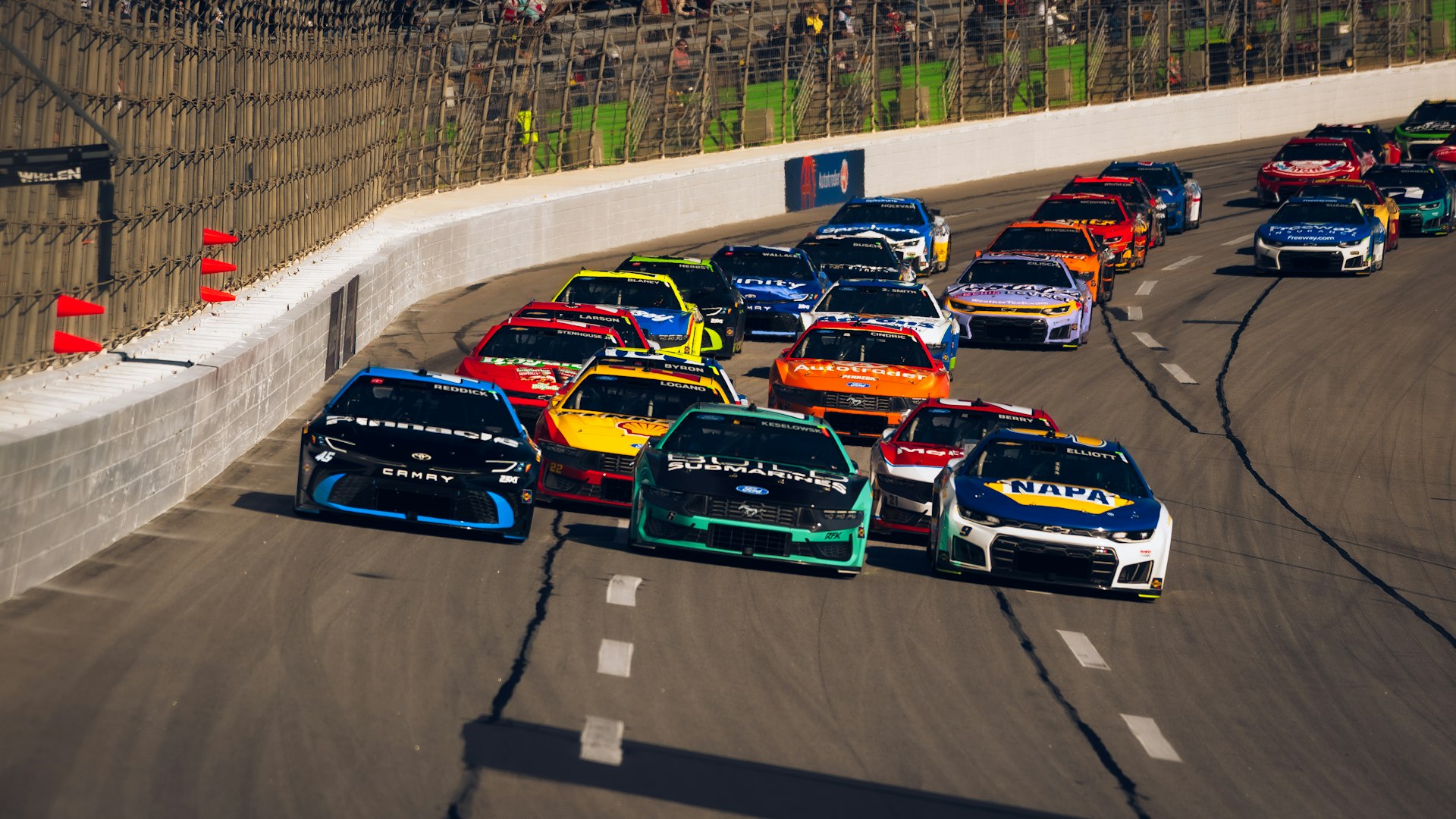
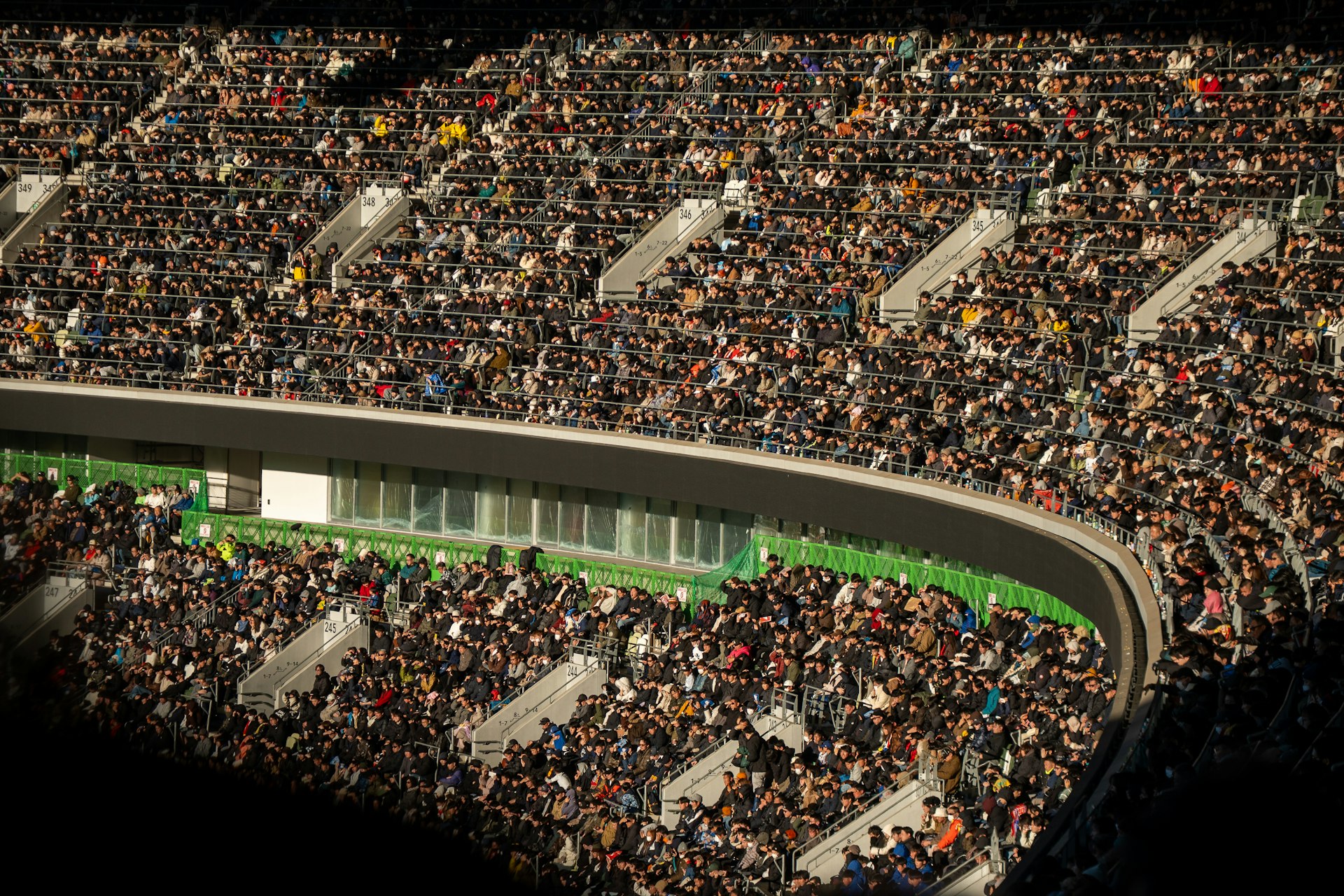
The name is not marketing. Two hundred thousand people gather in Daytona Beach every February for what NASCAR calls The Great American Race, and the moment 40 stock cars come off the line at full speed, you understand the Daytona International Speedway earns that name. No video, broadcast, or audio recording prepares you for it. The sound registers in your chest before it reaches your ears - a wall of noise that builds, crescendos, and recedes as the field passes. The 2.5-mile tri-oval has 31-degree banking in the turns, which means the cars ride visible above the infield fence at speeds that seem incompatible with control, and from the grandstands, watching a 40-car draft approach from the back straightaway is a genuinely kinetic experience. First-time attendees consistently report being stunned by how different racing looks in person versus on television. Is the Daytona 500 worth attending even if you do not follow NASCAR? Yes. The scale and spectacle transcend the sport the way the Super Bowl transcends football or the Kentucky Derby transcends horse racing. You do not need a favorite driver to understand what is happening in the draft, or to feel the weight of 500 miles building toward the final lap - and Daytona produces unpredictable finishes, including some of the most dramatic last-lap passes and crashes in motorsport history. A few first-time tips: bring a permitted soft-side cooler, because concessions are expensive and lines are long during the race. Ear protection is essential, not optional - earplugs significantly improve the experience. Arrive two to three hours before the green flag to navigate parking, claim your grandstand spot, and watch pre-race activities. Photograph your parking spot and gate number immediately; the lots are enormous and post-race disorientation is real. This is one of those events Americans know by name long before they understand why anyone would care - and the ones who go never stop talking about it. The volume alone changes something permanent. 2027, Daytona Beach, FL.
Somewhere past the Hollywood stretch you look up mid-stride and realize you are running through the postcard version of this city — the one you assumed only existed in establishing shots and other people's vacations. Nobody warns you about that. It arrives on its own.
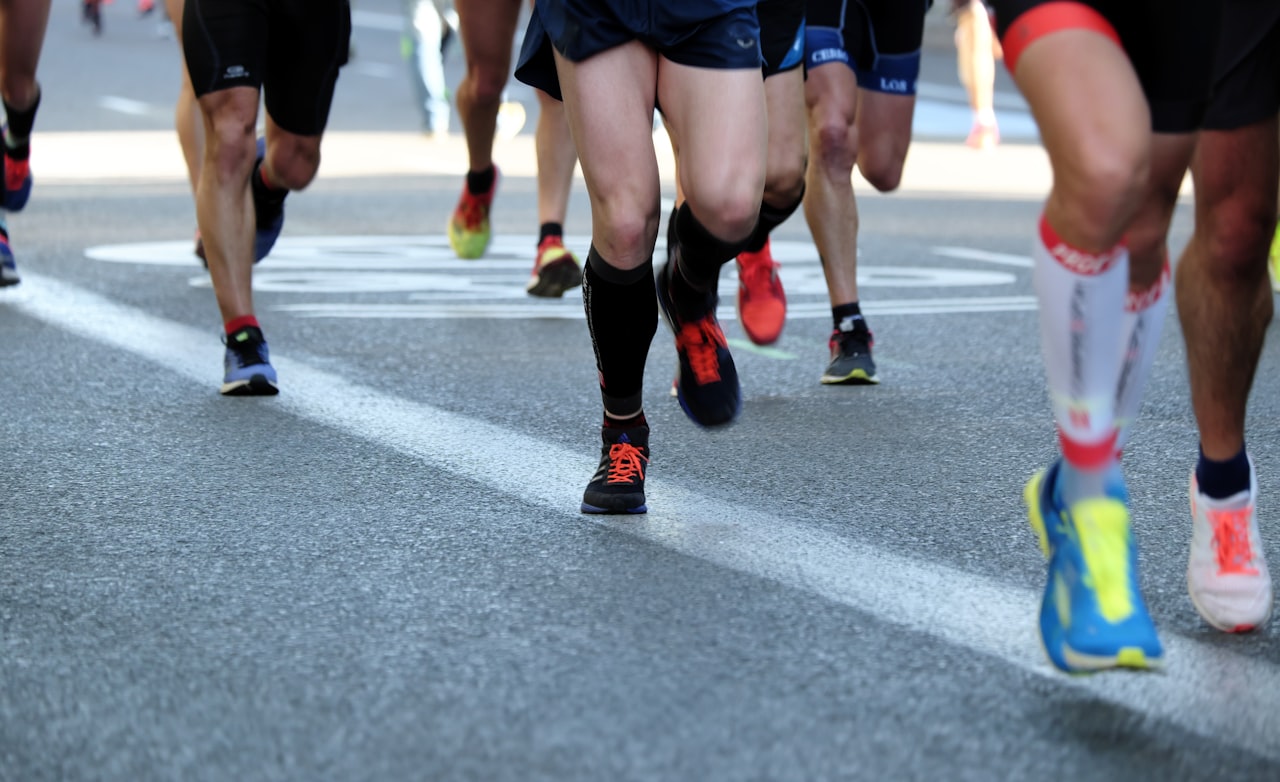
They call the route Stadium to the Stars and it earns the name: out of Dodger Stadium, through Hollywood and West Hollywood, into Beverly Hills, past Rodeo Drive and down the Wilshire Corridor, finishing on Avenue of the Stars. Twenty-six point two miles of a city that normally refuses to be seen at walking pace.
The crowds carry it. The West Hollywood stretch near Santa Monica Boulevard is reliably the loudest noise on the entire course, and standing there for a few hours is worth doing even if you never lace up.
Registration, charity bibs, and lottery entries are all open.
Send it to the friend who keeps saying next year. It is next year.
Mar 15 – Mar 21, 2027
Austin Convention Center, 500 E Ce…
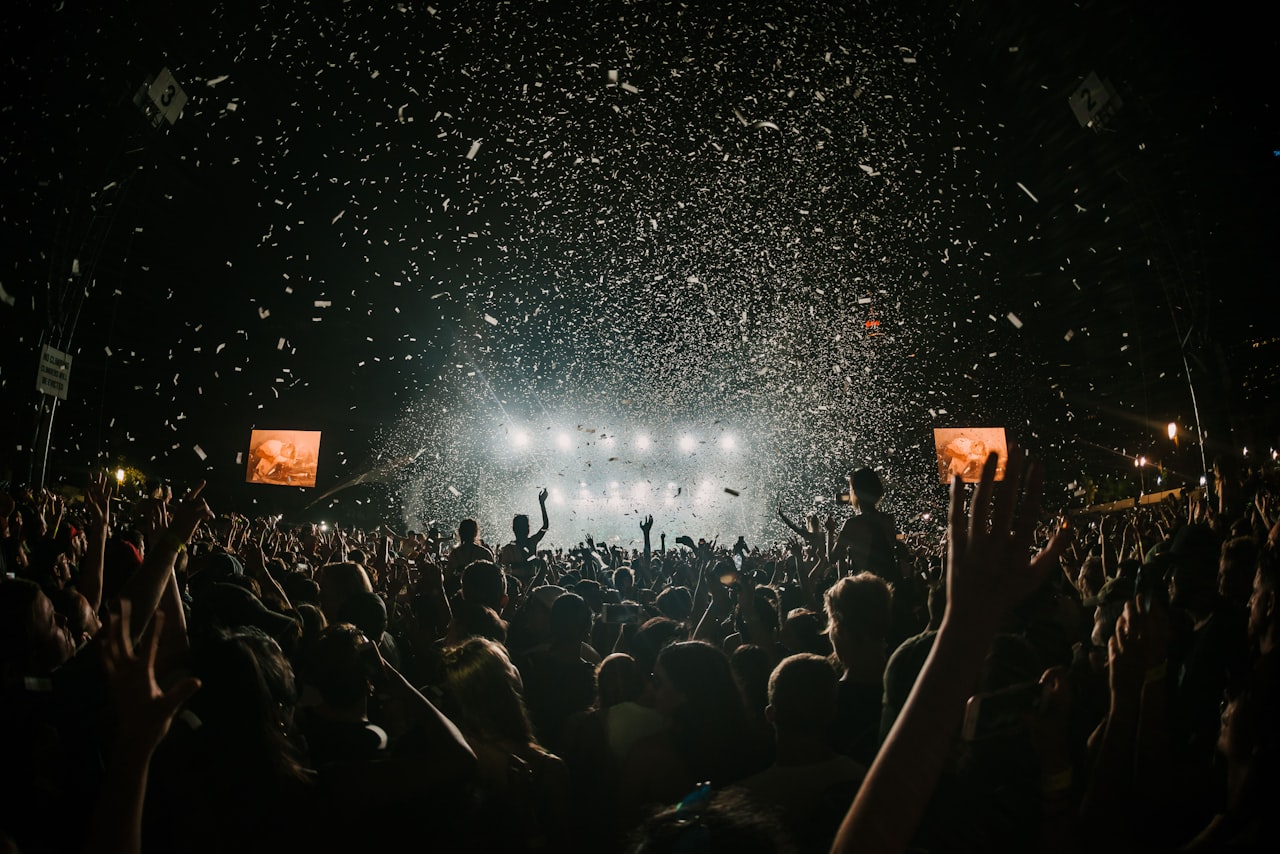
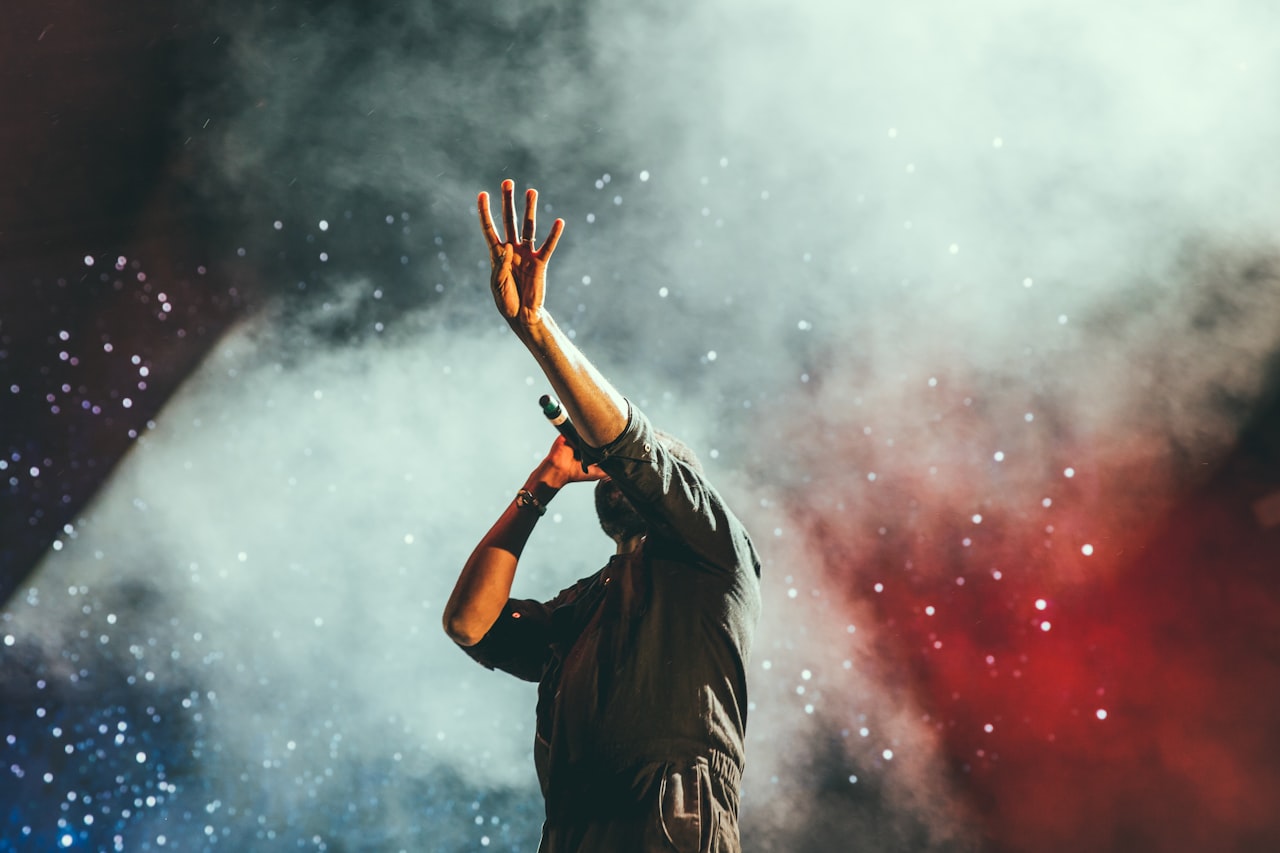
If you have ever felt like the interesting version of American culture is happening somewhere you're not, this is the address it's happening at. For nine days every March, Austin becomes the one place where the music industry, the film industry, and the technology industry all arrive at once and go looking for the same parties. SXSW isn't a single event -- it's a city-sized festival. The Music Conference alone hosts thousands of acts across hundreds of venues, from dive bars and converted warehouses to the Austin Convention Center and the open air of Auditorium Shores. At the same time, the Film & TV Festival premieres features and series that go on to win Oscars and Emmys, and the Interactive and Emerging Technology conference hosts the conversations that decide how the industry thinks about what comes next. These three things happen simultaneously, in the same zip code, and the cross-pollination isn't incidental -- it is the product. The person who catches a breakthrough band at midnight, a groundbreaking documentary at noon, and stumbles into a startup pitch at 3pm isn't having three experiences. They're having the SXSW experience.
The festival rewards whoever arrives with no fixed agenda and the flexibility to chase what's interesting, and punishes the over-planner who misses the spontaneous set that becomes the most-talked-about performance of the year. The unofficial parties and free shows matter as much as the official programming -- sometimes more. Austin in March is warm but unpredictable, so layers are essential and comfortable shoes are mandatory. SXSW runs on a badge system: the Platinum badge accesses everything, the Music badge covers all official showcases, and unofficial events run free and parallel across the city, often carrying the most interesting programming of all. Book accommodation six to twelve months out, because Austin fills completely. The Convention Center is the official hub, but the real SXSW happens on 6th Street, Red River, and along the South Congress corridor.
SXSW 2027 earns its place among the country's essential cultural moments because it's the single event where American creative culture most fully takes stock of itself. The lineup hasn't been announced yet -- and the anticipation before the announcement is itself part of the ritual. Every year, artists, filmmakers, and technologists make their American debut here. Every year, something that started in a 200-capacity Austin venue becomes the story everyone's telling by April. This isn't just where culture happens -- it's where culture decides what it is. Badge registration is open at sxsw.com/badges/.
Mar 25 – Mar 27, 2027
Petco Park, 100 Park Blvd, San Die…
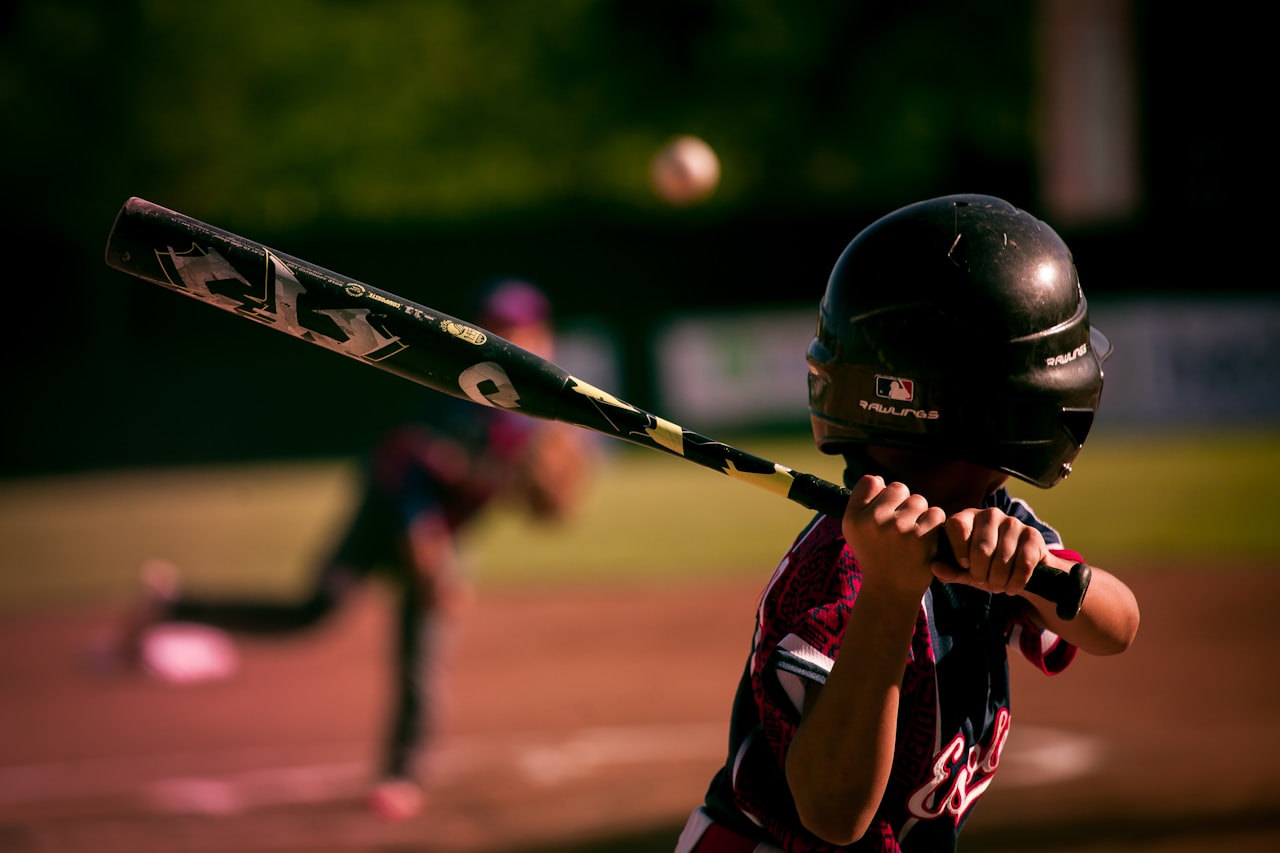
One morning every spring the whole city looks up at once. Nothing has been decided yet. Everyone is still in it. No game in July can reproduce the specific holiday feeling of a season that has not gone wrong.
Petco sits inside the East Village instead of behind a moat of parking, and the old brick Western Metal building is built directly into the left-field corner, a warehouse somebody refused to knock down and turned into seats instead. The bowl keeps every seat close to the field. The Park at the Park fills with people who never bought a ticket and came anyway. Afterward the whole neighborhood absorbs the crowd and the day keeps going long past the final out.
Downtown San Diego, walkable from the Gaslamp, trolley right to the door.
Take the person who taught you the game. Or take the one you are still teaching.
Mar 25 – Mar 30, 2027
Dodger Stadium, 1000 Vin Scully Av…
Los Angeles does not technically have seasons. It has this instead — the first home game at Chavez Ravine, and a whole city remembering, all on the same afternoon, what it actually is.
Get there early and the thing that gets you is not the ceremony. It is the hillside. The bowl was cut down into the ridge back in the sixties, so the crowd comes in above the field with downtown behind them and, on a clear day, the San Gabriels standing over the outfield like somebody staged them. Then the retired numbers are read out, the first pitch goes, and spring begins by municipal decree.
The roster on that grass is already chasing October, which makes the afternoon the first data point of a year the city will argue about for months.
Take the shuttle up from Union Station, and take somebody who has never been. Watch their face the moment the hill opens up in front of them.
Apr 5 – Apr 11, 2027
Augusta National Golf Club, 2604 W…
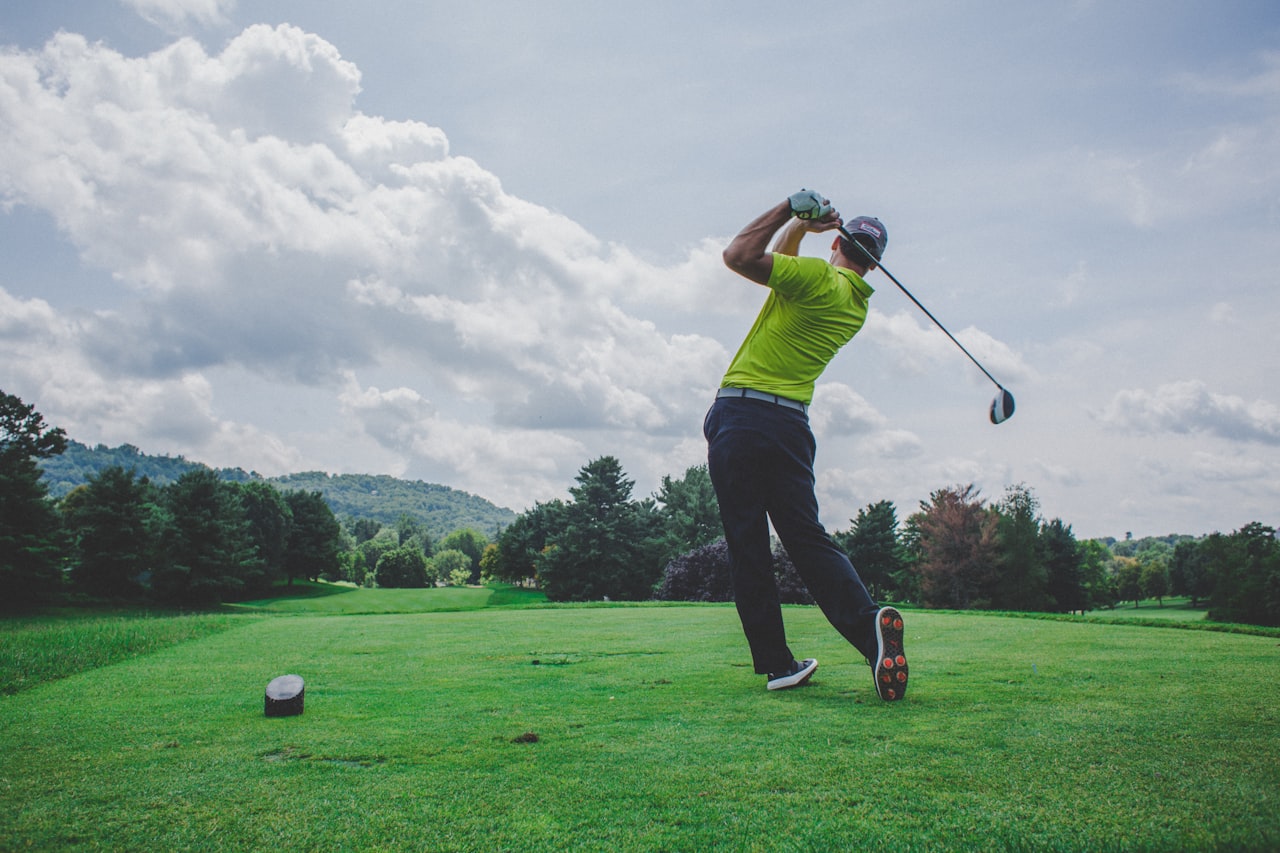
You do not need to follow golf to feel it - people who have never watched a full round walk out of Augusta describing a garden with a tournament happening inside it. The Masters at Augusta National is one of the most beautiful sporting events on earth, and the traditions the club has protected for 90 years are visible in every detail. Walking the grounds on tournament days is a full-body experience built over decades of deliberate aesthetics: the grass is an almost impossible shade of green, and the azaleas, cultivated year-round to guarantee peak bloom during tournament week, frame every fairway in color. Only about 40,000 patrons are admitted per day, far fewer than comparable major events, so the grounds feel open, not crushed, and gallery applause rolls across the hills in waves. First-timers consistently describe the same thing: they expected a sports event and found a garden party with golf in it. Is it worth attending even for people who have never watched a round? Yes - the identity of the event transcends the sport. The course, the tradition, the controlled beauty of Augusta National in April do not require a scorecard, and if you are the kind of person who values craft, precision, and excellence in any domain, Amen Corner on Sunday afternoon is one of the most moving experiences in American sports. Tickets come through Augusta National's official lottery. The application window opens June 1-20, 2026 for the 2027 tournament, with results sent July 2026; tournament-day odds are roughly 1-in-200, and practice-round odds are meaningfully better. No phones are allowed during tournament rounds - Augusta National enforces this strictly, which is part of what makes the event feel different from anything else you will attend. Parking is free on-site, concessions are famously affordable by major-sports standards, and the move is to arrive early and walk the course before the crowds fill it. The green jacket represents something the rest of professional sports rarely produces: an outcome so shaped by a single course that it cannot be replicated anywhere else. Augusta National holds over 90 years of history in its fairways, and each April that history becomes a present-tense experience. This is the event that earns the word pilgrimage - and means it. 2027, Augusta, GA.
Apr 11 – Apr 13, 2027
Long Beach Street Circuit, Shoreli…
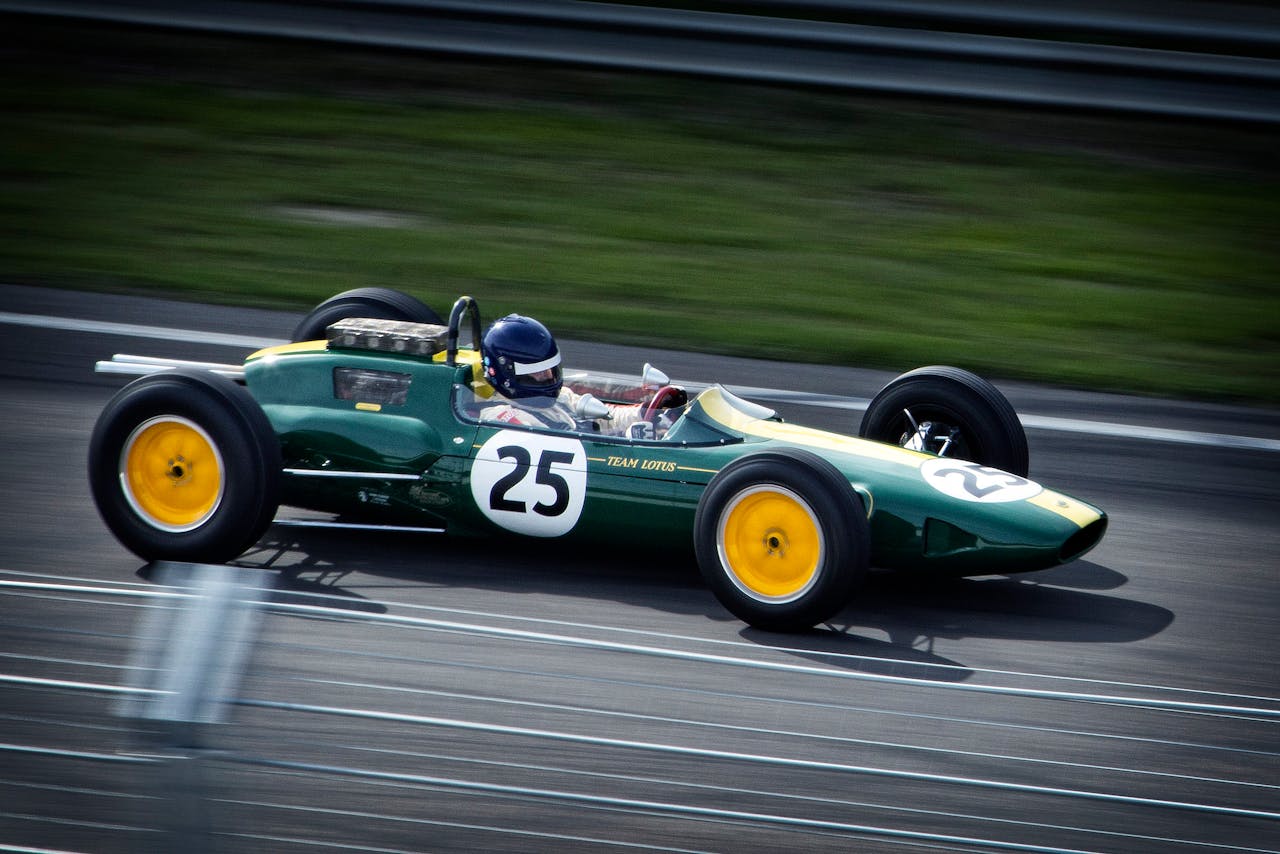
Streets that carry commuters every other day of the year get taken away from cars for one weekend, and half the reason people come is to watch a working downtown turn into a racetrack. The Acura Grand Prix has run since 1975, which makes it one of the most storied street circuits in North America and the rare motorsport event a city genuinely absorbed rather than merely hosted. The circuit runs 1.968 miles along the waterfront. Practice Friday, qualifying Saturday, the IndyCar race Sunday, with permanent grandstands at Turn 1 and temporary seating scattered around the course so the view and the price scale together. Around it: support races that rotate every year, IMSA and Formula Drift among them, a vendor midway, car shows, and a harbor that spends three days smelling like fuel and sunscreen. Shoreline restaurants and bars run their own hours all weekend. Go once and the sound alone reorganizes your opinion of racing. Bring somebody who has only ever watched it on a screen.
By the last day everybody is sunburned, out of clean clothes, and living inside that specific ache of something about to end that cannot be extended.
Sunday is when the festival stops competing with itself. The afternoon belongs to a completely different energy, no more sprinting between conflicts, no obligations left, just the crowd watching itself on the grass while Gobi and Sonora pull the most devoted audiences of the weekend. Then the closing headliner goes on late, near midnight, and hands the crowd an emotional conclusion nobody knew they were owed. This is the day that has produced the sets people still argue about years later, the ones that outgrew the festival and became their own cultural events.
The polo fields in Indio, the final day of the first weekend, camping through the night.
This is the one you describe to the friend who has never been. Start with how quiet the drive back is.
This is the only marathon in America you cannot simply sign up for - the runners on this course qualified for it, and the entire city knows it. Watching the Boston Marathon as a spectator is one of the great free sporting experiences in the country, and the veterans do not pick one spot. The course passes through eight cities and towns, so you can catch the race at multiple points. The Wellesley College Scream Tunnel at Mile 13 is legendary: thousands of students lining the course, the noise so intense runners can hear it a quarter-mile before they arrive. Heartbreak Hill at Miles 20-21 in Newton is where the race changes - where the field separates and the human drama becomes visible on people's faces. Boylston Street is where everything converges: runners who have been moving for hours, a crowd building since dawn, and a finish line carrying 130 years of the same morning.
It is worth watching in person even if you have never run a mile in your life. The finish line on Boylston is, by consistent report, genuinely moving in a way that surprises people who show up expecting a casual sports afternoon; something about watching thousands of people reach the end of something they worked toward for months or years produces an emotional response that requires no prior investment in running. Drive nothing on marathon day - the MBTA is the only viable option. Take the commuter rail to Wellesley for the Scream Tunnel at Mile 13, then ride inbound to Kenmore Square to position near Mile 25; that lets you see the race at two points, which is the move veterans recommend. Build extra time into every transition, because road closures affect the entire city grid. Boston is one of the few events in American culture that is simultaneously an elite athletic competition and a democratic celebration - qualifying runners sharing the same road as first-time charity runners, the crowd making no distinction between them. The only thing the finish line measures is whether you showed up and kept moving. The Boston Marathon runs on Patriots' Day in Boston, MA, April 2027.
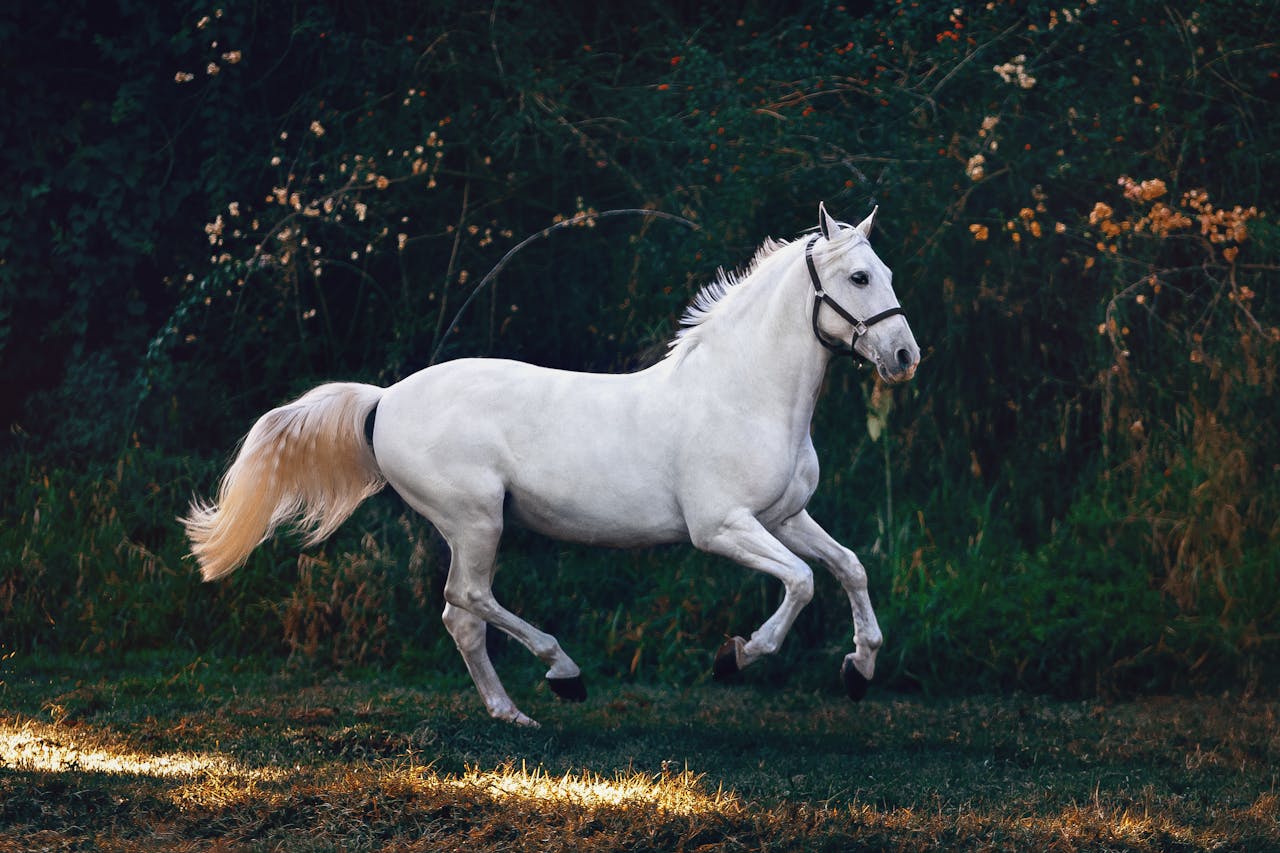
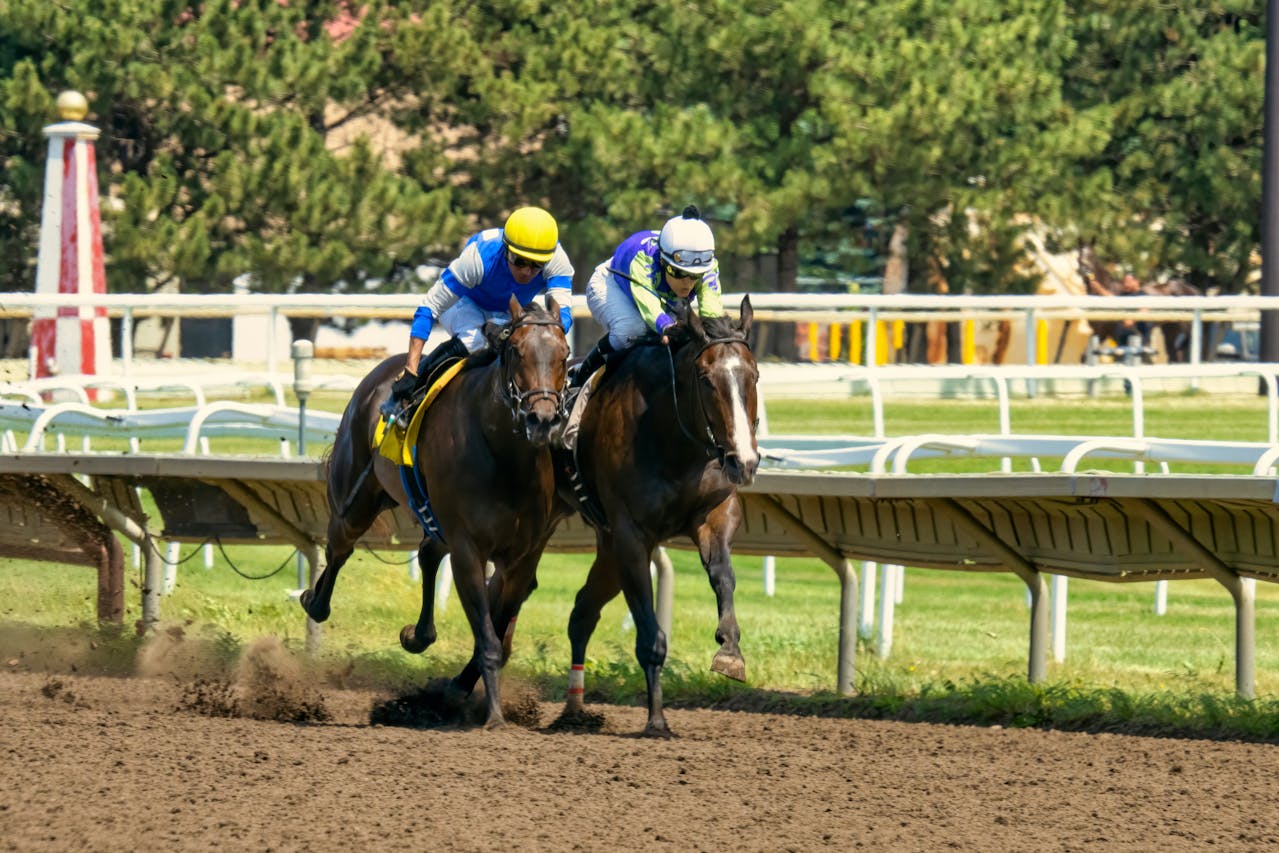
The Kentucky Derby is the oldest continuously held sporting event in the United States, run at Churchill Downs in Louisville every first Saturday in May since 1875. The 153rd running takes place May 1, 2027. Twenty three-year-old thoroughbreds run a mile and a quarter on dirt, and the whole thing is over in about two minutes — a fact that first-time attendees find genuinely disorienting, because the day surrounding those two minutes runs about twelve hours.
What it actually feels like depends entirely on where you stand. The infield is a separate country: general admission, no view of the track worth anything, and a crowd that treats the day as a festival that happens to have horses in it. The grandstand is the opposite — hats, seersucker, bourbon, and a level of formality that people either find delightful or exhausting. Between the two runs a strange democratic energy, because both crowds go quiet at the same moment. When the field comes out of the gate and the crowd sound rises, it does not sound like other sports. It sounds like weather.
Is it worth it? If you are the kind of person who likes the ritual around a thing more than the thing itself, yes, unreservedly. Nobody attends the Derby primarily to watch a horse race. They attend for the hat they had to decide on, the mint julep that is honestly not a very good drink, the two dollars they put on a horse because they liked its name. This is not for someone who wants to sit and watch sport efficiently. It is for someone who wants to be inside an American ritual that has been running, uninterrupted, through two world wars and a pandemic.
What to know before you go: the infield and the grandstand are effectively different events, and you cannot easily move between them, so choose deliberately. Hats are not a costume — locals genuinely dress, and under-dressing is more conspicuous than over-dressing. Get there hours early; the undercard races are where the actual horse people are paying attention, and the betting is better value. Bring cash. Wear shoes you can stand in for a very long time.
The Derby is on this list because it is one of the few American events where the ritual survived the commerce. It is knowable from anywhere, dreamed about widely, and attended by comparatively few — which is exactly the shape of a cultural moment worth knowing exists.
The 153rd running goes to post around 6:57 in the evening, Eastern time, on Saturday the first of May.
You run through Costa Mesa and Huntington Beach and the reward at the end is the ocean itself - the finish line dropping you onto sand and surf, steps from the pier, in one of the most scenic finishes in American distance running. The OC Marathon routes participants each spring toward that ending, and it serves the full spectrum: full marathon, half marathon, 10K, 5K, and a dedicated kids' run, drawing thousands from across the region and beyond. The full marathon course meets Boston Marathon qualification standards, pulling in serious competitive runners, while the half marathon is the most popular distance and routinely sells out months in advance. Live bands and volunteer crowds line the route through downtown Huntington Beach, and the post-race area includes food, a beer garden, and live music. Packet pickup and the race expo run in the days before at a dedicated location - check ocmarathon.com for the current expo venue and schedule. Register early regardless of distance; the event fills well ahead of the entry deadline. 2027, Huntington Beach.
Most cities never let you see them with their guard down. San Francisco does it once a year, starting at eight in the morning, and it has been doing it since 1912. Bay to Breakers is a 12K that runs from the bay side of the city straight across to the Pacific breakers at Ocean Beach, and it is the oldest consecutively held footrace in the country. Tens of thousands of people run, jog and walk it. Most of them are in costume. Almost nobody is trying to win.
The start is a crush of jellyfish, brides, traffic cones and a school of people dressed as salmon, who by long tradition swim upstream against the direction of the entire race. Houses along the route open their front steps and put speakers in the windows. Bands set up on corners without anyone asking them to. The Hayes Street hill arrives early and quietly dismantles the pacing of anyone who trained on flat ground, and then the course tips down through the Panhandle and the length of Golden Gate Park until the air starts smelling like salt and you can hear the ocean before you can see it. Spectators outnumber runners and treat the whole thing as a block party that happens to have athletes moving through it.
If what you want is a race, this is the wrong morning. Timing chips exist and the elite field at the front is genuinely fast, but the body of the event is a city being deliberately absurd for six hours, and fighting that is a way to have a bad time. If what you want is to watch a place you may never live in be unguardedly happy, there is nothing else on the American calendar quite like it. It is not for people who need a clean split or hate being touched by strangers. It is for anyone who has ever wished their own town would loosen up for one day.
Dress for the temperature you want at mile four, not the one you feel at the start, or you will carry a jacket across the whole city. Work out how you are getting home before you set off, because transit afterwards is packed solid. Watch for the centipedes: thirteen runners tethered together in a line, a tradition begun in 1978 by a UC Davis track athlete named Dwayne Harms, and this race is now the official site of the World Centipede Running Championships. Stop at the open houses. That is the point of them.
The costumes trace back to 1940, when one man crossed the finish line dressed as Captain Kidd and everyone decided that was the correct way to do this. A city that now mostly gets written about for its industry still keeps one morning a year for being ridiculous on purpose, which is a kind of civic confidence most places have lost. First wave goes at 8:00 AM and the last at 8:45, Sunday May 16, 2027, bay to ocean.
For a hundred and fifty-one years the middle jewel of the Triple Crown has been run on a Saturday. In 2027 it will not be, and the reason is the most interesting thing in American racing right now.
The 152nd Preakness Stakes goes to post at Pimlico Race Course in Baltimore on Sunday, May 23, 2027 — eight days after the traditional third Saturday in May, and the first time any Triple Crown race has ever been run on a Sunday. The move is a deliberate concession to how horses are actually trained now: two weeks between the Kentucky Derby and the Preakness is brutal on a Derby winner, and the middle leg has spent years watching the best three-year-olds skip it. An extra week is an attempt to make the Triple Crown mean what it used to.
What Pimlico is, in person, is old. It does not have the manicured Southern theatre of Churchill Downs and it has never pretended to. It sits in a Baltimore residential neighborhood, the paint is tired, and the infield on Preakness day is a great democratic mess of people who came to be there rather than to be seen. That is the appeal, and people who prefer the Preakness to the Derby will tell you so without being asked.
The traditions are unusually good. The winning owner is presented the Woodlawn Vase, a piece of Tiffany silver that lives under guard at the Baltimore Museum of Art and travels to the track for the ceremony before going straight back — the owner keeps a half-size replica instead. And the moment the result is official, a painter climbs the replica clubhouse cupola in the infield and repaints the horse-and-rider weathervane in the winning stable's silks, where it stays for exactly one year. The practice dates to 1909, after lightning took down the original arrow-shaped vane.
Who it is for: anyone who would rather watch a sport in a building that has not been renovated into an experience. Be warned that 2027 catches Pimlico mid-surgery. A five-hundred-million-dollar rebuild is not scheduled to finish until ahead of the 2028 race, the grandstand will not be ready in May, and temporary seating and hospitality will stand in — which is also why the 2026 running happened at Laurel Park instead. A post time for the feature has not been announced; the card runs most of the day and the Preakness is the late race.
One week a year, a worn-out track in northwest Baltimore holds the only thing standing between a horse and history. Most people watch it on television and still remember where they were.
Sunday, May 23, 2027. Pimlico Race Course, 5201 Park Heights Ave, Baltimore. Tickets through the track.
A convention that started as a one-day free event on a college campus and grew into a four-day gathering of tens of thousands keeps something from that origin that money cannot buy: it is still noticeably run by people who are the audience. MomoCon happens each Memorial Day weekend at the Georgia World Congress Center in downtown Atlanta, and it covers anime, gaming, animation and comics with an unusually strong emphasis on the industry side of animation.
The distinguishing feature is the volume of actual working professionals — animators, voice actors, studio staff — doing panels that are about how the work gets made rather than about promoting a release. Atlanta has become a genuine production city, and the convention benefits from that proximity. Alongside it sits one of the larger convention gaming setups in the country: a tabletop hall, a big freeplay arcade and console area, and esports tournaments running the whole weekend. Cosplay is central and the crowd skews young, energetic and heavily costumed. Memorial Day weekend means an extra day, and the extra day changes the pace considerably — there is time to do things properly rather than sprinting.
Worth it? If you are interested in animation as a craft and a career, this is one of the best conventions in the country for that specific reason, and the access to working professionals is unusually good. If you are primarily a collector, the dealer hall is solid but not a destination. It is a maker's and a player's convention more than a buyer's.
What to know: downtown Atlanta hotels connected to or near the convention center fill first and the walk matters in May humidity. The badge covers the gaming halls, which many first-timers do not realize until Sunday. Panels about breaking into animation fill up an hour early. Parking downtown is expensive; the MARTA station is close. And the four-day format means Thursday is genuinely worth arriving for.
It is here because a convention where the people who make the thing talk honestly about making it is rarer than it should be, and knowing that room exists is useful whether or not you ever sit in it. MomoCon 2027 runs May 27–30, 2027 at the Georgia World Congress Center.
The Indianapolis 500 is the largest single-day spectator sporting event in the world, held at the Indianapolis Motor Speedway on the Sunday of Memorial Day weekend. The 111th running is May 30, 2027. Roughly 300,000 people fit inside the grounds — a number that stops being an abstraction the moment you walk through the tunnel under the track and see it.
The sensory fact nobody prepares you for is the sound. Thirty-three cars at full throttle on a two-and-a-half-mile oval produce a noise that arrives as physical pressure, and it comes around again every forty seconds for three hours. Veterans wear real ear protection, not foam. The other thing is the scale of the infield, which contains its own economy — people who have occupied the same patch of grass with the same families for three generations and have no particular interest in the race standings. Race morning starts before dawn with a cannon, and by the time the field takes the green flag the crowd has already been awake for six hours singing along to a song about Indiana.
Worth it? Yes, and specifically for people who do not follow motorsport. IndyCar's television audience is modest; the Indy 500's live attendance is enormous, and the gap between those two numbers is the whole point. This is a civic ritual wearing a sporting event's clothes. It is not for someone looking for close wheel-to-wheel racing every lap — much of the race is strategy and fuel management. It is for someone who wants to stand inside something genuinely, unfashionably American that has run since 1911.
Before you go: the Snake Pit and the grandstands are entirely different experiences, and the infield general admission ticket does not give you a real view of racing. Buy a seat if you want to watch; buy infield if you want the party. Bring sunscreen, because there is almost no shade and the race runs through the hottest part of the day. Traffic out afterward is famously immovable — plan to stay two hours after the checkered flag rather than sit in it. The traditional bottle of milk in victory lane is not a marketing invention; it dates to 1936 and drivers still ask for their preferred fat percentage.
It earns its place here because it is a hundred-year-old ritual that a third of a million people still show up for in person, in an era when almost nothing gets that. Knowing it exists changes your mental map of the country slightly.
Green flag falls just before one in the afternoon on Sunday, May 30, 2027.
Somewhere past the halfway mark your legs go quiet and the voice in your head turns mean. Then you round a corner in Balboa Park, a live drummer picks the beat back up for you, and your stride comes back before your brain agrees to it. The whole 26.2 is scored, a band every mile, and it changes what the distance does to a body.
That is why the sidewalks fill as thickly as the course. People who will never run it come stand inside a street festival that happens to have runners in it, through downtown, Mission Hills, Old Town, and the beach neighborhoods, out to a finish on the waterfront. San Diego is where this format started back in 1998, and the city still treats it as its own invention.
The half and the 5K share the weekend, spectating costs nothing, and entry fills fast. Go run it, or go stand at mile twenty and hand a stranger their second wind.
Jun 24 – Aug 22, 2027
Brazil (Rio de Janeiro, Sao Paulo,…
Every four years somebody at work has a stream open with the sound off, and you can tell from their face what just happened. You always think the same thing in that moment. One of these times you are going to stop watching this on a screen.
In June 2027 the Women's World Cup goes to Brazil, and it is the first time the tournament has ever been held anywhere in South America. Not Europe, not North America, not Australia and New Zealand — the country where the game is closer to a first language than a pastime. Thirty-two teams, sixty-four matches, eight cities: Rio de Janeiro, Sao Paulo, Belo Horizonte, Brasilia, Porto Alegre, Salvador, Recife and Fortaleza. It opens at the Maracana on 24 June and the final comes back to the same stadium on 25 July.
What that stadium means is most of what makes this different. The Maracana opened in 1950 and has been the room where Brazilian football keeps its grief and its records — the 1950 final, the 2014 final, the opening and closing ceremonies of the 2016 Olympics. Roughly seventy-nine thousand seats. Brazil won the hosting rights in May 2024, and there is a detail in the schedule that regular tournament-watchers notice immediately: the opener and the final are in the same building. That is not standard. It means the month has a shape — it leaves from a place and returns to it — and if you are choosing one match to be at, the people who plan these trips will tell you the opener is the cheaper ticket into the more famous room.
Who this is actually for: not the person who wants a holiday with football attached. Brazilian winter in the south means Porto Alegre can be genuinely cold in July while Fortaleza and Recife sit near the equator and do not — eight cities across a country larger than the continental United States is a travel problem, not a walkable itinerary. Pick a city and let the draw come to you rather than chasing a team across four time zones. But if you are the person who has spent three tournaments saying next time, this is the one worth breaking the pattern for, and not because the football will be better. Because a full house in Brazil does not sound like a full house anywhere else, and the women's game has never once been handed that particular room.
Most people reading this will not go, and the group chat it starts is worth something on its own. For the ones who might: the draw has not happened, so nobody knows yet who plays where — which means right now the only decision available is the city, and that is the decision that books out first. Tickets and registration run through FIFA. The tournament runs 24 June to 25 July 2027, opening and closing at the Maracana in Rio de Janeiro.
The Sturgis Motorcycle Rally takes over a South Dakota town of about 7,000 people for ten days every August, and the 2027 edition runs August 6 through 15. Attendance regularly runs into the hundreds of thousands. It has happened annually since 1938, which means it predates most of the motorcycle culture people associate with it.
The thing that surprises first-timers is that the rally is not really in Sturgis. Main Street is the postcard, but the actual experience is the Black Hills — Spearfish Canyon, Needles Highway, the switchbacks at Iron Mountain Road that were deliberately engineered in the 1930s to make drivers slow down and look at Mount Rushmore through stone tunnels. People ride two hundred miles a day out of a base camp and come back into town at night. The sound of the town is continuous and total; it does not stop at 2 AM, and residents either leave for the duration or rent their lawn out for four figures.
Worth it? For anyone who rides, once, unambiguously yes — not because Sturgis is the best riding in America but because it is the largest annual gathering of a subculture that mostly exists in isolation the rest of the year. For someone who does not ride, this is a harder sell and honestly probably a no. The rally is not a spectator event with a show at the center; the participants are the event. Going without a bike means watching other people have the experience.
What to know: book lodging roughly a year ahead or plan to camp, because everything within an hour books out and prices multiply. August in the Black Hills swings hard — hot afternoons, genuinely cold evenings, and afternoon thunderstorms that arrive fast. The rides are the point, so treat Main Street as an evening activity rather than the destination. Buffalo on the roads through Custer State Park are not scenery; they are a real hazard and will not move. Local law enforcement presence is heavy and DUI enforcement is aggressive.
Sturgis makes this list because it is one of the last genuinely uncurated American gatherings — nobody programmed it, no brand invented it, and it grew from a handful of racers in 1938 into a small city that materializes and vanishes every August. Knowing that is possible is worth something even if you never go.
August 6 through 15, 2027, centered on Sturgis and the surrounding Black Hills.
There's more here for you.
An account shows you sports events matched to your exact taste — not just what's popular.