Nobody knows what day it is between Christmas and New Year. Half the city is technically working, the other half is lying about it, and every plan anybody proposes gets agreed to instantly because the alternative is a fourth consecutive evening of nothing in particular.
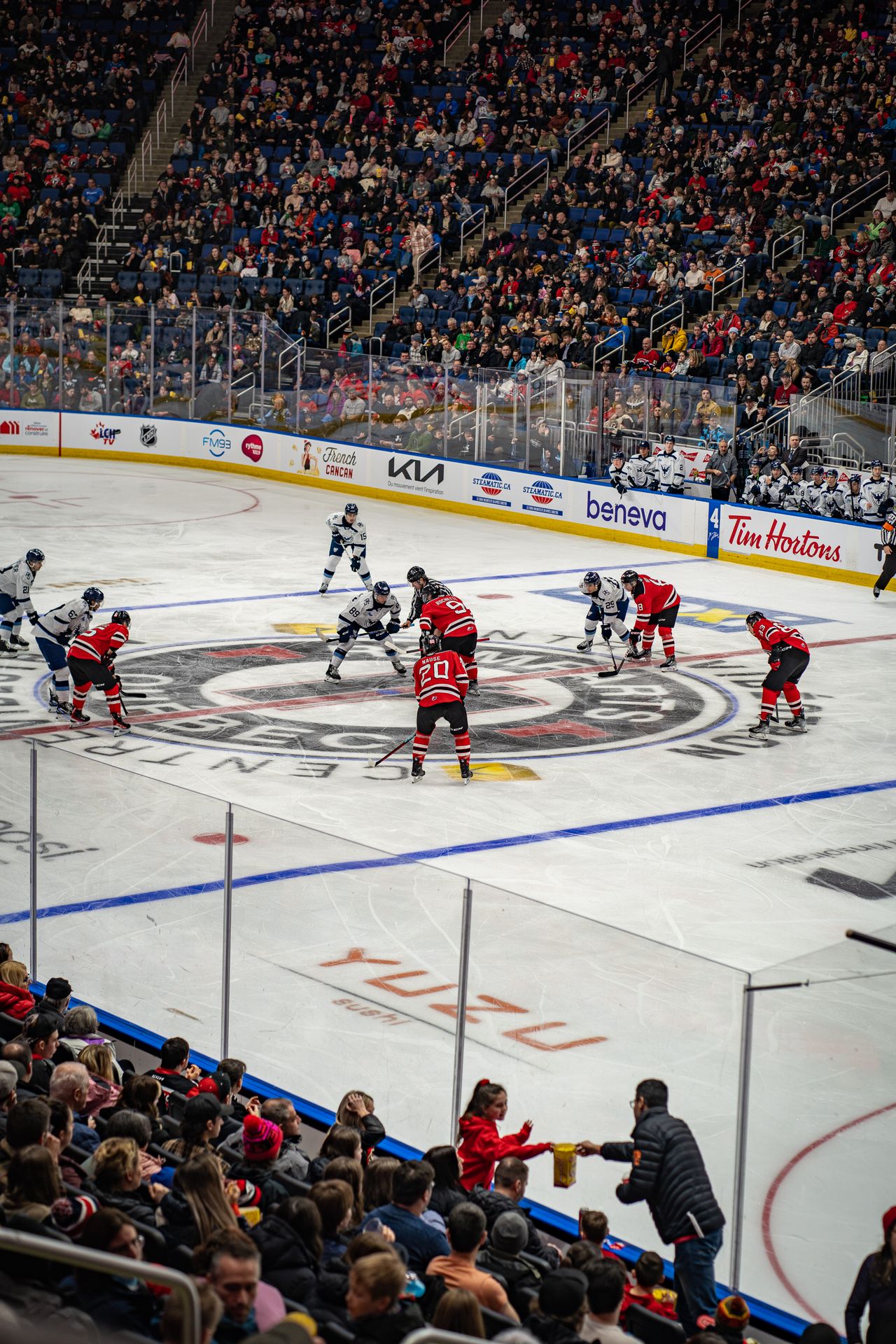
Here is the thing worth knowing about this specific night. When Toronto comes to town, roughly a third of the building turns blue. Canadians who moved here for the weather and have never once admitted to missing anything about home come out for this one game, wearing a jersey that has not left a closet since October, and they are loud in a way that genuinely irritates the home crowd.
That tension is the entire evening, and it is reliably better than the hockey.
Send it to the coworker who says eh about once a month and pretends not to notice themselves doing it.
Puck drop seven, Crypto.com Arena downtown.
Your tío has a playlist and it is better than yours. Slow, mostly in English, recorded by Black and Chicano groups in the early sixties, and played at every backyard party you were ever dragged to — the oldies that got adopted by Southern California so completely that they stopped belonging to anybody else. The strange and genuinely moving thing happening now is that twenty-somethings are writing new ones. Not covers: new songs, built to sound like 1963, played on the same cheap organ, sung in that same deliberately wobbling falsetto. Watching a room of kids in Dickies slow-dance to something written last year that sounds sixty years old is about as Southern Californian as it gets. This is the first of two nights, the quieter one, before the New Year's Eve crowd arrives. Take whoever taught you the playlist. 3615 El Cajon Blvd, San Diego — doors 7pm, 21+.
Dec 30 – Dec 31, 2026
Avalon Hollywood, 1735 Vine St., H…
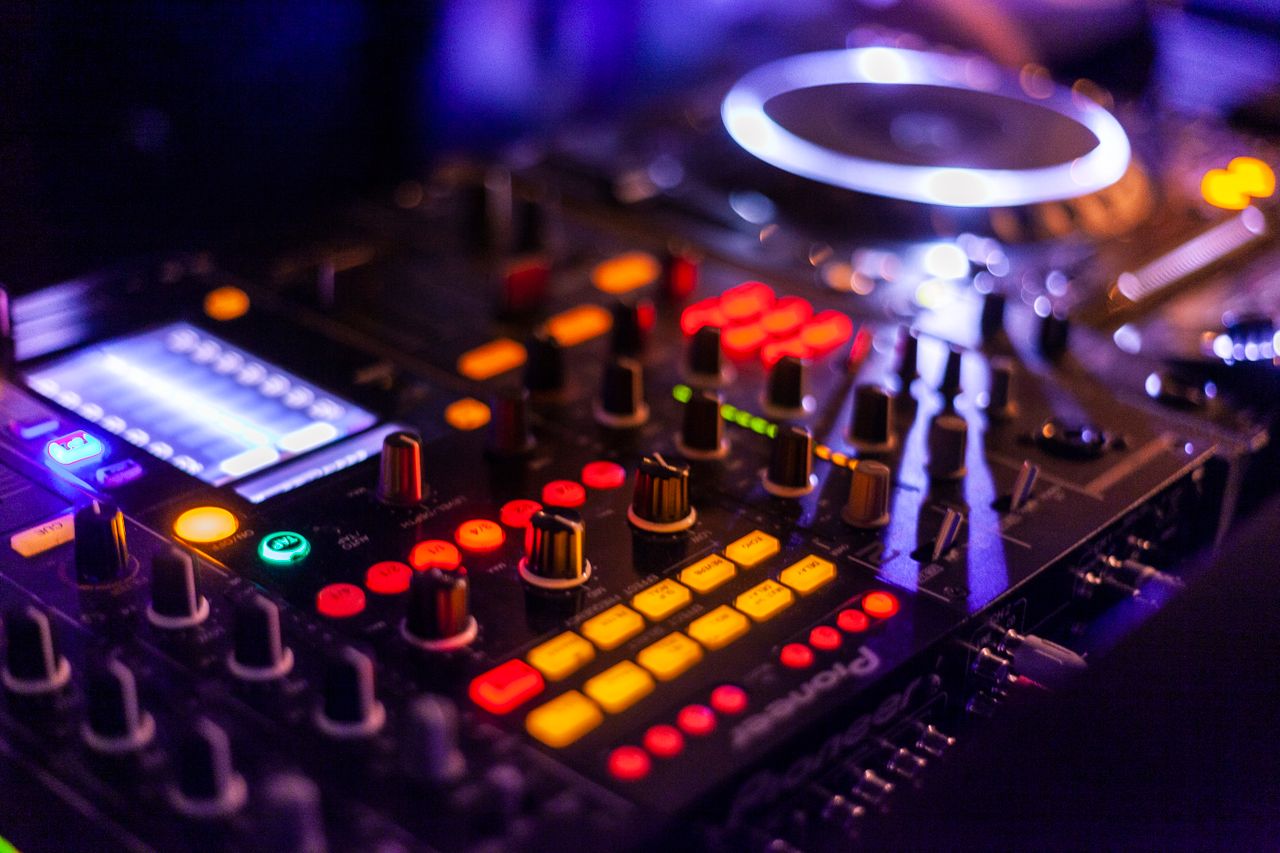
Riddim is the most repetitive music anybody is currently making on purpose, and the repetition is the entire argument. One idea, stated, restated, and restated again with a slightly different weight each time, for ninety minutes. Described in writing it sounds unbearable. In a room with the right system it does something closer to meditation by brute force, and the scene around it is among the most devoted and least documented in American dance music. The artist headlining built that audience largely by refusing to broaden, which earns a particular loyalty. Two days before New Year is also a deliberate slot: everybody is between obligations and nobody has anywhere to be in the morning. Expect a crowd that knows every drop in advance and loses it anyway, which is the opposite of how surprise is supposed to work.
Midnight is overrated. At Belmont Park, the countdown happens at noon — because the best New Year's party is the one the kids can actually stay awake for.
The MEGA Noon Year Celebration runs December 31, 2026 from 10:30 AM to 1:00 PM at The Plunge at Belmont Park in Mission Beach. Heated pool, floating obstacle course, DJ, balloon drops, and an apple cider toast at the stroke of noon. It sells out every year because there are exactly zero other New Year's events designed for families with children who melt down after 8 PM.
The Plunge at Belmont Park, 3146 Mission Blvd, San Diego, CA 92109. Tickets $25-$50 at belmontpark.com.
The adults get to celebrate. The kids get to celebrate. Nobody gets a babysitter. Everybody wins.
The country's oldest and largest New Year's Eve arts festival does not require a ticket, a reservation, or knowing somebody. First Night Boston turns the city into an open stage on December 31 — live music spilling out of churches and concert halls, dance performances in hotel lobbies, figure skating on the Common, ice sculptures catching the last light of the year, and fireworks over the harbor that turn the waterfront into something a painter would have to apologize for inventing. All of it is free. There is something particular about a city that decided decades ago that the best way to close the year is to give everyone the same night, regardless of what they can afford, and then actually followed through on it for forty consecutive years. The celebration runs across multiple venues from the Back Bay to the Waterfront, building through the afternoon and evening until midnight, when Boston Harbor lights up and everyone who was a stranger an hour ago is suddenly cheering for the same uncertain future. Copley Square and the harbor are the anchors, but the real event is the walk between them — every block holds something you did not expect, a string quartet in a doorway or a stilt walker handing out sparklers or a choir that makes you stop and forget where you were going. The afternoon programming is built for families — puppet shows, face painting, music workshops, a parade of illuminated lanterns through the Back Bay. The evening shifts to concerts and DJ sets and the ice sculptures start glowing from inside. By 10 PM the harbor fills with people staking out spots for the midnight fireworks, and the air carries that specific electricity of a million people deciding at the same time that next year will be different. First Night has been copied by over 200 cities worldwide, but the original still runs in the city where it started, and that matters more than it should. Copley Square, 560 Boylston St, Boston, MA. December 31, 2026. Free.
Dec 31 – Dec 31, 2026
Times Square, 1 Times Square, New …
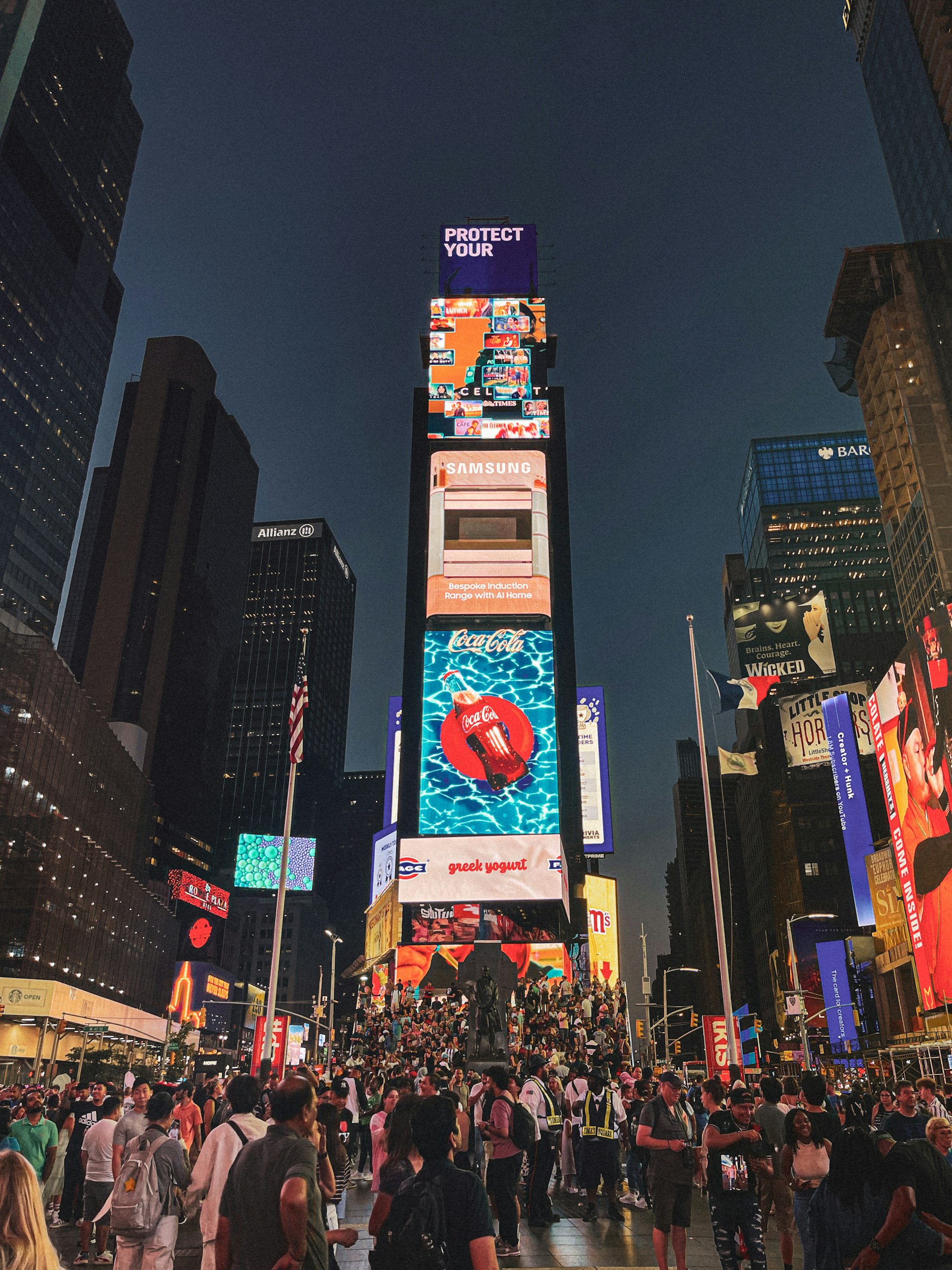
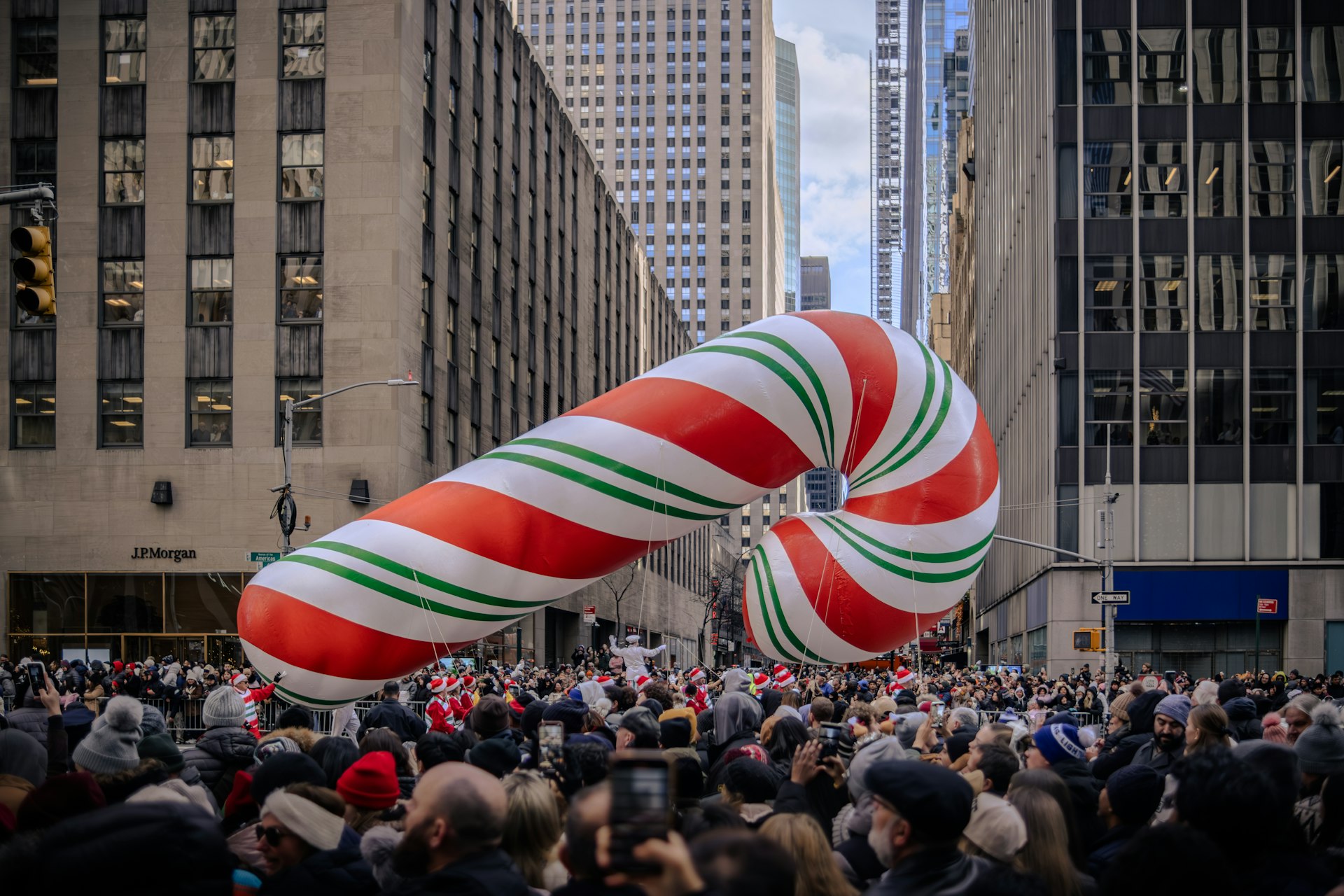
It sounds optional right up until you are standing in a street you have seen a thousand times on screens, in the cold, with a million people counting down together - and then you understand why New Yorkers largely skip it and visitors from everywhere else largely cannot explain why they needed to do it once. New Year's Eve in Times Square operates as organized chaos at maximum human scale, and the ball has been dropping since 1907. Streets close to vehicle traffic by mid-afternoon, and people begin staking viewing positions hours before midnight. The ball itself is 12 feet across, weighs nearly 12,000 pounds, and is covered in 2,688 Waterford crystal triangles lit by LEDs. The confetti that fills the air at midnight is printed with handwritten wishes submitted in advance by people around the world - a detail most people only discover after it has already fallen on them. NYPD maintains sector-by-sector crowd control; once you are inside a viewing zone, you stay in it until after midnight. It is worth attending if you have never been and want to see what a city looks and sounds like at its most collectively alive. It is explicitly not worth it if you require warmth, freedom of movement, or reliable access to food and restrooms during a five-to-six-hour wait. Viewing zones open around 3 PM and fill from the stage outward, so arrive by early afternoon for a direct sightline to the ball. Bathrooms are extremely scarce with very long lines. Alcohol is prohibited in the public viewing areas. Dress for 25 to 35 degrees with wind, and bring hand warmers and layers. Your phone will likely not work for the first hour of 2027 as every carrier network in Manhattan saturates at once. Hotels within walking distance book out months ahead. The ball itself never leaves: it stays lit above the square all year, and almost nobody walking under it in April looks up. That midnight moment is not available on any stream. December 31st, One Times Square.
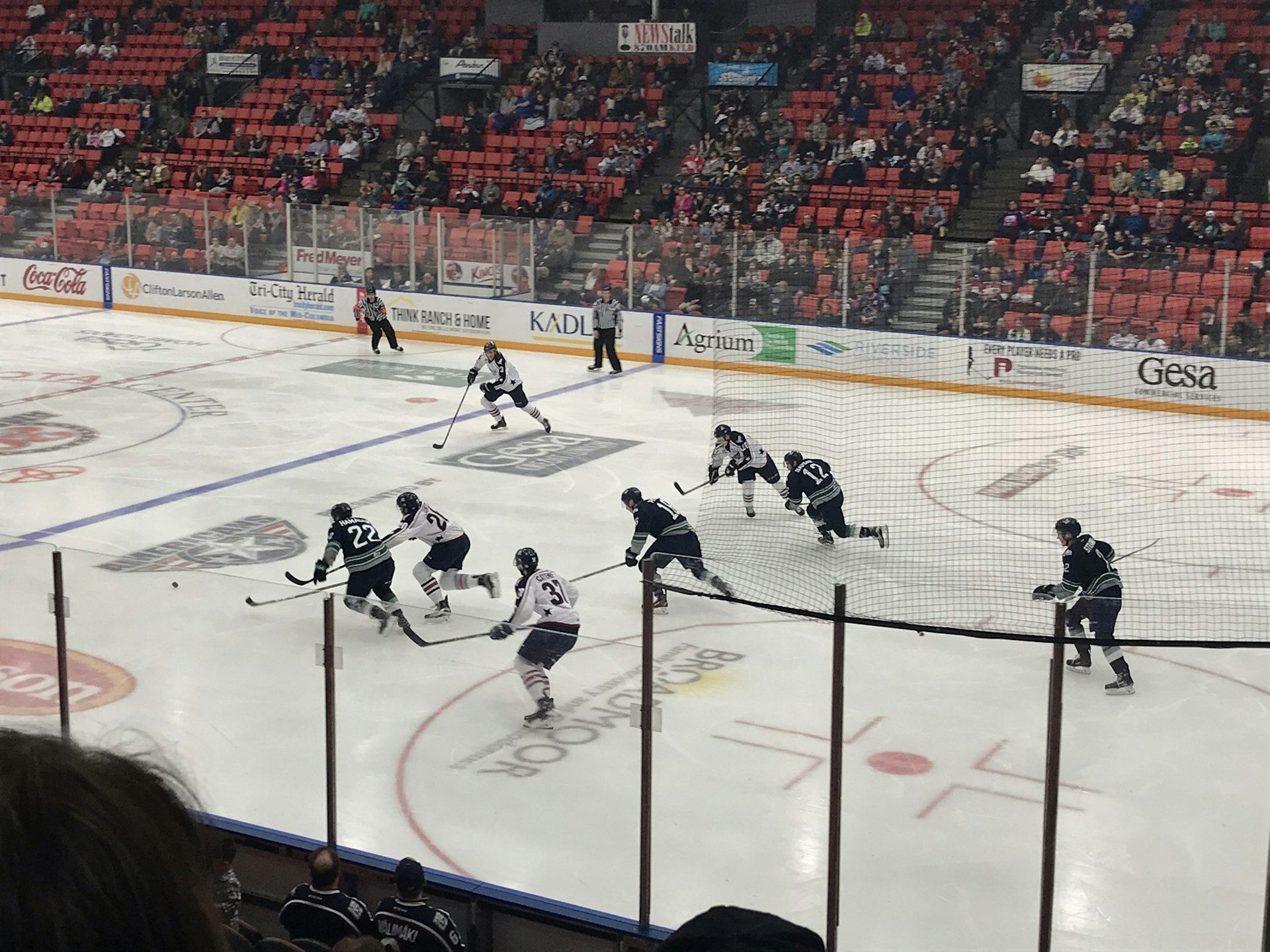
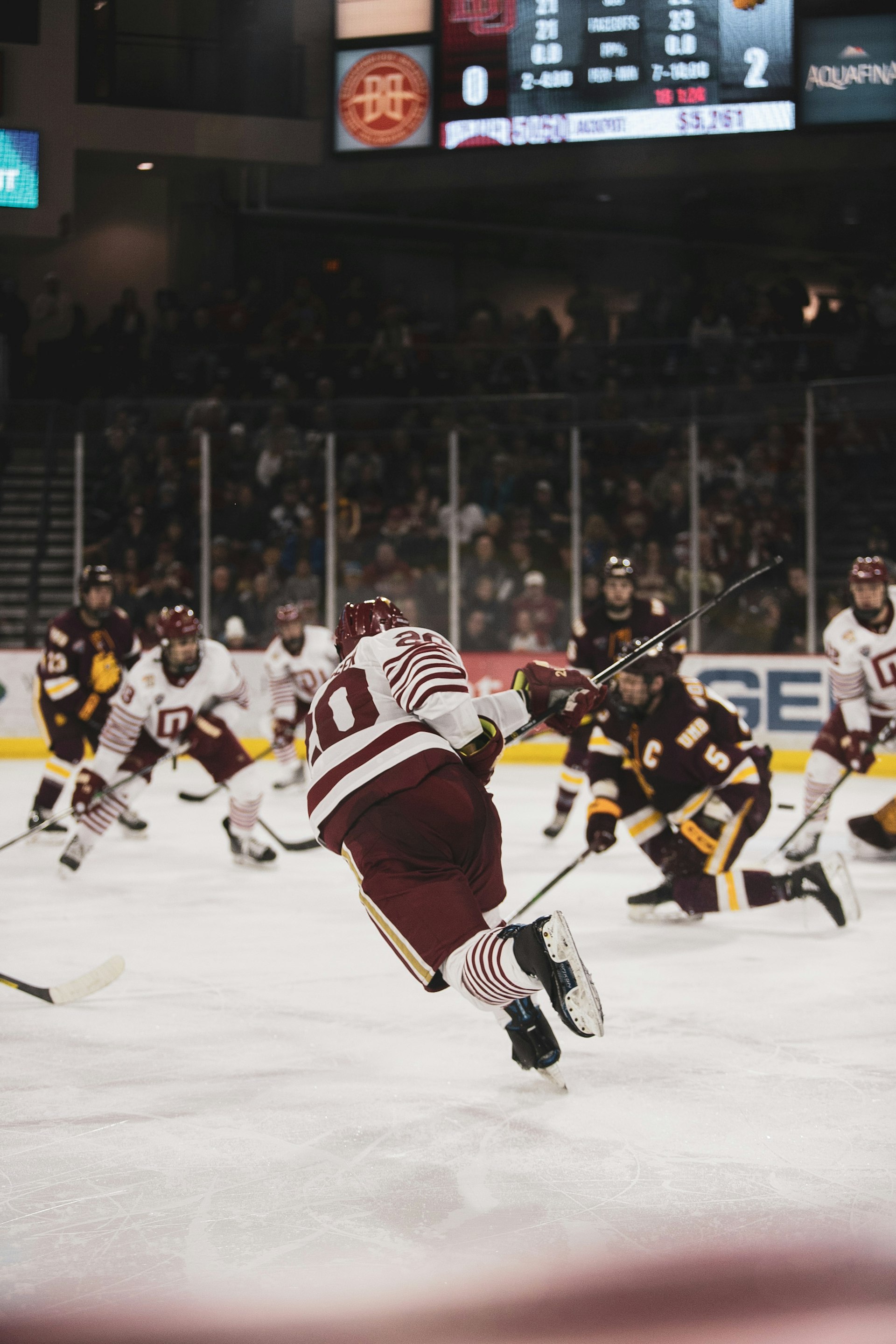
Hockey was never meant to be played indoors. Every rink in North America is a compromise with the weather, an argument the sport lost and then monetized, and once a winter the league stops pretending. On New Year's Eve the Colorado Avalanche and the Utah Mammoth walk out of the tunnel at Rice-Eccles Stadium in Salt Lake City and play on a sheet of ice laid over a football field, under open sky, at four in the afternoon with the Wasatch Range going pink behind the upper deck. It is the first outdoor NHL game ever played in the state of Utah, and the first time the Mammoth - a team barely two seasons into having that name at all - gets handed the league's signature day.
What the broadcast cannot carry is how strange the scale feels. A hockey rink is a small, loud, enclosed thing; drop it into the middle of a fifty-thousand-seat bowl and the players look like figures on a pond, which is precisely the point. The sound is wrong in the best way - no roof to trap the noise, so a goal goes up and keeps going instead of slamming back down on you. People arrive in parkas over sweaters over jerseys and spend the first period working out which layer was the mistake. The ice crew becomes a character in the afternoon; between periods you will watch them read a thermometer like a rosary.
Is it worth it? If you are the kind of person who has ever stayed out in the cold longer than was sensible because the light was good and the company was better, yes, without qualification. It is not for anyone who wants the sport at its fastest - outdoor ice is slow, chippy and unpredictable, and purists file the same complaint every single year. It is for people who understand that the game is not the only thing being staged. You are buying a day, not sixty minutes of hockey.
Know a few things first. Salt Lake sits near forty-seven hundred feet, the sun drops behind the mountains fast, and the temperature falls off a cliff the moment it does - dress for the third period, not the first. Rice-Eccles is on the University of Utah campus and runs on light rail far better than it runs on parking. And look for the cauldron: this stadium held the opening ceremony of the 2002 Winter Olympics, the torch still stands beside it, and the 2034 Games are already coming back here.
That is the real reason this one lands where it does. The league could have put its outdoor showcase in any cold city with a stadium. It chose a town rebuilding its entire identity around winter sport, on the last night of the year, in a building that already watched the world turn up once. Puck drops at 4:00pm Mountain, 451 1400 E, Salt Lake City. Somewhere in that crowd a kid in a borrowed parka is going to decide this is their sport now - the way people did in 2002, in the same seats.
Every December 31st puts the same annoying question to everybody, and most of the answers cost a hundred dollars and involve standing in a line to get a drink. Here is a better one: a five o'clock puck drop in the desert, out by eight, with the whole night still ahead of you. The Firebirds and the Gulls genuinely do not like each other - it is the closest thing to a rivalry either franchise has, ninety minutes apart on the 15, with both fanbases making the drive - so the hockey is not an excuse for the date. Bring the people you would otherwise be making a reservation with. You will get home in time to decide whether you even want to go out, which is the correct amount of freedom to have on December 31st. Puck drops at 5pm, 75702 Varner Road in Palm Desert. The valley runs its own late-night thing afterward that has nothing to do with anybody's countdown in Los Angeles.
New Year's Eve in this city is mostly a tax. Somebody's cousin knows a promoter, the ticket runs ninety dollars, the champagne is a thimble of something sweet, and at 12:04 you are standing among strangers wondering why you left the house at all. There is another version of the night. A band named after the city plays the club that built the city's reputation, the bill runs six acts deep, and nobody in the room is performing having a good time for anyone's camera. Phil Lewis has been doing this since the Strip was still genuinely dangerous. Urick, Taz Taylor Band, Nasty Passion, Philthy Rych, Evil Blade and Fire 'N Ice fill out the card. The thing to understand about a stacked bill here is that it starts early and runs long, so the opener you have never heard of is very often the set people end up talking about on the sidewalk. Six o'clock on the 31st, at an address that has not moved since 1964.
Dec 31 – Jan 1, 2027
Cielo Farms, 31424 Mulholland High…
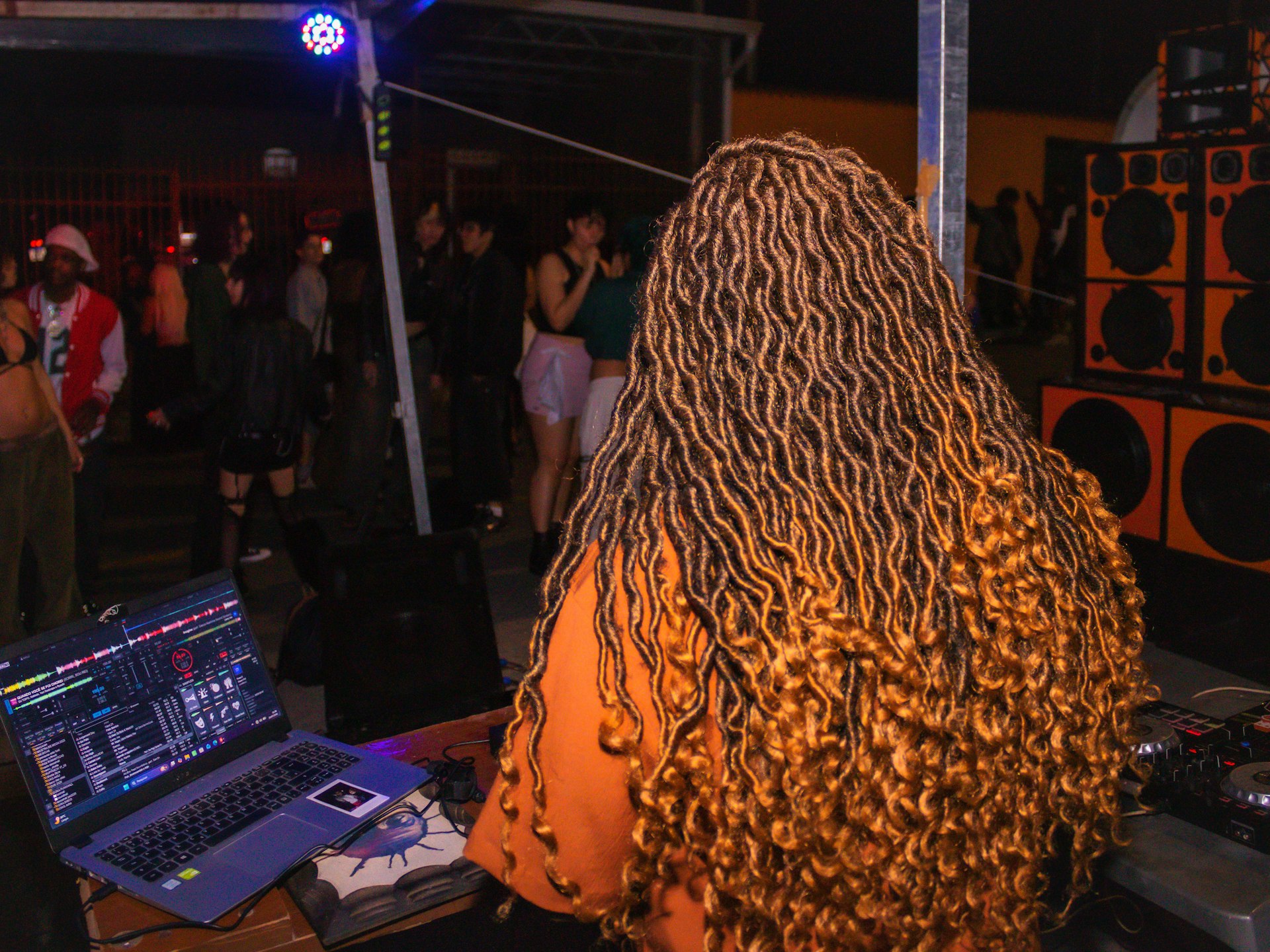
Most New Year's Eve plans fail the same way: a crowded room, a queue for everything, and a countdown you can barely hear. This one is up Mulholland in the Malibu hills, on a working farm property, starting at six in the evening and running into the new year — which means daylight at the beginning, the actual hills around you, and nobody within earshot to complain. Eighty-nine dollars is the real price of not being in Hollywood on December thirty-first. Expect house and melodic electronic rather than anything with a drop, and expect it to be cold enough that you will want the jacket you did not bring. 31424 Mulholland Hwy. Go with the people you would want to watch the sun go down with. Los Angeles has a quiet tradition of taking the biggest night of the year out of the city entirely — the desert, the hills, somebody's land — and those are consistently the ones people talk about in February.
Dec 31 – Jan 1, 2027
Zebulon, 2478 Fletcher Dr, Los Ang…
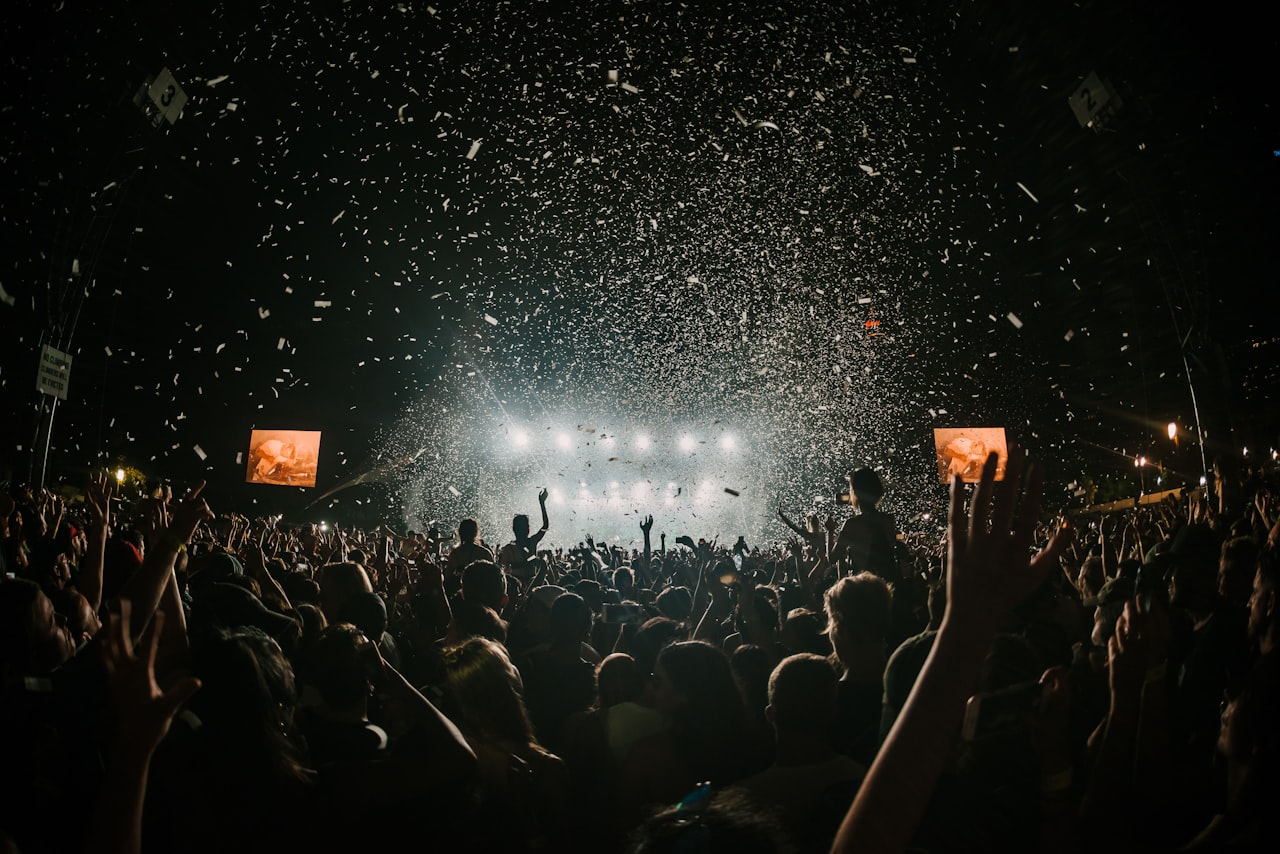
Before there was techno in Detroit there was electro in Los Angeles, and a good deal of it came out of one man, one drum machine, and a car full of speakers driving around South Central in 1983.
Greg Broussard still performs with a Roland TR-808, live, on stage, programming it in front of you rather than pressing play on a laptop. He is one of the genuine architects of West Coast electro-funk — the sound that fed into Miami bass, into early hip-hop, into most of what came after — and he has been playing continuously for four decades without ever being fully absorbed into the mainstream that borrowed from him.
A New Year's Eve show from an LA originator in a room on Fletcher Drive that actually cares about this history. Better than a countdown in a hotel ballroom.
Eight at night on the thirty-first of December. Stay for midnight.
Dec 31 – Jan 1, 2027
Free
Gloria Molina Grand Park, 200 N Gr…
Somewhere around the middle of December the math on New Year's Eve stops working for most people: the one night that is supposed to belong to everybody turns into a cover charge and a two-drink minimum. Grand Park has refused to play along for years. No ticket, no list, no bottle service - two stages in the middle of downtown, Ceci Bastida curating one and STARDUST the other, with Ruby Ibarra, BARDO and DJ Wayne Williams across the night and food trucks where a prix fixe would be. At midnight the projection climbs the face of City Hall and thousands of people standing in open air look at the same building in the same second, which is a thing a nightclub structurally cannot sell you no matter what it charges at the door. Strollers, teenagers and grandparents all turn up, because nobody had to buy in. 8pm to 1am, 200 North Grand Avenue.
The building is the argument. The Belasco opened in 1926 as a theatre and still carries the plasterwork to prove it - gilded ceilings, a balcony, a warren of rooms behind the main floor - and a handful of times a year somebody uses it for what a room like that was actually built for. CATEGORY is on its fourth volume, which means the people throwing this one have had three previous nights to learn what the space does to a crowd after 1am. Decadence is the stated theme and should be read as an instruction rather than decoration. Most New Year's parties in this city happen inside a black box with a rented light rig and a drink minimum; this one happens inside architecture designed a century ago to convince people the evening was significant. Doors at 8 on the 31st, 1050 South Hill Street. What you wear will matter more than it usually does.
Twenty-five dollars for New Year's Eve is almost suspicious, and the explanation is simply that it is Santa Barbara rather than Los Angeles. Two hours up the coast the entire economics of the night change: no surge pricing on the door, no bottle minimum, and a room where the staff recognise people. Eight o'clock start means a long night rather than a rushed one, and State Street is walkable enough that nobody needs to solve the parking problem at one in the morning. 500 Anacapa St. Take the group that always overspends on this night and show them the alternative. Santa Barbara's nightlife is small, stubbornly independent and almost never counted as part of the Southern California scene, which is exactly why a night out there feels like getting away with something.
Dec 31 – Jan 1, 2027
Soda Bar, 3615 El Cajon Blvd, San …
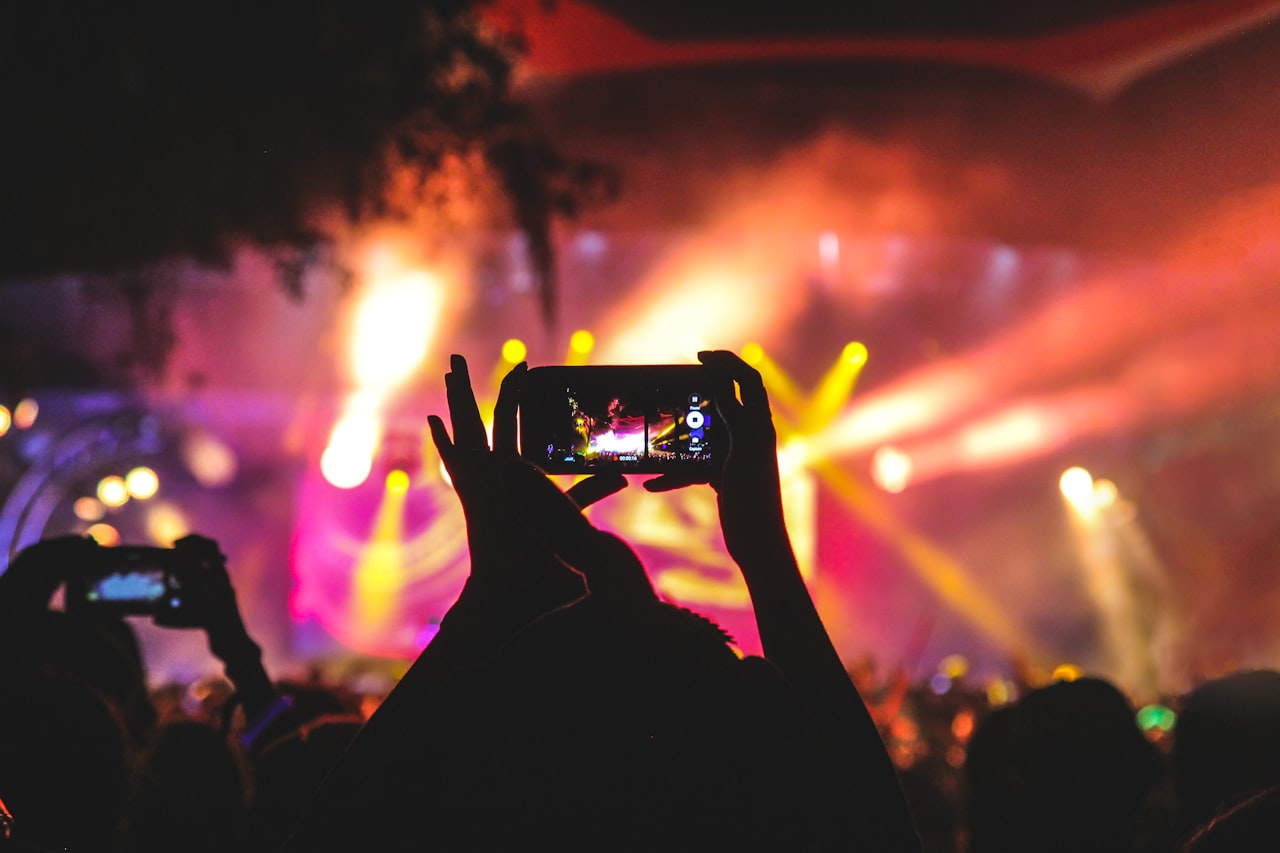
New Year's Eve is the most reliably disappointing night of the year, and the reason is structural: the ticket costs four times what it is worth, the room is full of people who do not normally go out, and at some point you are standing in a crowd holding a plastic cup waiting for a countdown that somebody will fumble. The alternative is to spend it the way you would spend any good night, in a room you already like, with music you actually chose. A soul bill on El Cajon Boulevard, doors at eight-thirty, running past midnight into the new year, is about as far from a hotel ballroom as San Diego gets. These two bands play the slow, aching end of Chicano soul, the lineage that runs through oldies radio and backyard parties and your tia's record shelf, and they play it straight rather than as a costume. Slow songs at midnight hit differently than a drop does. It is 21+ and small, so it will not be a spectacle, which is the point. Bring one person rather than eight.
Dec 31 – Jan 1, 2027
$84.98
Reframe Studios Indoors, 4594 Elec…
New Year's Eve is the one night a year when going out is an obligation, and you can feel it in a room: everyone watching a clock instead of each other, waiting to perform a feeling on cue.
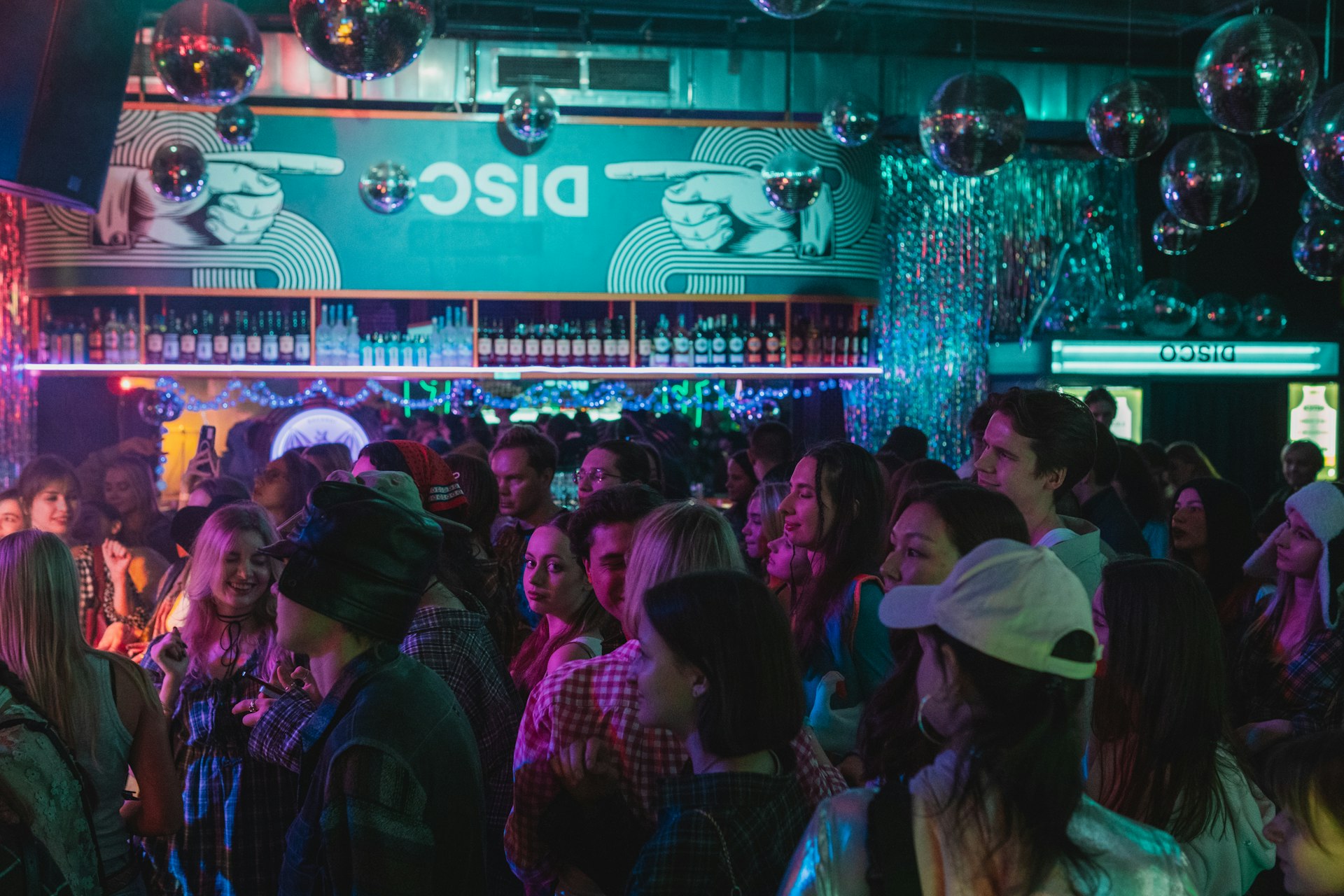
The times on this one are the tell. Doors at ten, last record at three. That puts midnight almost exactly in the middle of the night instead of at the end of it, so the countdown lands while the floor is already moving and then simply keeps going. Nobody has to decide what to do afterward, because there is no afterward to negotiate — just another three hours of the same room and the same people.
Duke Dumont has been making the kind of house record that sounds like relief since 'Need U (100%)', and a warehouse off Electronics Place is a far better frame for that than a ballroom with a balloon drop and a cash bar.
Reframe Studios Indoors, 4594 Electronics Place. Doors at ten — go if you would rather your midnight be a middle than a finish line.
The man produced some of the most recognisable rap records of the last decade and he is spending New Year's Eve playing house music. That is the entire reason to care. A producer stepping sideways into a four-four set is either a vanity exercise or the most fun thing on the calendar, and the ones who actually grew up on dance records tend to be the latter. Sound has a Funktion-One rig and a low ceiling, which is the correct physics for this. Sixty-two dollars, ten o'clock, 1642 N Las Palmas Ave in Hollywood. Go with whoever will still be there at three. Hollywood's New Year's Eve is usually the worst version of itself, and the exceptions are always the rooms where the sound system matters more than the guest list.
Every New Year's Day has the same shape: too quiet, slightly grey, a day you are supposed to spend recovering and reflecting. In one American city they decided a long time ago to do the opposite, and they have not stopped since.
The Mummers Parade is the oldest continuous folk parade in the United States, running on Broad Street every January 1 since 1901, with roots going back further than that into Swedish, Finnish, English and African American traditions that collided in South Philadelphia and never separated. Thousands of marchers in feathered, sequined, hand-built costumes — String Bands, Comics, Fancy Brigades — move from City Hall south to Washington Avenue over the better part of a day.
What outsiders never grasp is that this is not a civic event with volunteers. These are neighbourhood clubs, many of them family memberships going back four generations, who spend the entire year building costumes and rehearsing in clubhouses on Two Street. A String Band's suit can cost more than a car. People are born into this.
Is it worth it? If you have any interest in what folk culture looks like when it survives industrialisation, television and gentrification without being sanitised, this is one of the few places in America to see it. It is long, it is cold, it is loud, parts of it are chaotic, and none of that is a flaw. If you want a polished ninety-minute parade with a clear start and finish, this is not that.
What to know: it kicks off at 9 a.m. at City Hall and runs until roughly 7 p.m., so pick a stretch of Broad Street and a time rather than trying to see all of it. Grandstand tickets go on sale in November. Dress for standing still outdoors in January — locals treat it as an all-day commitment with layers and a plan for food. The real afterparty is on Two Street in South Philly, which is where people who actually know go once the official route winds down.
It earns a place here because almost nothing else in the country is like it: a city that answers the emptiest day of the year with the loudest thing it has. January 1, 2027, Broad Street, Philadelphia.
There's more here for you.
An account shows you family & community events matched to your exact taste — not just what's popular.